3 Surprising Travel Sleep Tips for Adventures
stering the art of rest while on the move is critical for maintaining the cognitive function and physical stamina required for demanding expeditions. Research suggests that the first-night effect, where the brain stays partially alert in new environments, can be mitigated by replicating specific sensory triggers from home.
By understanding the biological impact of light cycles and temperature on the circadian rhythm, travelers can more effectively recalibrate their internal clocks to match new time zones.
Achieving high-quality sleep in remote or unconventional settings often requires a strategic approach to environmental control and supplement timing. When these physiological and environmental factors are synchronized, adventurers can ensure their bodies recover fully, allowing them to engage with their surroundings with maximum energy.
Read on to uncover three unconventional sleep strategies that will help you wake up refreshed and ready for whatever the trail throws your way.
1. Build a Sleep-Conducive Environment
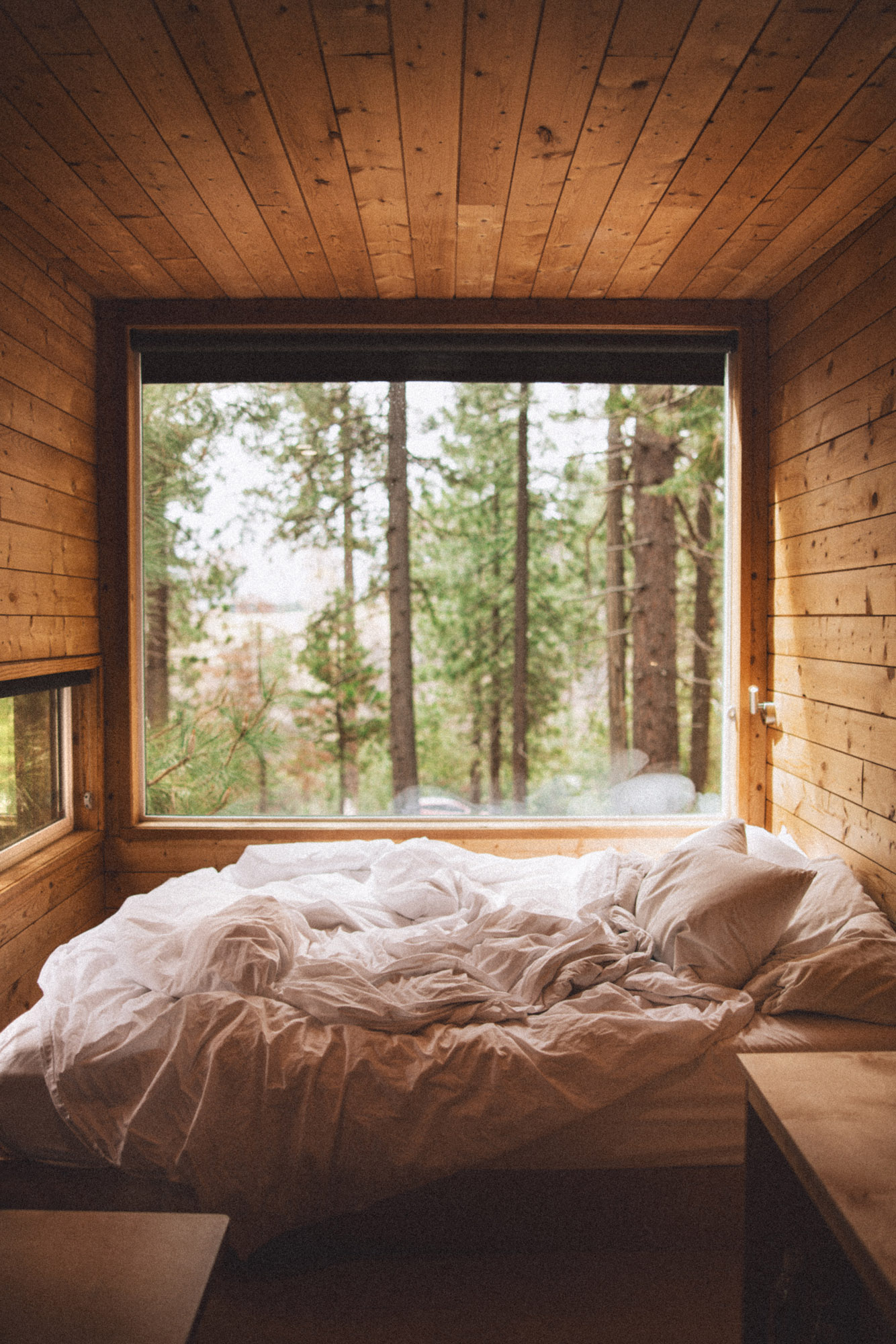
Creating a restful sanctuary in the middle of an adventure is often the difference between waking up ready to explore or spending the day in a tired fog. Whether you are staying in a mountain lodge or a bustling city hotel, your immediate environment dictates your sleep quality. It is essential to control light and sound variables that usually differ from your setup at home.
Master Light & Darkness
- Pack an eye mask that blocks out aisle-seat glow and unpredictable hostel lighting.
- If you are camping, switch your headlamp to a red-light setting after dusk; red wavelengths interfere less with melatonin production.
- Dim every screen (seat-back, phone, e-reader) an hour before you intend to drift off.
Silence the World
- High-density foam earplugs shave off 25-30 dB of chronic cabin noise.
- White-noise apps can effectively mask chatty bunkmates.
- Pairing earbuds with a rainfall track can mimic the sound of nature, masking disruptive snoring effectively.
Regulate Temperature & Comfort
Aim for an ambient 60-67°F (15-19°C), the range sleep researchers call the thermo-neutral zone. In the backcountry, layer a reflective emergency blanket under your pad to retain radiant heat.
A study published in the National Library of Medicine found that individuals who are of a morning type and have high sensitivity to the sleep environment are most affected by environmental change.
Bring a piece of home to cue your brain for rest. Slipping your camp pillow into your usual pillowcase works wonders. For those in alpine conditions, lightweight hose insulators prevent cold-air discomfort.
Key Insight: Aim for the thermo-neutral zone of 60-67°F for optimal rest. Campers should pair this target with a seasonally appropriate R-value sleeping pad to prevent ground cold from draining body heat.
2. Pack Portable Sleep Aids That Earn Their Space

Photo from RespShop
Maintaining a consistent sleep therapy routine while traveling is often a challenge due to the bulk of standard equipment. However, leaving a machine behind can lead to poor sleep quality and decreased energy during your trip.
Compact, travel-specific units have become a practical solution for frequent flyers because they are designed to be lightweight and are typically FAA-cleared for use during flights.
To simplify packing, many travelers opt for a portable travel CPAP from RespShop. These systems are built specifically for mobility and include features like automatic altitude adjustment, which is essential if your journey takes you through varying elevations.
By using a device tailored for travel, you can save significant space in your luggage and avoid the hassle of transporting a full-sized home unit.
Warning/Important: Don't skip CPAP therapy to save pack weight. Modern travel units are FAA-cleared and weigh under a pound. Always pair with a lithium-ion battery if your itinerary includes off-grid camping.
3. Sync Your Body Clock to Outsmart Jet Lag

Pre-Trip Schedule Shifts
Start moving your bedtime by 30 minutes per night, three to four days before departure. This preparation is vital for frequent flyers. According to the Centers for Disease Control and Prevention (CDC), 68% of international business travelers experience negative symptoms of jet lag regularly.
Sunlight, Movement & Meal Timing
- On day one at your destination, spend at least 30 minutes outdoors between 8 a.m. and noon local time.
- Take a brisk walk or easy jog; moderate exercise raises core temperature, which later drops and signals sleep readiness.
- Research has found associations between circadian disruption and health issues like reproductive problems, so prioritizing this sync is crucial.
Consistency Is King
Seasoned travelers swear by routine. Keep the same mask model and pressure settings you use at home. Whether you are hotel-hopping or car-camping, set up your sleep space the same way each night.
Maintaining habitual bedtime rituals cues your nervous system to power down. This remains effective even when your environment changes drastically. Consistency helps bridge the gap between home comfort and travel chaos.
Pro Tip: Jumpstart your jet lag recovery by seeking natural light immediately. Thirty minutes of outdoor exposure between 8 a.m. and noon local time resets your circadian rhythm more effectively than any energy drink.
Your Next Steps
- Create a fortress against light, noise, and temperature extremes wherever you drop your pack.
- Pack multipurpose, feather-weight sleep aids - everything must earn its square inch of rucksack real estate.
- Nudge your circadian rhythm toward your destination before takeoff, then lock it in with sunlight.
Have a travel sleep hack we didn't cover? Drop it in the comments - fellow night-owls will thank you. Ready for gear that travels as hard as you do?
Explore curated lineups of portable sleep solutions, from batteries to mask-care kits. Build your ultimate road-ready sleep kit today.
Author Profile: RespShop is a leading online retailer of CPAP machines, masks, and oxygen therapy equipment for individuals managing sleep apnea and respiratory conditions.