6 Engagement Ring Trends Everyone in Australia Is Choosing Right Now
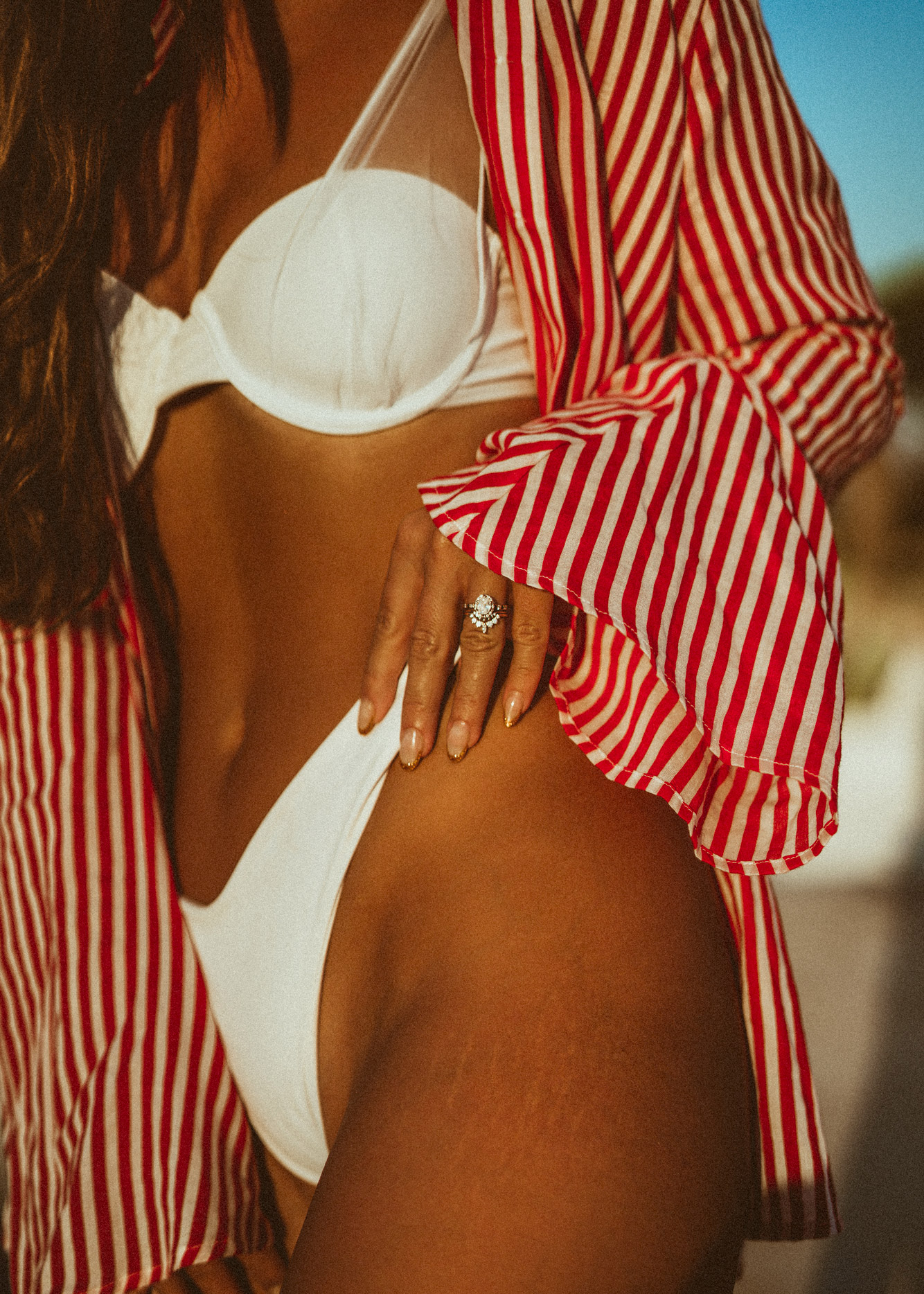
1. Why Engagement Ring Trends Are Shifting Toward Individual Design
The conversation around engagement rings has shifted in a way that feels structural rather than purely aesthetic, shaped by how people live, work, and present themselves daily rather than by tradition alone. Engagement rings in Australia are moving beyond tradition, and that shift reflects a broader global pattern where couples are no longer defaulting to standard round diamonds or preset designs, instead approaching the process with a level of specificity that mirrors other long-term purchases.
The modern buyer tends to prioritize durability, visual distinction, and personal relevance, which has pushed the market toward designs that feel less interchangeable and more considered. This is also tied to how frequently rings are worn, photographed, and integrated into daily life, where versatility and comfort carry as much weight as appearance.
- Rings are expected to transition easily between casual and formal settings
- Visual uniqueness carries more weight than strict adherence to tradition
- Longevity and comfort influence decisions alongside aesthetics
- Ethical sourcing and transparency are becoming standard expectations
The category now feels more intentional overall, where each element is evaluated for how it performs over time rather than how closely it aligns with historical norms.
2. Elongated Diamond Cuts and Their Practical Appeal
Elongated diamond shapes have become one of the most visible shifts in engagement ring design, largely because they address both aesthetic and functional preferences without feeling overly trend-driven. Ovals, emeralds, radiants, and marquise cuts create a longer visual line across the finger, which tends to feel more refined and proportionate, particularly for everyday wear.
Celebrities and influencers continue to popularise these cuts, but their continued demand comes from how adaptable they are across different settings and styles. These shapes also tend to maximize perceived size relative to carat weight, which makes them appealing from both a visual and financial standpoint.
When evaluating elongated cuts, the details matter more than they initially appear:
- Emerald cuts emphasize clarity due to their step-cut facets, making the stone quality more visible
- Oval and radiant cuts offer more brilliance and can better mask inclusions
- Marquise shapes require precise symmetry to avoid a bow-tie shadow effect
- Length-to-width ratios significantly affect how balanced the stone appears on the hand
These shapes remain consistent in popularity because they integrate well into both minimalist and more intricate designs, allowing the same cut to feel understated or more detailed depending on the setting.
3. Custom and Bespoke Rings as the Standard Approach
Customization has shifted from a niche option to a baseline expectation, particularly among buyers who want control over materials, proportions, and long-term wearability. Bespoke design makes it possible to combine unique stones in a way that reflects personal style while still maintaining structural integrity and everyday usability.
Working with a jeweler on a custom piece allows for adjustments that are often overlooked in ready-made designs, particularly in how the ring sits on the hand, how it pairs with a wedding band, and how durable it will be under daily use.
- Stone selection can include diamonds, sapphires, or mixed gemstone compositions
- Band thickness and profile are tailored for comfort and long-term wear
- Settings can be adjusted for security without compromising light exposure
- Subtle design elements, such as hidden halos or engraving, add detail without overwhelming the piece
The result tends to feel more resolved, where each element contributes to the overall design rather than competing for attention.
4. Classic Settings with Updated Construction
Traditional settings have re-emerged with subtle adjustments that make them more practical for modern use, particularly for those who expect to wear their ring continuously rather than occasionally. Solitaire, halo, and hidden halo designs remain widely used, though their proportions and detailing have shifted to feel more streamlined and wearable.
These updates often focus on structural improvements that are not immediately visible but make a noticeable difference over time:
- Lower-profile settings reduce the likelihood of catching or damage
- Reinforced prongs improve long-term stone security
- Mixed metal bands introduce contrast without overwhelming the design
- Hidden halos add dimension without altering the overall silhouette
The appeal of these designs comes from their ability to remain visually consistent over time while still incorporating enough detail to feel current.

5. Vintage Influence and Heirloom Design Details
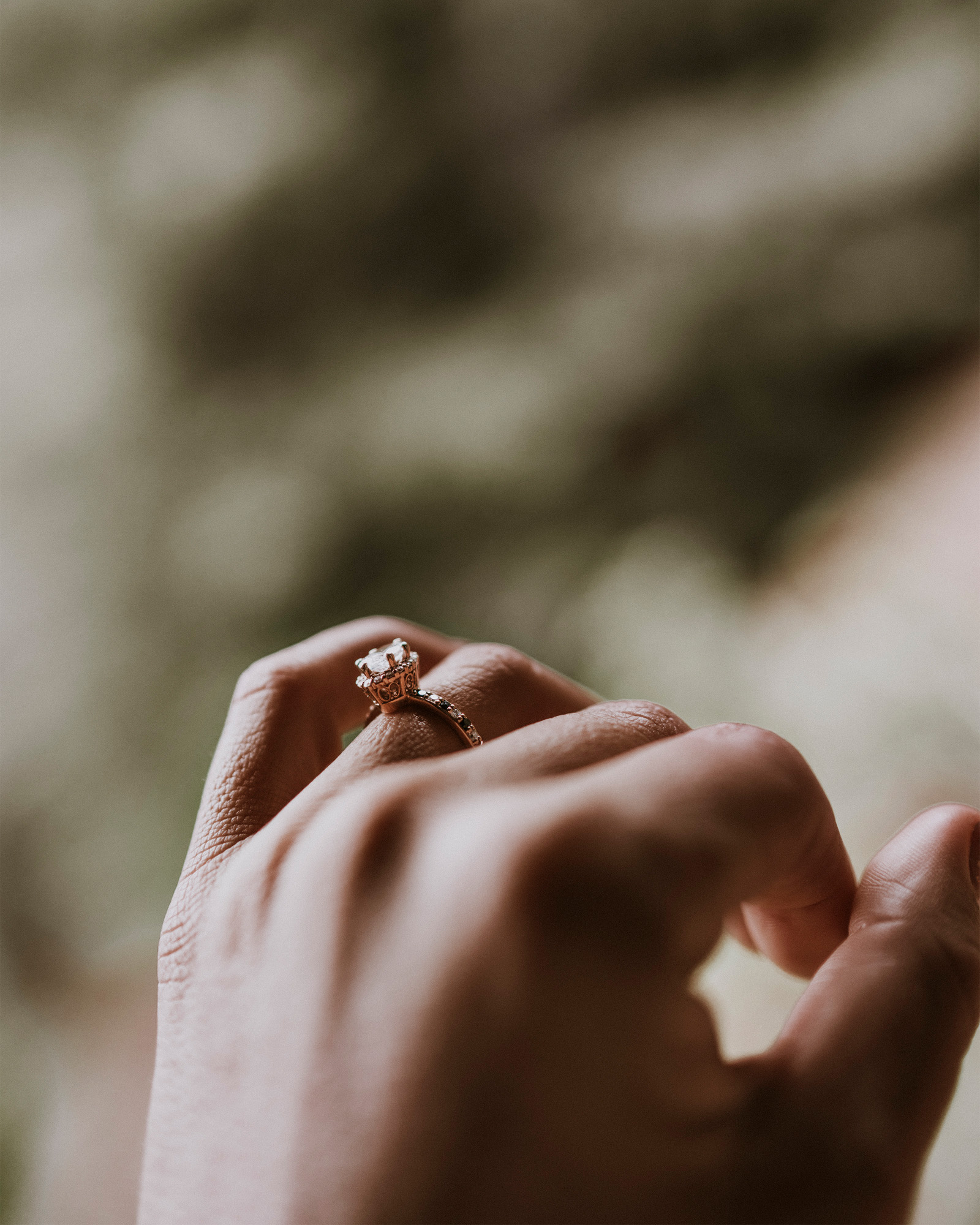
Vintage-inspired rings continue to gain traction, largely because they offer a level of intricacy that is difficult to replicate in more minimal designs. Art Deco, Victorian, and antique-style influences introduce elements such as filigree, milgrain edges, and unconventional stone arrangements, which create depth without relying on size alone.
These details tend to resonate with buyers who want a ring that feels distinct without appearing overly modern, especially when paired with contemporary craftsmanship that improves durability compared to true antique pieces.
- Filigree work adds texture and visual complexity
- Milgrain detailing creates a softer, more refined edge
- Antique-style cuts introduce subtle variation in light reflection
- Mixed-era design elements allow for a balance between old and new
There is a growing preference for pieces that feel layered and intentional, rather than purely minimal or overtly trend-driven.
6. What to Prioritize When Choosing an Engagement Ring
With so many directions available, the decision process benefits from focusing on variables that determine how the ring will function over time, rather than approaching it purely from a visual standpoint.
- Daily wearability - how the ring feels during extended use
- Structural durability - how well the setting protects the stone
- Visual proportion - how the stone size and shape align with the hand
- Long-term flexibility - how easily the ring pairs with future bands or adjustments
Approaching the process with these priorities tends to lead to a design that remains consistent in both appearance and function, even as trends continue to shift.
The current landscape of engagement rings reflects a more deliberate way of choosing, where each decision is grounded in how the piece will actually be worn and lived with over time, rather than how closely it aligns with expectations.