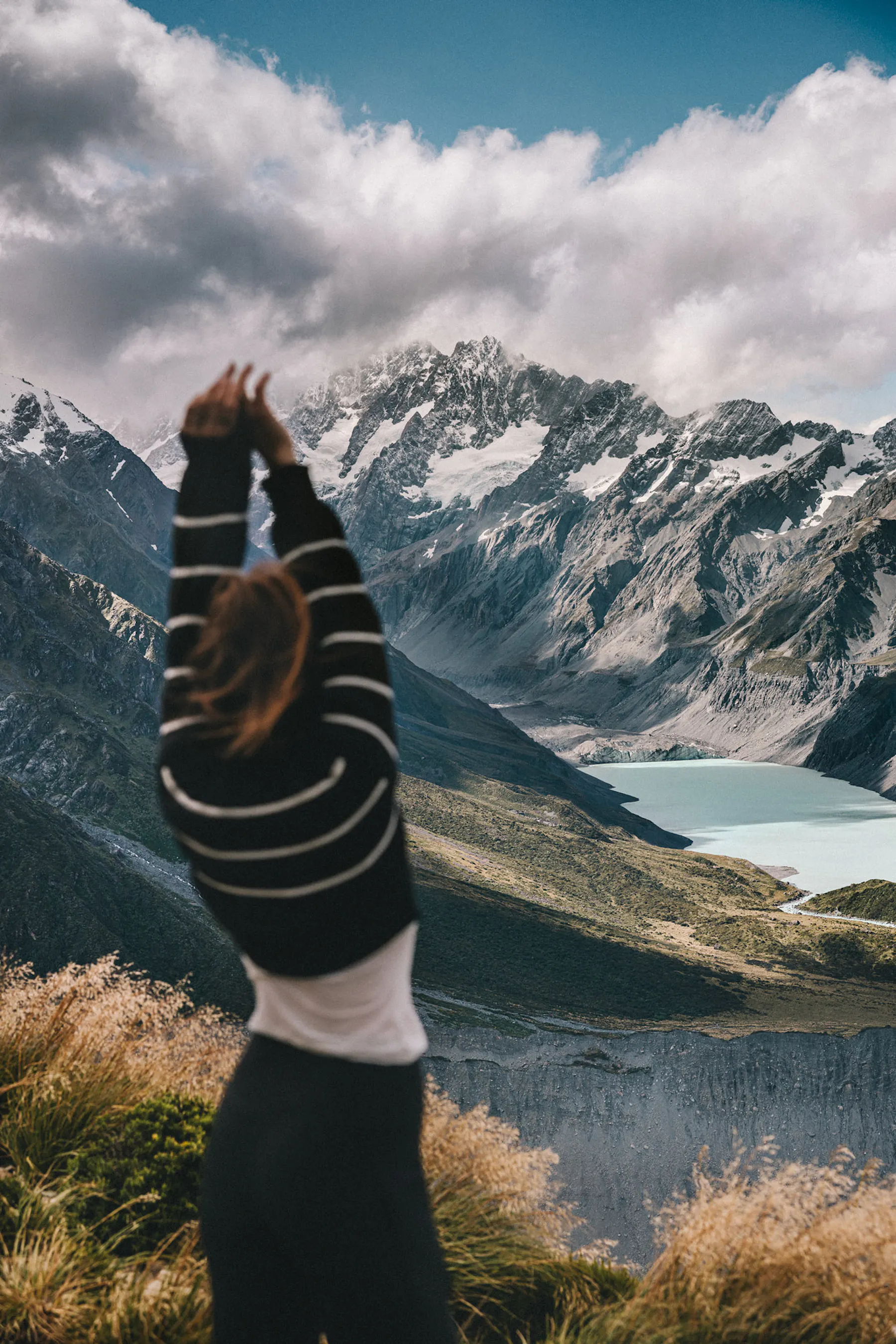
The travel industry has officially pivoted away from the frenetic checklist tourism that defined the last decade. The new gold standard is slow travel, a philosophy that prioritizes depth over distance and presence over pace. When our attention is constantly auctioned off to the highest bidder, slow travel is an act of rebellion.
It's about touching grass and allowing yourself to truly arrive in a destination rather than just passing through it.
The "Rule of Five" (Stay Longer)
The most common travel mistake is the three-city whirlwind, a pace that mirrors the frantic scrolling of a social media feed. Savvy slow travelers are adopting the rule of five: spend at least five nights in a single location.
Psychologically, it takes about three days for your nervous system to downshift and shed the residual stress of home mode fully. By the fourth day, you've found your favorite local bakery and learned the name of the barista. This extended stay allows the urge to check your phone to be replaced by a genuine connection to your surroundings.
Ditch the Fixed Itinerary
Nothing kills the soul of a holiday faster than a 9:00 AM alarm and a spreadsheet of must-sees. Slow travel encourages you to bin the rigid schedule. Instead, pick one anchor activity per day (perhaps a specific museum or a coastal hike) and leave the rest to chance. Modern travel is about spontaneous discovery.
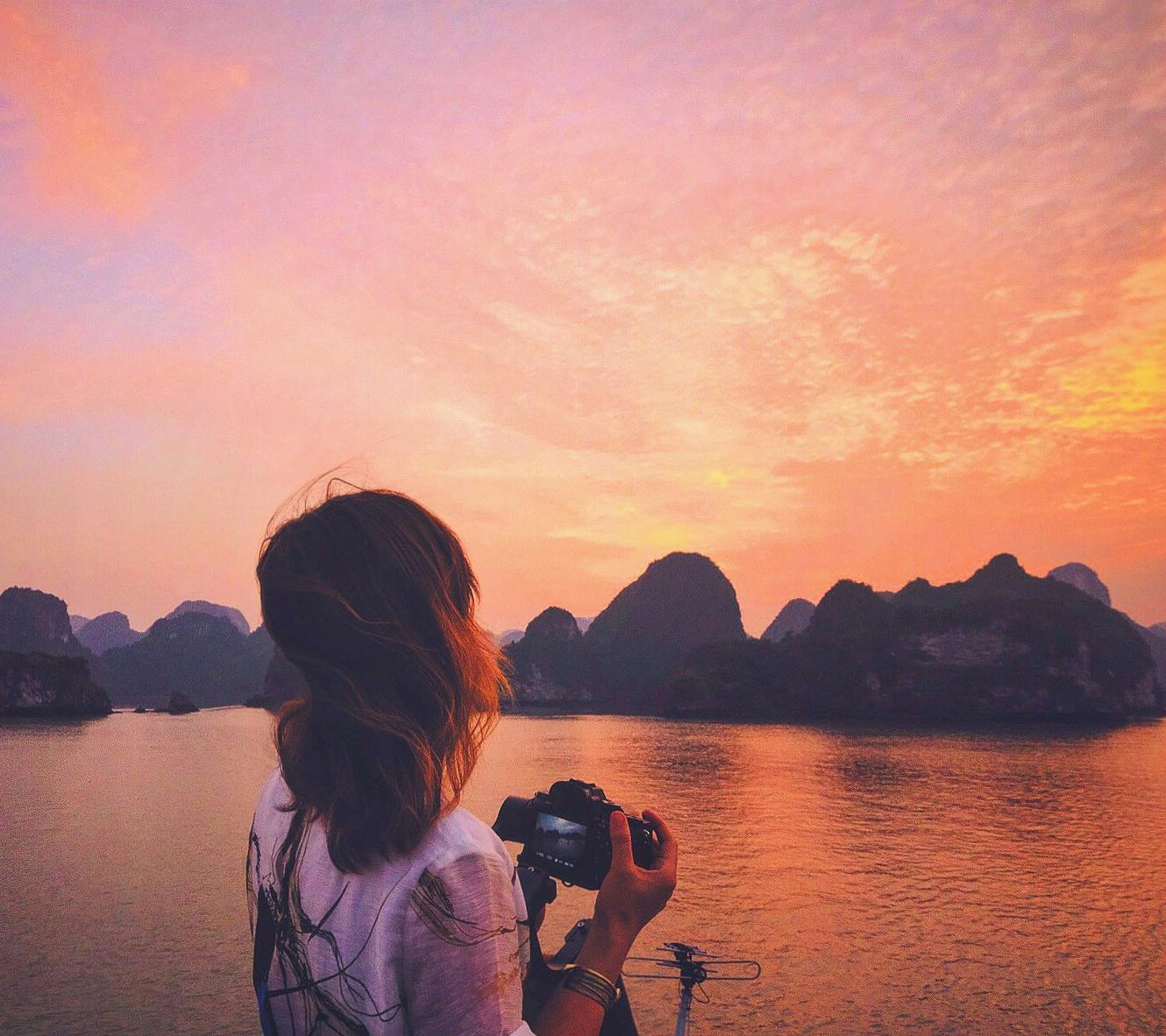
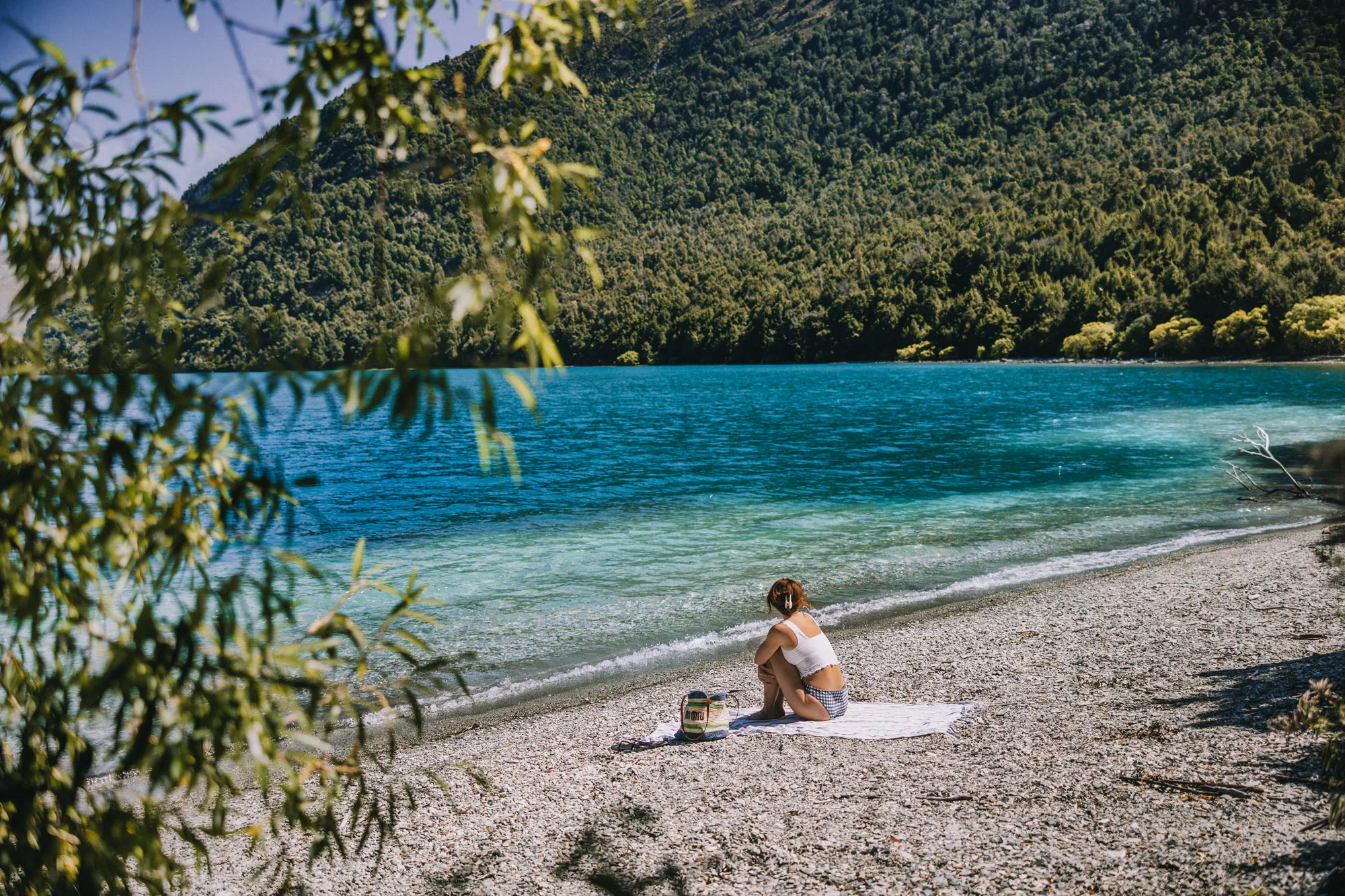
It's about the luxury of following a local's recommendation for a hidden swimming spot or spending three hours reading a book by a lake simply because the light is just right.
Move via Surface Transport
Slow travel isn't just about what you do when you arrive - it's about the journey itself. Whenever possible, skip the short-haul flight. Low-impact mobility options, such as long-distance trains and ferries, are the preferred choice for those seeking a deeper connection to the land.
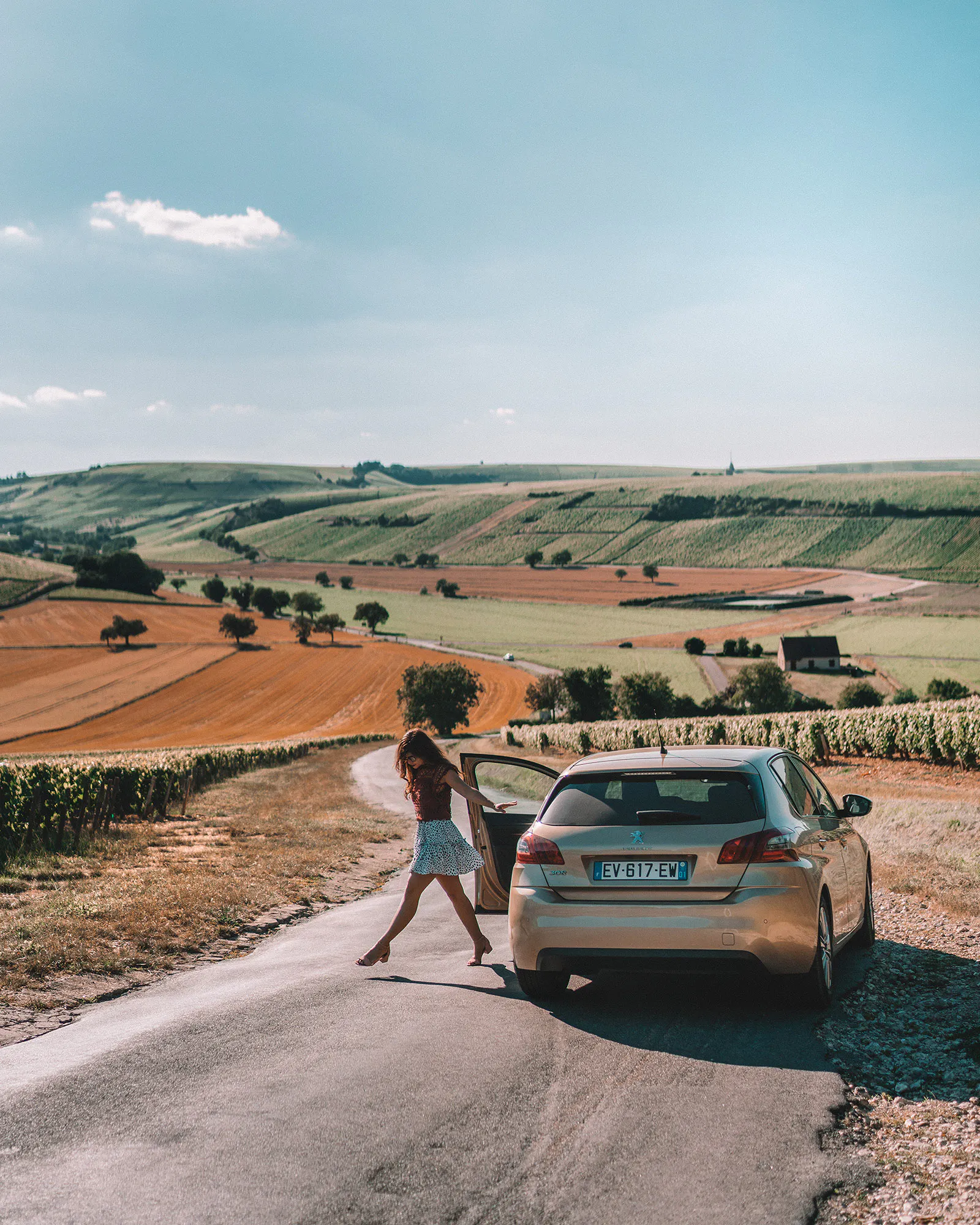
These modes of transport allow you to witness the gradual change in the landscape, providing a sense of scale and geography that flying simply deletes. Seeing the transition from rolling hills to rugged mountains through a train window helps your brain prepare for the change in environment.

The Home-on-Wheels Nature Immersion
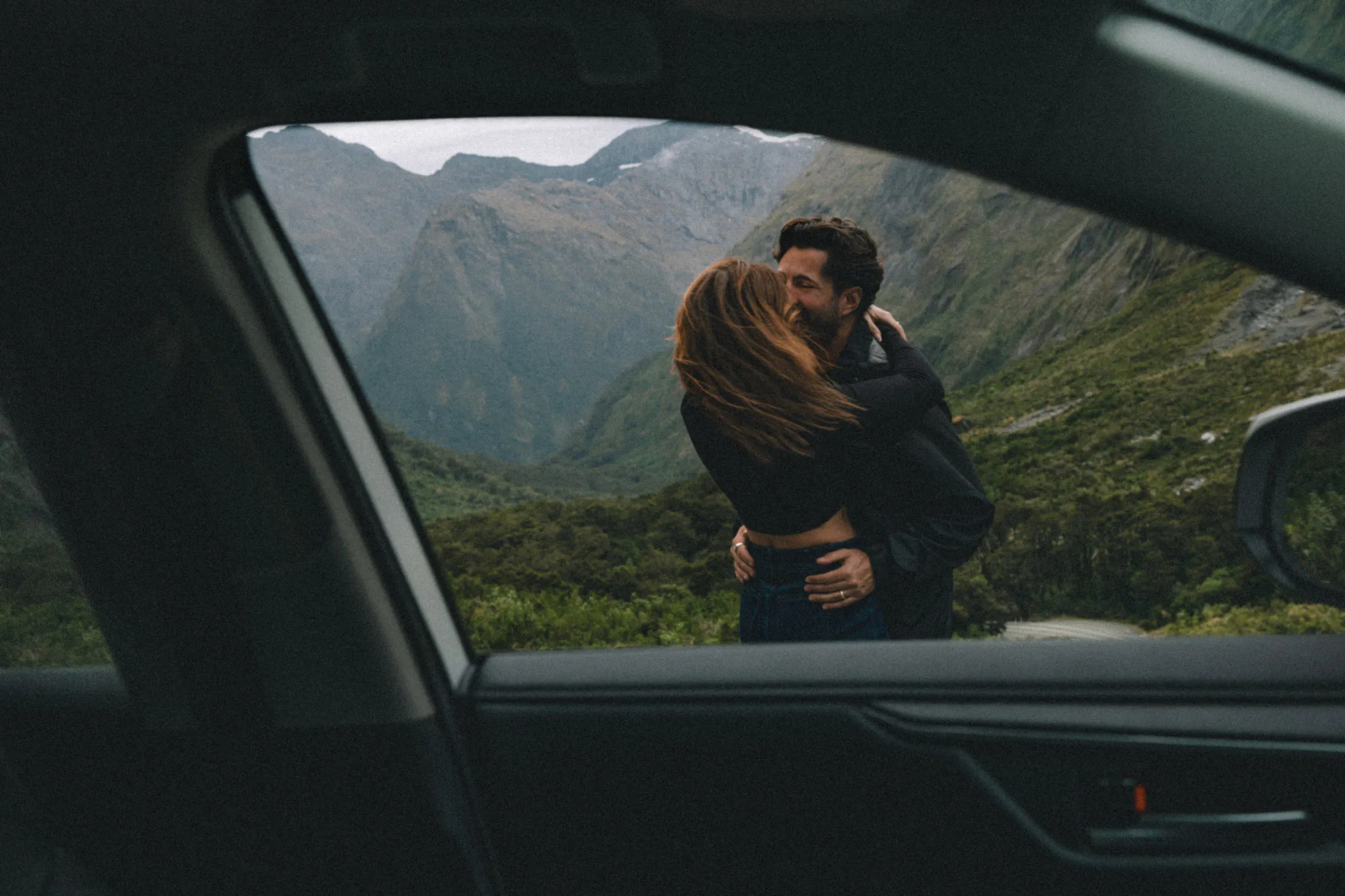
One of the most effective ways to truly vanish into nature is by using a motorhome or campervan. Micro-camping (staying at single-pitch farm stays or remote off-grid meadows) is the breakout trend. Having your own kitchen and bed allows you to park up in the middle of a forest or overlooking a quiet fjord and simply stay put.
Without the pressure of a check-out time, you can wake up slowly to the sound of birds and soak in the surroundings without ever leaving your "living room" window. Seeing one sunset properly from your van is worth more than seeing five through a bug-splattered windshield. Of course, this level of escapism requires careful preparation; ensuring you have the right motorhome insurance for peace of mind is essential before you head off the beaten track.
Support the Hyper-Local Economy
Slow travel is deeply connected to sustainability. When you stay longer, you have the opportunity to move beyond tourist-trap souvenir shops and support the hyper-local economy. Visit the village market and eat at the family-run taverna that isn't on any "Top 10" list. Many tourists are now seeking out artisanal workshops where they can spend an afternoon learning a local craft, turning a holiday into a lasting learning experience that enriches both the visitor and the community.