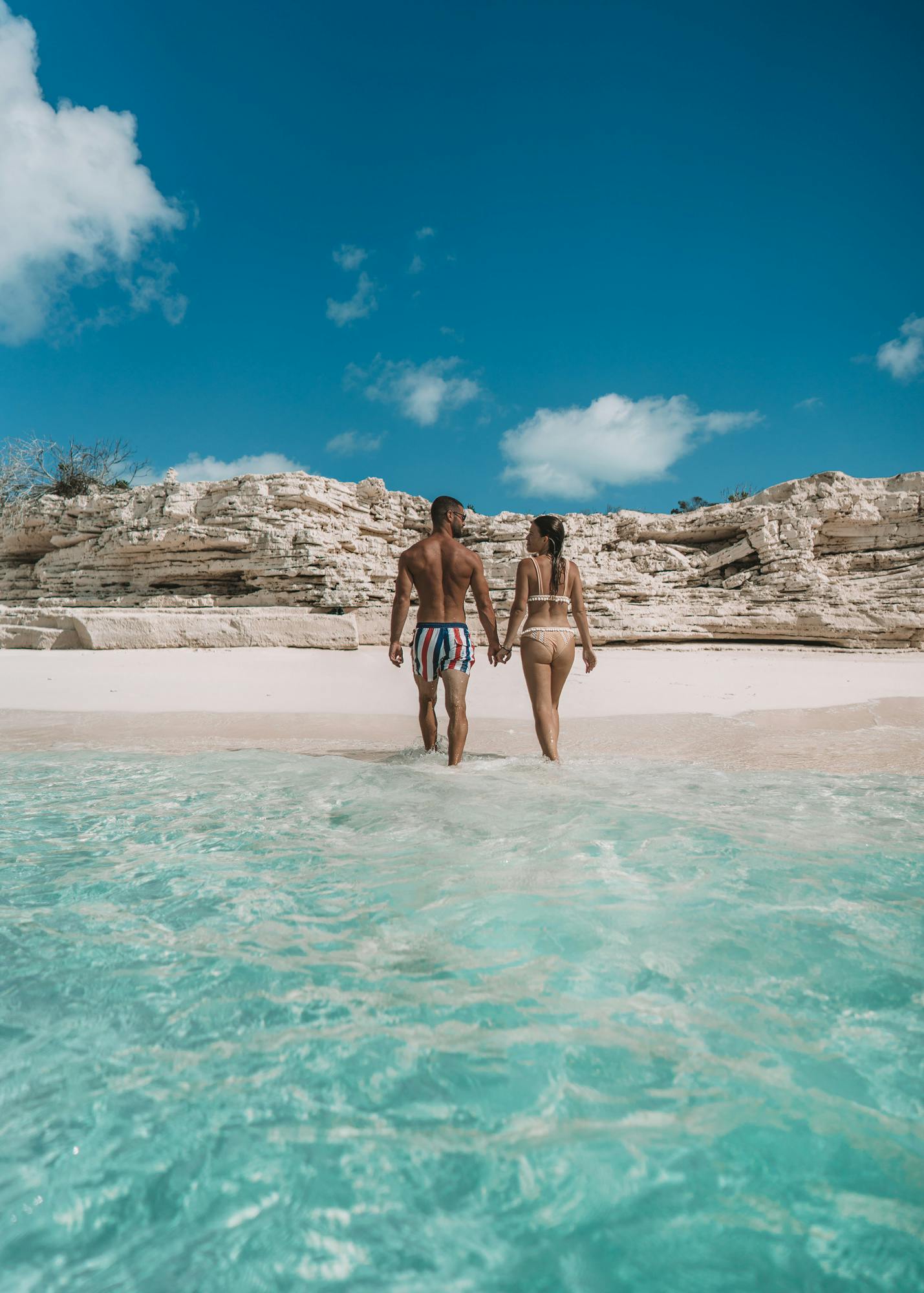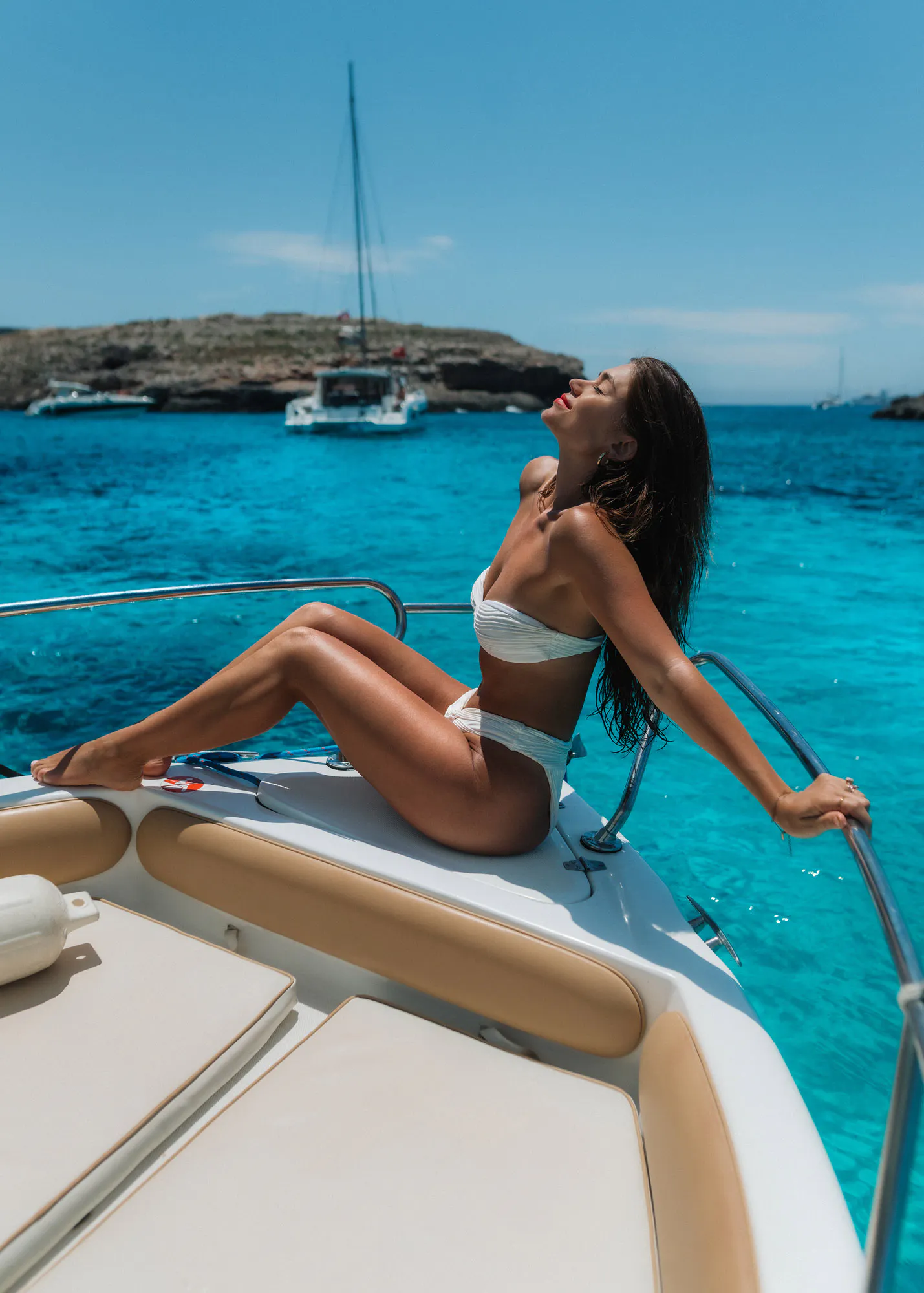
The British Virgin Islands are built for movement, with short sailing distances and islands positioned close enough to explore without wasting days in transit. Many visitors quickly realize that all inclusive yacht charters simplify the entire experience, allowing you to move between anchorages without constant packing or ferry coordination. Whether you stay on land or take to the water, understanding how the islands function before booking will shape how smooth your trip feels.
1. Understand the Geography Before Booking
The British Virgin Islands consist of more than 60 islands and cays spread across a compact sailing territory in the northeastern Caribbean, just east of Puerto Rico. The distances between major islands are short, which is precisely what makes the destination unique, but proximity alone does not guarantee convenience unless you plan with intention.
You can base yourself on Tortola or Virgin Gorda and rely on ferries, yet ferry schedules dictate your movement and limit spontaneity. Many visitors eventually recognize that the most efficient way to experience multiple islands without constant packing and repacking is by sea.
When mapping out your trip, consider:
- Whether you want a fixed hotel base or a mobile base on the water
- How frequently you are willing to change accommodations
- Your tolerance for coordinating transfers between islands
- The trade-off between structure and flexibility
For travelers prioritizing autonomy and fluidity, crewed or bareboat yacht charters often create a far more cohesive experience than land-based hopping.
2. Choose the Right Season for Weather and Pricing
The BVI operate on a distinct seasonal pattern driven by trade winds and Caribbean storm cycles. Weather, pricing, and availability shift dramatically throughout the year.
High season generally runs from December through April, bringing:
- Consistent trade winds ideal for sailing
- Lower humidity and minimal rainfall
- Higher charter rates and hotel pricing
- Increased demand requiring early reservations
Shoulder season, particularly May and early June, often offers strong value. Conditions remain favorable while crowds thin and pricing softens.
Hurricane season extends from June through November, with heightened storm activity typically concentrated in late summer and early fall. Travel during this period remains possible, yet flexibility becomes essential. Comprehensive travel insurance and close monitoring of weather systems are prudent safeguards rather than optional extras.
If sailing is central to your plans, wind conditions matter as much as sunshine. The steady easterly trades during peak months create manageable passages between islands and predictable anchorages.

3. Decide Between Ferry Transfers and Yacht Charters
Island hopping defines the BVI experience, but how you move between islands fundamentally shapes your trip.
Ferries connect the primary hubs such as Tortola, Virgin Gorda, and Jost Van Dyke. They are reliable but schedule-driven. Miss a departure and your day recalibrates around the next available crossing.
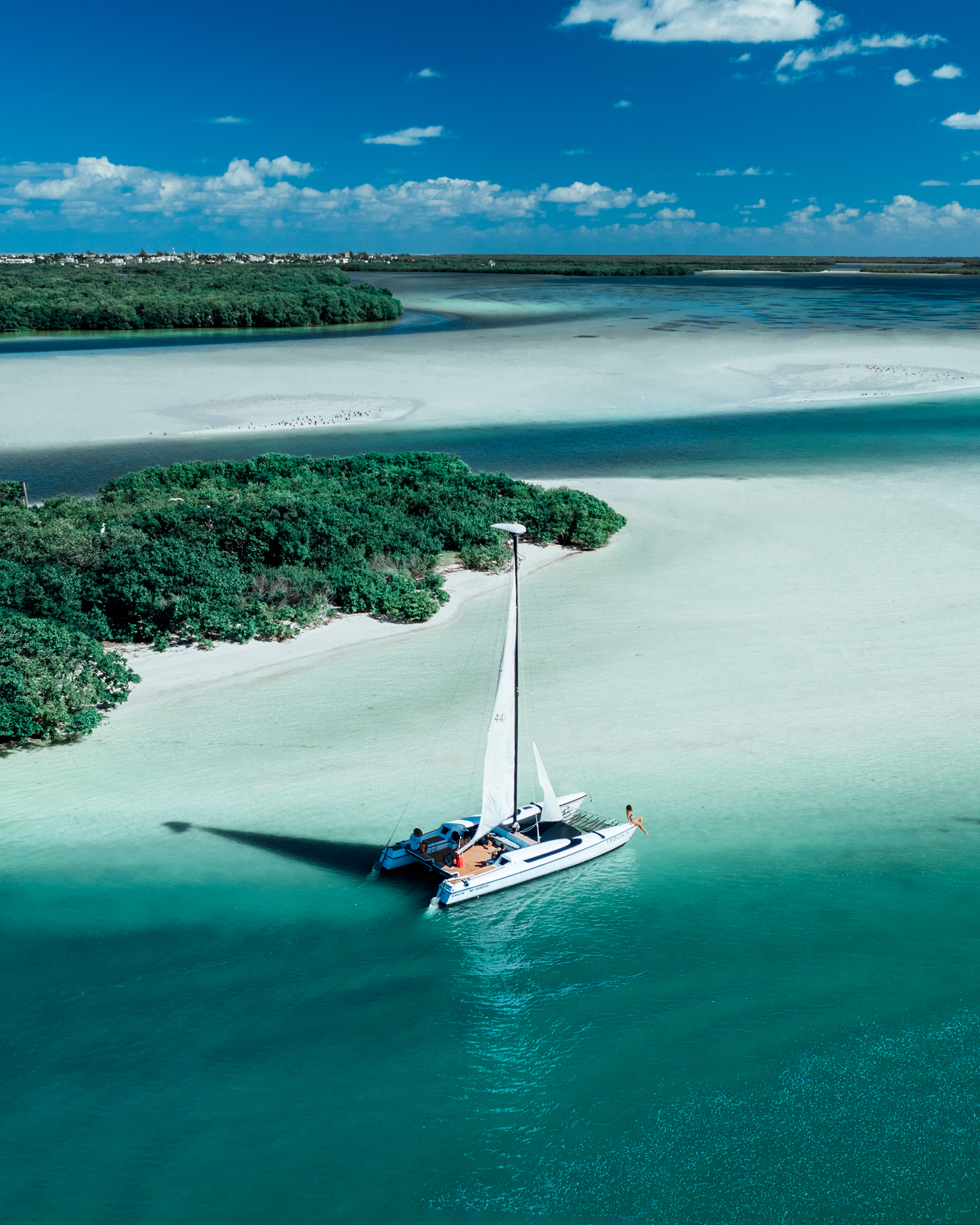
Chartering a yacht - whether crewed for full service or bareboat for experienced sailors - eliminates that rigidity. The sailing distances are short, often under a few hours between anchorages, allowing you to wake in a different bay without committing to long passages.
Advantages of chartering include:
- Access to quieter anchorages beyond ferry routes
- Freedom to adjust plans based on weather and mood
- Reduced need to repeatedly pack and check in
- Direct access to snorkeling sites and remote beaches
For travelers who value logistical simplicity and spatial freedom, a charter transforms the islands from separate destinations into a cohesive, floating itinerary.
4. Prioritize Key Stops Across the Islands
Each major island offers a distinct landscape and atmosphere. Strategic routing prevents backtracking and wasted time.
The Baths - Virgin Gorda
The The Baths are among the most photographed natural formations in the Caribbean. Massive granite boulders create tidal pools, tunnels, and sheltered swim areas along the shoreline. Arriving early in the morning significantly reduces congestion from cruise ship excursions and day tours.
White Bay - Jost Van Dyke
White Bay delivers calm, shallow water and powder-soft sand ideal for relaxed anchoring and unstructured beach time. The bay’s protected positioning makes swimming accessible even for less confident swimmers.
Anegada
Anegada differs geologically from the rest of the archipelago, formed from coral and limestone rather than volcanic rock. Its flat terrain, expansive reefs, and quieter beaches appeal to visitors seeking seclusion and world-class snorkeling.
Norman Island
Norman Island is frequently associated with pirate legends and is a popular anchorage for snorkeling and sunset moorings. The island’s caves and calm evening conditions make it a strategic final stop before returning to Tortola.
Mapping these stops in a logical sailing loop prevents unnecessary retracing of routes and maximizes time in each anchorage.
5. Prepare Logistically Before Arrival
The BVI use the U.S. dollar as official currency, which simplifies transactions for American visitors and reduces exchange friction. Passport validity is required for entry, and customs procedures are straightforward but formal.
Preparation affects how efficiently your trip begins.
Before departure:
- Confirm passport validity and entry requirements
- Purchase travel insurance, particularly during storm season
- Pre-provision groceries if chartering to minimize shore-side errands
- Pack in soft-sided luggage if boarding a yacht, as storage space is limited
- Choose reef-safe sunscreen to reduce ecological impact on coral systems
Clothing should prioritize breathability and practicality. Lightweight fabrics, minimal footwear, and adaptable layers for breezy evenings will cover most scenarios without overpacking.
Connectivity across islands can vary, so download offline charts, reservation confirmations, and ferry schedules in advance. Infrastructure exists, but assuming uninterrupted high-speed service across every anchorage creates avoidable frustration.
6. Understand Why Sailing Changes the Experience
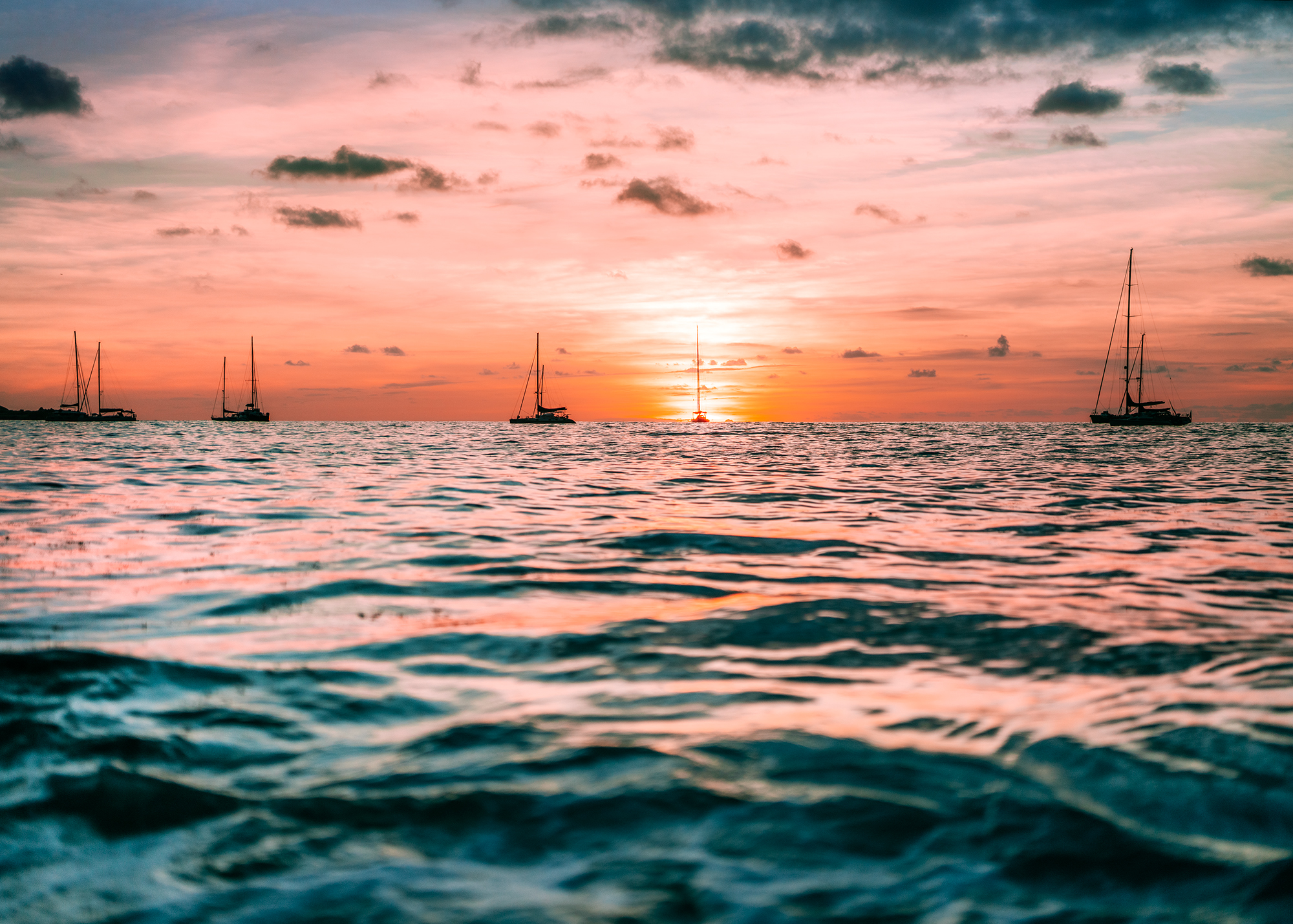
The defining characteristic of the British Virgin Islands is not a single beach or resort, but the spatial relationship between land and sea. The islands sit close enough to one another that daily movement becomes fluid rather than exhausting. You wake to a new shoreline without enduring long transit days, and evenings unfold at anchor with uninterrupted horizon lines.
Sailing reframes scale and pace. Hotels centralize you in one location, while a yacht repositions your perspective daily without logistical strain. The absence of repetitive transfers and check-in formalities creates continuity across the entire trip.
For travelers who plan deliberately, the BVI reward strategic thinking with rare ease. Structure the logistics intelligently, choose your season with intention, and the islands function as they were designed to - interconnected, navigable, and expansive.