Food Safety While Traveling: How to Avoid Food Poisoning and Eat Safely Abroad
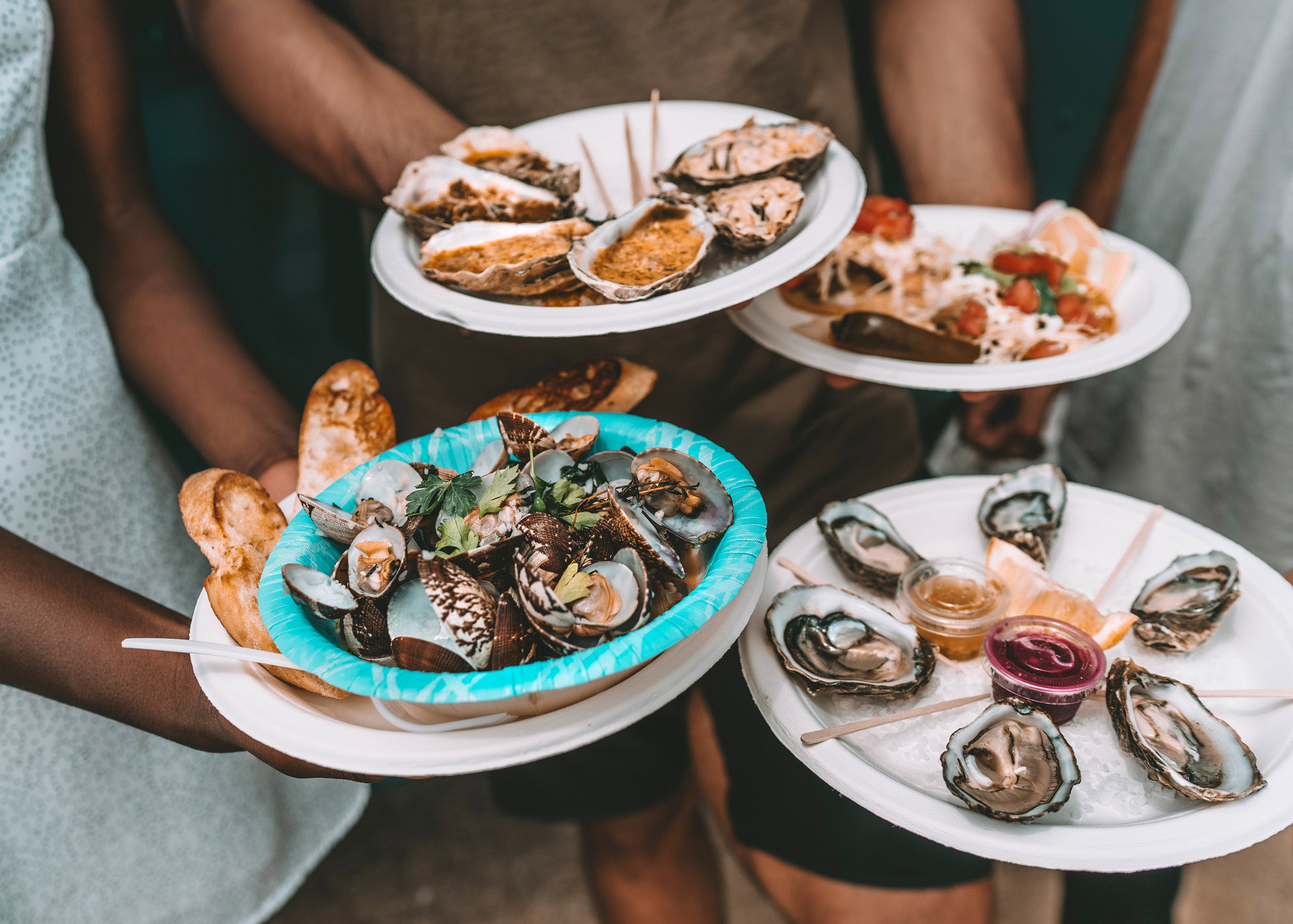
Trying local food is one of the main reasons many of us travel. A seafood lunch by the coast, a farmers’ market in a small town, or a late dinner after a long day becomes the part of the trip you remember most clearly. Unfortunately, however, food also comes with practical risks at the best of times, but especially when you are eating somewhere unfamiliar. You may not know the supplier, the hygiene standards, the local rules, or how quickly a business would tell customers if something went wrong. So, it’s important to be diligent about food safety while you’re traveling.
Look Up Food Recalls
Food recalls are one of the most solid and reliable ways to check basic food safety info when you’re shopping at a supermarket or deciding what to avoid at a local restaurant. Most governments in developed countries have lists of current food safety issues and recalls, so look up the list to check where you’re traveling. For example, during Taylor Farms recalls, customers could look up affected products and check whether anything they had bought needed returning or throwing away. That kind of information is useful at home, but it can be even more useful when you are traveling and buying food from unfamiliar shops.
Remember, a recall notice does not necessarily mean a whole brand, region, or type of food is unsafe. It means that a specific product has been linked to a specific concern. The useful part is the detail. Product names, batch numbers, dates, and retailer information tell you what to avoid without turning the whole situation into panic.
Self-Catering Safety
Monitoring food safety is especially important when you’re self-catering. Restaurants and food vendors usually have to keep customers safe and healthy in order to maintain their licenses, but standards can be a bit more lax in some markets and food stalls. This can become a problem when travelers buy salads, sandwiches, fruit, snacks, or ready meals to keep costs down between restaurant meals. If you are moving between hotels, campsites, rental apartments, or road trip stops, it is easy to forget where you bought something. A quick check of product details against recall notices and food safety alerts can save you from throwing away perfectly safe food or eating something that has been recalled.
Know How To Identify Problems
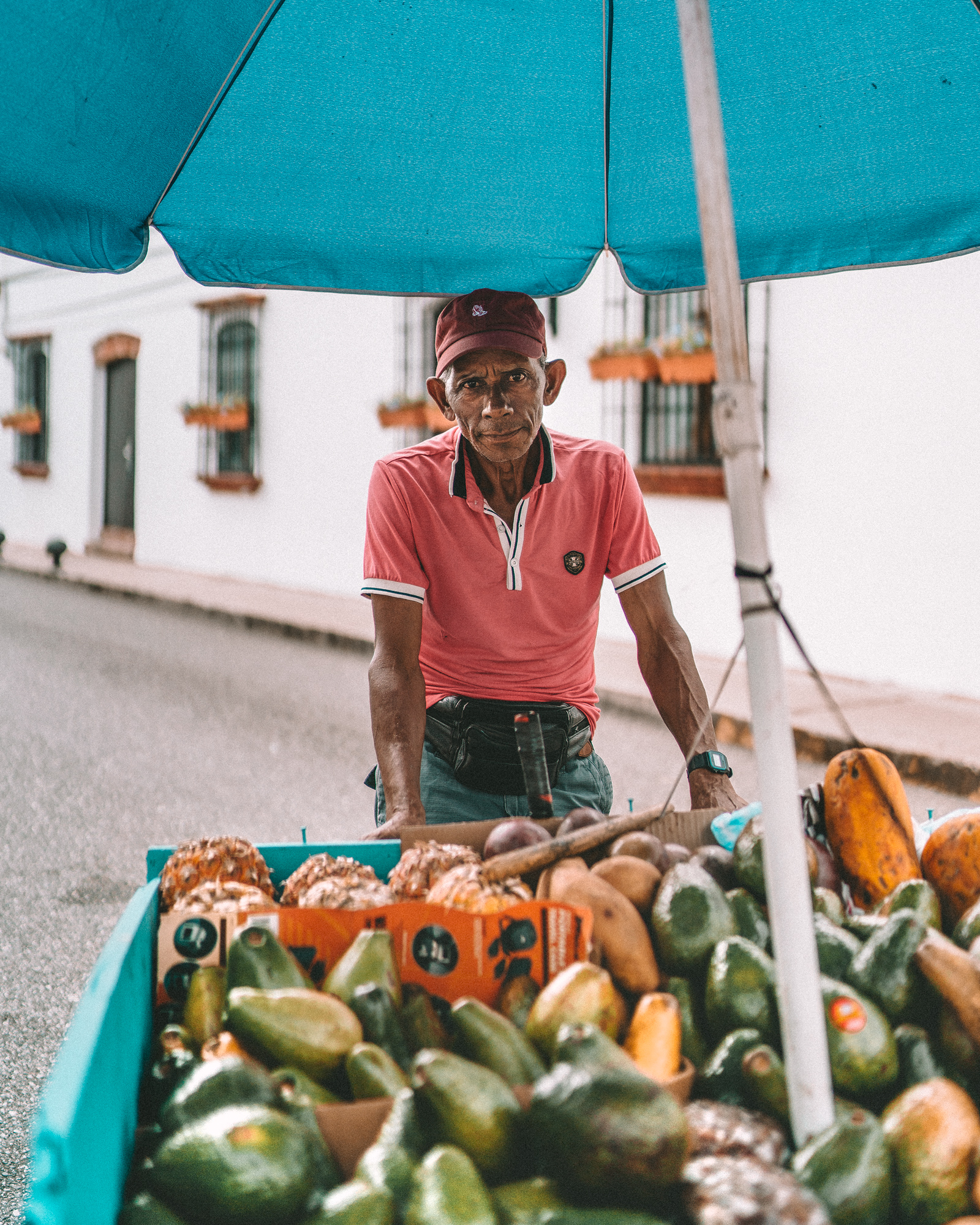
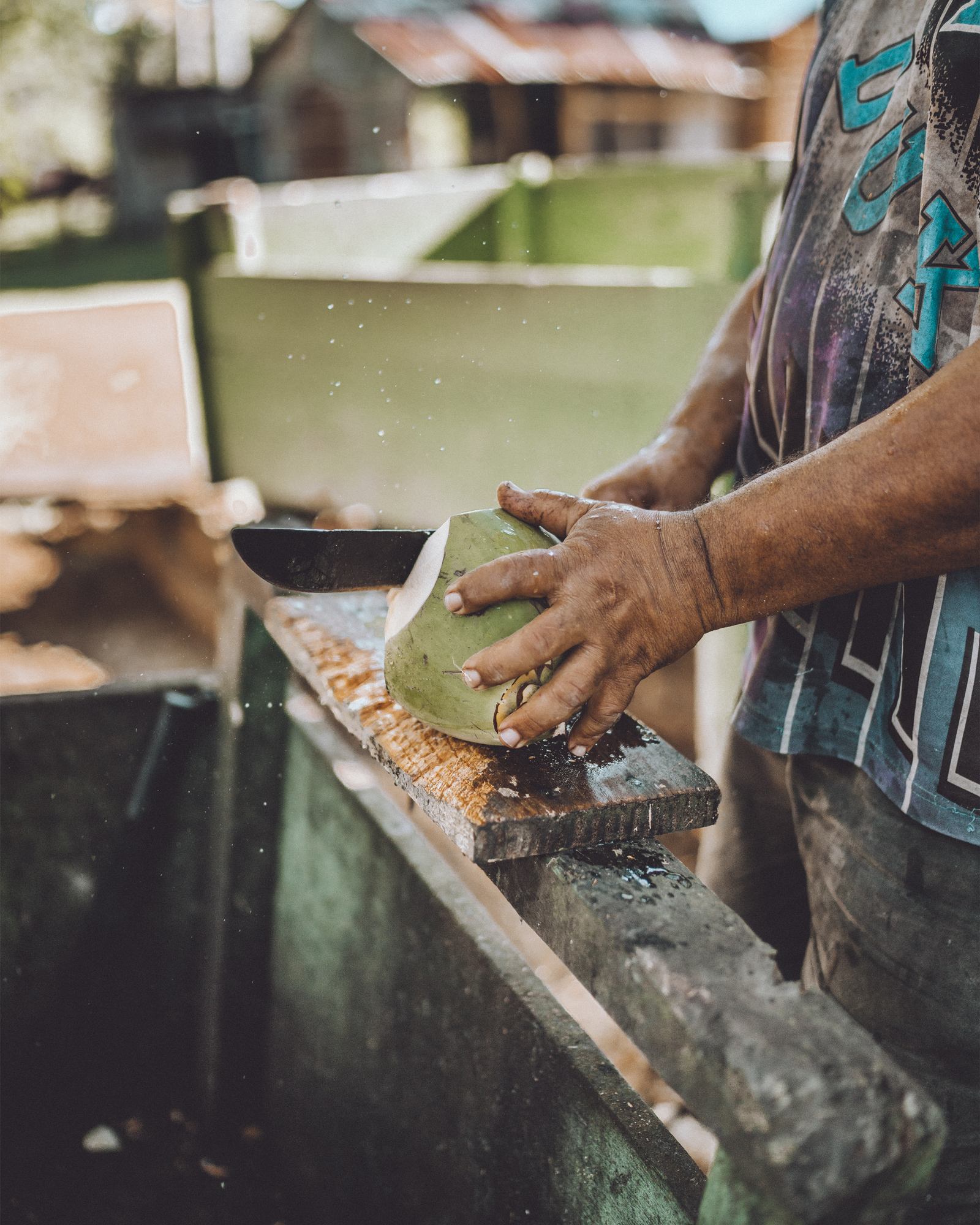
A little common sense goes a long way with local food shopping. Farmers’ markets, bakeries, and roadside stalls can be brilliant, but you still need to look at the basics. Cold food should be cold. Hot food should be hot. Packaging should be intact. Staff should be able to answer simple questions about ingredients or storage. If something looks badly handled, do not talk yourself into buying it just because it seems more authentic.
When it comes to buying fruit and veg from market stalls, here are a few quick safety and quality tips:
- Depending on the type of produce, its colors should be vibrant and fresh-looking. Anything that looks washed-out or is going brown may well be under or overripe.
- Some fruits are soft naturally, but in general, produce should be as firm as possible. Skin shouldn’t cave in at a firm prod, and leaves should have plenty of structure - they shouldn’t be wilting, even on a very hot day.
- Healthy produce should feel like a decent weight for its size and shouldn’t be slimy to the touch.
- Produce should smell fresh, fruity, or earthy. Your nose is a very reliable indicator of freshness. If it smells bad to you, don’t buy it.
Restaurant Safety
Look for food hygiene ratings where applicable in a restaurant. Remember, a busy dining room is not proof of good hygiene, and an expensive menu is not proof of careful food handling. Look for clean tables, proper food storage, and staff who seem to know what they are serving. If you have allergies, ask direct questions rather than hoping that the menu will tell you.
Basic Food Safety Precautions Prevent Travel Trouble
Travel is more fun when you’re fit and healthy. Ending up with a dodgy stomach because you’ve eaten something inadvisable is no fun, especially when you should be out enjoying yourself. So, keep yourself healthy and enjoy local dishes in full confidence with some basic food safety strategies while traveling.