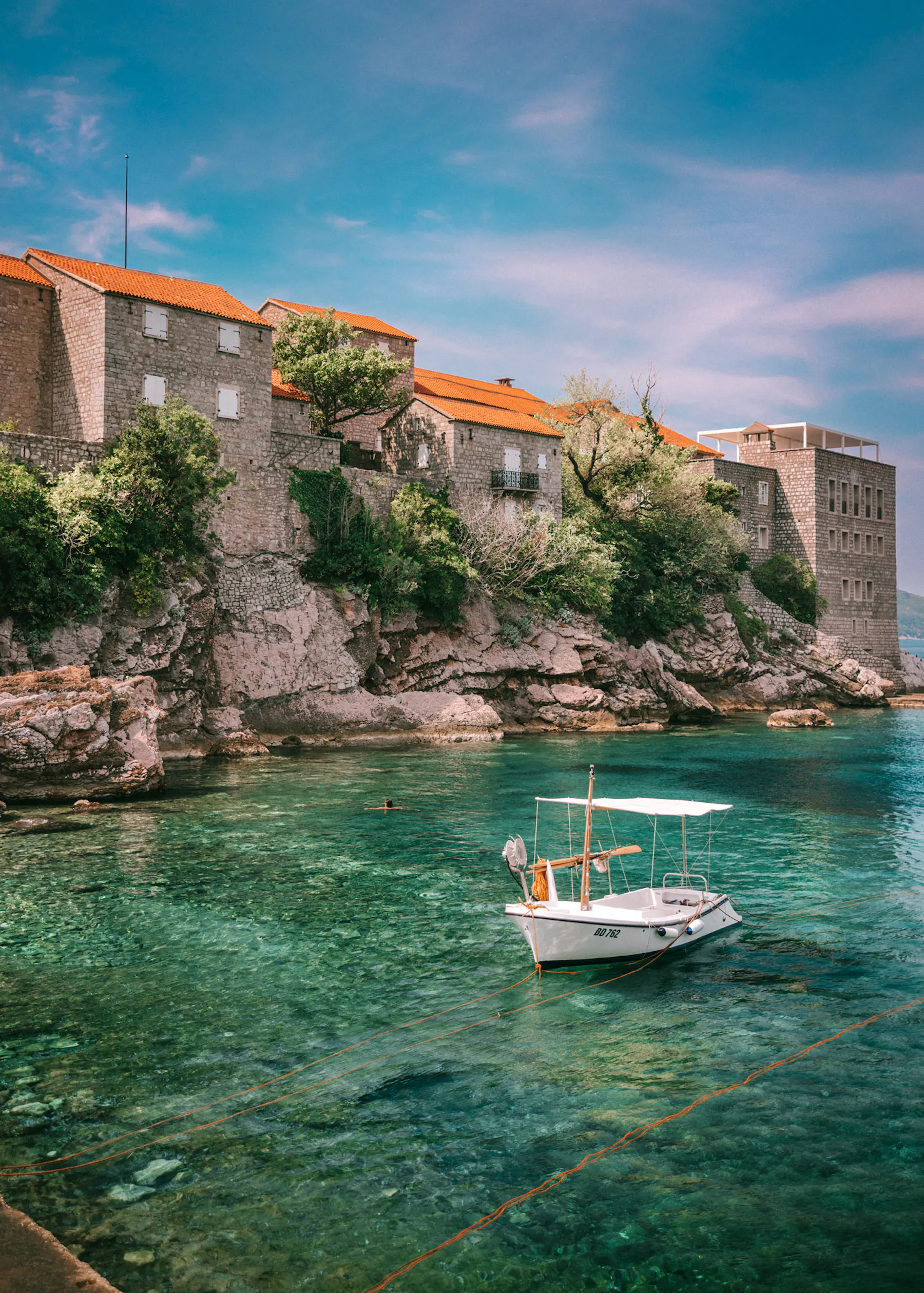
There comes a point when the usual Europe itinerary starts to feel overly familiar, with the same major capitals, crowded landmarks, and well-worn routes, which is exactly why Southeast Europe makes such a compelling alternative for American travelers who want something beautiful, manageable, and less predictable; Croatia, Bulgaria, and Montenegro work especially well together because they offer real contrast without making the trip feel disjointed, letting you move from Adriatic harbors to inland historic cities, from island-hopping days to mountain views and old stone towns, while still enjoying good food, memorable scenery, and the satisfying sense that you have found something a little less obvious.

Southeast Europe: The Next Big Travel Trend For Americans
Part of the appeal of this region is that it still feels fresh. That does not mean unknown, exactly, but it does mean less overexposed. You are not giving up beauty or cultural interest by skipping the most obvious Western European routes. If anything, you are gaining more range.
That’s the enticing part of Southeast Europe travel for Americans who like a little place-to-place rhythm in their vacations. Croatia has its coastal allure and casual way to keep dropping by the islands. Bulgaria has those same historic layers but adds mountains, a wine country, and a slower pace. And Montenegro has the big-arc seascapes of Croatia in a bite-sized package.
Croatia Beyond Dubrovnik: Coastal Living And Island Hopping
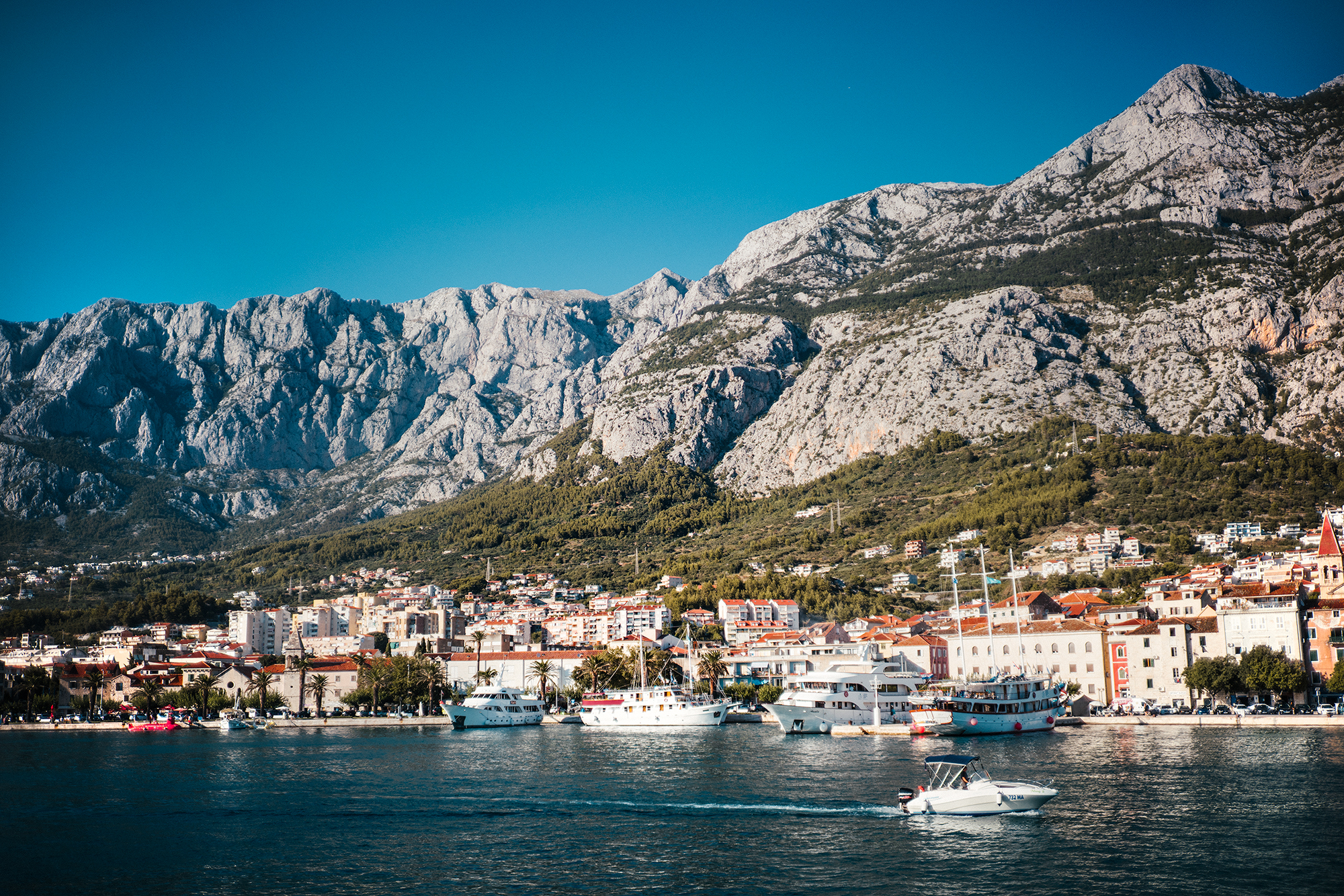
Croatia is the best known of the trio, but that doesn’t mean that the only knock-out is Dubrovnik. Most travelers will find more payoff in a journey along the Dalmatian coast—the little harbor towns and ferries and island stops that loosen up the coast. Split is one of the best bases, with Diocletian’s Palace built into daily life and easy access to the sea.
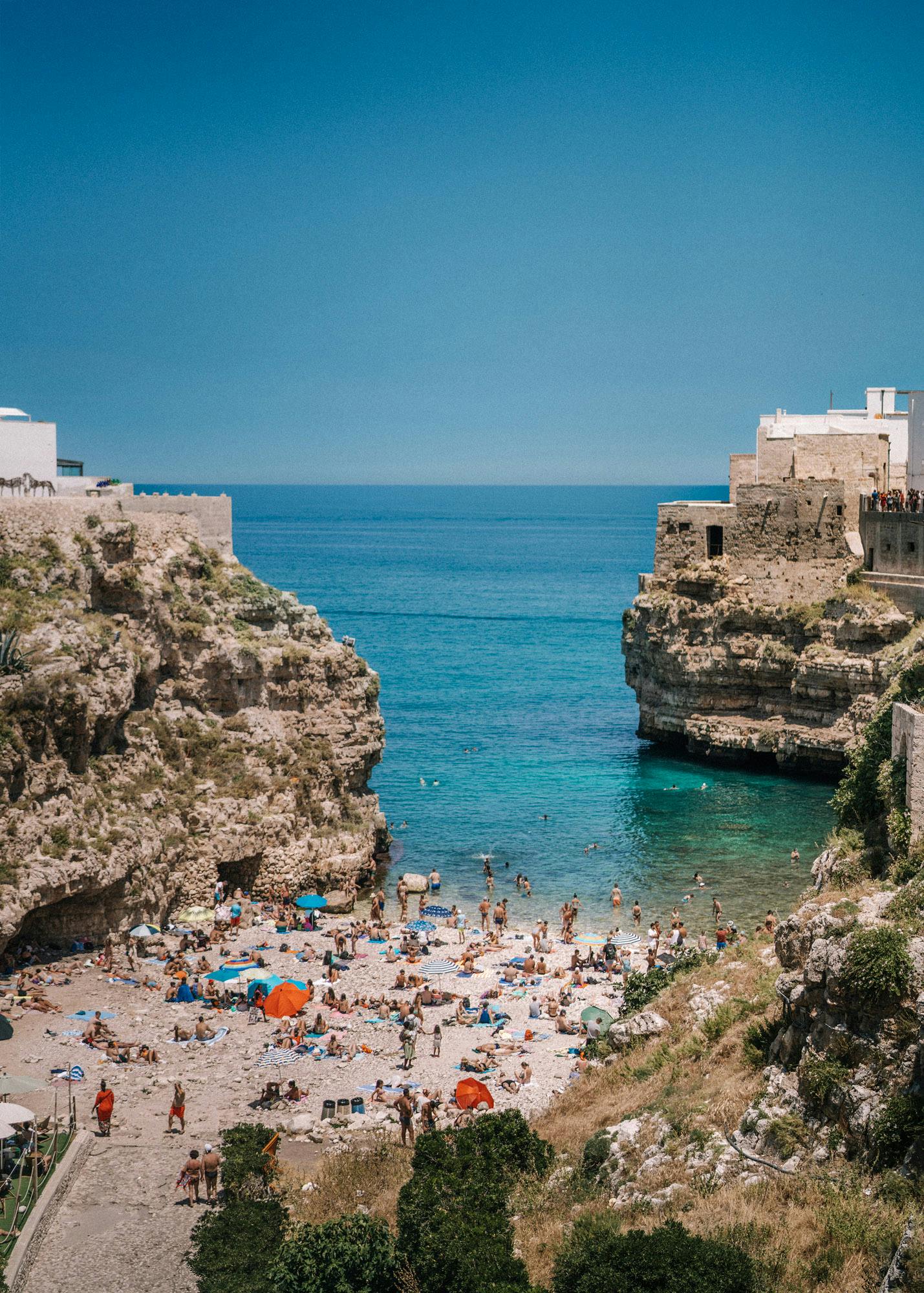
From there, the real fun begins. Ferries that run up and down the coast, small islands, smaller fishing towns, and a bit of Europe’s Adriatic produce a trip that seems almost throwaway in its ease and tone. People have come here to see the postcards, but often they leave with memories of what Croatia felt like: long lunches, sea air, afternoon swims, and a sense of the whole place seeming to go a little slower than any place a modern person can think of.
For most Americans, that means arriving on flights to Croatia. A connection in Istanbul may feel a little like it's out of the way to travel to the Balkans, but it makes Croatia a reasonable first stop and the distance to the Balkans a lot shorter than might be guessed.
Bulgaria: Affordable History, Mountains, and Wine Country


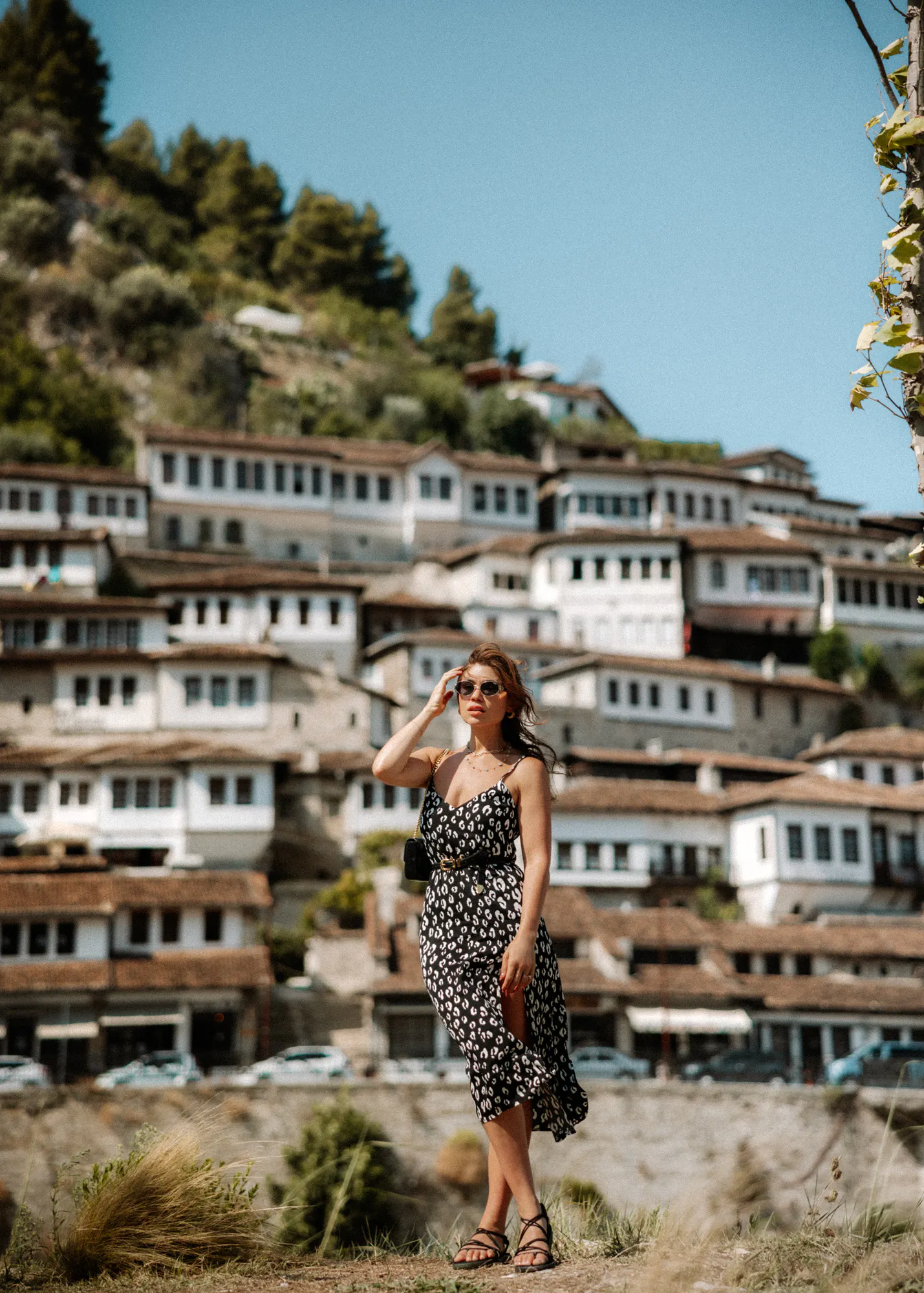
Bulgaria changes everything again, in a good way, though. Sofia is a big street-grid city with great churches, museums, and mountain views. Plovdiv is more relaxed, older, a little smaller, and more charming. The two together literally add a different dimension (history, food, and wine country) to what might be too much coastal scenery. Plus, it is generally the cheapest stop.
Flights to Bulgaria through Istanbul make the most sense. Through that route, Sofia is easy to add to the itinerary, and Plovdiv follows naturally for travelers who want history, affordability, and a completely different pace from the coast. Getting around and connecting with locals is easy, as most young Bulgarians speak English pretty well.
Montenegro: Adriatic Surprise Package
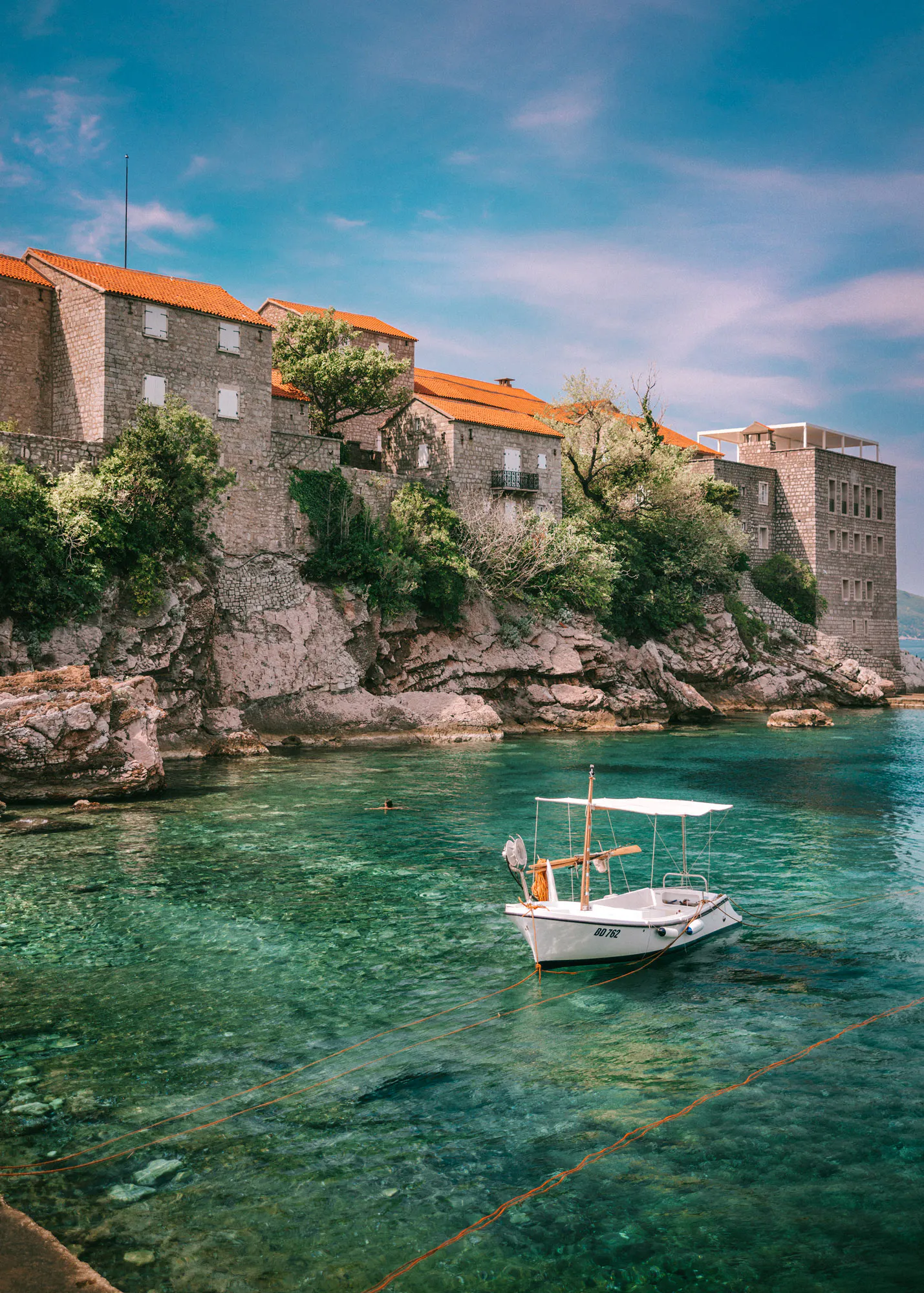
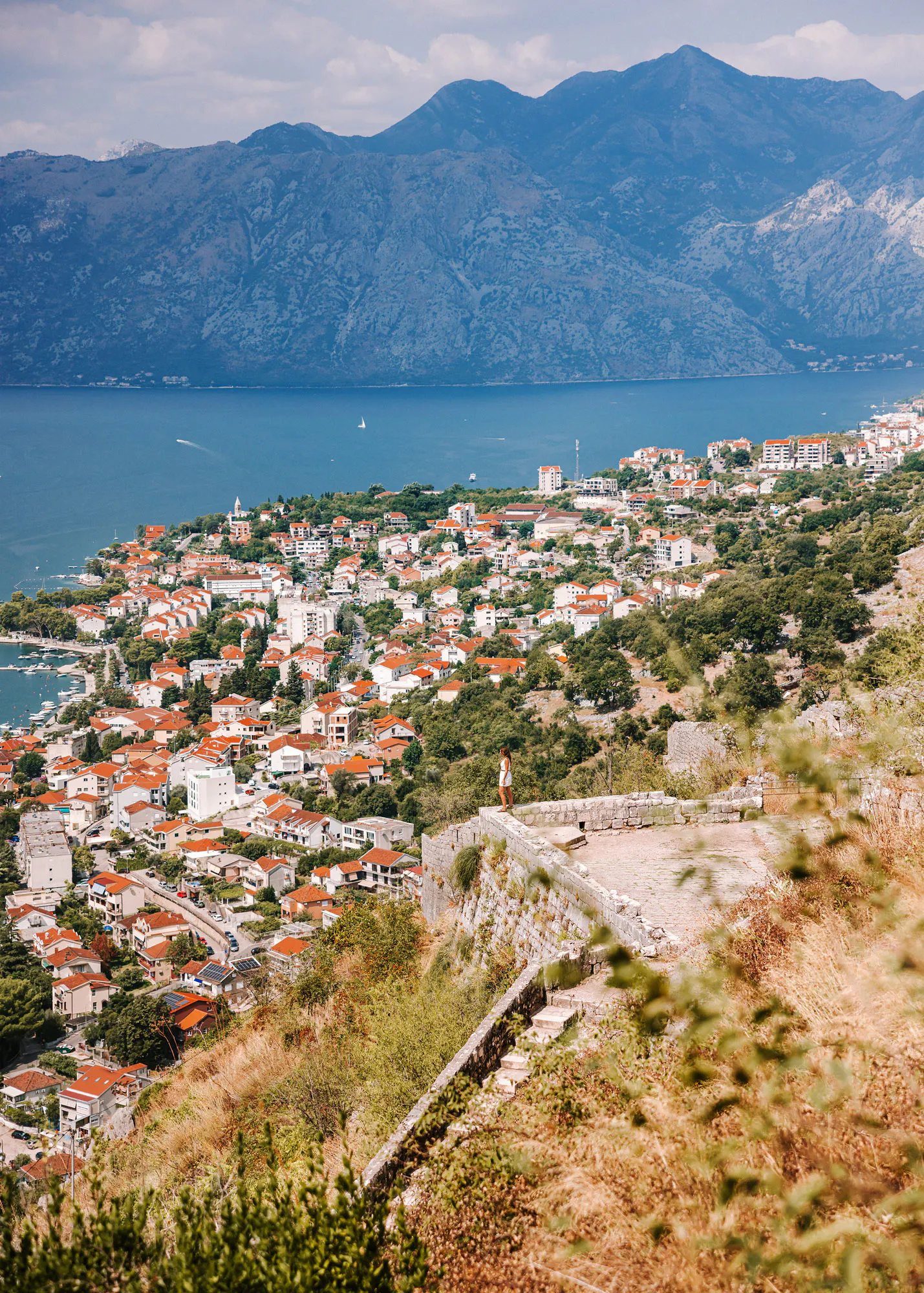
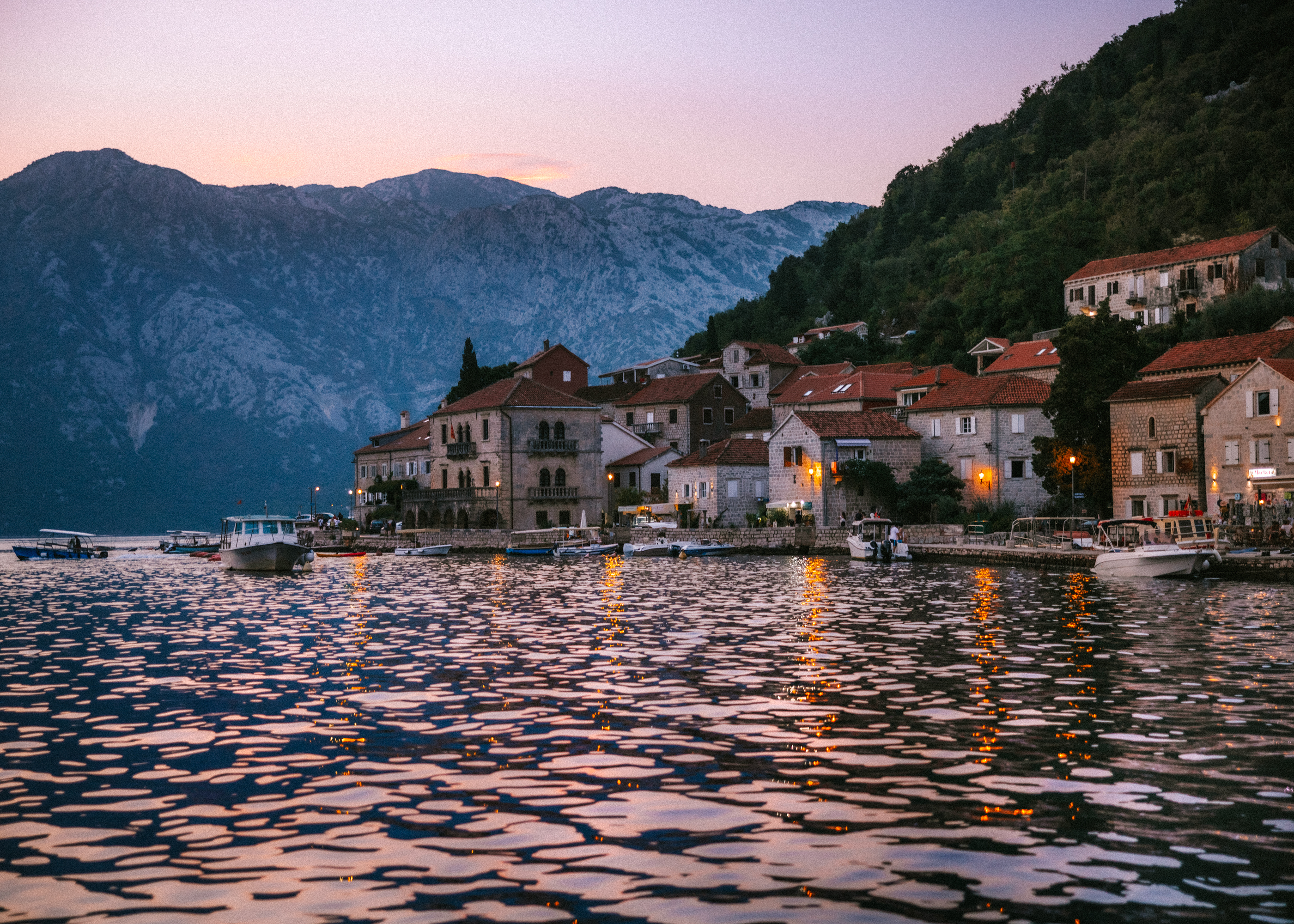
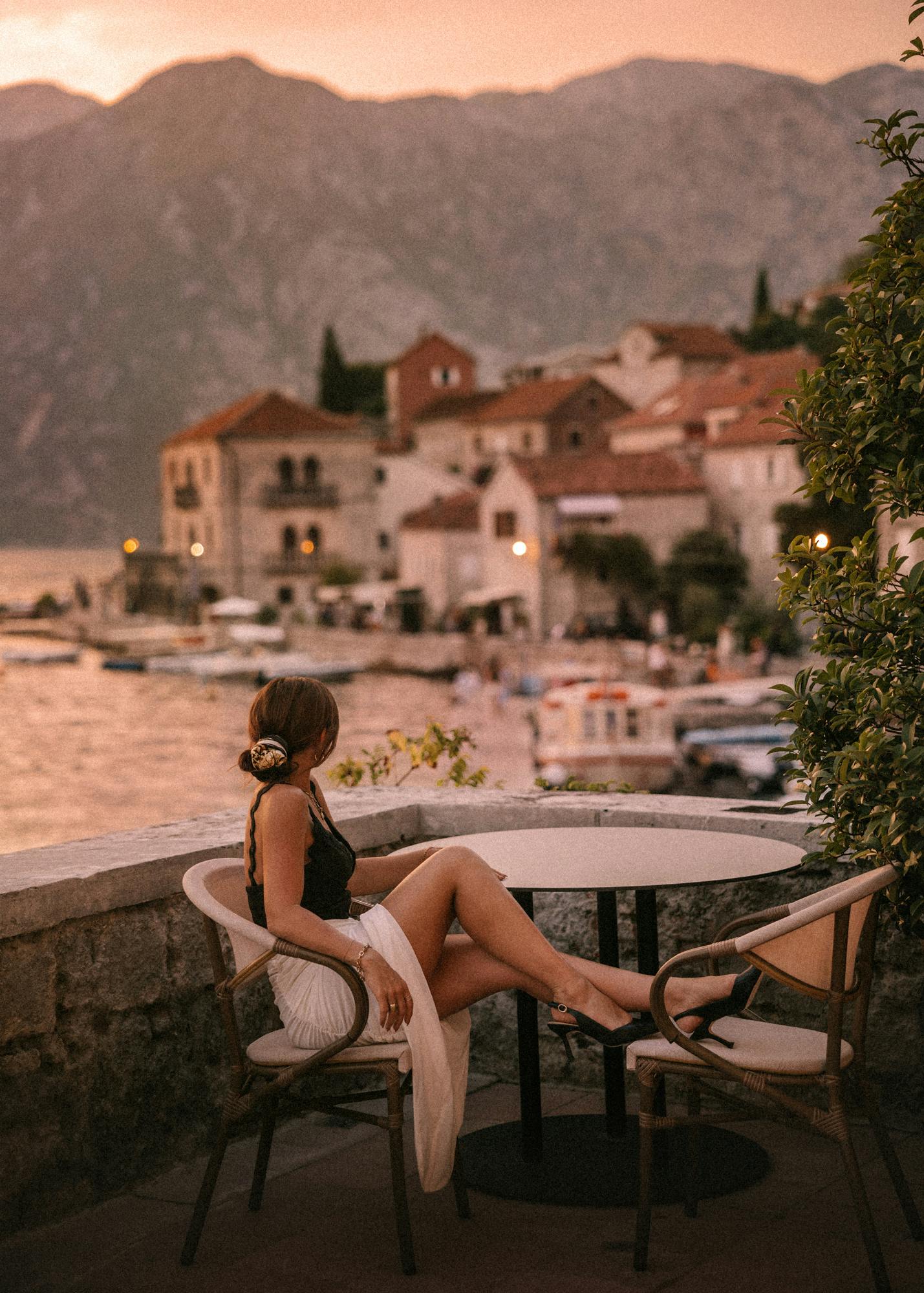
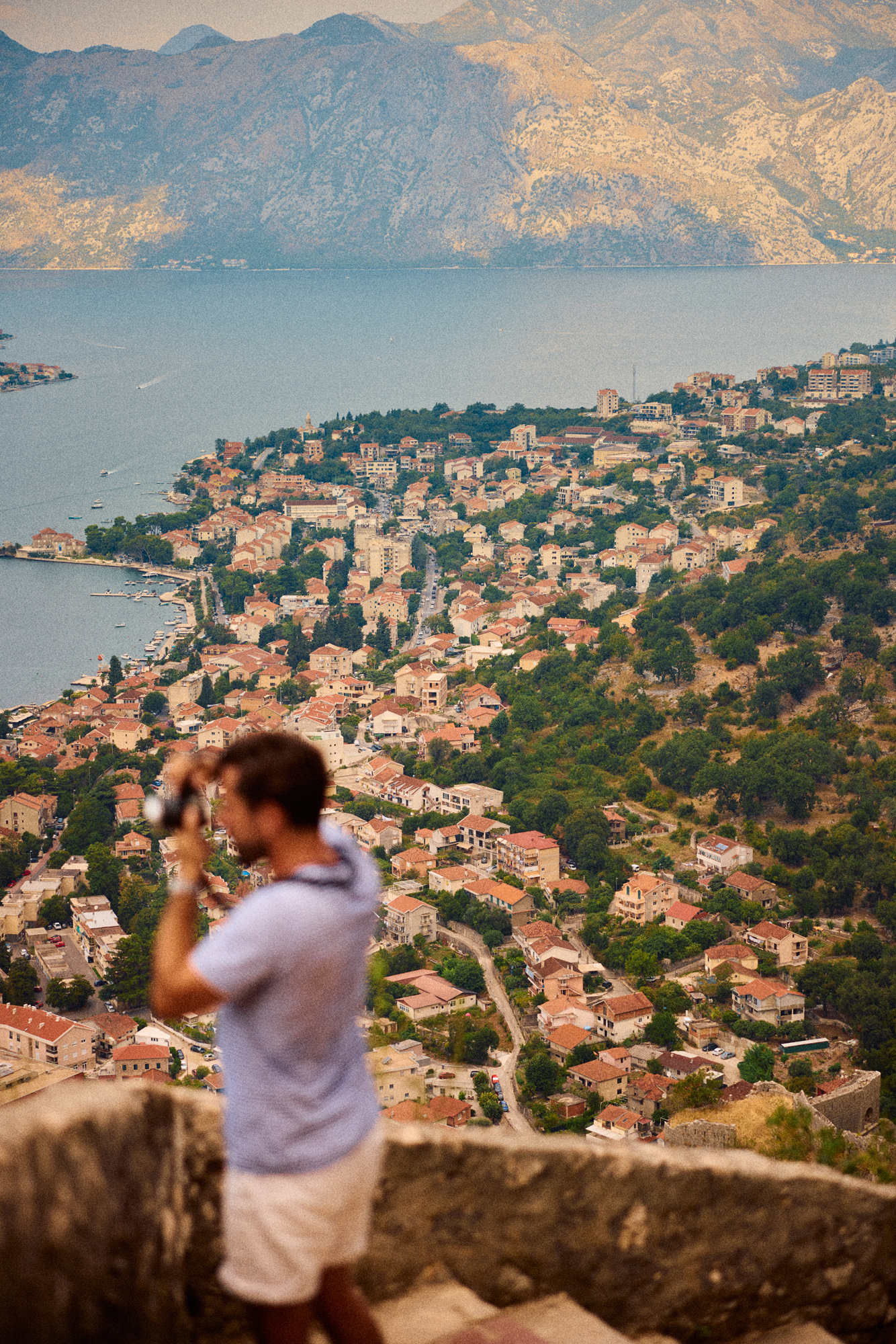
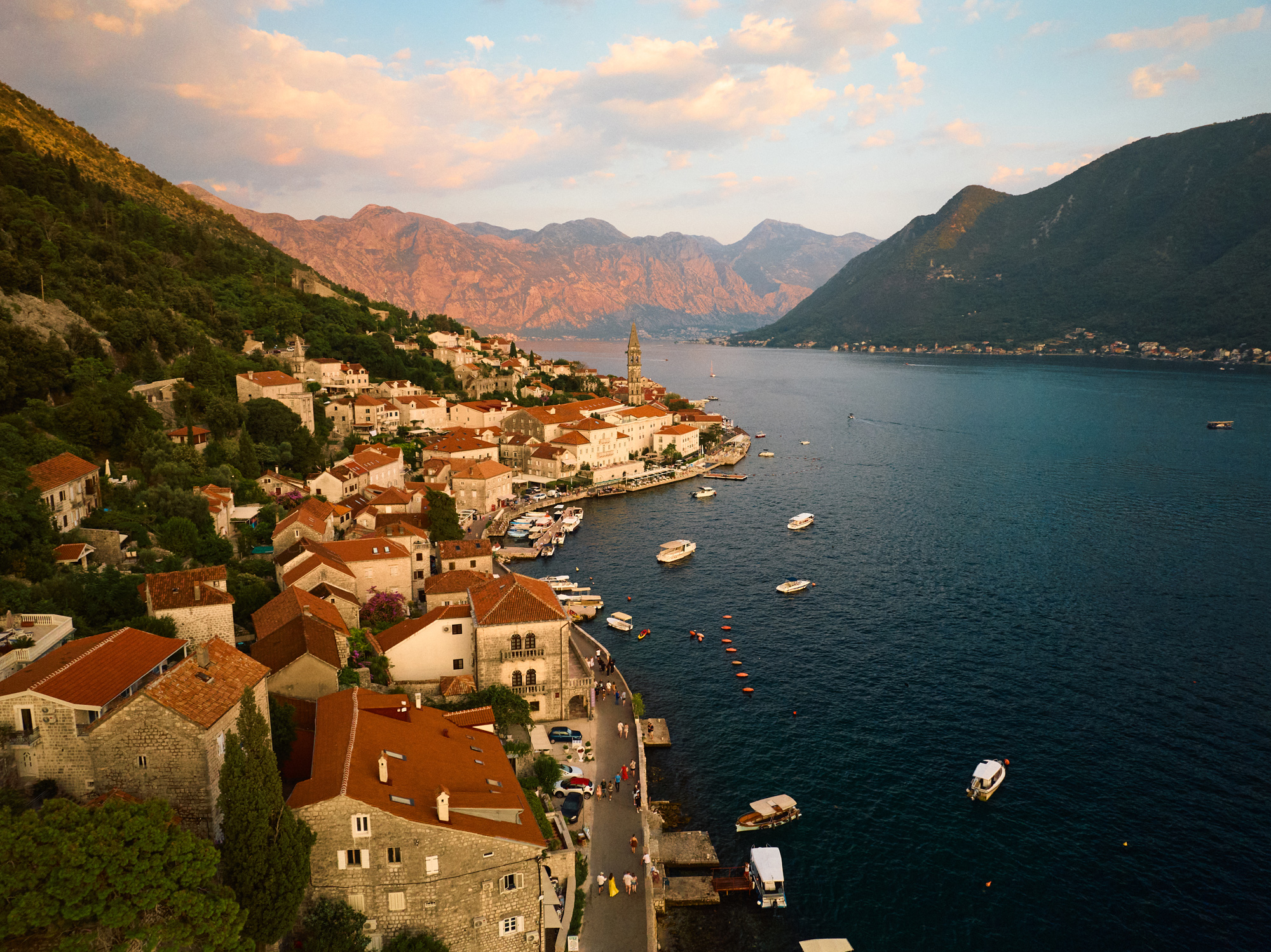
Montenegro wins for being so easy to see and get to. It’s small and beautiful in a way that’s right there, in your face for the taking. The highlights of the trip are the Bay of Kotor with mountains rising straight out of the water; its quiet beauty was shattered only once on this trip. Budva makes a perfect last stop. It has everything a beach town should have, and the coastal feel is there without trying too hard. Best of all, it gives big payoffs for time invested.
American travelers can book flights to Montenegro through Istanbul to make this smaller Adriatic country an easy add to the itinerary. That small addition turns a likely out-of-the-way destination into one of the trip's best adventures.
How to Combine All Three Countries In One Trip
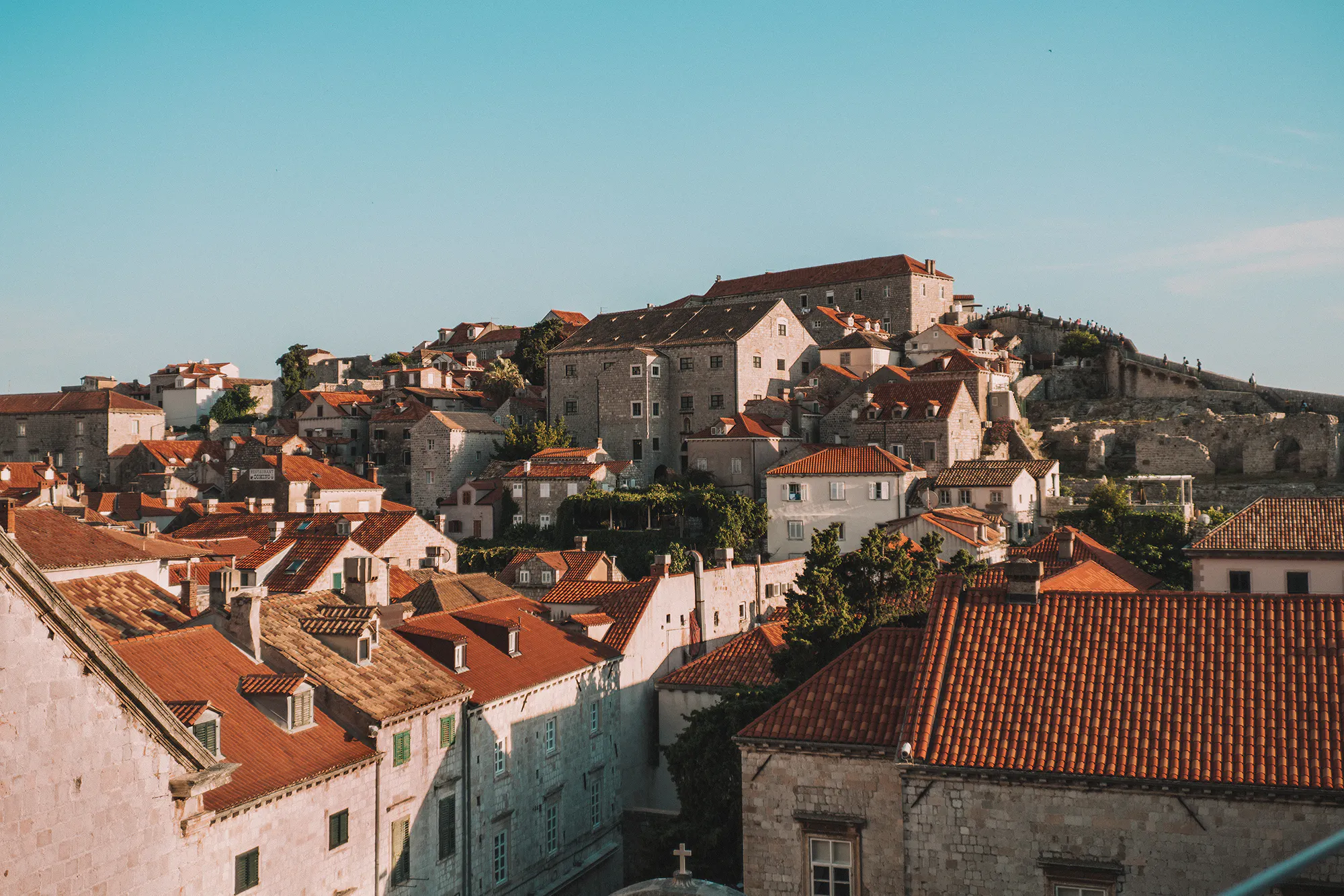
You can accomplish this trip in 10-14 days, no problem. Croatia and Montenegro are great oceanside companions, and traveling in landlocked Bulgaria rounds out this trio quite nicely, loaded with cultural gems along with great food and drink. It’s also a natural fit for an itinerary that takes you to Croatia, Montenegro, and Bulgaria in succession or vice versa.
The Istanbul Stopover Advantage
Istanbul also makes the journey make sense. It is a lot more comfortable to go from one of these places to another when anchoring the itinerary with a visit to Istanbul.
Practical Tip: Visa Runs, Budgeting, and When To Go
This is about as easy as any European trip is to do from the U.S. You'll, of course, want to confirm the details yourself before arrival. The good news is Bulgaria is usually the cheapest to visit. Croatia is the most expensive at the peak of the summer, but Montenegro offers a middle ground, at least with day-to-day spending. Late spring and early autumn will usually have the best weather-to-value ratios and also lighter crowds.
As far as European circuits go, this is about as original as you can get. On a trip to Croatia, Bulgaria, and Montenegro, you’ll score the rather remarkable combination of beauty and contrast and a trip that feels far less overdone than the usual favorites.