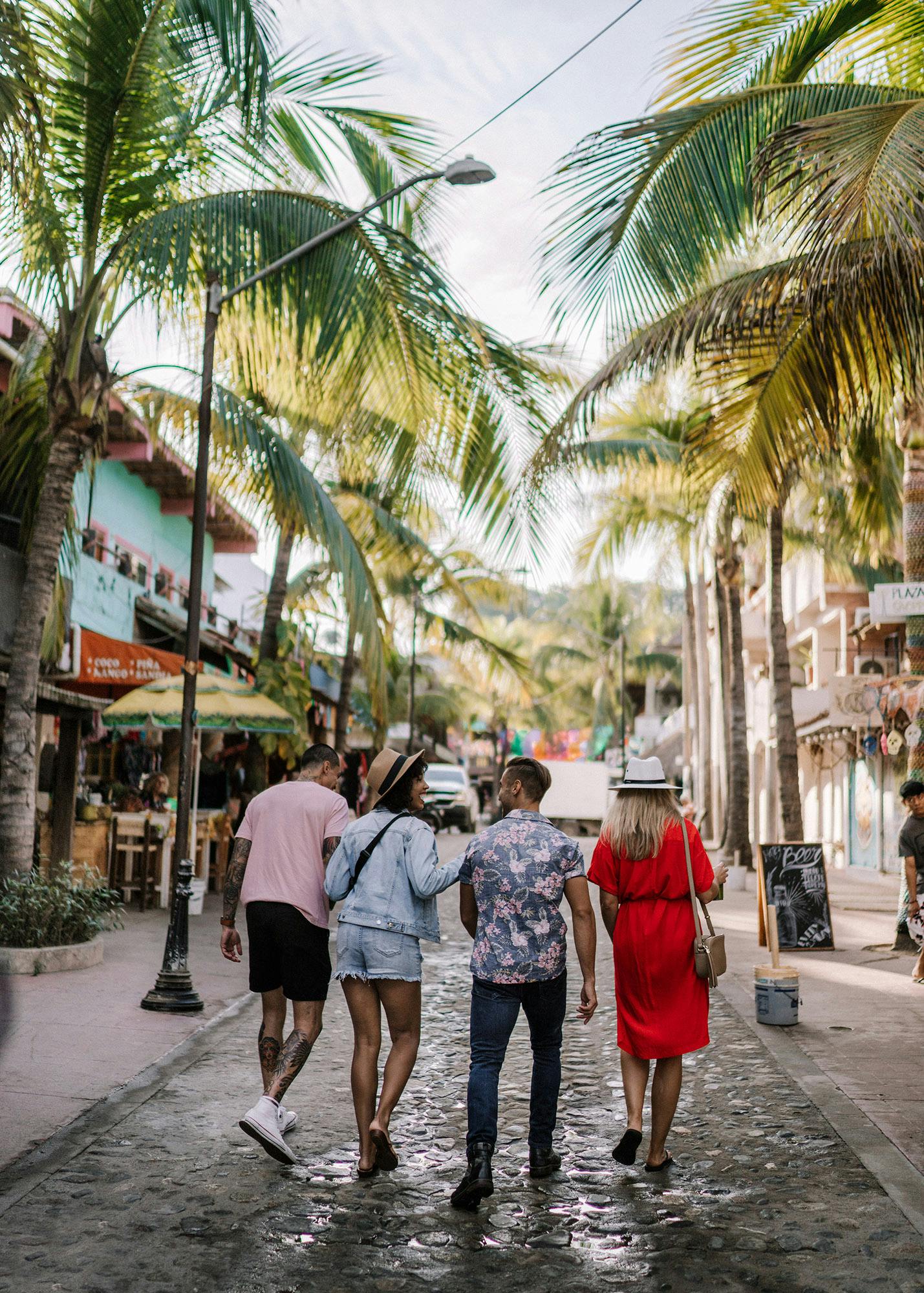
Moving to a new country is an exciting ordeal, but it can also be overwhelming if you fail to organise the upcoming relocation.
And if you fail to stay on top of your planning, you could end up spending more than your intended budget for the move. This, naturally, can be an unnecessary additional strain on your finances.
It’s no big revelation that moving to a new country can be a potentially very costly ordeal. And if you have many miscellaneous and unaccounted expenses on top of the usual relocation and utility installation fees, then you could be financially reeling by the time you settle into your new space.
But what if there was a way to keep costs low and trimmed during this chapter of your life? Believe it or not, it’s more than possible to protect your savings and settle into your new space with some pocket money to spare.
If you’re keen to learn more about how to navigate your new environment without making expensive mistakes, then you’re in the right place. We’ll teach you the ins and outs of things you may overlook when planning your upcoming moving experience.
Let’s jump right into it!


1. Prepare a Budget Before You Arrive
One of the biggest mistakes people make when relocating to a new country is underestimating how much the first few weeks will cost.
Even if you’re moving to a lower cost-of-living country, you’ll still be expected to pay a couple of thousand dollars or more for expenses such as accommodation deposits, transport, food, furniture, utilities, and so on—typically within a few weeks or a month of arriving at your new place.
Arriving in a new country without adequate savings is, quite frankly, a recipe for disaster. It could lead you to reduce your quality of life dramatically or take out a loan, which is not a good start when first settling into your new space.
To combat this potential problem, it’s essential to create a realistic budget before you arrive at your new place. Save up as early as you can so that you can have enough funds to stomach these expected costs. Ideally, you should have at least three to six months of basic living expenses covered as a future financial net—all untouched until you arrive at your new space.
You can employ various saving strategies to hit your target. You can start by cutting out non-essential spending, like impulsive shopping or dinners out. You can also consider selling unused items months or weeks leading up to the move.
In any case, building your financial capacity leading to the move can help ensure you’re not caught off guard once you land in your new country.
2. Familiarise Yourself With The Country’s Financial Systems
Another common mistake new arrivals make is assuming that the financial systems in their new country work the same way as back home.
When moving to a new country, you’ll have to adapt to their way of life, including their established way of keeping and using the local currency.
Each country has its own subtle yet important system that everyone follows—and it’s important to know what your target country does to ensure you won’t overpay or make mistakes in your decisions.
For instance, in Australia, you’ll typically need to set up a local bank account early so you can get paid properly and manage everyday expenses like rent without relying on international cards with hefty conversion fees.
As an inbound resident, you’ll also need to learn how to pay taxes in your target country. This ensures that you’re compliant with local laws and can avoid penalties and fines during your first months staying in your new country—which can be financially problematic.
Relevant article: https://www.westpac.com.au/personal-banking/bank-accounts/new-to-australia/tax-guide-for-migrants/

3. Avoid Rental and Housing Traps Early On
It’s important to recognise the biggest financial traps you can encounter when moving to a new country. One of the most significant ones is unfavourable contract lock-ins for your apartment or property.
When moving to a new country, a lot of things can feel new and you may feel pressured by the extent of it all.
As a newcomer, you may not be aware of standard rates or safety ratings of each individual neighbourhood in the city, causing you to spend more than you should or pick a location that may not be ideal for you and your family.
On top of that, property sellers may also charge you an exorbitant rate or commit you to long leases that may be beyond your capacity to pay.
As this is the case, it’s essential to slow down your approach and tackle the home-buying or apartment vetting process with caution. Take some time to compare rental prices across various apartments and locations, and create a shortlist of potential housing candidates.
If you have the time, consider inspecting the accommodation and ensuring that the environment in and around your new place is safe and conducive for a good stay. Moreover, you should also read the lease clauses carefully, especially regarding bond payments, penalties, and maintenance responsibilities that you or the landlord will cover.
By having these factors taken into account, you can make a more informed decision when choosing a potential housing candidate. You’ll also be less likely to enter an unfavourable contract, helping safeguard the money in your bank account for longer.
4. Research the Cost of Groceries and Public Transport Beforehand

Your new country will almost certainly have a different standard of living. This figure can be high, requiring you to take some time getting used to.
Two cost categories you’ll inevitably have to spend on are transport and groceries. These costs occur frequently, and if you’re not careful, regular spending on these categories can keep your savings lower than you’d like.
The solution is to stop and identify the biggest cost culprits in your new life and find alternative ways to get what you want without spending as much. For instance, if you frequently use a taxi to get from place to place, consider opting for a cheaper option like public transportation instead.
If your grocery bills tend to run your wallet down quickly, consider spending some time exploring other supermarkets near your area and comparing the prices of goods and produce from each place.
By being proactive in your spending and cost-cutting activities, you can protect your savings and keep money intact in your bank account.
We wish you all the best in protecting your finances as you navigate a new life overseas. All the best!