How to Choose the Perfect Wedding Venue: 6 Essential Planning Tips
Choosing a venue for a wedding is one of the earliest and most consequential decisions in the planning process. The space influences budget allocation, guest experience, logistics, and the overall atmosphere of the day. Approaching the search with clarity and defined criteria prevents costly revisions later and creates a stronger foundation for every other choice that follows.

1. Why the Wedding Venue Shapes Everything
Choosing a venue for a wedding determines far more than the backdrop for photographs. The space influences the budget structure, catering options, décor scale, event timeline, and overall guest experience. Once the venue is secured, every other decision - from floral installations to lighting design - is shaped by its layout, policies, and constraints.
Industry data consistently shows that venue costs account for one of the largest portions of a wedding budget, often approaching 40 percent when food and beverage minimums are included. That financial weight alone demands careful evaluation. Beyond cost, the venue dictates logistical realities such as:
- How guests move between the ceremony and the reception
- Whether on-site accommodations are available
- What level of customization is permitted
- How weather contingencies are handled
Couples worldwide frequently begin venue research before finalizing other details because they understand the structural role it plays. A visually appealing property may capture attention online, yet operational details determine whether the day unfolds seamlessly.
2. Capacity and Layout Come First
Before comparing aesthetics, confirm the numbers. Capacity limits, both minimum and maximum, directly affect comfort and compliance with safety regulations. A venue designed for 80 guests will feel compressed at 120, while a cavernous hall hosting 40 may lack atmosphere.
When reviewing capacity, evaluate more than a single number:
- Does the venue accommodate both ceremony and reception in separate or convertible spaces?
- Is there a designated area for cocktail hour that prevents bottlenecks?
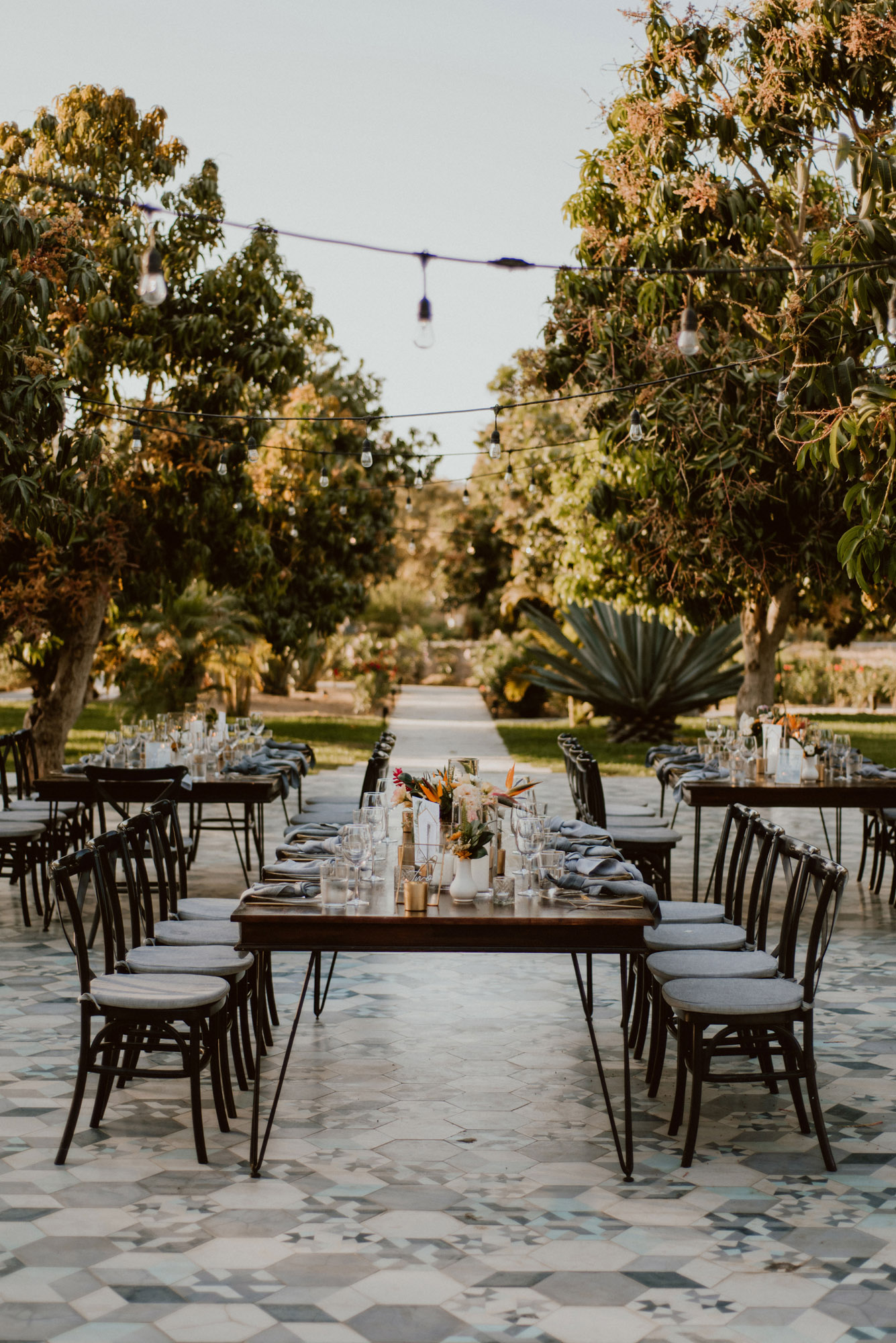
- How is seating configured - banquet, rounds, long tables - and what does that mean for flow?
- Is there a clear indoor backup plan in case of rain?
If you are planning an intimate countryside celebration, researching properties such as branxholmpark.co.uk can provide perspective on scale and layout integration. Smaller estates often offer a cohesive experience where transitions between spaces feel natural rather than improvised.
3. Exclusive Use and Event Scheduling Policies
One of the most overlooked factors is whether the venue hosts multiple events on the same day. Shared bookings can compress setup windows, restrict photography access, and create unnecessary scheduling pressure.
Clarify the following before signing any agreement:
- Is the property exclusively yours for the duration of the event?
- What are the access times for setup and breakdown?
- Are there noise curfews that affect the reception timeline?
- How many staff members are assigned specifically to your event?
Exclusive-use venues generally provide greater control over timing and atmosphere, which directly enhances the guest experience. When evaluating cost differences, consider the operational calm that comes from knowing the space is dedicated entirely to your celebration.
4. Detailed Cost Breakdown and Contract Terms
A headline rental fee rarely reflects the full financial commitment. Some venues include tables, chairs, staffing, and coordination support, while others provide only the physical space. Transparency matters, particularly when balancing overall budget allocations.
Request a written breakdown covering:
- What is included in the base hire fee
- Mandatory catering minimums or service charges
- Additional fees for staffing, security, or cleaning
- Policies regarding external vendors
- Deposit schedule and cancellation terms
Reviewing contract details carefully protects both financial and logistical expectations. If documentation is vague or responses are delayed, that communication pattern often continues throughout the planning process.
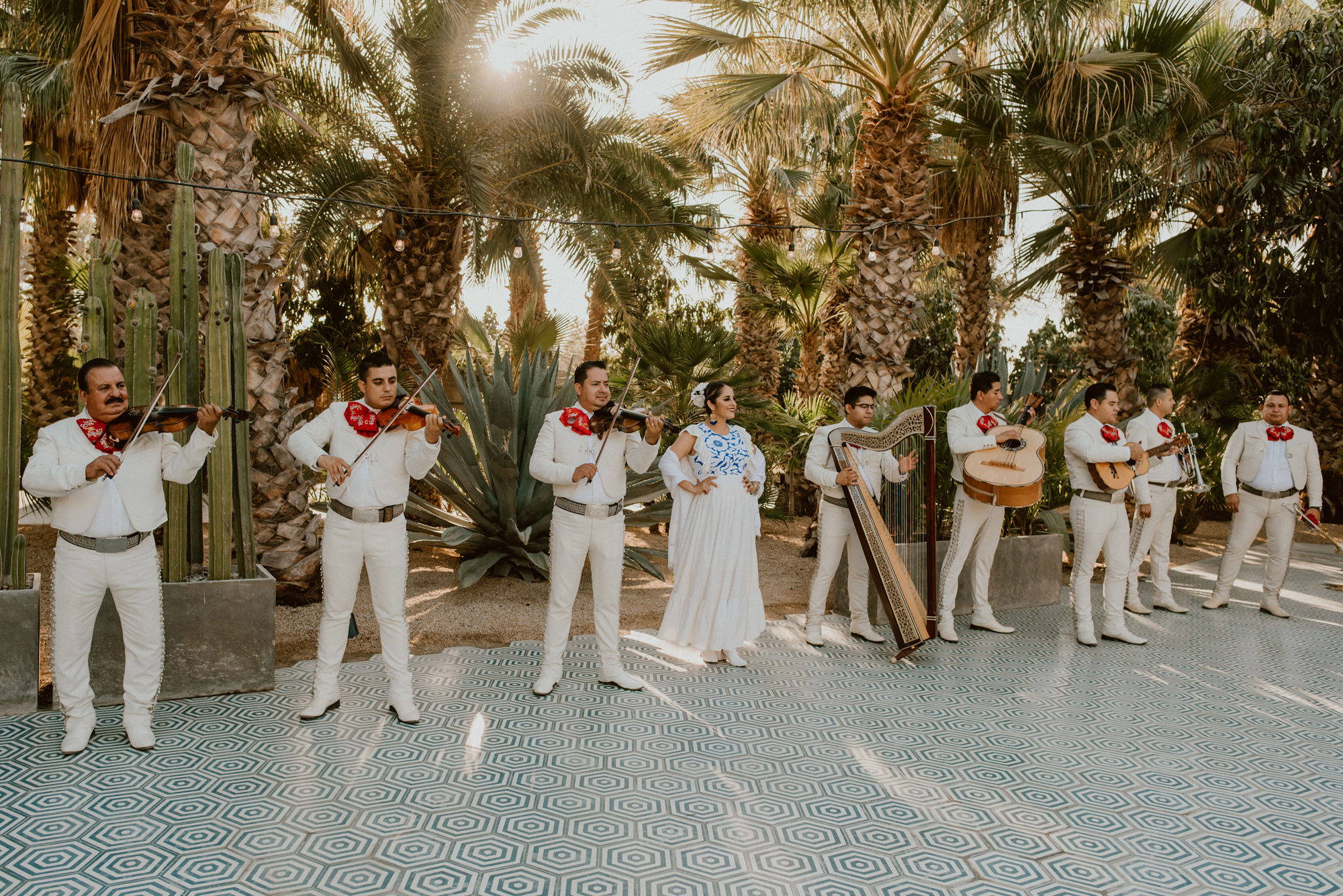
5. Location, Accessibility, and Accommodation
Logistics extend beyond the ceremony site. Accessibility affects attendance rates, punctuality, and overall comfort for guests of varying mobility levels.
Evaluate location with precision:
- Is the venue within reasonable travel distance for the majority of attendees?
- Are there nearby hotels or on-site accommodations?
- Is parking adequate and clearly organized?
- Are there transportation options for late departures?
Destination weddings continue to grow in popularity among couples worldwide, yet successful planning requires infrastructure support. A remote venue without nearby lodging can create unnecessary strain, while a well-connected location simplifies coordination for everyone involved.
6. Questions to Ask During Site Visits
An in-person visit reveals operational details that photos conceal. Use that time strategically.
Key questions to address include:
- What contingency plans are in place for inclement weather?
- Are there décor restrictions related to candles, installations, or hanging elements?
- When can vendors access the property for setup?
- Is a coordinator included, and what responsibilities does that role cover?
- What is the exact timeline for payment installments?
Approaching site visits with structured questions ensures that decisions are based on substance rather than visual appeal alone.
A wedding venue should support your priorities, budget, and logistical needs without requiring constant compromise. When you evaluate capacity, exclusivity, cost transparency, and accessibility in a systematic way, the decision becomes grounded rather than emotional. The result is a setting that strengthens the guest experience and allows the celebration itself to remain the focus.