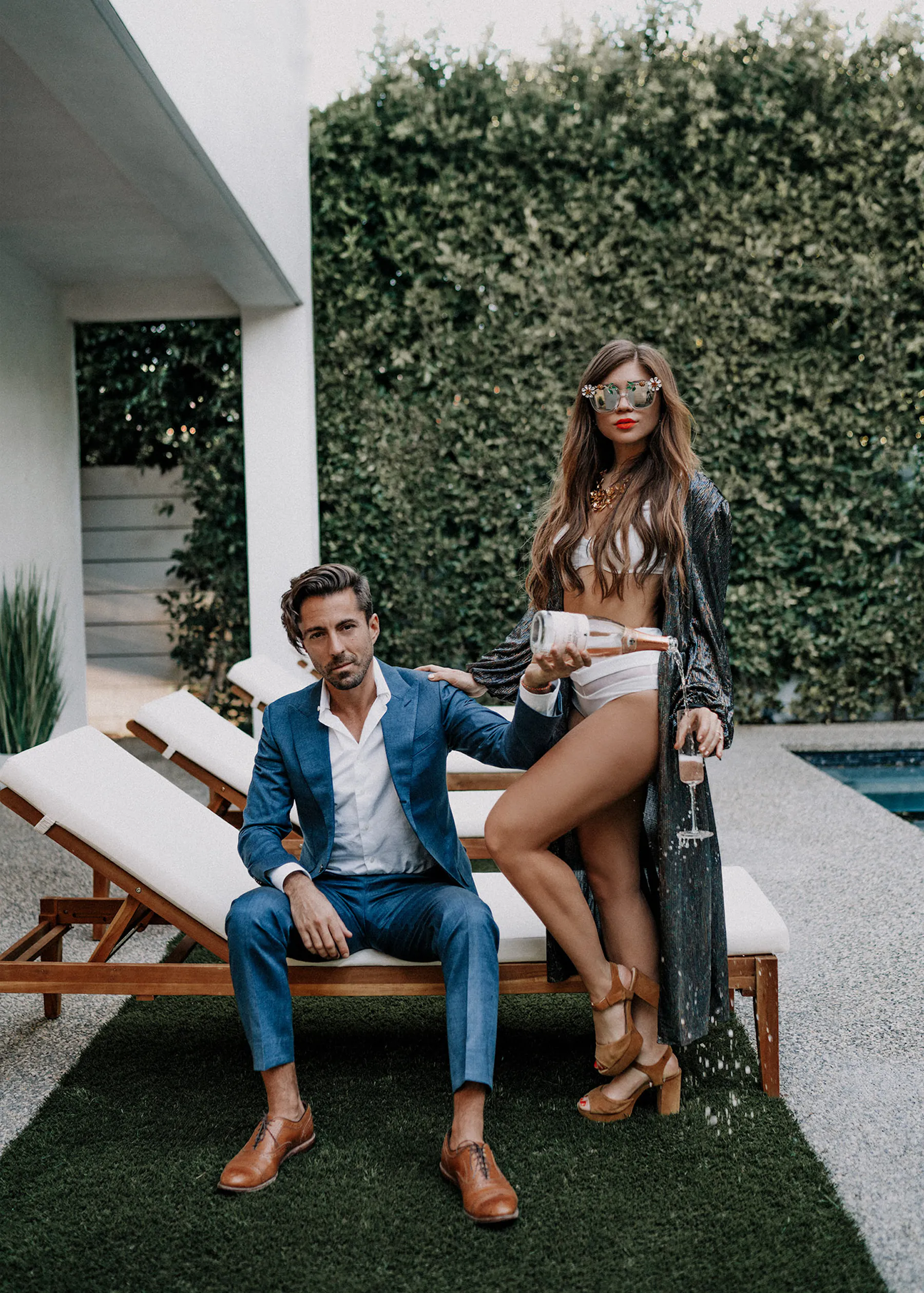

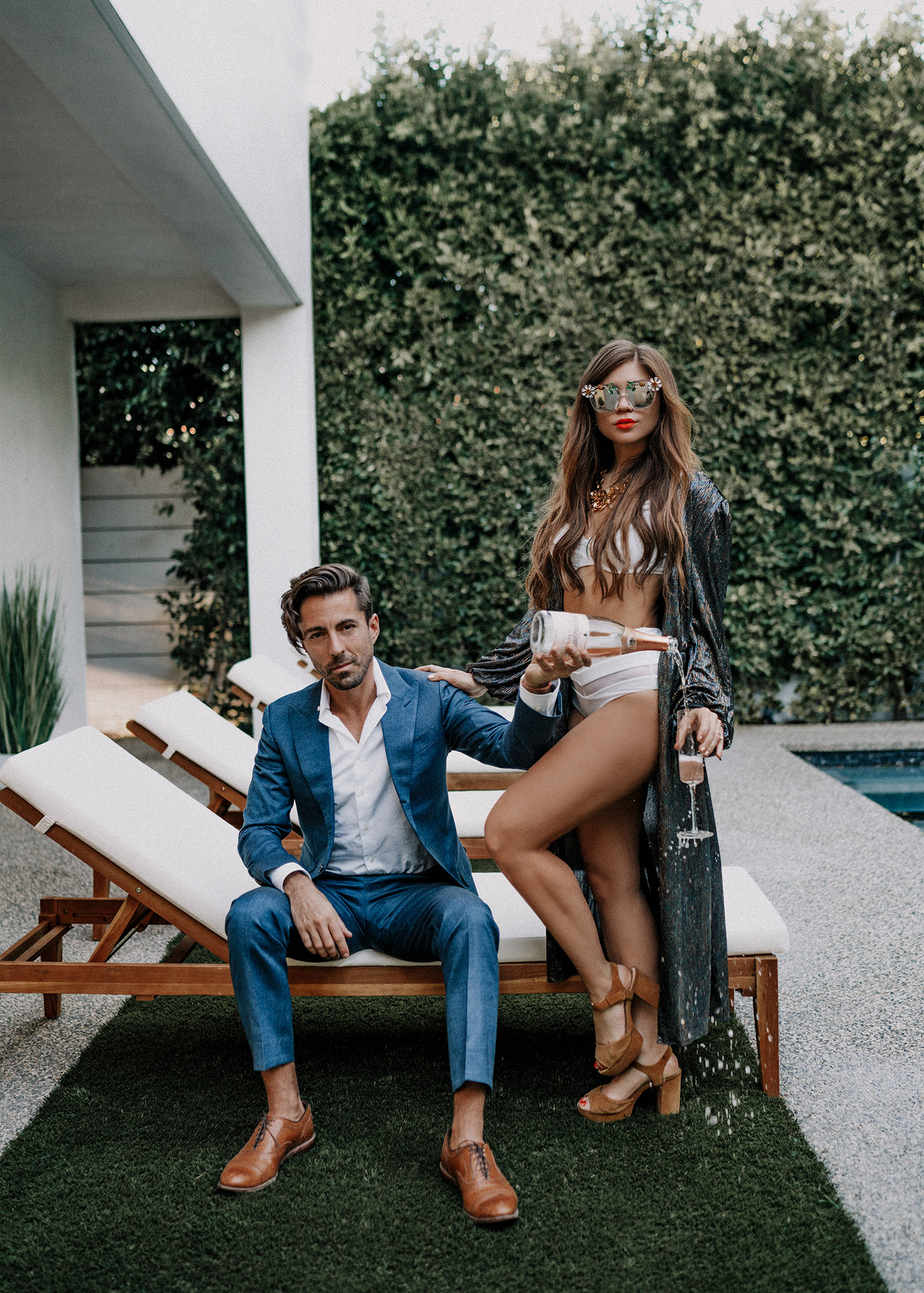
The suit jacket has evolved beyond boardrooms and formal events to become a versatile piece that fits modern casual wardrobes. However, many people struggle to wear one without the full suit because they worry the look will appear disconnected or sloppy. The challenge lies in balancing the formal nature of the jacket with relaxed pieces while maintaining a polished appearance.
The key to pairing a suit jacket with casual pieces is to mix textures, colors, and styles thoughtfully so each element complements rather than clashes with the others. A navy blazer with dark denim or a grey suit jacket over a simple t-shirt can look sharp and intentional rather than mismatched. The goal is to create outfits that feel natural and confident, rather than forced or overly formal.
This guide explores practical strategies to style a suit jacket for everyday wear. Readers will learn which casual pieces work best with different jacket styles, how accessories tie an outfit together, and which common mistakes to avoid. The result is a wardrobe that offers greater flexibility and better use of a classic piece of clothing.
Key Strategies to Pair a Suit Jacket with Casual Pieces
The right material, proper fit, and smart color choices make suit jackets work for casual settings. Success depends on fabric selection and how well different pieces complement each other.
Selecting the Right Suit Jacket Material and Fit
Not all suit jackets adapt well to casual wear. Smooth worsted wool jackets belong with their matching trousers and resist casual pairings. The polished finish creates an obvious mismatch with relaxed pieces.
Textured fabrics perform better for casual combinations. Tweed, flannel, hopsack, and linen offer visual weight that blends naturally with informal trousers and shirts. These materials have depth that bridges formal and casual elements.
Fit plays an equally important role. A jacket that pulls across the shoulders or bunches at the waist looks wrong, no matter how good the fabric choice. The shoulders should sit flat, sleeves should end at your wrist bone, and the body should allow comfortable movement without excess fabric.
For men who want versatile pieces, custom formalwear for men provides proper proportions and fabric options suited to mixed dressing. Bespoke construction accounts for your specific build and how you plan to wear each piece.
Mixing and Matching Suit Separates for a Cohesive Look
Solid-colored jackets in navy, grey, or brown form the foundation for casual pairings. These colors work with multiple trouser options and create intentional looks rather than accidental mismatches.
Pattern mixing requires care. A jacket with subtle texture pairs well with plain trousers. However, pinstripe or chalk stripe jackets need their matching pants. The vertical lines look incomplete when separated from their set.
The formality level should stay consistent across pieces. A structured business jacket clashes with distressed denim. Instead, pair structured jackets with clean chinos or wool trousers in complementary shades.
Fabric weight matters for balance. Heavy tweed jackets overwhelm lightweight cotton pants. Match substantial jackets with medium-weight trousers for a proportional appearance.
Building Color Harmony: Classic and Bold Combinations
Navy jackets pair with grey, khaki, olive, or cream trousers. Charcoal grey jackets work with navy, tan, or light grey pants. Brown jackets match cream, olive, navy, or burgundy bottoms.
Classic combinations provide safe starting points. A navy jacket with grey trousers creates a sharp contrast. Brown tweed with cream chinos offers a warm, approachable style. Grey flannel with navy wool presents subtle sophistication.
Bold pairings require more confidence but deliver distinctive looks. Burgundy trousers under a grey jacket stand out without clashing. Olive pants with a navy blazer combine military-inspired and traditional elements.
Avoid matching jacket and trouser tones too closely unless they're from the same suit. Similar but not identical blues or greys look like failed attempts at coordination. Instead, create a clear contrast or choose complementary shades from different color families.
Basic Casual Pairings: Trousers, Jeans, and Shirts
Dark denim works with sport coats and unstructured blazers. Choose clean, straight-leg jeans without heavy distressing or fading. The denim should look deliberate, not sloppy.
Chinos offer a versatile middle ground between jeans and dress trousers. Khaki, navy, olive, and grey chinos pair well with textured jackets. The casual fabric balances the structure of a tailored jacket.
Wool trousers in odd colors provide smart-casual options. Charcoal, mid-grey, or tan wool pants dress down formal jackets while maintaining polish.
Shirts set the tone for the entire outfit. Skip the tie and opt for a spread or button-down collar. White and light blue shirts keep things classic. Chambray, Oxford cloth, or subtle patterns add casual character. Polo shirts work under unstructured jackets, but they require clean lines and a proper fit. T-shirts only succeed with very casual, unconstructed jackets.
Elevating the Look: Accessories, Details, and Avoiding Mismatched Mistakes
The right accessories and footwear can make or break a suit jacket paired with casual pieces. Small details like belt choices and watch styles help create a unified look instead of an outfit that feels thrown together.
Choosing the Right Footwear and Belts
Shoes set the tone for the entire outfit. A suit jacket paired with jeans needs footwear that bridges formal and casual styles. Leather loafers, Chelsea boots, or clean leather sneakers work well for this purpose. Dress shoes that are too formal will clash with casual pants, while athletic sneakers make the jacket look out of place.
The belt should match the shoes in both color and style. Brown shoes pair with a brown belt, and black shoes match a black belt. A braided leather belt adds texture to the look without appearing too dressed down. It works particularly well with chinos or dark jeans.
The leather should look similar in finish and quality between the two pieces. A glossy dress belt does not work with matte casual shoes. The goal is to create visual harmony that connects the upper and lower halves of the outfit. A suit jacket with khakis, suede loafers, and a matching suede belt creates an interesting texture combination that still feels intentional.
Accessorizing with Pocket Squares, Watches, and Minimalist Accents
Accessories add personality without overdoing it. A pocket square softens the formality of a suit jacket. Solid colors work better than busy patterns for casual pairings. A simple linen square in white or a complementary color keeps things refined.
Watches bridge the gap between dressy and relaxed. A leather strap watch suits most casual jacket combinations. Metal bracelet watches can work, but tend to skew more formal. The watch face should remain simple and avoid sports watch features like digital displays or rubber straps.
Other details should stay minimal. A thin leather bracelet or simple ring adds interest without distraction. Avoid wearing a pocket square, tie, and multiple accessories at once. The jacket already makes a statement, so additional pieces should support rather than compete. Even a three-piece suit worn as separates benefits from this restraint. Less is more applies here.
Common Style Pitfalls and How to Avoid Looking Mismatched
The biggest mistake is mixing fabrics that belong in different seasons or contexts. A heavy wool suit jacket does not pair well with lightweight linen pants. The weight difference makes the outfit look confused. Stick to fabrics that share similar weights and textures.
Another error involves color clashes. A suit jacket and pants should not match exactly, but they should miss slightly. This makes it look like a failed attempt at a full suit. Instead, choose colors that clearly differ. Navy jacket with grey pants works, but navy jacket with slightly different navy pants does not.
Mismatching suit pieces from an actual suit creates problems. The jacket and pants from a three-piece suit are designed to work together in cut, fabric, and tone. Separate them only if the pieces clearly stand alone as different items. A suit jacket has specific construction details like padded shoulders and structured fabric. These features look strange with very casual bottoms like athletic joggers or cargo shorts. Save the jacket for combinations with chinos, dark jeans, or dress trousers that respect its tailored nature.
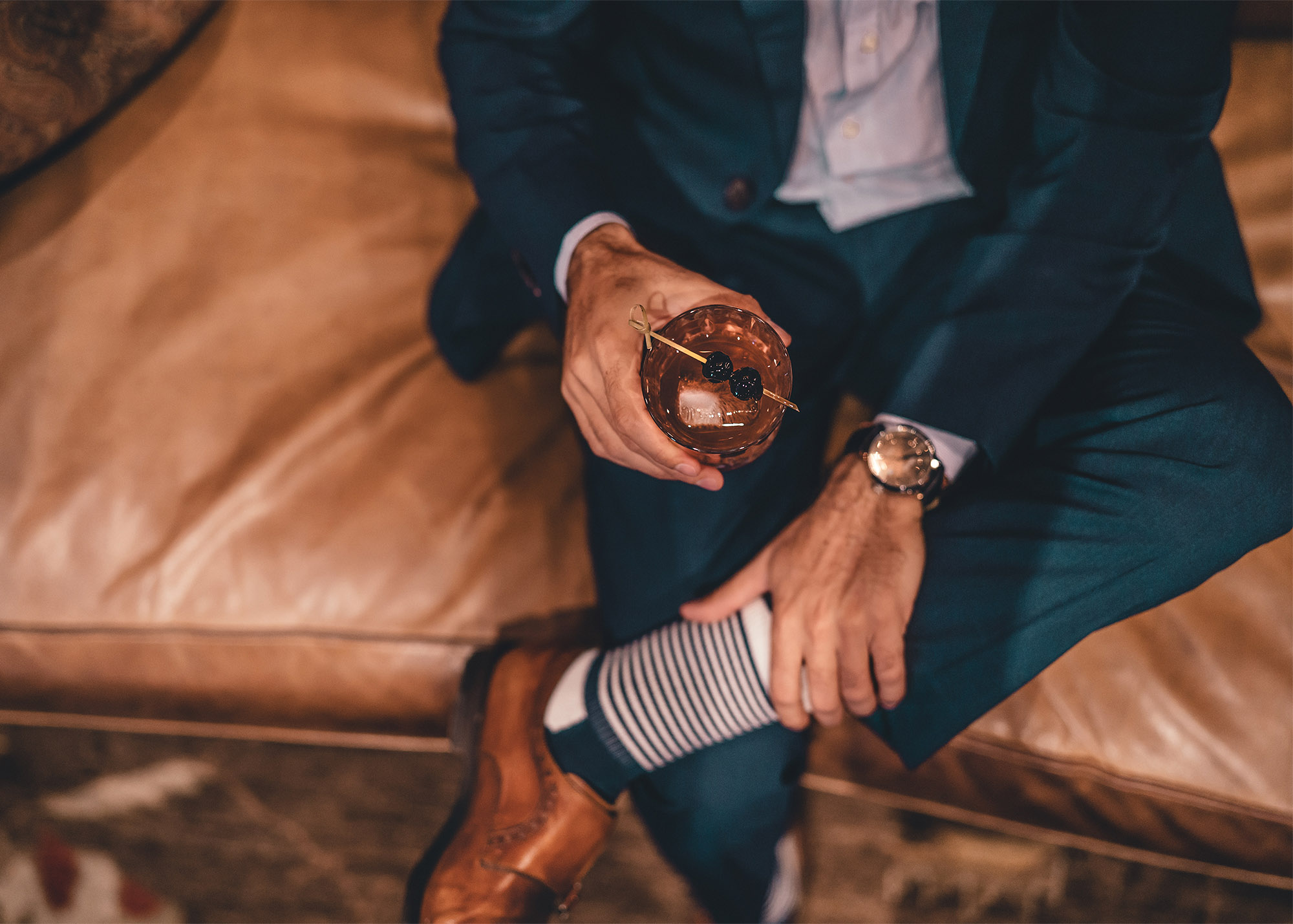
A suit jacket works well with casual pieces as long as a person pays attention to fit, color, and balance. The key lies in the ability to pair structured pieces with relaxed items like dark jeans, simple t-shirts, and clean sneakers. Small details matter, such as the jacket's texture, the pants' fit, and the simplicity of accessories.
The goal is to create a look that appears natural rather than forced. With practice, anyone can master this style and build a flexible wardrobe that works for multiple occasions.