How to Plan a Cross-Country Road Trip Through the NFL’s Most Iconic Cities
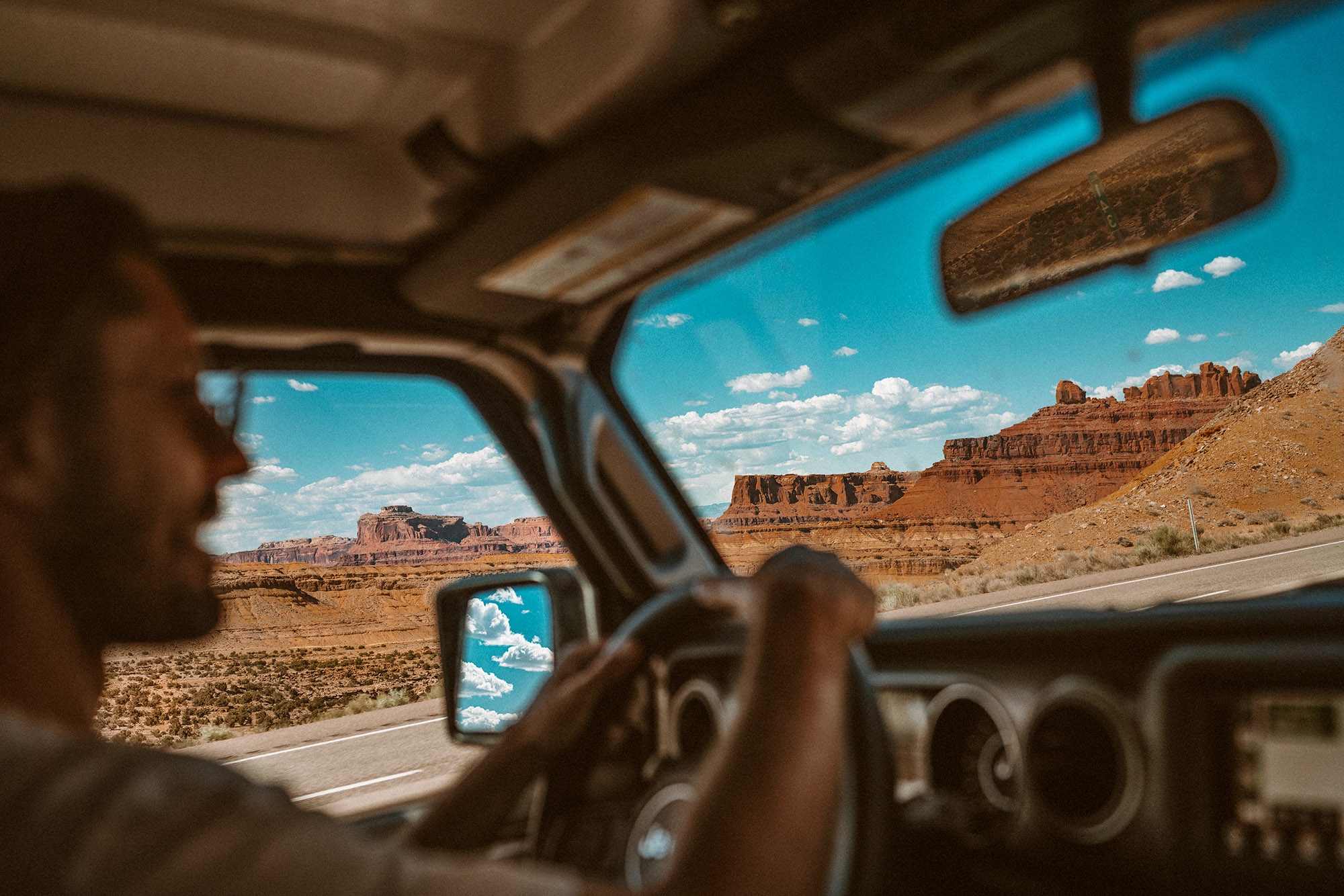
An NFL road trip is not just a sequence of games. It is a way to experience the United States through stadium districts, tailgate lots, bar scenes, fan rituals, and the local habits that give each franchise its own identity.
A serious football traveler can turn one season into a rolling map of regional culture by linking multiple cities into a single route, choosing the right part of the calendar, and staying close enough to venues to feel game day from the moment streets begin to fill. With the preseason opening in August and the regular season beginning in September, timing shapes everything from mileage to ticket flexibility.
Choosing the Best Cross-Country Route

The smartest route depends on whether the goal is efficiency, variety, or total stadium count. A Northeast loop can connect MetLife Stadium in East Rutherford, Lincoln Financial Field in Philadelphia, M&T Bank Stadium in Baltimore, and Northwest Stadium in Landover with relatively manageable travel legs, while a Midwest swing can center on Ford Field in Detroit, Huntington Bank Field in Cleveland, Acrisure Stadium in Pittsburgh, and Paycor Stadium in Cincinnati.
A West Coast route works differently because scale matters more, with SoFi Stadium in Inglewood, Allegiant Stadium in Las Vegas, State Farm Stadium in Glendale, and Lumen Field in Seattle requiring longer jumps but offering sharply different football environments.
Timing the Trip Around Preseason and Regular Season
Late summer offers one of the most practical entry points for a stadium run because the preseason provides more flexibility, lower pressure around game selection, and a better chance to see multiple cities in quick succession.
NFL Football Operations announced the 2026 preseason schedule with the Hall of Fame Game on August 6 and Week 1 beginning August 13, while the full 2026 regular season starts on Thursday, September 10. That split matters because preseason is often better for routing and access, while the regular season delivers fuller atmospheres and stronger stakes. Travelers who want both can begin in August and roll directly into September.
Staying Near the Stadium Without Losing the City
Where to stay changes the entire feel of the trip. Booking close to a venue makes dawn tailgate walks, last-minute transit decisions, and postgame exits much easier, but a football trip improves when the hotel also keeps the city itself within reach.
In East Rutherford, that means balancing MetLife access with time in Manhattan or Jersey City. In Inglewood, proximity to SoFi matters, but so does the ability to move through greater Los Angeles. In Nashville, the stadium is only one piece of the experience, while in New Orleans, staying near Caesars Superdome also places travelers inside one of the league’s most distinctive downtown football atmospheres.
Building a Late-Summer Football Ritual

A cross-country NFL stadium tour requires strategic planning beyond just booking tickets. Smart travelers time their trips for late summer, catching preseason games while finalizing their fantasy football draft preparation. Visiting team facilities, talking football with locals in each city, and scouting players in person adds depth to your fantasy knowledge while creating an unforgettable American road trip.
That rhythm turns the trip into more than a spectator schedule. It becomes a moving football education. A fan who sees multiple venues in the same stretch notices differences in roster conversation, local expectations, and the way each market talks about camp battles, depth players, and coaching changes before the regular season settles into place.
Experiencing Different Football Cultures City by City
No two NFL cities feel the same on game weekend. Green Bay is intimate and deeply inherited, with Lambeau Field operating like civic memory in physical form. Las Vegas feels destination-driven and spectacle-heavy around Allegiant Stadium. Philadelphia carries an edge and intensity that begins long before kickoff at Lincoln Financial Field. Kansas City turns Arrowhead into a full-day event where noise, grilling, and ritual are inseparable.
Miami, Seattle, Dallas, and Buffalo each create their own versions of football travel, shaped by climate, geography, parking culture, and what fans expect from a Sunday. The most memorable road trip is the one that leaves enough time to absorb those differences rather than rushing through them.
Using Shared Stadium Geography to Your Advantage

There are 32 NFL teams but only 30 full-time NFL stadiums because the New York Giants and New York Jets share MetLife Stadium, and the Los Angeles Chargers and Los Angeles Rams share SoFi Stadium.
For travelers, that is not a trivia note. It is a planning advantage. Those shared homes create efficient opportunities to check off multiple franchises without doubling hotel nights or long transit days.
A trip that pairs New York and Los Angeles around shared venues can open room in the schedule for harder-to-reach stops like Seattle or Miami. That kind of geographic efficiency matters when the goal is serious football fandom rather than a single vacation weekend.
Turning the Road Trip Into a Full Football Season Project

The best NFL road trip usually is not completed in one burst. It works better as a season-long project built around clusters, calendar windows, and the willingness to let each city speak in its own voice. One year can cover an Atlantic corridor, another can focus on the Midwest, and another can push through Texas, the Mountain West, and the Pacific coast.
The league’s schedule structure, with 17 regular season games per team and annually rotating opponents, rewards flexible planning over rigid bucket-list thinking. A fan who treats the trip as a living football map will end up with more than ticket stubs. The reward is a real sense of how the league lives across the country.