
Mediterranean Bedroom Design Using Living Stems
Bringing Mediterranean influence into a bedroom is less about imitation and more about restraint, materiality, and the deliberate presence of living elements. Across Southern Europe, interiors evolved in response to heat, light, and landscape, which is why the aesthetic remains relevant for modern homes seeking calm, longevity, and sensory balance. Living stems play a central role in that equation because they introduce organic movement, scent, and texture without requiring architectural changes or decorative excess. Keep the European summer vacation feeling continuing all year round at home with indoor and house plants delivered right to your door.
Why Mediterranean Design Translates Well Indoors
Mediterranean interiors have endured because they prioritize livability over trends, favoring finishes and forms that age well and feel grounded rather than ornamental. When applied to a bedroom, this design logic supports rest, visual clarity, and a sense of ease that carries through daily routines.
Key characteristics that define the style include:
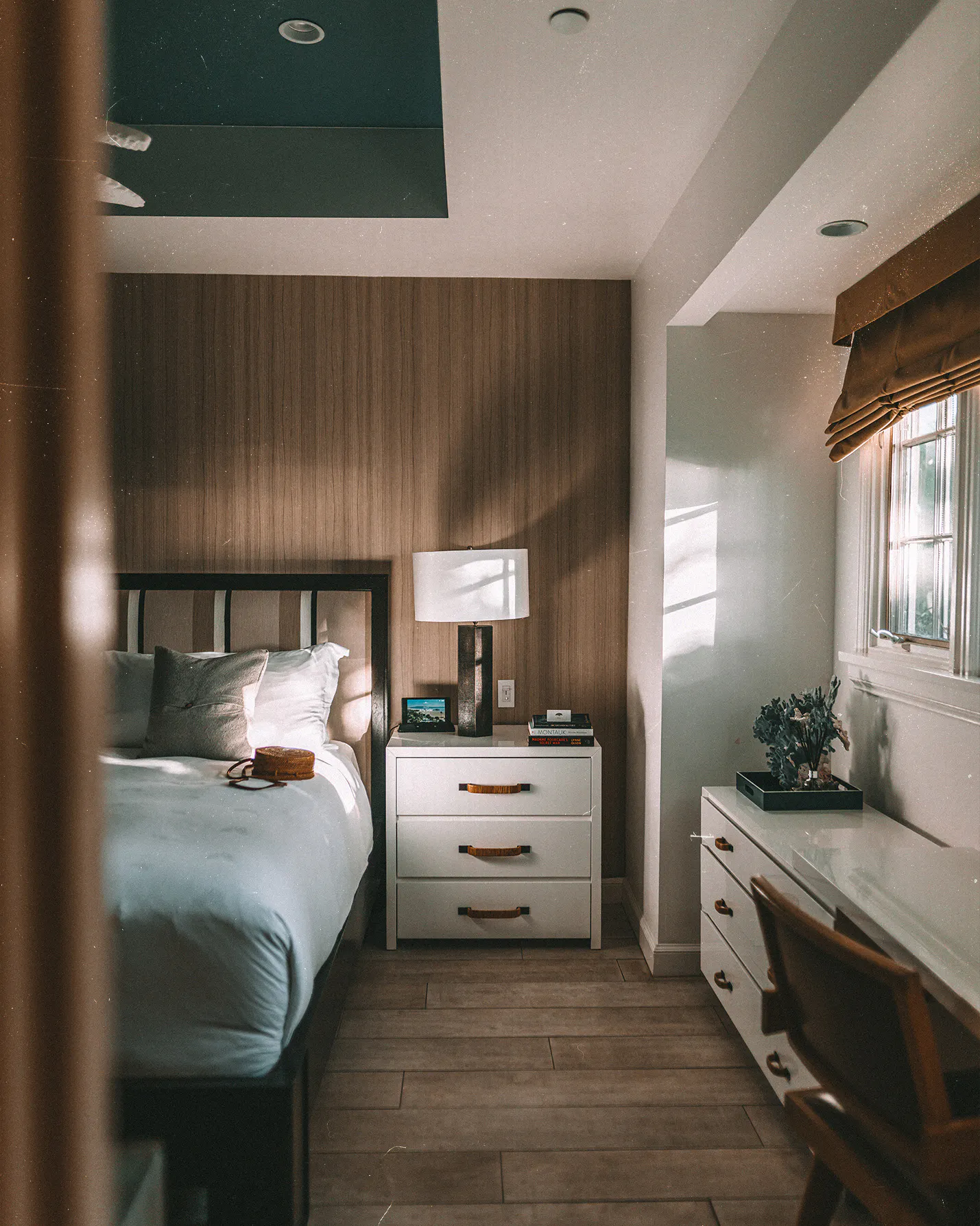
- Light-reflective surfaces such as whitewashed walls, lime plaster finishes, and pale stone tones that soften natural and artificial light
- An emphasis on natural materials, including ceramic, terracotta, wood, linen, and woven fibers, that introduce warmth without visual clutter
- A restrained palette where contrast comes from texture and shadow rather than bold color
Living stems align naturally with this approach because they function as both structure and softness, anchoring a space visually while preventing it from feeling static or overly composed.
What Living Stems Are and Why They Matter
Living stems differ from traditional cut arrangements in both purpose and longevity. Rather than serving as a short-term visual accent, they are designed to root, adapt, and grow over time, often transitioning from water to soil with minimal intervention. This evolution is precisely what makes them effective in bedroom environments where permanence and subtle change are preferable to constant replacement.
Common characteristics of living stems include:
- Extended lifespan compared to cut flowers, often lasting weeks or months with basic care
- Gradual visual change that introduces organic variation without disrupting cohesion
- Compatibility with simple vessels and minimal styling, which supports an understated aesthetic
In a Mediterranean-inspired bedroom, this type of greenery prevents the space from feeling overly curated while reinforcing the connection between indoors and outdoors that defines the style.
Choosing the Right Stems for a Mediterranean Look
Plant selection should favor species historically associated with Mediterranean climates or those that visually reference the region through form, texture, or scent. The goal is not botanical accuracy but atmospheric continuity.
Effective options include:
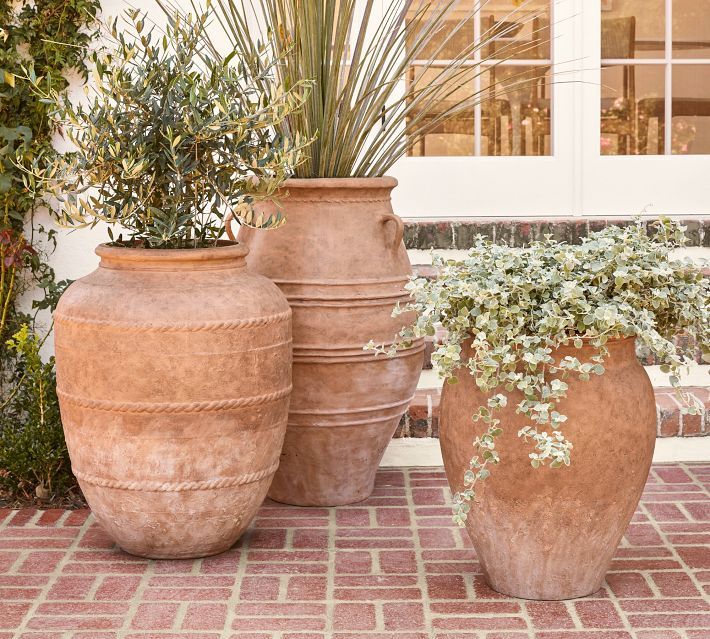
- Olive stems for their muted green tone, sculptural branching, and strong cultural association
- Eucalyptus varieties that provide soft movement, subtle fragrance, and durability in low-maintenance settings
- Rosemary and bay laurel, which offer functional value alongside visual interest and thrive indoors with adequate light
- Fig or citrus cuttings when available, particularly in warmer interiors with consistent sun exposure
These selections work best when allowed to remain slightly imperfect, with asymmetrical growth and natural spacing rather than tightly controlled arrangements.
How to Style Living Stems in a Bedroom
Mediterranean interiors rely on composition rather than abundance, which means placement matters more than quantity. A single, well-considered cluster can carry more visual weight than multiple scattered accents.
Recommended styling principles include:
- Grouping stems in one defined area rather than dispersing them across the room, which creates a focal point and reinforces intentional design
- Varying height and vessel scale to introduce depth while maintaining a unified color palette
- Using ceramic, stoneware, or glass containers in white, cream, or earth tones to keep attention on the foliage
Corners near windows, bedside tables with sufficient surface area, or low benches at the foot of the bed tend to work well without disrupting circulation or balance.
Light, Maintenance, and Longevity Considerations
A Mediterranean-inspired bedroom should feel low-effort but never neglected, which makes plant care an important part of the overall experience. Living stems require consistency rather than expertise, particularly when placed in restful spaces.
General care guidelines include:
- Prioritizing indirect natural light, as harsh exposure can stress stems while insufficient light slows rooting
- Refreshing water regularly and trimming stem ends to encourage absorption and healthy growth
- Transitioning stems to soil when root development becomes visible, using breathable planters that align with the room’s materials
The maintenance process becomes part of the environment itself, reinforcing a slower, more deliberate rhythm that supports rest rather than distraction.
Creating a Daily Atmosphere That Feels Intentional
Bedrooms shaped by Mediterranean principles often feel restorative because they are designed to support daily rituals rather than visual novelty. Living stems contribute to this by adding scent, subtle movement, and an evolving presence that shifts gently over time.
Morning light filtered through foliage, the faint aroma of eucalyptus or rosemary, and the tactile contrast between smooth ceramics and organic stems collectively influence mood without demanding attention. These details matter because they shape how the space feels during transitional moments, especially at the beginning and end of the day.
Where To Find The Perfect Plants
Access to appropriate plants no longer requires specialty nurseries or in-person sourcing, particularly for indoor-friendly varieties. Many suppliers now offer curated selections of living stems and rooted cuttings designed specifically for interior use, which reduces guesswork and ensures compatibility with home environments.
When selecting a source, prioritize:
- Plants suited for indoor light conditions rather than outdoor cultivation
- Varieties shipped fresh and minimally processed to support longevity
- Options that arrive ready for immediate styling without additional preparation
This approach keeps the focus on atmosphere and placement rather than logistics, which aligns with the understated, practical nature of Mediterranean design.
An intentional bedroom relies on choices that age well, feel grounded, and support how you move through your day. Living stems offer a quiet but effective way to introduce warmth, texture, and continuity into a Mediterranean-inspired space, allowing the room to feel inhabited rather than arranged, and calm without feeling sparse.