Africa is not a destination you can plan with a short list and a map pin. With 54 countries and enormous variation in climate, wildlife patterns, and infrastructure, the quality of a safari or broader trip depends far more on timing, routing, and logistics than on chasing famous names alone. Iconic places like the Serengeti, Kruger, Victoria Falls, and Marrakech are worth the attention, but a successful African getaway comes together through practical decisions - understanding seasonal shifts, choosing efficient routes, handling visas and insurance early, and budgeting realistically for the experiences that matter most.
When to Go: Micro‑Seasonality Matters
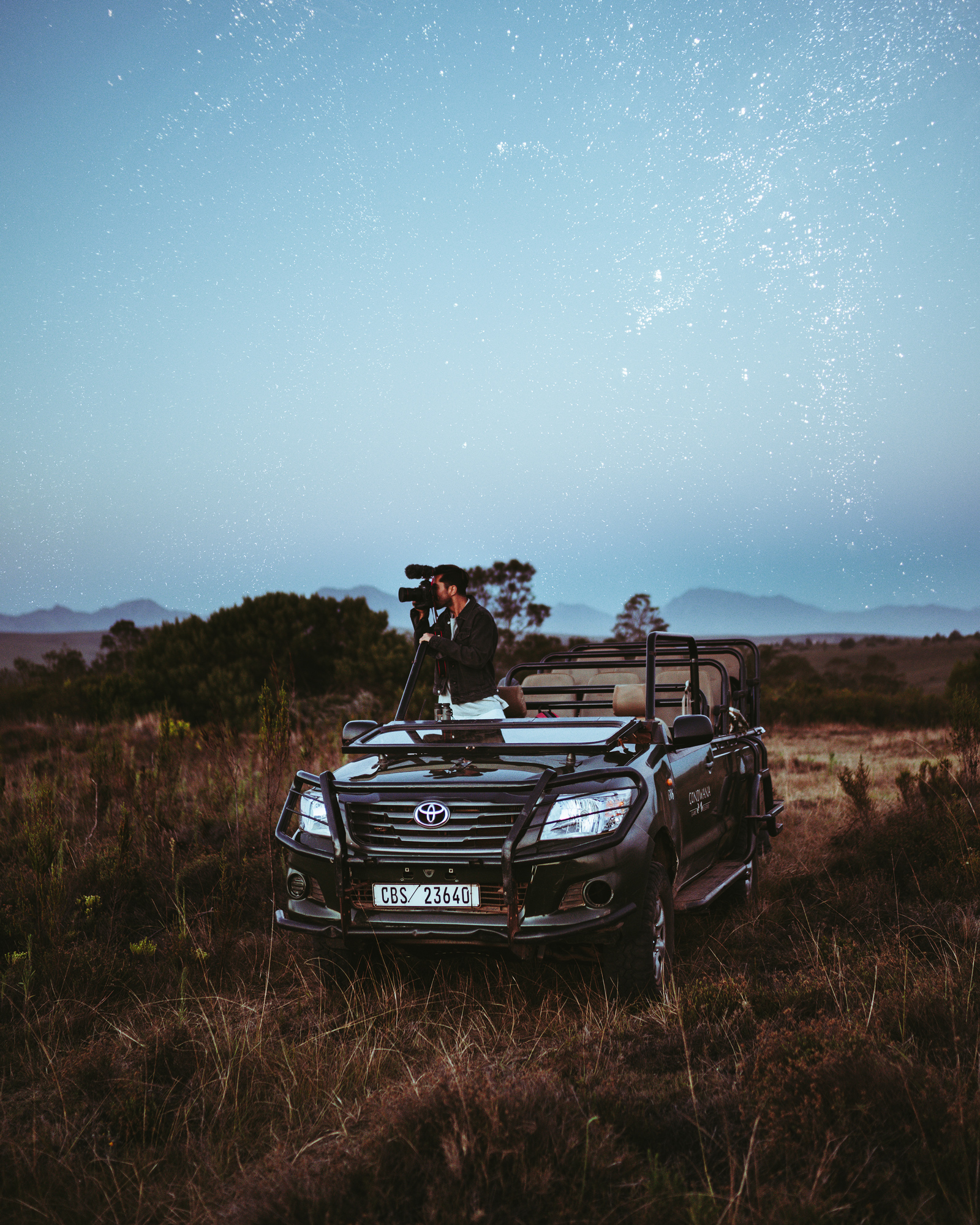
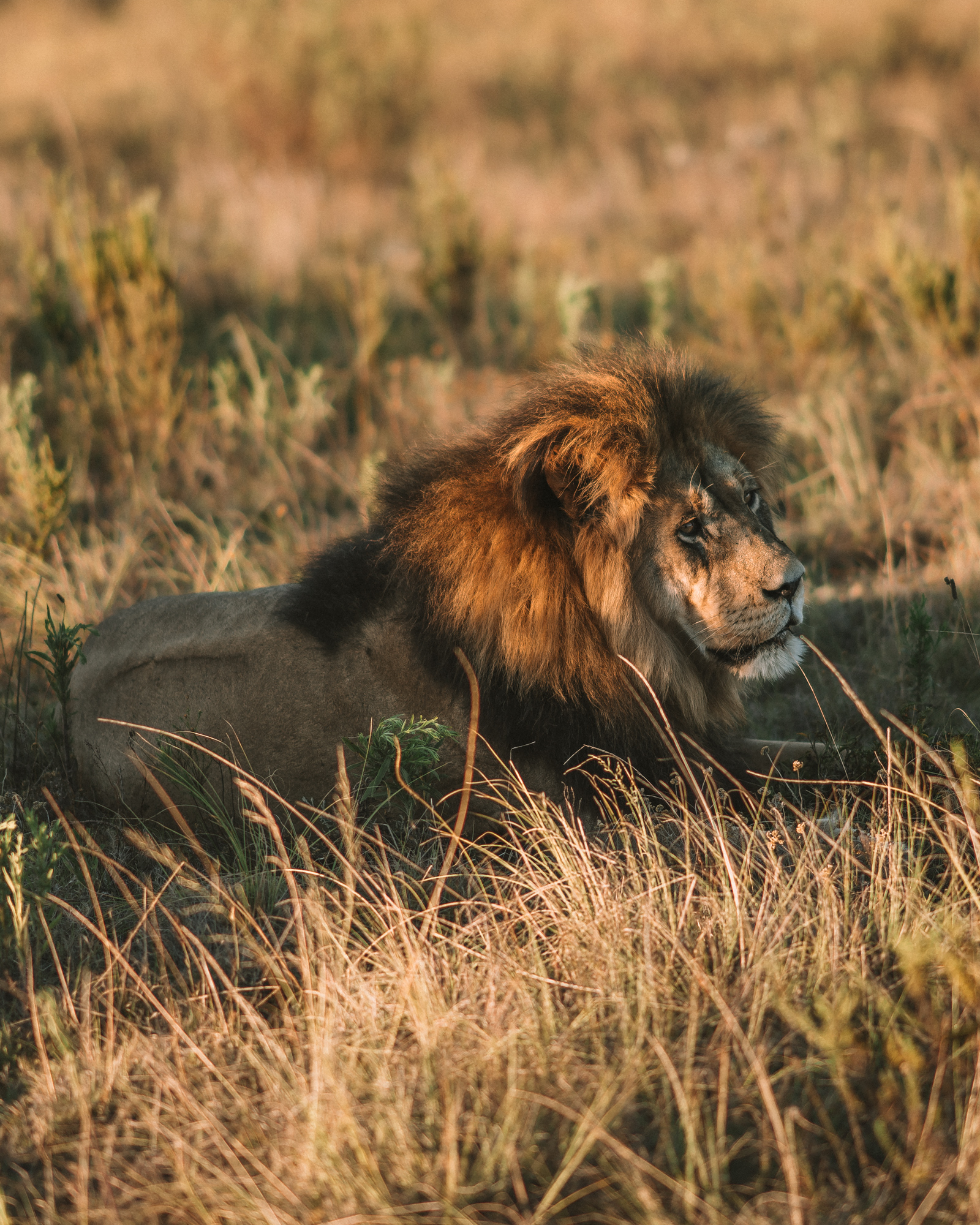
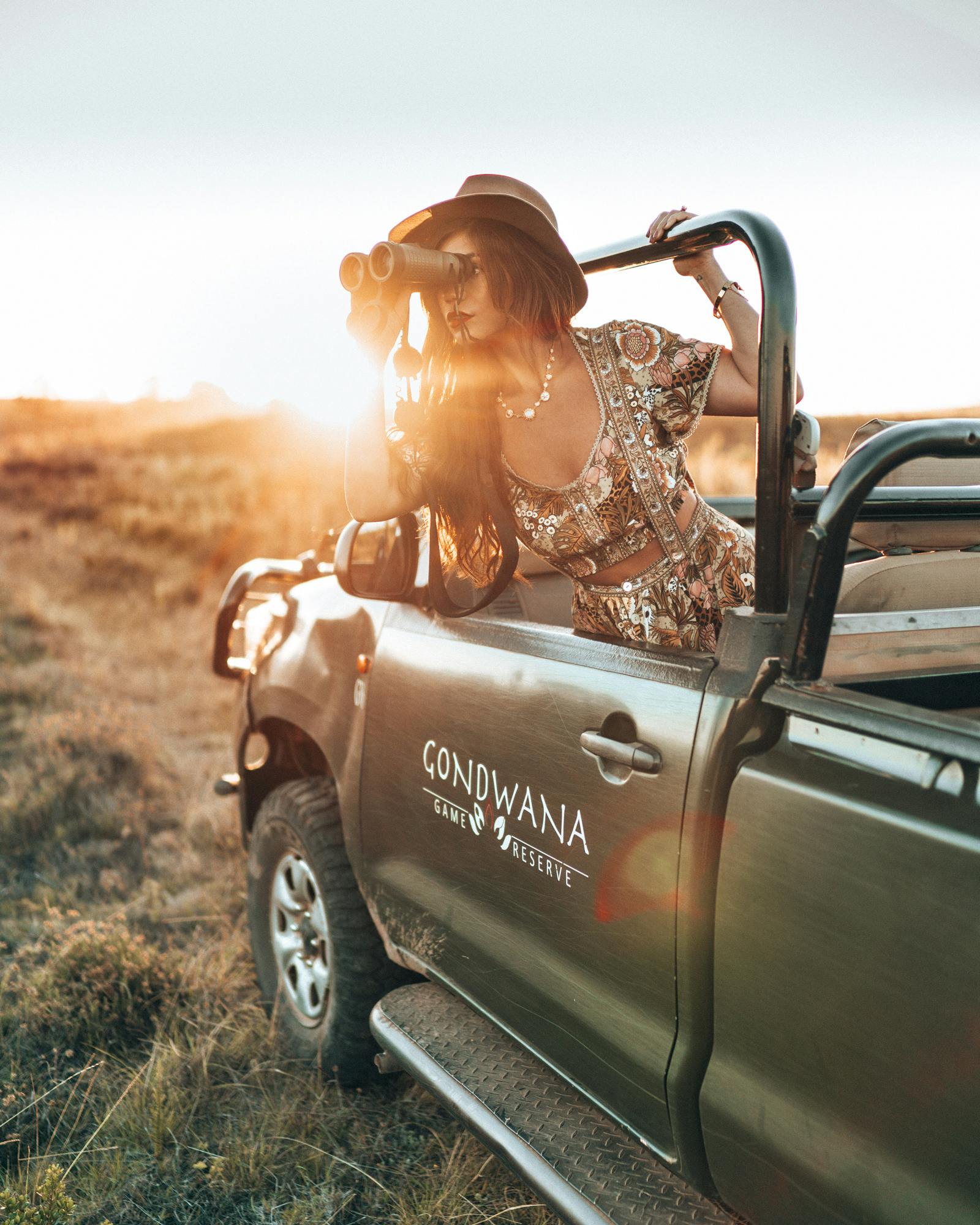
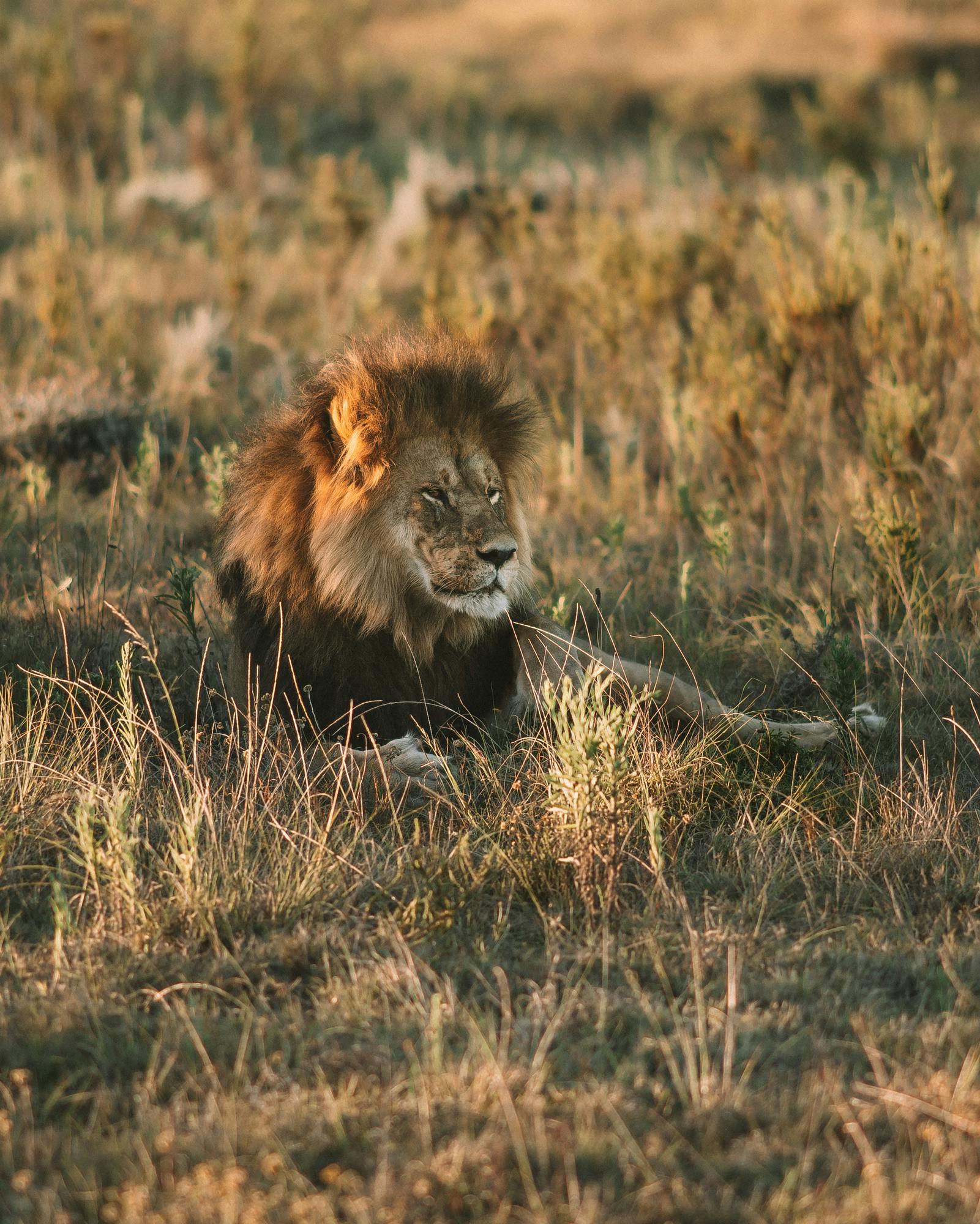
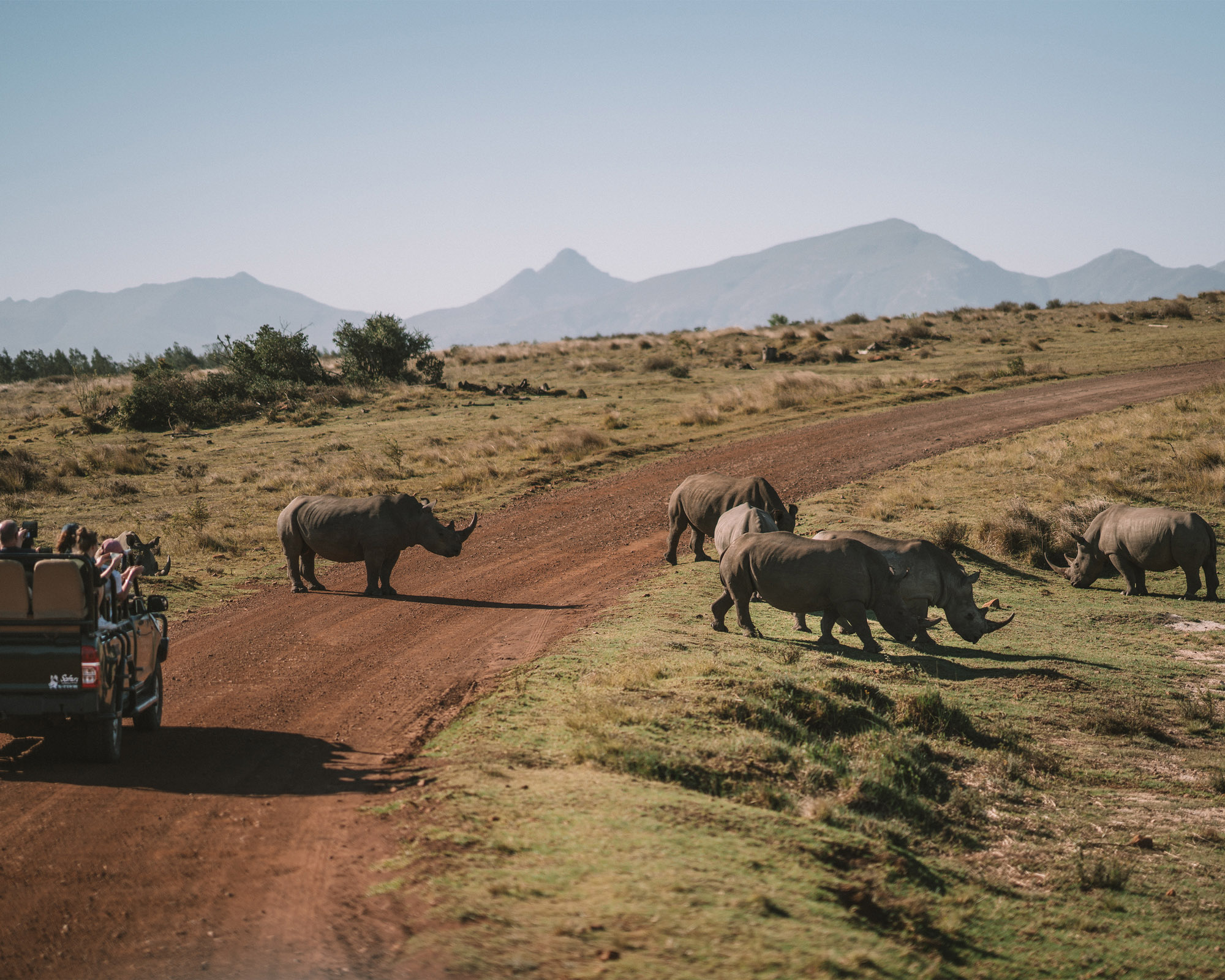
If you’re chasing wildlife, think like a local guide: dry months thin the brush and pull animals to waterholes, but “best time” splinters by experience. A few moments reset your inner compass like a safari in Africa Tanzania, during the Migration’s crescendo, when even the horizon seems to be moving.
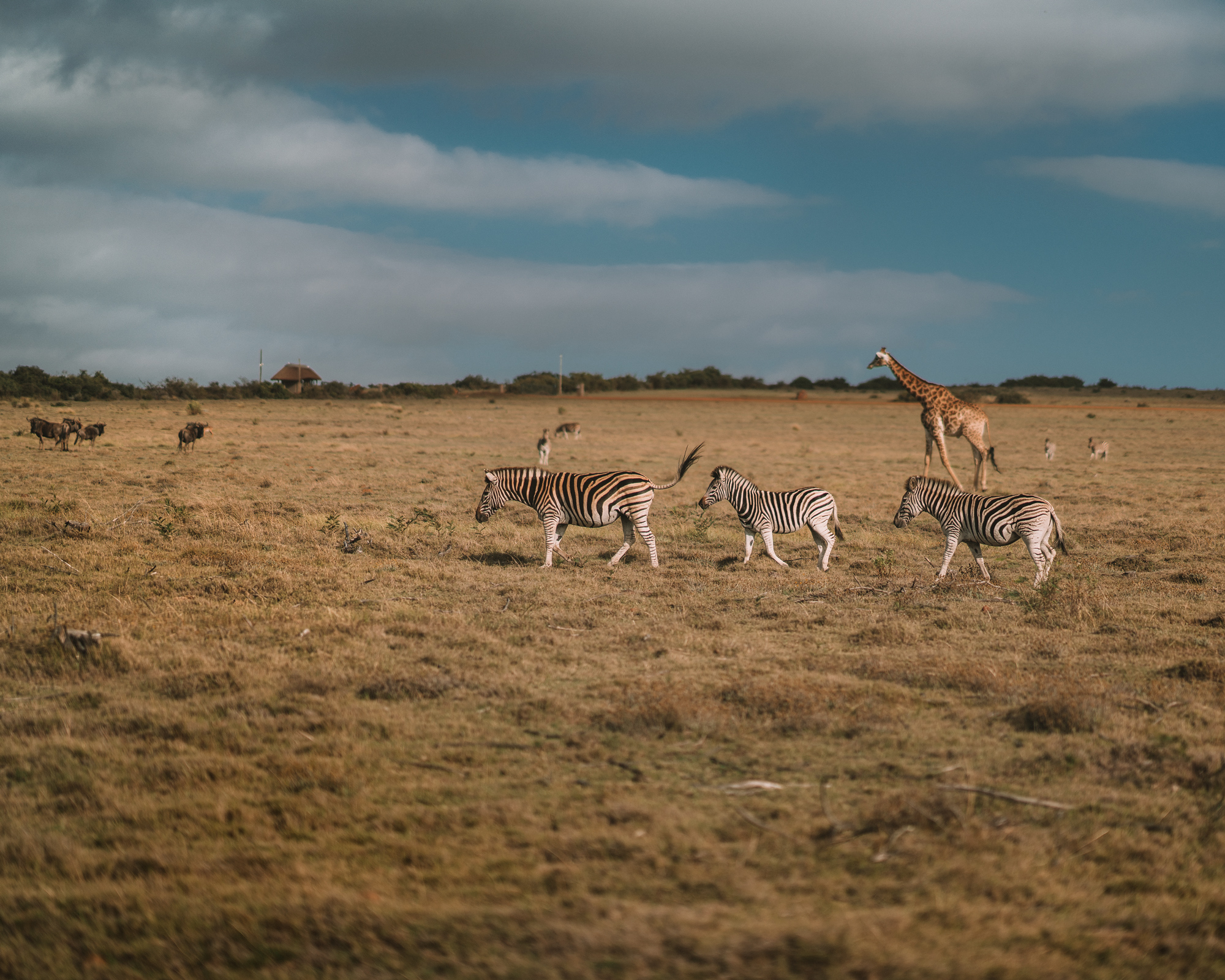
The Great Migration often peaks in Kenya’s river crossings from July to October; calving season pulses in Tanzania from January to February.
Meanwhile, the Okavango Delta flips the script, waters rise from May to September when the wider region is driest, creating prime conditions for silent mokoro journeys and predator action.
Off-season months mean fewer crowds, easier bookings, and gentler prices. Things that can appeal to some travelers.
Best Things to Do: Icons and Add‑Ons
Wildlife & Wilderness:
- Great Migration (Kenya/Tanzania): Dawn balloon rides and dusk drives frame a horizon that moves. Calving in Jan - Feb; crossings in Jul - Oct.
- Okavango Delta (Botswana): Mokoro silence; lily‑fringed channels; red lechwe splashing through glassy water. Peak action during the high flood months.
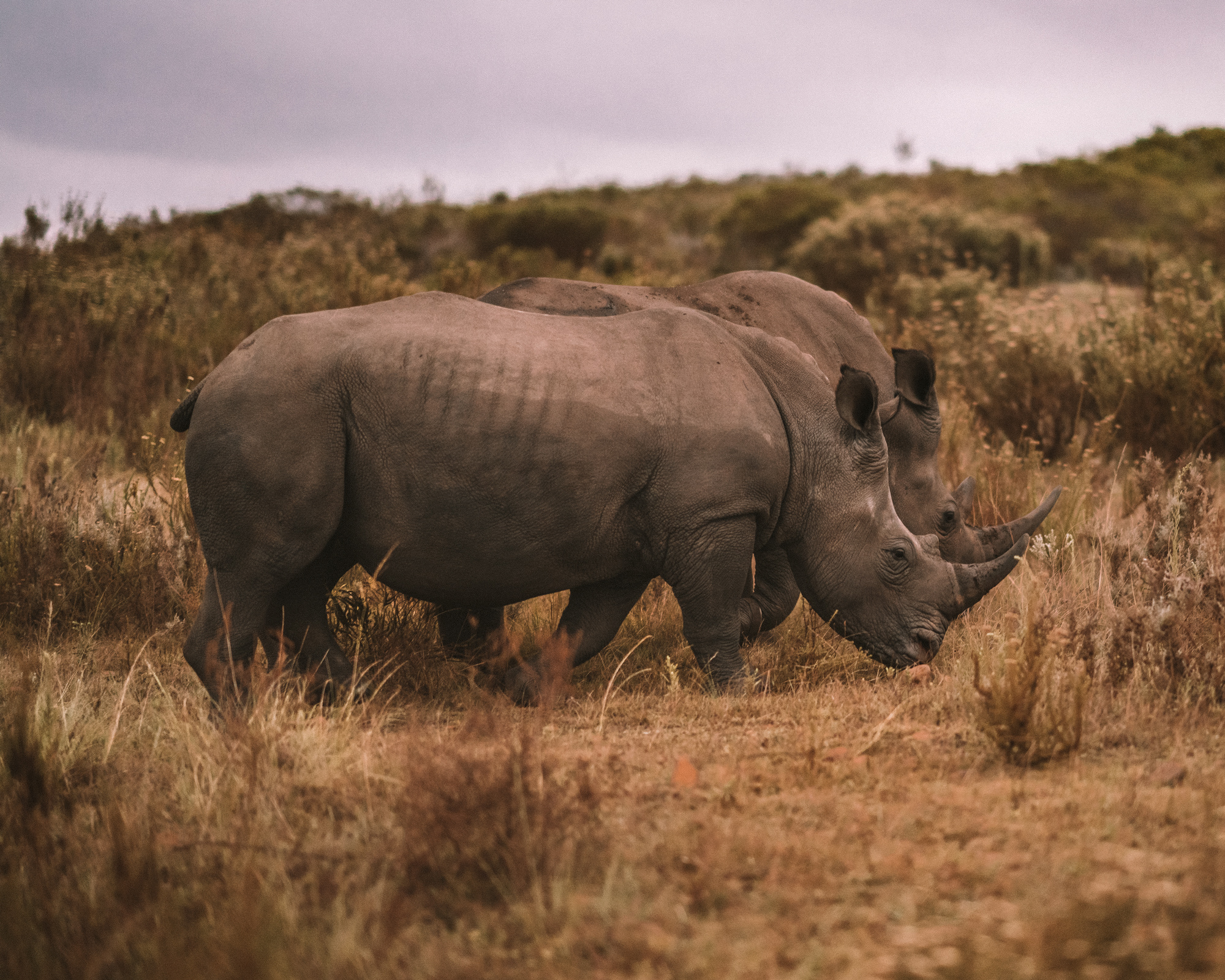
- Kruger & Private Reserves (South Africa): Big Five density, excellent guiding, and options to self‑drive or go fully guided.
- Gorilla Trekking (Uganda/Rwanda): One hour with a habituated family; permit costs dominate the budget (Uganda ~$800; Rwanda ~$1,500). Book months ahead.
Culture & Heritage:
- Egypt (Cairo, Giza, Luxor): Ancient engineering meets living city rhythms—split time between museums, monuments, and felucca moments.
- Ghana (Accra & Cape Coast): Heritage routes and markets brimming with art and food; a powerful, often under‑covered experience.
Coasts & Islands:
- Zanzibar (Tanzania): Stone Town’s coral‑rag lanes, spice tours, and northern beaches with snorkel‑clear shallows.
- Seychelles/Mauritius: Lagoon‑blue decompression after safari days; ideal for honeymoons and families.
Deserts & Peaks:
- Namibia’s Sossusvlei & Deadvlei: Sunrise on Big Daddy dune; skeletal camel‑thorn trees in white clay pans. Shoulder seasons ease the heat.
- Mount Kilimanjaro (Tanzania): A week of grit and awe—glaciers at dawn, alpine deserts at midday.
Planning Basics: The Practical Glue
Visas & entry
Many African countries now offer e‑visas or visa‑free entry for select passports; always verify the latest rules, passport validity, blank pages, and proof‑of‑funds requirements. Carry travel insurance with medical evacuation coverage. Remote parks are not the place to gamble.
Costs to Plan For
- Gorilla permits: ~US$800 Uganda; ~US$1,500 Rwanda (non‑African tourists). These fees support conservation and strict visitor caps.
- Okavango mokoro/water‑based safaris: Typically bundled at lodge level; high‑water season (Jun - Sep) is premium and books out early.
- Daily safari ranges: Prices vary widely by country, season, and lodge tier; shoulder months cut costs and crowds.
Getting around
Use regional hubs (Johannesburg, Nairobi, Addis) to leap between areas; short bush flights in East/Southern Africa save dust and days. Overland self‑drive shines in South Africa and Namibia; in Botswana/Okavango, fly‑ins are standard for remote concessions.
Ethical & Inclusive Travel
Choose operators that hire locally, support schools/rangers, and publish conservation contributions. Keep distance and never pressure sightings, guides’ rules protect animals and you. Families can favor malaria‑free reserves in South Africa; travelers with mobility needs should ask camps about vehicle steps, ramped rooms, and flexibility in game‑drive duration.
Packing & Prep Checklist
- Documents: Passport (6+ months), e‑visa printouts, yellow fever card (if required), insurance PDFs, crisp USD for permits/visas.
- Health kit: Prescriptions, malaria prophylaxis, electrolytes, reef‑safe sunscreen, insect repellent.
- Wearables: Neutral layers, sun hat, fleece for cold dawns, waterproof shell, sturdy boots, lightweight sandals.
- Tech: Headlamp, power bank, universal adapter, binoculars, camera cards, offline maps, local/eSIM for hubs.
- Bags: Soft duffel for bush flights (weight limits), daypack, dry bag if you’re boating.
Plan around your top three must‑dos, then let the continent surprise you—mokoro quiet, medina noise, dune sunrise, market spice. Africa rewards deliberate timing and an open itinerary: stay longer, tread lighter, and remember the real “best thing to do” is to be present enough to feel the land shift under your feet.
Like this post? Pin it for later and share it with others!
xx