Planning a London trip around three generations is its own discipline. Young children, teenagers, and grandparents: one format rarely holds all of them. Westminster Abbey is one of the few sites that can. Not automatically. Only when the visit is built around the group rather than the schedule.
Verger-led tours run 90-minute fixed windows. Private arrangements move at the group's pace. Which one suits your group depends on things most booking pages never mention.


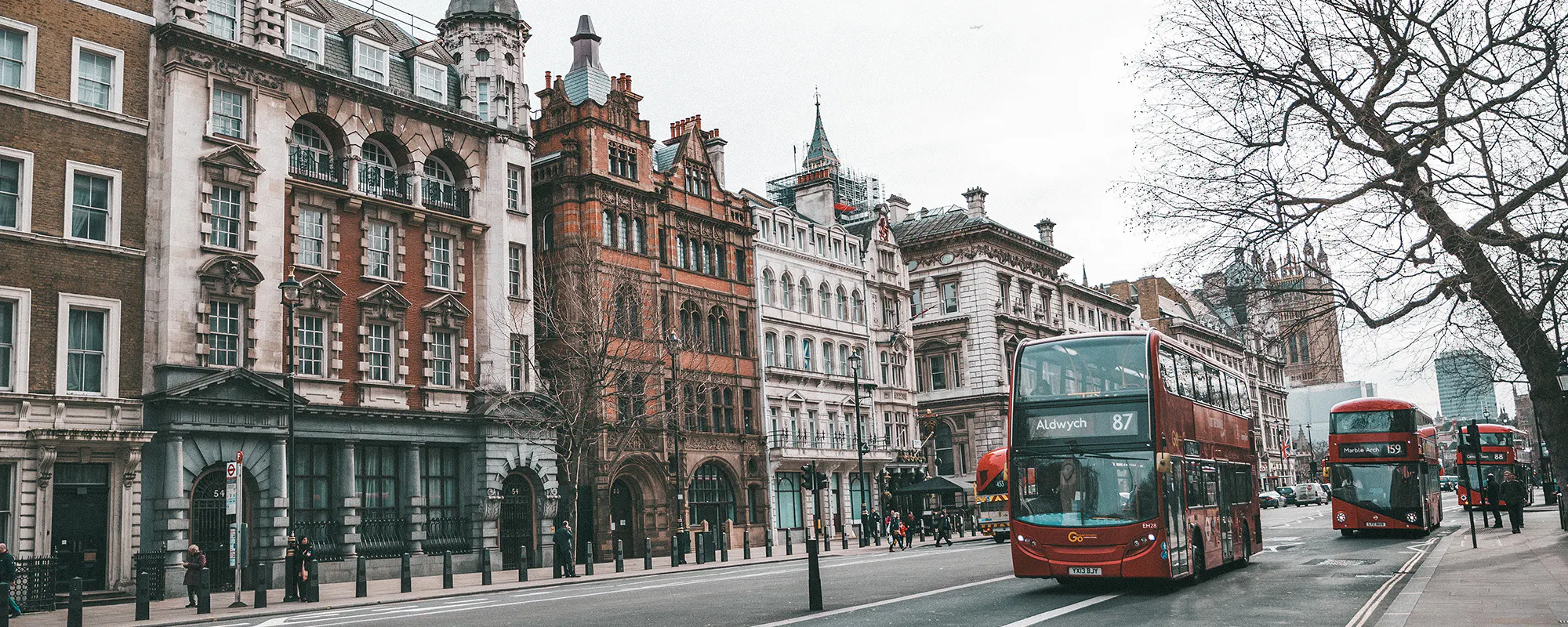
Why Westminster Abbey Touring Requires Different Planning for Mixed Ages
Westminster Abbey is not a quick stop. Poets' Corner. Royal tombs. The Cloisters. Medieval flooring that shifts underfoot in spots nobody flags until someone stumbles. Extended walking and standing are unavoidable. That matters for anyone over seventy or under eight.
Verger tours cap at 20 participants. Book early or lose the slot. Peak months fill without warning.
Narrow passages near Poets' Corner are genuinely difficult for limited mobility visitors. Seating on the main route is sparse. Westminster Abbey accessibility and mobility access vary across different sections of the site, which is why decisions like pacing and rest stops need thinking through before arrival, not during the visit.
Closed every Sunday. Services only. More families miss this than they should. Weekday visits are the default. Check before booking anything.
Comparing Verger-Guided and Blue Badge Private Tour Formats
Verger-guided tours are priced at standard Abbey entry plus £10 per person. Fixed schedule. Set route. English commentary throughout. For groups that want a clear narrative without making decisions along the way, this works. Nobody has to think. Just follow.
For families who want a visit built entirely around their group, a private tour of Westminster Abbey run by specialist guides changes the experience entirely. The route adjusts. Rest breaks go in where the group needs them. Certain areas get skipped if interest sits elsewhere. The guide spends time where the questions are, not where the standard route points next.
The Blue Badge qualification runs for two years through the Institute of Tourist Guiding. Route adaptation and accessibility awareness are built into the training. Not added on. A grandparent with a hip replacement and a restless six-year-old in the same group needs a guide who adjusts without being asked.
Private Westminster Abbey tour pricing sits between £90 and £220 on specialist platforms. Group size and provider move that figure. The gap between that and a verger tour narrows fast when the alternative is three people leaving early and one person carrying everyone's bags.
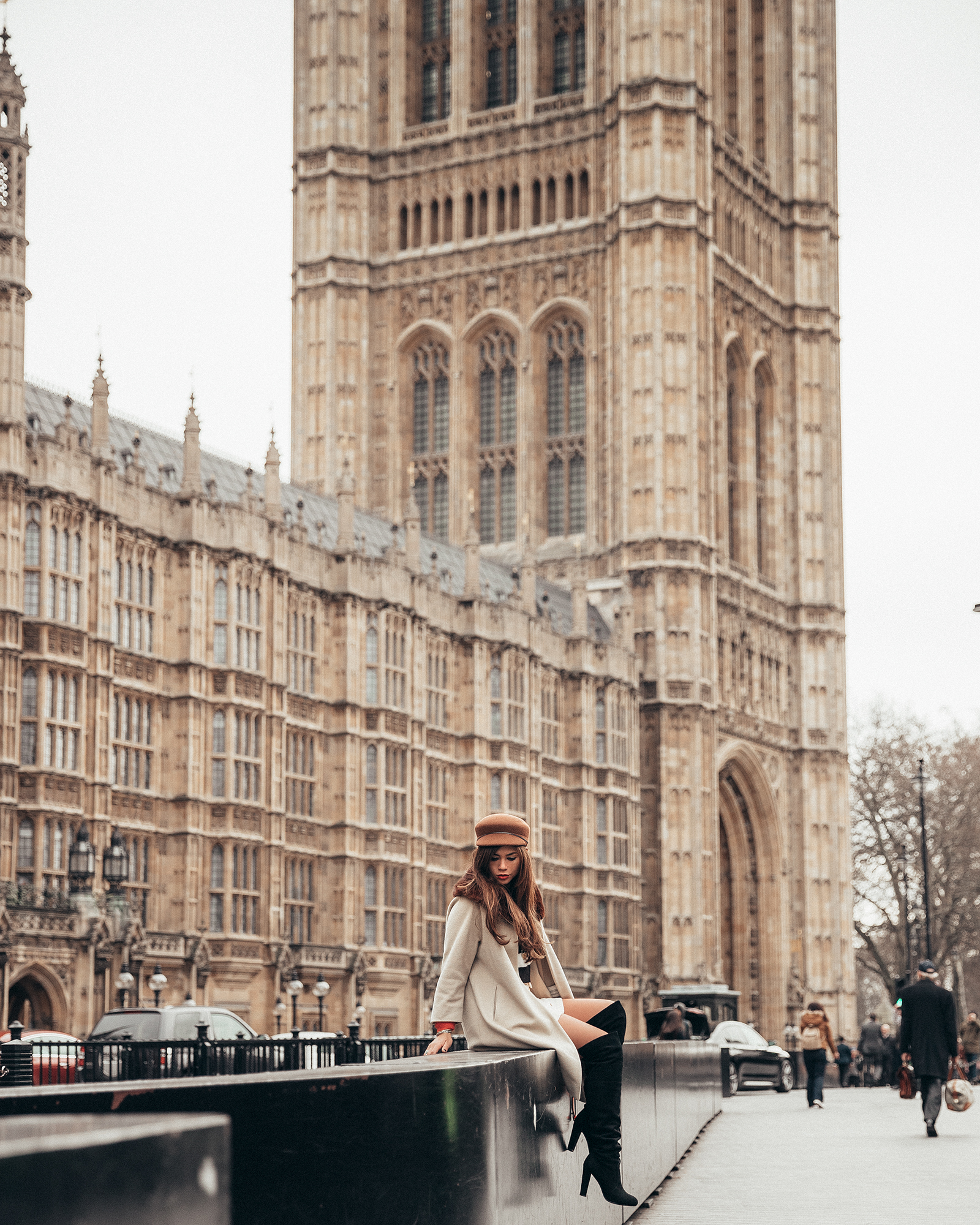
When Fixed-Schedule Tours Work Better
Verger tours suit groups where everyone is mobile and genuinely willing to follow a fixed narrative. Teenagers often engage well with structured commentary. 90 minutes. Set route. No decisions required. Westminster Abbey guided tours in this format cover the main areas efficiently without the overhead a private arrangement demands. Group dynamics in structured settings become more visible here, where everyone is expected to move at the same pace regardless of individual preference.
The per-person cost is lower. For larger family groups on a fixed budget, that matters.
A Westminster Abbey private tour suits groups where pace, rest breaks, and personal interest drive the visit. The verger format suits groups where structure and a lower per-person cost matter more. Both are legitimate choices. The one that fits depends entirely on who is in the group.
Know the group honestly before booking. The cheaper option that exhausts half the party costs more in the end. Not financially. Just in every other way.
Scheduling Around Energy Levels and Attention Spans
10 am suits children best. Daily habits that affect attention span often mean focus runs higher before lunch, and the Abbey is quieter. Two problems solved at once.
Post-2 pm works better for older travelers. Morning stiffness is real and rarely factored into tour planning. A later start lets the body settle before the walking begins.
Split heritage days into 90-minute touring blocks with 60-minute rest intervals between them. Westminster Abbey sits close to Parliament Square and St. James's Park. Easy seating. Low-effort recovery. Consecutive-day touring beats cramming multiple sites into a single day. Every time.
Combining Abbey Visits with Lower-Intensity Activities
A Thames river cruise pairs well with an Abbey visit. Seated throughout. London's history from the water level. The contrast between standing inside one of England's oldest buildings and drifting past it on the river lands differently than either experience alone.
Alternating standing-intensive tours with seated activities keeps group energy functional across a full day. One major heritage site per day is a practical ceiling for groups that include anyone under ten or over seventy. Or anyone who claims to be fine but clearly is not.
Practical Accessibility Considerations Beyond Wheelchair Access
Hearing loop systems are available in the main Abbey areas. They do not cover all zones on the standard touring route. Ask about coverage when booking, not on arrival.
Portable seating sits in the Cloisters and Chapter House. Mid-tour resting points most visitors never find without a guide pointing them out. The main route has limited seating. Groups with members who need frequent breaks should build this in from the start. Effects of prolonged standing on the body become more noticeable across longer visits, particularly for mixed-age groups.
Sensory-friendly visiting requires advance coordination. Mid-week mornings reduce crowd exposure considerably. Restroom facilities near the Abbey entrance need to be factored in for groups with young children or anyone with medical needs. Photography restrictions apply in certain areas. Worth knowing before the children have their cameras out.
Selecting the right format for a mixed-age group means looking beyond the date. The differences between verger-led and Blue Badge-guided options are practical, not cosmetic. Accessibility planning and group stamina matter as much as knowing the history.
Westminster Abbey rewards groups who arrive with a plan. Those who do not spend the first thirty minutes catching up. The real decision before booking is not which dates work. It is what kind of visit this group actually needs. A private tour built around your pace, your questions, and your family's stamina delivers something a fixed route cannot. For mixed-age groups making the trip to London, that difference is worth settling before the journey, not after.