Renting a Campervan in Canada for the First Time: What I Wish I Knew Before Planning the Trip
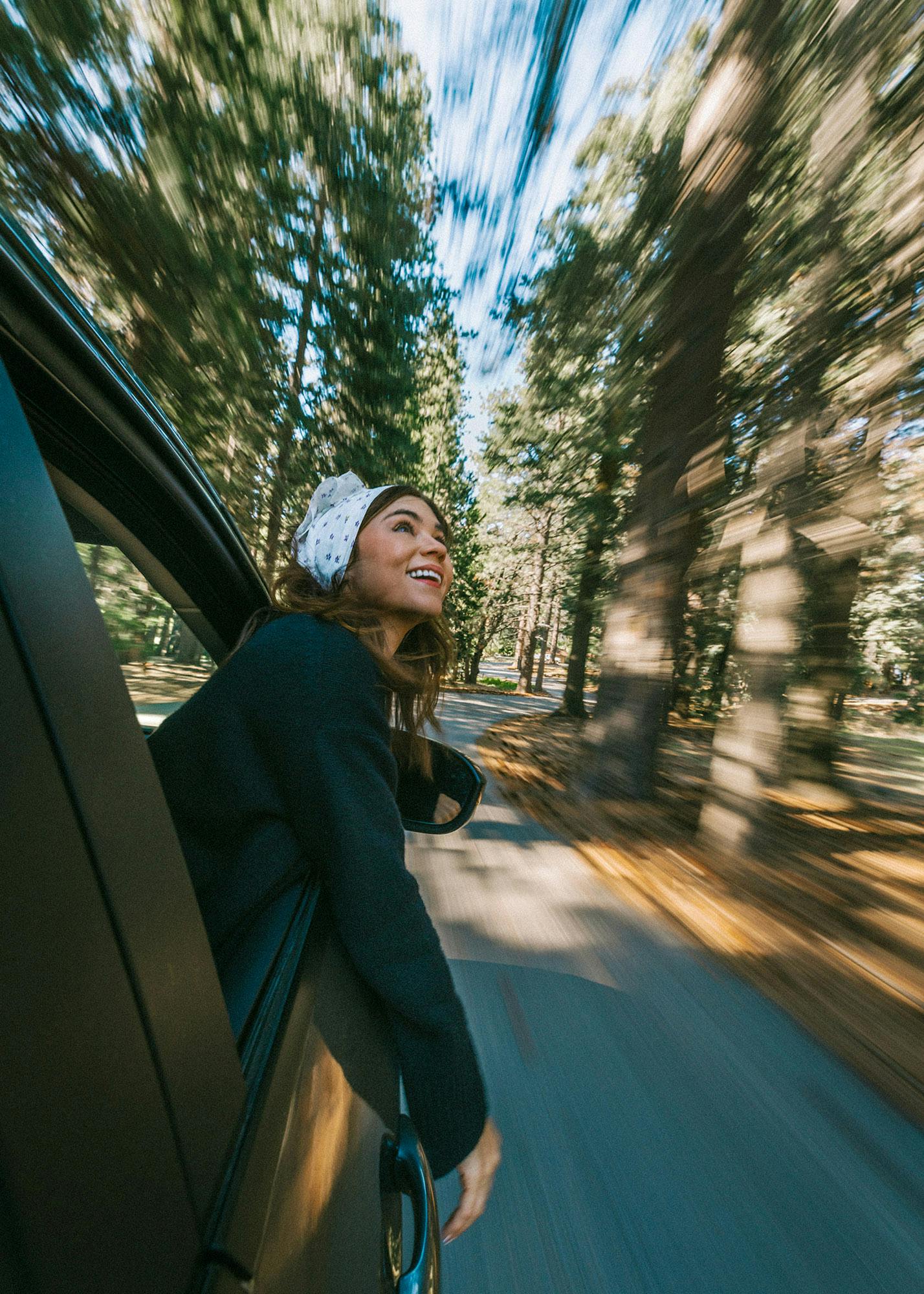
Canada is one of those places that makes road travel feel bigger than the trip itself. The distances are long, the landscapes change slowly and dramatically, and even a simple morning drive can turn into an hour of pulling over for lakes, mountain views, or a stretch of forest that looks too perfect to pass without a photo.
It is also one of the best countries in the world to rent a campervan for the first time. Not because everything is effortless, but because the reward is so obvious. You get the comfort of your own little moving cabin, the freedom to wake up close to nature, and the ability to shape the trip around the weather, the light, and the places you do not want to leave yet.
But Canada is not the kind of destination where you should just land, pick up a van, and figure it out as you go. The scale is too big, the popular campsites book too quickly, and the small details matter more than most first-timers expect. A campervan trip here can feel incredibly free, but it works best when that freedom has a little structure behind it.
Start With the Right Kind of Trip
The first mistake is trying to see too much.
Canada looks manageable on a map until you start checking driving times. A route that seems simple can easily become six or seven hours on the road, especially if you are driving through mountain areas, stopping for groceries, looking for fuel, or taking scenic detours.
For a first campervan trip, it is better to choose one region and do it well.
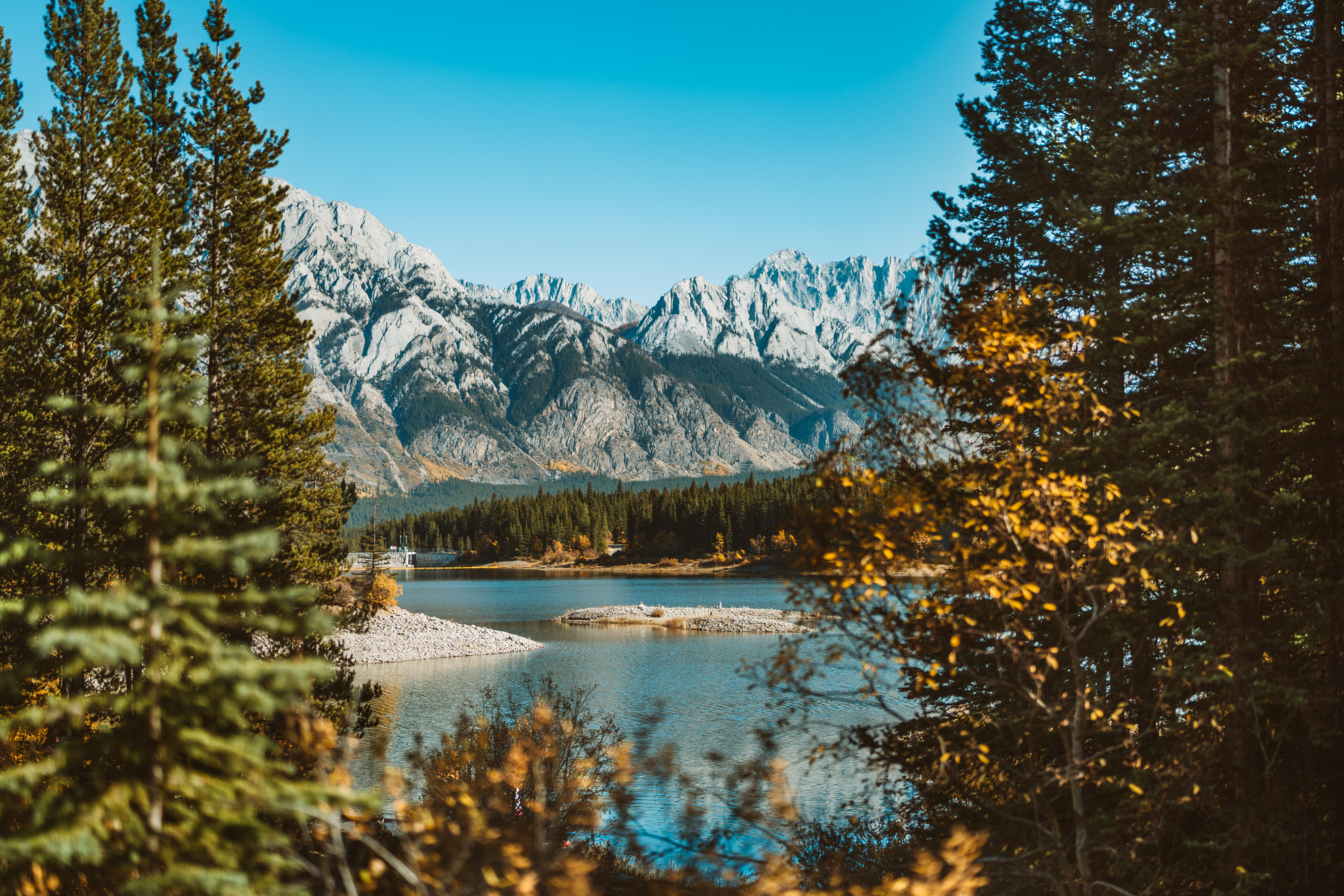
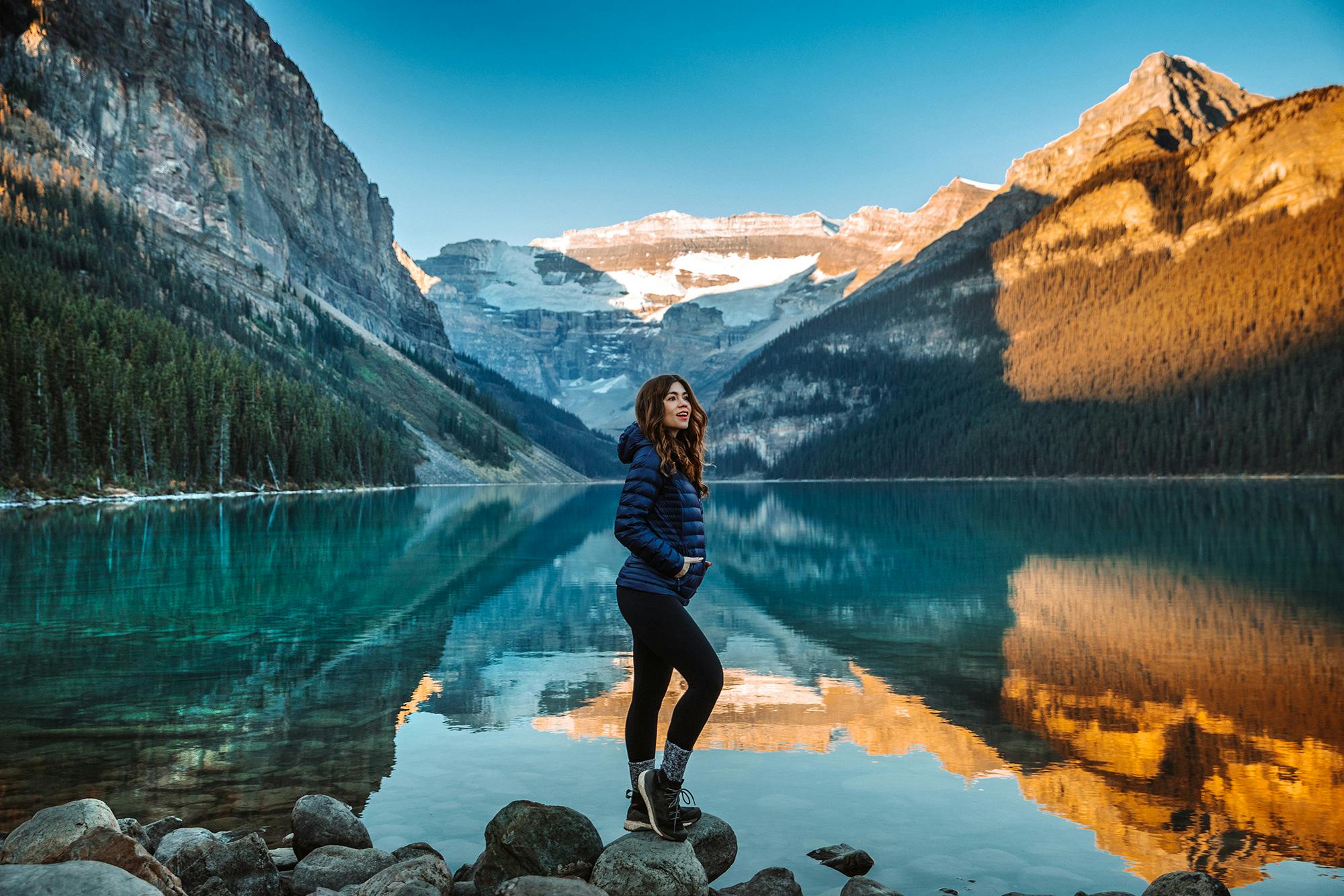
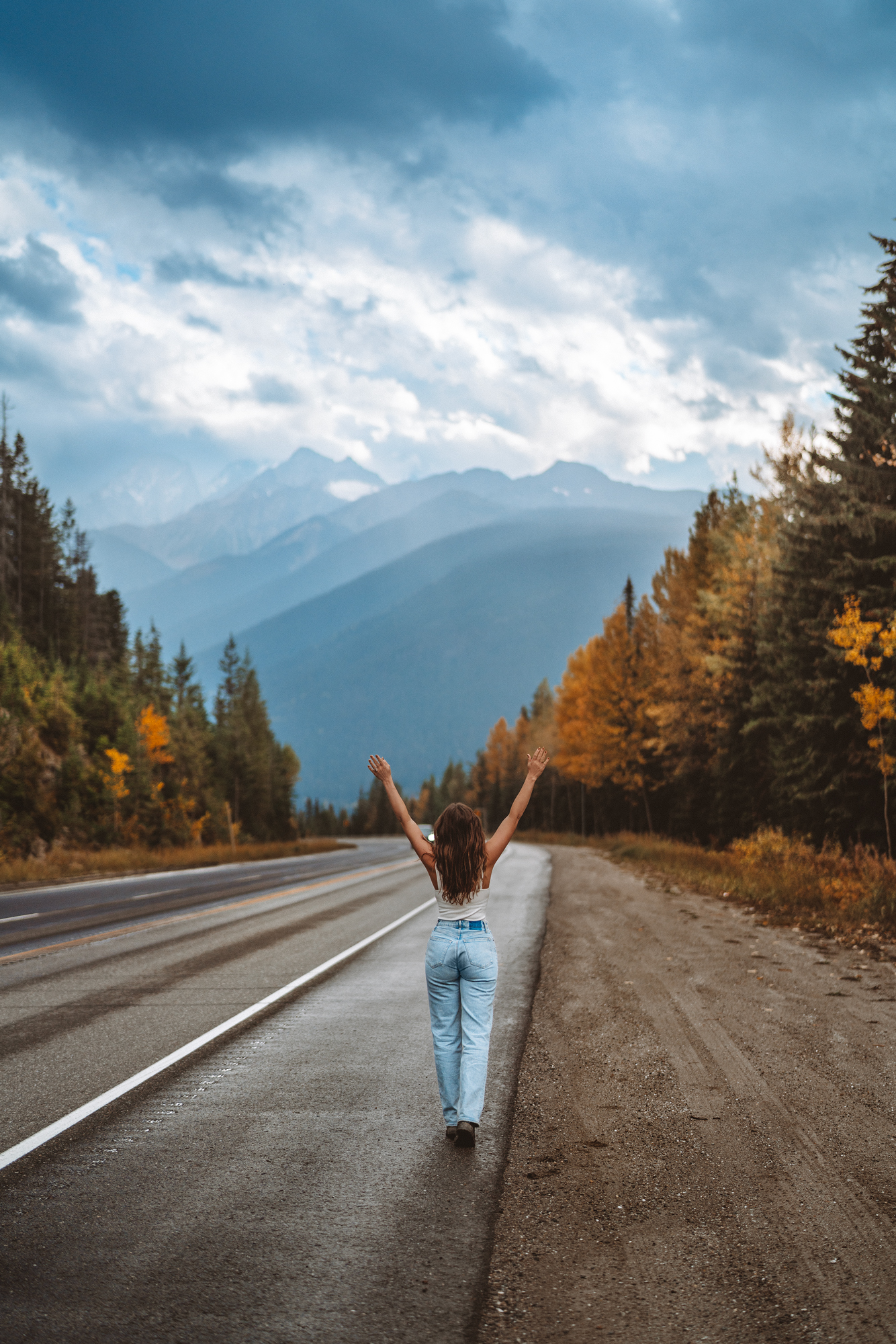
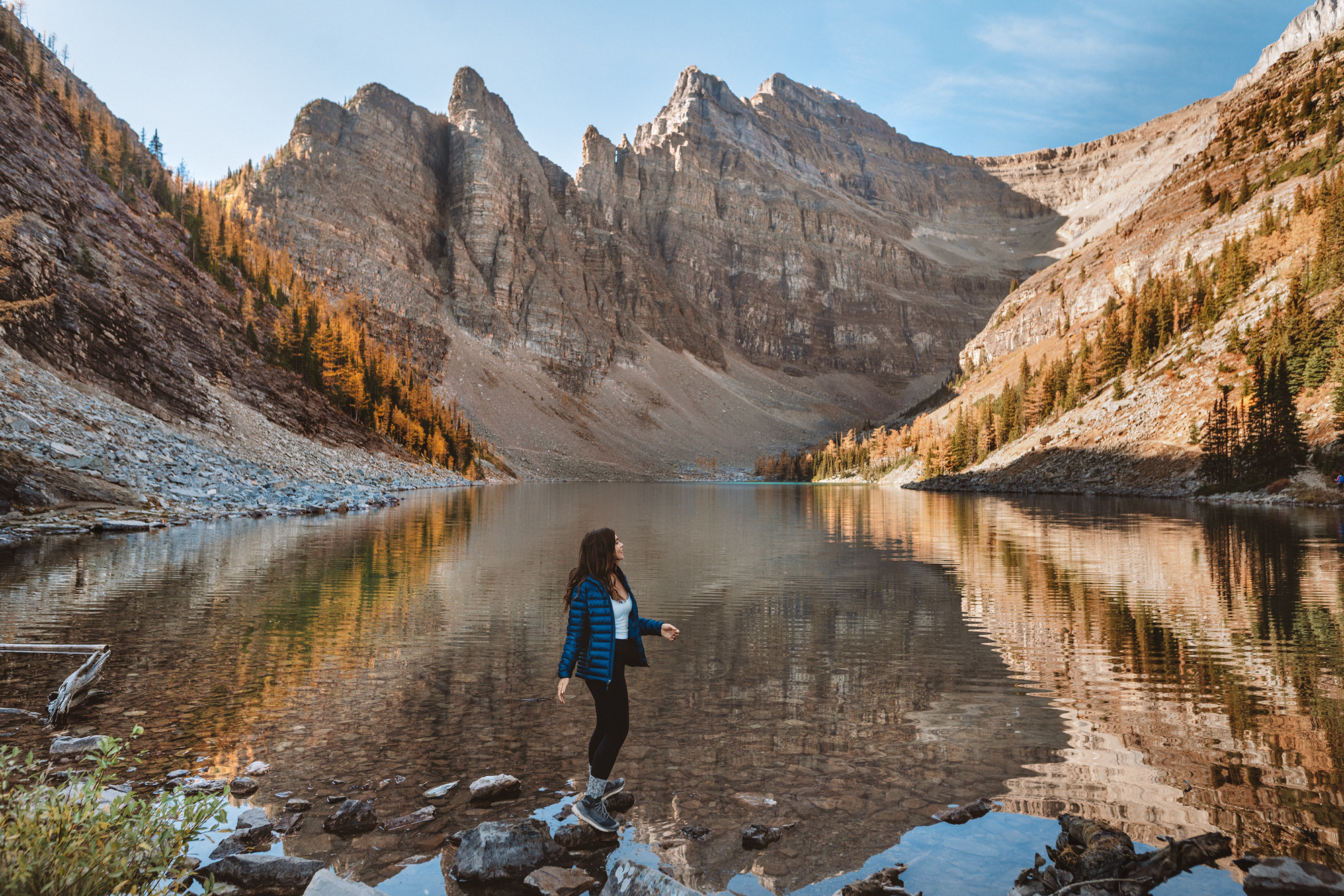
The Canadian Rockies are the classic choice for a reason. Starting in Calgary and traveling through Banff, Lake Louise, Jasper, and possibly toward Vancouver gives you the kind of scenery people imagine when they think of Canada: turquoise lakes, tall peaks, forest roads, wildlife crossings, and early mornings where everything feels cold, quiet, and cinematic.
Vancouver Island is another great first-timer route because it feels a little softer and more compact. You still get beaches, forests, small towns, and beautiful campgrounds, but the distances are less intimidating. Ontario can also work beautifully if you want lakes, provincial parks, and a quieter version of Canadian nature without committing to huge mountain drives.
The best route is not always the longest one. It is the one that gives you time to actually enjoy the van.
Pick a Campervan You Can Actually Drive Comfortably
Choosing the vehicle is one of the most important parts of the whole trip.
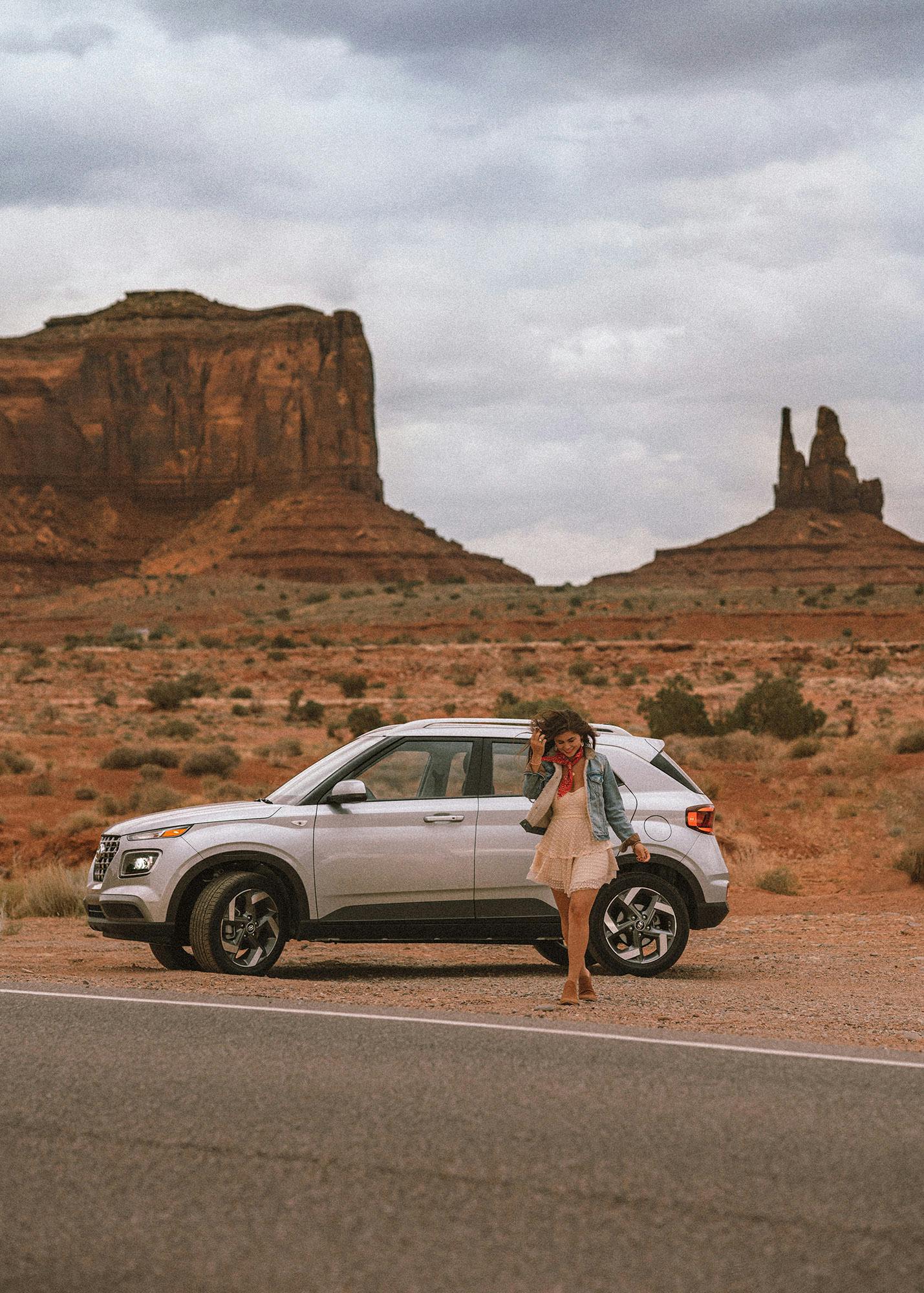
For first-timers, bigger is not always better. A large motorhome gives you more space, but it also makes parking, turning, fuel stops, and narrow campground roads feel more stressful. A smaller campervan is usually easier to drive, especially for couples or two friends traveling together.
Before booking, think about how you will really travel. Are you planning to cook most meals? Do you want an indoor bathroom? Are you traveling in shoulder season when heating matters? Will you be staying mostly in serviced campgrounds, or do you want something more self-contained?
This is where a comparison platform like Campstar can fit naturally into the planning process. Instead of treating campervan rental like one fixed product, you can compare different vehicle types, pick up locations, suppliers, sizes, and features in one place. For a first trip, that matters. The right van is not just the cheapest one. It is the one that matches the route, the weather, the number of people, and your comfort level.
I would look especially closely at bed setup, kitchen equipment, heating, included mileage, insurance options, and whether bedding or camping gear is included. Those small details can change the trip more than the paint color or the photos of the van.
Understand That Freedom Still Needs Reservations
The dream version of campervan travel is pulling up beside a lake, opening the door, and sleeping wherever the sunset looks best.
Canada does not really work like that, especially in popular areas.
In national parks, overnight camping is only allowed in designated campgrounds. Wild camping is restricted in many places, and rules vary depending on whether you are on national park land, provincial land, private land, or public land. For a first timer, the safest and easiest plan is to book proper campsites.
This is especially important in places like Banff, Jasper, Lake Louise, Pacific Rim, and other well-known parks. In peak summer, campgrounds can sell out quickly. Even in shoulder season, weekends and popular routes can be busy.
The balance is to book your key nights in advance, then leave smaller pockets of flexibility where it makes sense. I would never leave the first night unplanned. After a long flight, paperwork, grocery shopping, and learning how the campervan works, you want a confirmed place to park, plug in if needed, and settle in without stress.
Learn the Basic Campervan Routine Before You Leave the Depot
A campervan is not difficult, but it has its own rhythm.
Before driving away, make sure you understand how to fill fresh water, use the power system, check gas or propane if included, empty grey water, manage the toilet if the vehicle has one, and connect to campground hookups. Ask questions at pick up, even if they feel basic. It is much better to look inexperienced for ten minutes than to spend your first evening in a campsite trying to understand a control panel in the dark.
The first night is usually the learning night. You figure out where things go, how long dinner takes in a tiny kitchen, what needs to be packed away before driving, and why every drawer should be properly closed before you pull onto the road.
After that, the routine becomes part of the charm. Coffee outside in the morning. A quick reset of the bed. Groceries tucked away. The map open on the passenger seat. One last check that nothing is loose before leaving.
Budget for More Than the Rental Price
Campervan travel in Canada is not automatically cheap. It can be a good value, especially because your transport and accommodation are combined, but there are extra costs that first-timers often underestimate.
Fuel is one of the biggest. Campervans use more fuel than a normal car, and long Canadian distances add up quickly. Campgrounds also vary in price depending on location and facilities. A basic site in a provincial park will not cost the same as a private RV park with full hookups, showers, laundry, and a convenient location near a tourist town.
You should also check insurance, mileage limits, extra driver fees, kitchen kits, bedding, cleaning fees, one-way rental fees, and cancellation terms. None of these are very exciting, but they are the difference between a trip that feels relaxed and one where every extra charge feels like a surprise.
A good first timer rule is to plan the budget in layers: rental, insurance, fuel, campsites, groceries, park passes, paid activities, and a buffer. Canada rewards flexibility, and a buffer gives you permission to say yes to the scenic gondola, the lakeside campsite, or the restaurant you did not plan for.
Do Not Underestimate the Weather
Canada can feel like multiple seasons in one day, especially in the mountains.
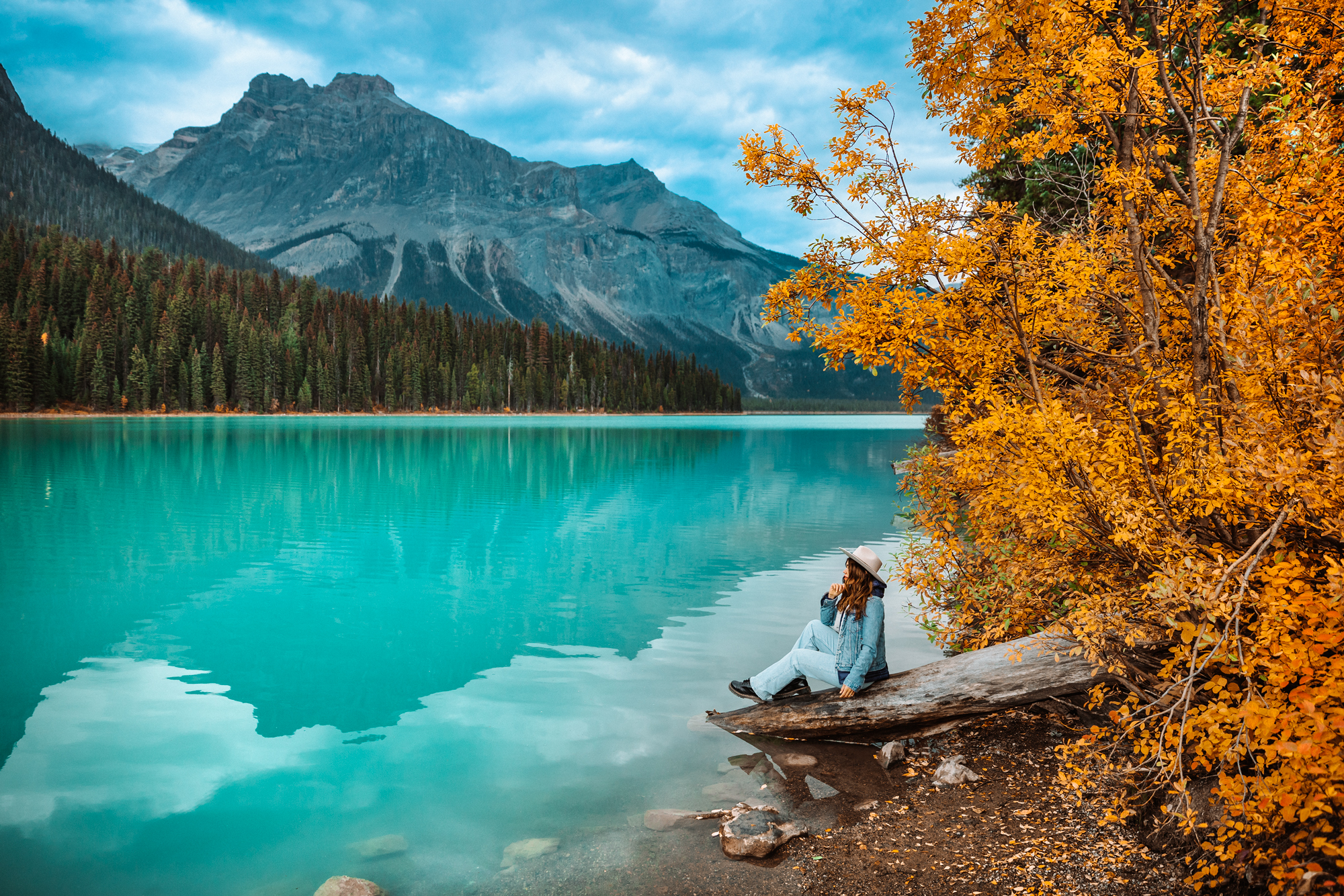
Even in summer, mornings can be cold. In spring and autumn, you may get sunshine, rain, wind, and near-freezing nights in the same trip. If you are traveling through the Rockies in September, the fall colors can be beautiful, but you still need warm layers, waterproof shoes, and a plan for colder nights.
The van makes weather easier because you always have shelter nearby. That is one of the best parts of campervan travel. You can make tea after a wet hike, change clothes in a parking lot, or wait out a rain shower without rearranging the whole day.
But the weather still affects driving, hiking, campsite comfort, and road conditions. Check forecasts often, download offline maps, and avoid building an itinerary that only works if every day is clear.
Respect Wildlife and Distance
Seeing wildlife in Canada can be one of the most memorable parts of the trip, but it also requires common sense.
Keep a proper distance from animals, never feed them, and store food carefully at campgrounds. Bears, elk, deer, and smaller animals are not part of the scenery for entertainment. They are wild animals, and the rules are there for both your safety and theirs.
Driving also needs attention, especially around dawn and dusk when animals are more active. Long, empty roads can make you relax too much. Stay alert, keep fuel topped up, and do not assume the next town is close just because it looks close on the map.
Canada has a way of making you feel small in the best possible way. That feeling is part of the magic, but it also means planning matters.
What I Would Do for a First Trip
For a first campervan rental in Canada, I would choose a seven to ten-day route, not a rushed cross-country adventure.
I would start somewhere with strong rental options, like Calgary or Vancouver. I would book the first and last night in advance, plus any national park campgrounds that are essential to the route. I would choose a van that feels easy to drive rather than one that looks impressive online. I would pack layers, keep meals simple, and leave enough space in the itinerary for slow mornings.
Most of all, I would treat the campervan as part of the experience, not just a way to get around. Some of the best moments will not be the famous stops. They will be the quiet ones: making breakfast before the campground wakes up, opening the door to cold mountain air, finding a lake with no one around, or sitting inside the van while rain moves across the windshield.
That is what makes Canada such a good place to try campervan travel for the first time. It gives you space to learn, scenery that makes the planning worth it, and enough comfort that you do not have to be an expert outdoors person to enjoy the wild parts.
The freedom is real. You just need to plan enough to enjoy it.