Siberian Cat Traits and Personality: What Makes Them So Loved?
According to the Cat Fanciers' Association's Most Popular Breeds Report, 2023, the Siberian ranked 9th among all pedigreed cat breeds in the U.S. by registration volume – up from 15th place in 2020, making it one of the fastest-rising breeds in CFA history.
That trajectory is not accidental. The Siberian's combination of physical presence, emotional attunement, and genuine adaptability has created a breed that consistently delivers more than its appearance suggests. Prospective owners researching the breed rarely stop at the coat. They stay because of the personality.
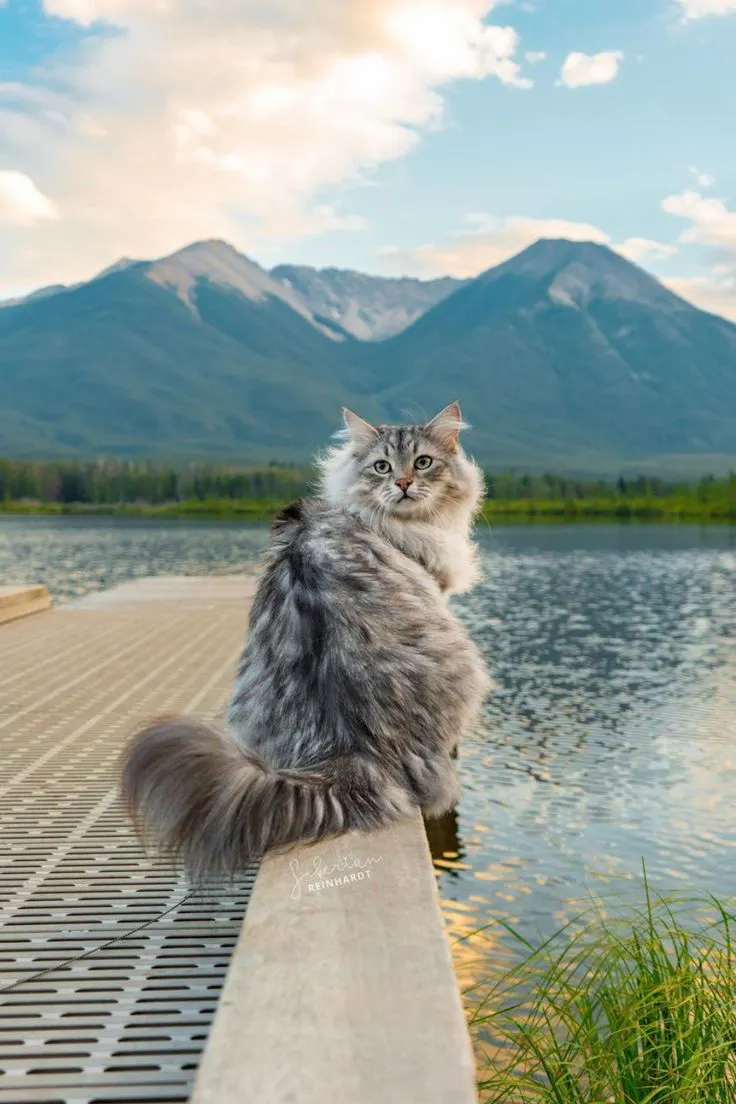
A Siberian cat is a naturally occurring, centuries-old breed from the forests of Siberia, recognized across all major international registries, defined by a triple-layered weather-resistant coat, a medium-to-large muscular build, and a temperament combining high social intelligence with calm, confident affection.
What Are the Origins of the Siberian Cat?
The Siberian is one of the oldest documented domestic cat breeds, with references dating to 1000 AD. It developed as a natural landrace in Siberia's subarctic forests, not through deliberate human selection, but through environmental pressure that favored size, coat density, agility, and resilience. TICA notes that the Siberian appeared in early cat shows in the 1870s, with references in cat fancy literature as early as 1889.
The breed's international journey began in 1990, when the first three Siberians arrived in the United States. TICA accepted them into the New Breed program in 1992 and granted championship status in 1996. Despite this relatively recent international presence, the breed carries none of the health baggage that affects many deliberately engineered pedigrees – a direct benefit of its natural origins and large gene pool.
What Are the Key Siberian Cat Traits?
Physical Characteristics
The Siberian is a medium-to-large cat built for function. Males typically weigh 12 to 20 pounds; females 8 to 12 pounds. The body is barrel-shaped with substantial boning, and the hindquarters are notably more developed than the forequarters – the source of the breed's exceptional jumping ability.
| Feature | Detail |
|---|---|
| Body type | Muscular, barrel-shaped, substantial bone structure |
| Coat | Triple-layered: dense undercoat, awn hair, water-resistant guard coat |
| Weight (male) | 12-20 lbs |
| Weight (female) | 8-12 lbs |
| Maturation | Slow – full development at 4-5 years |
| Colors and patterns | All accepted, including pointed |
| Seasonal coat | Full triple coat in winter; shorter, less dense in summer |
The coat is the breed's most distinctive physical feature and its most practical one. According to TICA's official breed profile, the Siberian's semi-longhair coat varies with the season – a thick, full, triple coat in winter that sheds to a shorter, less dense variant in summer. The water-resistant outer layer means the coat sheds dirt reasonably well and rarely requires bathing.
The Hypoallergenic Consideration
The Siberian produces lower levels of Fel d 1 – the primary protein responsible for cat allergies in humans – than most other breeds. TICA's breed profile describes Siberians as considered a hypoallergenic breed due to far lower levels of Fel d 1 protein in their genes compared to other breeds. This is not an allergy-free claim: individual sensitivity varies significantly, and prospective owners with cat allergies should spend time with a Siberian before committing. But for many allergy-affected households, Siberians represent a genuinely viable option that most breeds do not.
What Is the Siberian Cat Personality Like?
Siberian cat personality is best characterized as socially engaged without being dependent. Siberian cats bond deeply with their families, follow owners through the home, and initiate interaction, but they do not demand attention and are comfortable spending time in quiet proximity rather than constant contact.
Three traits define the Siberian temperament most accurately:
Problem-Solving Intelligence
TICA describes Siberians as natural problem solvers who use their intelligence to open doors, access food, and recover hidden toys. This curiosity is active and purposeful. They investigate new objects, monitor household routines, and adapt their behavior based on what they learn. Owners of puzzle feeders and interactive toys consistently report that Siberians engage with them more persistently than other breeds.
Emotional Responsiveness
Siberian cats read human emotional states with unusual accuracy. Owners consistently report cats seeking out people who are distressed, reducing their activity when the household is calm, and escalating playfulness in response to owner engagement. This responsiveness is not simply social – it is behaviorally specific in ways that distinguish Siberians from more indiscriminately affectionate breeds.
Athletic Confidence
The Siberian's physical capabilities match its personality. These cats jump to substantial heights without hesitation, navigate complex routes through homes with precision, and maintain high activity levels well into adulthood. Unlike some large breeds that become progressively sedentary, Siberians retain genuine playfulness throughout their lives.
What Is Siberian Cat Temperament Like in Daily Life?
The Siberian integrates into household rhythms rather than disrupting them. A realistic daily picture: mornings often include gentle greetings and brief interaction before the cat settles into quiet observation. Daytime is punctuated by investigative activity – checking new items, monitoring windows, and engaging with any available toys – interspersed with rest on elevated perches. Evenings bring the most sustained playfulness, reflecting the breed's natural crepuscular activity pattern.
Siberian cats are vocal, but distinctively so. Rather than conventional meowing, they communicate through chirps, trills, and soft warbling – a vocal register that owners describe as conversational rather than demanding. They respond to human speech with apparent comprehension and initiate exchanges in a way that reinforces the breed's reputation for social intelligence.
With children and other pets, the Siberian's patience and size work in its favor. It is not easily overwhelmed by handling, adapts well to multi-pet households, and maintains its composure in active family environments. The breed is not recommended for owners seeking a low-interaction cat – it is genuinely social and will make that preference known.
What Are the Practical Care Requirements for a Siberian Cat?
Siberian cat traits that affect daily care:
- Grooming: Weekly brushing suffices for most of the year. During the spring coat change – when the full winter undercoat sheds – increase to three to four times per week to prevent matting and reduce hairball formation.
- Exercise: Two structured play sessions of 15 to 20 minutes daily satisfy their activity needs and protect against weight gain. Cat trees, wall shelves, and puzzle feeders support both physical and cognitive enrichment.
- Space: The Siberian's size and activity level suit larger homes better than small apartments, though the breed adapts to varied living situations when provided adequate vertical space and interaction.
- Veterinary care: Twice-yearly wellness exams are appropriate. The breed is generally robust with no documented breed-specific genetic conditions at the severity seen in more engineered pedigrees.
Why Siberian Cats Earn the Loyalty They Receive
The Siberian's rise from 15th to 9th in CFA registrations in three years reflects something specific: owners who got one told other people. The breed's personality is difficult to convey in a breed profile because its most distinctive quality – the quality of engagement it brings to a household – only becomes apparent in daily life.
The Siberian cat's temperament combines the social responsiveness most owners want from a companion with the calm independence that makes living with a cat genuinely comfortable – a combination rare enough that it accounts for most of the breed's word-of-mouth growth.
For families who want a cat that participates in home life without requiring management, that bonds genuinely without becoming clingy, and that brings physical presence and personality in equal measure, the Siberian is among the most consistently satisfying breeds available.
Frequently Asked Questions
What makes Siberian cat personality different from other large breeds?
Siberian cats combine high social intelligence with emotional responsiveness in a way that distinguishes them from similarly sized breeds like Maine Coons or Norwegian Forest Cats. They read human emotional states actively, adjust their behavior accordingly, and initiate interaction rather than waiting for it – a quality owners describe as closer to dog-like engagement than typical cat behavior.
Are Siberian cat traits consistent across all individuals?
The core traits – intelligence, social engagement, athletic confidence, and emotional responsiveness – are highly consistent across the breed. Individual variation exists in energy level and attachment style, with some Siberians being more consistently interactive and others more selectively affectionate. Socialization history during the 8-to-16-week window has the most influence on where an individual falls within that range.
Is the Siberian cat temperament suitable for families with young children?
Yes. The Siberian's size, patience, and calm confidence make it one of the more child-compatible large cat breeds. It tolerates active handling better than more reactive breeds and rarely withdraws permanently from a noisy household. Appropriate handling instruction for young children remains important – the Siberian's tolerance does not eliminate the need for respectful interaction.
How much grooming do Siberian cat traits actually require?
Weekly brushing covers most of the year. The spring coat change – when the winter undercoat sheds – requires brushing three to four times weekly for four to six weeks to prevent matting. The water-resistant outer coat means bathing is rarely necessary. Total grooming commitment is moderate: higher than a shorthaired breed, significantly less than a Persian or Himalayan.
Are Siberian cats truly hypoallergenic?
Siberians produce lower levels of Fel d 1 than most cat breeds, which reduces, but does not eliminate, allergic reactions in sensitive individuals. Many people with mild to moderate cat allergies report tolerating Siberians well. Anyone with significant cat allergies should spend extended time with a Siberian before purchasing, as individual responses vary and no cat is fully allergen-free.