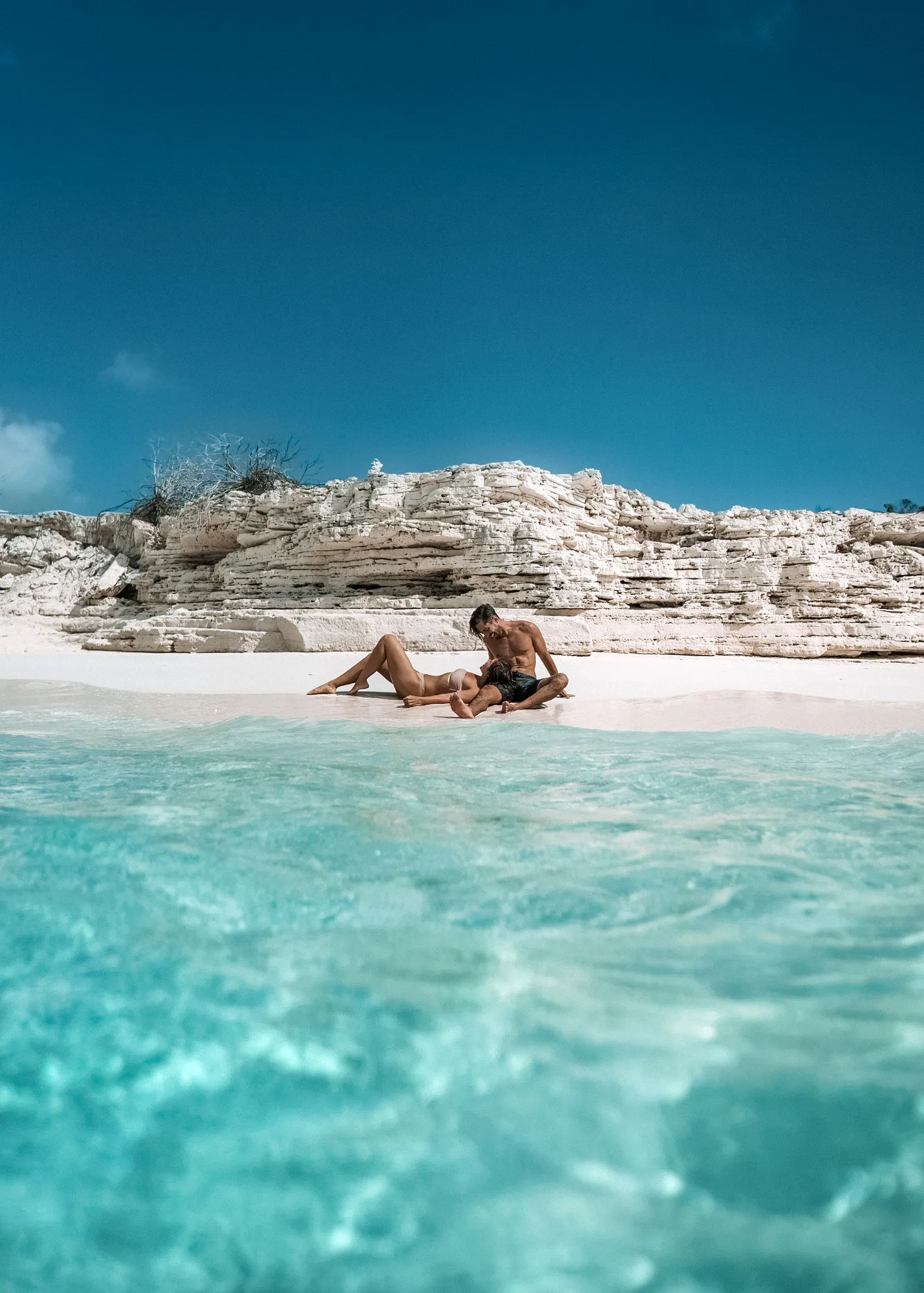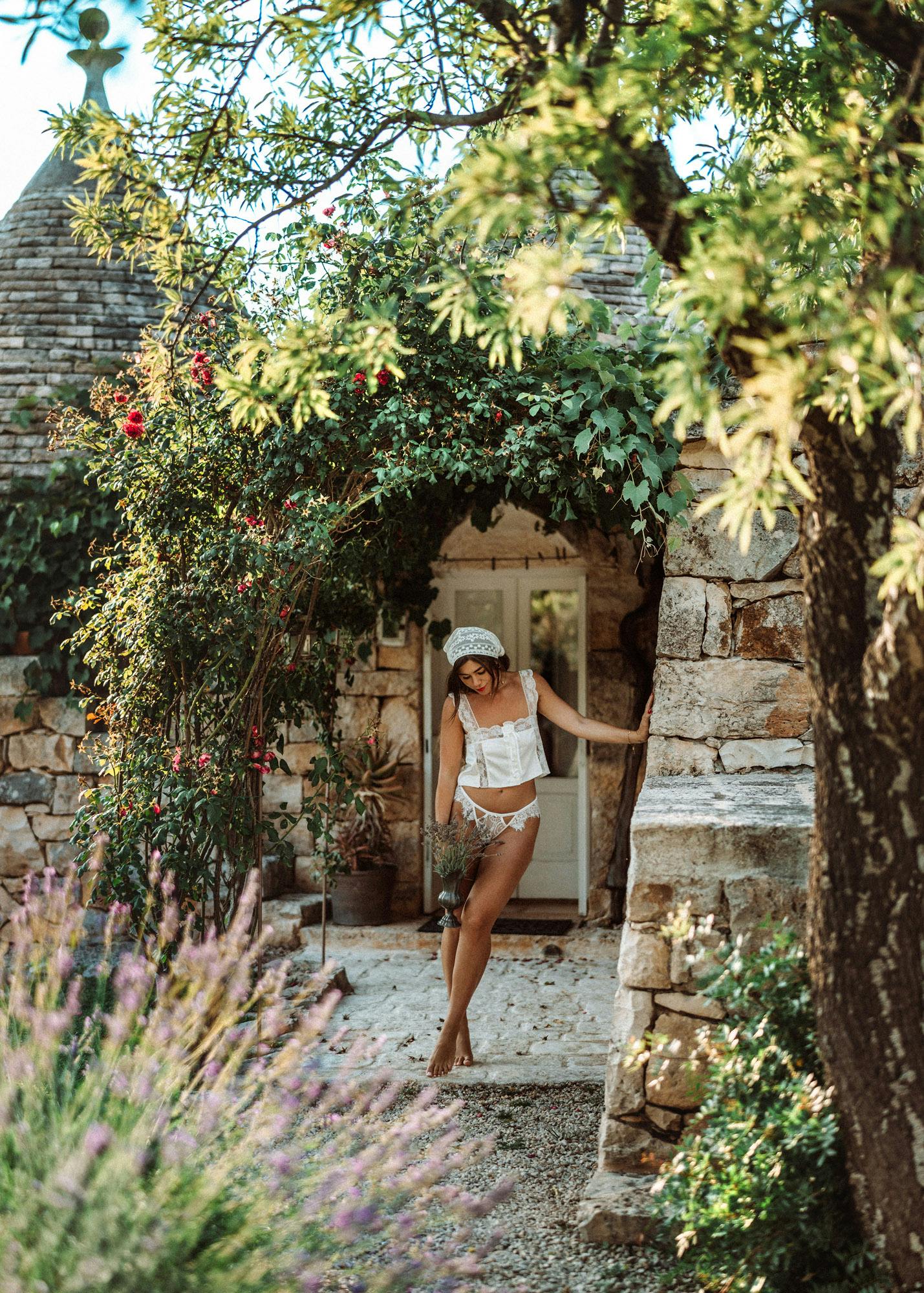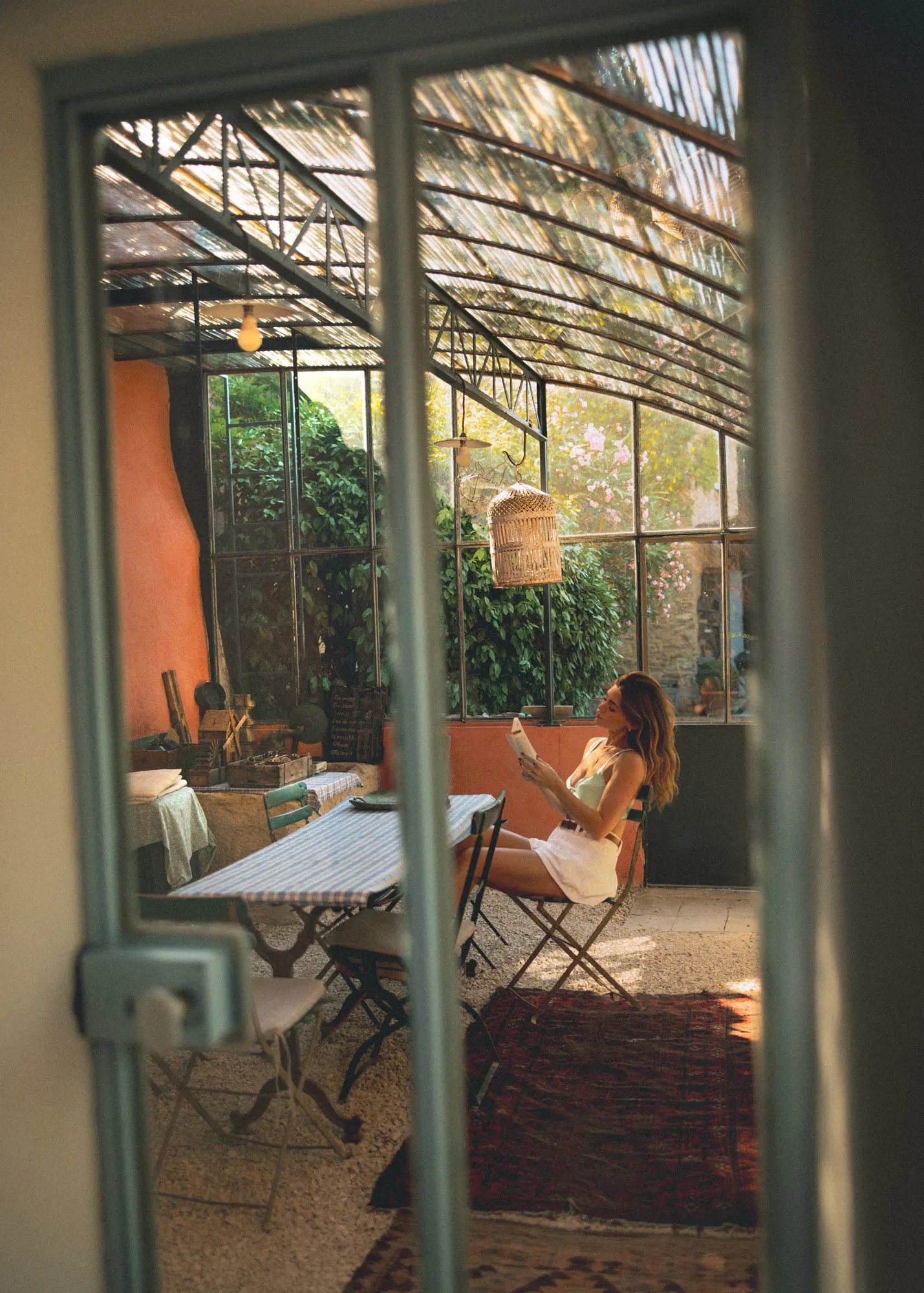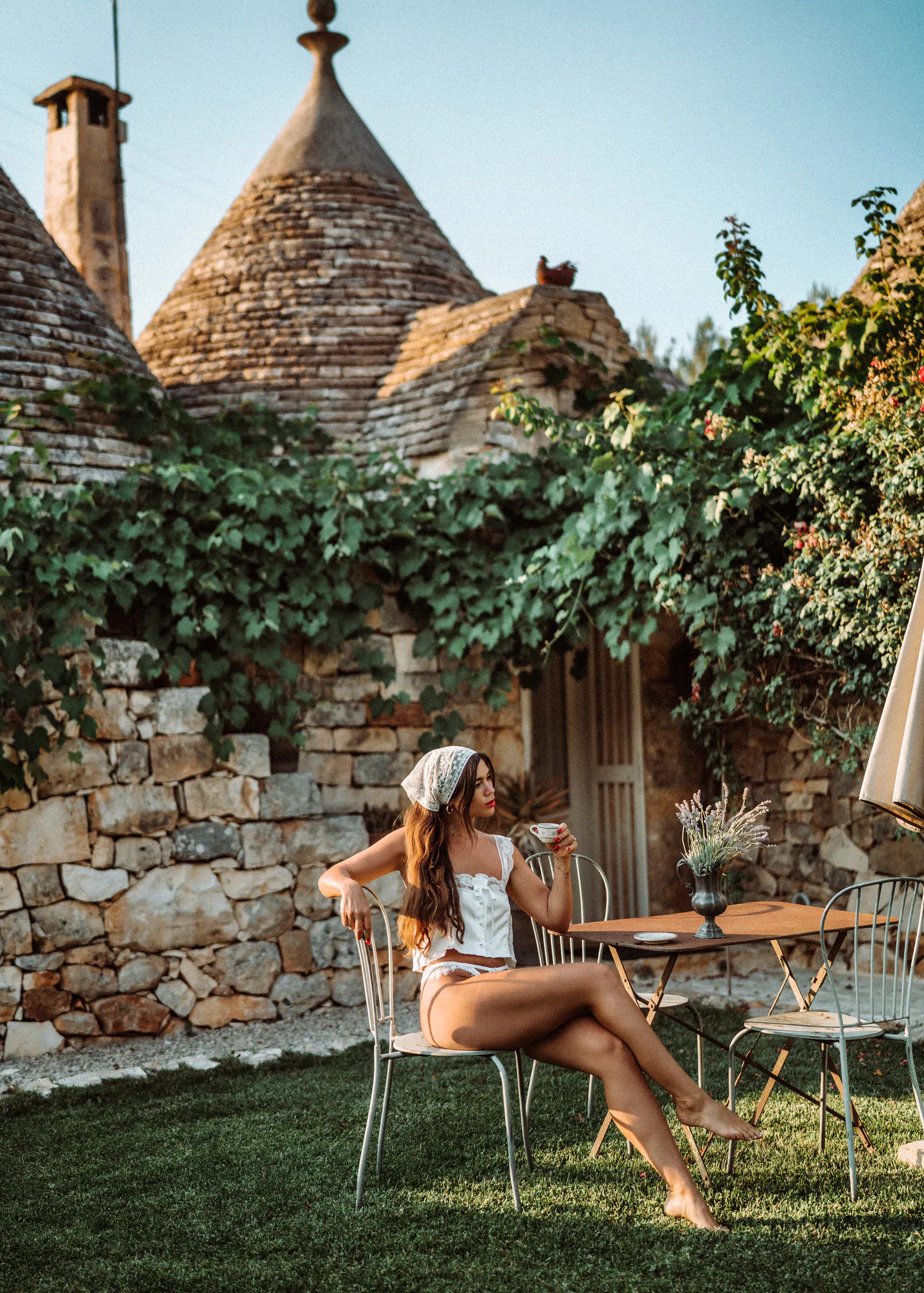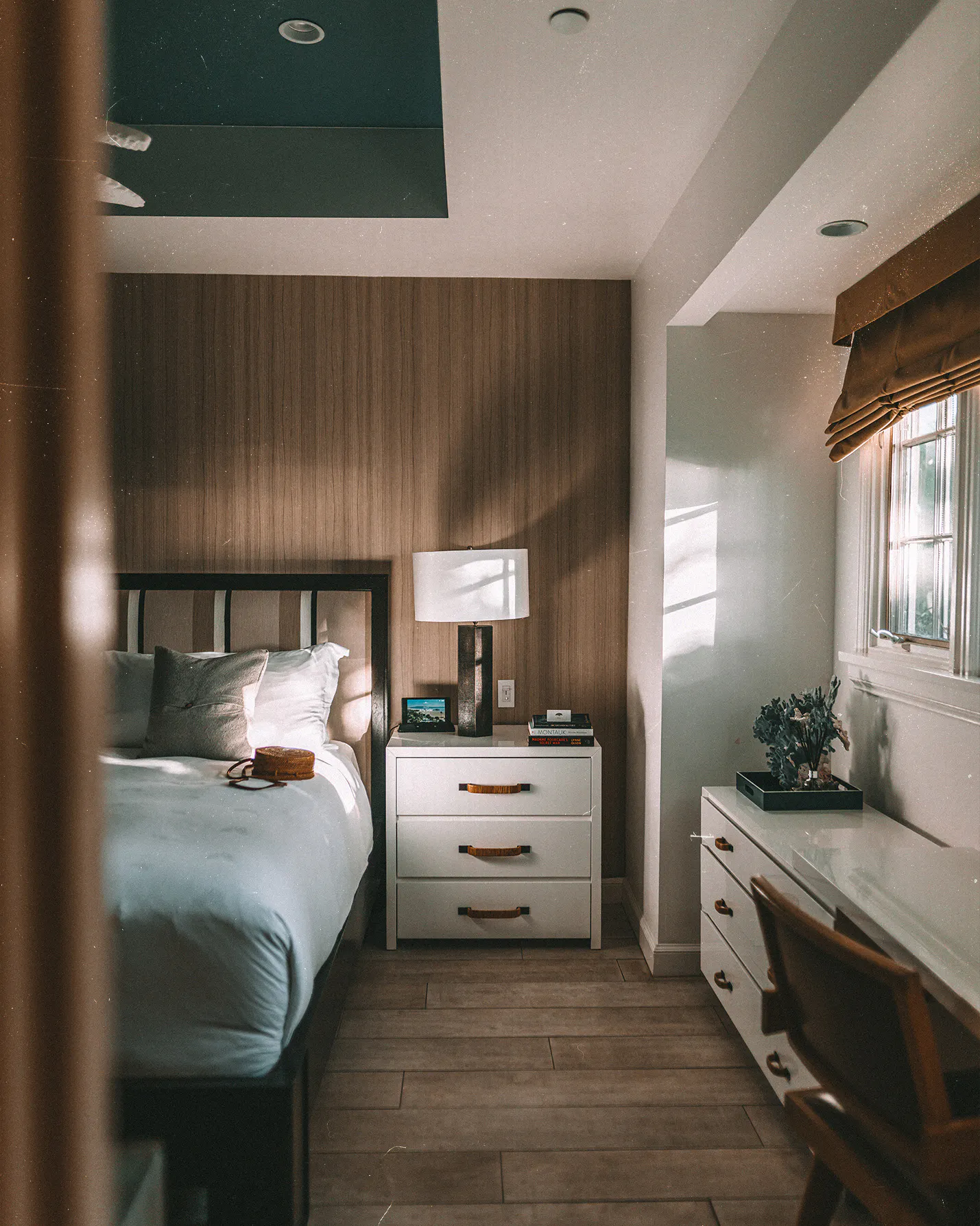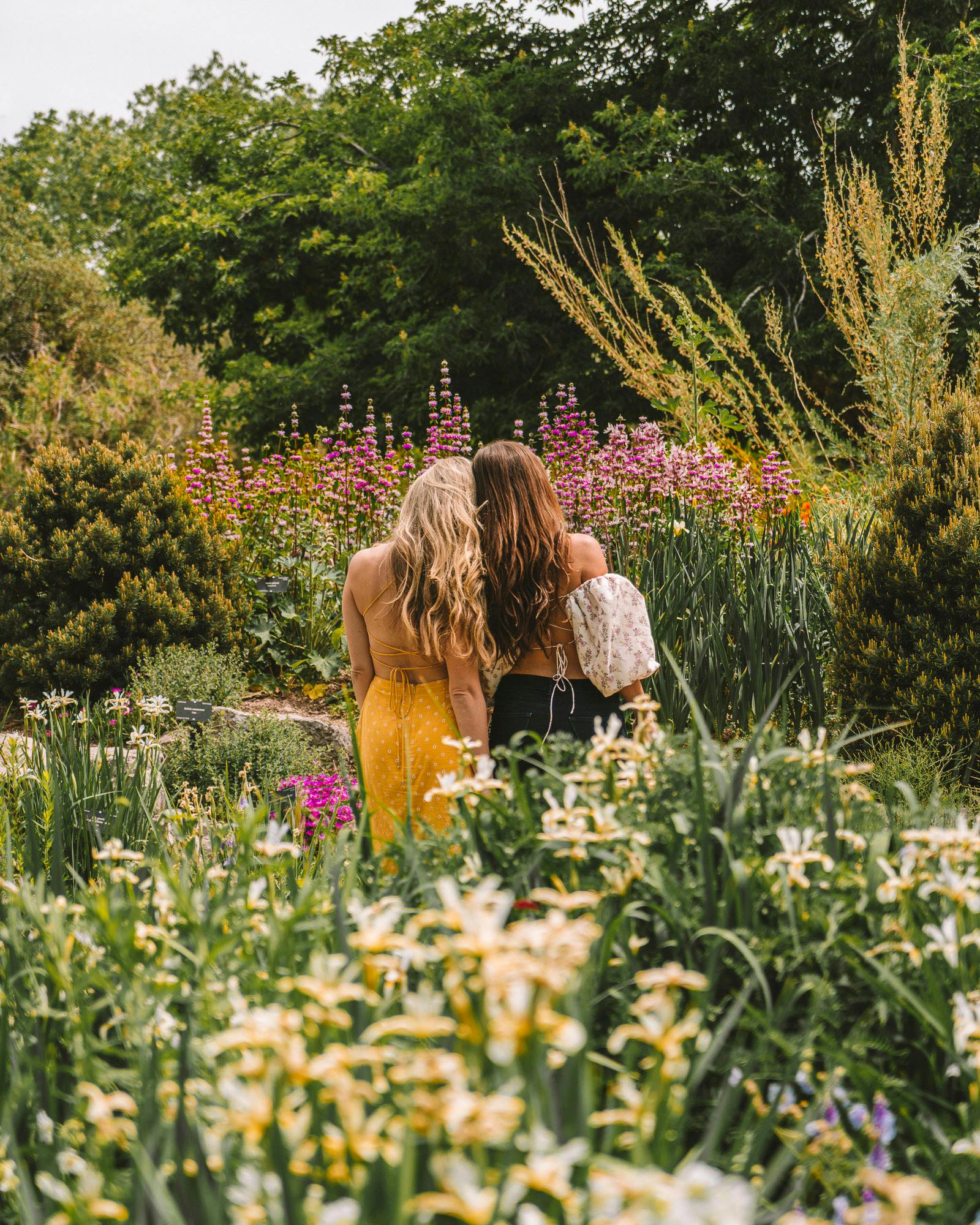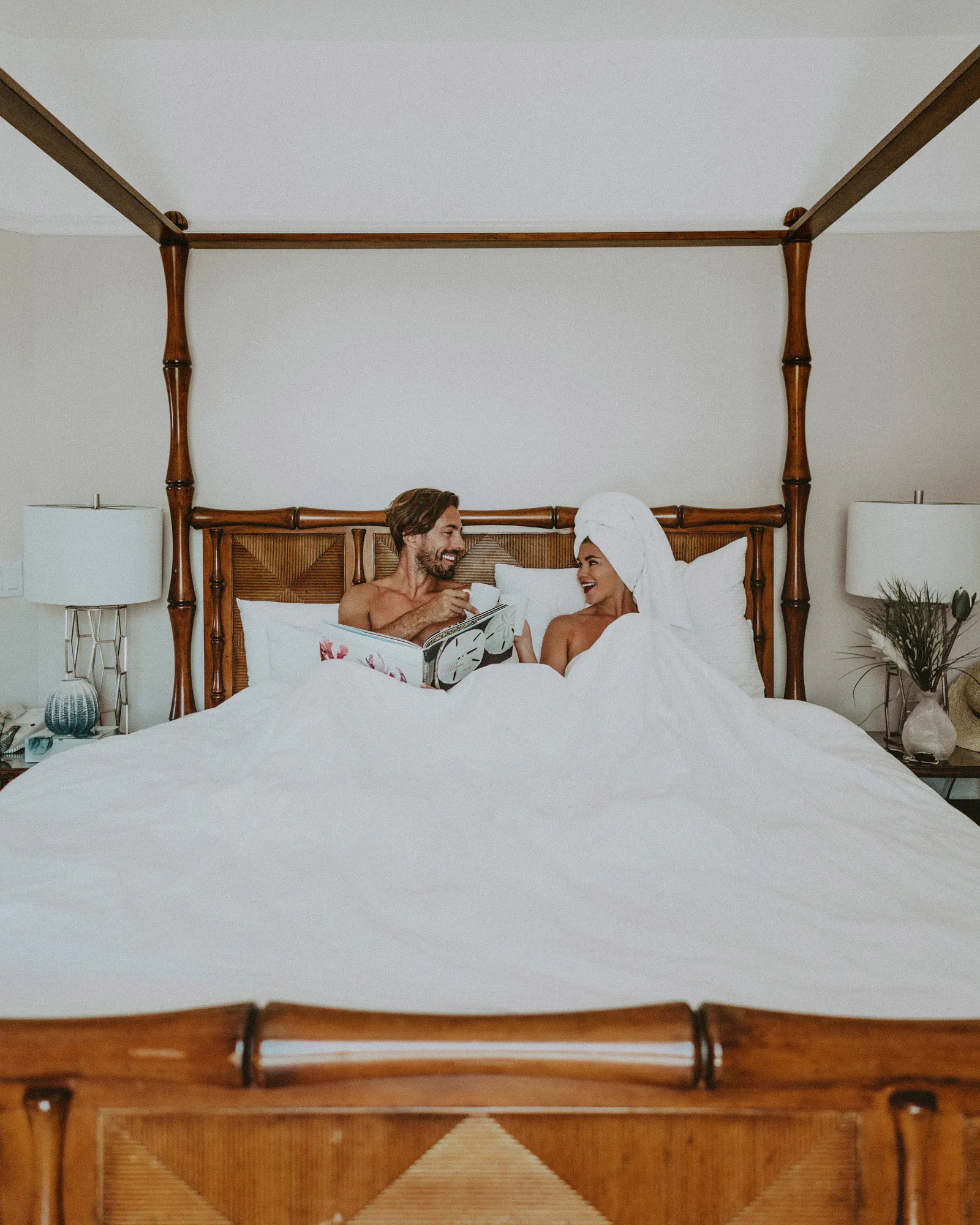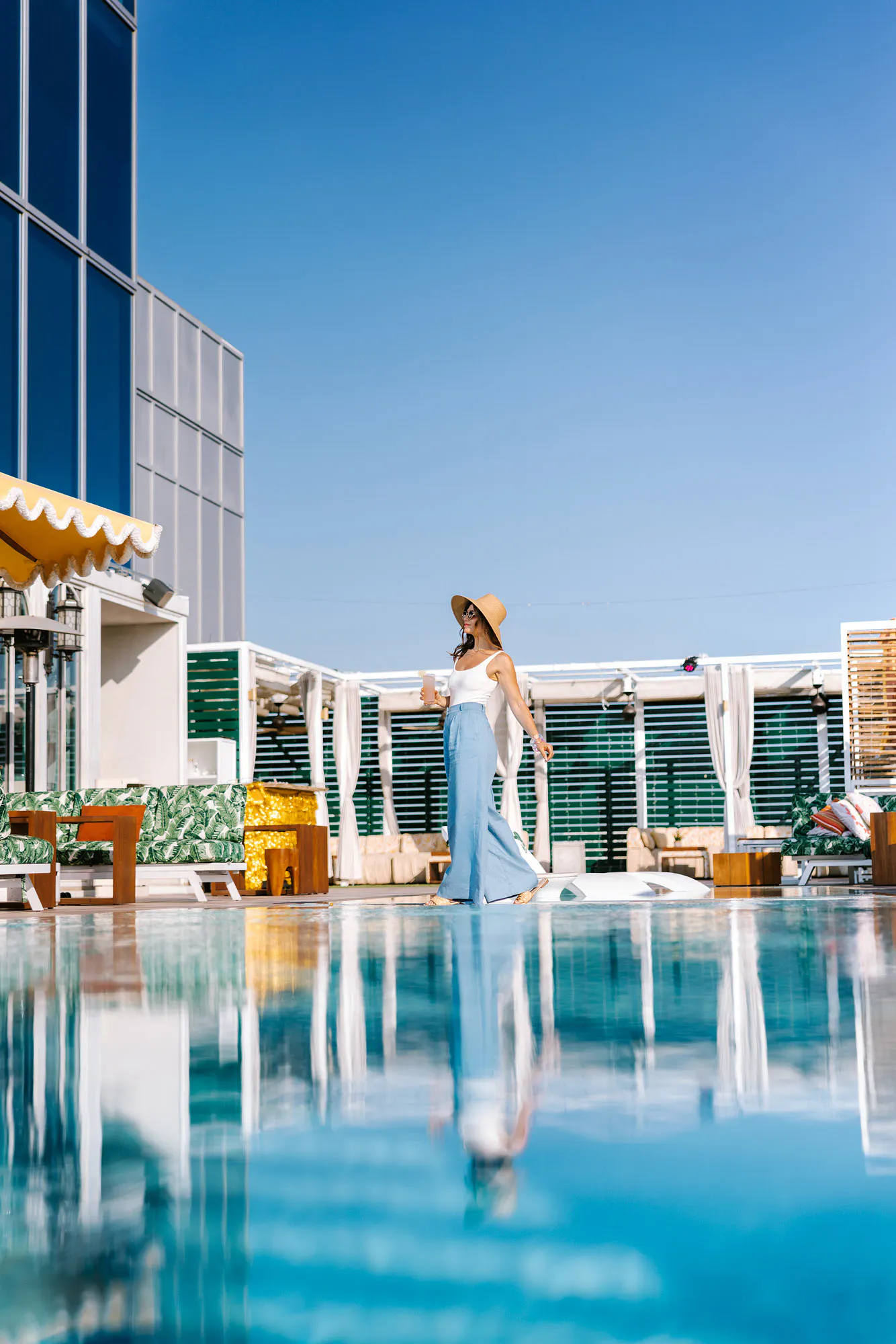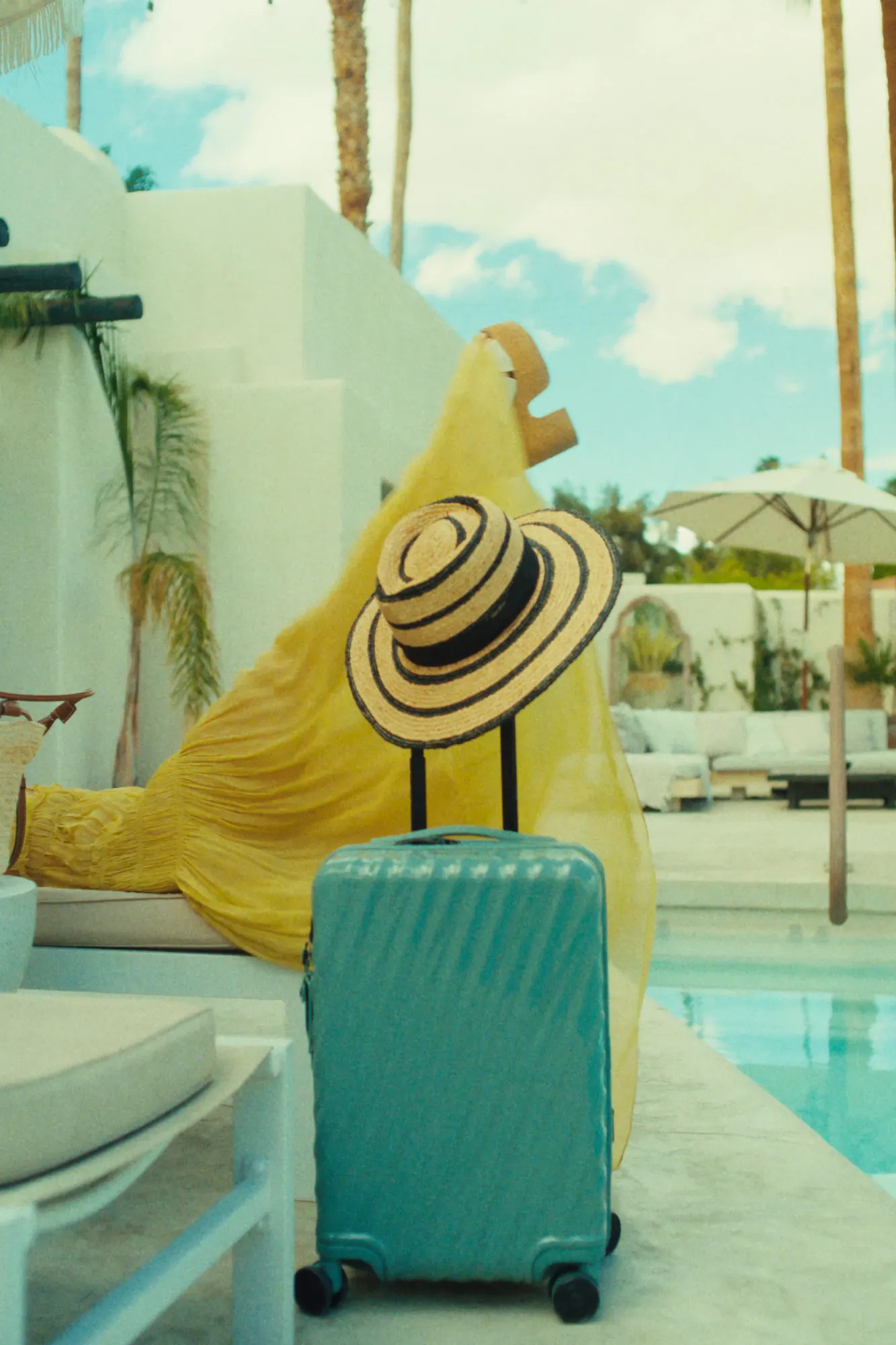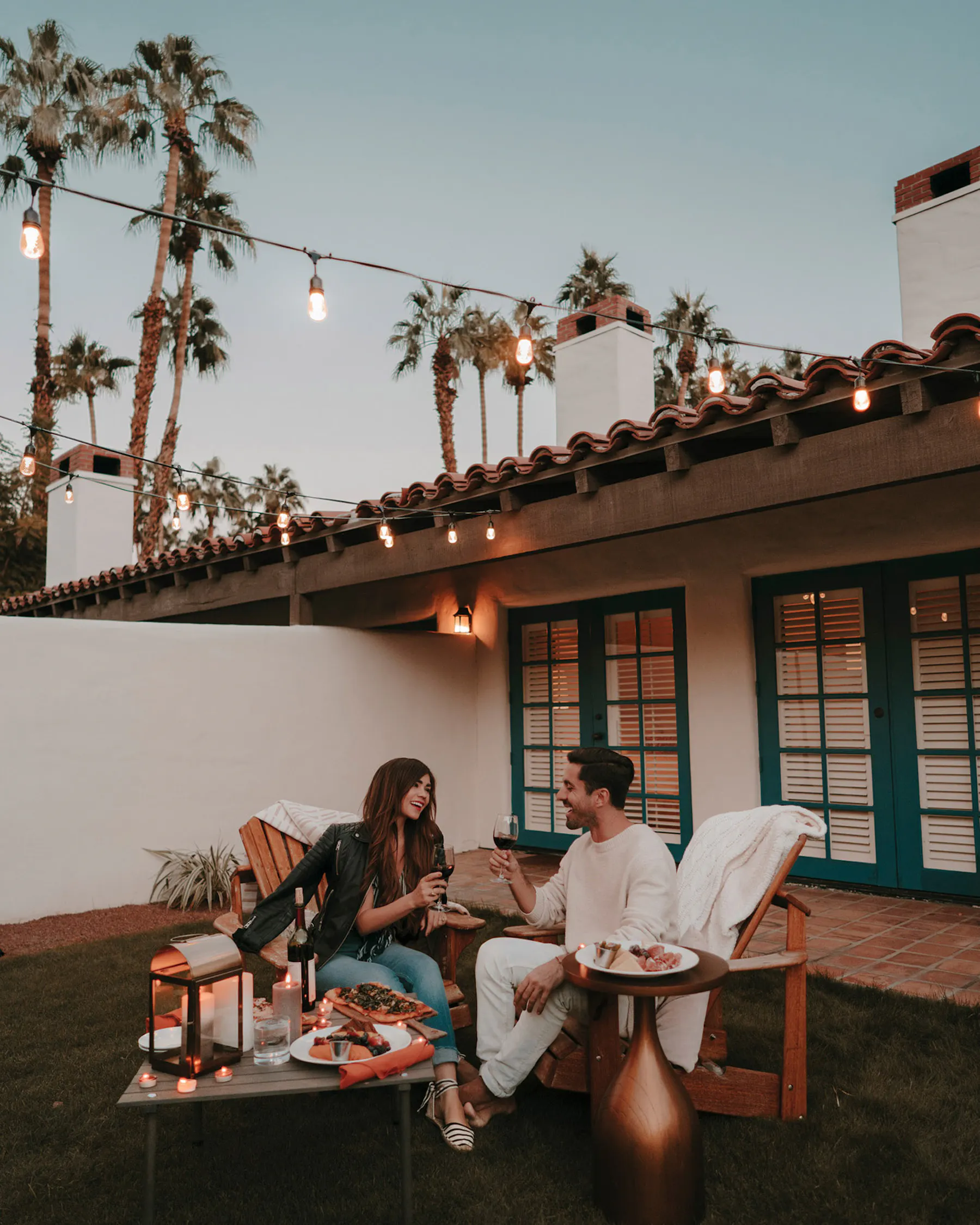
Most couples have a getaway somewhere in mind. The budget has other ideas. The schedule rarely helps either. What actually works is often already there, just unfinished. A neglected garden or balcony, properly done, delivers the escape without the travel or the cost.
A well-designed outdoor space earns its keep fast. Slow mornings. Quiet dinners. Evenings that actually feel like rest rather than recovery from the week. The ground underfoot is usually where it starts.
Why Small Outdoor Spaces Matter for Couples
Staycations have stopped feeling like the backup plan. For a lot of couples, the better question is whether home has a corner that feels worth staying in. A private outdoor space delivers the same psychological distance from the working week that a hotel stay promises. Without the airport. Without the bill.
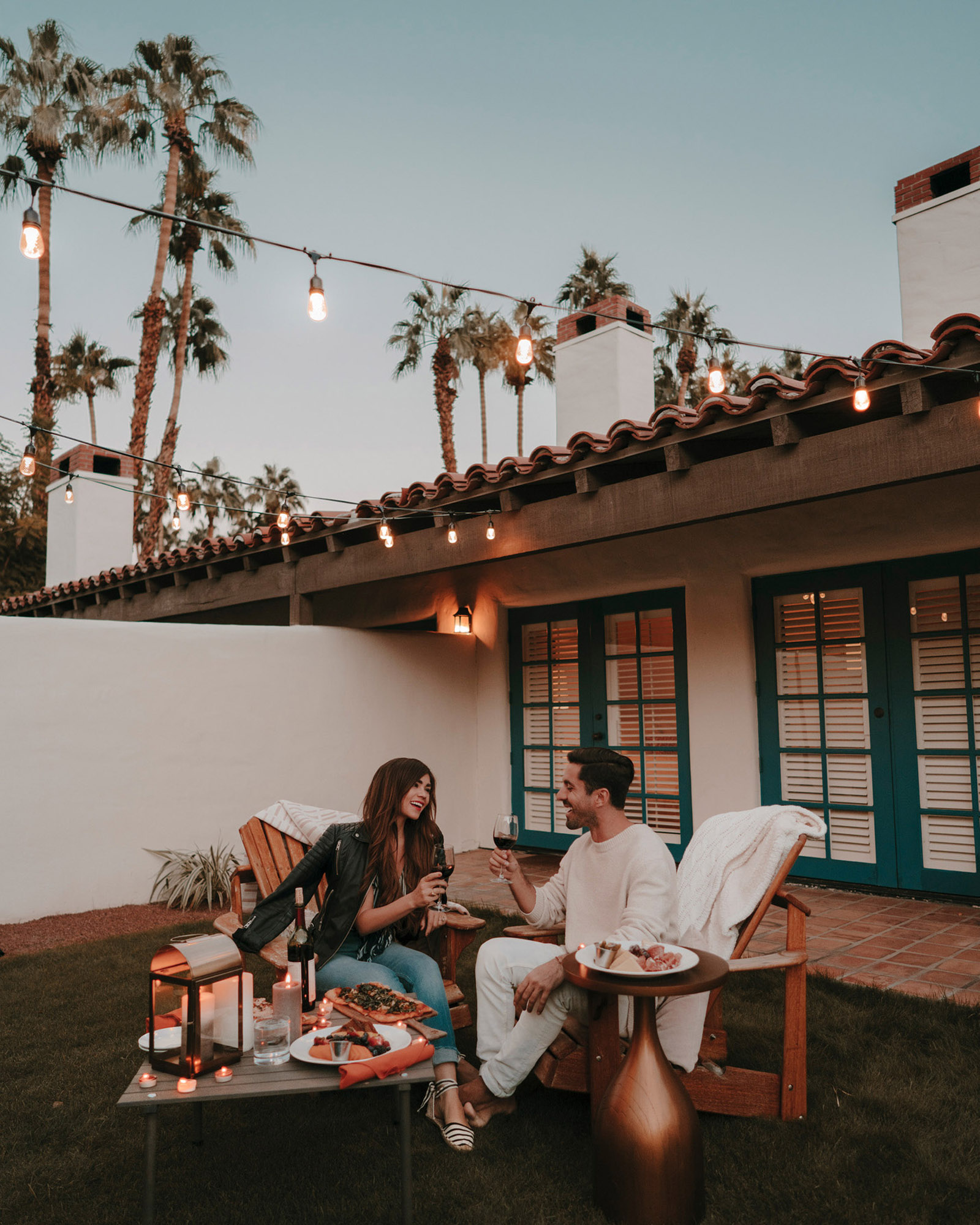
A small patio does more than it looks like it should. Quiet dinners, morning coffee, an evening over drinks. None of that requires square footage. It requires a surface worth sitting on and light that does not kill the mood. Busy weekends away rarely slow things down. A well-set outdoor corner does.
Travel, accommodation, meals. They land on the same card statement and the total surprises nobody anymore. An outdoor upgrade costs more on day one. After one good season of use, the space starts to justify itself.
Choosing Durable, Low-Maintenance Ground Cover
The ground cover shapes everything else about a space. Natural grass can look right but keeping it that way takes consistent effort across every season. Mowing, watering, feeding, patching damage from pets or weather. A few missed weekends and it shows. The space stops feeling like a retreat and starts feeling like another task.
Artificial grass removes most of that. Monthly upkeep runs to about fifteen minutes: a brush, a rinse, done. No bald patches, no muddy corners after rain, no colour loss in winter. For couples who want the outdoor space ready when they are, that trade-off is not complicated.
Urmston Grass gives a low-maintenance outdoor surface more purpose here, especially when the goal is a garden that stays usable after rain, pet traffic, and busy weeks without needing attention every Saturday morning. UV-protected fibres hold colour through summer and winter. Pet-friendly options cope better with repeated use, rinsing, and the odd muddy paw print. Drainage matters more than most buyers check in advance. A cheap installation drains poorly. That becomes obvious by the second wet month.
Full afternoon sun changes which product actually works. Lighter fibres run cooler underfoot. UV-stabilised options hold colour across seasons rather than fading by August. For a south-facing space, these are not optional details.
Material Safety and Environmental Considerations
Material quality matters more than the glossy product photo. Ask what the turf is made from, what sits underneath it, and how it drains after rain. A good supplier should be able to show how the product performs outside, not just how it looks on a sample.
Backing materials have changed for the better. Latex-free and polyurethane bases are now standard options rather than upgrades, and they simplify disposal considerably. Households with pets or young children should confirm lead-free backing and non-toxic fibres before ordering. Not premium extras. The baseline worth insisting on.
Planning Your Space for Two
Most couples work with sections between ten by ten and fifteen by twenty feet. That range allows for separate zones without the space feeling divided or cluttered. Small patio ideas work best when the area has one clear purpose before anything is bought.
Each zone works best with one clear purpose. A compact table for meals. Lounge chairs for unwinding. A clear path between them. Twenty-four inches of walkway keeps movement comfortable without eating into usable space. Trying to fit too much into a small area is the most common mistake. Restraint produces better results every time.
Lighting changes everything after dark. For evening use, fifty to one hundred and fifty lux creates warmth without flooding the space. String lights, small lanterns, low path lights all sit comfortably in that range. Overhead spotlights push too high and kill the atmosphere. Plan lighting early. Retrofitting later costs more time than it should.
Budget Allocation for Maximum Impact
Put the larger share of the budget toward the ground surface. That surface is what gets used daily, what holds up across seasons, and what determines how much the space demands in return. Furniture and lighting are easier to upgrade over time. The ground cover is not.
DIY installation can look cheaper on paper. The saving disappears quickly if the base is uneven, the joins show, or water starts sitting in one corner after rain. If the groundwork is straightforward, doing it yourself makes sense. If it is not, the professional cost is worth it.
Ground cover first. Furniture next. Lighting last. Each phase is usable on its own and the space improves visibly with each addition.
Maintenance Realities and Long-Term Value
Natural grass costs more to maintain than most homeowners track carefully. Water, fertiliser, tools, seasonal repairs. Across a decade, even a small lawn adds up. Garden maintenance changes how the space gets used from week to week, especially when weekends are already full. Artificial grass compresses that to occasional brushing and rinsing. The time saving alone changes how often the space actually gets used.
Synthetic turf holds up for many years with minimal input. Year five looks much like year one when the installation was done properly. For rental properties or homes approaching sale, a maintained outdoor space supports asking price without requiring constant investment to stay presentable.
Drainage done properly from the start prevents water pooling and fibre damage over time. The right cleaning products preserve the backing. The best results usually come from the boring part: the base, the drainage, the joins. Get those wrong and the surface shows it fast.
Making It Last
The best outdoor spaces for two are not the biggest or the most expensive. They are the ones that work without constant attention, that look ready when the week finally ends, and that offer something a hotel room cannot: the particular comfort of somewhere already yours.
Get the foundation right and everything else follows. Surface first. Light next. Furniture last. In that order, the space builds itself into something worth coming back to every evening.