Waiheke Island Self Drive Itinerary With Wineries, Beaches, and Scenic Stops
Waiheke Island has a way of making Auckland feel much farther away than it actually is. Within forty minutes of leaving the downtown ferry terminal, the skyline disappears behind vineyard-covered hills, narrow coastal roads, olive groves, and small beach towns that feel detached from the pace of mainland New Zealand.
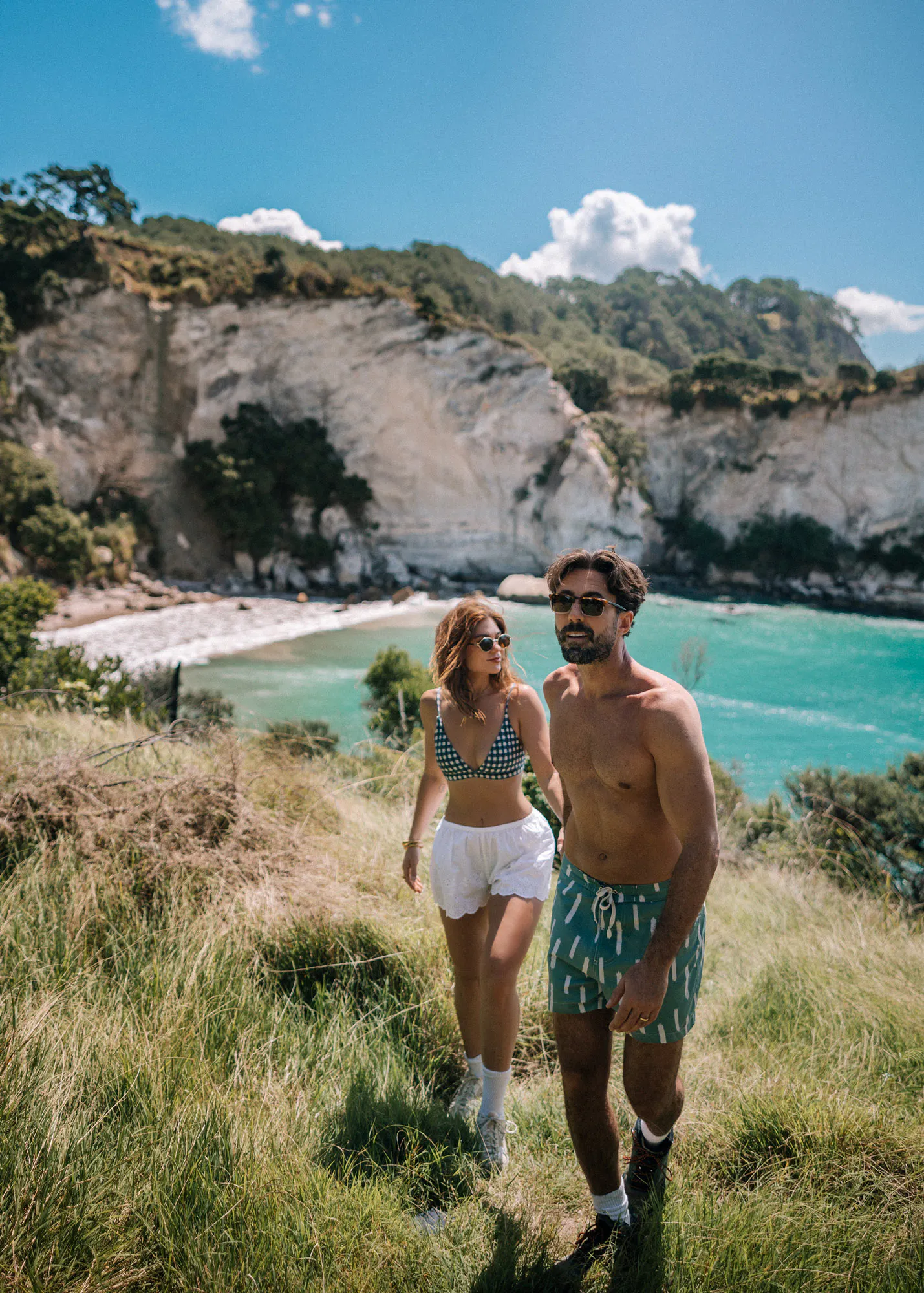
Most visitors experience Waiheke through organized wine tours or quick day-trip itineraries that move too fast to absorb much of the island beyond a tasting room terrace: the better version of Waiheke happens with more flexibility and less structure with a Waiheke Island car hire. The freedom of your own car changes the pace of the day entirely because it allows you to stop at lookouts that are not marked on tour routes, spend an extra hour at a beach that unexpectedly becomes your favorite, or take the long coastal road simply because the light looks good.
The island itself stretches roughly 12 miles long within the Hauraki Gulf and contains more than 90 square kilometers of coastline, vineyards, native forest, and small bays. Despite Waiheke’s reputation as a luxury wine destination, much of its appeal comes from how understated it still feels outside the main villages.
A self-drive itinerary works especially well here because distances remain short while the scenery changes constantly. Vineyards sit above cliff edges, gravel roads lead toward hidden beaches, and nearly every ridge seems to open onto another water view.
1. Why Driving Is the Best Way To Explore Waiheke Island

Public transportation on Waiheke exists and functions reasonably well between the larger villages, although it limits how much of the island you can realistically see in one day. Guided wine tours simplify logistics but flatten the experience into a rigid schedule that often prioritizes efficiency over atmosphere.
Waiheke Island car hire gives you access to the quieter eastern side of the island, smaller wineries, lesser-known beaches, and scenic pull-offs that most visitors pass without noticing. Driving also makes it easier to structure the day around weather conditions, which matters more here than many people expect. One beach may be windy while another sits completely sheltered. The western vineyards may be cloudy while the eastern coastline is clear.
The roads themselves are part of the experience. Many curve through hillside vineyards and native bush before suddenly opening toward sweeping coastal views across the gulf.
A self-drive trip works particularly well for:
- Couples wanting a slower-paced winery day
- Beach-focused itineraries
- Photography trips
- Multi-stop food itineraries
- Travelers staying overnight instead of rushing back to Auckland
- People wanting flexibility between beaches, wineries, and walking tracks
Most major roads on Waiheke are paved and relatively easy to navigate, although several eastern routes become narrower and more rural.
2. How To Get To Waiheke Island From Auckland
Most visitors arrive via ferry from downtown Auckland. The passenger ferry operated by Fullers360 departs from the Downtown Ferry Terminal and reaches Matiatia Wharf in approximately 35 to 45 minutes, depending on conditions. Sailings run frequently throughout the day, particularly during summer and weekends.
You have two main transport options:
Passenger Ferry + Rental Car on Arrival
This is the simplest option for most visitors. After arriving at Matiatia Wharf, you can pick up a rental vehicle nearby and begin exploring immediately.
Vehicle Ferry
SeaLink operates ferries capable of transporting vehicles from Half Moon Bay and Wynyard Quarter. This option works well for longer stays or travelers already renting a car on the mainland.
During summer, holiday weekends, and school breaks, ferries often book out well in advance. Early morning departures also tend to fill first because they maximize island time.
A few practical things you might need before departure:
- Ferry reservations booked several days ahead
- Offline Google Maps downloaded because signal can fluctuate in remote areas
- Reef-safe sunscreen
- A light layer even during summer because coastal winds shift quickly
- Water shoes for rocky coves and smaller beaches
- Portable phone charger for photography-heavy days
3. Best Waiheke Island Villages To Stop In
Oneroa
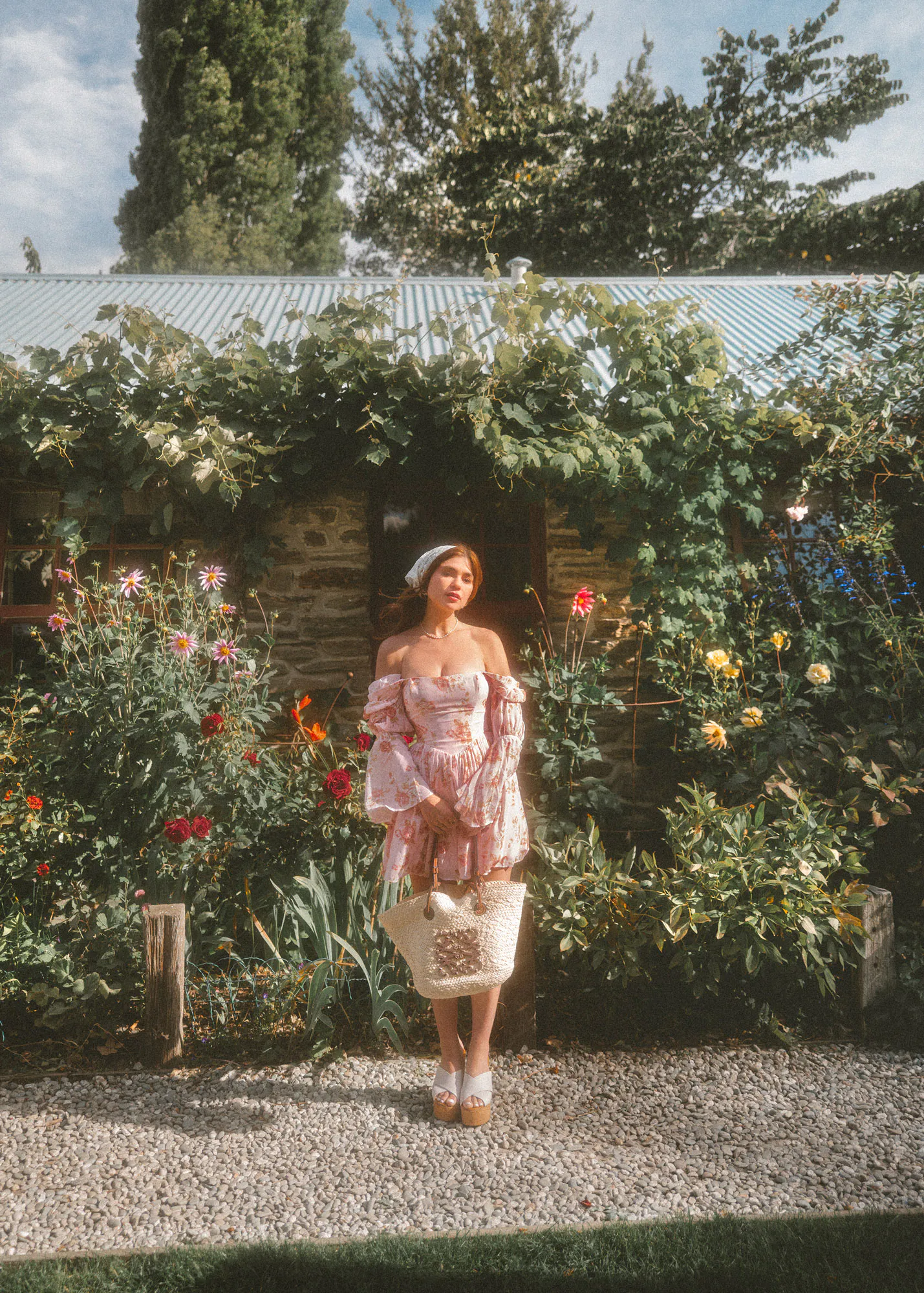
Oneroa functions as Waiheke’s main village and usually becomes the first stop after leaving the ferry terminal. Ocean View Road contains cafés, wine bars, boutiques, bakeries, galleries, and small specialty food shops overlooking the coastline.
Coffee culture on Waiheke is strong enough that even short stops tend to turn into longer breakfasts.
Good café options include:
- Akito Eatery
- Wai Kitchen
- Fenice
- The Island Grocer
- Double Shot Waiheke
Oneroa Beach itself sits just below the village and remains one of the island’s most accessible swimming beaches. Early mornings here feel noticeably calmer before day-trippers fully arrive from Auckland.
Onetangi
Farther east, Onetangi feels more spacious and residential, centered around one of Waiheke’s longest beaches. The coastline here stretches much wider than Oneroa and tends to attract swimmers, paddleboarders, and people spending an entire afternoon by the water.
The beachfront restaurants along Onetangi become especially busy during summer weekends.
Ostend
Ostend serves more of the island’s practical daily life and contains grocery stores, local markets, and several casual food spots. The Saturday Ostend Market remains worth visiting for local produce, baked goods, vintage finds, and Waiheke-made products.
4. Best Waiheke Island Wineries To Visit
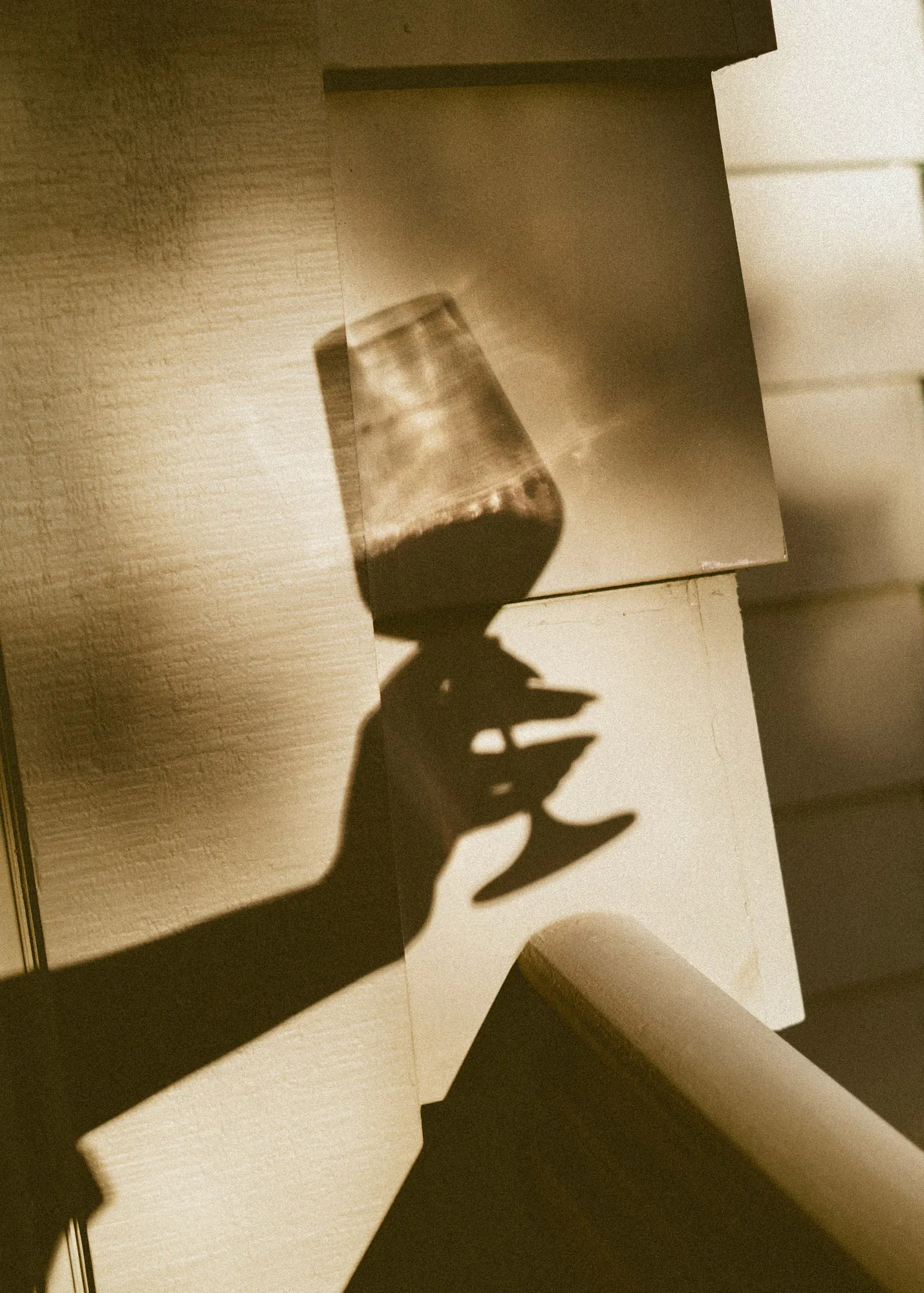
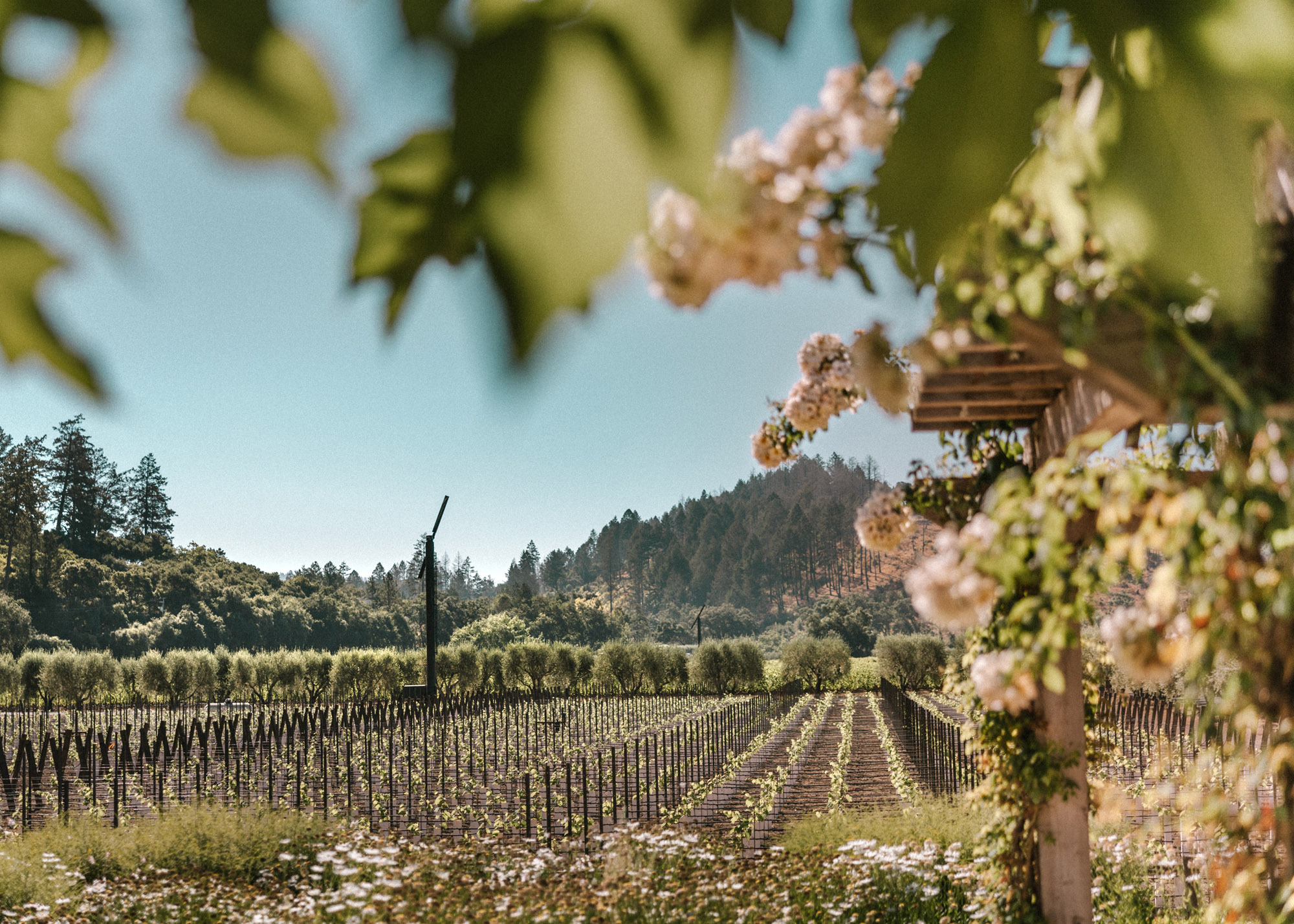
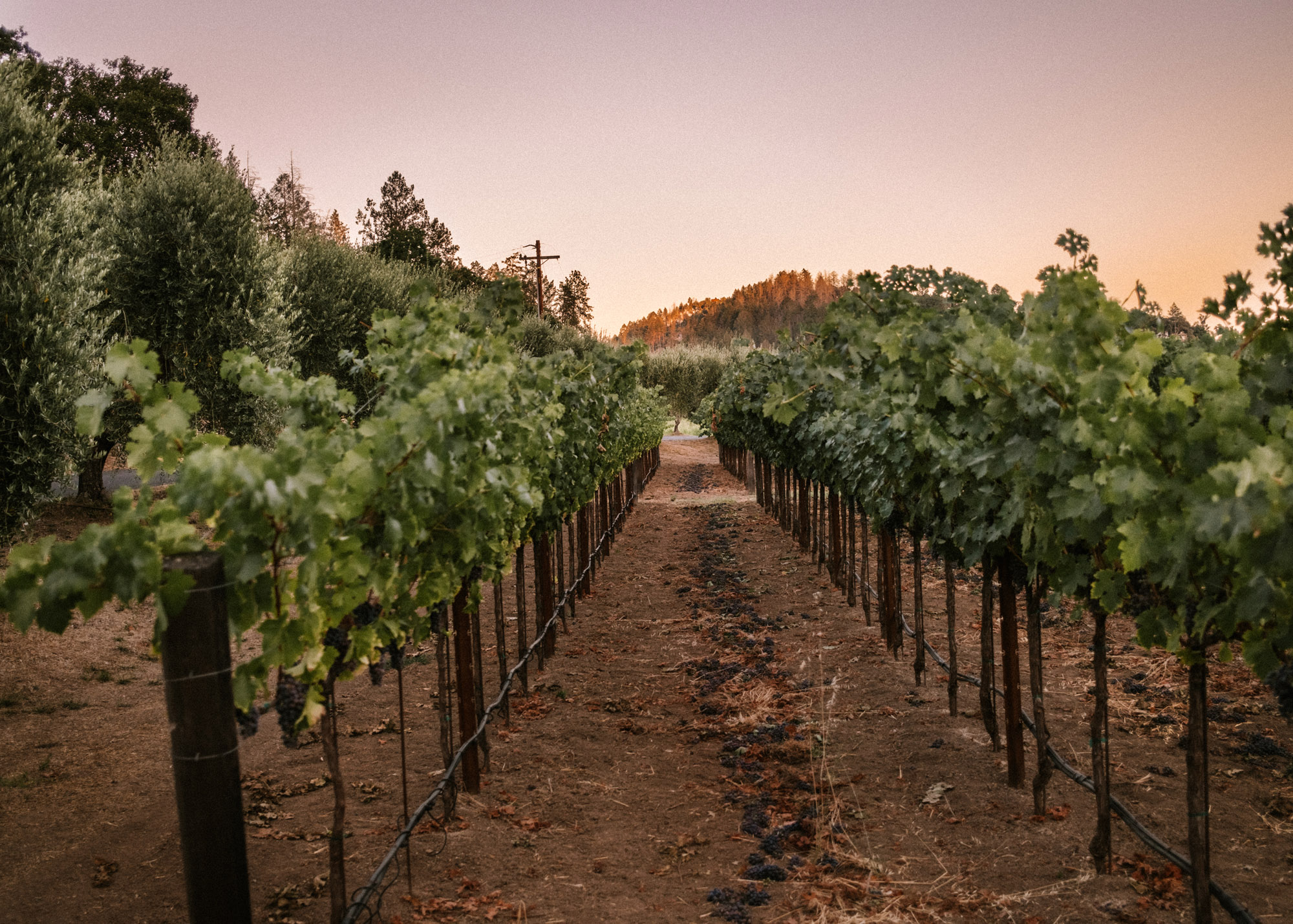
Waiheke Island has developed an international reputation for Syrah and Bordeaux-style red blends thanks to the island’s dry climate, mineral-rich soil, and maritime conditions.
Most wineries sit within short driving distances of each other, although each has a noticeably different atmosphere.
Mudbrick Vineyard
Mudbrick remains one of the island’s best-known vineyards largely because of its elevated position overlooking the Auckland skyline and Hauraki Gulf. The gardens, stone architecture, and sunset views draw large crowds, especially during summer evenings.
Reservations matter here, particularly for dinner.
Cable Bay Vineyards
Cable Bay balances polished design with one of the island’s best lawn terraces. The western-facing location becomes particularly beautiful in late afternoon when the light drops across the gulf toward Auckland.
The rosé and seafood pairings here work especially well during warmer months.
Stonyridge Vineyard
Stonyridge feels more secluded and Mediterranean, surrounded by olive trees and rolling hills. Its Bordeaux-style Larose blend helped establish Waiheke’s global wine reputation.
The atmosphere here generally feels slower and less polished than some of the island’s larger vineyards.
Man O’ War Vineyards
Located on the island’s eastern side, Man O’ War requires a longer drive but rewards it with one of Waiheke’s most scenic coastal settings. The route itself becomes part of the experience, winding through farmland and dramatic coastal ridges before descending toward the bay.
The eastern side of Waiheke feels noticeably quieter than the western winery corridor.
5. Best Beaches on Waiheke Island
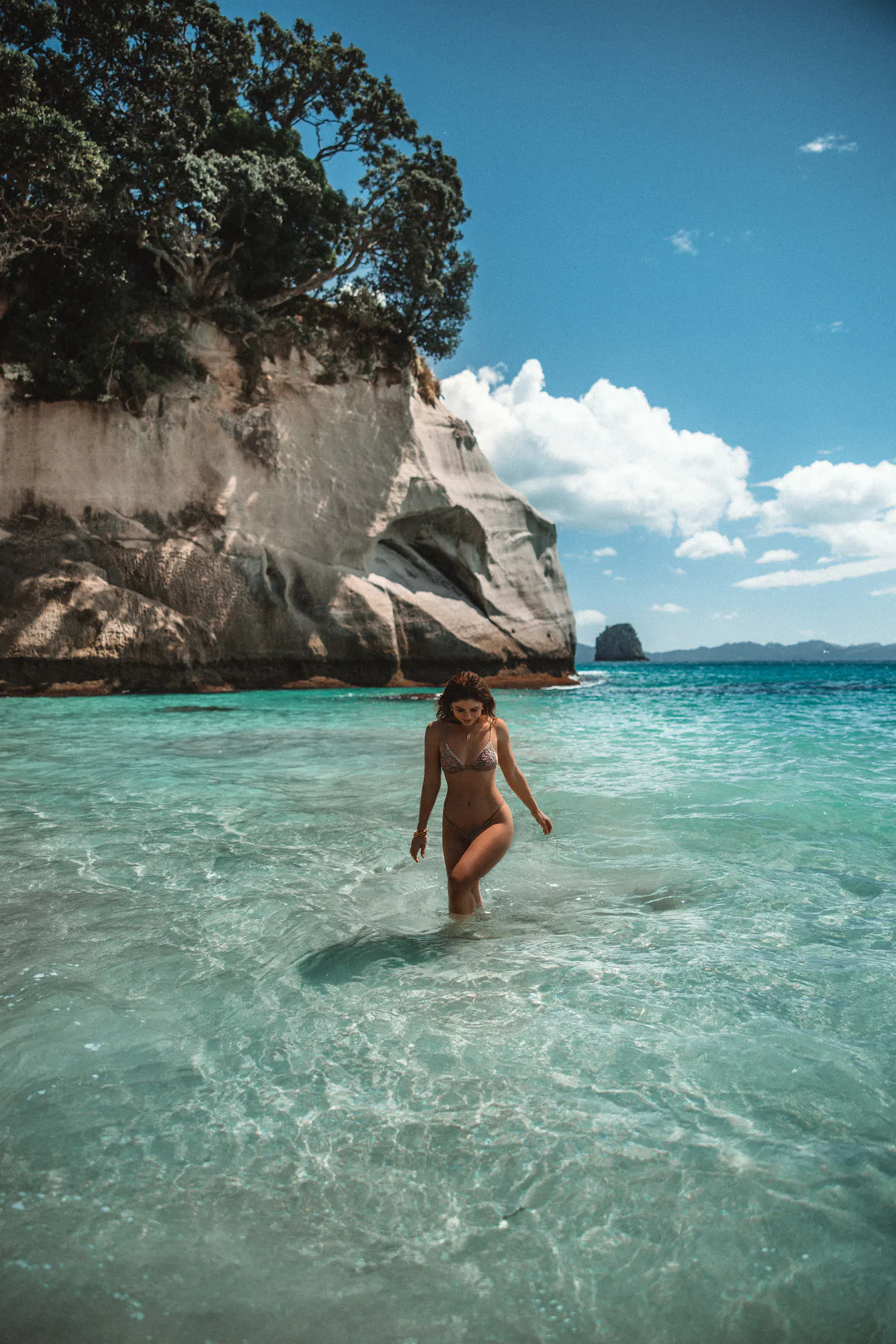
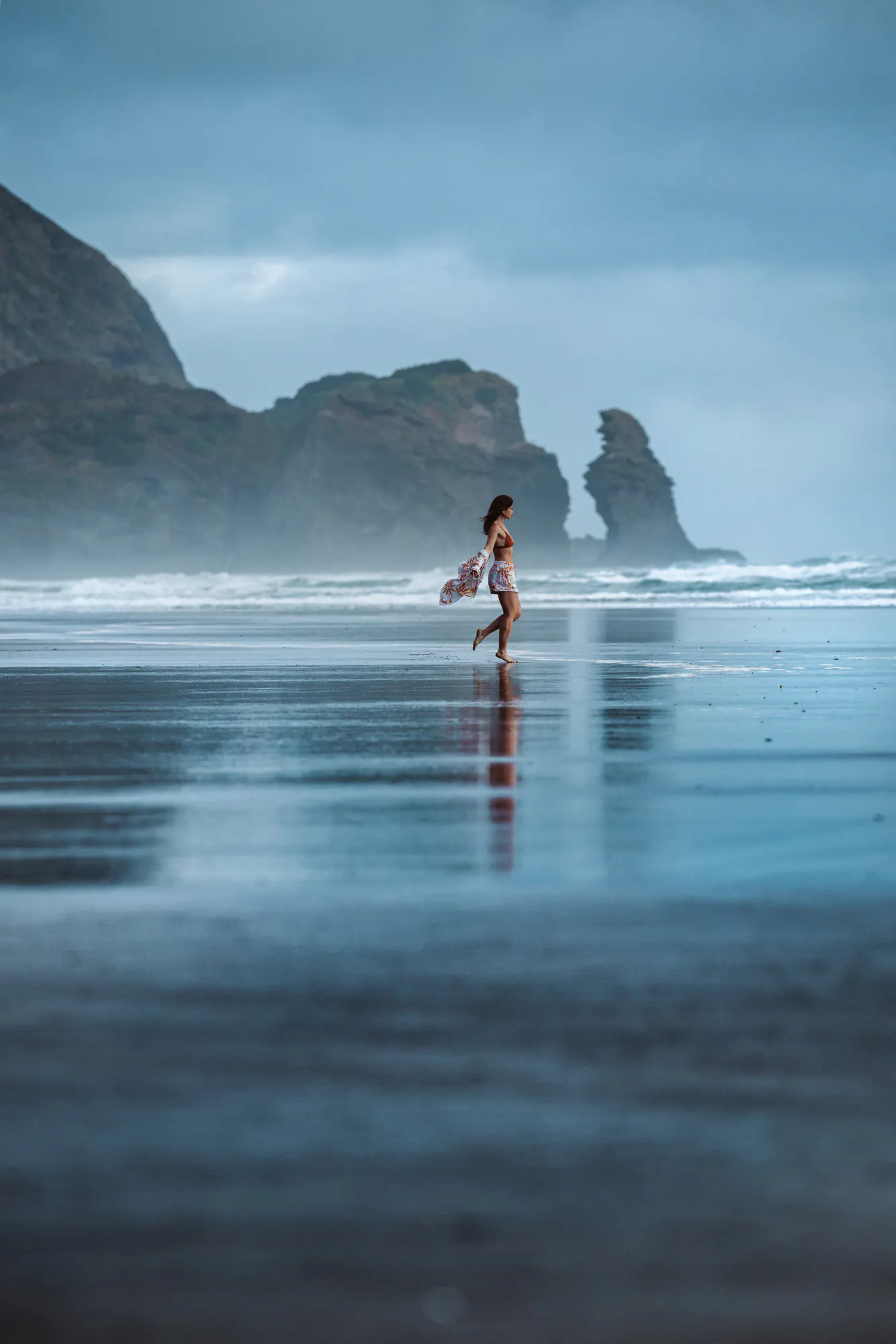
Waiheke contains more than forty beaches and bays, although only a handful receive consistent attention from day-trip itineraries.
Oneroa Beach
Closest to the ferry and easiest to access, Oneroa works well for shorter visits and quick swims between winery stops.
Onetangi Beach
Onetangi’s length and openness make it one of the island’s best beaches for walking. The water remains relatively calm in good conditions and the surrounding hills create a dramatic backdrop.
Palm Beach
Palm Beach feels more residential and secluded, surrounded by native bush and hillside homes. The bay tends to stay calmer and less crowded than Onetangi during busy weekends.
Little Oneroa
Smaller and more sheltered, Little Oneroa works well for quieter swimming conditions and relaxed afternoons close to the village.
Man O’ War Bay
Farther east, this bay feels dramatically more remote. The drive alone makes it worthwhile, especially for photographers or anyone wanting a slower section of the island.
6. Scenic Drives and Photography Stops Around Waiheke Island
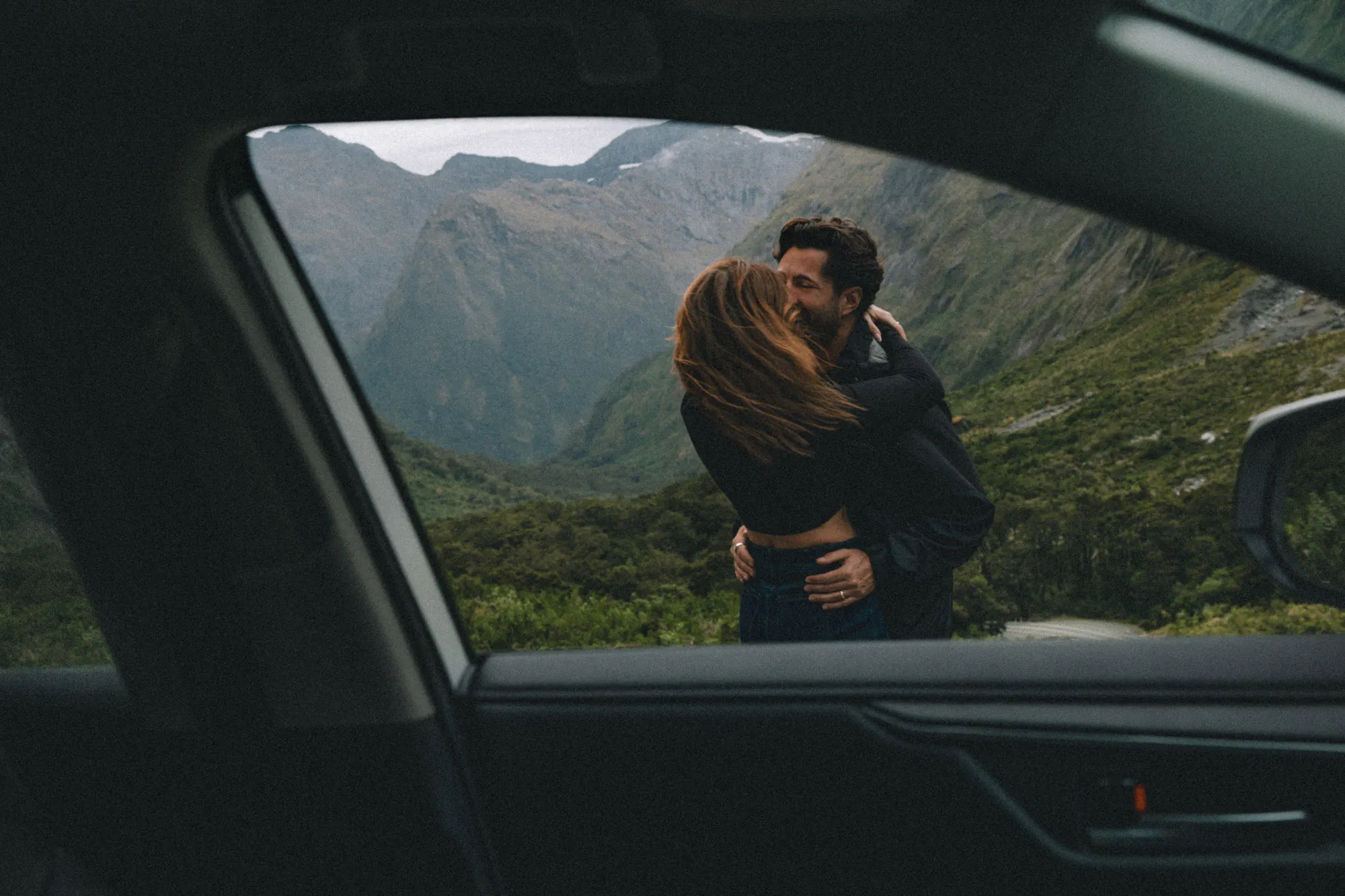
Some of Waiheke’s best moments happen while driving between destinations rather than at the destinations themselves.
The eastern roads especially reveal long stretches of coastline, grazing farmland, native forest, and unexpected lookouts over the gulf. Late afternoon creates the best conditions for photography because the western light softens the vineyards and cliffs while illuminating the water below.
Several worthwhile scenic stops include:
- Kennedy Point Lookout
- Church Bay Road
- The eastern road approaching Man O’ War
- Rocky Bay viewpoints
- Palm Beach ridgelines
- Te Whau lookout areas
If photography is part of the itinerary, a few things you might need become obvious quickly on Waiheke:
- Polarizing filter because water glare becomes intense midday
- Lens cloths for sea spray and coastal moisture
- Neutral-toned clothing if shooting portraits among vineyards
- Backup batteries because long driving days drain cameras quickly
Golden hour around Waiheke often lasts longer than expected because of the island’s layered hills and west-facing coastline.
7. Where To Watch Sunset on Waiheke Island
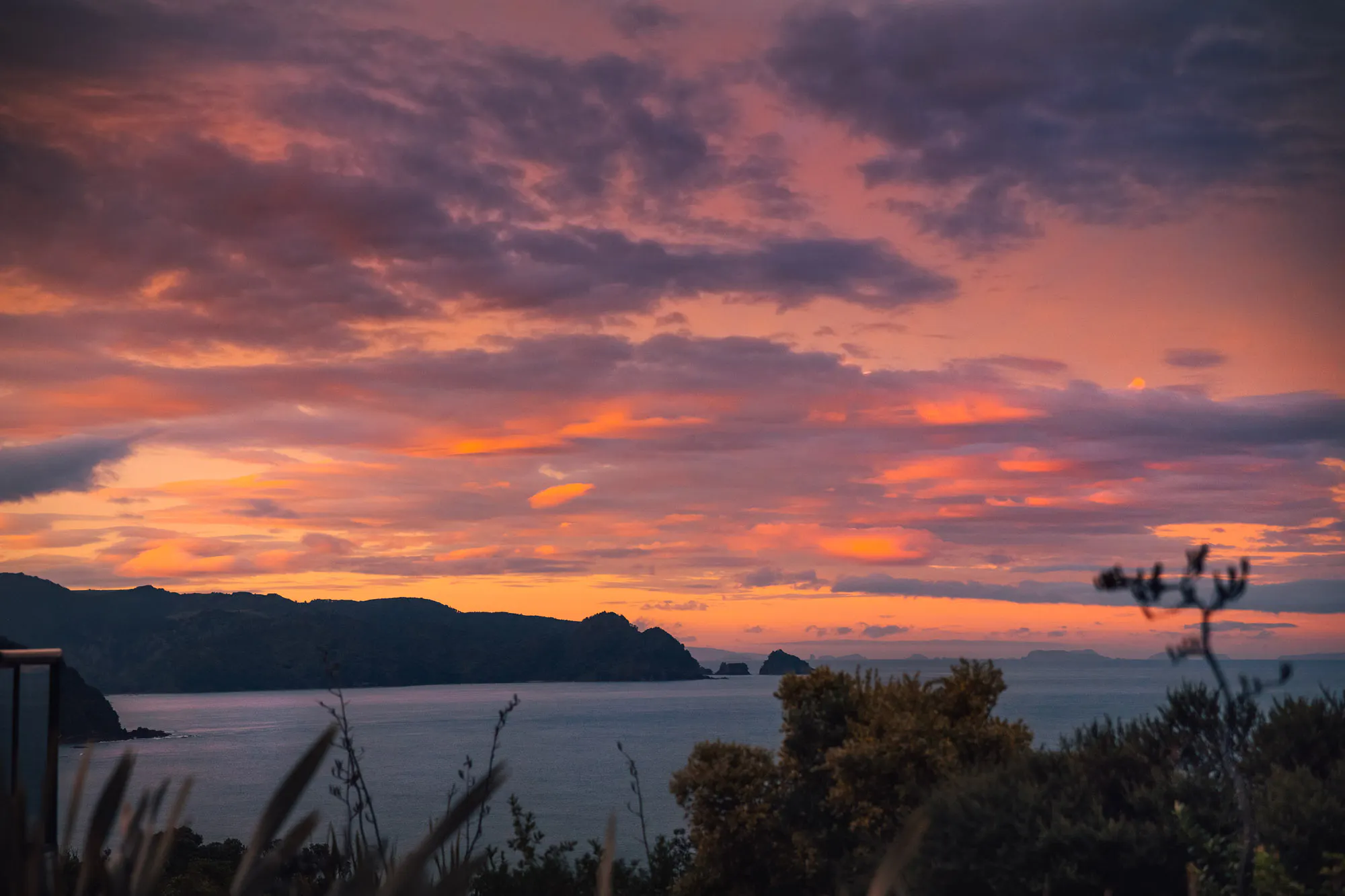
Sunset changes the island completely, especially during warmer months when vineyards and beaches stay active into the evening.
Cable Bay remains one of the island’s most popular sunset locations because of its elevated western-facing terrace overlooking Auckland and the gulf. Mudbrick also becomes extremely atmospheric near sunset, although reservations are strongly recommended.
For beach sunsets:
- Oneroa Beach offers direct western views
- Onetangi creates softer evening light with wider shoreline space
- Palm Beach feels quieter and more residential
- Little Oneroa often stays calmer after day visitors leave
If you are returning to Auckland the same evening, check the final ferry departure carefully before settling into dinner or extended wine tastings.
Waiheke Island works best when the day feels slightly unstructured. The island rewards detours, slower lunches, roadside pull-offs, and extra time spent in places that were never originally part of the itinerary. A rigid schedule tends to flatten the experience into a checklist, while a self-drive approach leaves room for the atmosphere that makes Waiheke memorable in the first place.
The best version of the island usually happens somewhere between destinations, driving along a coastal road with the windows down, passing vineyards and water views that make Auckland feel impossibly far away.