Wardrobe Basics for Women: Timeless Staple Checklist for an Easy Capsule Closet
Getting dressed becomes surprisingly complicated once your days start blending airports, errands, meetings, workouts, school pickup, long drives, coffee runs, and evenings that somehow turn into dinner plans with almost no warning. Most people do not need more clothing. They need clothing that works harder.
A functional wardrobe removes friction from daily life because every piece has a purpose, layers easily, survives repeated wear, and still looks intentional after twelve hours outside the house. The difference becomes obvious during travel, busy workweeks, or periods where your schedule leaves very little mental energy for outfit planning.
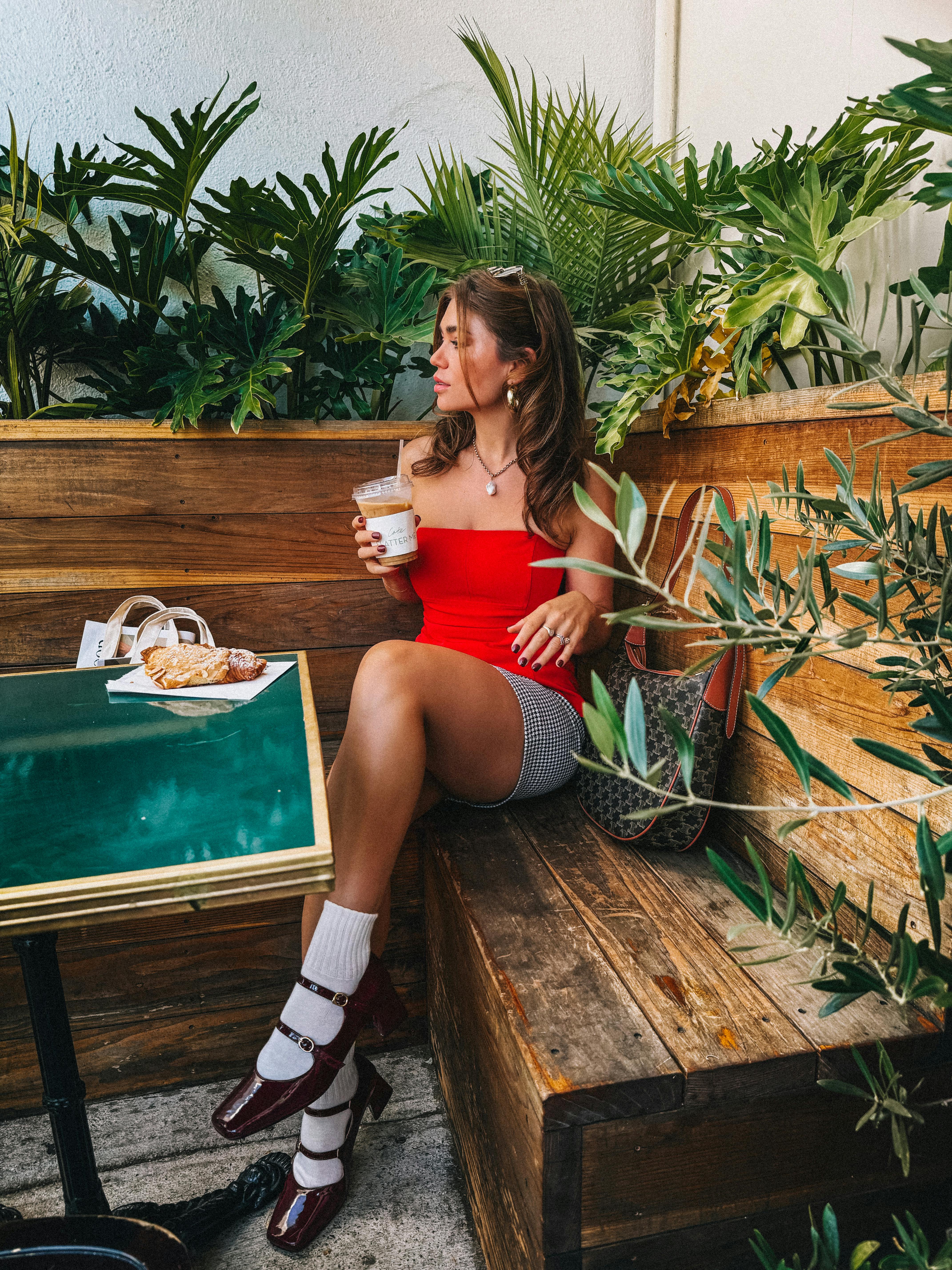
The most practical women's clothing usually have less variety than people expect. Instead of chasing constant trend turnover, they rely on versatile staples that can move between casual settings, flights, restaurants, commuting, and everyday routines without feeling repetitive or underdressed.
Fashion trend cycles continue moving faster every year, yet capsule wardrobes and investment basics remain dominant because people increasingly prioritize longevity, versatility, comfort, and cost-per-wear over impulse purchases. A strong wardrobe now functions more like infrastructure than entertainment.
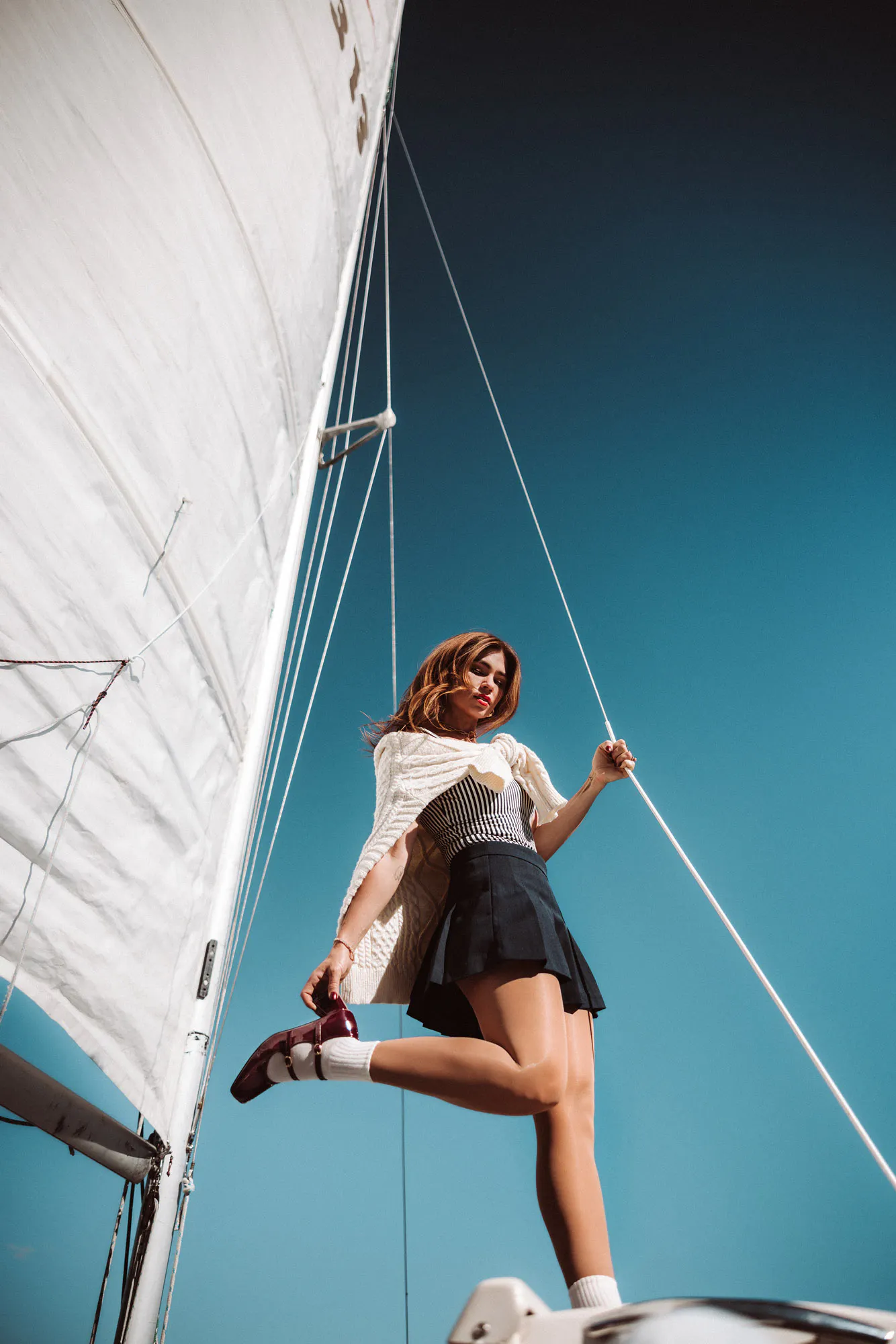
1. Build Around Neutral Core Pieces
The easiest wardrobes to maintain usually begin with a restrained color palette. Neutral basics simplify outfit coordination, reduce overbuying, and make packing dramatically easier for both short trips and extended travel.
Black, cream, white, camel, charcoal, navy, and denim work because they layer together naturally across seasons without forcing constant styling decisions. Once your base wardrobe becomes cohesive, even small accessories or trend pieces feel more elevated.
Core staples that consistently justify their closet space include:
- Straight-leg blue jeans with minimal distressing
- Black tailored trousers
- White cotton button-down shirts
- Ribbed tank tops and fitted tees
- Structured knit sweaters
- Black leggings that can transition beyond workouts
- Neutral long coats or trench coats
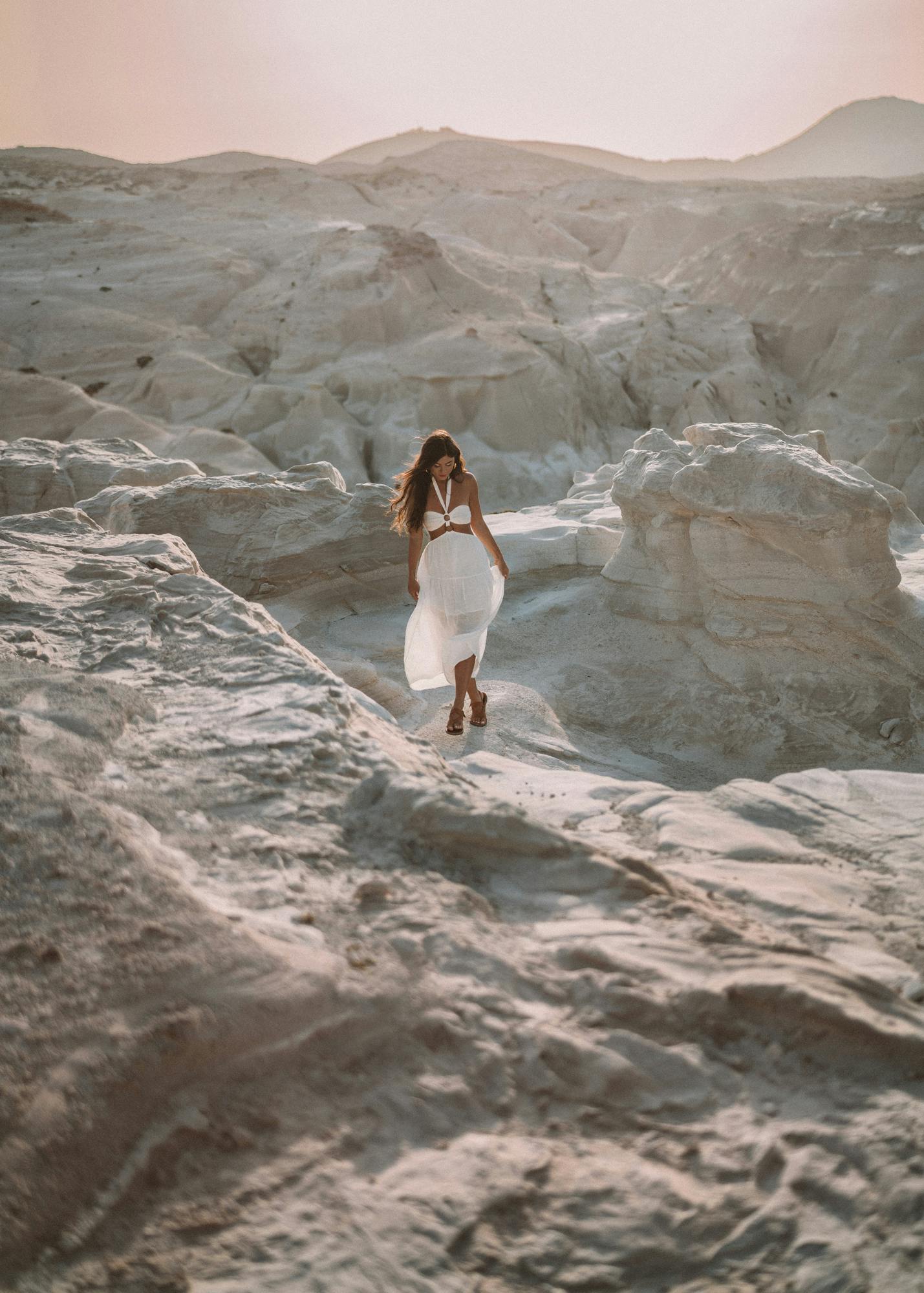
- Relaxed linen pieces for warm climates
- Lightweight layering jackets
Fit matters more than quantity. A smaller wardrobe with proper tailoring and quality fabrics almost always looks more expensive and intentional than closets overflowing with trend-driven purchases that lose shape after several washes.
Natural fabrics continue outperforming synthetics for daily wear, especially during travel or long days outside the house. Cotton, linen, wool, silk blends, and cashmere generally breathe better, photograph better, and age better over time.
2. Choose Shoes That Handle Long Days Comfortably
Most wardrobe mistakes become painfully obvious through footwear because uncomfortable shoes immediately affect posture, energy, mobility, and overall appearance by the middle of the day.
People walking through airports, cities, offices, outdoor shopping districts, museums, or uneven streets need shoes that can realistically survive extended wear without destroying comfort. Fashion has shifted heavily toward practicality over the past few years, which explains why sneakers, loafers, ballet flats, and supportive sandals continue dominating both luxury and mainstream collections.
The most useful shoe wardrobes usually stay relatively streamlined:
- Clean white leather sneakers for flights, errands, and casual outfits
- Loafers for polished daytime wear
- Flat or low-block ankle boots
- Minimal strappy sandals for warm destinations
- Comfortable walking sandals with actual arch support
- Neutral heels reserved for specific occasions
Modern travel dressing increasingly prioritizes walkability because people spend more time moving through cities rather than remaining stationary. Even luxury fashion has adapted accordingly, with brands focusing more aggressively on cushioned soles, orthopedic support features, and lightweight construction.
For frequent travel or urban lifestyles, heavy shoes become exhausting quickly. Lightweight construction matters far more than most people realize until they spend eight hours walking through a city carrying a tote bag and laptop.
3. Keep Easy One-Piece Outfits Ready
One-piece outfits eliminate a surprising amount of decision fatigue, especially during early flights, rushed mornings, summer heat, or overloaded schedules.
A well-cut dress or jumpsuit creates a complete outfit immediately while requiring almost no styling effort beyond shoes and accessories. The convenience becomes even more noticeable while traveling because fewer separate pieces means lighter packing and easier outfit repetition.
The most versatile options usually include:
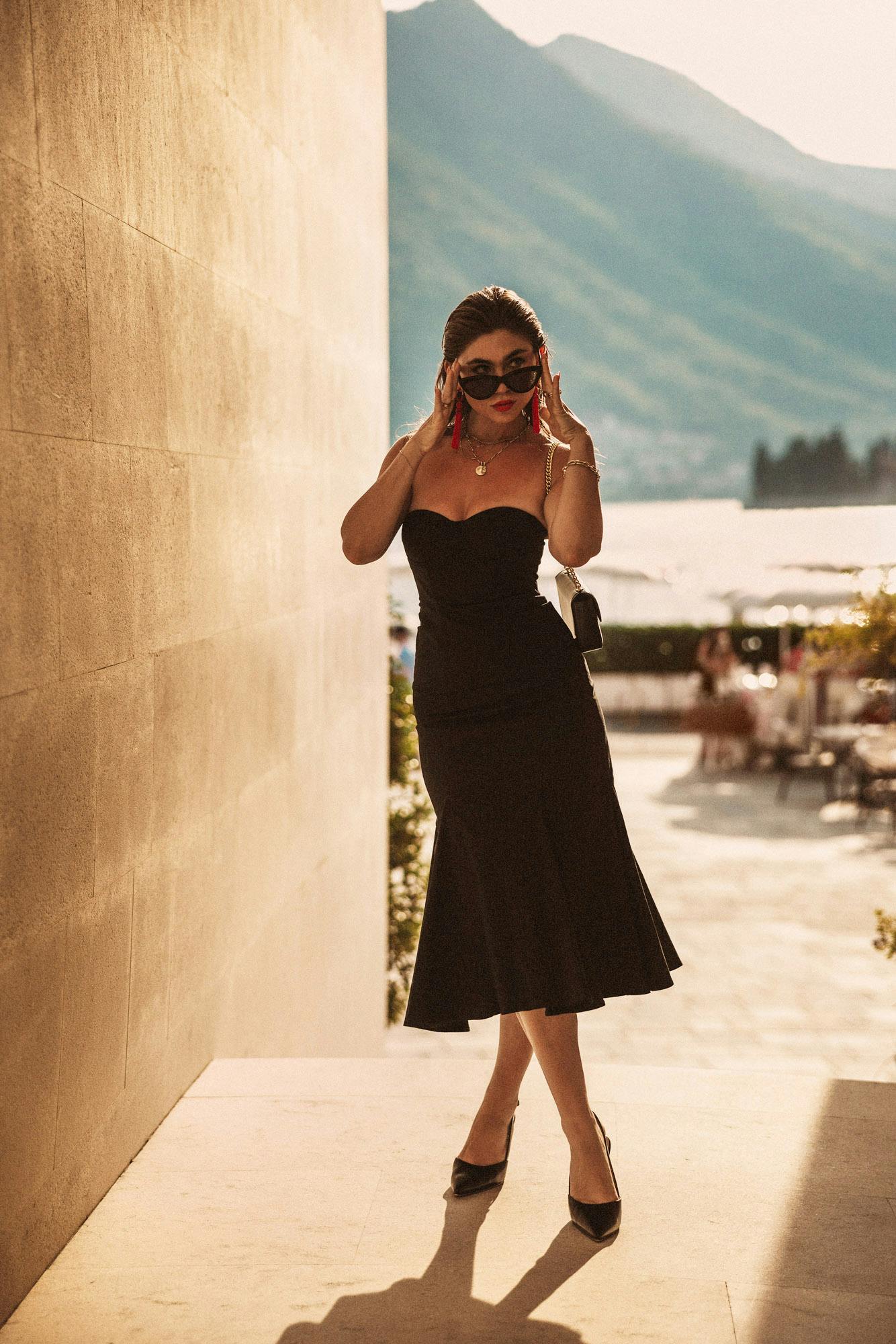
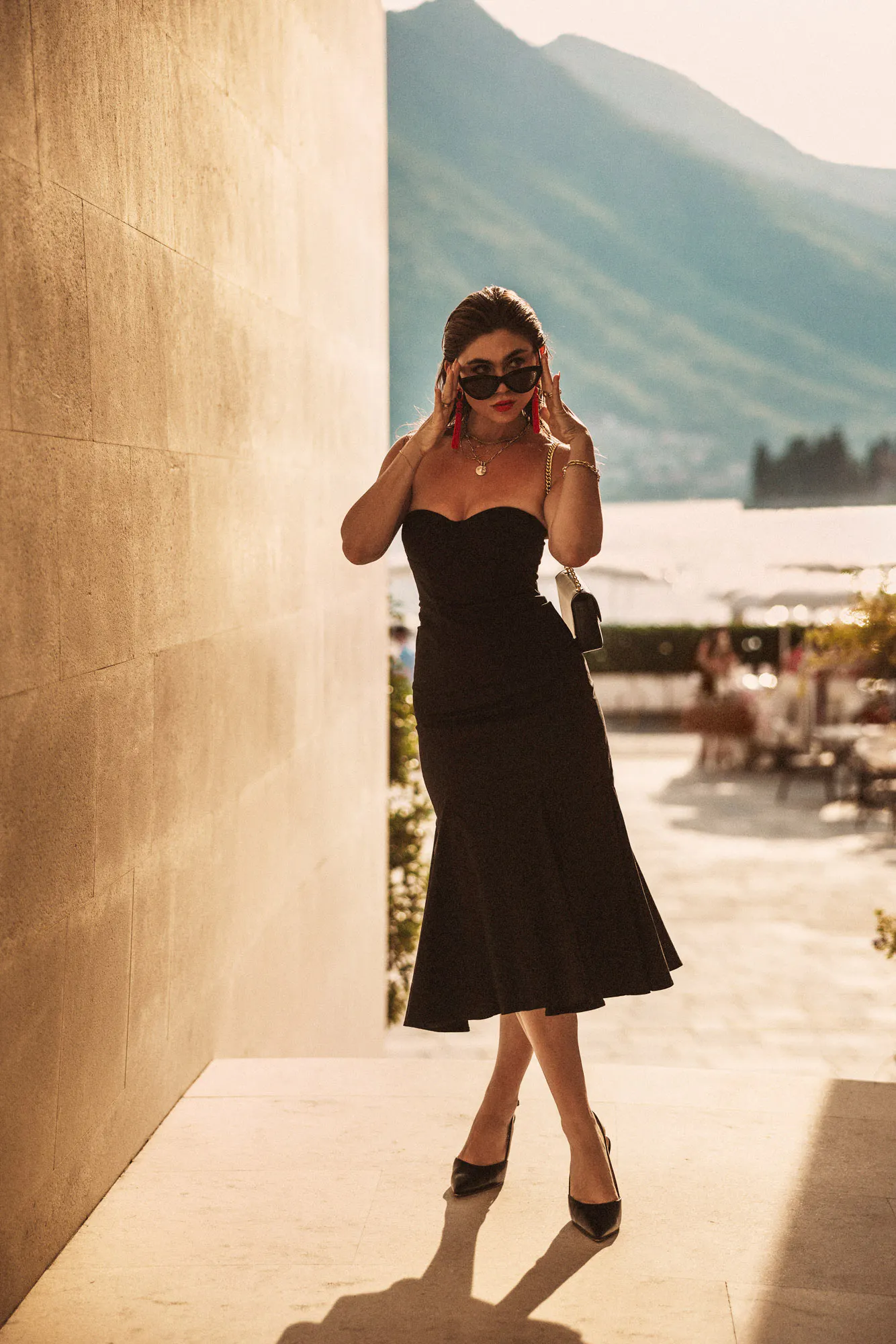
- Black midi dresses
- Slip dresses layered with sweaters or jackets
- Tailored jumpsuits
- Linen shirt dresses
- Knit matching sets
- Monochrome lounge sets that still look polished outside the house
Matching sets continue ranking highly across both fashion and travel search trends because they photograph well, feel cohesive, and transition easily between casual and elevated settings.
Fabric selection changes everything here. Structured fabrics hold shape longer and appear more refined throughout the day, while overly thin materials often wrinkle immediately and lose visual polish within hours.
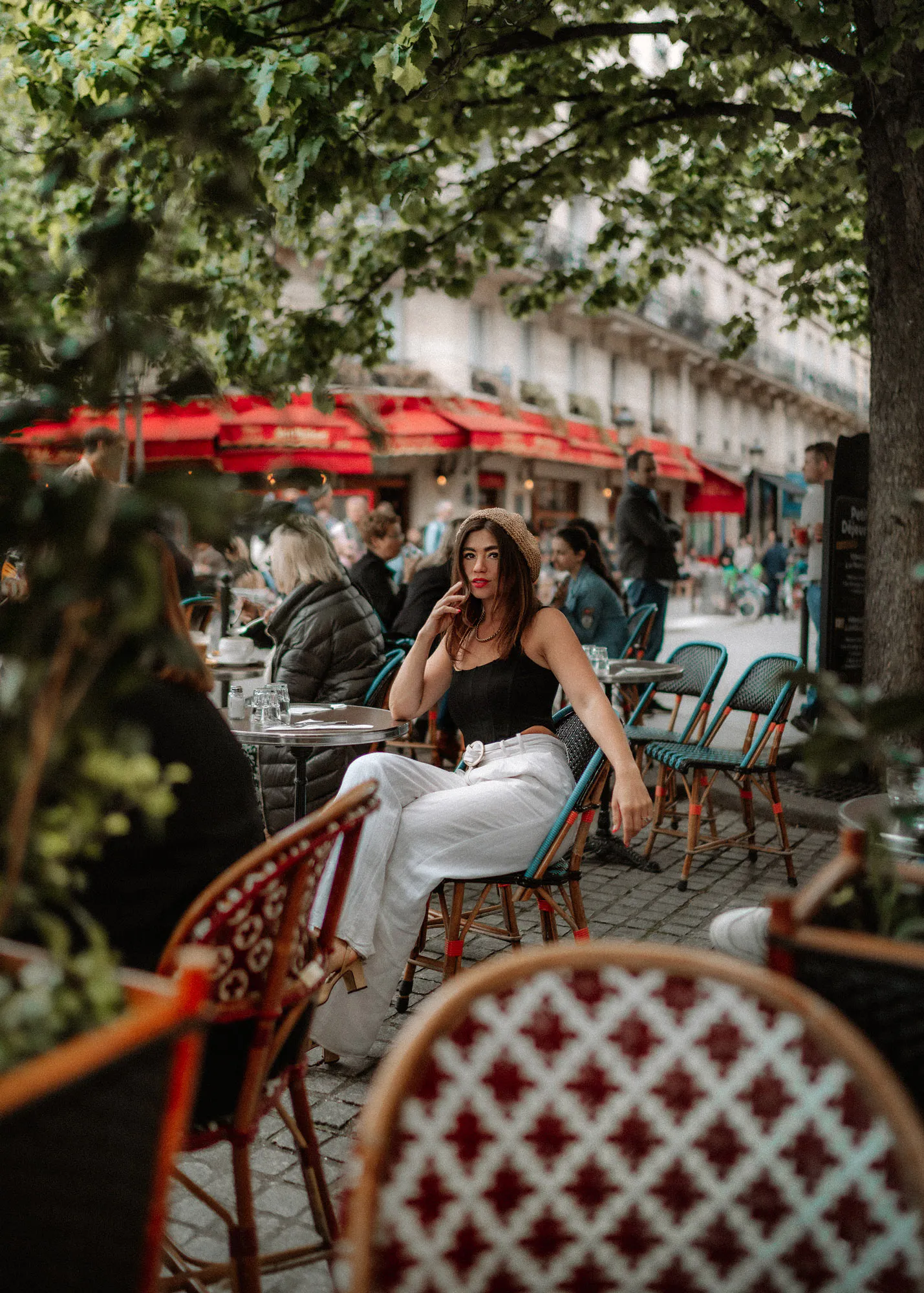
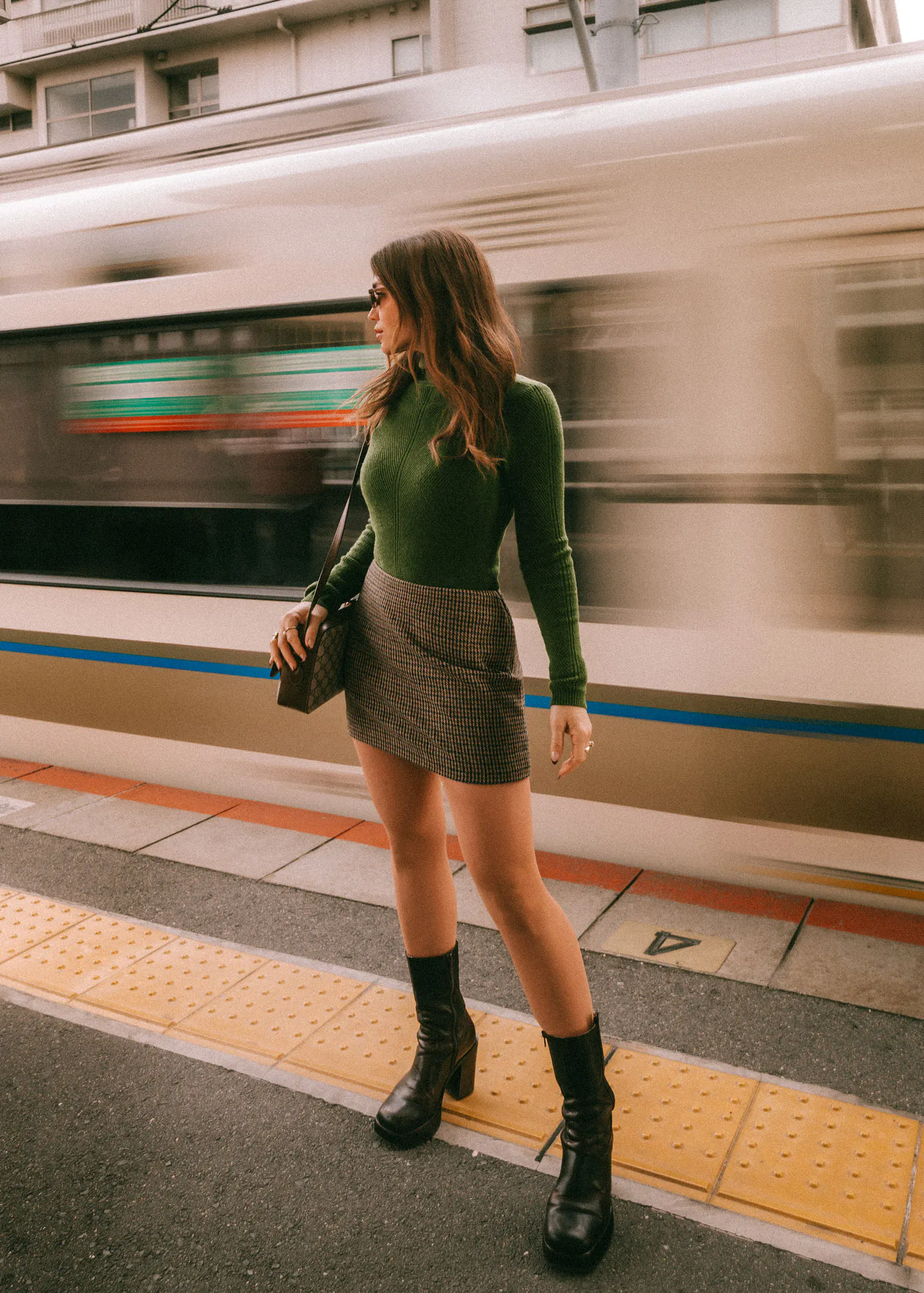
4. Invest More in Outerwear Than Trend Pieces
Outerwear determines the overall impression of an outfit more than almost any other category because it occupies the largest visual area during much of the year.
Even basic jeans and a white tee can look elevated with the right coat, blazer, or jacket. Cheap outerwear, on the other hand, tends to reveal itself quickly through poor tailoring, weak structure, pilling, and fabric deterioration.
The pieces that consistently earn their cost-per-wear include:
- Wool overcoats
- Classic trench coats
- Leather jackets
- Structured blazers
- Minimal quilted jackets
- Lightweight transitional coats
- Oversized neutral scarves
A well-fitted blazer remains one of the fastest ways to make casual clothing appear more intentional. The current shift toward relaxed tailoring also makes blazers easier to wear casually with denim, sneakers, leggings, or lounge pieces without looking overly corporate.
For colder months or frequent flights, longer coats also create a practical advantage because they layer more comfortably over sweaters and provide better warmth without requiring excessive bulk underneath.
5. Use Accessories to Change Repetitive Outfits
Most people dramatically underestimate how much accessories affect outfit repetition. A relatively small wardrobe can feel substantially larger when accessories shift the overall styling direction.
Instead of buying entirely new outfits constantly, strategic accessories create variation with far less expense and clutter.
The highest-impact accessories generally include:
- Structured tote bags
- Neutral crossbody bags
- Oversized sunglasses
- Gold or silver jewelry staples
- Leather belts
- Silk scarves
- Baseball caps
- Minimal watches
Bags deserve particular attention for people constantly moving throughout the day. Oversized totes remain popular because they handle laptops, water bottles, beauty products, chargers, airport essentials, and everyday overflow without forcing a second bag.
Crossbody bags continue dominating travel and city dressing because they distribute weight more comfortably while keeping essentials accessible and secure in crowded environments.
6. Prioritize Clothing That Travels Well
Many wardrobes fail during travel because pieces wrinkle instantly, require complicated styling, or only work for one type of activity.
The best travel wardrobes rely heavily on interchangeable layers, repeatable color palettes, and fabrics that maintain shape after long flights or full days outside.
Before buying new clothing, it helps to ask whether the piece can realistically:
- Work with at least three existing outfits
- Transition between daytime and evening
- Handle extended walking comfortably
- Pack without excessive wrinkling
- Layer in changing temperatures
- Photograph well repeatedly
- Stay comfortable during long wear
The growing popularity of elevated basics reflects broader consumer fatigue around disposable fashion and overconsumption. People increasingly want wardrobes that function efficiently across real life rather than wardrobes designed primarily for social media novelty.
Clothing that survives repeated use without constant maintenance ultimately becomes more affordable despite higher upfront pricing.
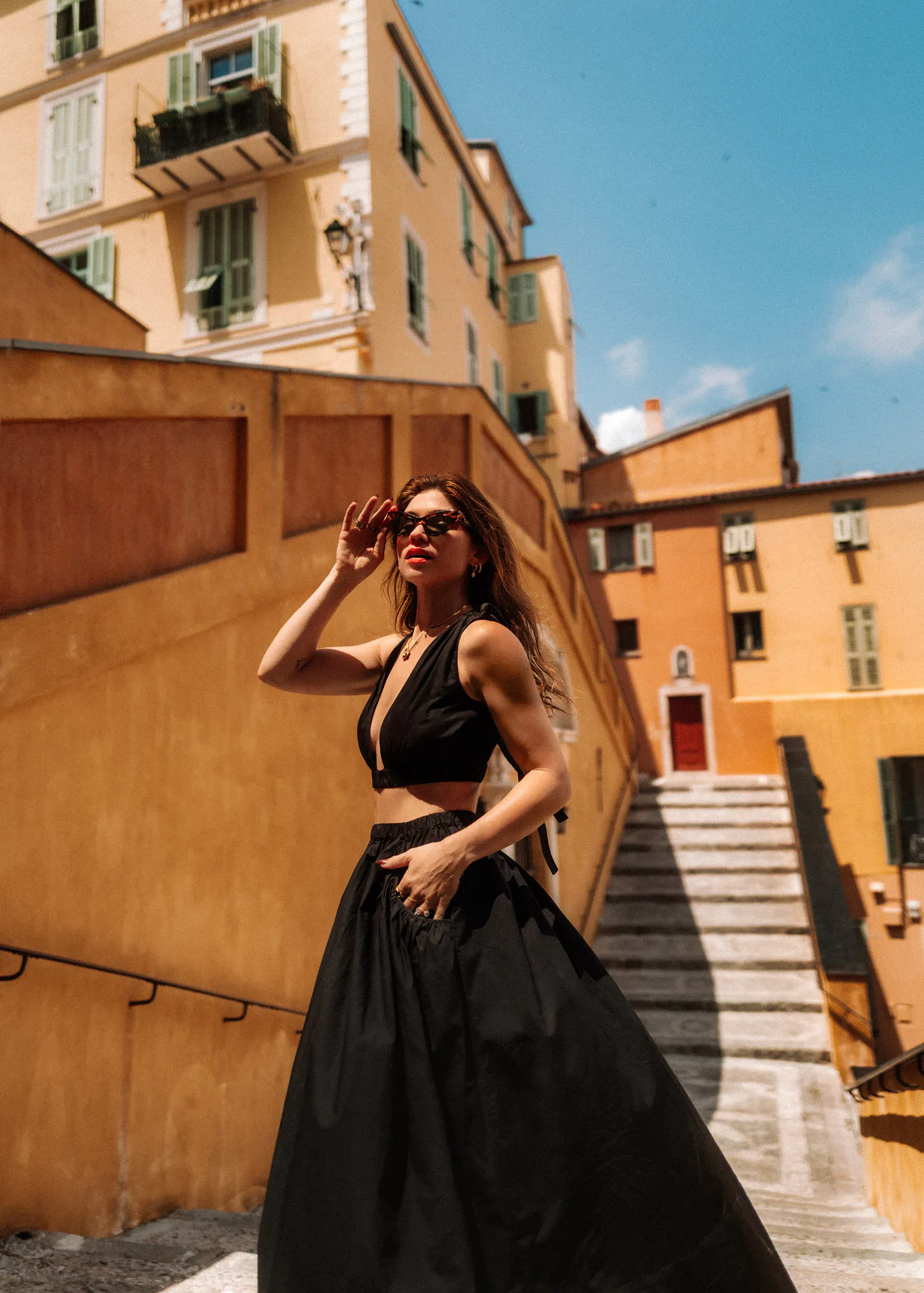
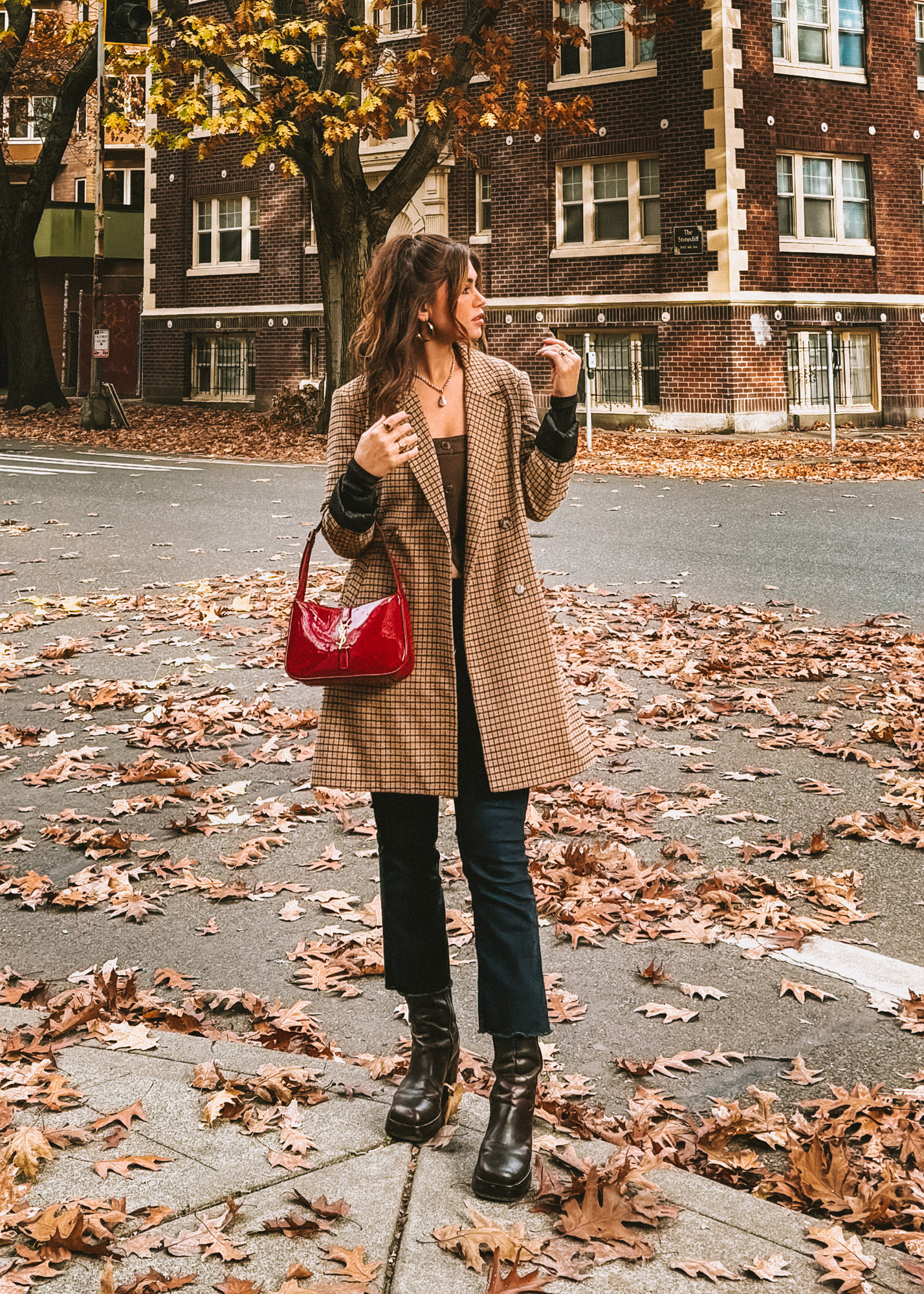
7. Focus on Fit Above All
Even expensive clothing looks mediocre when the fit feels off. Proper proportions create far more visual impact than trend alignment.
Sleeve length, waist placement, shoulder fit, inseam length, fabric drape, and shoe proportions all influence whether an outfit appears polished or unfinished. Small tailoring adjustments often improve clothing more dramatically than buying entirely new pieces.
Oversized silhouettes remain popular, although balance matters. Pairing relaxed trousers with oversized knits, oversized coats, bulky sneakers, and oversized bags simultaneously can overwhelm the body visually. The strongest outfits usually balance volume with structure somewhere else.
Current fashion trends also lean heavily toward longevity over hyper-trend cycles. Consumers increasingly prioritize:
- Timeless silhouettes
- Higher-quality fabrics
- Versatile neutrals
- Rewearability
- Comfortable tailoring
- Investment accessories
- Functional layering pieces
That shift has made practical wardrobes feel substantially more modern rather than less fashionable.
Clothing That Simplifies Daily Life Usually Gets Worn the Most
The most useful wardrobes rarely look excessive. They feel cohesive, functional, adaptable, and easy to rely on regardless of whether the day includes commuting, flights, meetings, long walks, dinner reservations, or simply trying to get through an overloaded schedule without wasting mental energy on clothing decisions.
When every piece layers well, fits properly, and handles real life comfortably, getting dressed becomes faster and noticeably less stressful. The result usually looks more polished too, largely because consistency and practicality tend to create a stronger personal style than constantly chasing new trends.