23 Best Beaches in Maui, Hawaii for Swimming, Snorkeling, and Scenic Views (With Map)
From crystal clear waters to red sand and black sand beaches, Maui has some of the most beautiful and unique beaches in Hawaii. Everything you need to know, including parking, walking distance, and ocean conditions, and separated into West Maui, Central Maui, and along the Road To Hana - I have done all the planning for you- with a downloadable Google Map!
+ Want to save every spot easily? Scroll to the bottom of this post for a downloadable Google Map! +
The Best West Maui Beaches
1. Kaʻanapali Beach
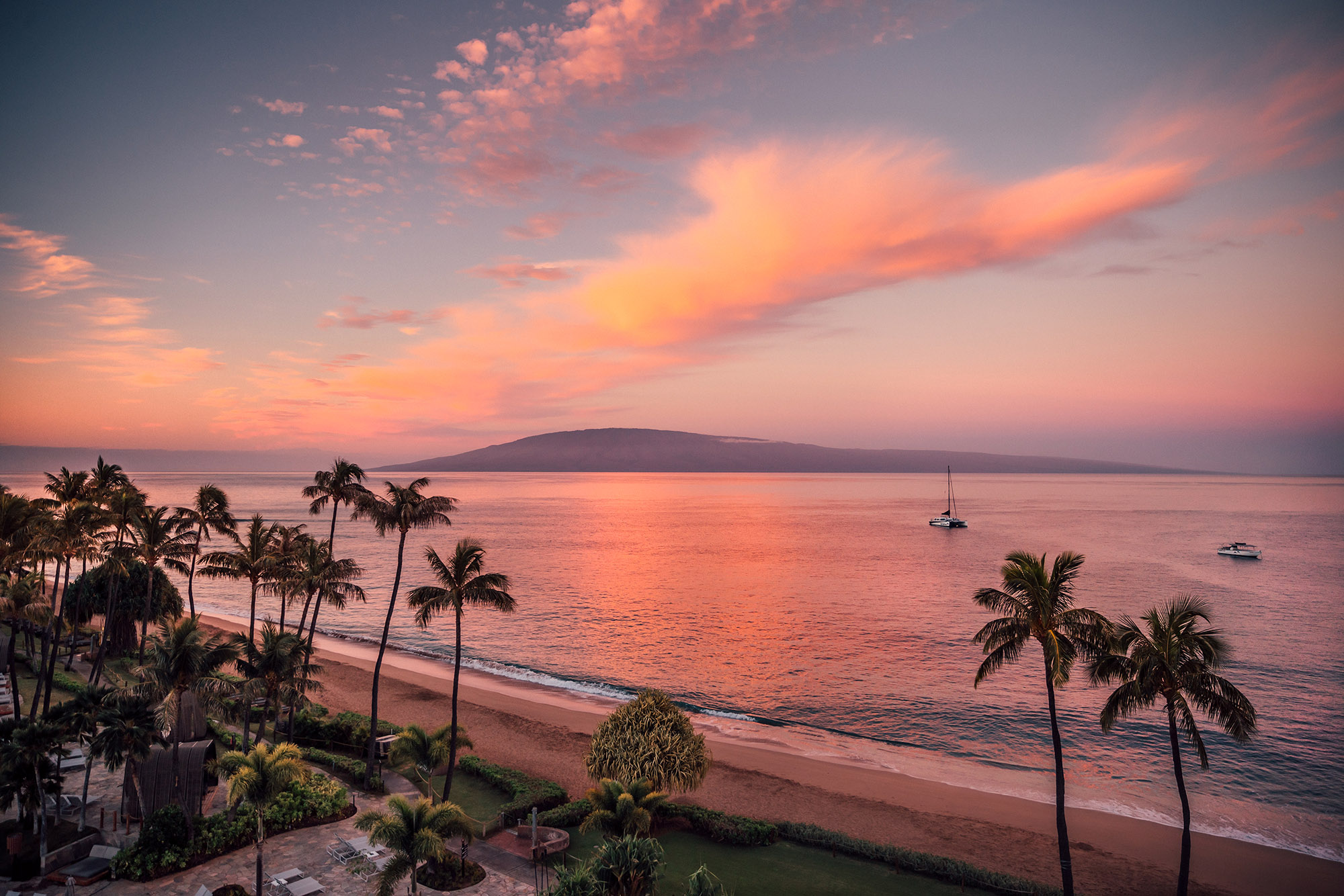
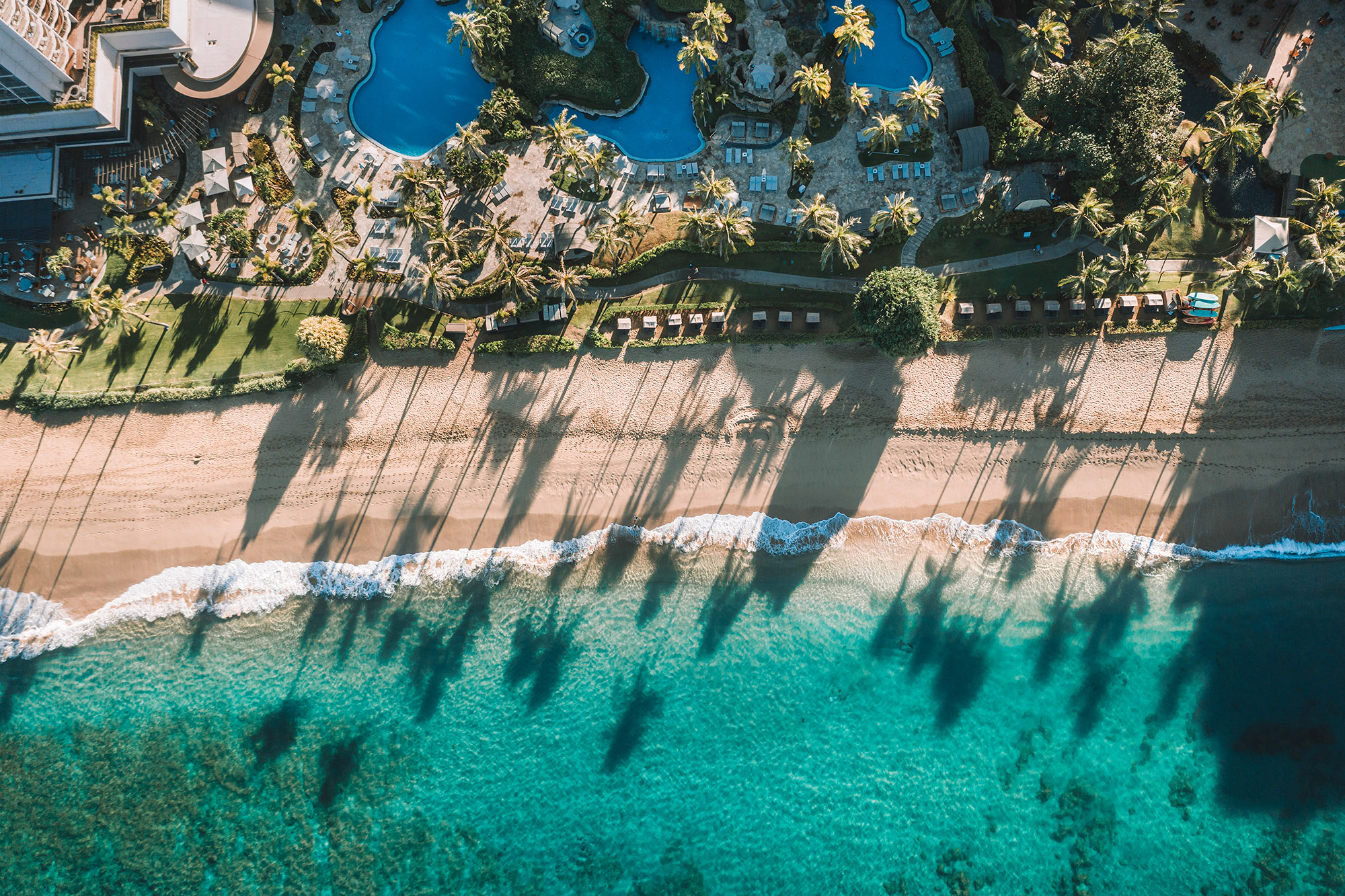
Kaʻanapali Beach, and the collection of resorts and condos, spans multiple zones with noticeably different conditions depending on location. Areas near Black Rock offer better snorkeling due to underwater structure, while central sections are better suited for swimming and paddle activities. The steady presence of commercial operators means the water can feel busy, particularly during midday hours.
- Parking: Paid parking at Whalers Village and resort garages
- How to reach: Beach access via public walkways throughout the resort area
- Ocean conditions: Varies by section and season
- Known for: Long beach walks, snorkeling near Black Rock, beachfront dining
- Hazards: Boat traffic near activity zones
2. Honolua Bay
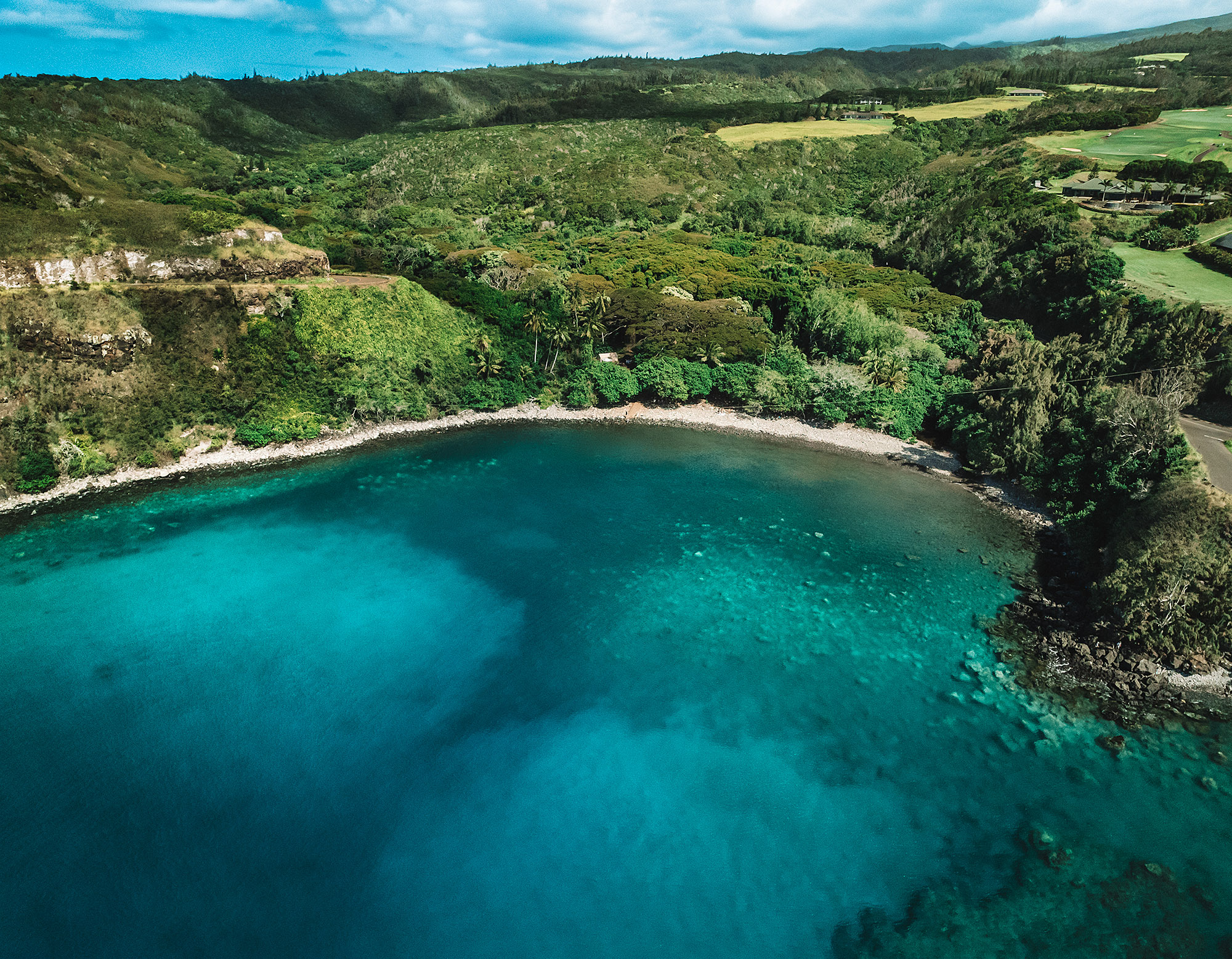
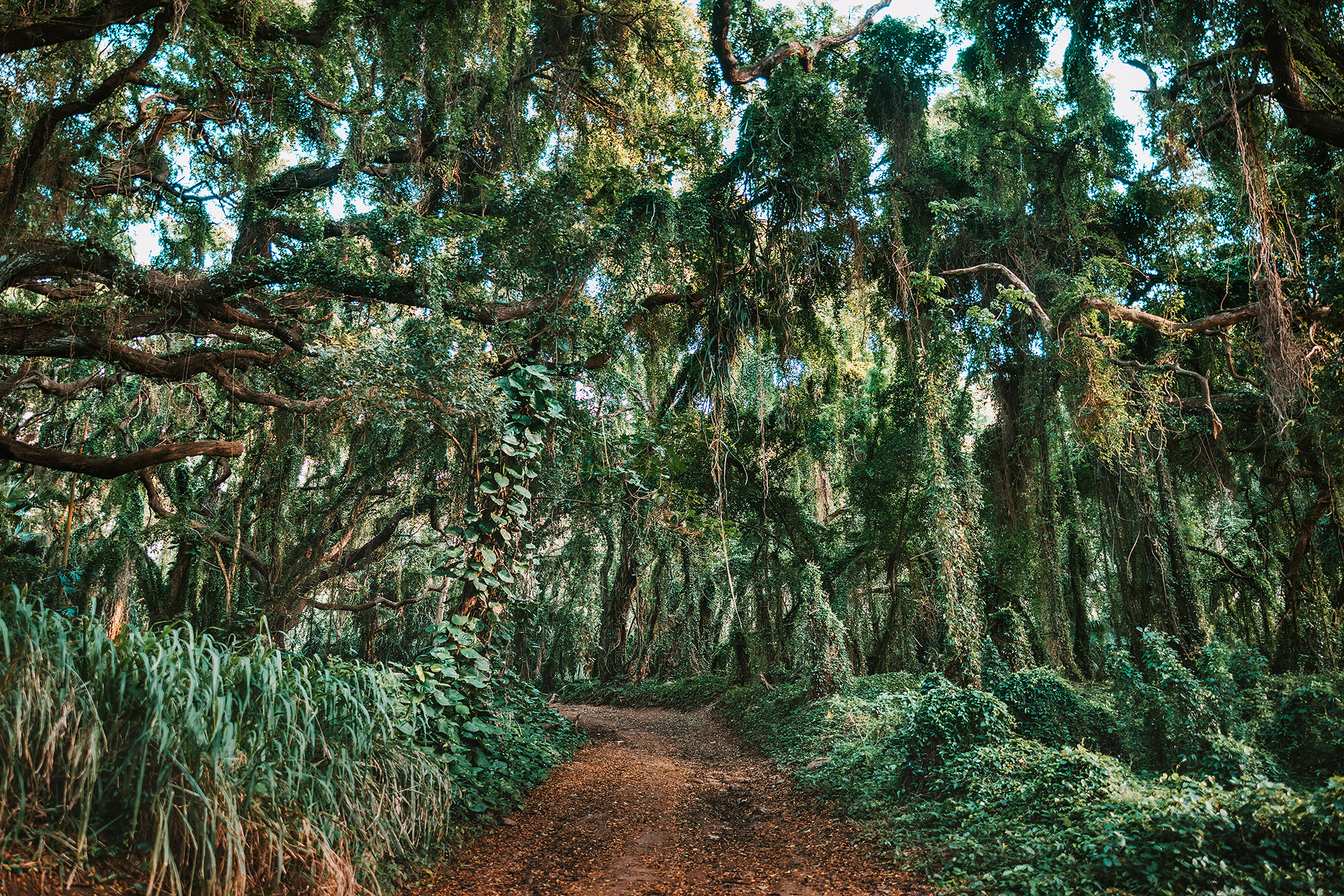
Honolua Bay sits within a marine conservation district north of Kapalua and is widely regarded as one of Maui’s most reliable snorkeling locations during summer months, when swells are lower and visibility improves. The surrounding cliffs and forested access trail create a sense of separation from nearby development, which contributes to its reputation for healthier coral and fish populations. Because there are no facilities or lifeguards, this beach rewards preparation and conservative judgment, particularly when conditions shift.
- Parking: Free roadside parking along Honoapiʻilani Highway near the Honolua Bay access trail
- How to reach: Park along the highway and follow the dirt trail through the forest to the shoreline
- Ocean conditions: Calm and clear in summer; strong swells and currents in winter
- Known for: Snorkeling, coral health, winter surf breaks
- Hazards: No lifeguards, sharp rocks, surge during high swell days
3. Punalau Beach
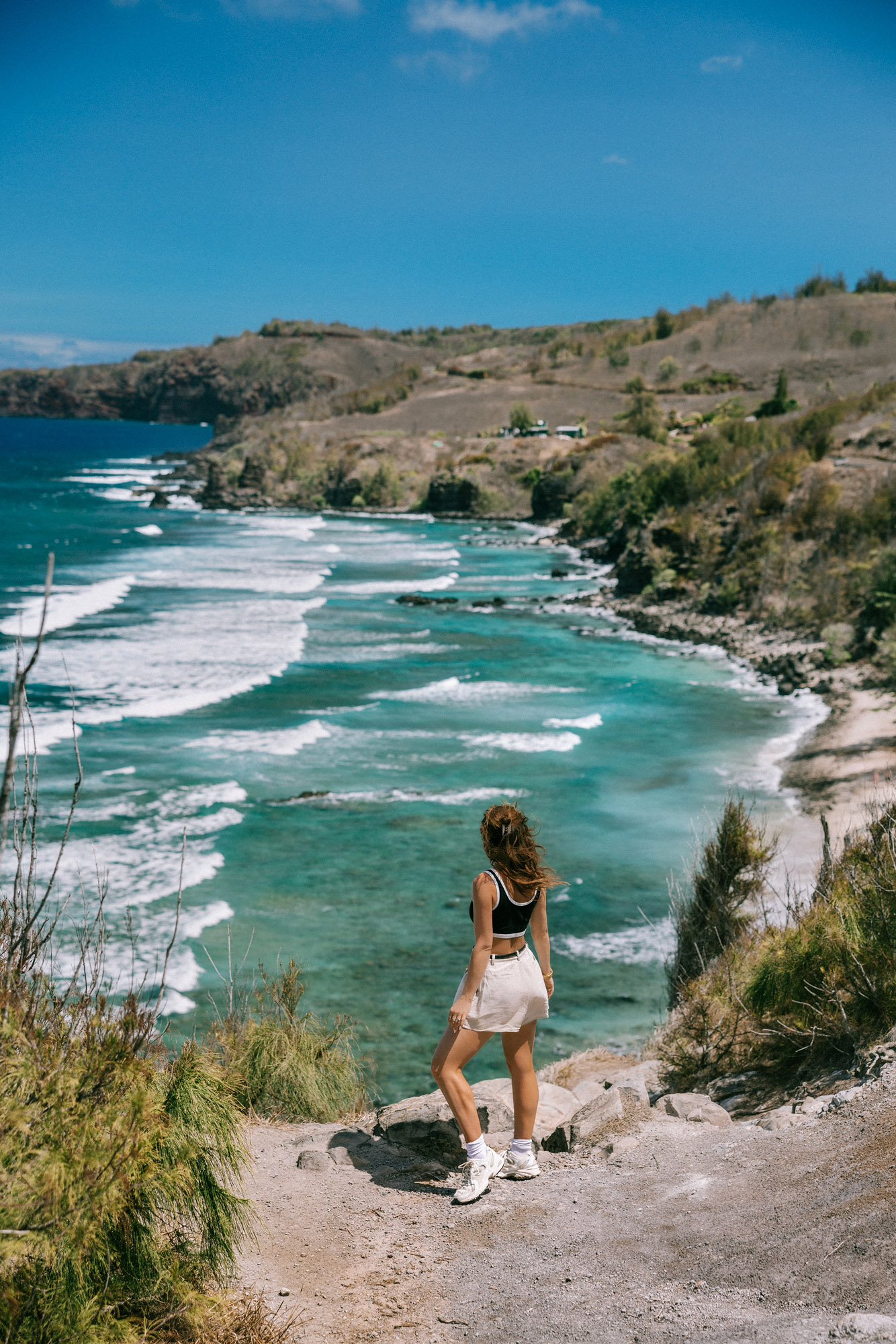
Punalau Beach stretches longer than many neighboring coves, giving it a more open and less contained feel. While it does not offer the same protected swimming conditions as nearby bays, it appeals to those looking for space and minimal infrastructure. Afternoon winds are common, which can roughen the surface quickly even on otherwise calm days.
- Parking: Free roadside parking near the beach access
- How to reach: Short walk from pull-off areas along the coastal road
- Ocean conditions: Variable, with stronger currents during high surf
- Known for: Open views, quieter atmosphere, shoreline walks
- Hazards: No lifeguards and limited shade
4. Fleming Beach
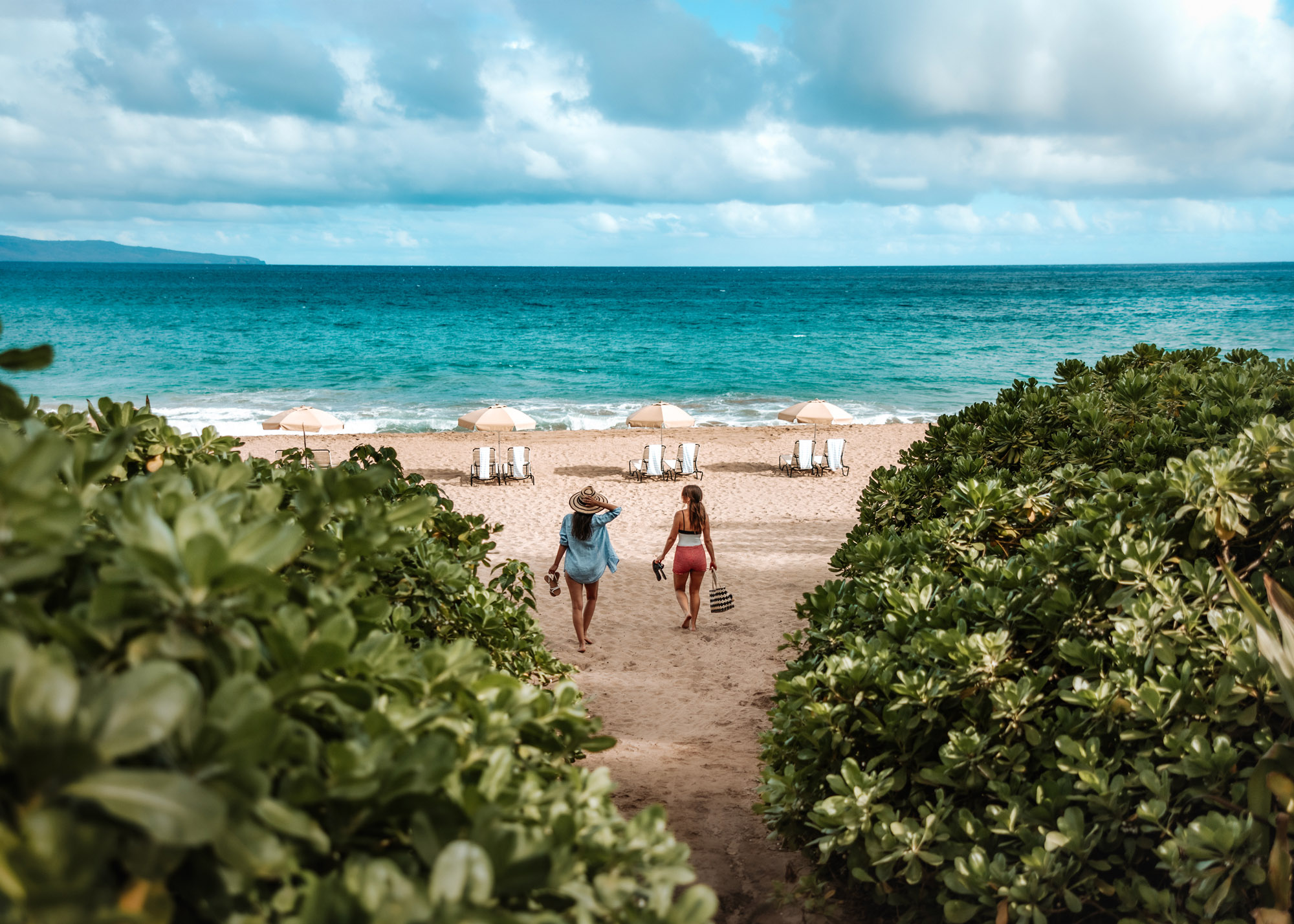
Fleming Beach sits in front of the Ritz Carlton Kapalua (but all beaches in Hawaii are legally required to provide and allow public access), slightly elevated above the waterline, which contributes to stronger shore break compared to neighboring Kapalua-area beaches. The wide sand and maintained facilities make it appealing for long beach days rather than extended swimming sessions. Conditions can shift quickly, and the water is often more powerful than it appears from shore.
- Parking: Free paved parking lot at Fleming Beach Park
- How to reach: Clearly marked entrance off Lower Honoapiʻilani Road
- Ocean conditions: Often rougher than nearby bays
- Known for: Bodyboarding, beach walks, scenic sunsets
- Hazards: Strong shore break and rip currents at times
5. Kapalua Bay Beach
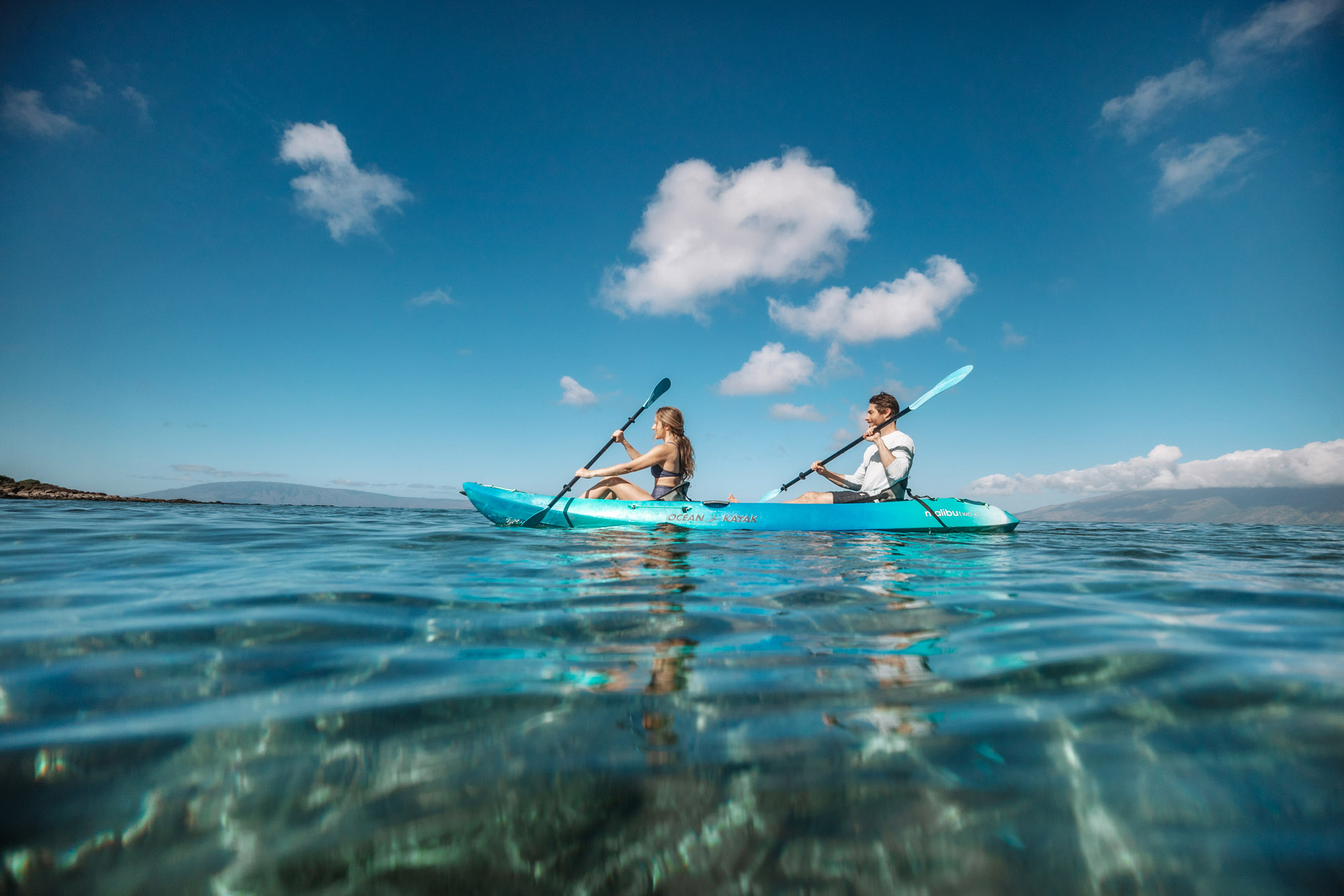

Kapalua Bay’s lava rock points create a natural buffer from open-ocean swells, which is why it consistently ranks among Maui’s most dependable snorkeling beaches. The sandy bottom and gradual depth change allow for longer water time without immediately encountering a surge. Because of its accessibility and conditions, this beach becomes crowded early, particularly when parking fills.
- Parking: Paid parking lot near the Kapalua Coastal Trail, with limited street parking
- How to reach: Short walk from the public parking area
- Ocean conditions: Calm in summer, moderate in winter
- Known for: Snorkeling, reef fish, clear water
- Hazards: Crowding and limited parking availability
6. Pohaku Park
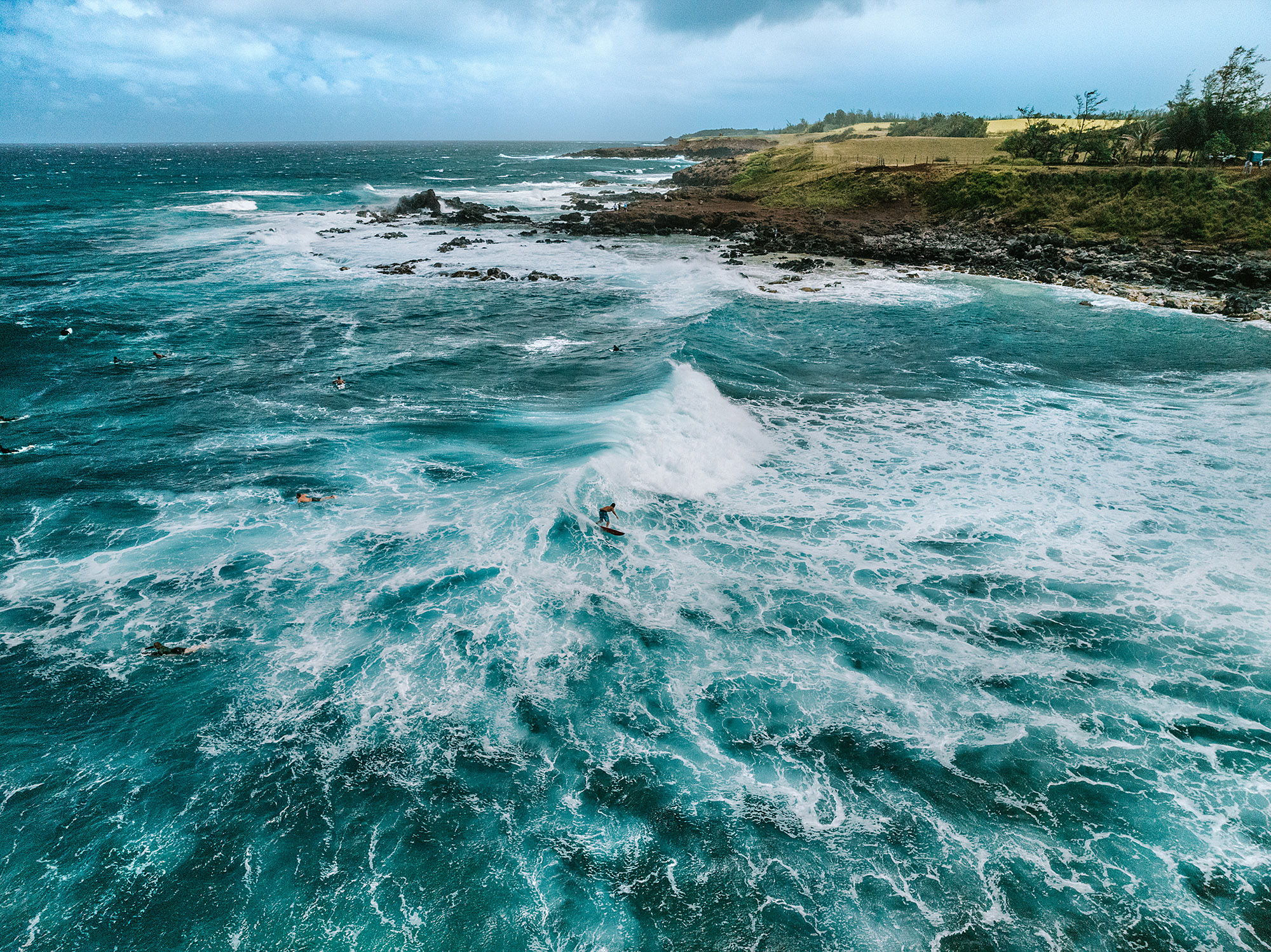
Pohaku Park is shaped more by surf culture than casual beach use, with rocky entry points and consistent wave energy. It is commonly used as a visual lookout rather than a swimming beach, particularly when surf is up. Visitors often stop briefly rather than settling in for extended time.
- Parking: Free roadside parking near the highway
- How to reach: Short walk from pull-off areas
- Ocean conditions: Typically rough
- Known for: Surf breaks and ocean views
- Hazards: Strong currents and sharp rocks
7. Olivine Pools

The Olivine Pools area is a striking stretch of volcanic coastline known for its dramatic rock formations and exposed ocean views. The pools themselves are naturally carved into lava rock, and conditions can vary significantly depending on swell direction, tide, and weather. While the area is often discussed for its visual appeal rather than water access, ocean surges here can change quickly, and the surrounding rock provides little buffer from incoming waves, so careful judgment and restraint are essential when exploring this section of the coast.
- Parking: No designated parking
- How to reach: Unofficial trails from the highway
- Ocean conditions: Extremely dangerous
- Known for: Volcanic rock formations
- Hazards: Rogue waves, slippery rocks, always be extra cautious swimming in tidepools
8. Mokuleʻia Beach / Slaughterhouse Beach
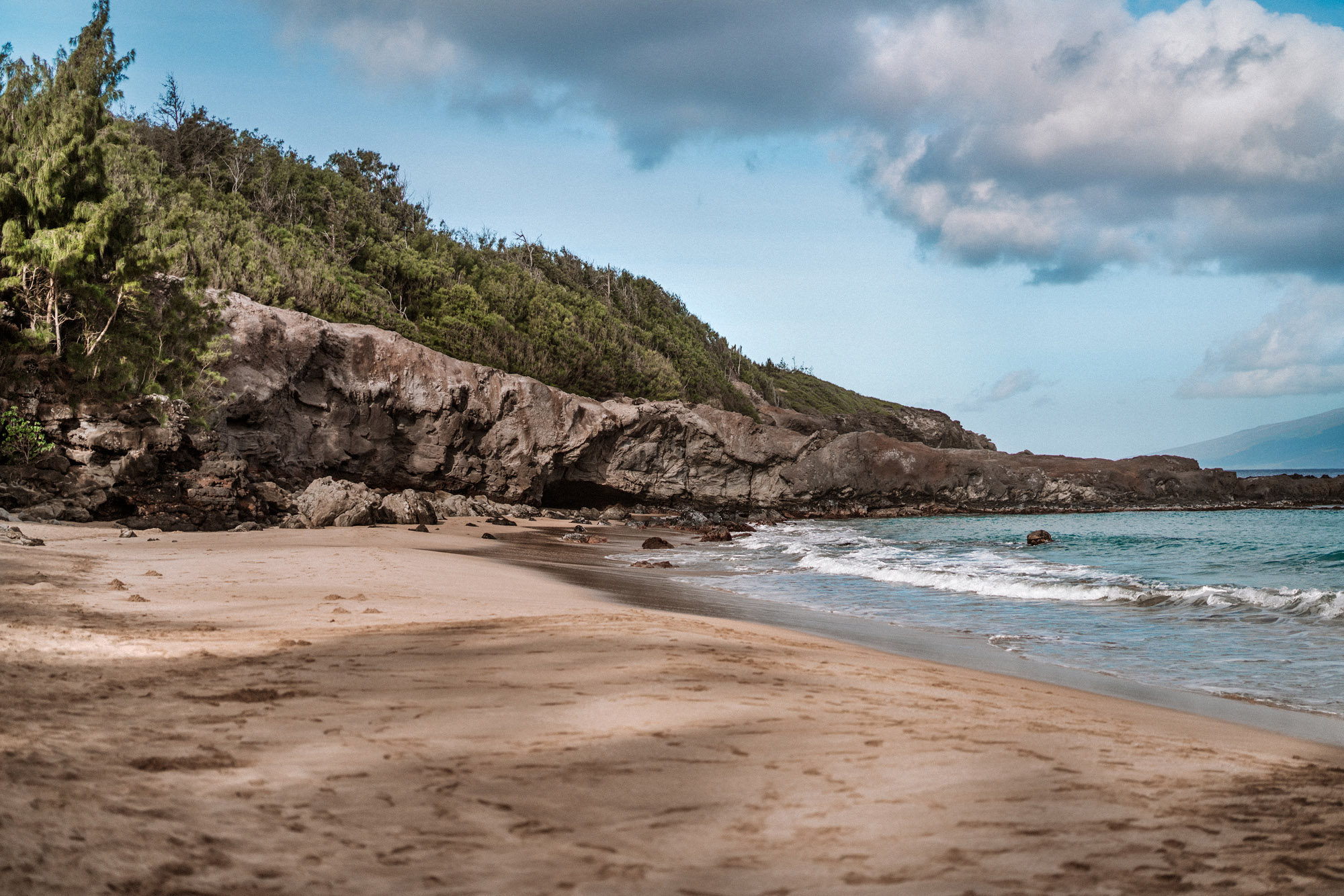
Mokuleʻia Beach’s exposure to wind and swell gives it a raw, open character that differs sharply from Kapalua-area bays. The shoreline is better suited to walking and observation than water entry. On clear days, views toward neighboring islands become a primary draw.
- Parking: Limited roadside parking
- How to reach: Short walk from highway pull-offs
- Ocean conditions: Rougher, with strong winds
- Known for: Seclusion and scenery
- Hazards: Wind exposure and uneven footing
9. Dragon’s Teeth

Dragon’s Teeth is part of a protected coastal zone where erosion has shaped jagged lava formations over time. While the area is visually striking, it is not intended for water access and should be treated as a scenic stop rather than a beach destination. Conditions here change rapidly with tide and swell.
- Parking: Paid parking near Kapalua Bay
- How to reach: Walk the coastal trail
- Ocean conditions: Not suitable for swimming
- Known for: Lava formations and photography
- Hazards: Sharp lava rock and wave splash
10. Oneloa Beach
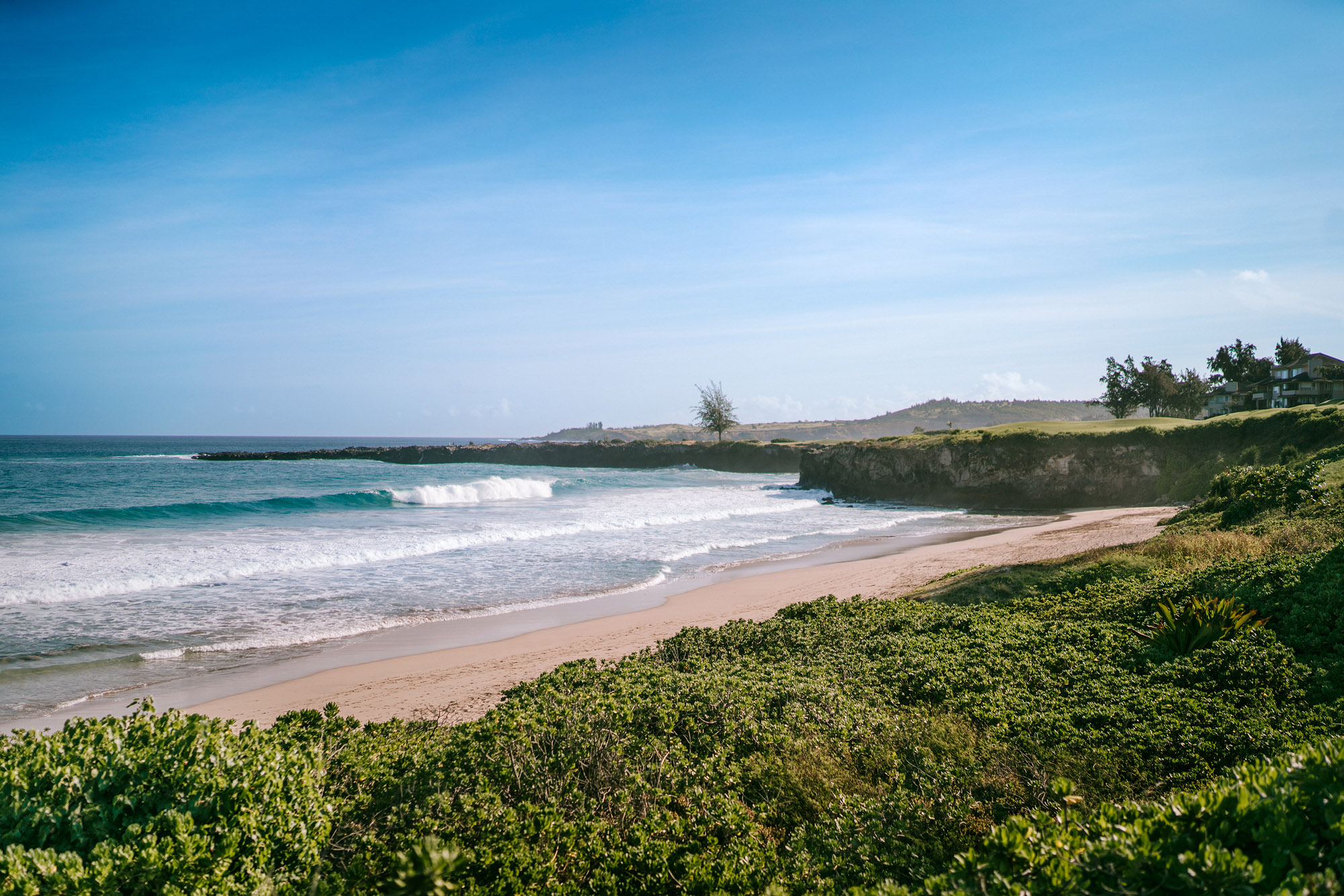
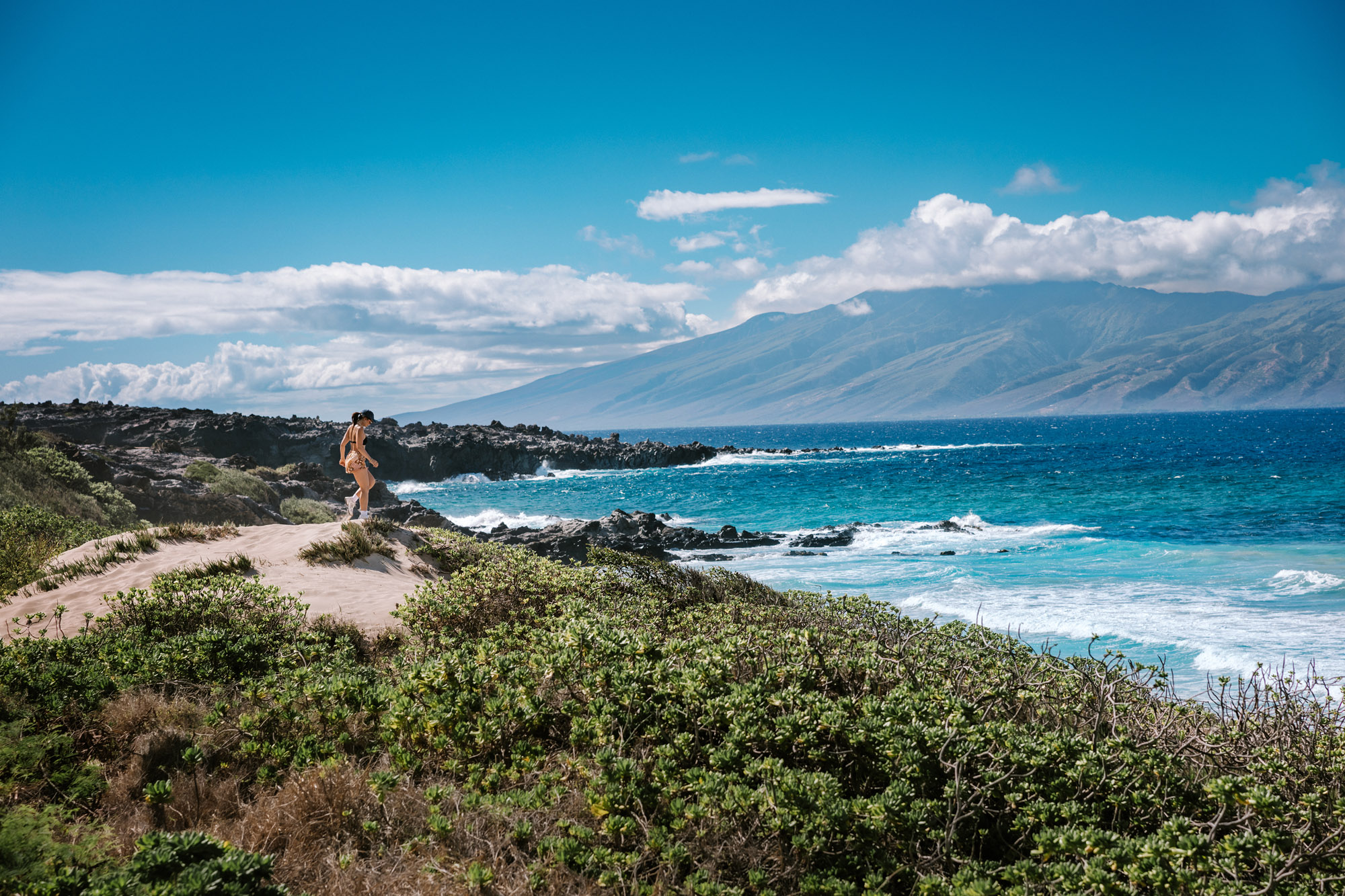
Oneloa Beach is a shockingly empty beach for how beautiful it is. Along the Kapalua Coastal Trail, the beach pops up long and exposed, often experiencing steady trade winds that discourage calm swimming conditions. The shoreline works well for extended walks, especially early in the day before wind intensifies. Despite its size, it rarely feels crowded due to limited water activity.
- Parking: Free parking at Ironwoods access
- How to reach: Paved path from parking area
- Ocean conditions: Often windy with strong surf
- Known for: Lengthy shoreline and views
- Hazards: Strong currents and limited shade
11. Napili Bay

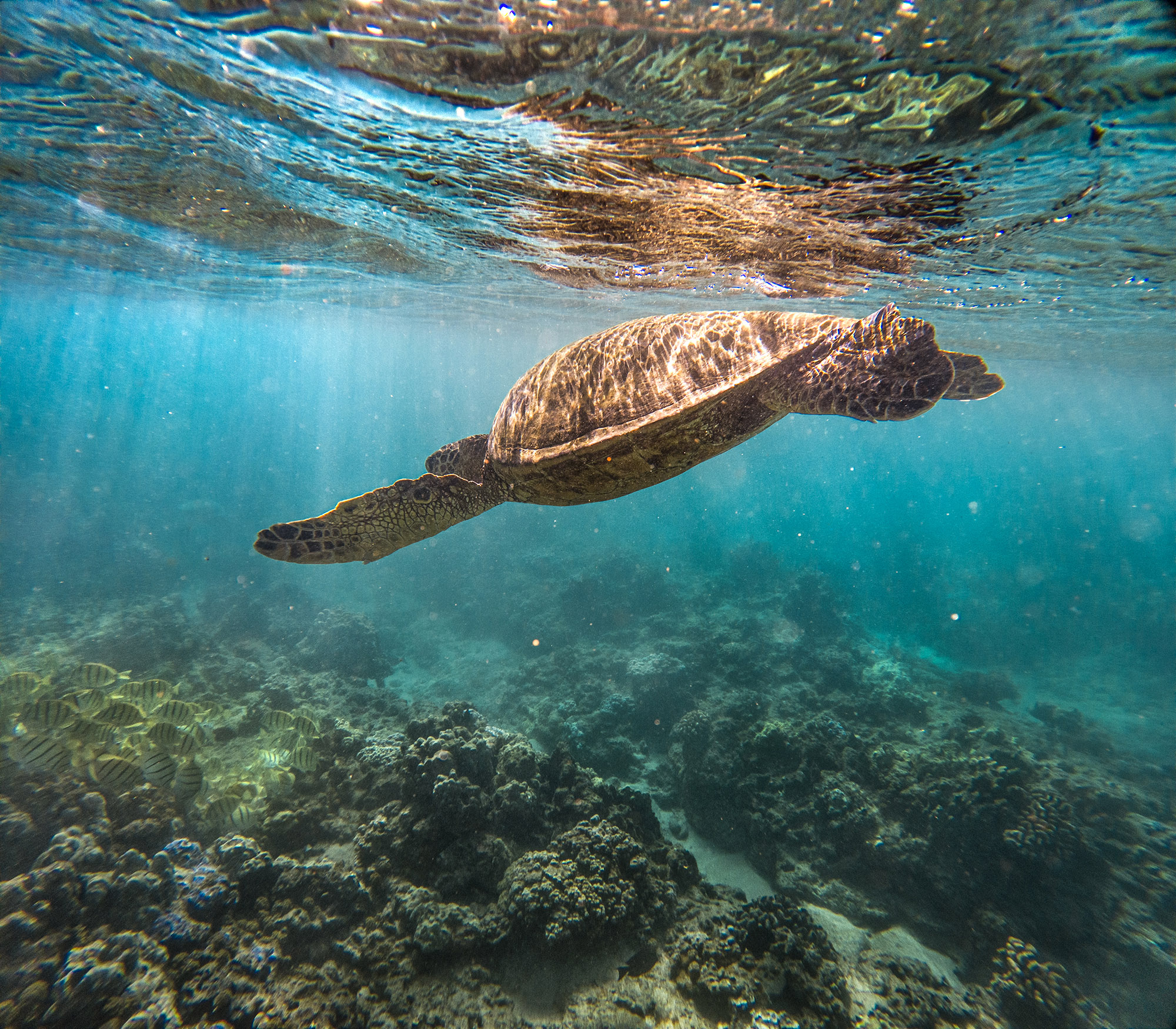
Napili Bay’s curved shoreline naturally dampens wave energy, creating more consistent swimming conditions compared to much of West Maui. The sandy entry makes it approachable for longer water sessions, while rocky edges on both sides support light snorkeling when visibility cooperates. Because it is bordered by residential streets and resorts, the bay fills quickly by midmorning, especially during peak travel seasons.
- Parking: Limited free parking along Napili Place and nearby residential streets
- How to reach: Direct beach access from the neighborhood and resort walkways
- Ocean conditions: Generally calm, though winter swells can increase wave activity
- Known for: Gentle entry, family-friendly swimming, seasonal sea turtle sightings
- Hazards: Limited parking and crowded conditions during peak hours
Central and South Maui Beaches
12. Ulua Beach
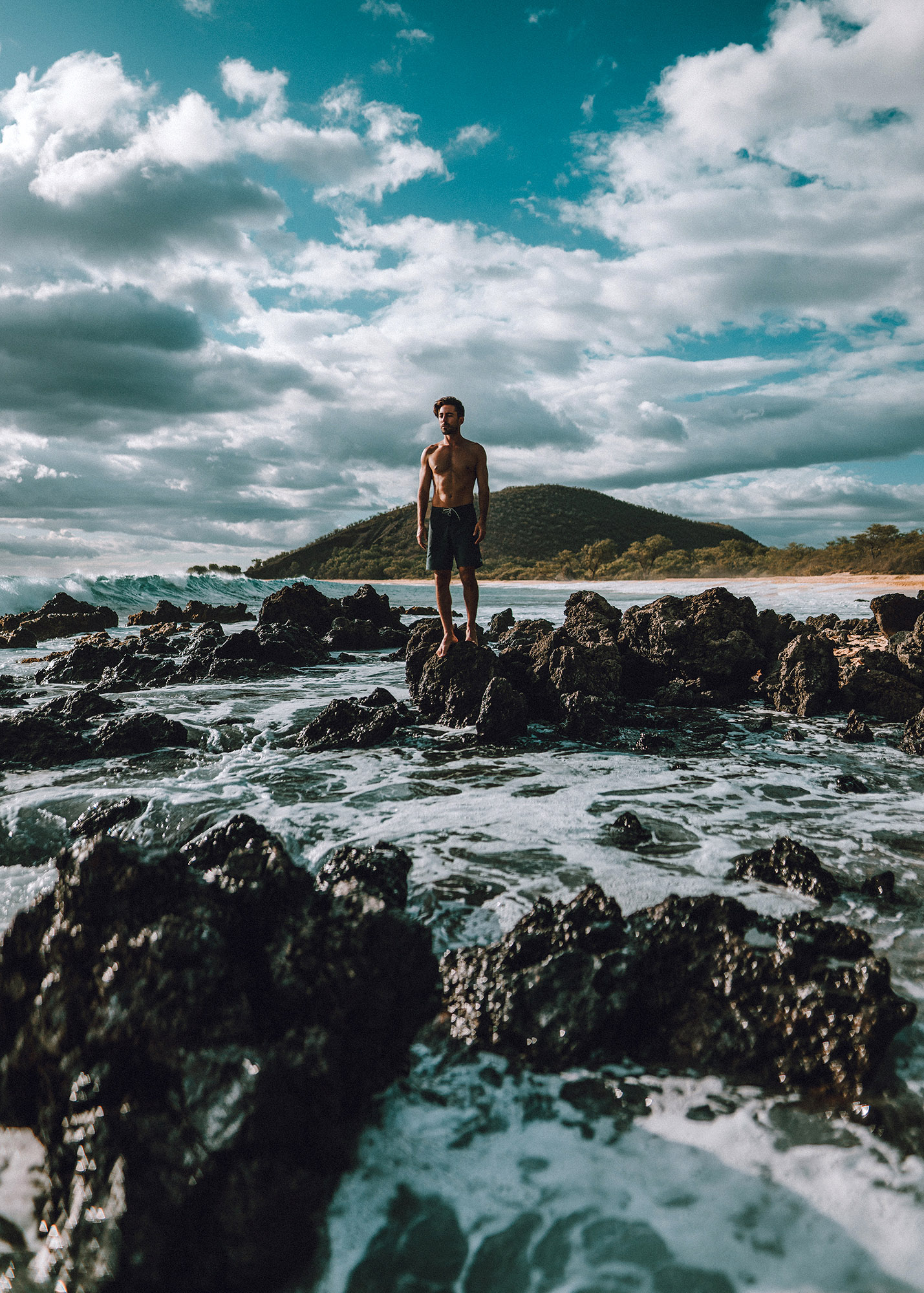
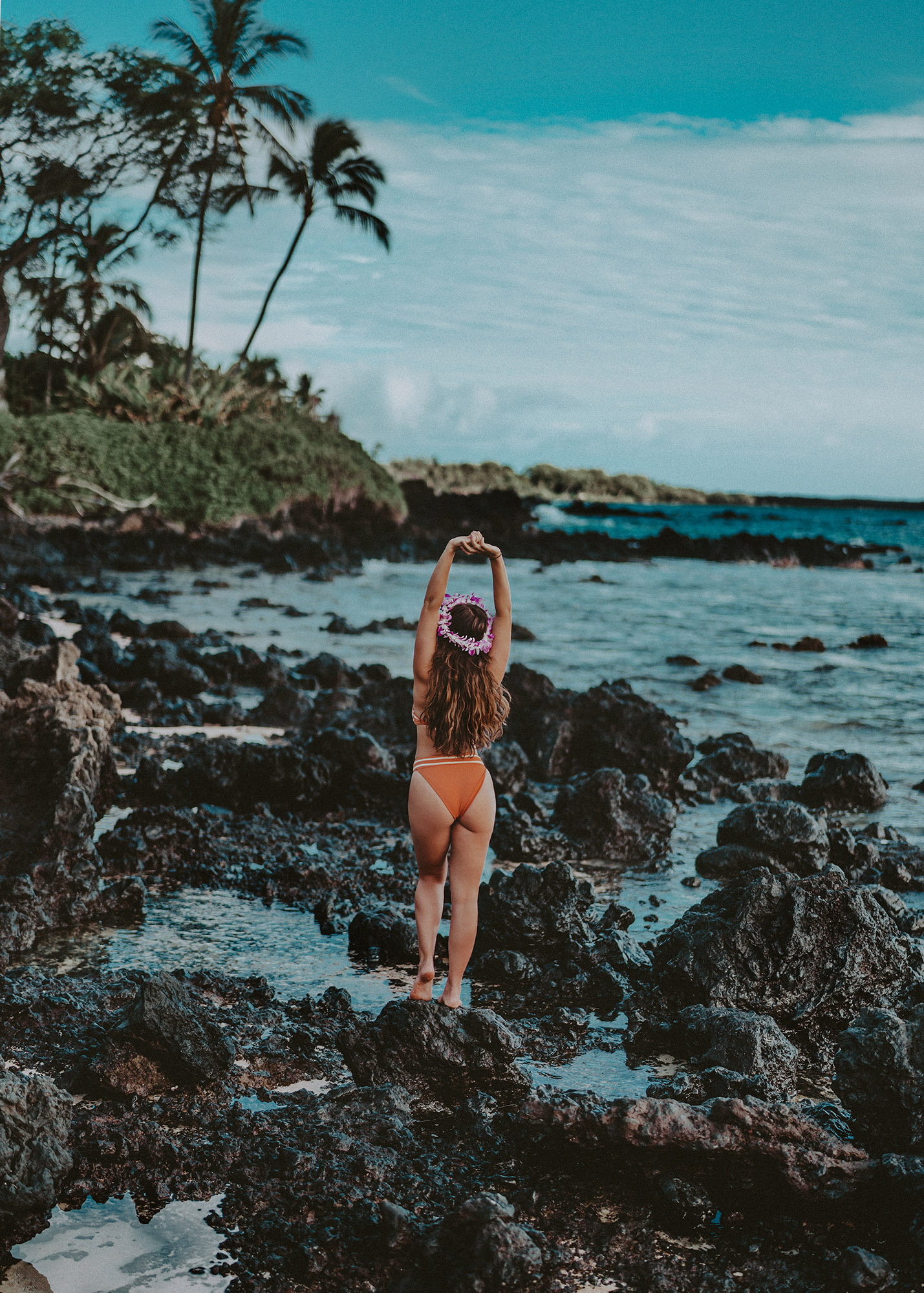
The edges of Ulua Beach have dramatic black lava rocks creating tide pools, but the cove consistently offers manageable conditions for snorkeling, particularly in the morning when wind is lower. The reef structure is accessible without long swims, which makes it popular with both divers and snorkelers. Facilities and access are straightforward, contributing to its steady popularity.
- Parking: Free parking lot with restrooms
- How to reach: Easy access from the lot
- Ocean conditions: Calm most mornings
- Known for: Snorkeling and dive entry
- Hazards: Crowding during peak hours
13. VOR Beach
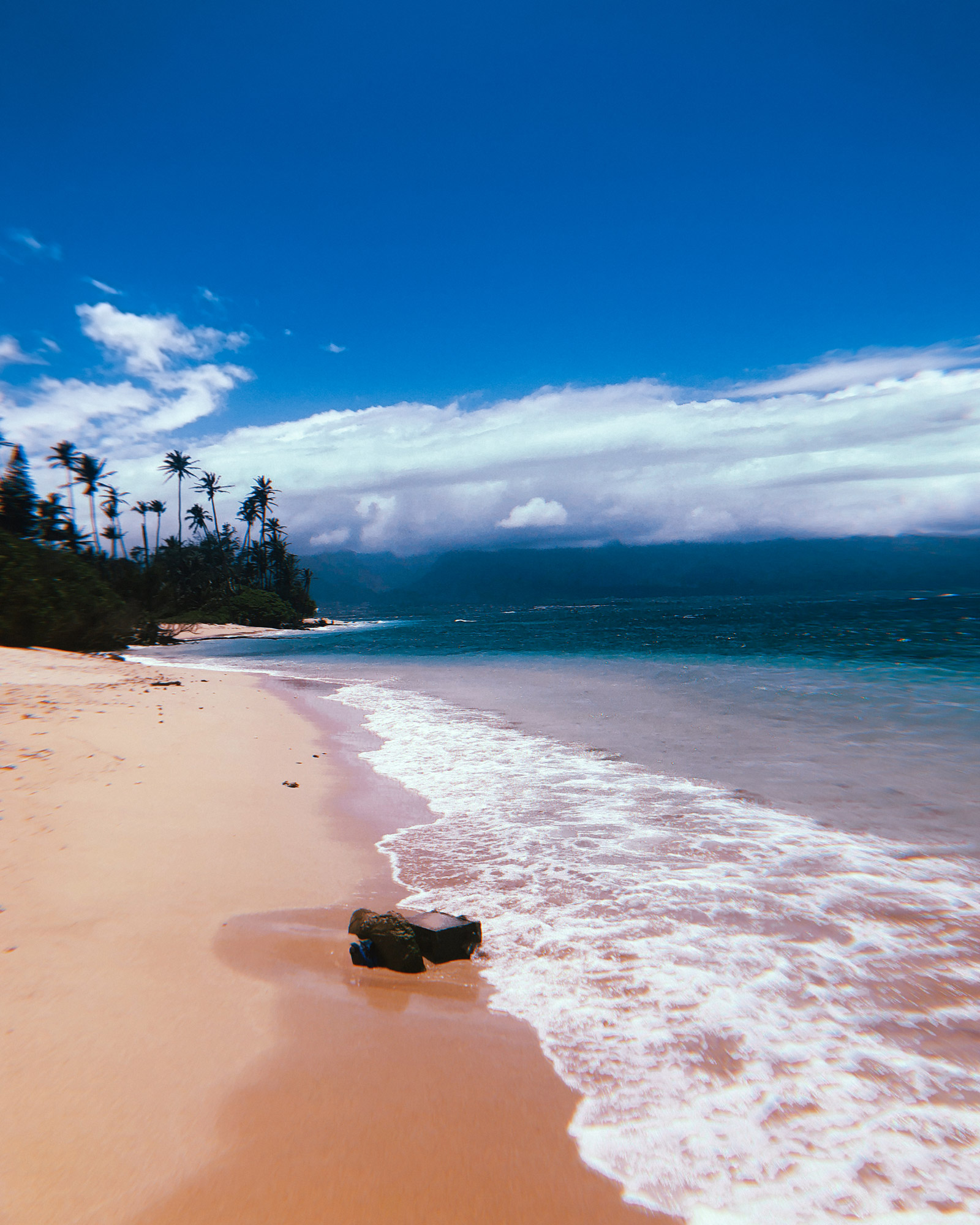
VOR Beach is shaped by its proximity to Kahului Airport and consistent wind patterns. While it lacks the visual appeal of other beaches, it plays a functional role for wind-based ocean sports. Swimming conditions are generally secondary to its use as a launch area.
- Parking: Free parking nearby
- How to reach: Short walk from roadside areas
- Ocean conditions: Windy with choppy water
- Known for: Windsports
- Hazards: Aircraft noise and strong winds
14. Ahihi Cove
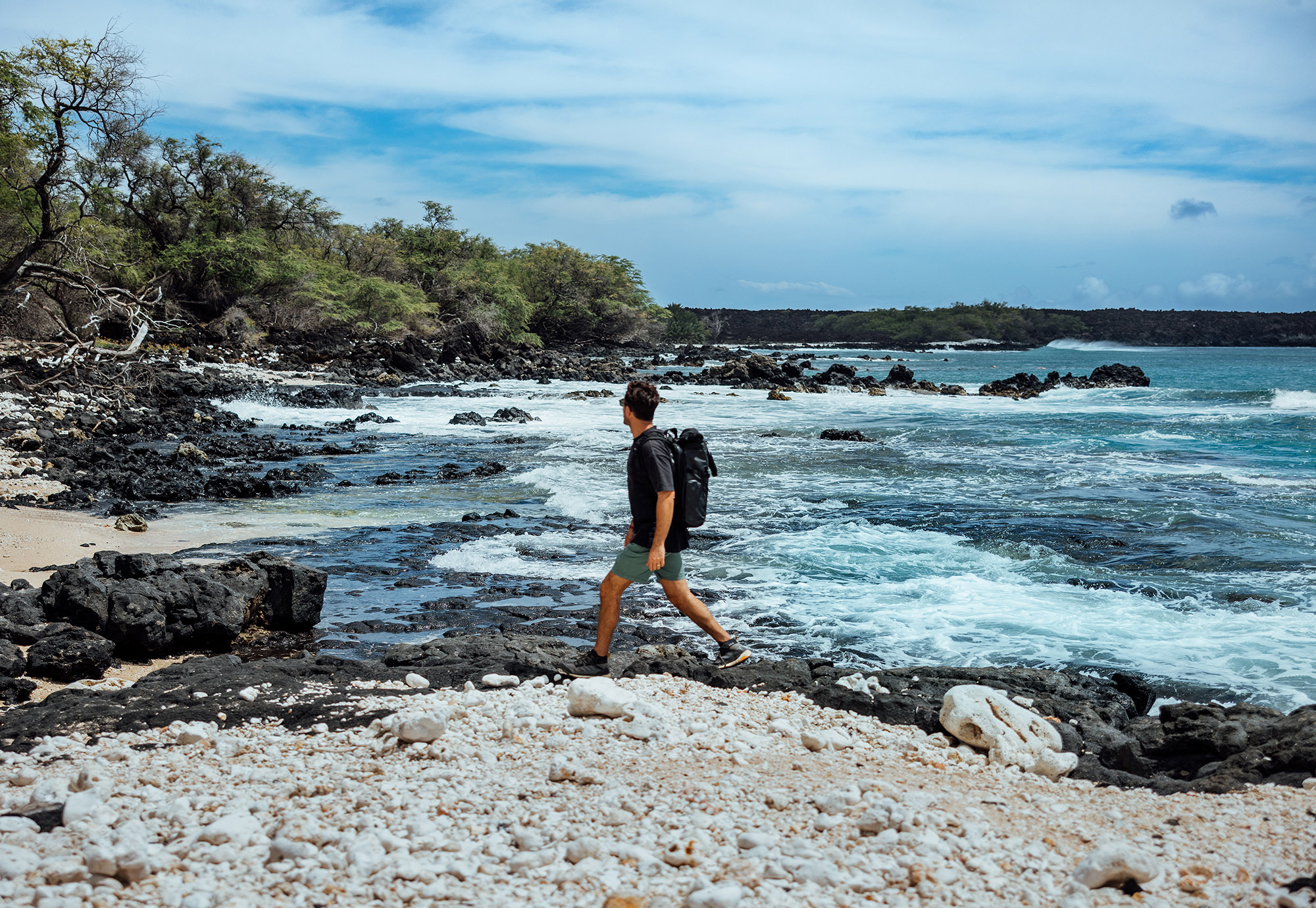
Ahihi Cove is one of the best beaches for snorkeling on Maui. Entry requires careful footing over lava rock, and conditions should be assessed closely before entering the water. The payoff is strong visibility when swell and wind align.
- Parking: Limited roadside parking
- How to reach: Walk-in access only
- Ocean conditions: Calm during low swell
- Known for: Marine life visibility
- Hazards: Entry over lava rock
15. Makena Beach / Big Beach
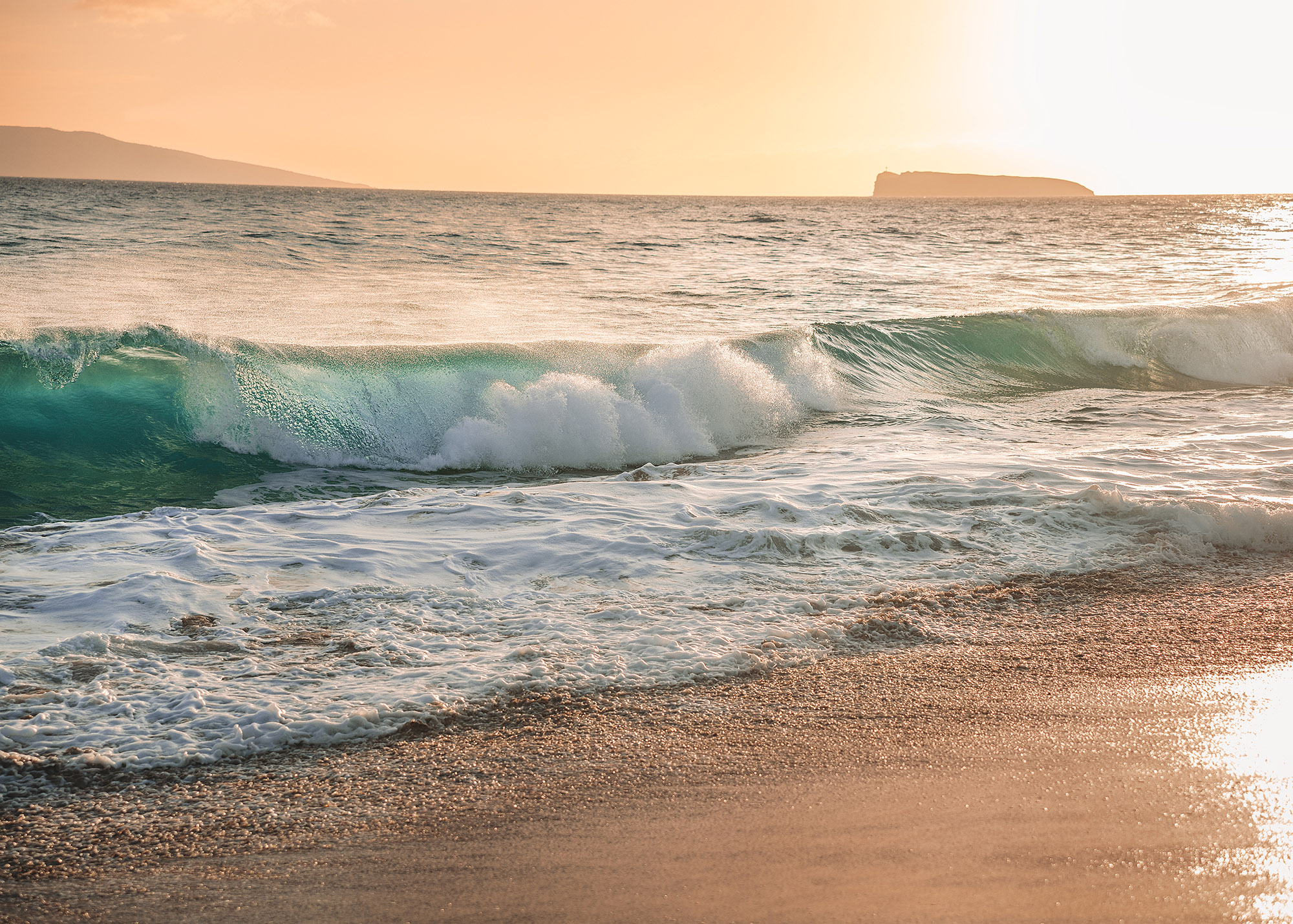
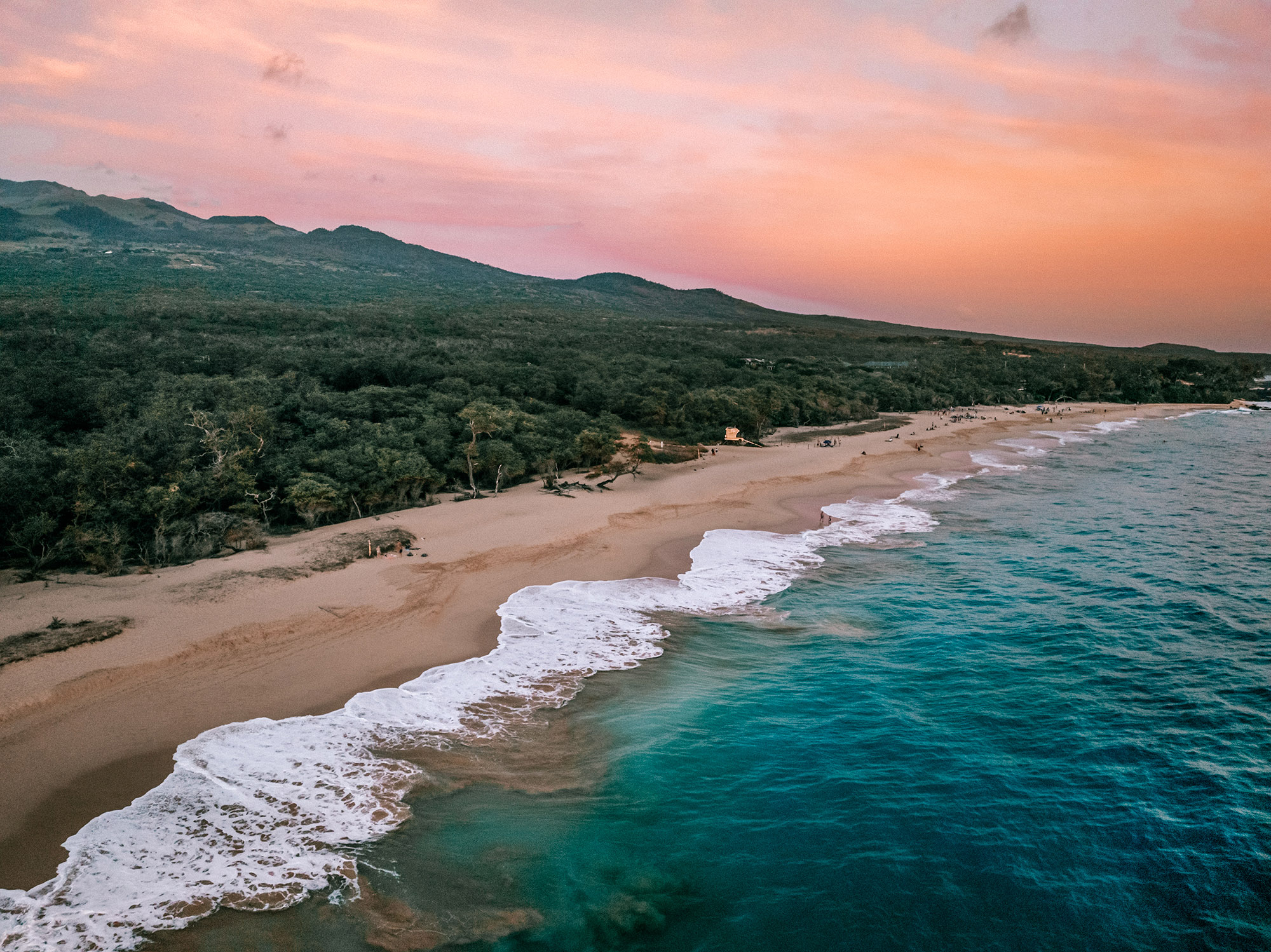
Makena Beach’s wide shoreline and open exposure give it a powerful, dynamic character that reflects the raw energy of South Maui’s coastline. Wave activity can shift quickly, even when the surface appears calm, which adds to the beach’s reputation as a place shaped by natural forces rather than predictability. Swimming at Makena beach is best suited for those who are decent swimmers and are familiar with handling strong shore-breaking waves. I grew up in a California surf town and have been swimming in shore breaks my entire life - and the waves here are quite powerful.
- Parking: Paid parking lot at Makena State Park
- How to reach: Direct access from parking area
- Ocean conditions: Frequently rough
- Known for: Expansive shoreline and views
- Hazards: Strong shore break and sudden drop-offs
16. Little Beach
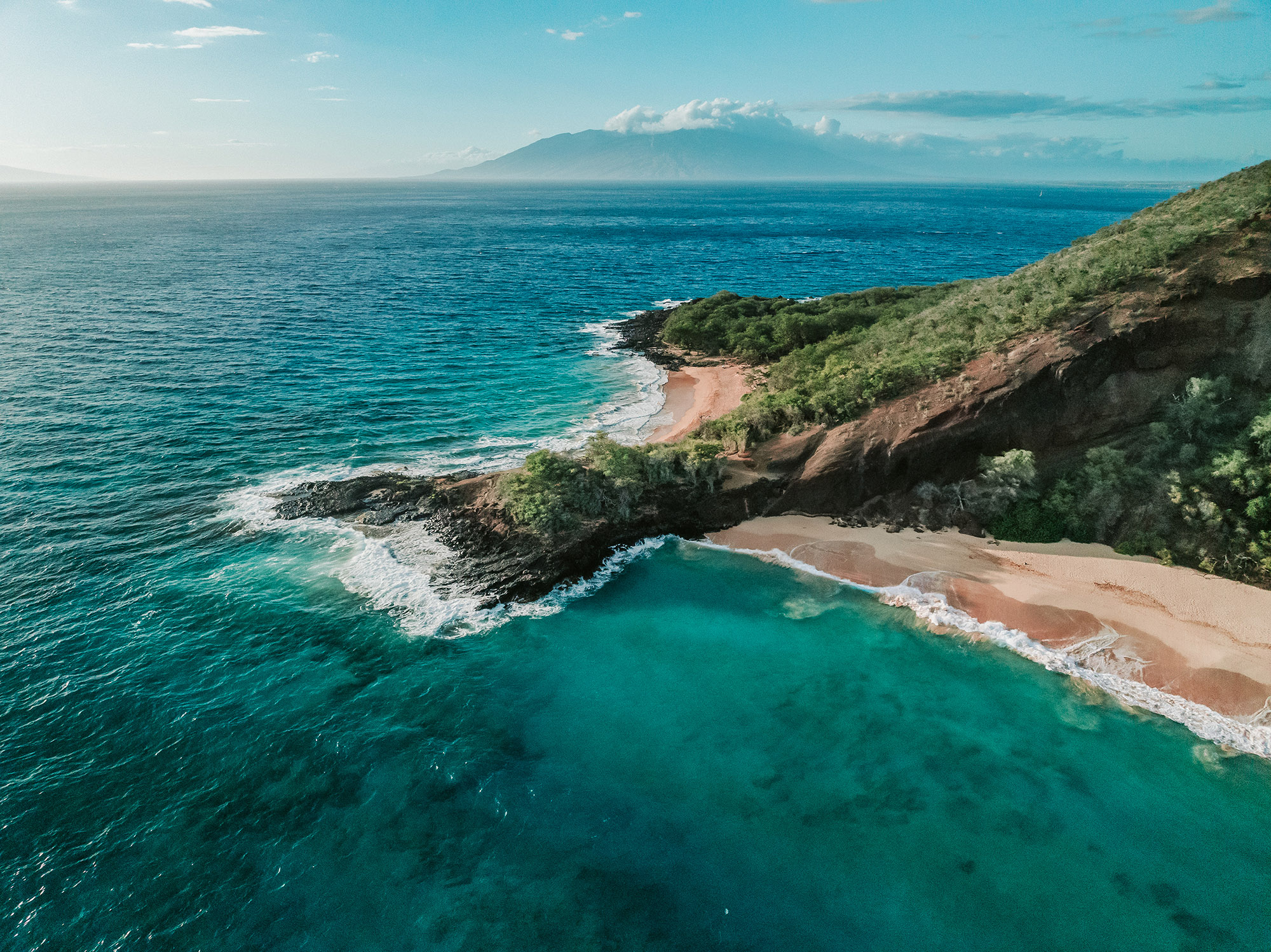
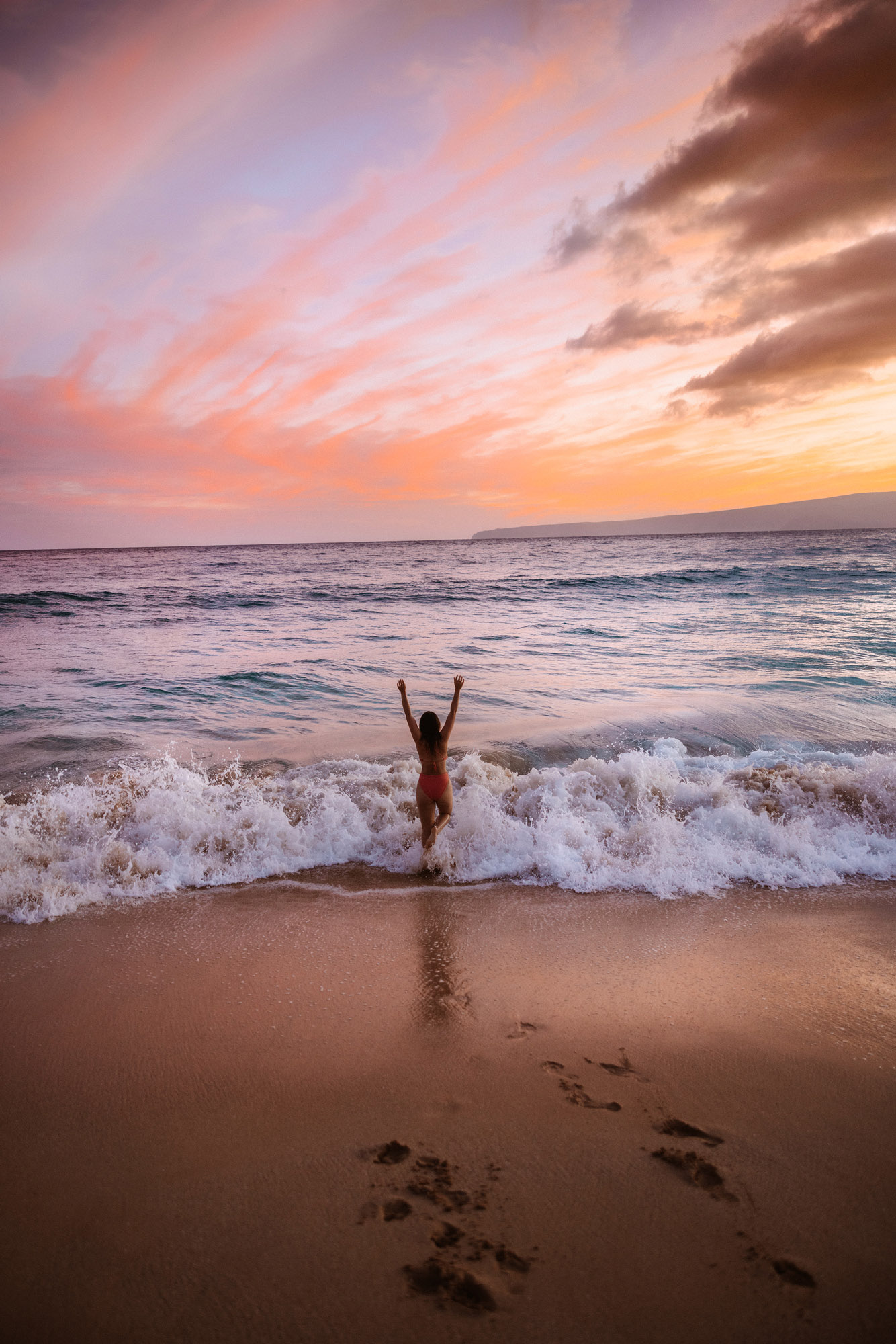

Located directly next to Makena, Little Beach is smaller and more enclosed than Big Beach, but it shares similar wave behavior. Access requires a short climb, which naturally limits foot traffic. Conditions vary widely, and entry should always be evaluated before entering the water.
- Parking: Use Big Beach parking lot
- How to reach: Short trail over the hill
- Ocean conditions: Similar to Big Beach
- Known for: Sunset gatherings and seclusion
- Hazards: Steep access path and shore break
17. Maluaka Beach
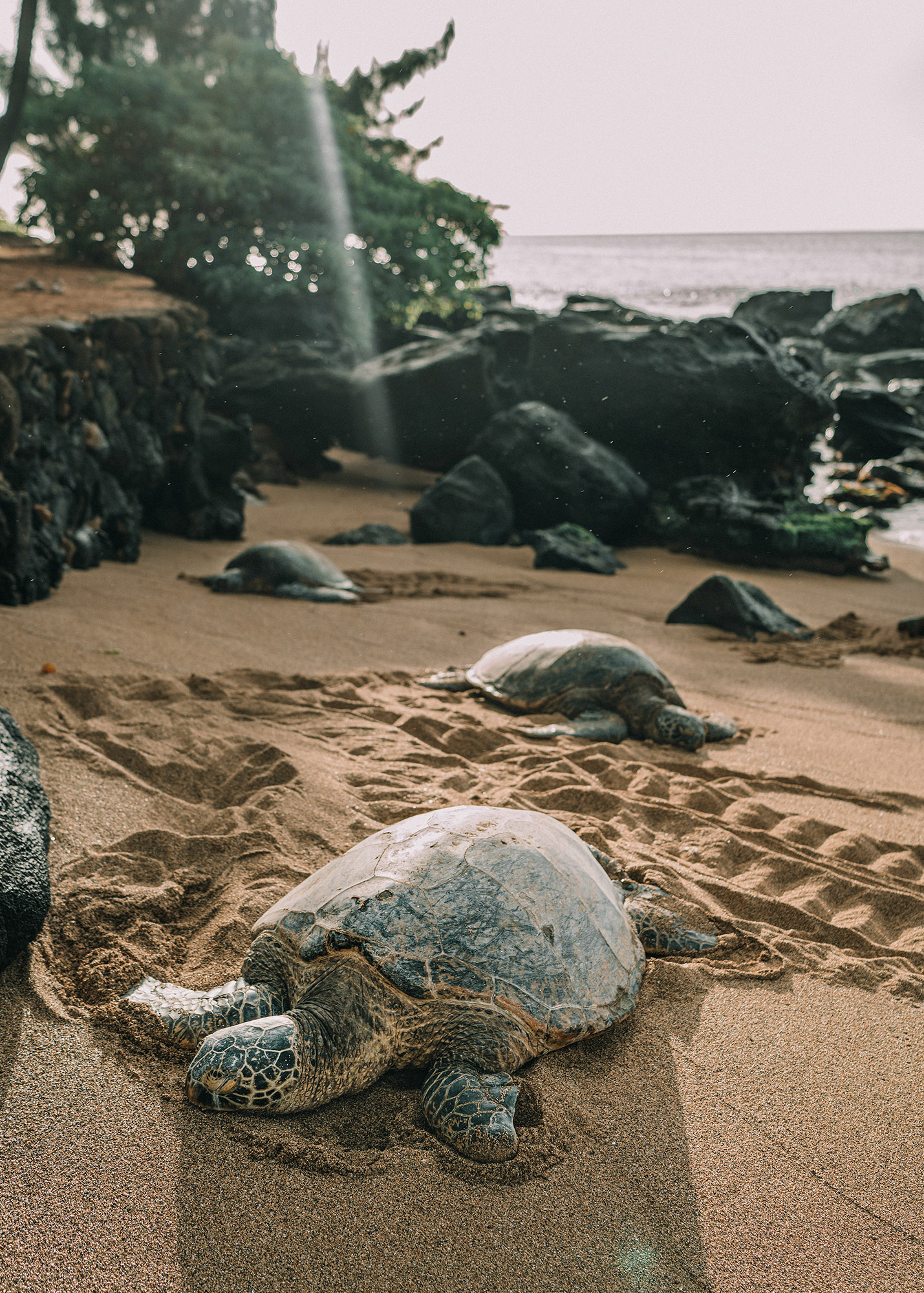

Maluaka Beach offers calmer water than nearby Makena options, particularly during summer months. The sandy entry and gentle slope make it easier for longer swims. Turtle sightings are common, especially near the rocky edges.
- Parking: Free parking lot with restrooms
- How to reach: Easy access from lot
- Ocean conditions: Typically calmer
- Known for: Snorkeling and turtle sightings
- Hazards: Limited shade
18. Wailea Beach
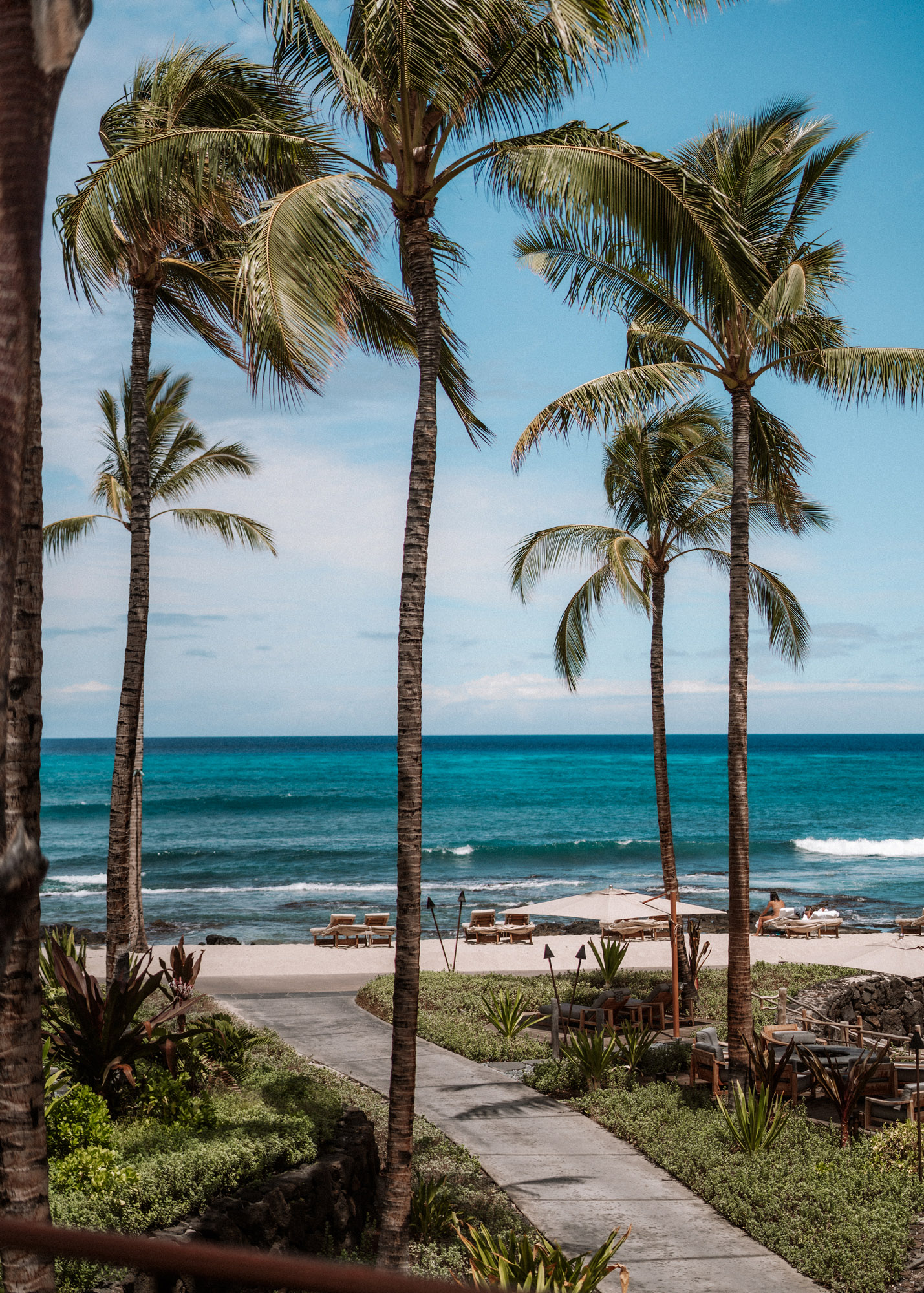
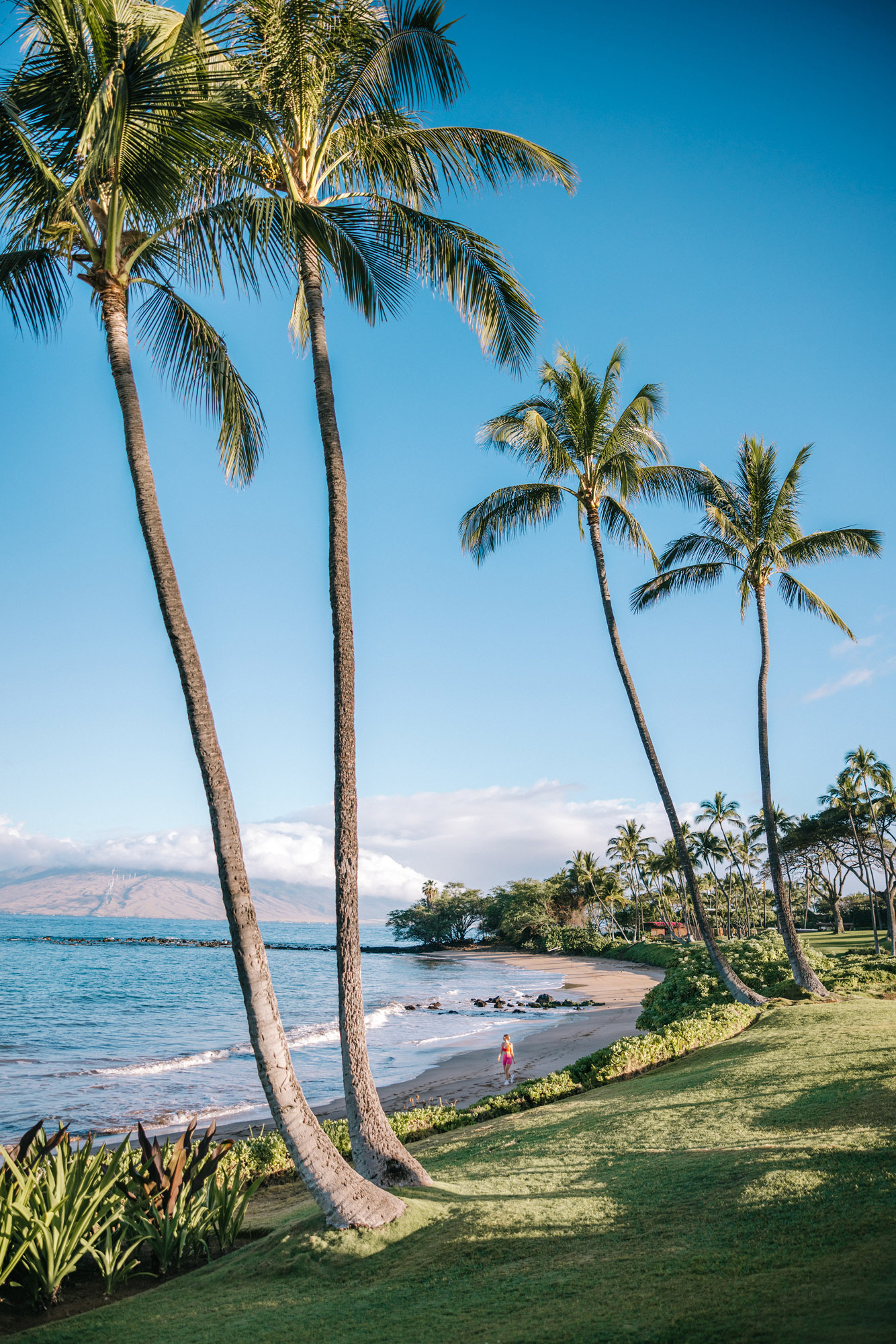
Wailea Beach benefits from consistent grooming and clear access points, which contribute to its predictable conditions, and is consistently one of the sunniest places on the island. The walking path that snakes along the shore through the long line of resorts and shops is one of the most beautiful walks on Maui, and also very convenient for those looking to explore the Wailea area. The reef structure is minimal, making it better for swimming than snorkeling. Morning hours tend to offer the best water clarity before afternoon winds arrive.
- Parking: Paid resort parking or limited public access points
- How to reach: Public beach access paths
- Ocean conditions: Generally calm
- Known for: Swimming and paddleboarding
- Hazards: Resort activity zones
19. Maalea Bay / Mai Poina Beach Park
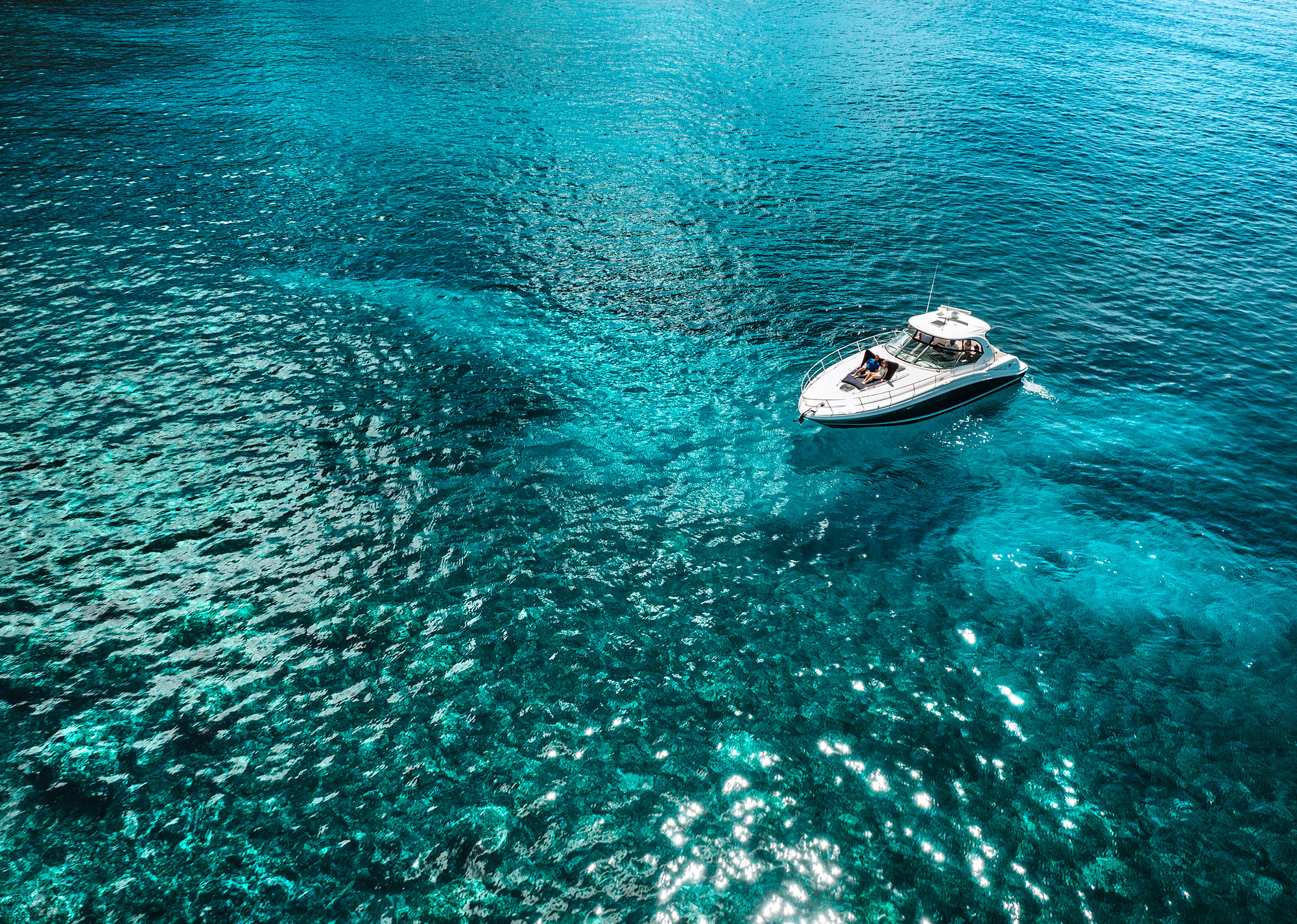
If you take a boat out for a day, Maalea Bay is one of the calmest, most protected, and crystal-clear places to swim. Mai Poina Beach Park functions as a neighborhood beach with open space and fewer crowds. It is less protected from wind, which can affect water conditions by midday. The park layout supports short visits rather than extended water sessions.
- Parking: Free parking lot
- How to reach: Direct access from the lot
- Ocean conditions: Moderate
- Known for: Picnic areas and shoreline walks
- Hazards: Wind exposure in afternoons
Road to Hana Beaches
20. Ho‘okipa Beach Park
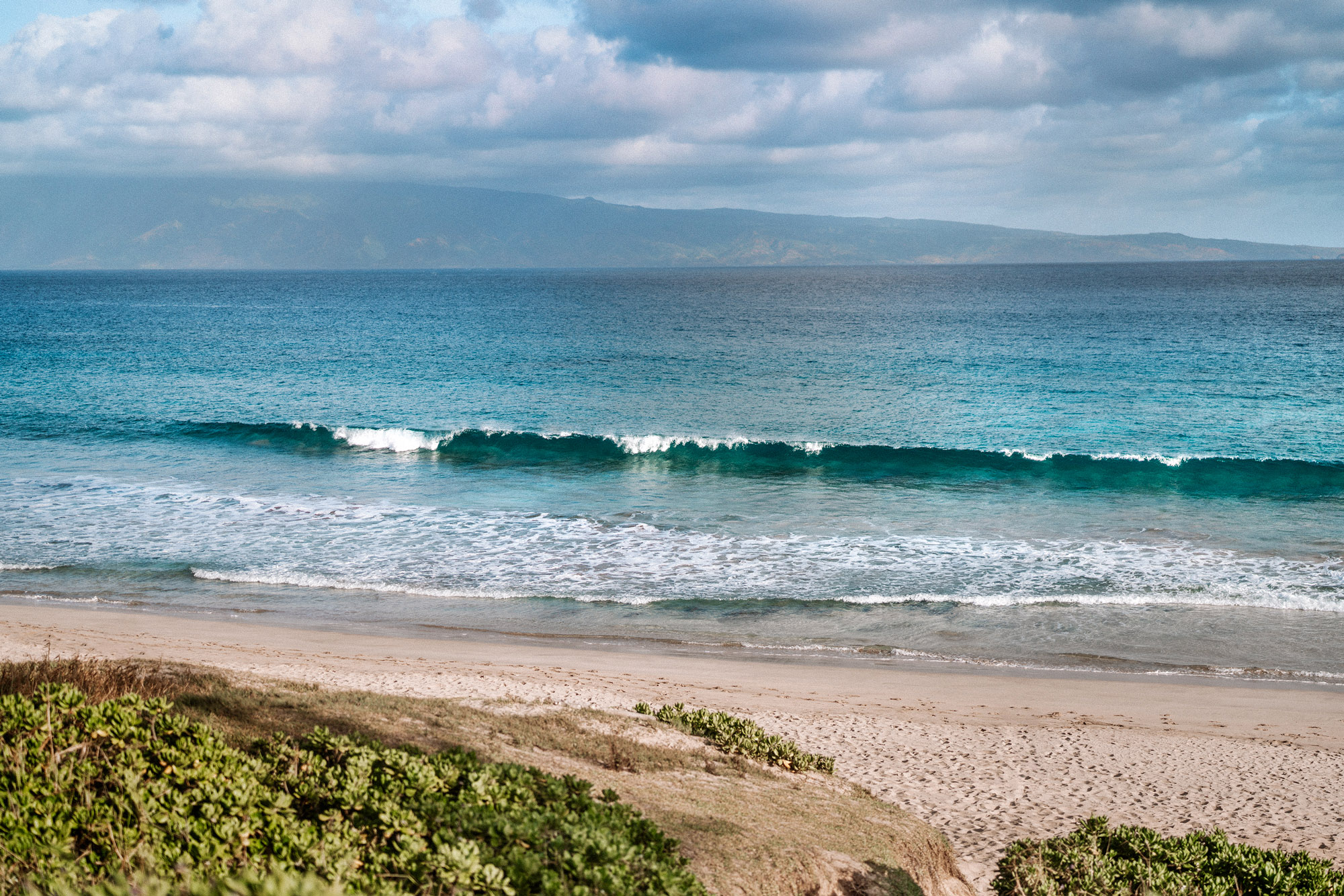
Ho‘okipa is shaped almost entirely by wind and swell, which is why it remains a global reference point for surf and windsurfing. Swimming is secondary and often discouraged due to persistent current and wave activity. Turtles frequently rest on the upper sand, particularly in the afternoon.
- Parking: Free parking lot
- How to reach: Direct access from Hana Highway
- Ocean conditions: Rough most days
- Known for: Surf and sea turtles resting on shore
- Hazards: Strong currents and wave action
21. Honokalani Black Sand Beach

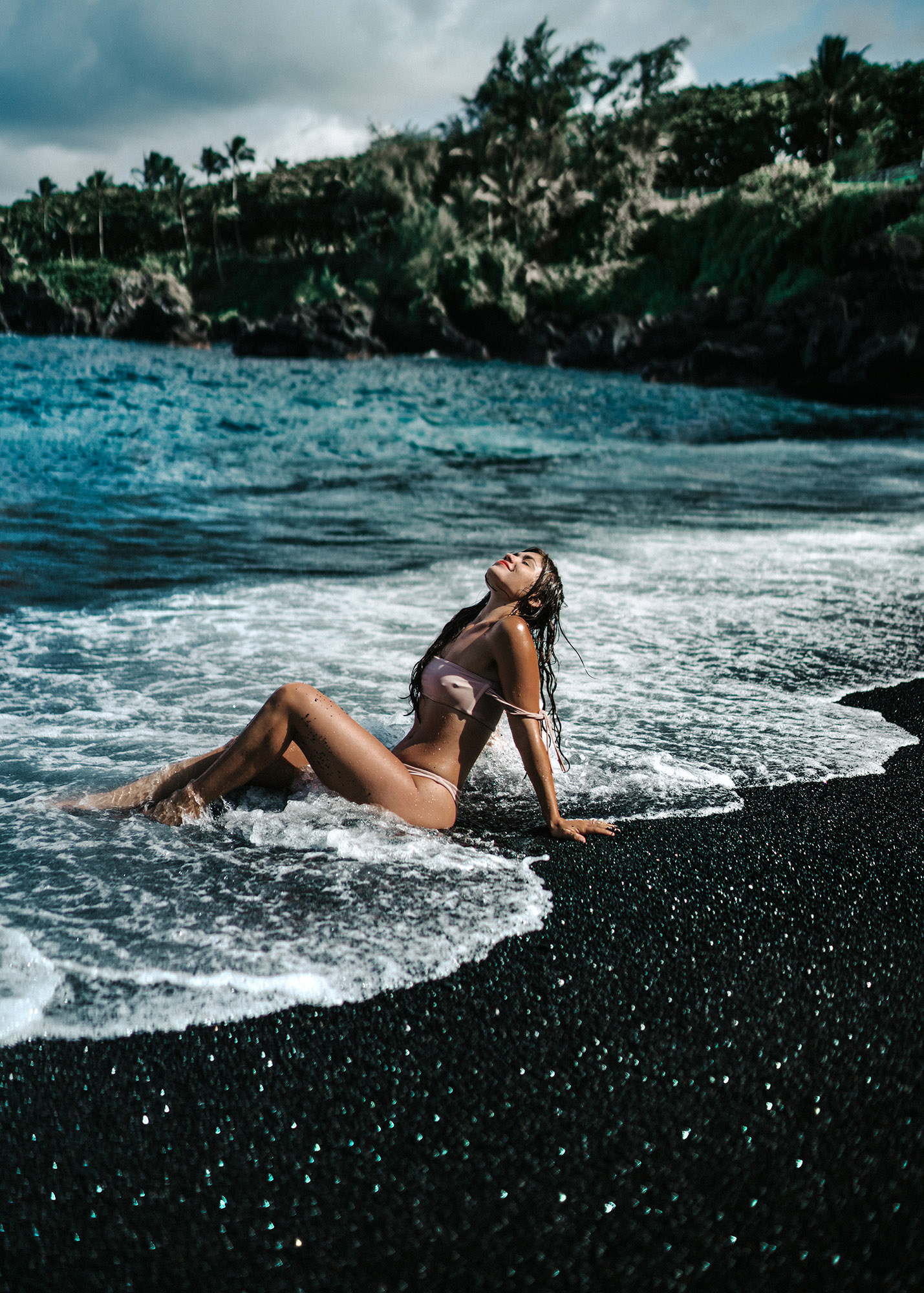
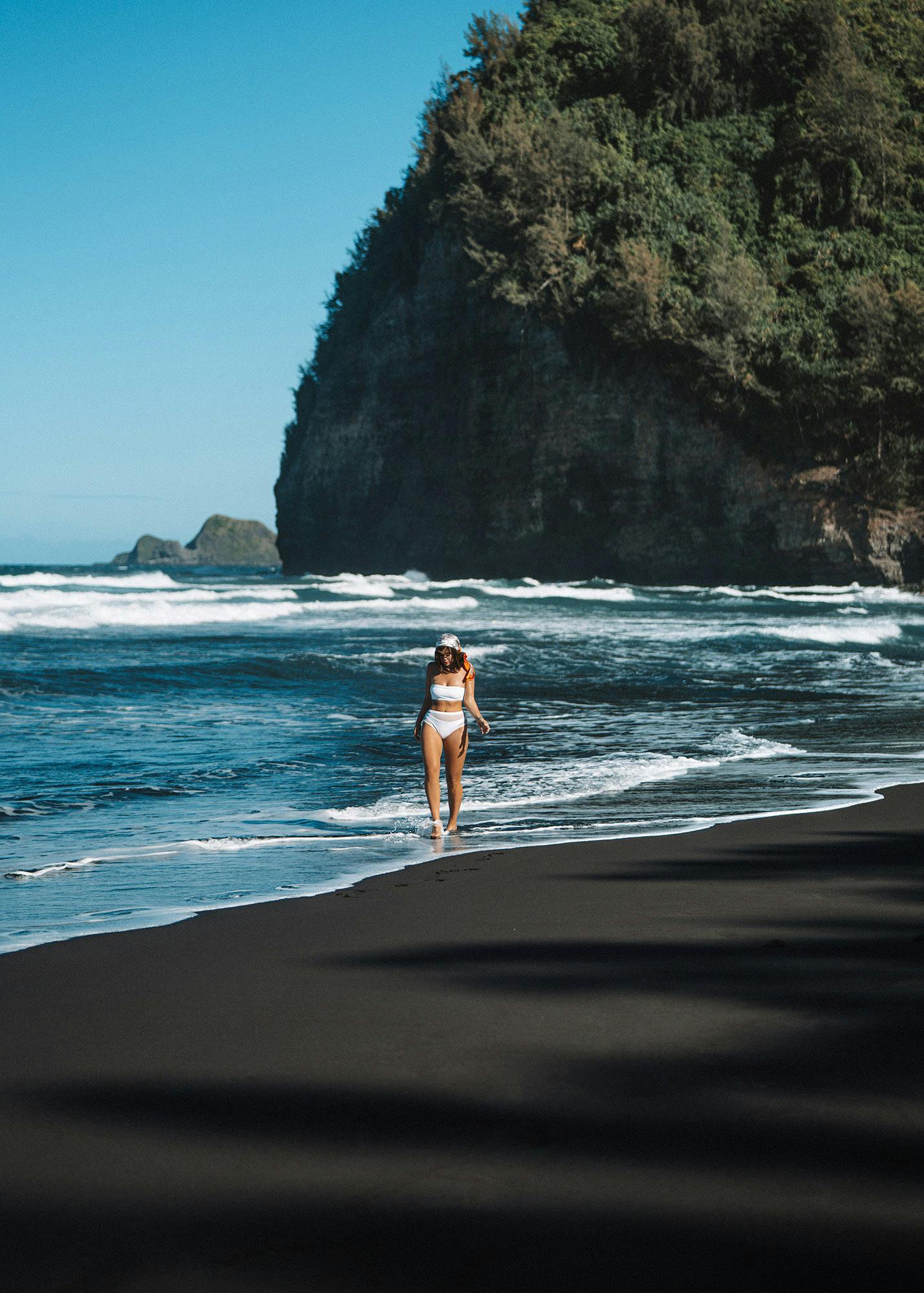
Honokalani Beach’s black sand results from volcanic activity and contributes to its dramatic appearance. Entry is controlled through a reservation system to manage traffic and protect the area. Swimming is possible but highly dependent on daily conditions.
- Parking: Included with park reservation
- Permits: Required for entry
- How to reach: Drive to the state park entrance
- Ocean conditions: Rough and unpredictable
- Known for: Black sand and lava caves
- Hazards: Strong currents
22. Kaihalulu Red Sand Beach
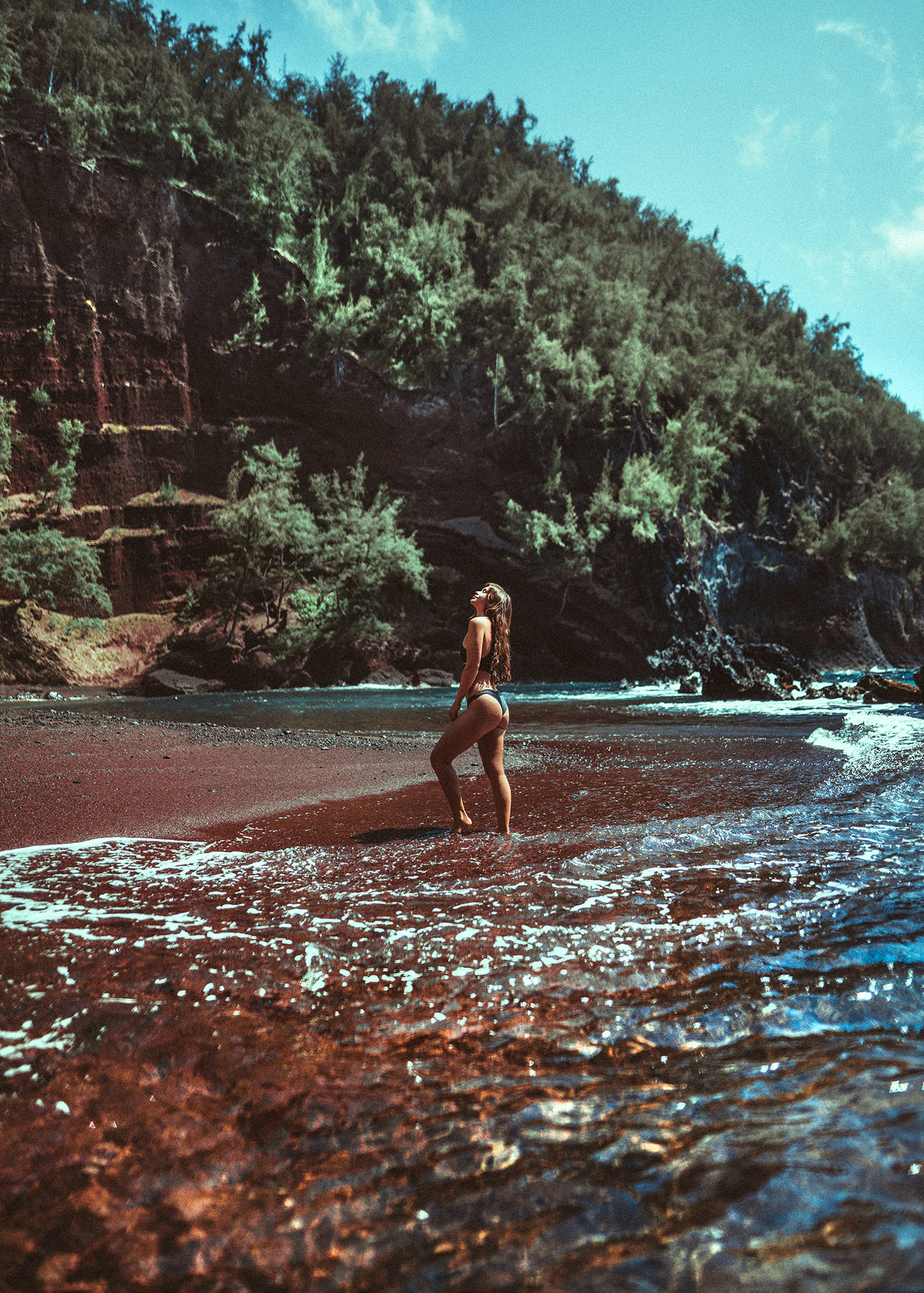
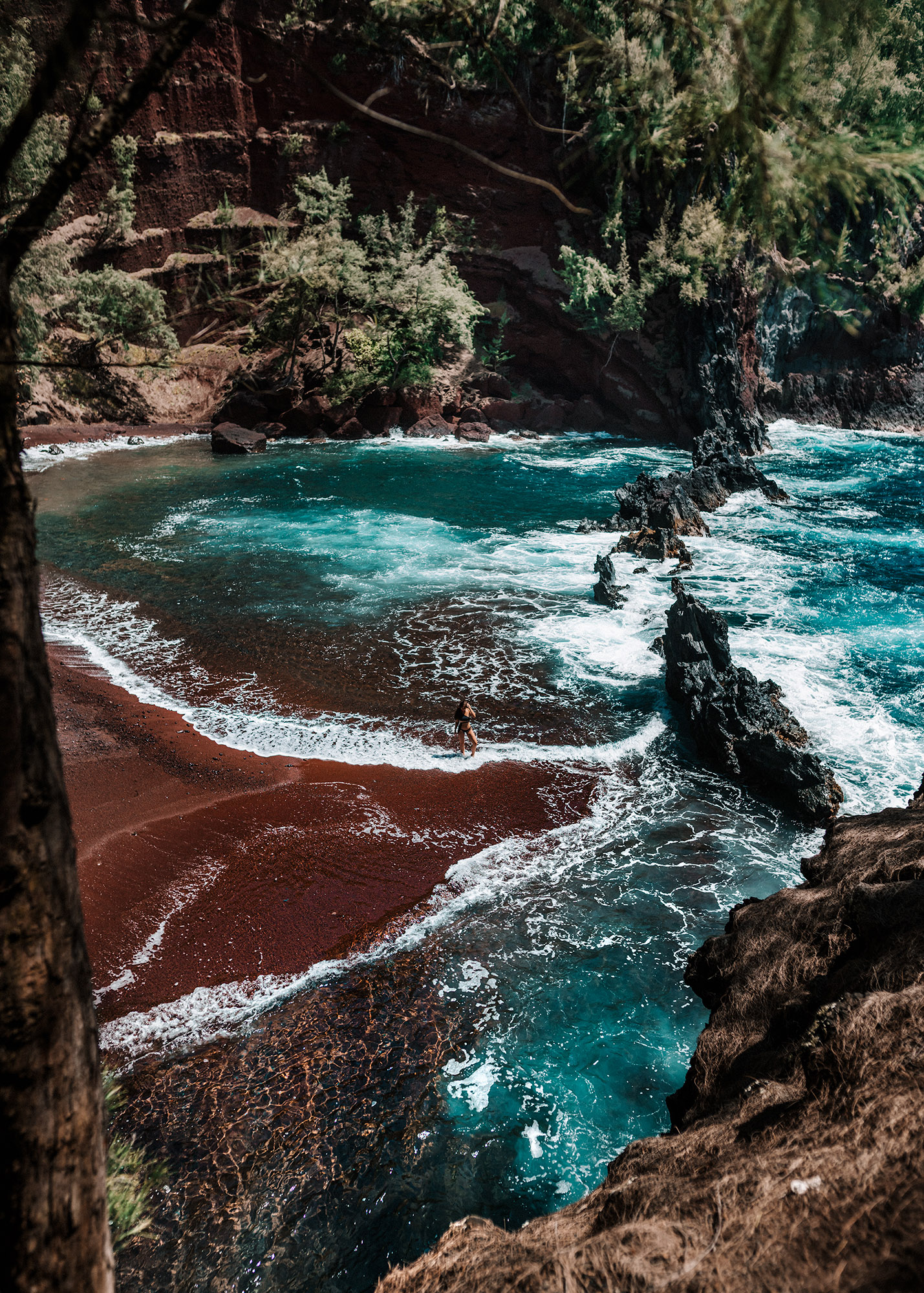
Kaihalulu Beach is often photographed but less often visited responsibly due to access risks. The trail is narrow and unstable, particularly after rain. Ocean conditions rarely justify the effort required to reach the shoreline.
- Parking: Limited roadside parking
- How to reach: Narrow, unofficial trail
- Ocean conditions: Rough
- Known for: Red sand cliffs
- Hazards: Steep trail and unstable footing
23. Hamoa Beach
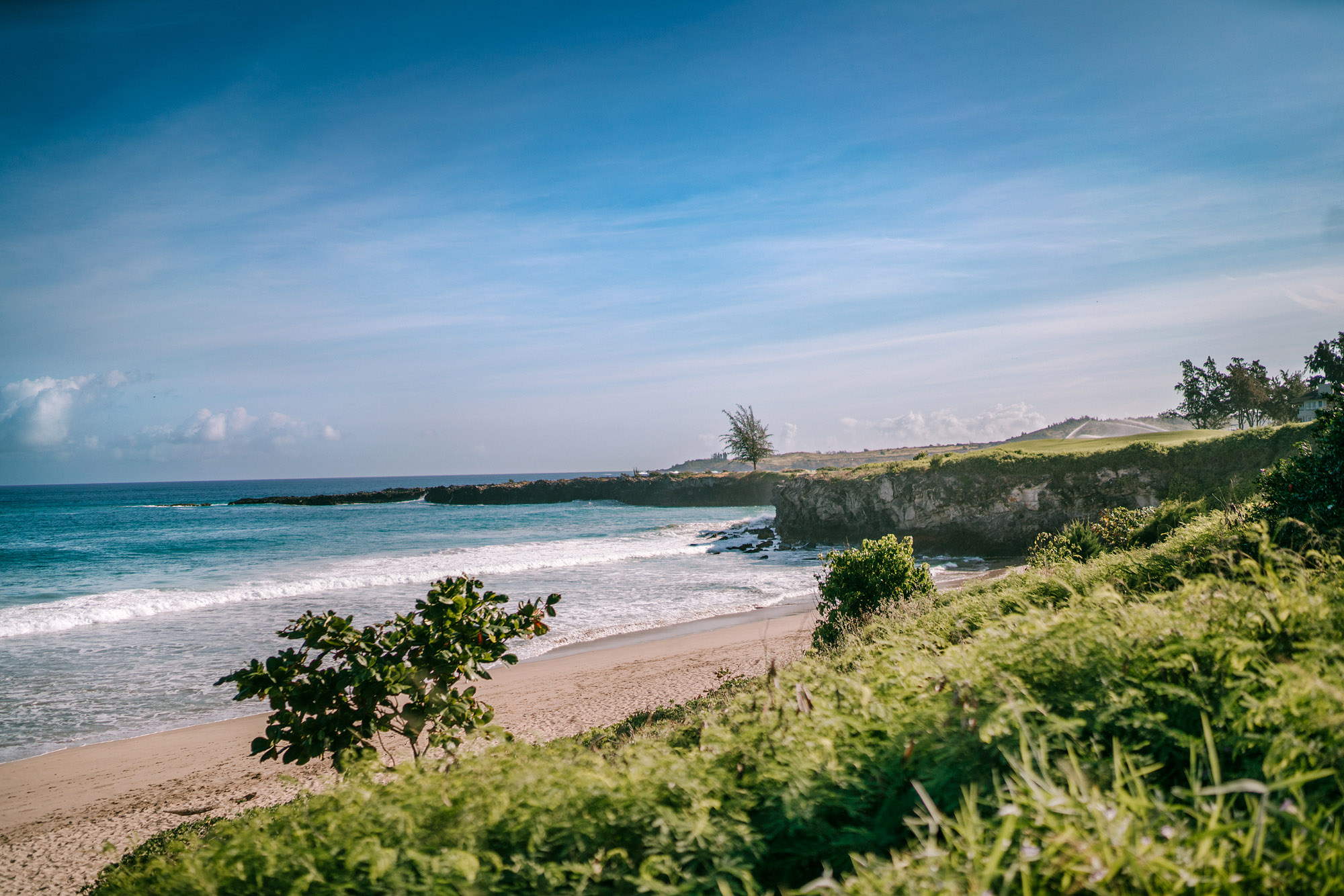
Hamoa Beach combines a scenic setting with variable conditions that shift based on swell direction. The sand is soft and the shoreline wide, which makes it comfortable for longer stays on land. Water entry should be assessed carefully, as shore break can intensify quickly.
- Parking: Small free parking area
- How to reach: Short walk to beach
- Ocean conditions: Variable
- Known for: Scenic setting and bodyboarding
- Hazards: Sudden shore break
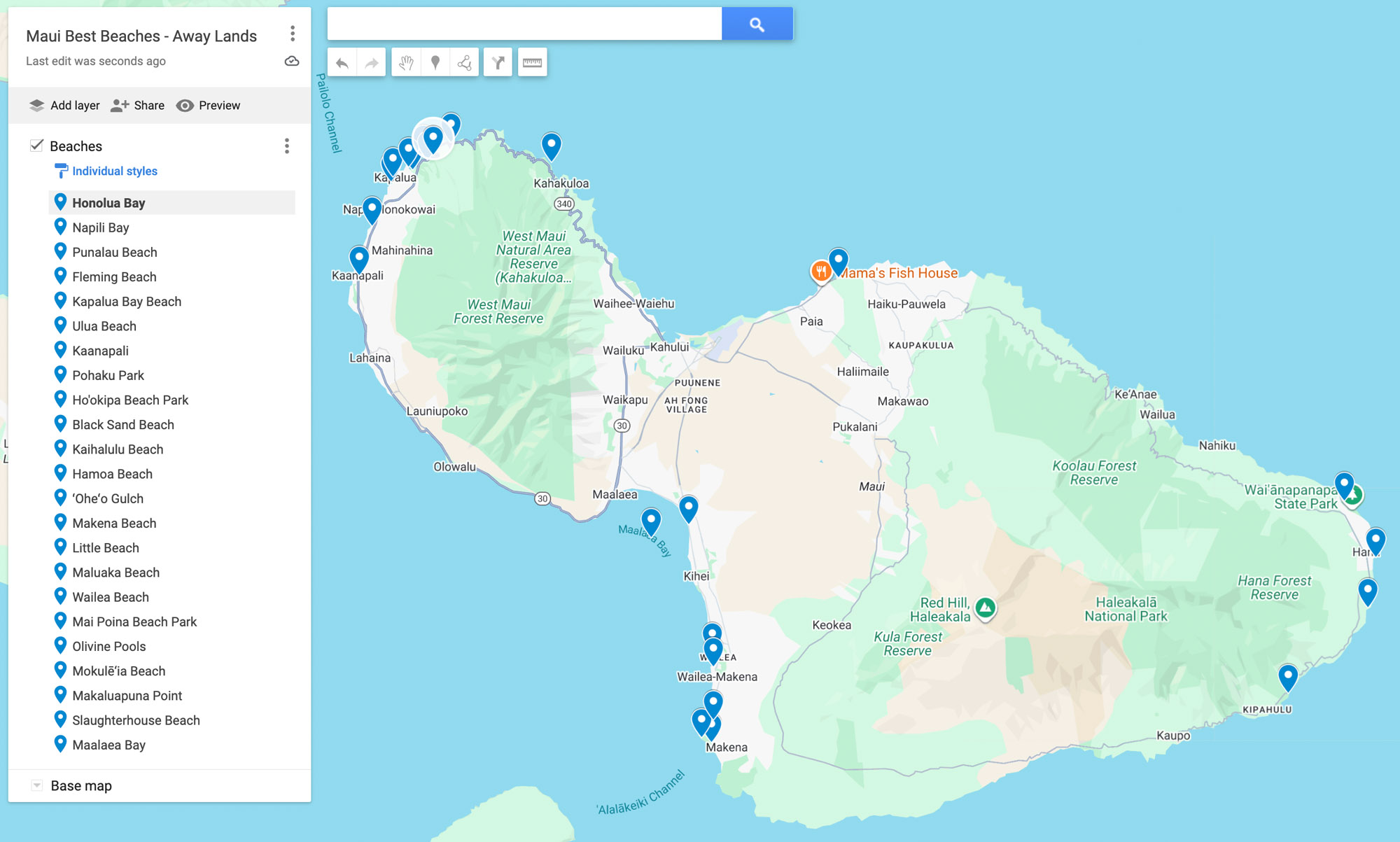
Download The Google Map Of All Spots Here!
Like this post? Pin it for later and share it with others!
%204.png)
%203.png)
xx