Arriving by water changes the way you see a place. From the deck, you can watch coastlines come into view, follow the bends of a river, or see how towns have grown around their harbors.
Once ashore, there's time to discover the places you've been admiring from the ship, whether that means wandering through historic streets, visiting coastal villages, or exploring the surrounding countryside. These five cruise destinations are just as rewarding to explore on land as they are to admire from the water.
Spotting Sea Lions and Giant Tortoises in the Galápagos, Ecuador
Approaching the Galápagos Islands by boat, you'll pass dark volcanic rocks, sandy bays, and rugged shorelines rising from the Pacific. The scenery changes from island to island, with Española's dry coastline contrasting with the greener highlands of Santa Cruz. Along the way, you may spot sea lions resting on beaches or seabirds flying above the cliffs.
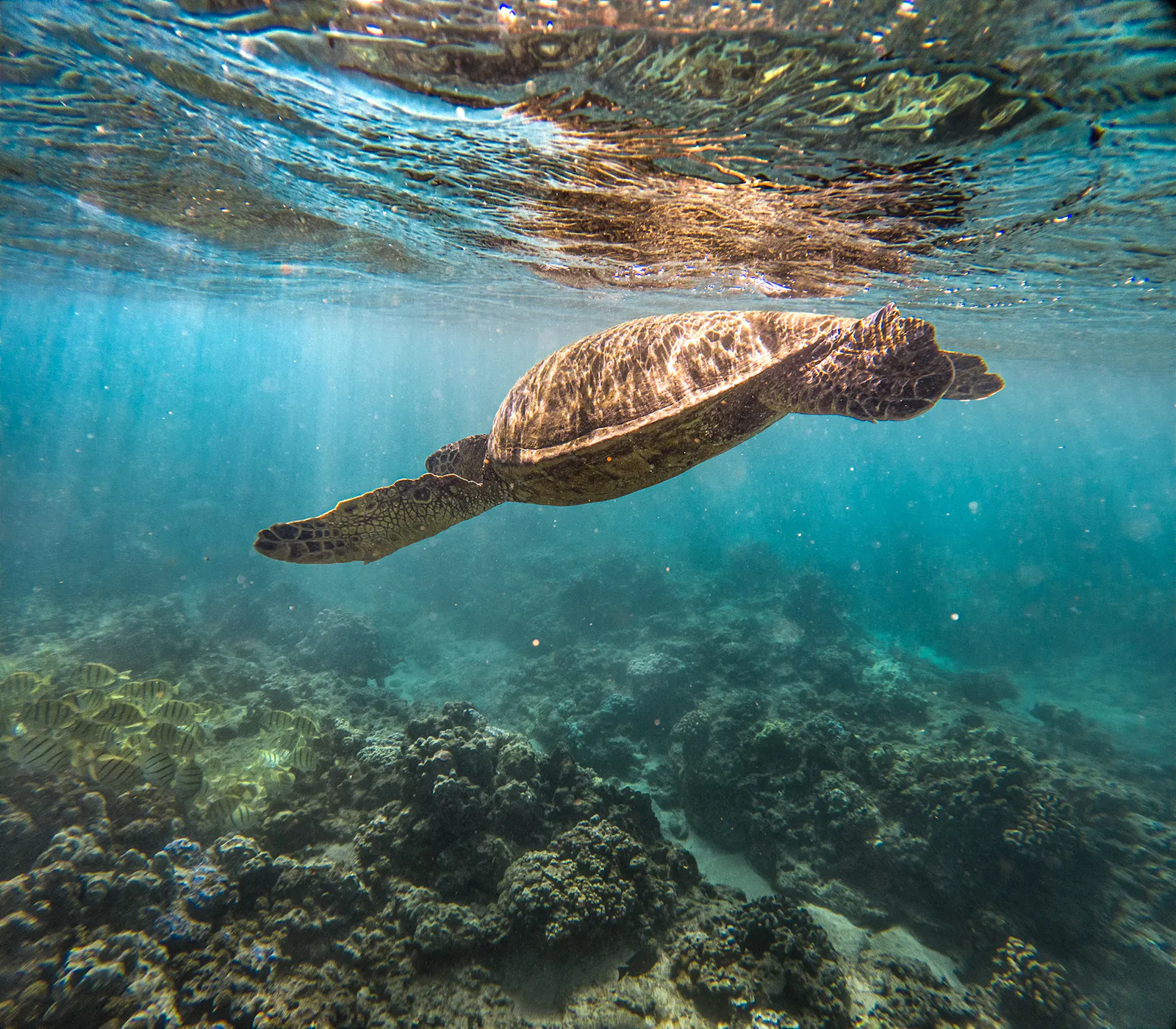
On shore, guided walks lead along marked trails where you might see marine iguanas resting on rocks or giant tortoises roaming the highlands of Santa Cruz. Some itineraries also include snorkeling excursions, with opportunities to see sea turtles and sea lions in the water. Although the wildlife may appear comfortable around people, visitors must maintain a respectful distance and avoid disturbing the animals.
Naturalist guides accompany visitors in protected areas, and excursions take place at designated sites. When weighing up Galapagos cruise ships, it's worth comparing the islands included in each itinerary, along with opportunities for snorkeling and guided walks. Different routes reveal different habitats, so the places you visit are just as important as the time spent on board.
Gliding Past Terraced Vineyards in the Douro Valley, Portugal
Traveling inland from Porto along the Douro River, you'll see the scenery change from riverside towns to steep hillsides covered in terraced vineyards. Rows of vines follow the natural curves of the valley, with stone walls supporting many of the older terraces. Small villages and traditional wine estates, known as quintas, appear along the slopes, giving you a closer look at a landscape shaped by centuries of winemaking.
Along the way, riverboats pass through navigation locks that lift them between different sections of the river. Around Peso da Régua and Pinhão, the vineyard-covered hillsides are especially impressive. Once ashore, you can visit a quinta to learn about the region's winemaking traditions and sample local wines. Pinhão is also worth exploring for its historic railway station, decorated with blue-and-white tiles depicting life in the Douro Valley.
Cruises range from day trips departing Porto to longer journeys across Portugal and farther upstream, with stops varying by itinerary. September and October are particularly interesting months to visit, as some wine estates offer harvest experiences. Whatever time of year you travel, seeing the vineyards from the river reveals the scale of the work involved in cultivating these steep slopes.
Sailing Past the Seven Sisters Waterfalls in Geirangerfjord, Norway
Sailing through Geirangerfjord brings you close to towering cliffs, forested mountainsides, and waterfalls cascading into the water. Among the best-known are the Seven Sisters, a series of streams flowing down a steep rock face. Across the fjord, you'll also see the Suitor waterfall, while abandoned mountain farms perched high above the water offer a glimpse into the lives of communities that once lived here.
If your cruise stops in the village of Geiranger, there are several ways to explore the surrounding scenery. You can join a guided kayaking trip for a different view of the cliffs or head up to Flydalsjuvet, a viewpoint overlooking the fjord and surrounding mountains. The village also has walking trails and cafés where you can spend time before returning to the ship.
The Seven Sisters are generally at their fullest during late spring and early summer, when melting snow feeds the waterfalls. Consider how much time your itinerary allows ashore, especially if you're planning a kayaking excursion or a visit to the viewpoints. When arranging travel insurance with cruise cover, check that your policy includes the activities you plan to enjoy during your trip.
Visiting Edfu and Kom Ombo Temples Along the Nile, Egypt
Cruising the Nile between Luxor and Aswan reveals a landscape of palm groves, cultivated fields and villages along the riverbanks. From the deck, you can watch small boats crossing the water, with green farmland giving way to dry desert hills farther inland. Along this historic waterway, the temples of Edfu and Kom Ombo offer a fascinating look at ancient Egyptian architecture and religious traditions.
At Edfu, a short journey from the river landing takes you to the Temple of Horus, one of Egypt's best-preserved ancient temples. Its towering entrance pylons, carved reliefs and columned courtyards are well worth exploring. Farther south, the Temple of Kom Ombo stands beside the Nile and is dedicated to two gods, Sobek and Horus the Elder. You can explore its unusual twin sanctuaries and visit the nearby Crocodile Museum, which displays mummified crocodiles.
Most Nile cruises between Luxor and Aswan include stops at both temples, although the order and timing depend on the itinerary. Kom Ombo is usually reached on foot from the river landing, while Edfu requires a transfer to the temple. Visits are often scheduled for the cooler parts of the day, leaving time between excursions to enjoy the changing scenery along the Nile.
Walking City Walls Above the Adriatic in Dubrovnik, Croatia
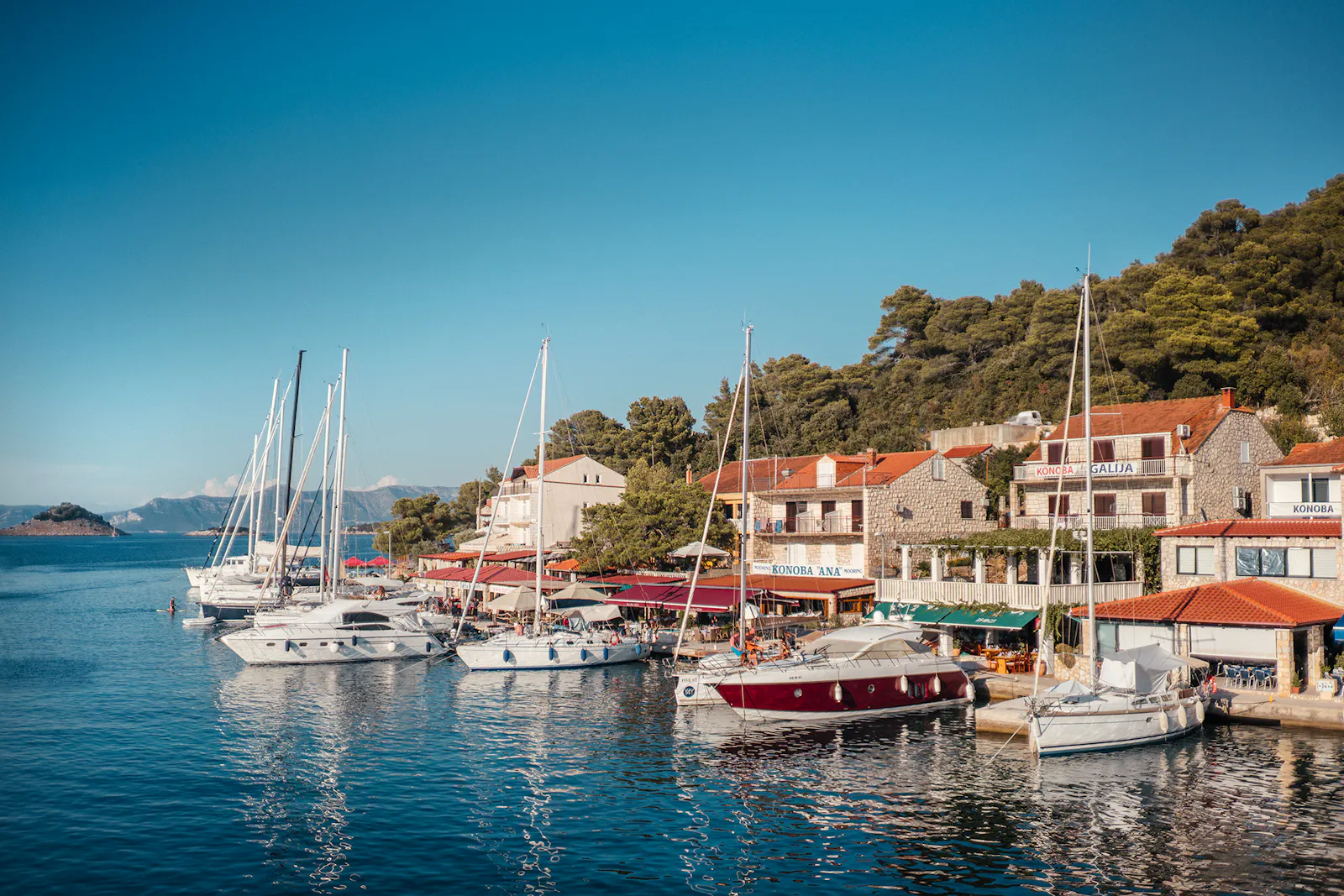
Seen from the water, Dubrovnik's Old Town is surrounded by thick stone walls, with terracotta rooftops rising above the rocky Adriatic coastline. Fort St. John stands at the entrance to the Old Harbor, while the wooded island of Lokrum lies just offshore. A boat trip along this stretch of coast reveals the city's historic fortifications and their importance in protecting what was once a powerful maritime trading center.
Once ashore, you can walk along the city walls for views across the rooftops, the Adriatic and nearby islands. The circuit stretches for almost two kilometers, passing defensive towers and viewpoints overlooking the Old Harbor. Back at street level, explore the pedestrianized Old Town, where the limestone-paved Stradun leads past historic buildings, cafés and narrow side streets.
Most larger cruise ships dock at Gruž, a short bus or taxi ride from the historic center, so check your arrival arrangements before planning your visit. If you have enough time, take a boat from the Old Harbor to Lokrum Island, where wooded walking paths and rocky swimming spots offer a change of scenery. The boat journey also provides another opportunity to admire Dubrovnik's walls from the water.
Which view would you sail to first?
Would you rather watch waterfalls tumble down the cliffs of Geirangerfjord, sail past the terraced vineyards of the Douro Valley, or admire Dubrovnik's historic walls from the Adriatic? Each destination gives you a reason to spend time on deck and enjoy the scenery before heading ashore.
Once on land, there's just as much to discover, from the ancient temples along the Nile to guided wildlife walks in the Galápagos. When planning your cruise, consider how much time you'll have in each destination and which stretches of the journey you'll experience in daylight. After all, some of the most interesting sights are found along the way.