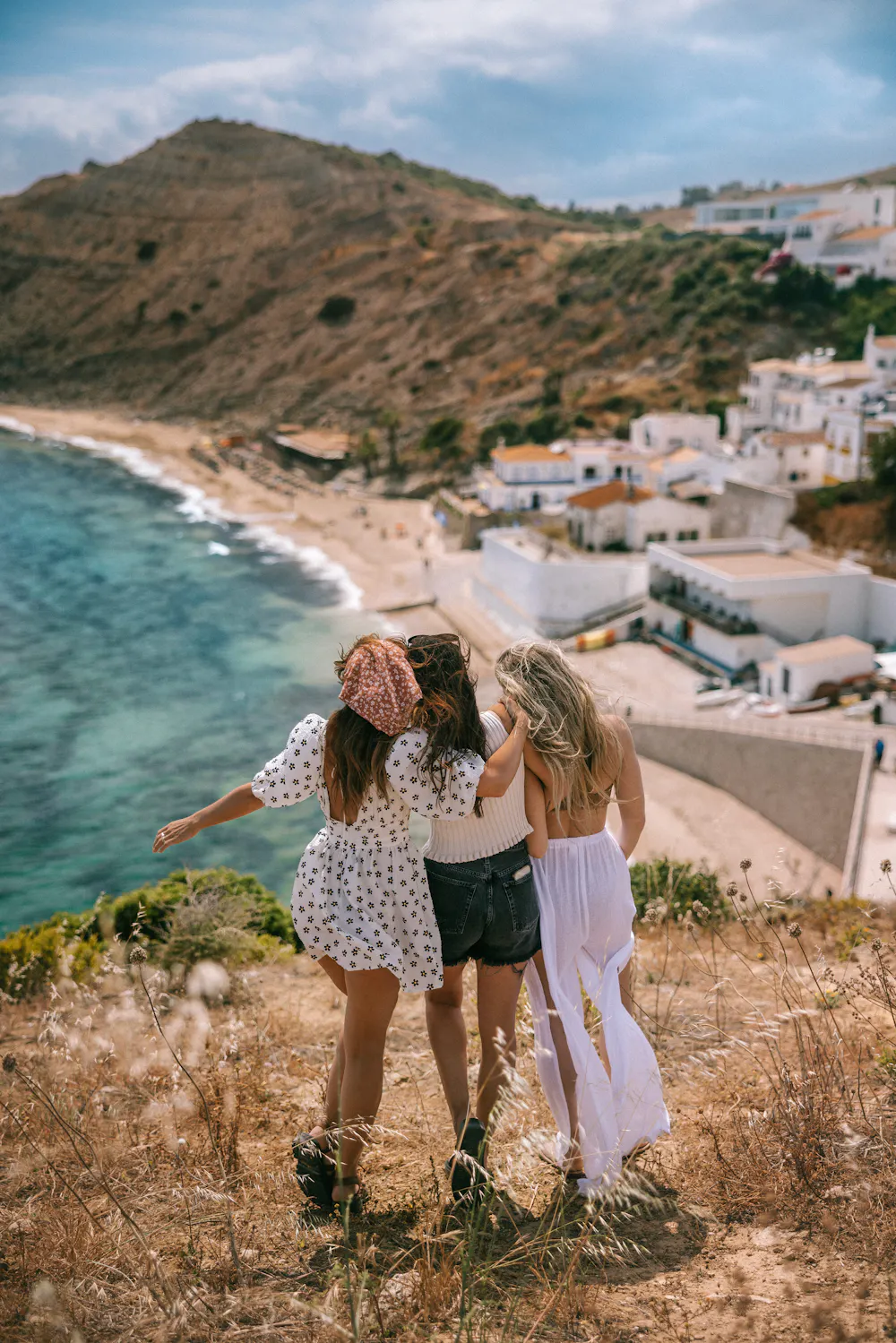
Spain and Portugal share a border and a peninsula, but the daily rhythm changes the moment you cross it. Menus shift. Accents soften. The landscape moves from granite hills to whitewashed plains within a single morning. That contrast is the best reason to cover both countries in one trip, and it is also why a single route rarely works for everyone.
These five itineraries link the two in very different ways, from a coastal week around Lisbon to a slow crossing of the Extremadura border country. Pick the one that suits your pace, then stretch or trim the days to fit.
1. Madrid to the Arrábida Coast (6 to 7 days)
Kickstart your trip in Madrid, spending a day or two exploring the city and all it has to offer. Next, you’ll want to enjoy a short day trip to Toledo, just over half an hour away by train to explore this UNESCO World Heritage city.
From Madrid, catch a flight to Lisbon. Ride Tram 28 early, before the queues build, and save one evening for the miradouros of Alfama, where the city spreads out in terracotta below you. Eat a pastel de nata at a neighborhood pastelaria rather than the busiest bakery in Belém. Take the train from Rossio to Sintra for a day among palaces and forest paths, then head south across the Tagus to the Arrábida Natural Park.
Limestone cliffs drop to quiet beaches near Setúbal, and the town's grilled fish pairs well with a glass of local Moscatel. If you want a gentler ending, add a night in Cascais on the way back. Spring and autumn keep both the crowds and the heat manageable.
Tip: Visit Sintra on a weekday and book palace tickets online. Timed entries are the first thing to sell out.
2. Seville to the Algarve via Tavira (7 days)
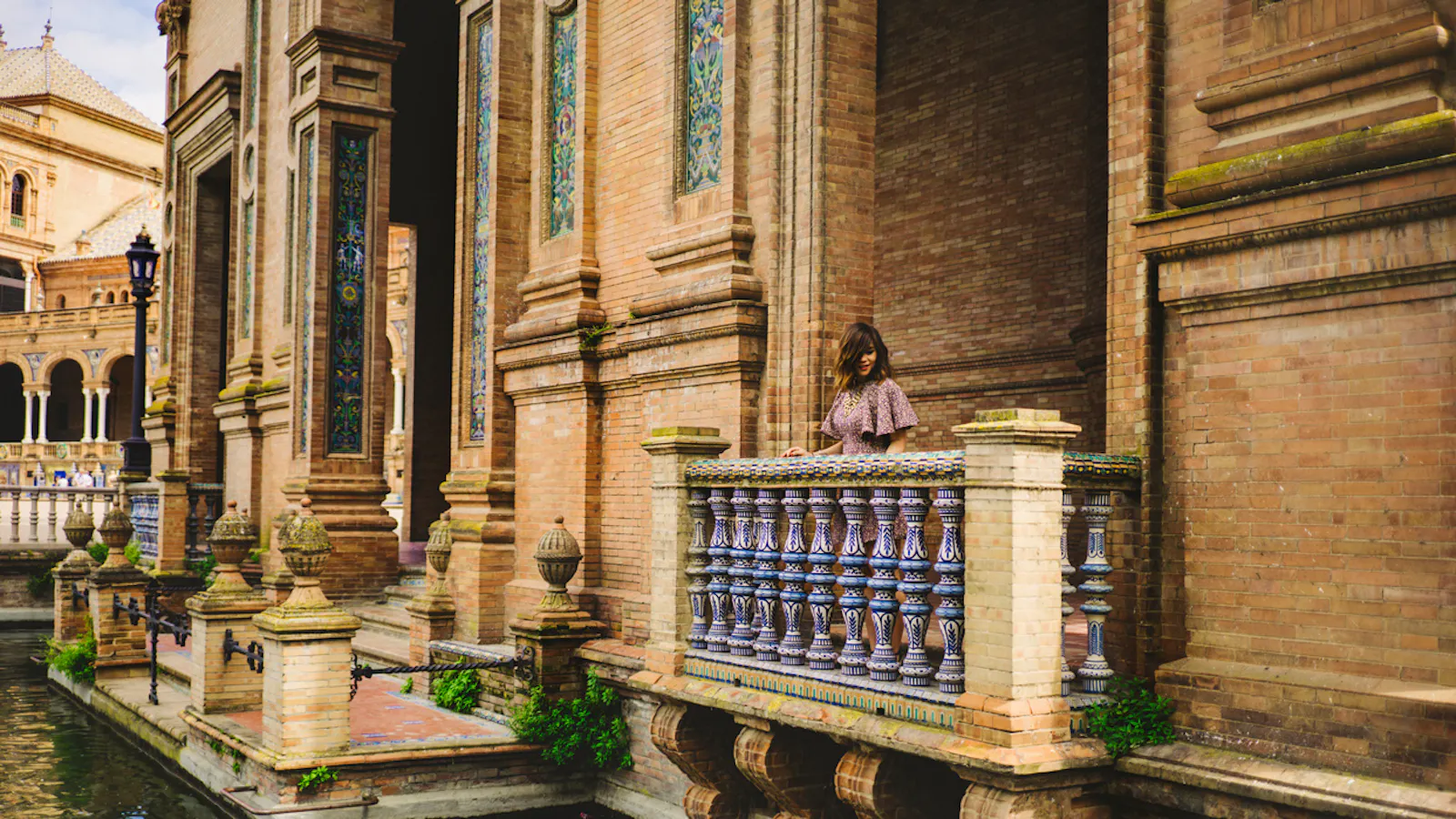
Spend two nights in Seville with the Real Alcázar and the orange-lined lanes of Santa Cruz. Climb the Giralda late in the day for a view across the rooftops, and leave one evening free for tapas in a neighborhood bar rather than a tourist square. Then head west and cross the Guadiana River into the eastern Algarve. Tavira is the surprise here: a small, walkable town of tiled rooftops and a slow riverside promenade, far calmer than the resorts further along the coast. Order grilled fish at a family-run restaurant, then continue to Lagos for sea stacks and sandstone coves. Give yourself a full day on the cliff paths near Ponta da Piedade. Seville and the Algarve both run hot in midsummer, so spring and autumn make the better seasons for this route.
Tip: Take the short ferry from Tavira to the Ria Formosa barrier islands, where the sand stays quiet outside peak summer.
3. Porto, the Douro Valley, and Santiago de Compostela (7 to 8 days)
This route crosses the border at its greenest end. Spend two nights in Porto, walking the Ribeira waterfront and tasting port in the cellars across the river at Vila Nova de Gaia. Follow the Douro upriver by train or boat through terraced vineyards, and sit on the river side of the carriage if you take the train. Porto's hills are steep and its pavements uneven, so pack comfortable shoes. Then return to Porto and turn north into Galicia and finish at the cathedral in Santiago de Compostela, where pilgrims arrive after weeks on the Camino.
There is a lot of ground. Border crossings, rail changes, and hotel moves add up quickly. That is where a guided multi-country bus tour can take the friction out of a trip like this. With one coach and one leader handling the timetables, you spend your energy on the river views instead of the connections.
Tip: Arrive in Santiago in the late afternoon, when the day's groups have thinned out and the square in front of the cathedral turns golden.
4. Salamanca, Coimbra, and Óbidos (6 days)
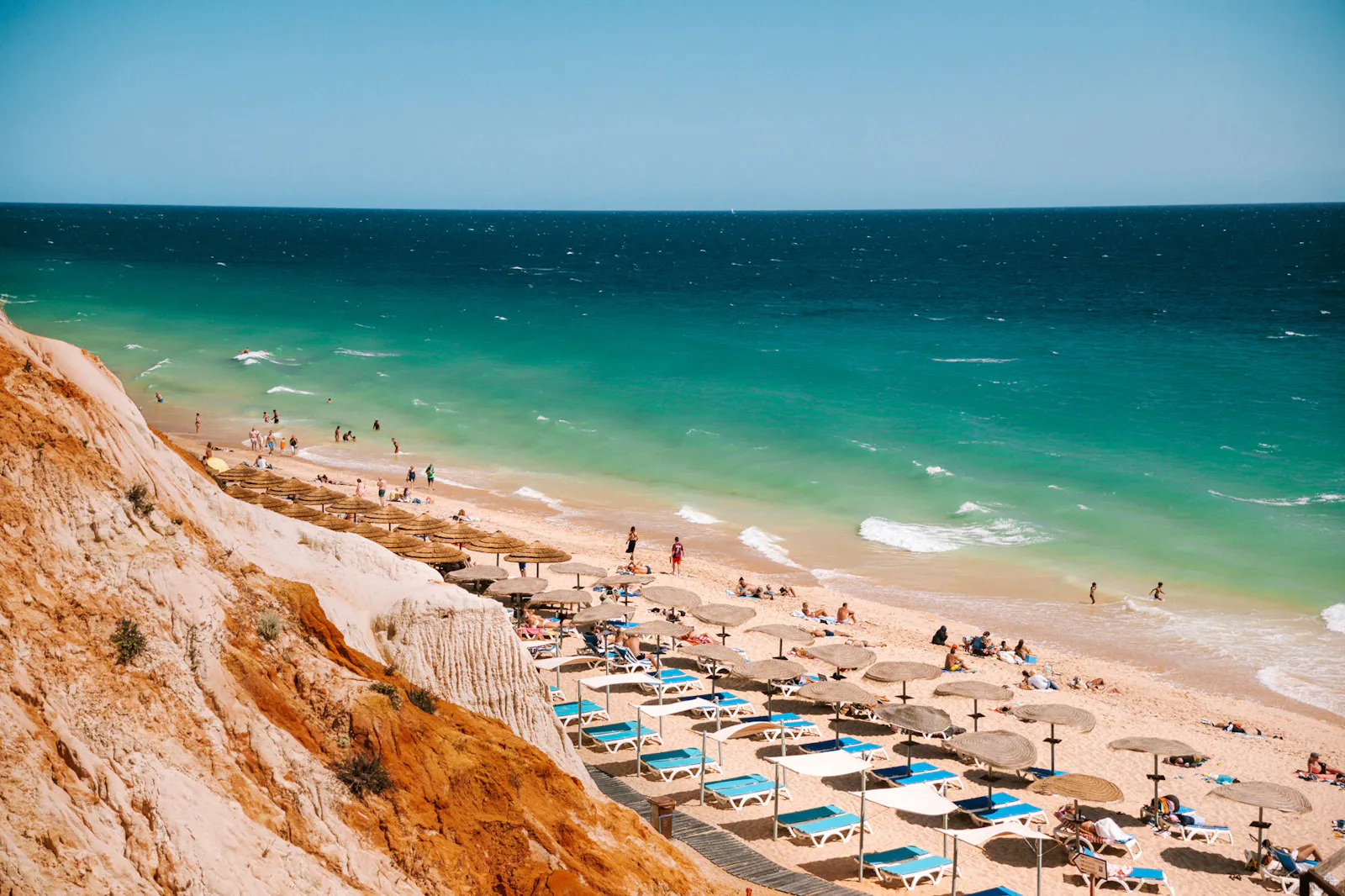
Begin in Salamanca, where the sandstone of the Plaza Mayor glows at dusk, and the old university still fills the streets with students. The square is at its best after dark, when the arcades are lit, so plan dinner nearby. Spend a full day here, and look for the small carved frog hidden in the university facade. Then cross into central Portugal and stop in Coimbra, home to one of Europe's oldest universities and the baroque Joanina Library. Walk the steep lanes down from the university toward the river before you leave. Finish in Óbidos, a walled hilltop village best known for ginjinha, a cherry liqueur served in a small chocolate cup. It suits first-timers who want history with just one long transfer.
Tip: Walk the Óbidos ramparts early or late, once the day-trip coaches have left.
5. Extremadura to the Alentejo (5 to 6 days)
This is the quietest of the five. Start in Cáceres, whose medieval old town looks much as it did centuries ago, then continue to Mérida for the Roman theater and amphitheater. Cross into Portugal and drive through cork oak country toward Monsaraz, a whitewashed hilltop village above the Alqueva reservoir. Stay the night if you can, because the area is known for its clear night skies. Move on to Évora with its Roman temple and Chapel of Bones. Meals along the way are slow and hearty, built around pork, bread, and olive oil. Do not plan more than one major stop a day. Late spring brings wildflowers across the montado, the open oak pastureland that covers much of the region.
Tip: Hire a car for this one. Public transport between the small towns is thin, and the countryside rewards unplanned stops.
Choosing Your Route
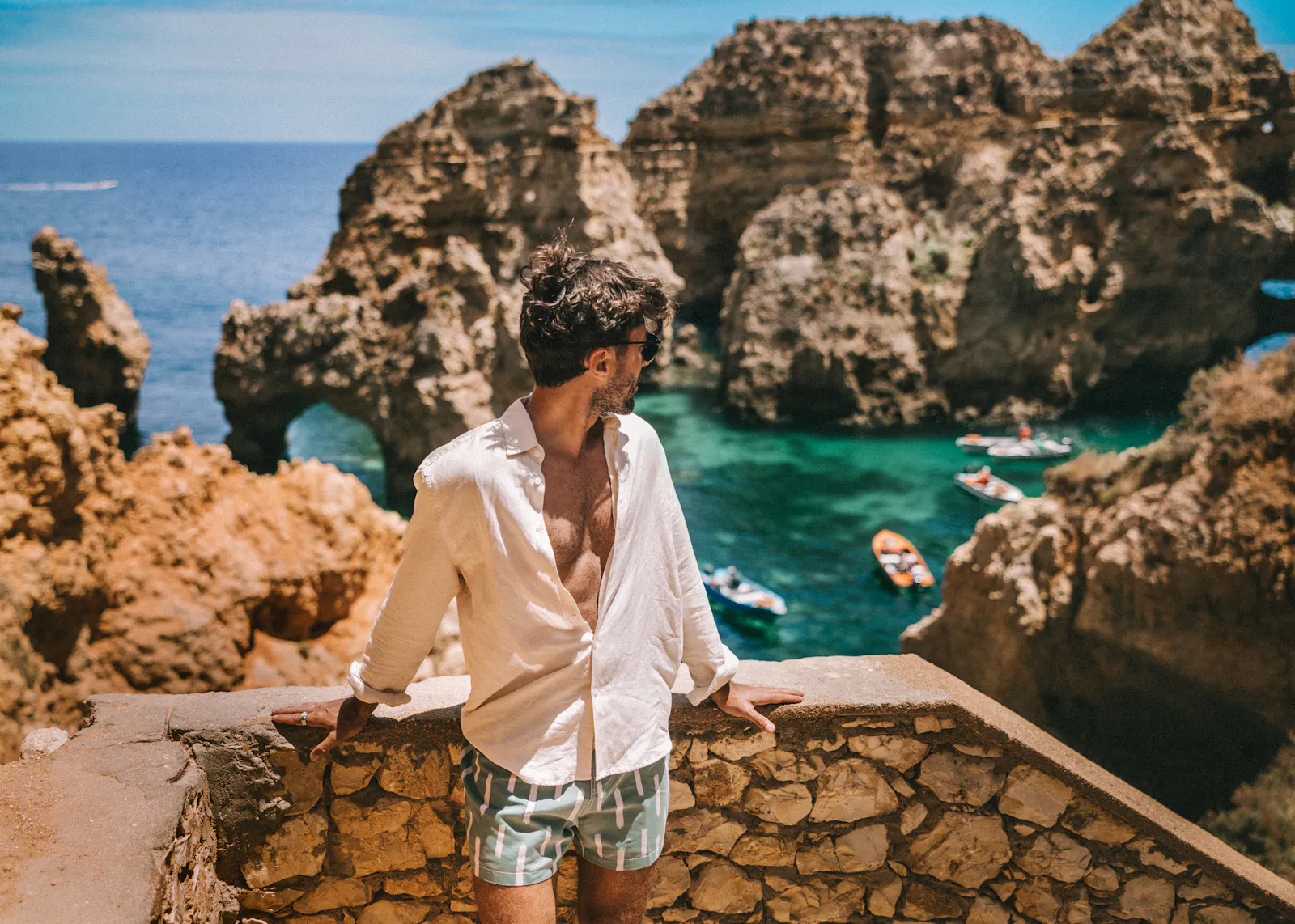
First trip to Iberia? Start with route 1 or 4. Want a gentler pace and fewer crowds? Route 5 is yours. Each one holds together on its own, but all five reward slow travel and an unhurried lunch. Choose the one closest to your idea of a good week, leave room for a detour or two, and let the peninsula do the rest.