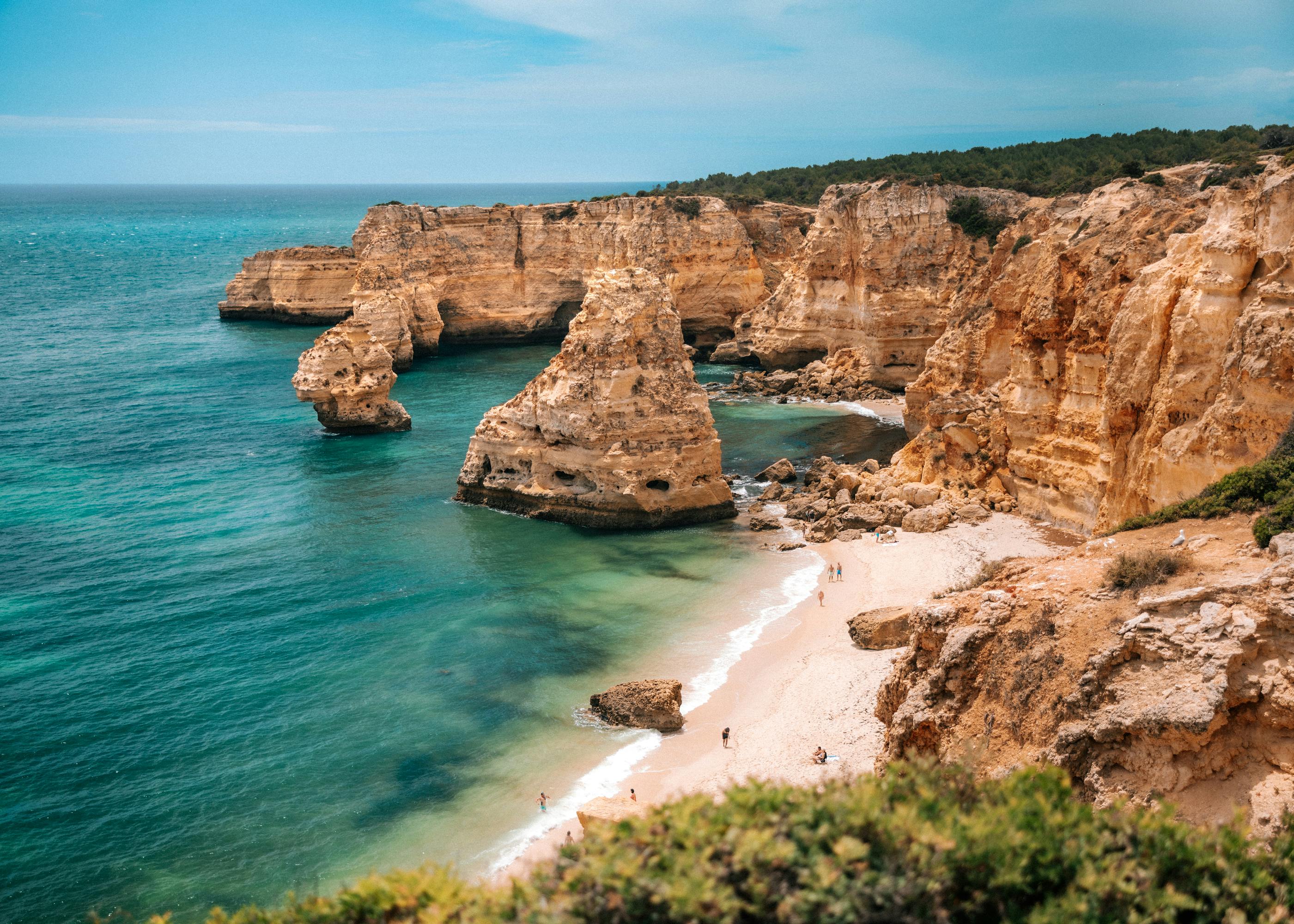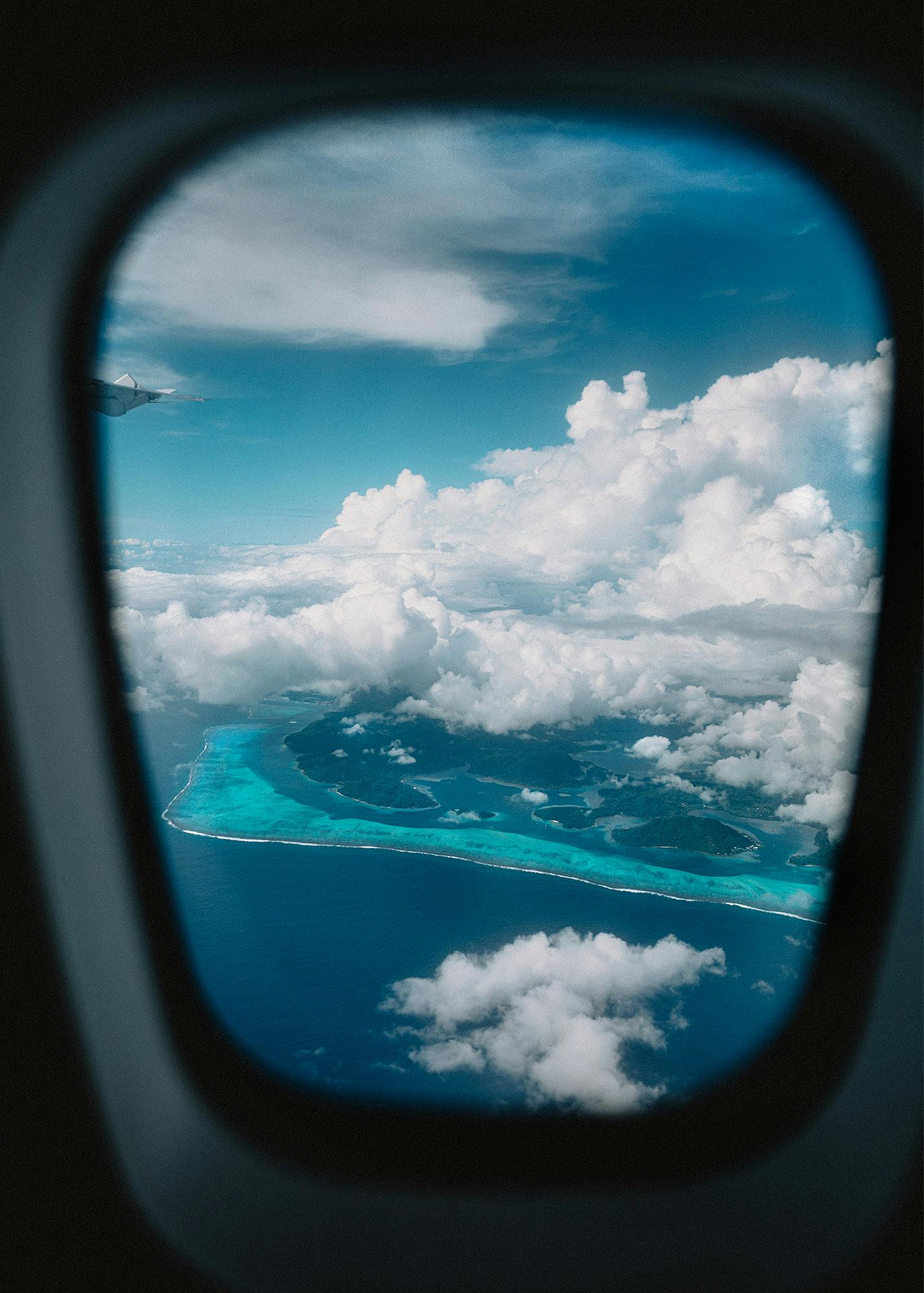
Island hopping travel offers variety without requiring long overland routes, but it also magnifies weak planning decisions. Each transfer introduces new variables - transportation reliability, accommodation location, weather exposure, and energy management - all of which compound quickly when multiple islands are involved. Using professional island-hopping experiences helps structure itineraries that prioritize cohesion over volume, allowing movement to feel intentional rather than disruptive.

Effective planning begins long before destinations are locked in. It starts with understanding how islands connect, how much transition time is realistic, and how to structure days so the experience remains fluid instead of fragmented.
1. Define Travel Priorities Before Selecting Islands
Island hopping works best when destinations serve a clear purpose rather than existing as standalone highlights. Without defined priorities, itineraries become overextended and unnecessarily complex.
Before choosing islands, establish what the trip needs to deliver overall. This clarity narrows options quickly and prevents inefficient routing.
Key priorities to establish early include:
- Desired pace, whether slow and immersive or efficient and varied
- Balance between rest-focused islands and activity-driven islands
- Tolerance for frequent ferry days or short regional flights
- Experiences that anchor the trip, such as diving, hiking, or cultural exploration
Once priorities are clear, island selection becomes a filtering process instead of an accumulation exercise.
2. Evaluate Inter-Island Transportation Realistically
Transportation is the backbone of island-hopping travel and the most common source of disruption. Ferry routes, flight schedules, and seasonal reliability vary widely by region and should be evaluated before committing to an itinerary.
Planning should account for both availability and predictability.
Critical transportation factors include:
- Frequency of ferries or regional flights between islands
- Seasonal schedule reductions or weather sensitivity
- Transfer distance between ports, airports, and accommodations
- Time of day connections that affect arrival and departure flow
Building conservative buffers into transit days protects the overall itinerary and reduces pressure to rush through destinations.
3. Choose Accommodations Based on Transit Access
Accommodation location has an outsized impact on how smooth island hopping feels. Properties far from ports or airports introduce unnecessary transfers and early departures that erode energy over time.
When planning multiple island stays, prioritize function over aesthetics.
Accommodation planning guidelines include:
- Proximity to ferry terminals or regional airports
- Reliable ground transportation options
- Flexible check in and check out policies aligned with transit times
- Access to dining and basic services without long transfers
This approach minimizes friction on movement days and preserves time for actual exploration.
4. Build Cultural and Local Time Into the Schedule
Island hopping can unintentionally limit cultural engagement when itineraries are overly structured. Allowing space for unplanned interaction is essential, particularly in regions where local rhythm does not align with rigid scheduling.
Cultural engagement is best integrated through flexibility rather than volume.
Effective approaches include:
- Anchoring each island with one or two priority experiences
- Leaving mornings or evenings unscheduled for exploration
- Prioritizing local markets, neighborhood dining, and informal settings
- Understanding regional customs to avoid unintentional friction
This creates depth without sacrificing structure.
5. Pack With Mobility as the Primary Constraint
Island hopping amplifies the cost of overpacking. Multiple transfers, smaller vessels, and limited infrastructure make mobility a practical necessity rather than a preference.
Packing should support ease of movement across environments.
A mobility focused packing strategy includes:
- Lightweight, layered clothing adaptable to changing conditions
- Footwear suitable for both transit and walking intensive days
- Compact essentials that may not be readily available on smaller islands
- Minimal technology supported by portable charging solutions
Reducing physical friction allows energy to remain focused on experience rather than logistics.
6. Schedule Downtime as a Structural Element
Downtime is not incidental in island hopping travel. It absorbs delays, supports recovery, and preserves enjoyment across multiple destinations.
Without intentional downtime, fatigue compounds quickly.
Effective pacing includes:
- Full non travel days after island transfers
- Avoiding early departures following late arrivals
- Limiting consecutive movement days
- Leaving buffer periods unscheduled
This rhythm allows the itinerary to flex without unraveling.
7. Prepare Contingency Options Before Departure
Island regions are inherently exposed to weather and operational variability. Preparing contingencies in advance reduces anxiety when plans shift.
Practical contingency planning includes:
- Identifying alternative islands or routes within the same region
- Keeping transit and accommodation details accessible offline
- Understanding change and cancellation policies
- Leaving at least one flexible day in the overall itinerary
Preparedness transforms disruption into adjustment rather than failure.
6 Best Island Hopping Vacation Destinations Around The World
Once planning fundamentals are in place, destination selection becomes more precise. The best island hopping regions share common traits - short distances, reliable transport, and infrastructure designed to support movement.
1. Southeast Asia Island Hopping Destinations With Dense Connectivity

Southeast Asia offers some of the most efficient island-hopping travel due to short distances and frequent transport.
Well-suited regions include:
- Thailand’s Andaman Sea and Gulf islands
- Indonesia’s Bali, Nusa Islands, and parts of Flores
- The Philippines’ Palawan and Visayas regions
Ferries and short flights operate frequently, allowing flexible routing with minimal transit fatigue.
2. Mediterranean Island Hopping Destinations With Short Distances
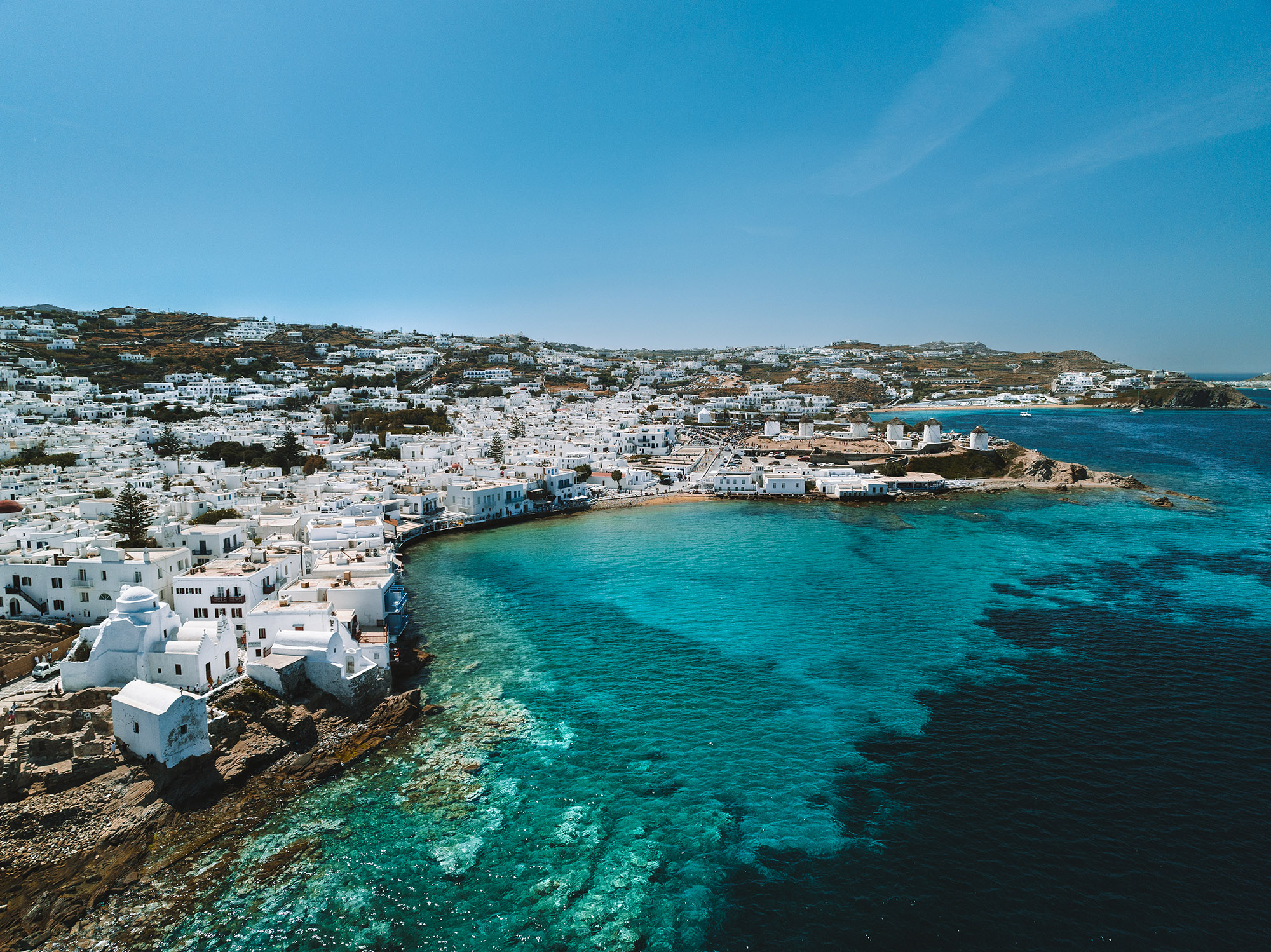
The Mediterranean excels at island hopping due to compact geography and long-established ferry networks.
Reliable regions include:
- Greek island groups such as the Cyclades and Dodecanese
- Croatia’s Dalmatian Coast islands
- Italy’s Aeolian and Aegadian islands
Predictable schedules and short crossings support relaxed pacing.
3. Caribbean Island Hopping Destinations With Regional Flight Access

The Caribbean offers a strong island variety but often relies more on flights than ferries.
Efficient island hopping hubs include:
- The Eastern Caribbean chain
- Puerto Rico combined with the Virgin Islands
- The Bahamas Out Islands
Regional airlines make multi-island itineraries feasible when planned carefully.
4. Pacific Island Hopping Regions Best Suited for Air Travel
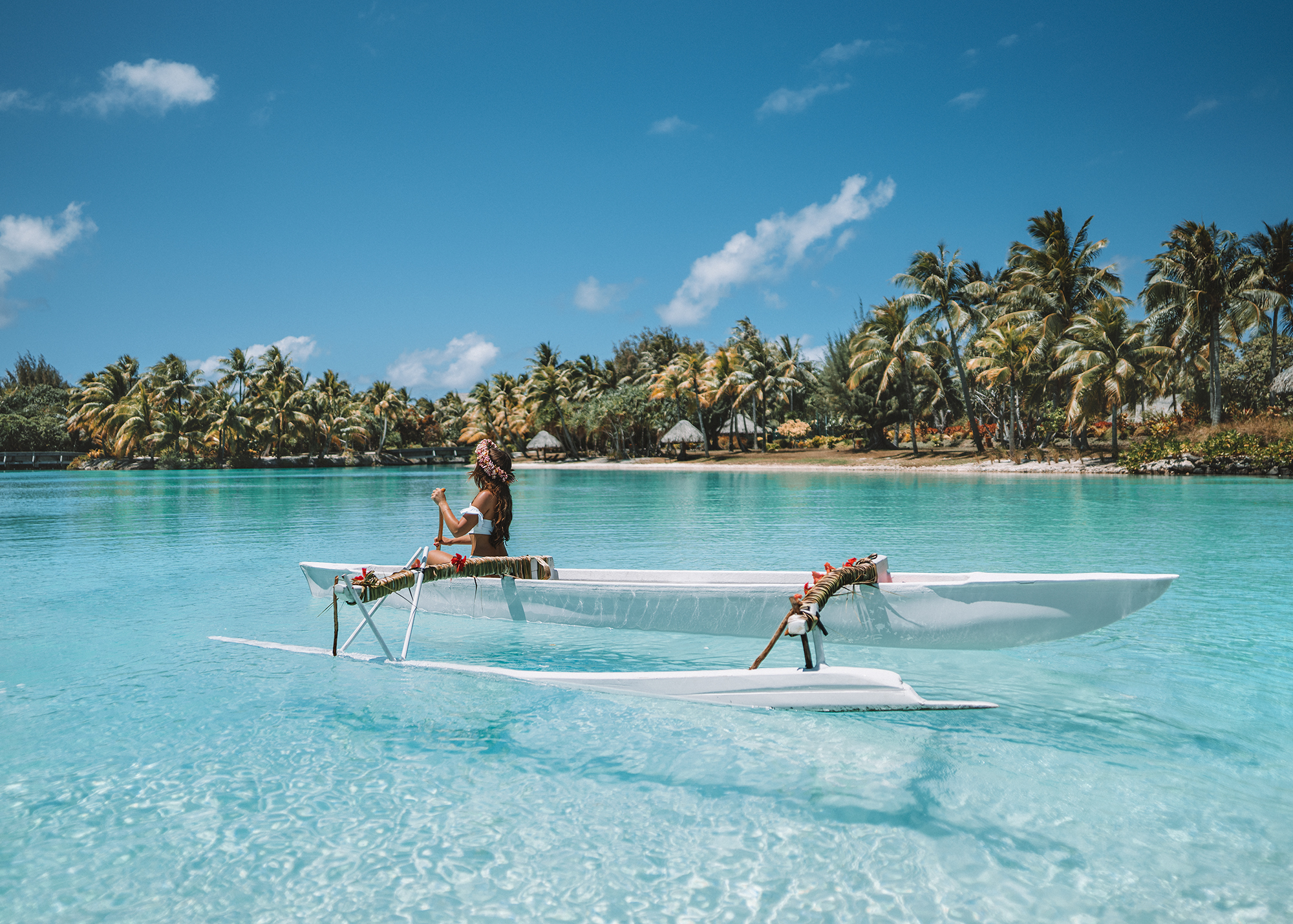
Pacific island hopping requires greater spacing and reliance on flights, but rewards careful planning.
Viable regions include:
Strong aviation infrastructure supports movement despite longer distances.
5. European Island Groups Designed for Multi-Island Travel

Beyond the Mediterranean, Europe offers island clusters optimized for short stays and movement.
Notable examples include:
- Spain’s Balearic Islands
- Portugal’s Azores archipelago
- Scotland’s Inner Hebrides
These regions balance accessibility with distinct island character.
6. Indian Ocean Island Hopping Destinations With Stable Infrastructure

Indian Ocean islands require careful sequencing but offer high-quality infrastructure.
Well-planned regions include:
- The Seychelles inner islands
- Parts of the Maldives with short seaplane transfers
Distances are manageable when routing is conservative.
Island-hopping travel succeeds when planning is treated as an architectural exercise rather than a checklist. Clear priorities, realistic transit evaluation, and region-appropriate destination selection transform movement into momentum. When structure supports flexibility, island hopping delivers variety without dilution, allowing each place to register fully while remaining part of a coherent journey.
Like this post? Pin it for later and share it with others!

xx