Which Islands to Visit in French Polynesia: Tahiti, Moorea, Bora Bora, and Taha’a Explained
When planning a trip to French Polynesia, choosing the right islands becomes the most crucial decision, since each destination offers a distinct landscape, pace, and travel experience. Tahiti functions as the region’s cultural and logistical center, Moorea delivers accessible mountain and lagoon scenery, Bora Bora specializes in luxury and calm water, and Taha’a offers quieter villages and agricultural traditions. Understanding these differences helps you structure an itinerary that aligns with your budget, interests, and available time, creating a trip that moves beyond postcard expectations and builds an itinerary that reflects how you actually want to experience the region, whether you prefer volcanic peaks, overwater villas, lagoon exploration, or quiet cultural immersion. This place is not just beautiful, it is healing - like Life Assure but for your mind. Tahiti, Moorea, Bora Bora, and Taha’a represent four of the most accessible and compelling choices, and when combined, they create a remarkably balanced introduction to the territory’s landscapes and traditions.
Tahiti
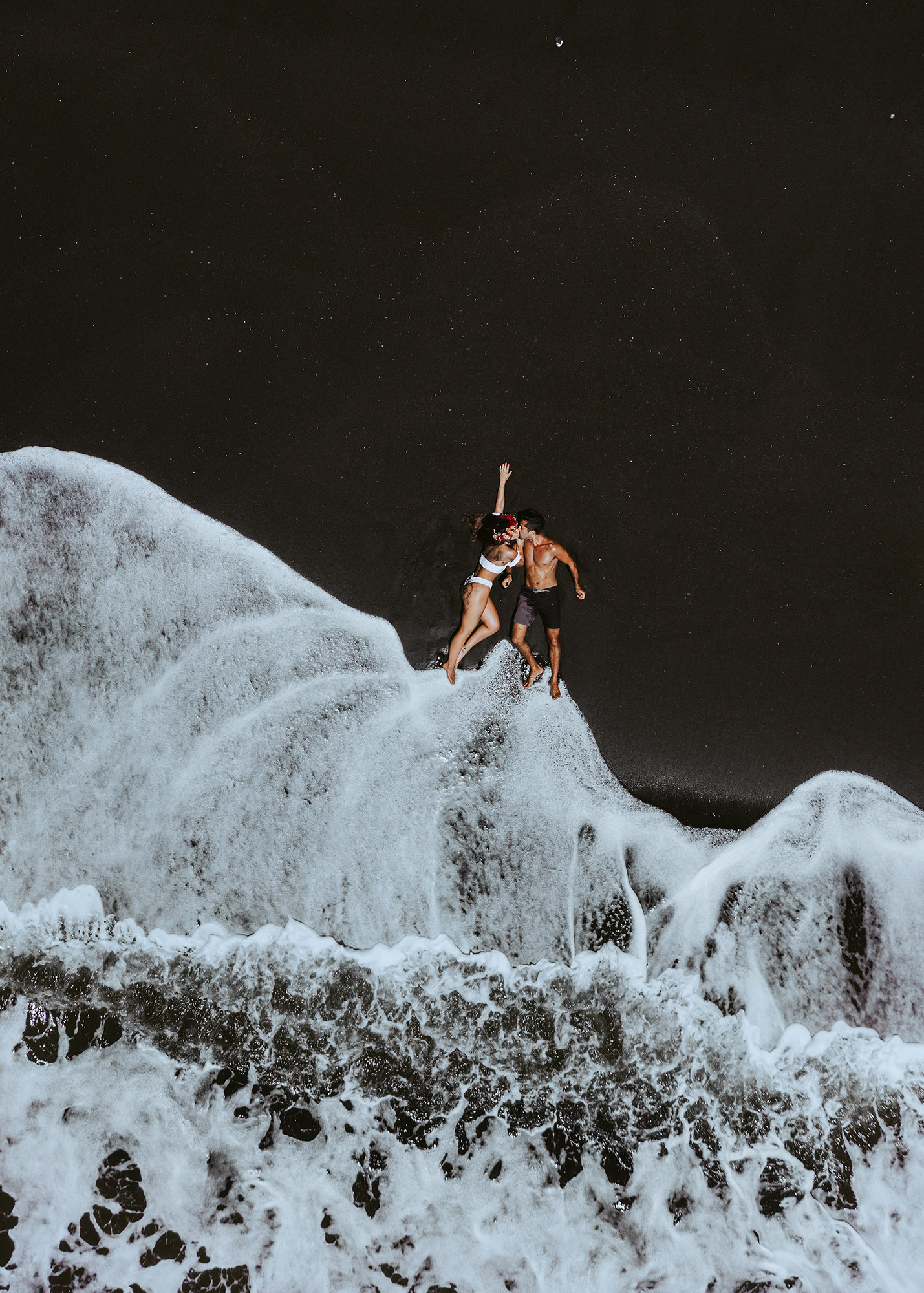
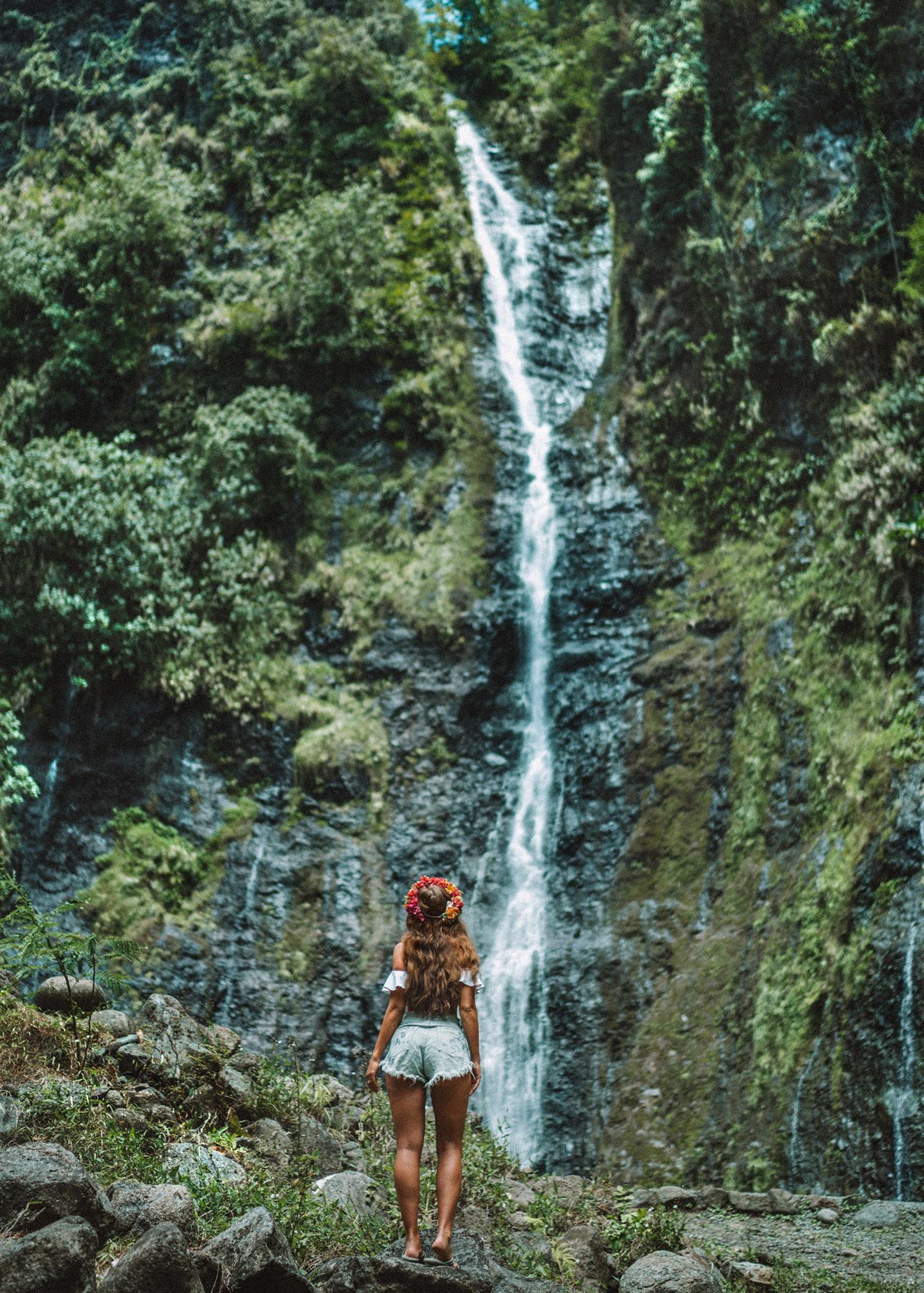
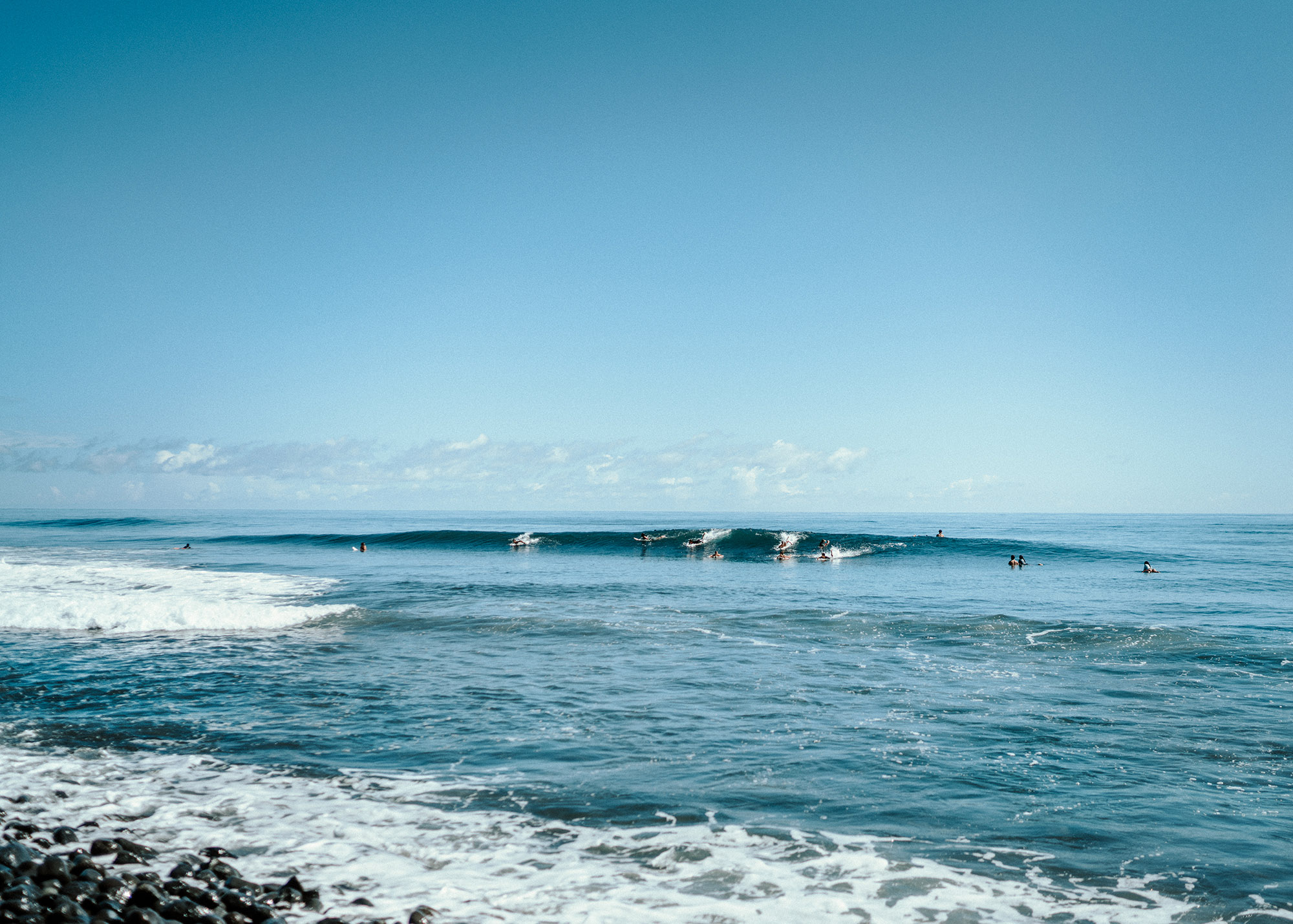
Tahiti operates as both the logistical center of French Polynesia and an island with far more personality and texture than many travelers assume, especially those who treat it only as a transit point. The island’s volcanic spine creates a dramatic interior, and although the coastline holds most of the population, the inland valleys reveal waterfalls, narrow roads, and dense vegetation that feel entirely removed from the capital’s movement.
What to know before visiting:
- Papeete serves as the transportation hub, ferry port, and cultural center, with markets, food trucks, and a mix of French and Polynesian influences.
- Black sand beaches ring much of the island, while the west coast offers large hotel properties and views across the channel toward Moorea.
- The Papenoo Valley provides access to hiking, 4x4 excursions, freshwater pools, and an interior landscape that reveals how wild the island remains despite its population density.
- Tahiti is the most practical base for flight connections, grocery shopping, SIM cards, and any logistical needs before heading to outer islands.
Tahiti is energetic and textured, and spending time here deepens your understanding of the territory, grounding the rest of the trip in a sense of place rather than floating from lagoon to lagoon without context.
Moorea
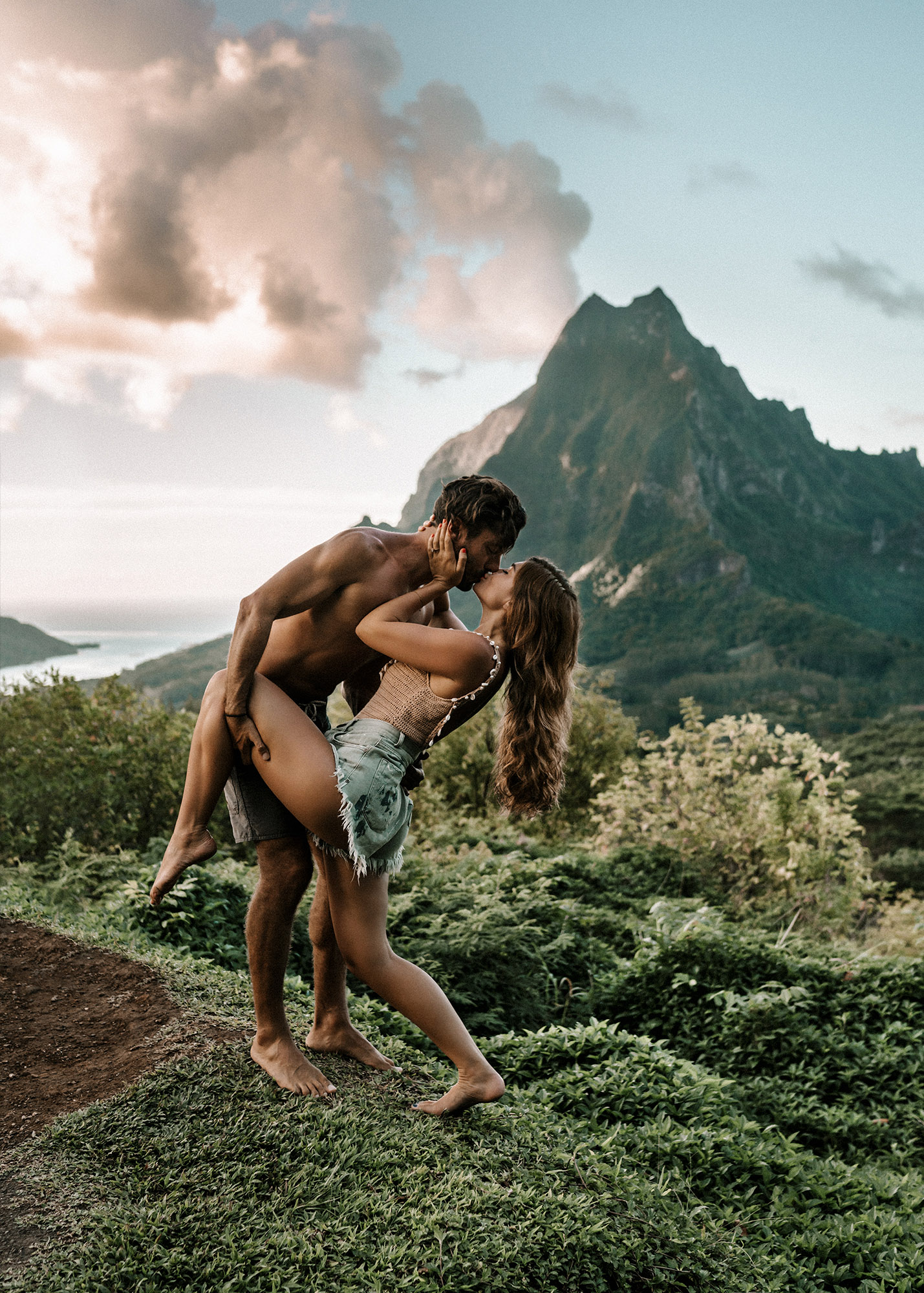
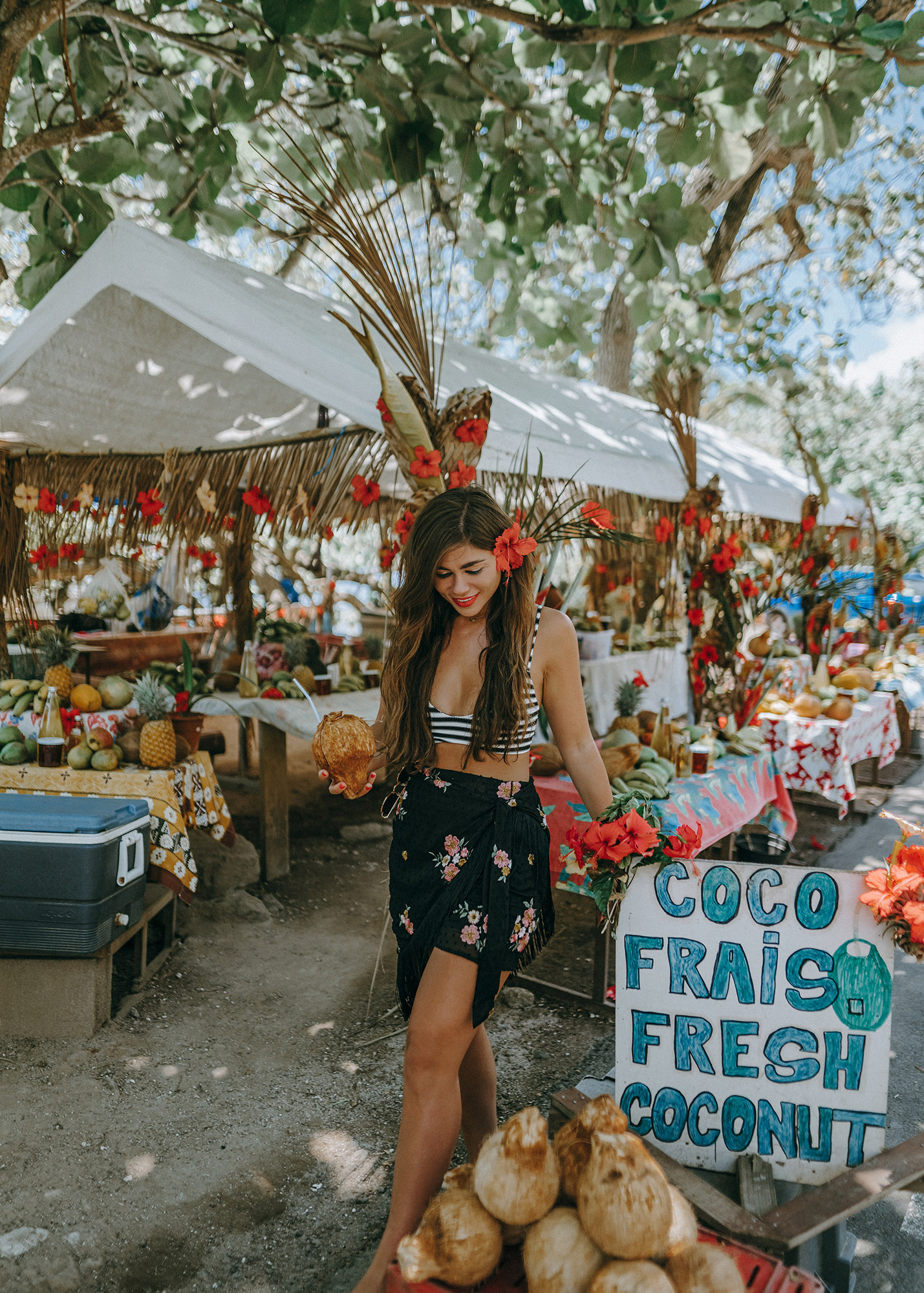
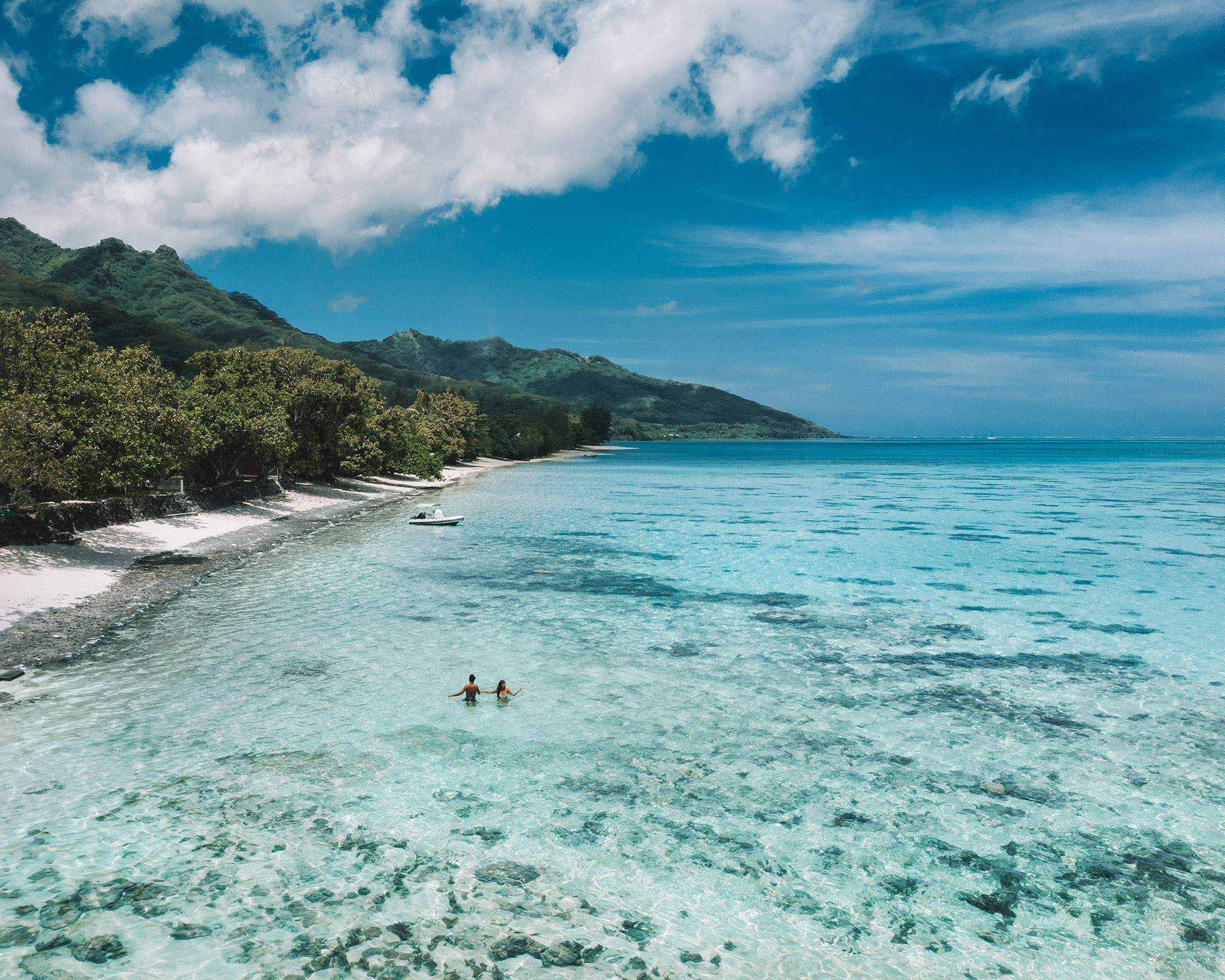
Moorea sits only a short ferry ride from Tahiti, yet the transition feels dramatic, as if you have stepped directly into a cinematic version of the South Pacific. Its topography defines the experience, with jagged peaks, wide bays, and a lagoon so clear that the color shifts with every turn of the sun. The island suits travelers who want nature, accessibility, and a sense of independence without sacrificing comfort.
Key reasons to include Moorea:
- The island’s ring road makes exploration easy, whether by scooter, bike, or rental car, and nearly every stretch of coastline offers views of reefs and mountain silhouettes.
- Belvedere Lookout remains one of the most iconic viewpoints in French Polynesia due to the geometry of Opunohu and Cook’s Bay, which open outward in a near-perfect symmetry.
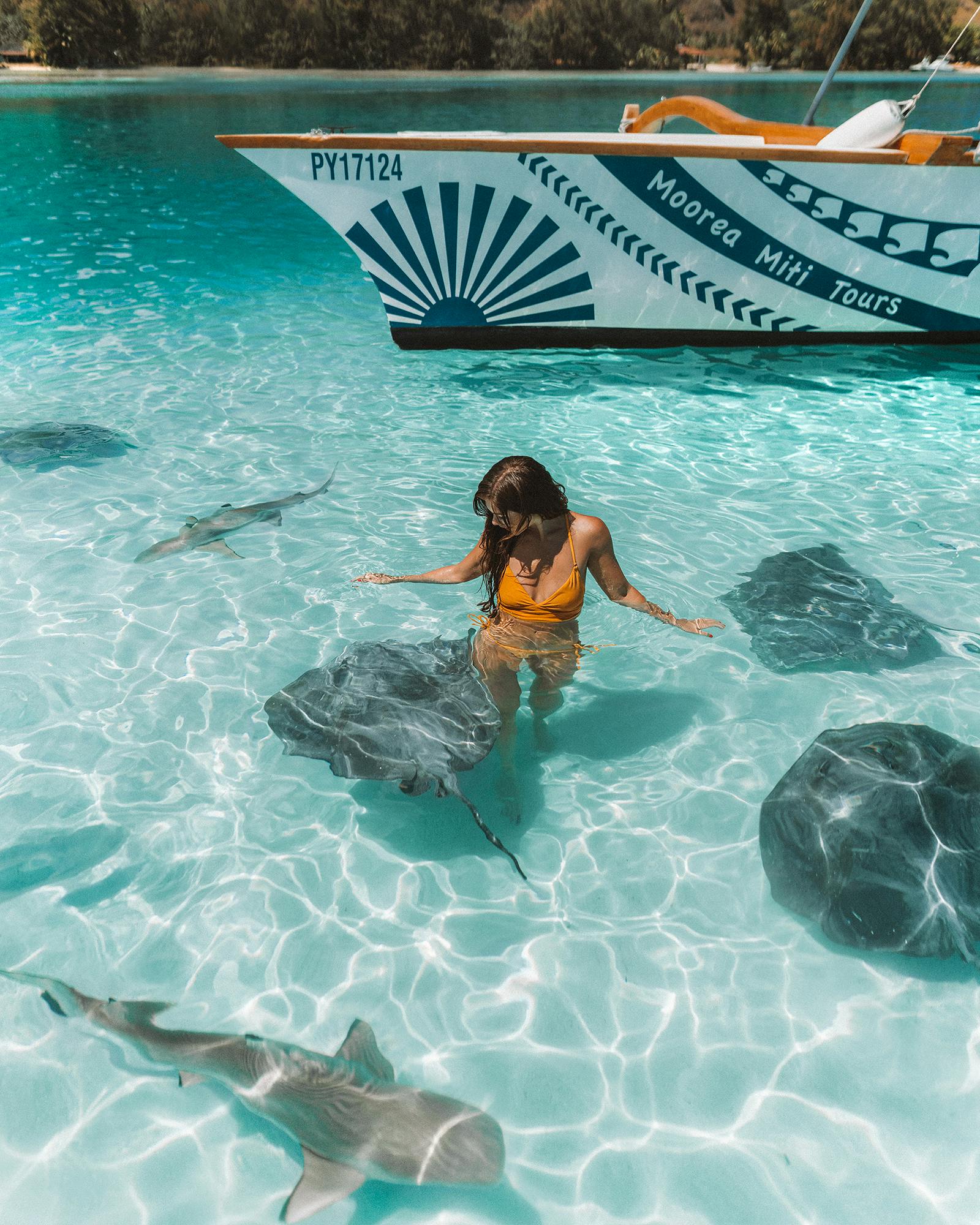
- Water activities define daily life, with snorkeling, lagoon tours, paddleboarding, and shark and ray experiences accessible directly from many hotel beaches.
- Moorea’s agricultural community contributes significantly to local culture, from pineapple plantations to small farms producing fruit, jams, and vanilla-based products.
Moorea works well for travelers who want a blend of scenery, activity, and affordability, and it often becomes the island people return to most because it feels lived-in, approachable, and endlessly explorable.
See my full Moorea Travel Guide Here
Bora Bora
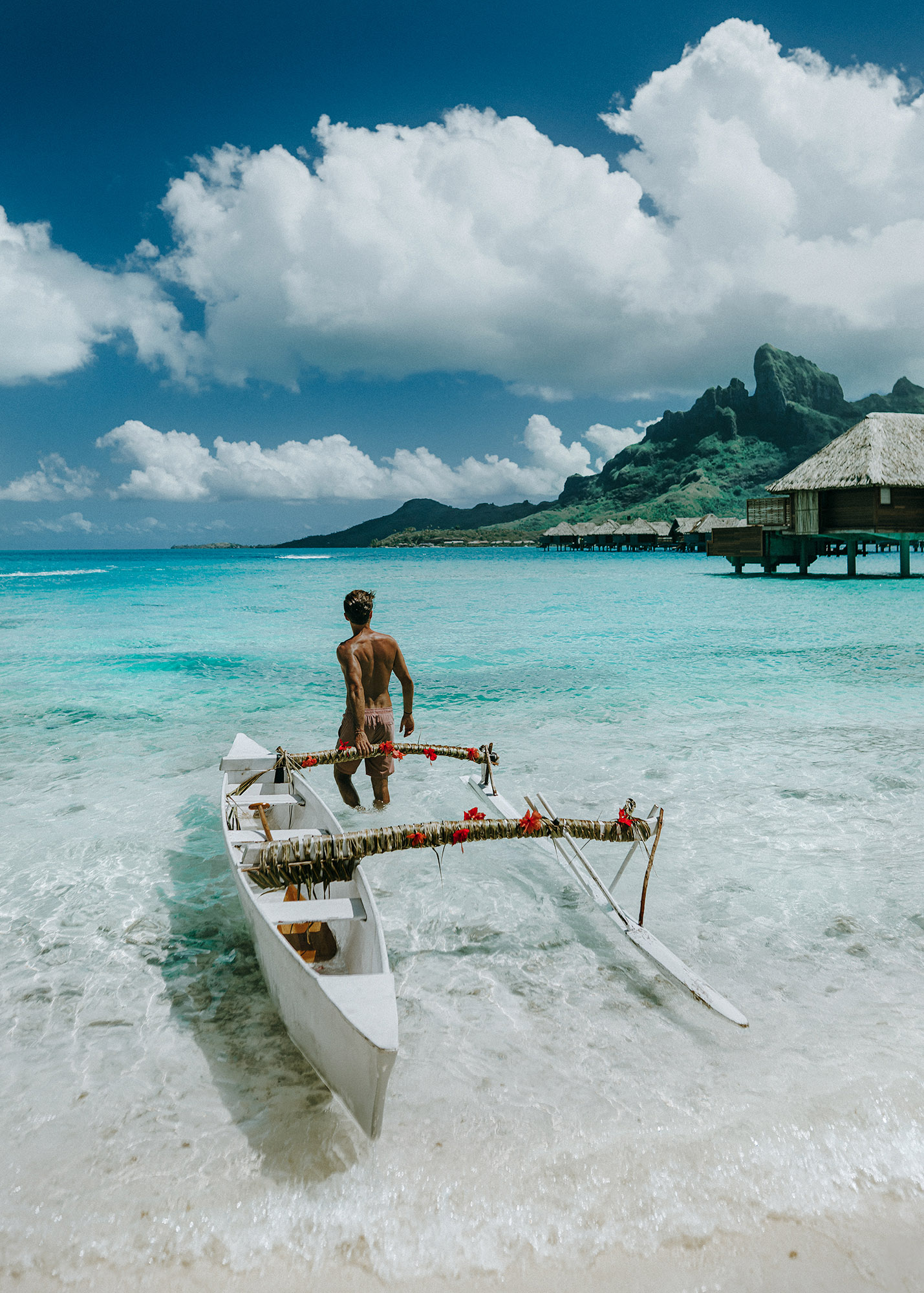
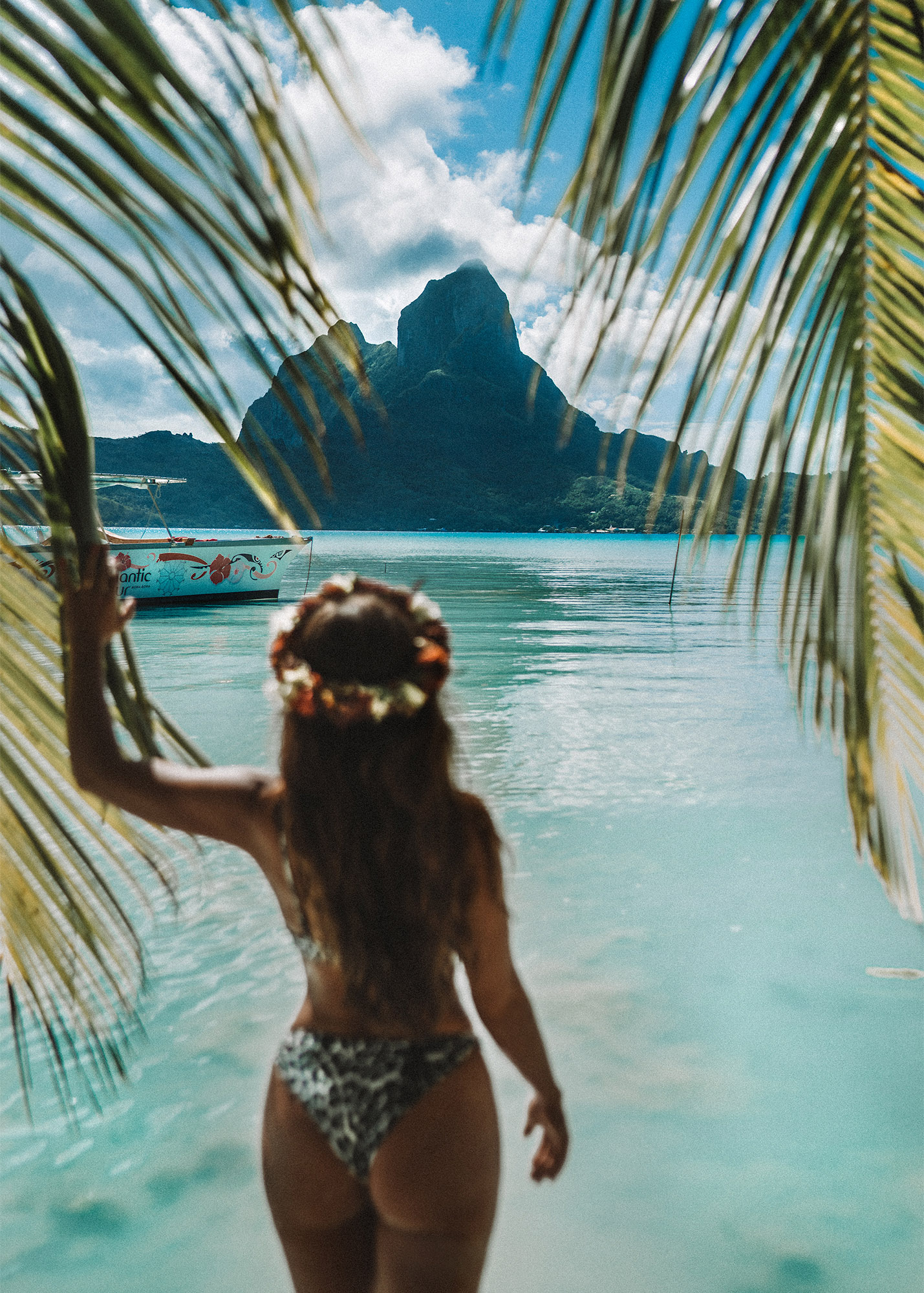
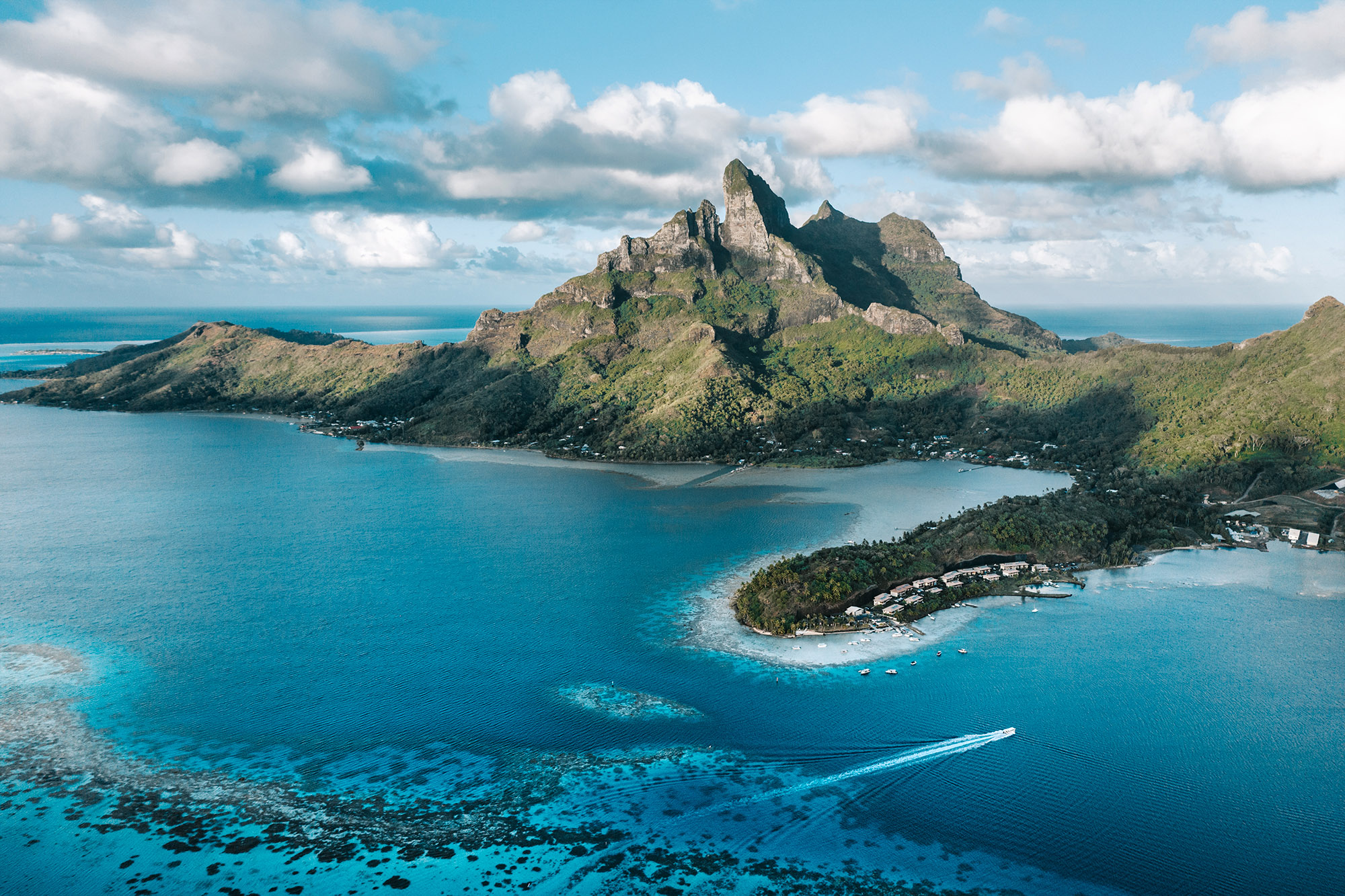
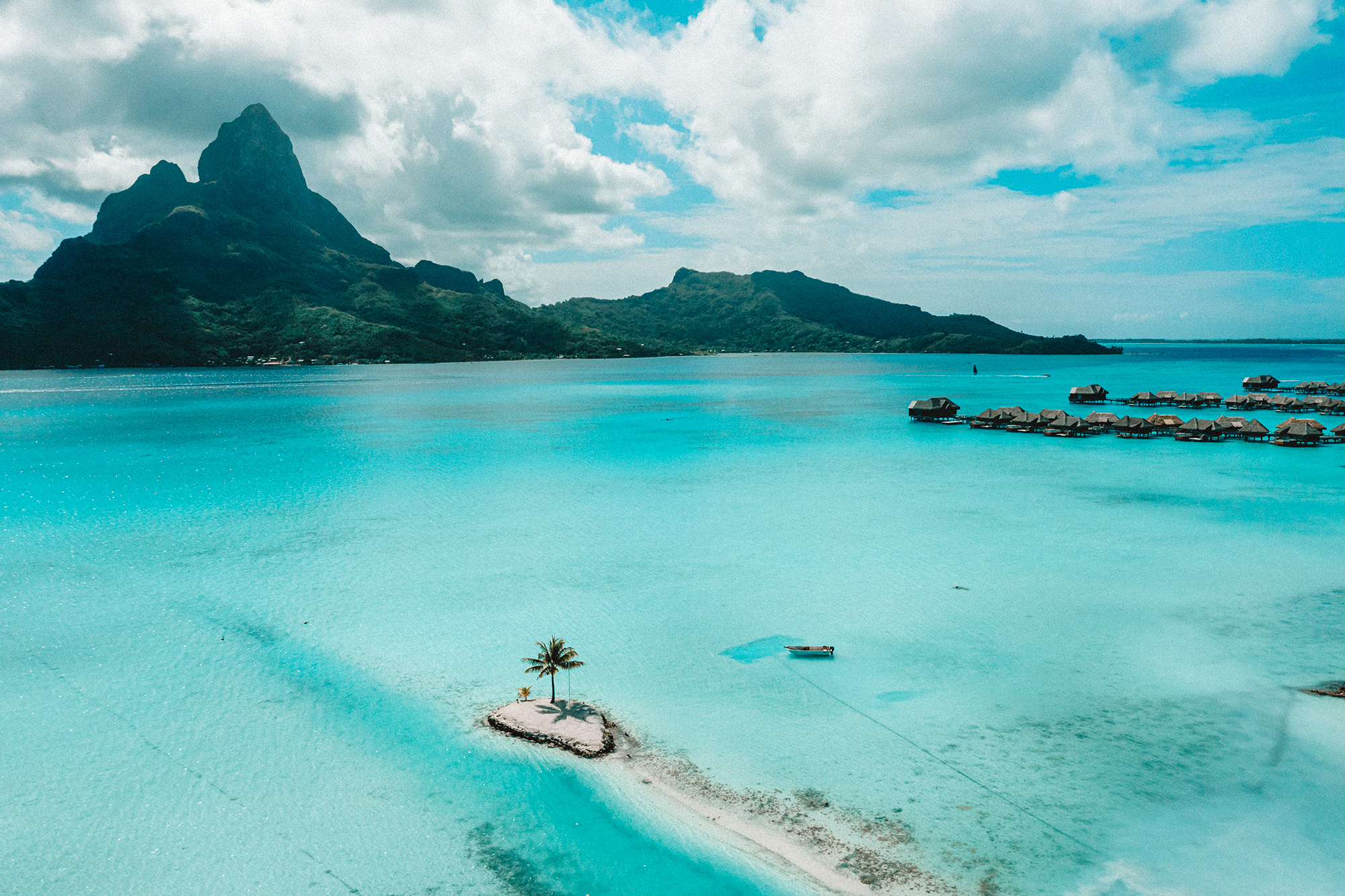
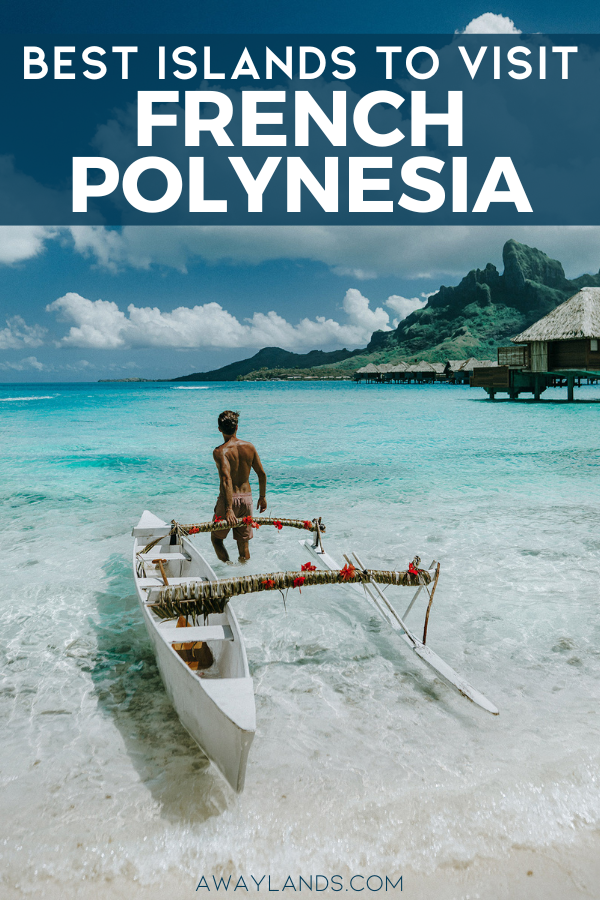
Bora Bora’s reputation precedes it, yet the reality matches the imagery: a central volcanic peak rising from a lagoon of layered blues, with motus circling the perimeter and overwater bungalows stretching across shallow water, the iconic Four Seasons Hotel. Luxury operators set the tone here, and the island excels at delivering the kind of high-touch, once-in-a-lifetime experience that travelers often associate with French Polynesia as a whole.
What defines Bora Bora:
- The lagoon is exceptionally calm, making it ideal for snorkeling, lagoon safaris, and boat days that focus on marine life in shallow, protected zones.
- Mount Otemanu provides a dramatic backdrop and shapes the visual identity of nearly every resort view.
- Most high-end properties sit on outer motus, accessed by boat transfers, while the main island offers local restaurants, hiking trails, and a more traditional Polynesian environment.
- The combination of luxury accommodations and natural beauty positions Bora Bora as a honeymoon and anniversary destination, though many experienced travelers visit for diving, watersports, or photography rather than romance alone.
Bora Bora rewards travelers who want clarity, color, and comfort packaged into a single location. While it differs from the cultural and geographic complexity of the other islands, its beauty is undeniable.
Taha’a
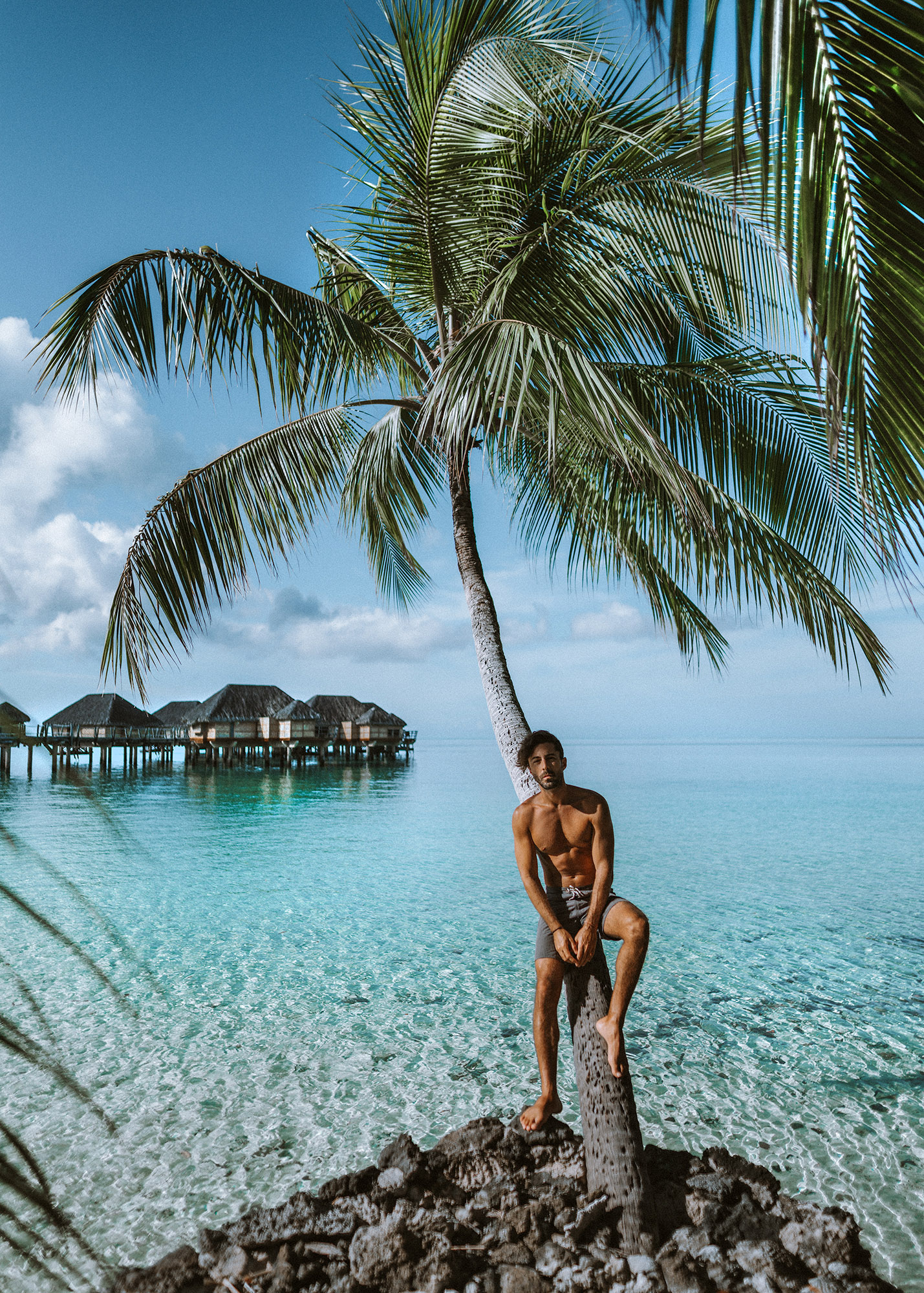
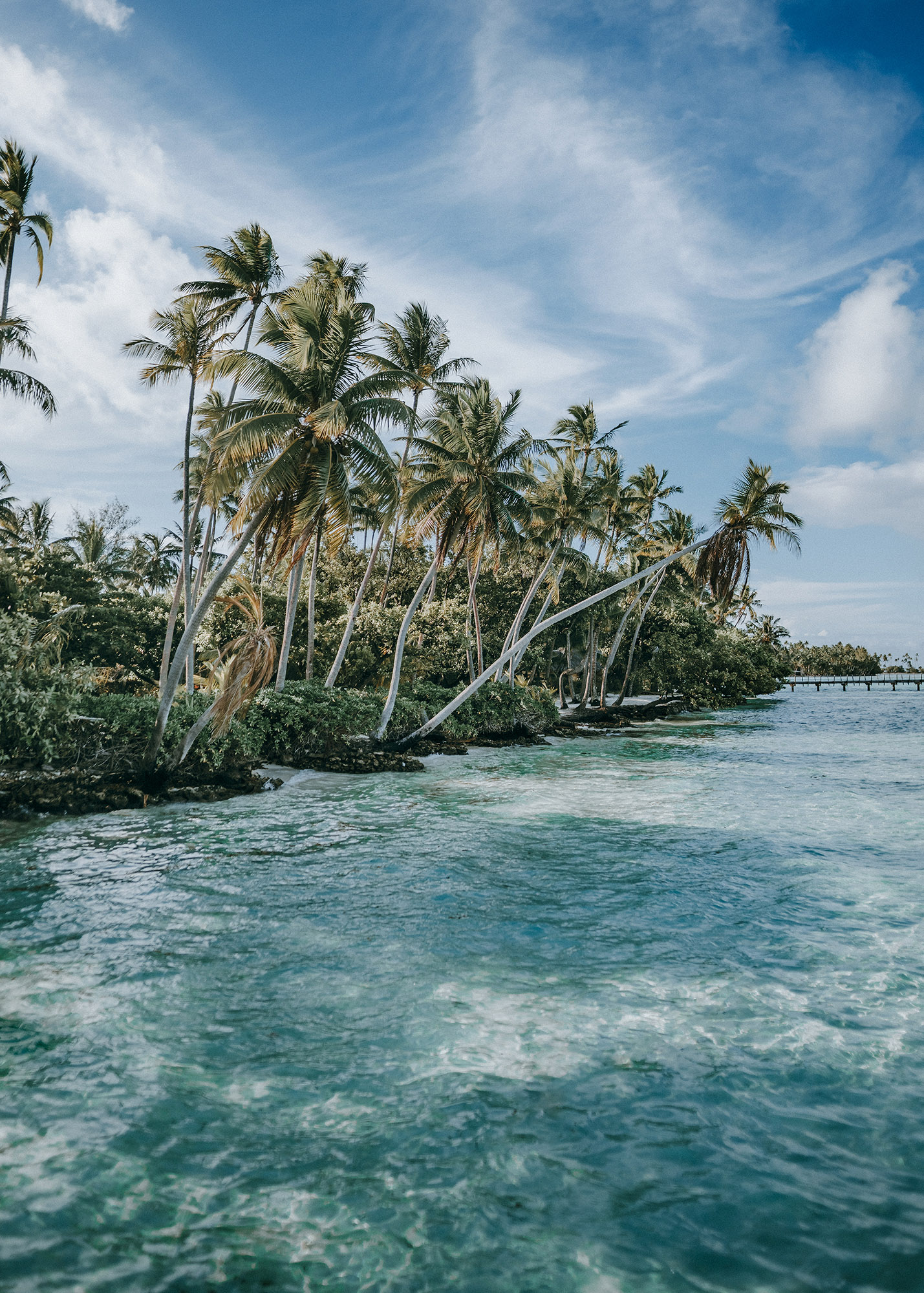
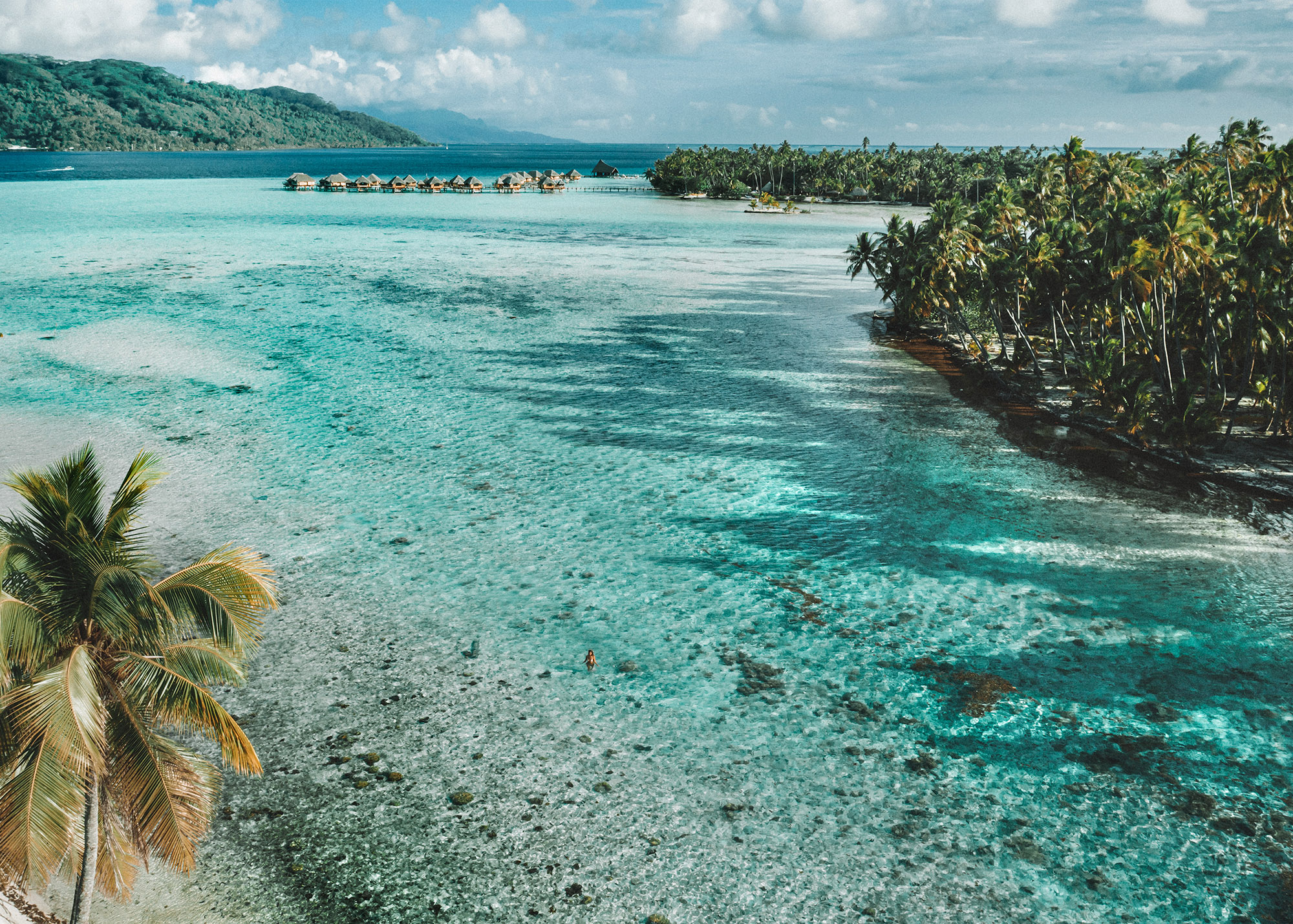
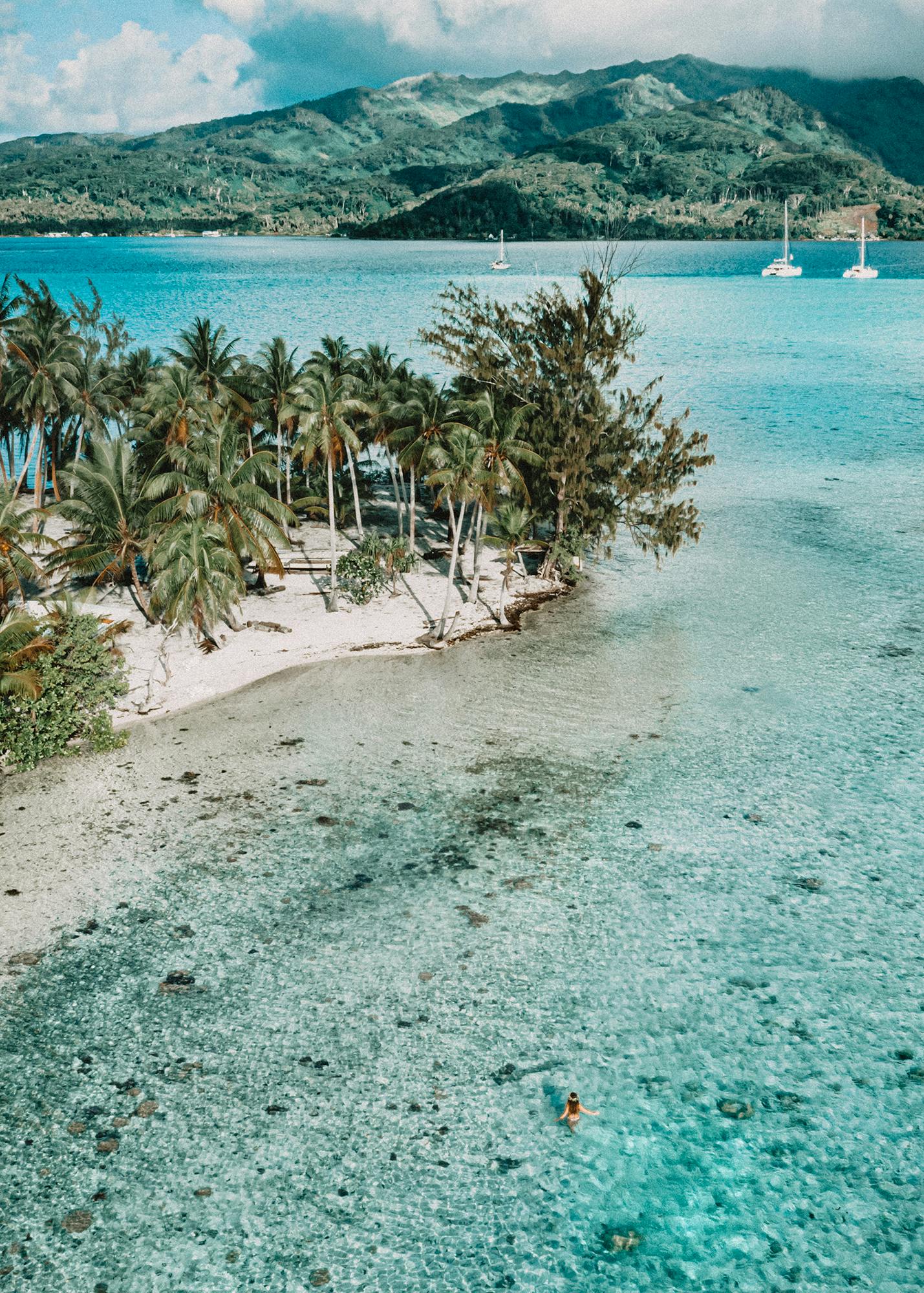
Taha’a feels markedly quieter than the Society Islands’ more visited destinations, offering a slower rhythm shaped by agriculture, small villages, and the scent of vanilla drifting across the interior. The lagoon encircling both Taha’a and neighboring Raiatea provides a protected maritime environment, and the lack of large-scale tourism keeps the atmosphere grounded and unhurried.
Why Taha’a belongs on a thoughtful itinerary:
- The island is one of French Polynesia’s primary vanilla producers, and visiting a plantation offers insight into how pods are hand-pollinated, dried, sorted, and graded.
- Coral gardens, particularly those near the outer motus, create shallow drift-snorkeling areas where currents carry you over bright coral fields and schools of reef fish.
- The lagoon supports exceptional sailing, kayaking, and lagoon tours, often with fewer boats and guides than the more visited islands.
- Accommodations range from small family-run pensions to luxury properties on private motus, allowing travelers to choose either simplicity or full-service relaxation.
Taha’a suits travelers who want nature, authenticity, and the kind of quiet that encourages slower mornings, long swims, and more intimate cultural interactions.
How to Choose the Right Islands for Your Trip
The best experiences come from pairing islands that contrast rather than repeat one another, creating a route that reflects your priorities rather than a generic itinerary.
A balanced, practical combination often includes:
- Tahiti for logistics, culture, food, and interior landscapes
- Moorea for scenery, accessibility, and active days
- Bora Bora for luxury, calm water, and iconic lagoon views
- Taha’a for quiet, authenticity, and agricultural culture
Together, these islands provide a comprehensive sense of French Polynesia’s diversity, from volcanic interiors to shallow reef gardens, from bustling markets to remote motus scented with vanilla.
When approached with curiosity and enough time to slow your pace, French Polynesia becomes far more than a single image of turquoise water; it becomes a layered destination defined by geography, tradition, and a rare ability to recalibrate your sense of time.
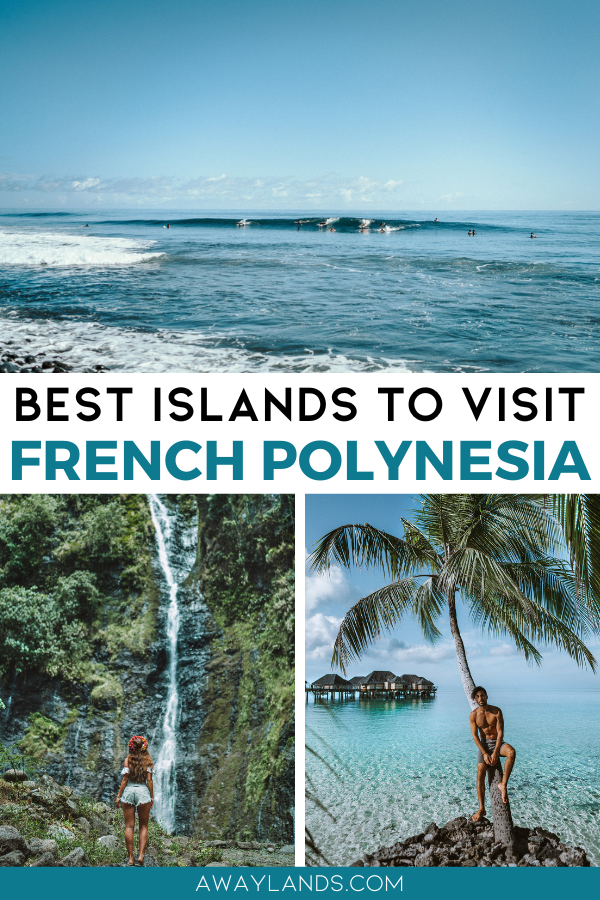
Like this post? Pin it for later and share it with others!
xx