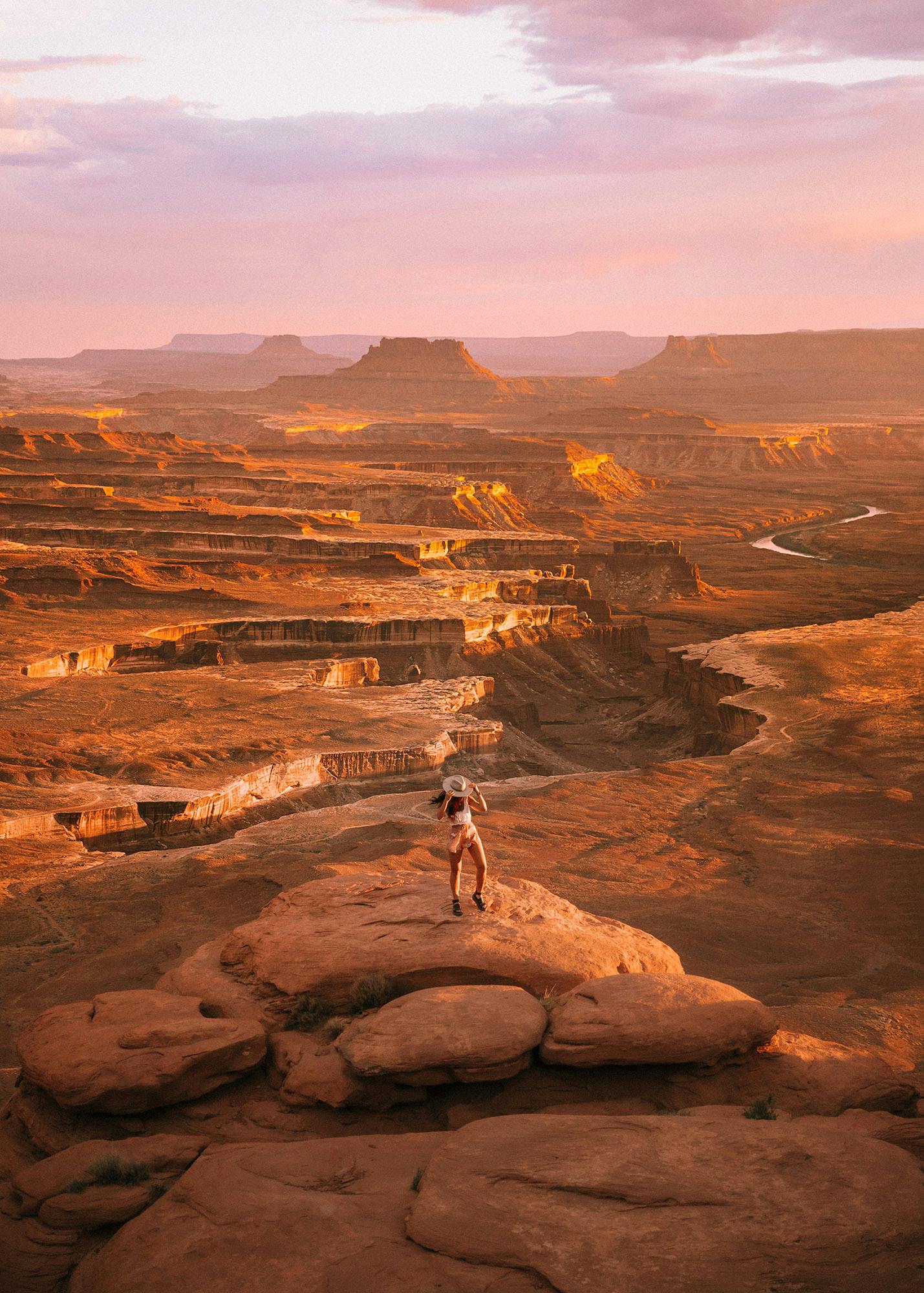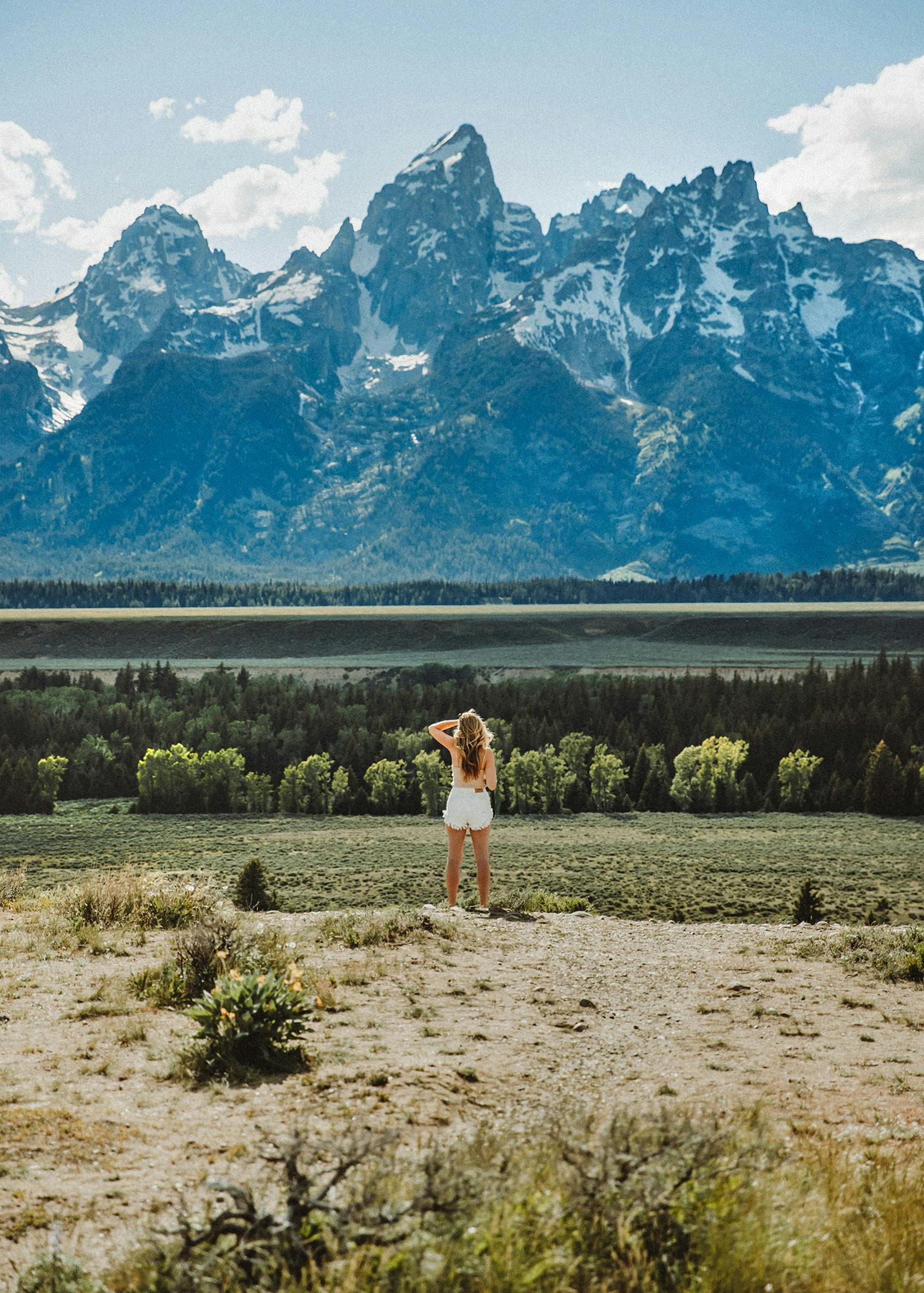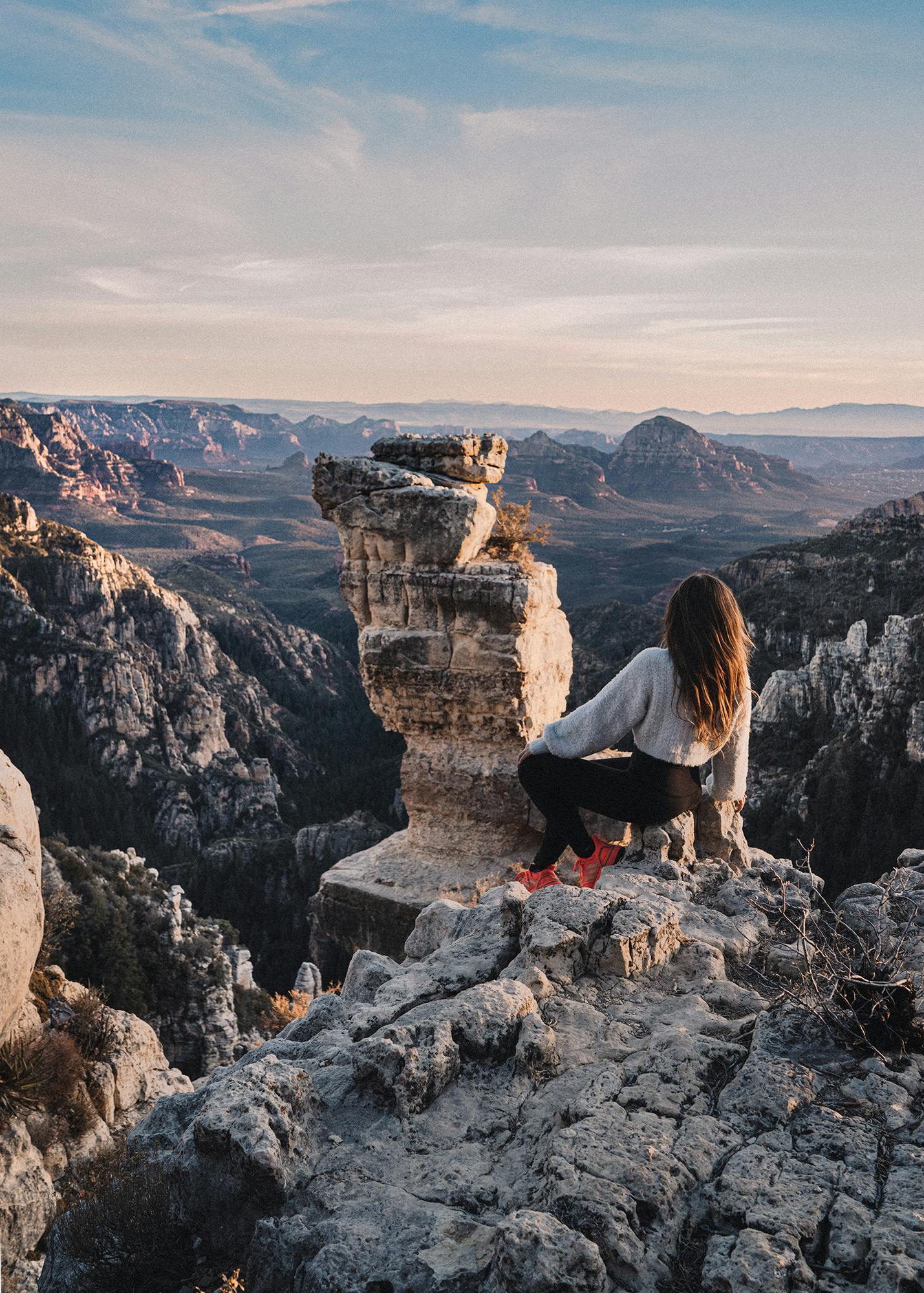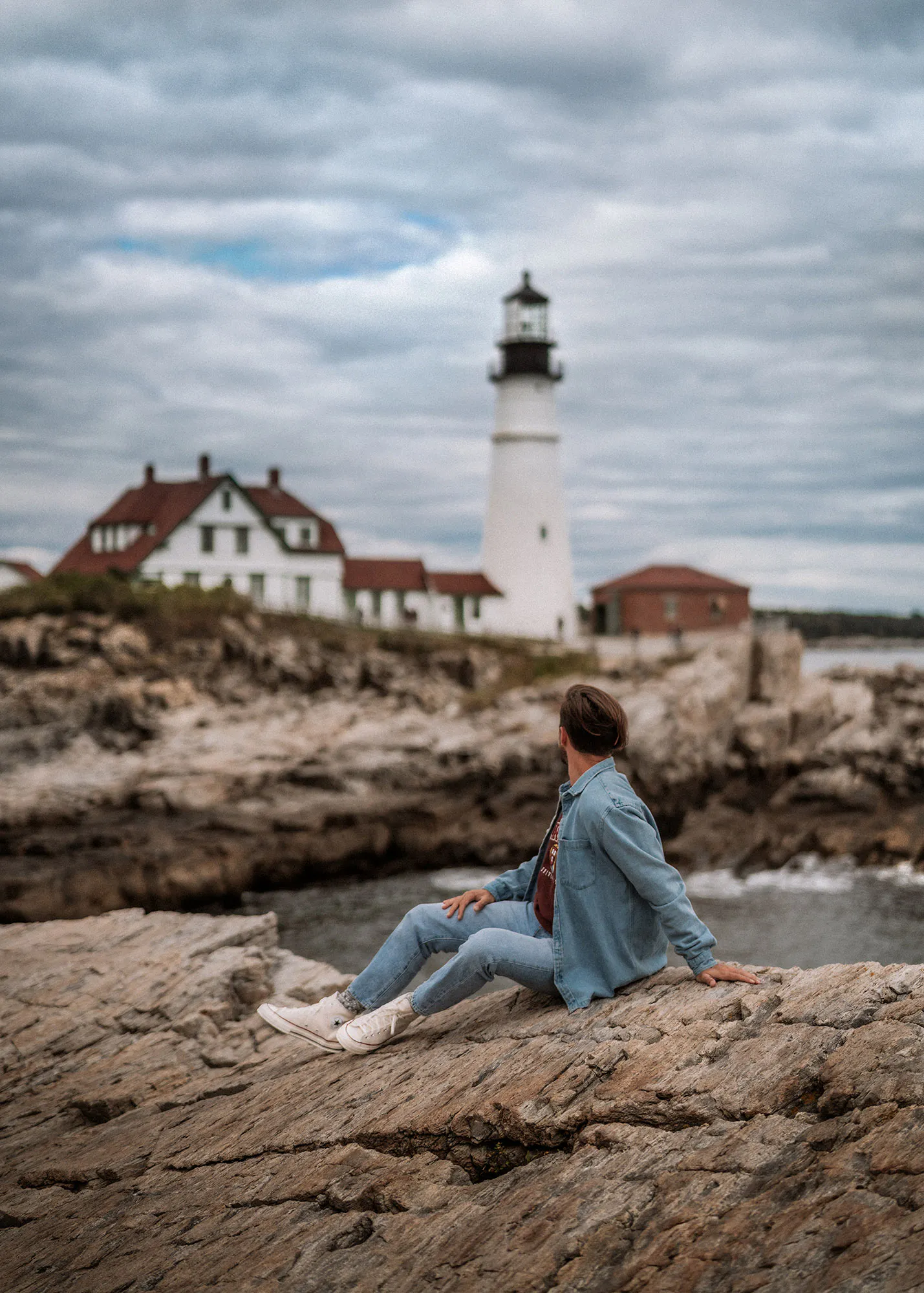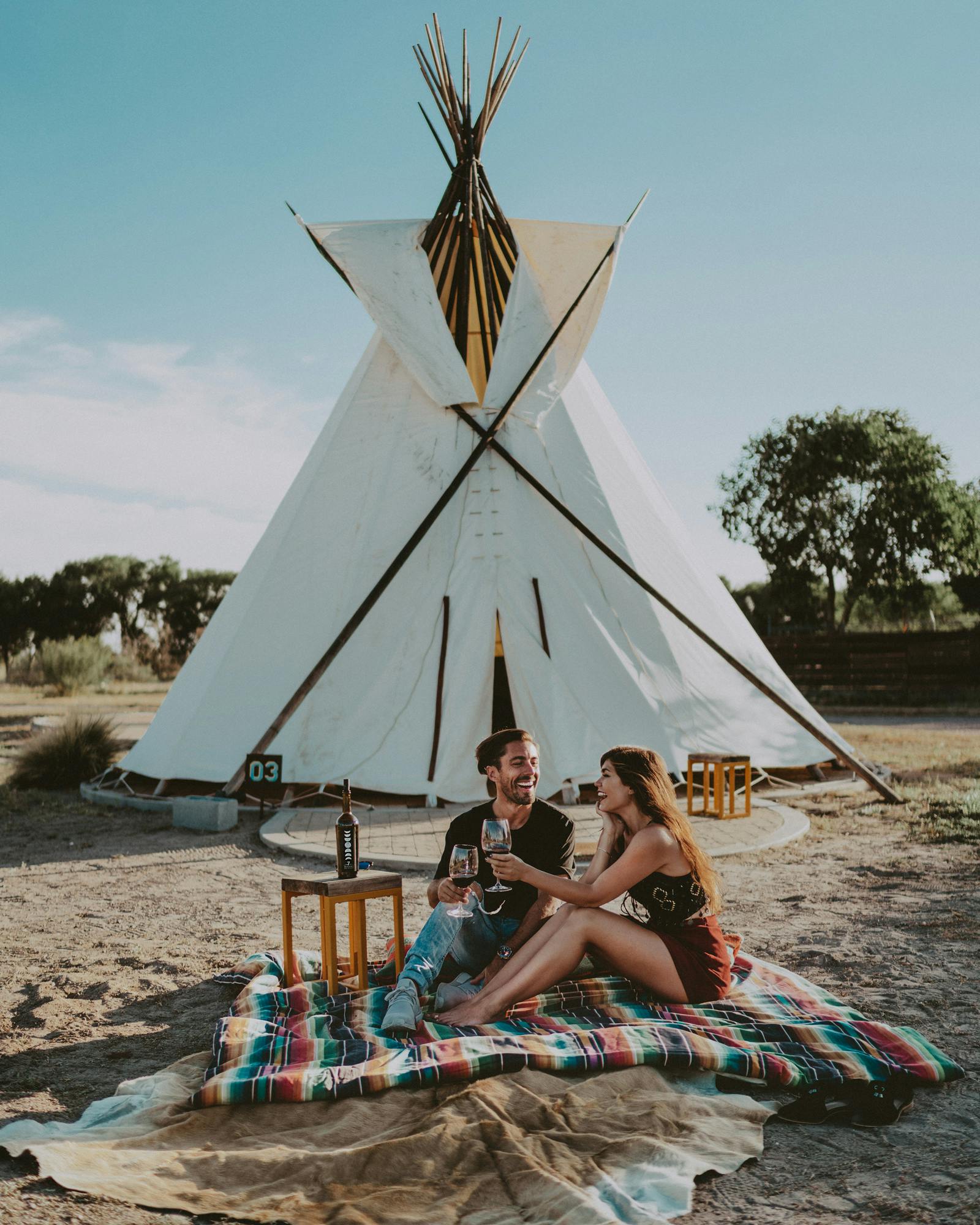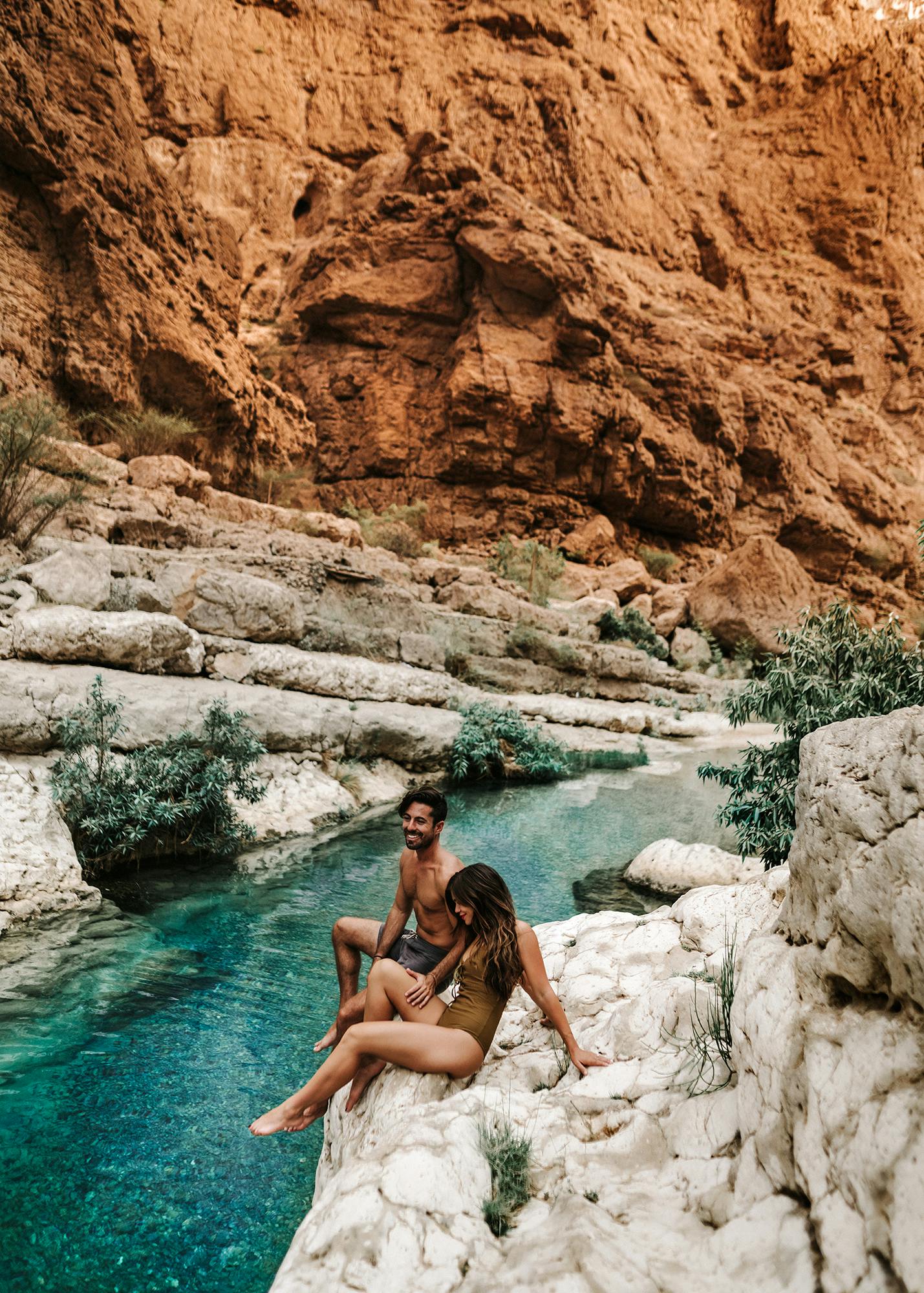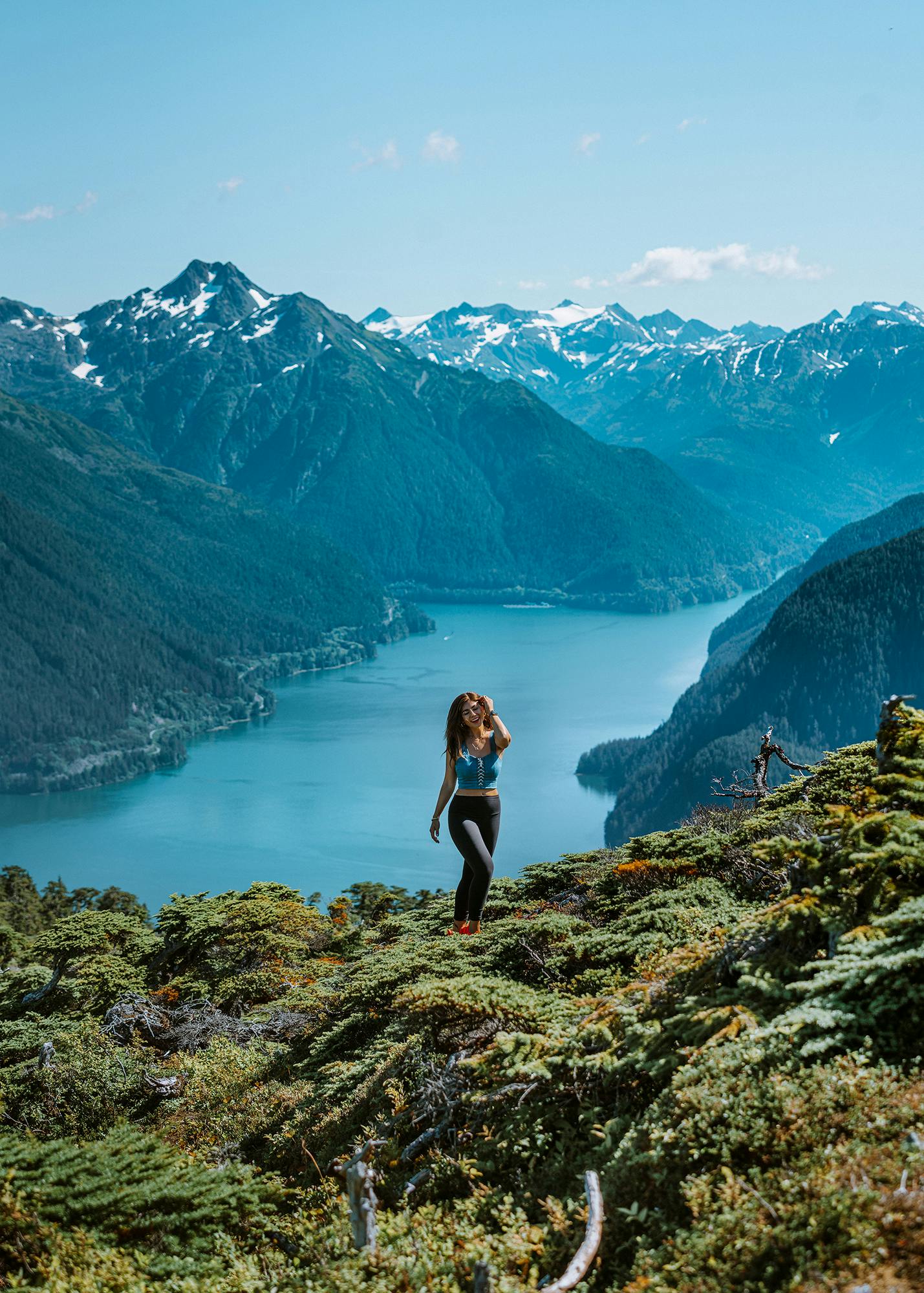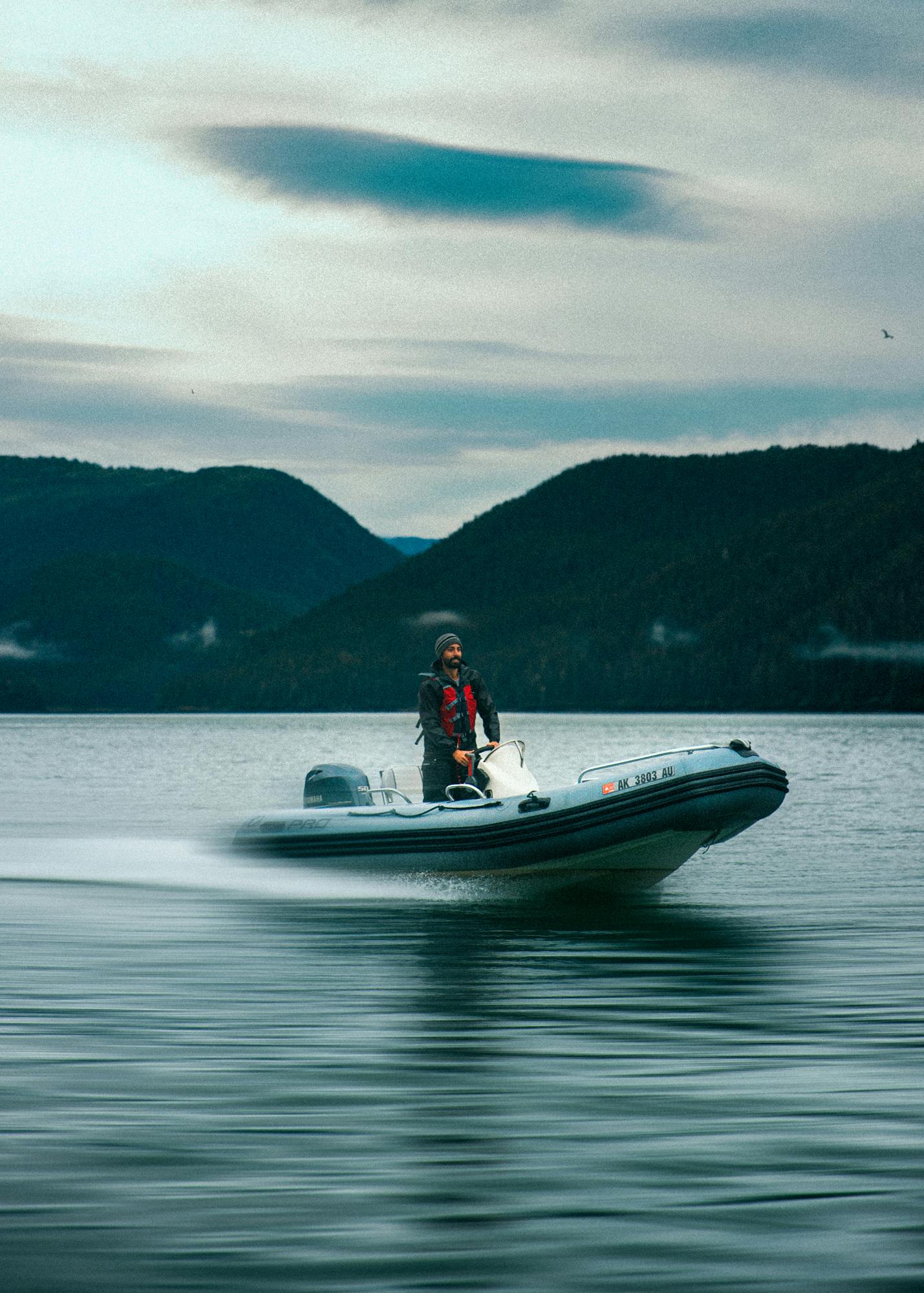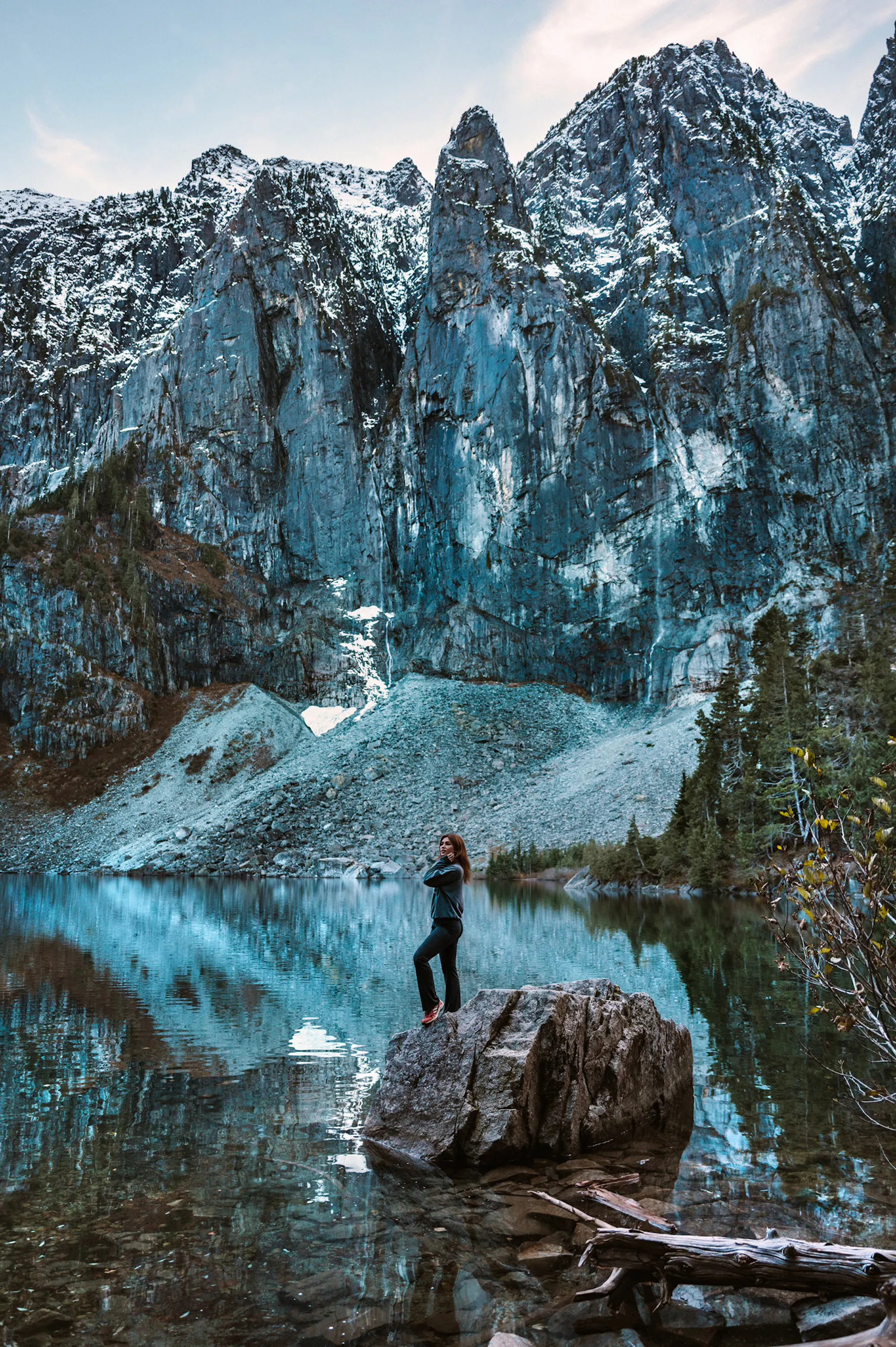
Short nature escapes appeal when you want space, movement, and a mental reset without committing to a long vacation window. Across North America, there are trip ideas that prioritize immediate access to mountains, coastlines, forests, and desert terrain, allowing a weekend to feel intentional rather than compressed. When you choose destinations built around proximity, infrastructure, and landscape density, even a brief stay can deliver the sense of distance and clarity typically associated with much longer journeys. For those looking to enhance that sense of escape, staying in Wisconsin cabins with hot tub can add an extra layer of comfort and relaxation after a day spent outdoors.
1. Telluride, Colorado - Alpine Access Without Sprawl
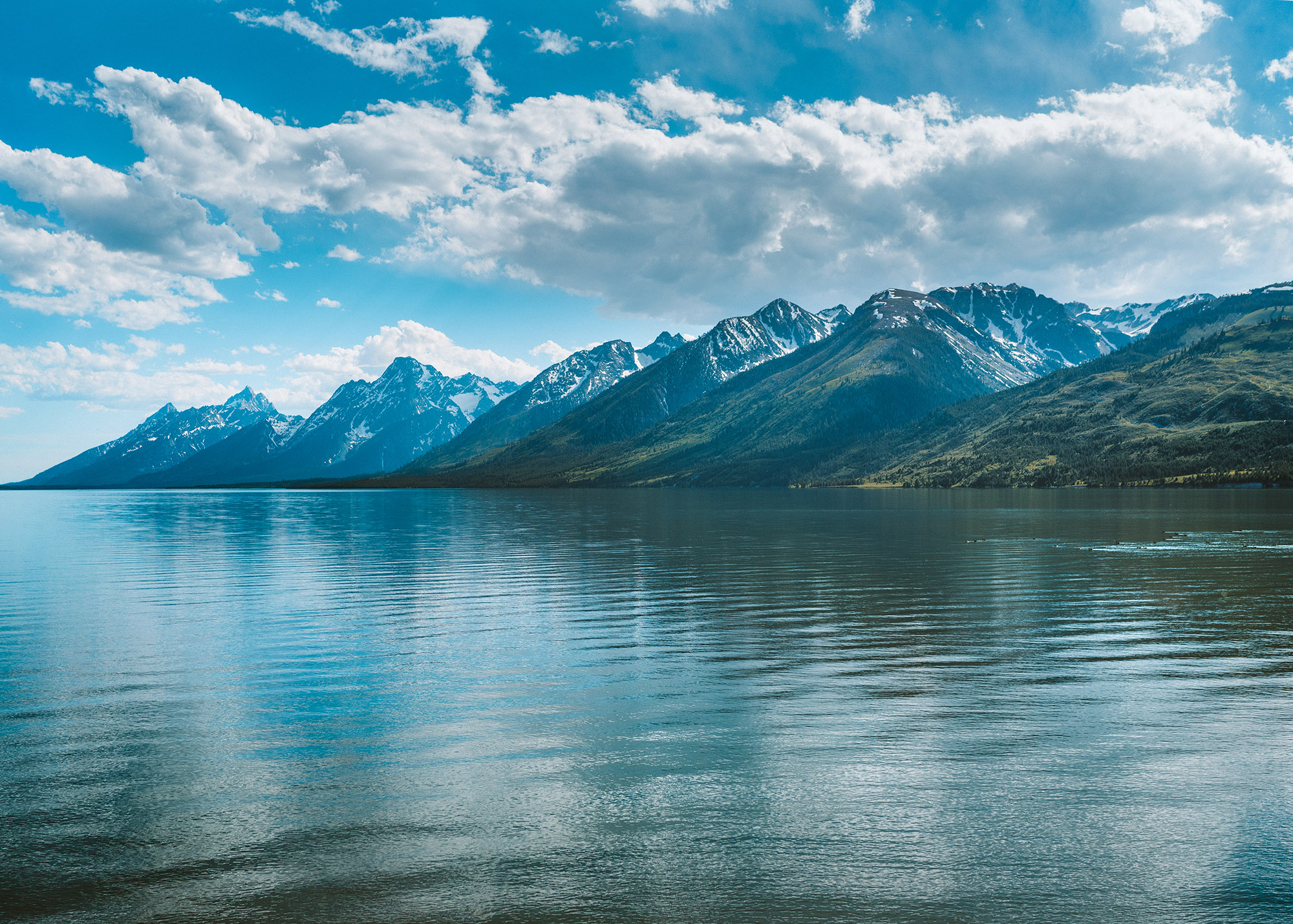
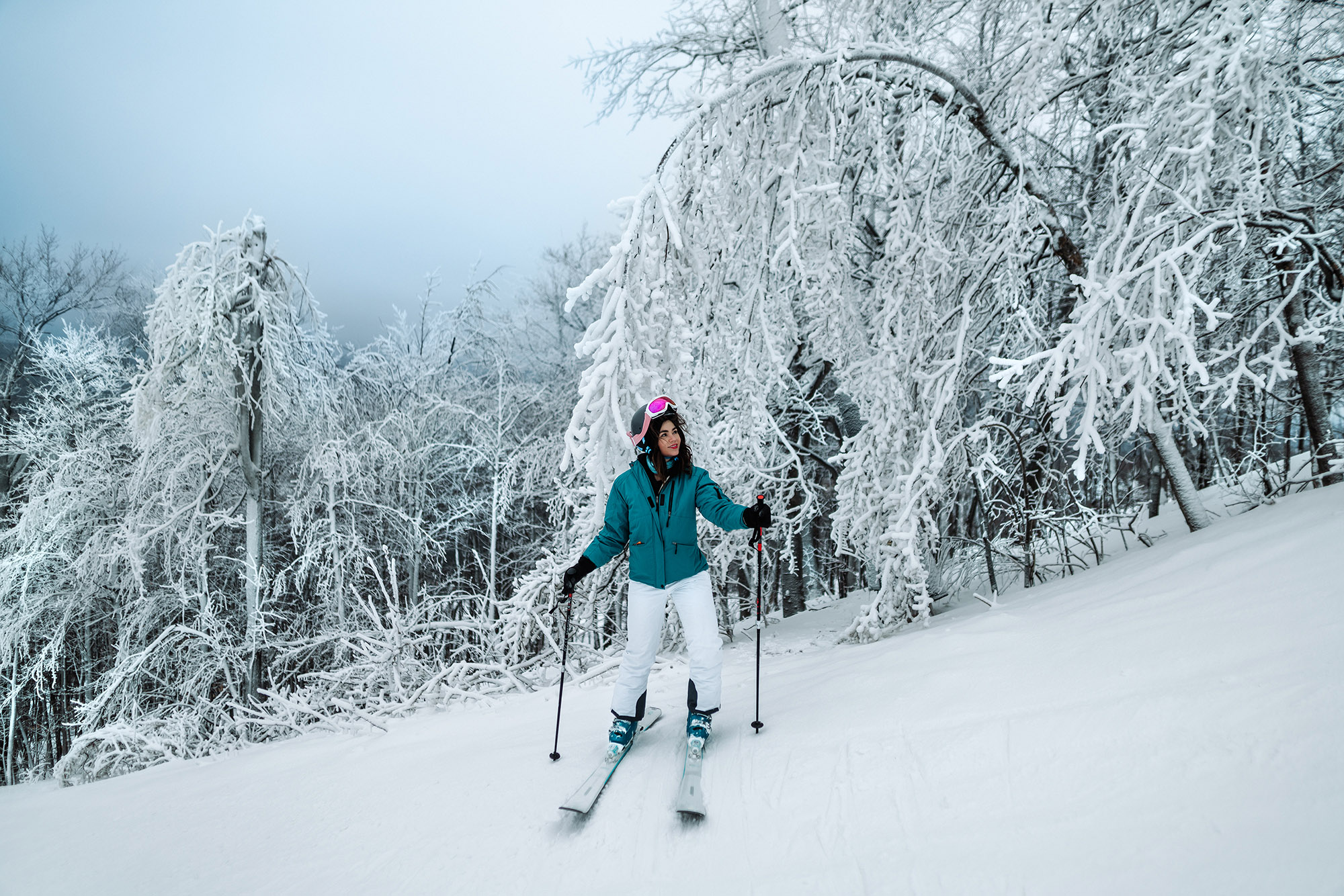
Telluride stands out for its rare combination of dramatic alpine terrain and a walkable town footprint. Encircled by San Juan Mountain peaks that rise well above 13,000 feet, the area offers immediate access to high-elevation scenery without long approach drives or complex logistics.
Key considerations for a weekend stay include:
- Trailheads such as Bear Creek, Bridal Veil Falls, and Jud Wiebe Trail are reachable within minutes of town.
- Summer and early fall support hiking, mountain biking, and scenic gondola rides, while winter centers on downhill skiing, snowshoeing, and cross-country routes.
- The free gondola connecting Telluride and Mountain Village eliminates the need for a car once you arrive, an advantage for shorter stays.
Telluride functions well as a weekend retreat because it compresses both outdoor access and dining, lodging, and services into a compact, navigable setting, allowing more time in the mountains and less time coordinating movement.
2. Banff and Lake Louise, Alberta - High-Impact Landscapes With Defined Routes
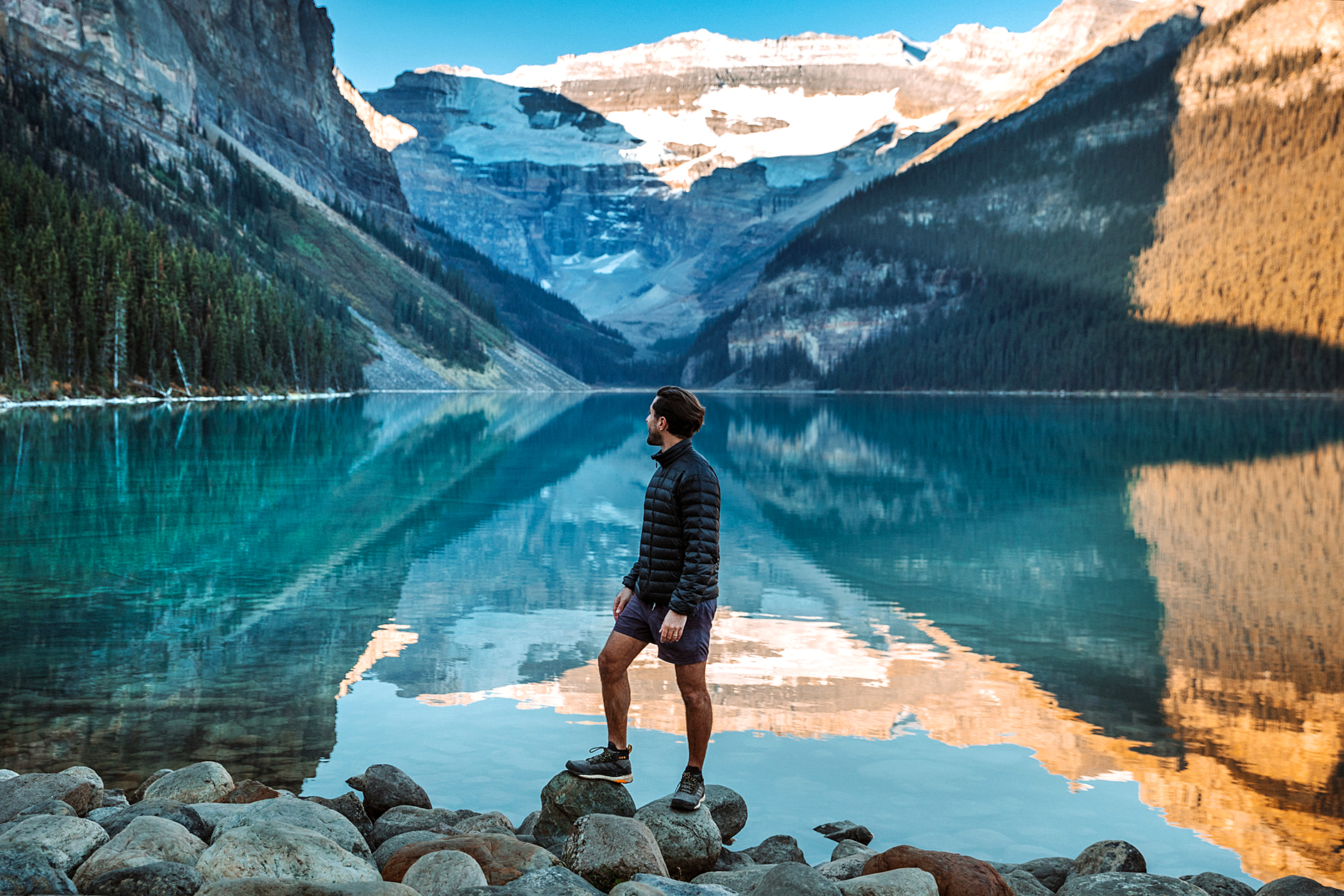
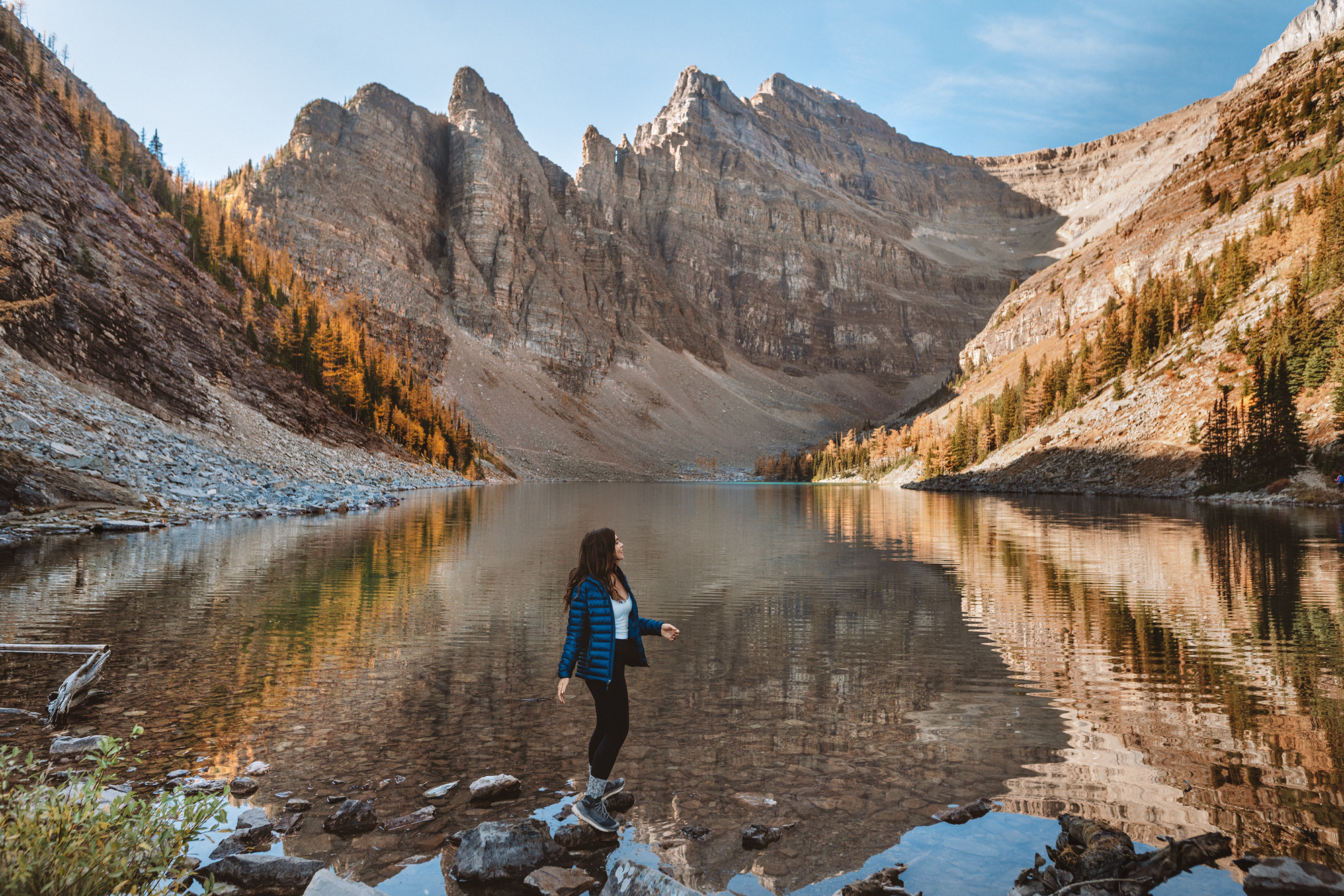
Banff National Park and the Lake Louise corridor deliver some of the most visually recognizable landscapes in North America, yet remain surprisingly manageable for a brief visit when approached strategically. Glacial lakes, steep limestone peaks, and dense conifer forests define the region, with infrastructure designed to accommodate high visitation without sacrificing access.
For a weekend itinerary, focus typically includes:
- Lake Louise Lakeshore and Moraine Lake viewpoints, both accessible via short walks rather than extended hikes.
- The Banff Upper Hot Springs, offering post-hike recovery with mountain views.
- Well-marked scenic drives such as the Bow Valley Parkway, which allow wildlife viewing and photography without committing to long backcountry excursions.
Shuttle systems and park-managed transit reduce congestion and simplify logistics, making Banff and Lake Louise feasible even during peak seasons when time efficiency matters most.
Read my Canada Rocky Mountain Road Trip Itinerary Here.
3. Sedona, Arizona - Desert Trails and Geological Contrast
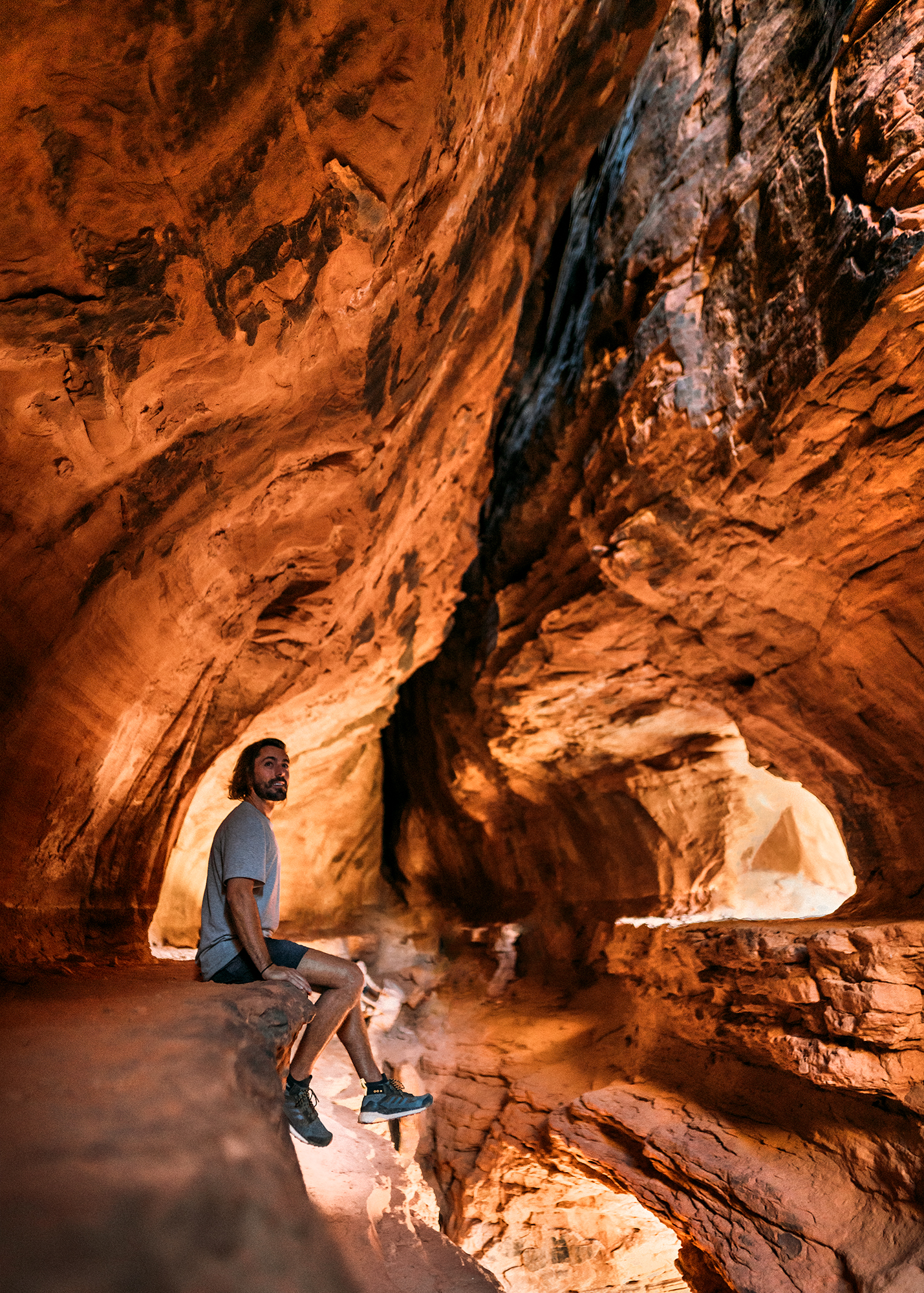
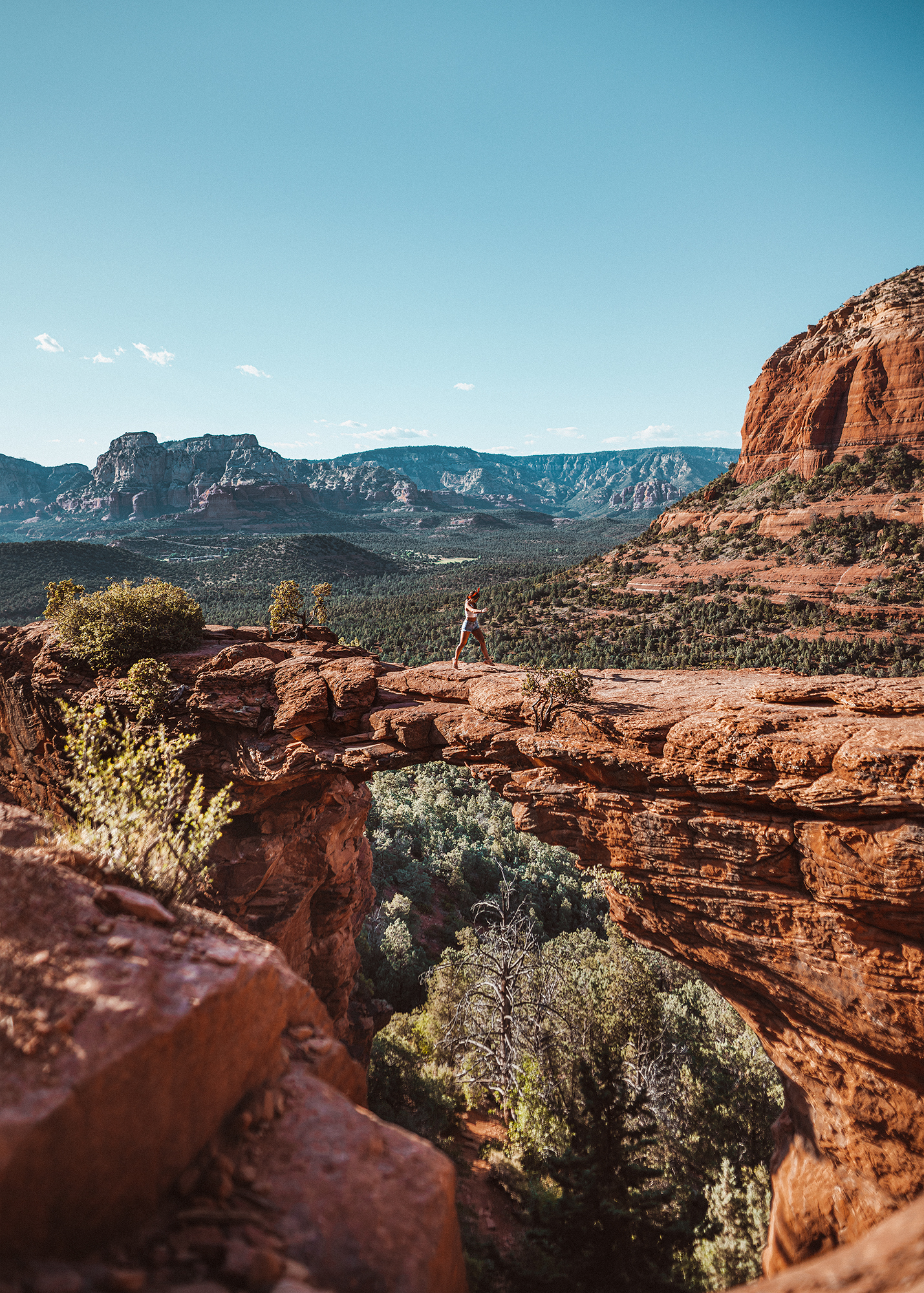
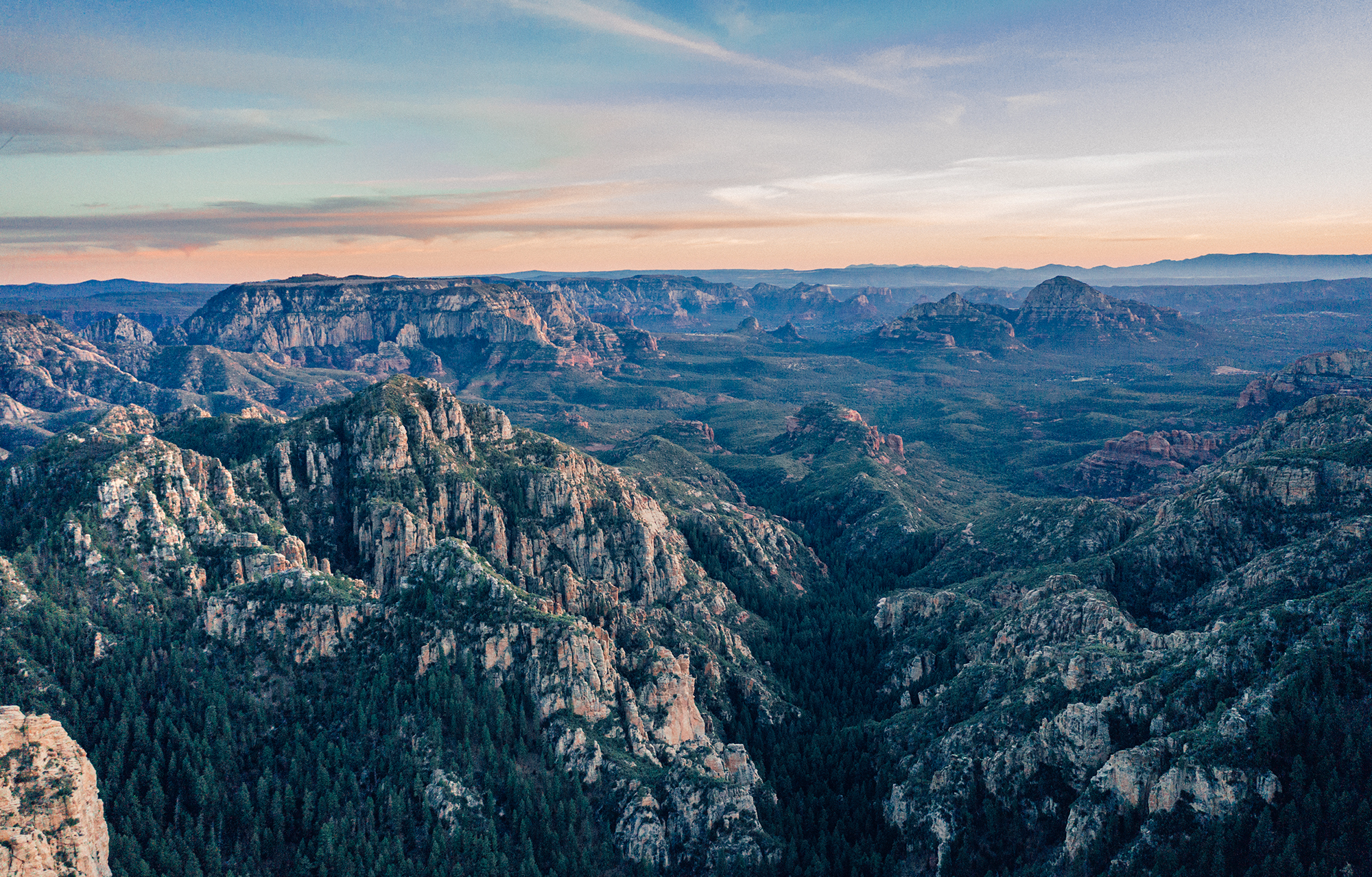
Sedona offers a fundamentally different type of nature retreat, defined by red sandstone formations, high-desert air, and an extensive network of trails woven directly into town boundaries, and is an iconic destination for travel photography. Elevation changes are modest compared to alpine destinations, which makes Sedona accessible for a broader range of fitness levels within a short timeframe.
Weekend-friendly highlights include:
- Trail systems such as Bell Rock Pathway, Airport Mesa, and Cathedral Rock, each delivering panoramic views without requiring full-day commitments.
- Designated dark sky conditions that support stargazing, particularly during clear winter and shoulder-season nights.
- A year-round climate that allows outdoor activity even when mountain regions face snow-related constraints.
Sedona’s appeal lies in its balance of visual drama and logistical ease, where meaningful outdoor experiences begin minutes from accommodations rather than hours away.
Read my Sedona Hikes Guide here.
4. Olympic Peninsula, Washington - Compressed Ecological Diversity
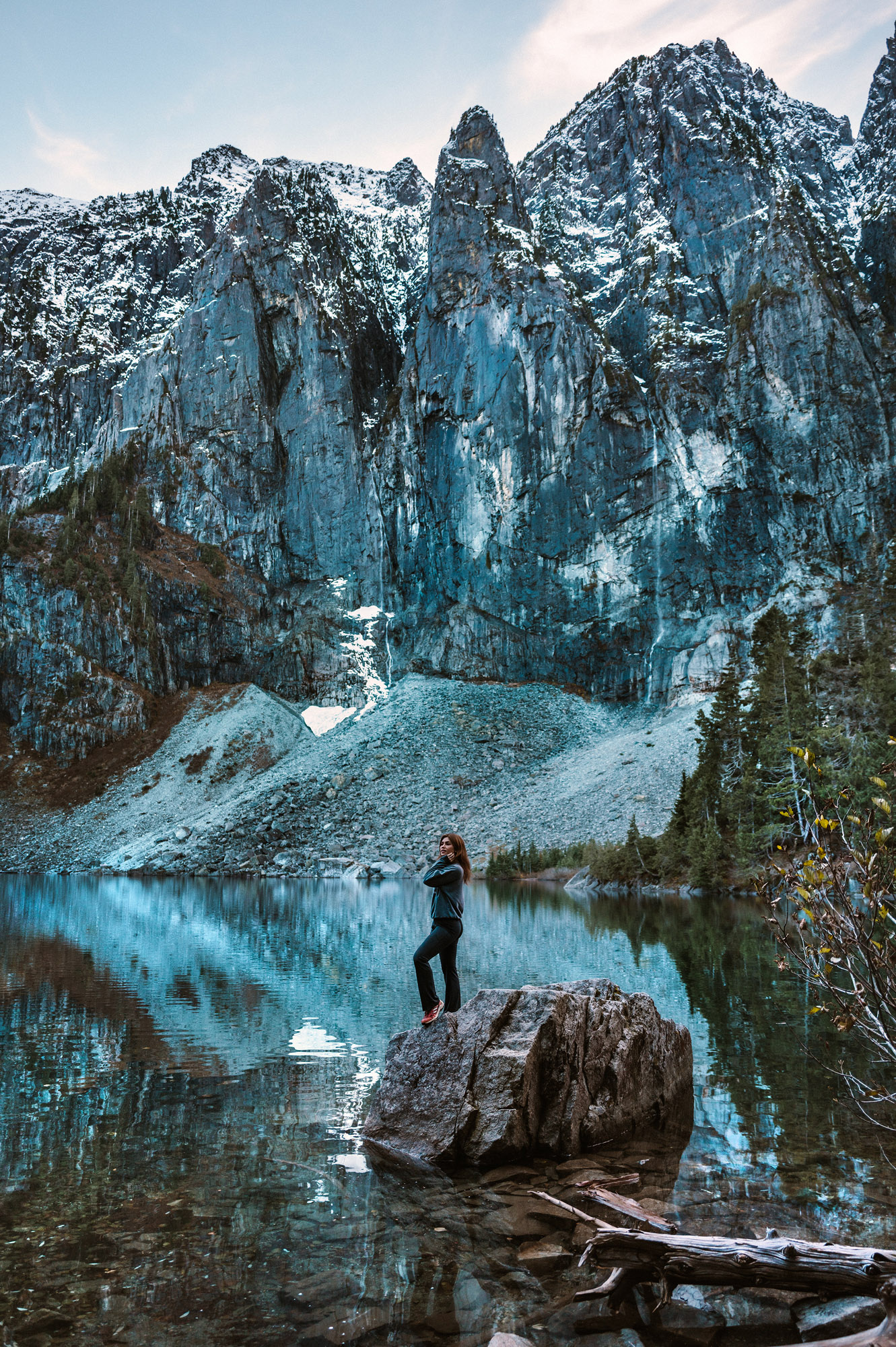
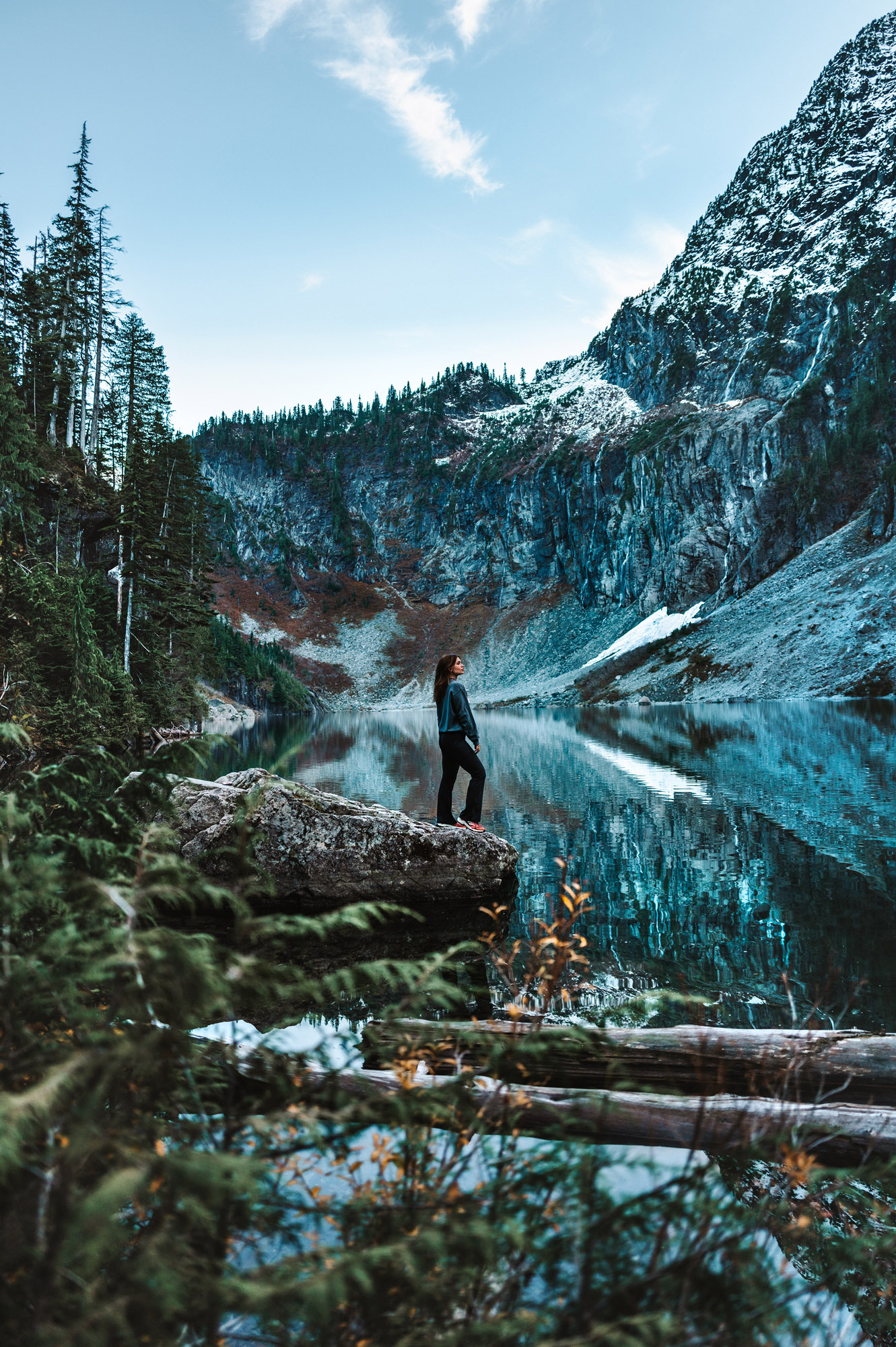
The Olympic Peninsula offers one of the most diverse natural environments on the continent within a relatively small geographic area. In the span of a single weekend, visitors can experience temperate rainforests, alpine ridgelines, and rugged Pacific coastline, all anchored by Olympic National Park.
Efficient weekend planning often centers on:
- The Hoh or Quinault Rain Forests, where short loop trails provide exposure to old-growth ecosystems.
- Hurricane Ridge, accessible by road, offering high-elevation views without technical hiking.
- Coastal stops such as Rialto Beach or Ruby Beach, where dramatic sea stacks and tidal zones define the landscape.
Port Angeles and surrounding towns provide centralized lodging and dining, reducing the need to relocate accommodations during a short stay.
5. Great Smoky Mountains, Tennessee and North Carolina - Accessible Terrain at Scale
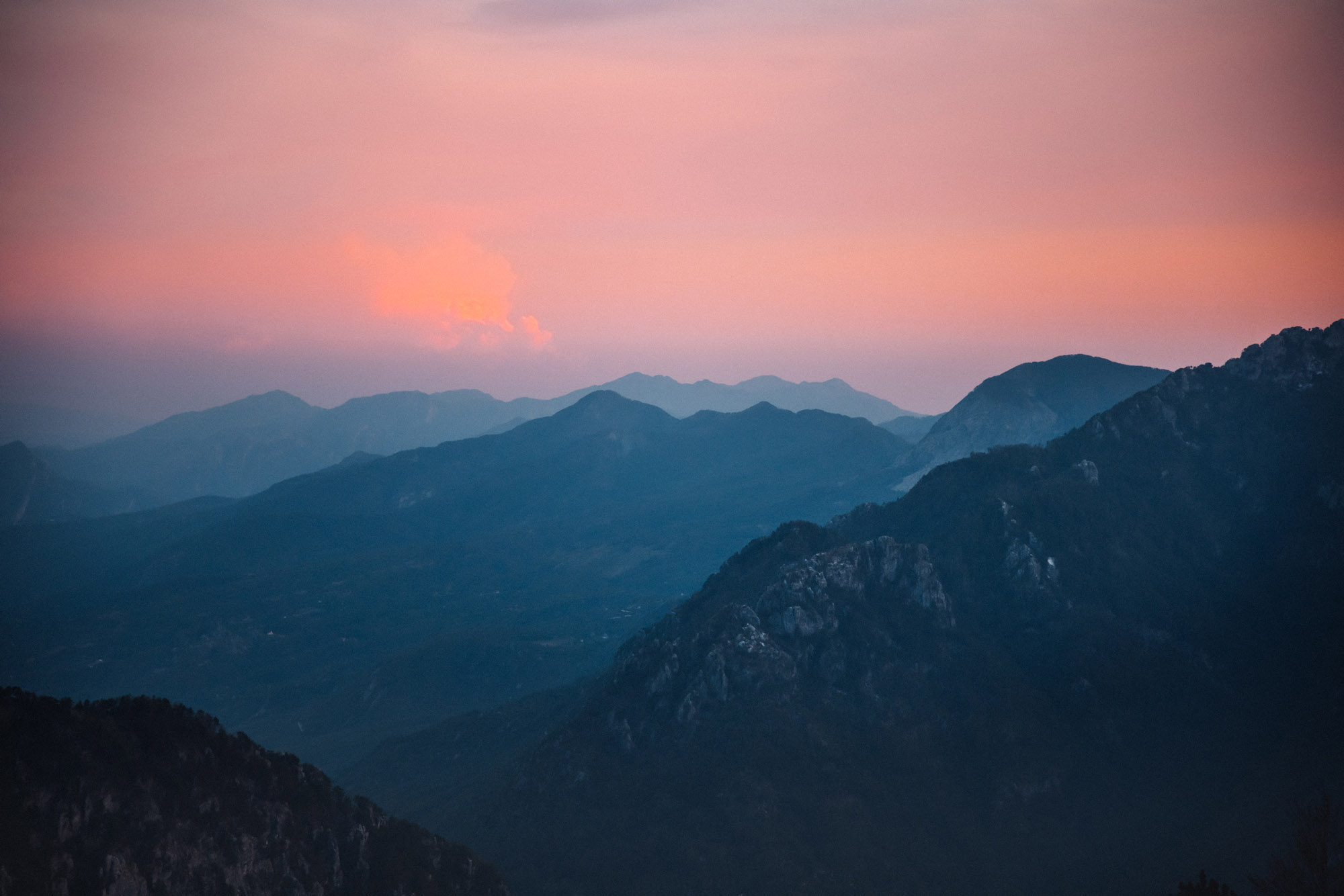
The Great Smoky Mountains National Park consistently ranks among the most visited in the United States, largely due to its accessibility and density of features. The park’s trail network, scenic roads, and historical sites allow visitors to engage with the landscape at varying depths without overcommitting time.
For a weekend visit, priorities often include:
- Scenic drives such as Newfound Gap Road or Cades Cove, which offer high returns with minimal planning.
- Short hikes to waterfalls like Laurel Falls or Grotto Falls.
- Cultural landmarks tied to Appalachian history and early settlement.
Gateway towns including Gatlinburg and Cherokee enable a rapid transition from developed areas into wilderness, a practical advantage for shorter itineraries.
6. Big Sur, California - Coastal Wilderness Along a Single Corridor
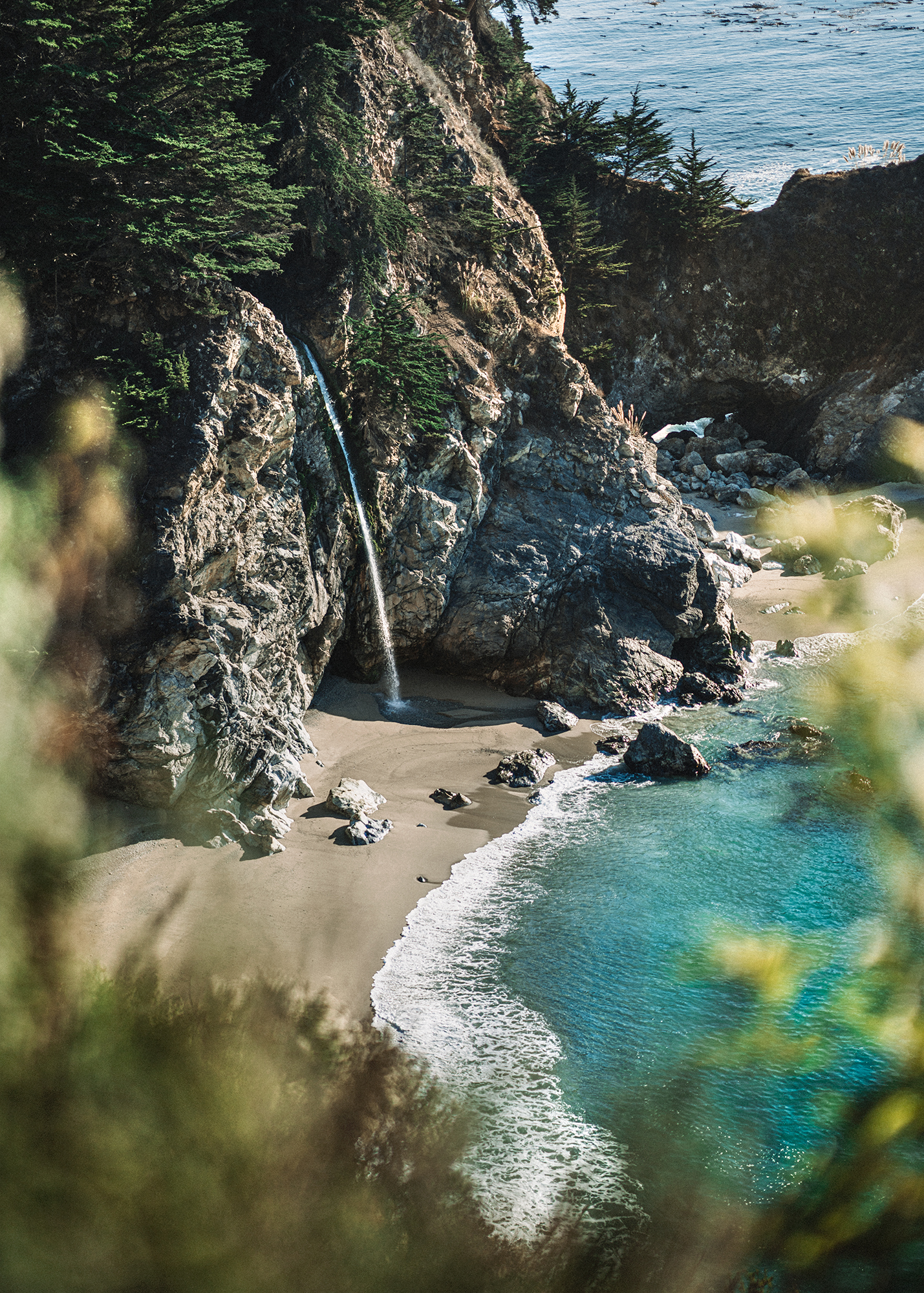
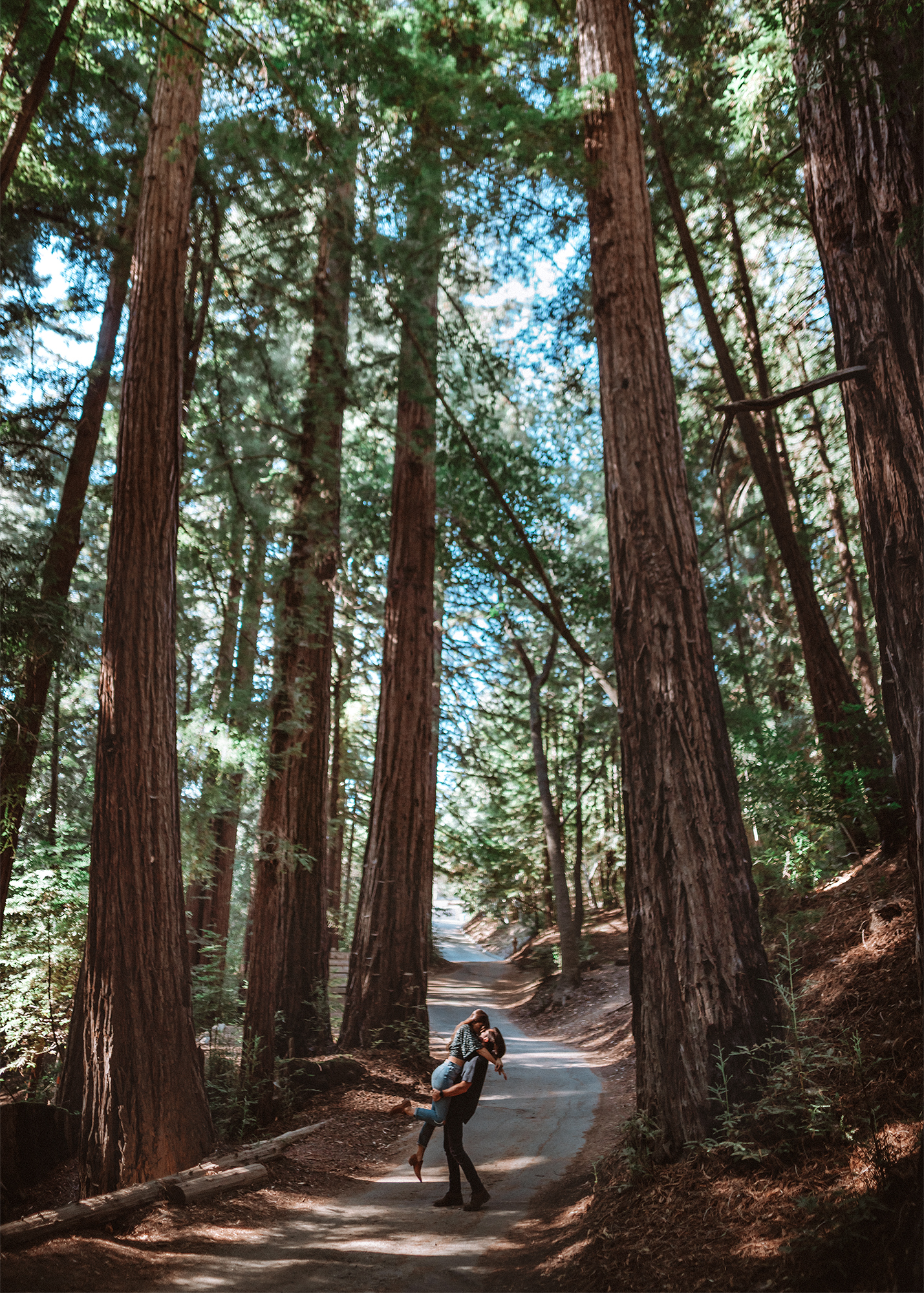
Big Sur compresses rugged coastline, redwood groves, and dramatic elevation changes into a narrow stretch of Highway 1, making it uniquely suited to a weekend format. The landscape feels remote despite being within driving distance of major population centers.
Focused weekend experiences typically include:
- Coastal trails in Garrapata Bluff or Andrew Molera State Park.
- Redwoods and river crossings in Pfeiffer Big Sur State Park.
- Scenic pullouts that allow visual immersion without extensive hiking.
Limited lodging availability requires advance planning, yet the linear nature of the region reduces complexity once on site.
7. Jackson Hole, Wyoming - Wildlife and Mountain Systems in Close Proximity
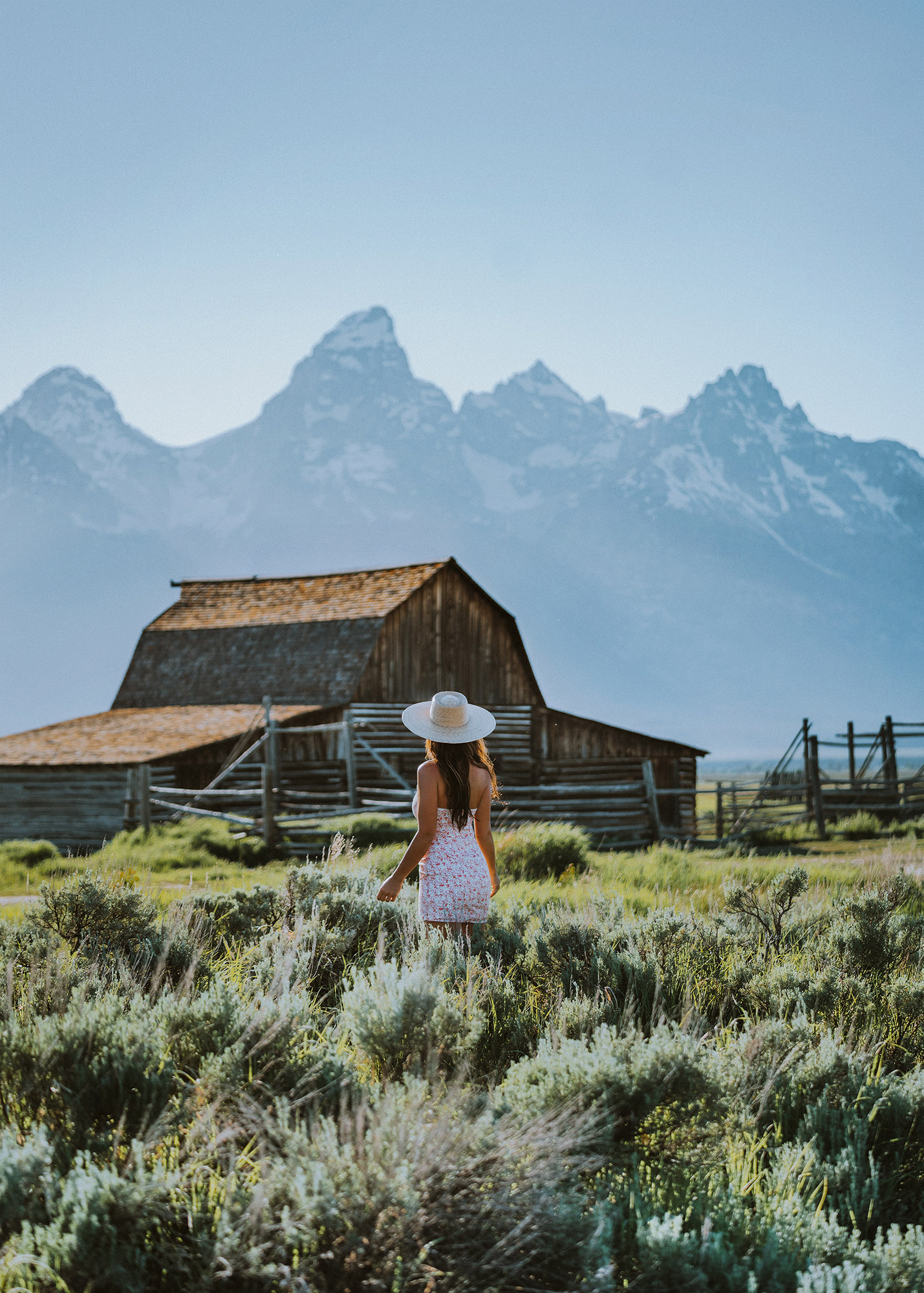

Jackson Hole offers immediate access to both Grand Teton National Park and Yellowstone’s southern reaches, creating an unusually concentrated nature experience. Jagged peaks, wide valleys, and abundant wildlife define the setting.
Short-stay advantages include:
- Flat, scenic trails along Jenny Lake and String Lake with consistent mountain views.
- Wildlife viewing opportunities in the National Elk Refuge and along park roadways.
- A compact town center that supports dining and lodging without long transfers.
The ability to see high-impact landscapes within minutes of arrival makes Jackson Hole particularly effective for condensed itineraries.
Read my Rocky Mountain Road Trip Itinerary Here.
8. Acadia National Park, Maine - Coastal Terrain With Urban Adjacency
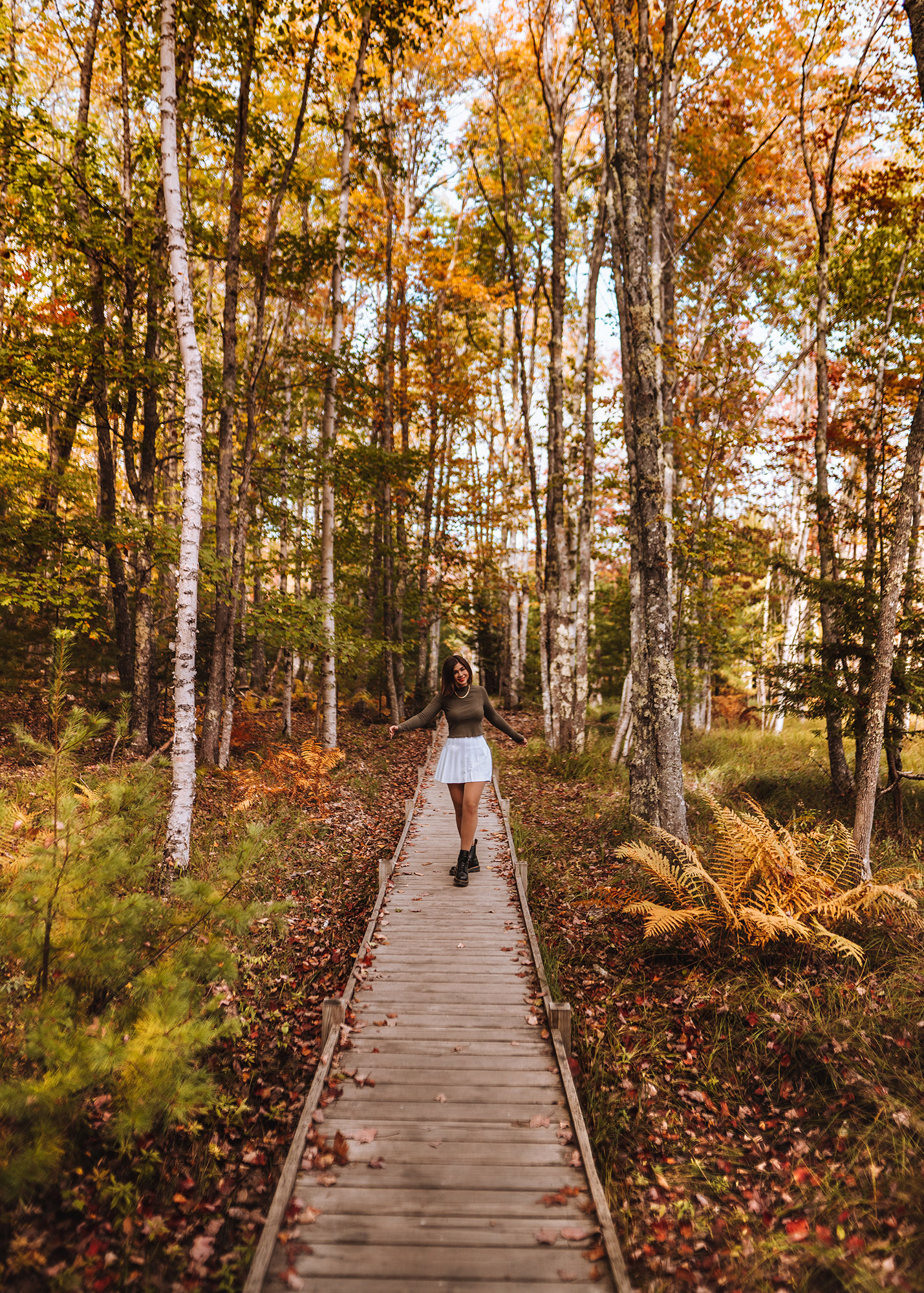
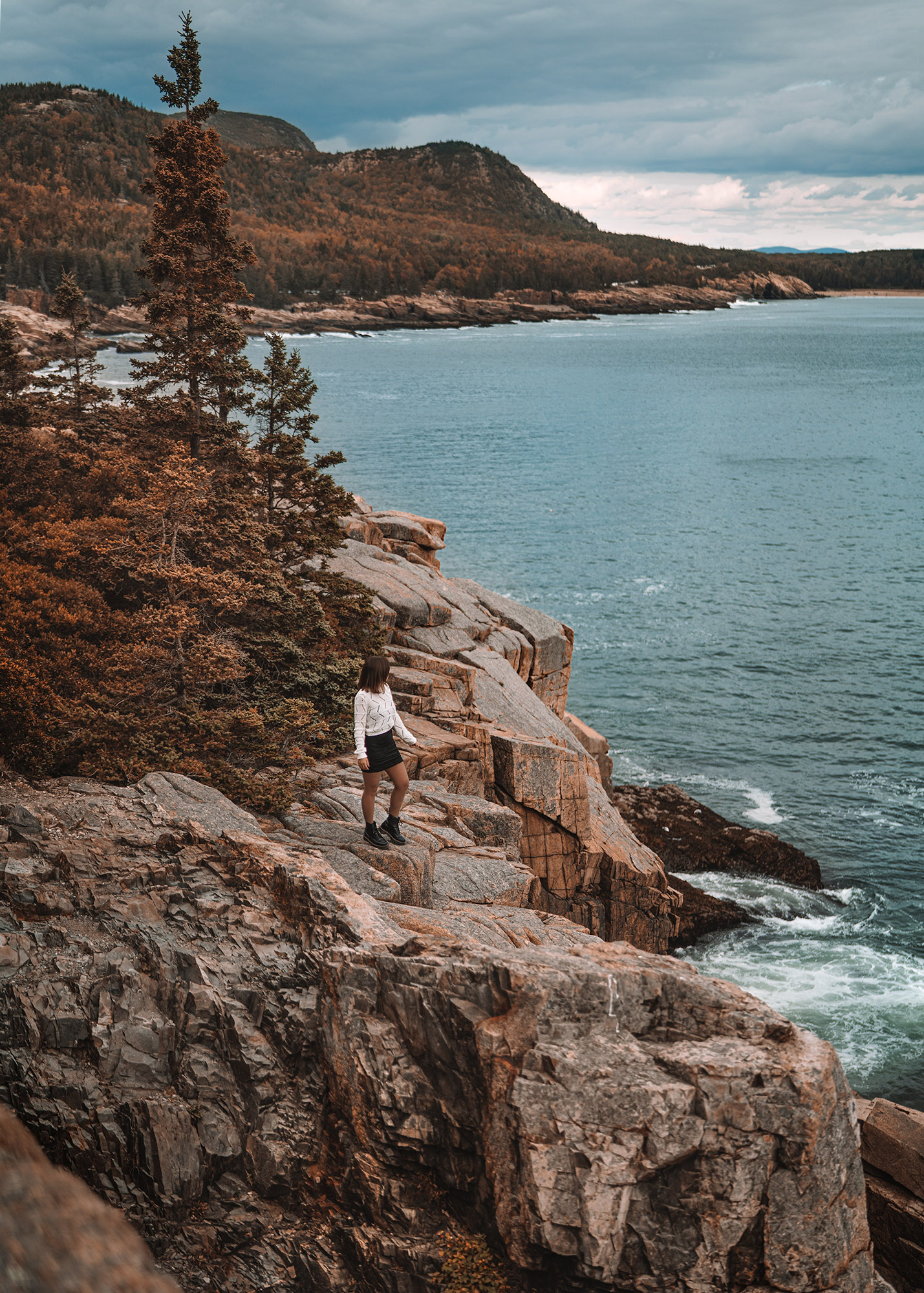
Acadia blends rocky coastline, granite peaks, and forested trails into a compact park footprint adjacent to the town of Bar Harbor. The proximity of services and trailheads supports a relaxed weekend pace without sacrificing variety.
Key weekend features include:
- Carriage roads suitable for walking or cycling.
- Short summit hikes such as Cadillac Mountain and Gorham Mountain.
- Tidepool exploration and ocean-facing viewpoints along Park Loop Road.
Seasonality plays a significant role, with late spring through early fall offering the most balanced conditions for outdoor access.
Why Short Nature Retreats Remain Effective
The sustained interest in weekend nature retreats reflects a shift toward efficiency rather than accumulation. A shorter trip, when well chosen, provides clarity, physical movement, and environmental contrast without the fatigue associated with longer travel windows. Destinations that succeed in this format share common traits - concentrated natural assets, developed access points, and infrastructure that supports immersion rather than distraction.
The value lies less in the number of landmarks visited and more in the depth of engagement achieved within limited time, a principle that continues to shape how nature-focused travel is planned across North America.
Like this post? Pin it for later and share it with others!
xx