
It's so easy to romanticize having a beach home. Picture beach mornings and balcony afternoons, weekends that feel like a vacation. For many buyers, the desire for a coastal lifestyle has been years in the making. But with the ocean views and salty air comes a practical concern in the form of flood insurance.
Price is just one part of the fiscal equation. For example, homeowners in flood zones expect to pay more for insurance for years to come. Long-term affordability can be influenced by flood-zone designation, elevation, and a property's history. So, knowing how coverage works, what influences premiums, and what property features matter will prepare buyers to plan with confidence.
Rather than being a reason to put coastal living on hold, insurance research can be a useful part of finding the right home. With a little preparation, buyers can compare properties and discover a place that fits both their lifestyle and financial plans.
Why Flood Insurance Matters for Coastal Homeowners
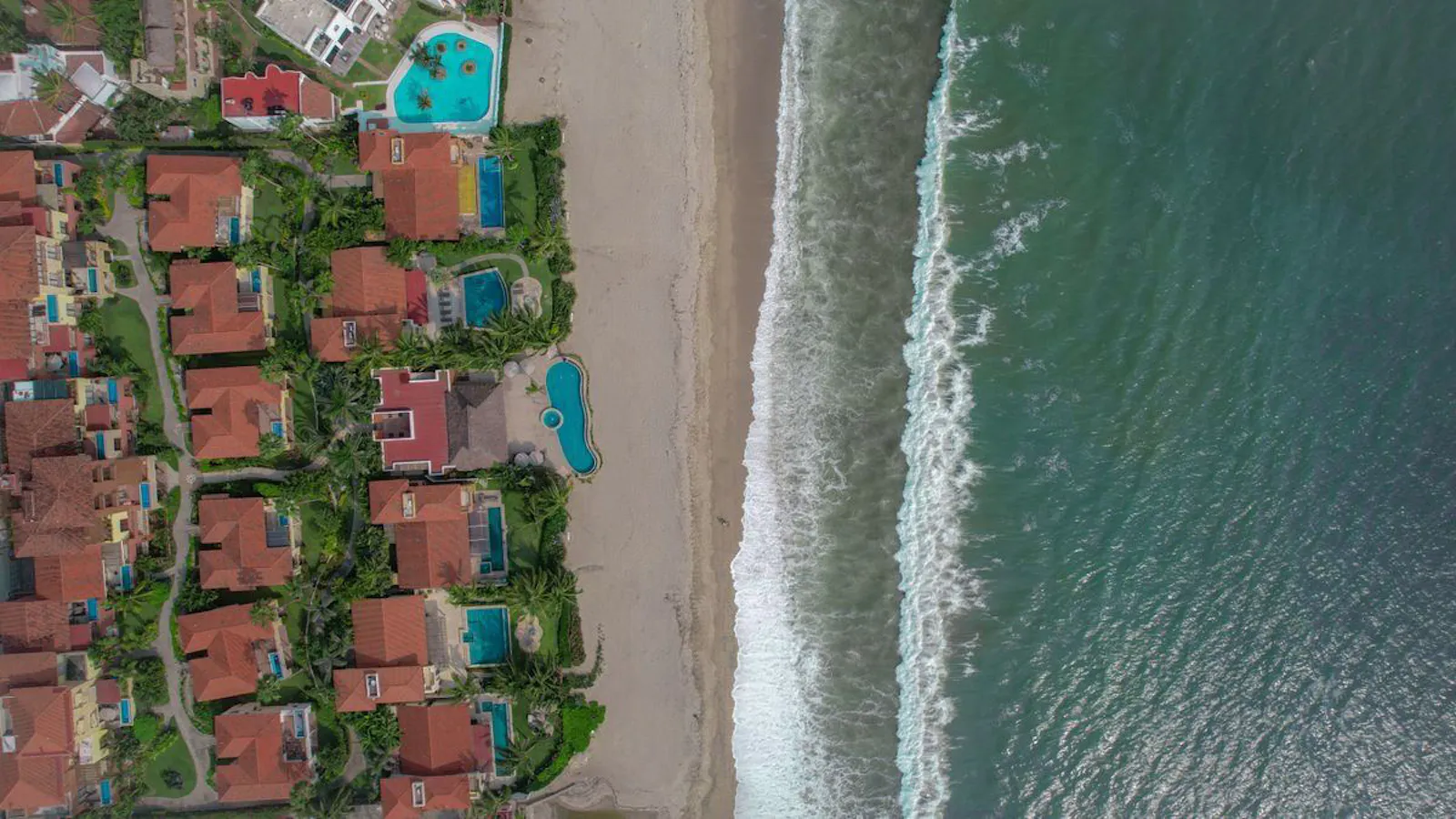
Image download: https://www.pexels.com/photo/an-aerial-view-of-a-beach-and-houses-18602866/
Living near the ocean surely brings a unique set of advantages, starting from arriving at the beach every day to water-related activities that fill up your calendar. Coastal geography also makes it important to understand how a property is protected against flooding.
Flooding on the coast can be due to heavy rain, storm surge, hurricanes, or water overflow. Thus, flood insurance can cover qualifying flood-related damages, so homeowners are ready for the worst-case scenario. It is typically bought in addition to a standard homeowners insurance policy. This is a major factor in determining property value.
Coverage is available through the National Flood Insurance Program (NFIP). Private insurance providers also offer this service. Depending on the property and insurer, premiums may be influenced by factors like elevation, flood-zone classification, previous flood history, and building characteristics.
You should also remember that flood insurance is not one-size-fits-all. Buyers should be careful in comparing coverage limits, deductibles, exclusions, and whether a policy protects the building, its contents, or both. Consulting with a professional early in the home search can make these details much easier to understand.
What Beach Homebuyers Should Check Before Purchasing
1. FEMA flood maps and property risk levels
The Federal Emergency Management Agency (FEMA) provides Flood Insurance Rate Maps that help buyers understand the flood risk associated with a particular location. These maps classify areas according to their estimated exposures and can be a useful starting point when comparing properties.
Some designations, such as zones beginning with A or V, identify areas with a higher level of flood risk. V zones generally refer to coastal high-hazard areas where wave action and storm surge are important classifications.
2. Previous flood damage and claims history
A property’s flood history is a useful insight into its condition and maintenance. Buyers should feel comfortable asking sellers about recent flooding or water intrusion and whether they completed any repairs or improvements.
Certain documents like the records of previous work, permits, contractor assessments, and inspection reports can show how issues were addressed. A professional home inspection can further identify signs of previous moisture.
3. Elevation certificates and building standards
An elevation certificate records information about a building’s elevation in relation to the relevant flood level. Insurance providers and local officials may use it when evaluating a property’s flood exposure and insurance requirements.
In case a certificate is available, buyers can share it with their insurance provider to understand how it may affect coverage and premiums. If one is not available, they can ask whether obtaining one would be beneficial.
Construction features like elevated living areas, strong foundation designs, flood-resistant materials, and effective drainage can all contribute to a home’s preparedness.
4. Insurance quotes before making an offer
One of the easiest ways to plan ahead is to request insurance quotes early in the buying process. Buyers should contact several providers, including NFIP and private insurers where available. This helps in comparing the coverage options and estimated premiums.
It is also beneficial to look beyond the annual price. Deductibles, coverage limits, exclusions, and replacement-cost provisions all influence the protection a policy provides. Buyers should also request a separate estimate for standard homeowners insurance, including any relevant wind or hurricane coverage.
How Flood Insurance Costs Affect Coastal Markets
1. North Myrtle Beach and the cost of coastal ownership
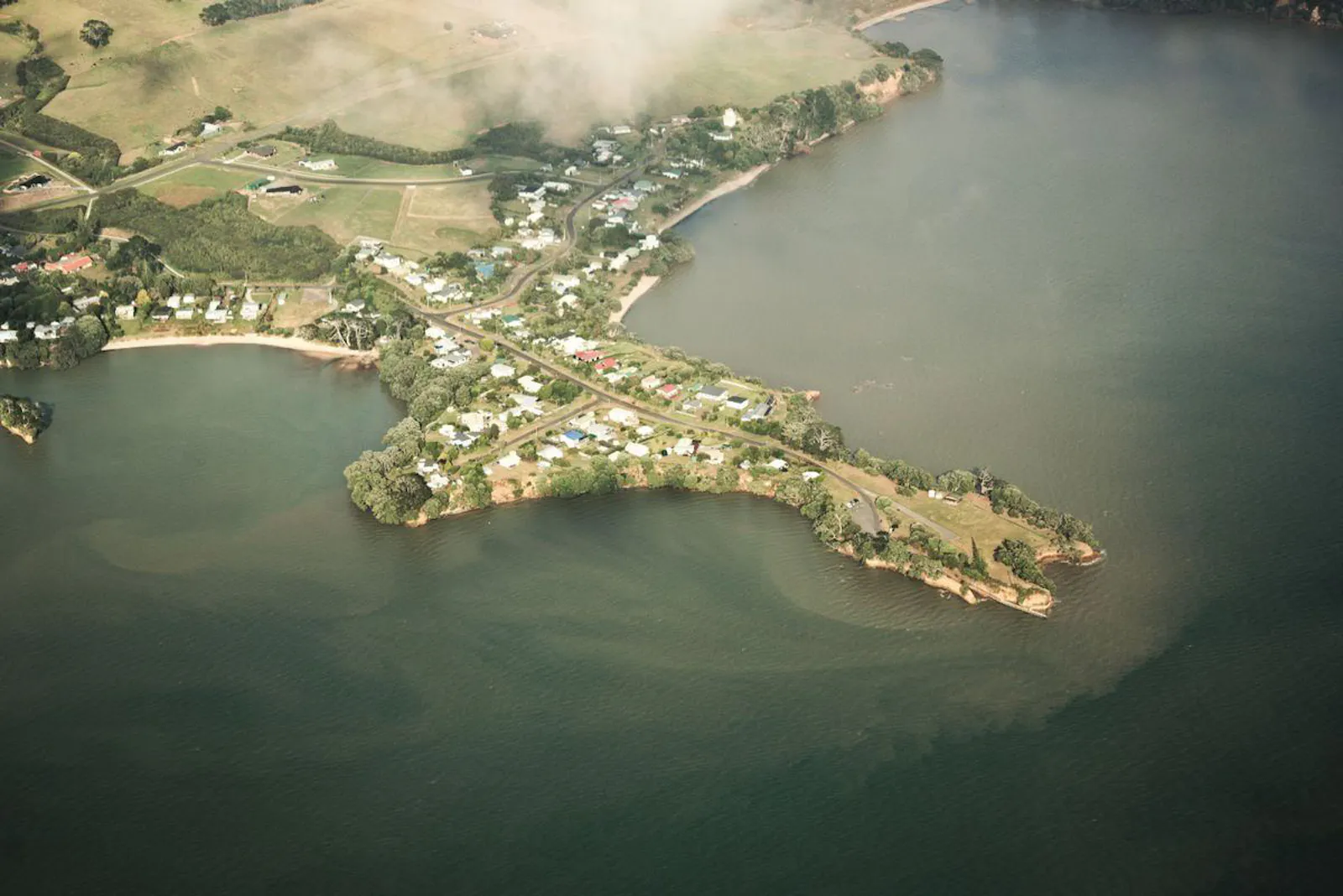
Image download: https://www.pexels.com/photo/aerial-shot-of-houses-near-the-ocean-12545533/
North Myrtle Beach offers a blend of coastal scene and everyday conveniences. Its beaches, golf courses, and recreation opportunities make it a place people consider for a permanent residence, or a place to enjoy extended stays by the ocean.
If you’re considering a move, browse homes for sale in North Myrtle Beach to get a feel for the area’s neighborhoods and property styles. As buyers compare their options, important factors related to risks and insurance reveal the full picture and make purchase decisions easier.
2. Differences between beachfront and inland properties
One of the key benefits of exploring a coastal market is the variety of locations available. Beachfront homes have direct access to the shoreline and memorable ocean views. Properties that are farther inland often comes with a generous yard space, some privacy, and additional flexibility to change your budget.
These location can also have different insurance considerations. While beachfront properties face greater exposure to storm surge and wave action, inland homes can accompany their own flood characteristics. Check the elevation, drainage, and nearby waterways because it majorly depends on these factors.
3. How insurance costs influence long-term demand
Insurance is increasingly part of how buyers evaluate the overall value of a coastal property. As people become more familiar with coverage options and property-specific risk factors, they can make more informed comparisons between locations and homes.
Properties with clear documentation, suitable construction, and a well-understood insurance profile can make the purchasing process easier. Buyers also benefit from knowing what to expect when planning their annual housing expenses.
Conclusion
Beach homes are a wonderful investment. Whether it is a permanent residence, a second home, or a place to escape on the weekends, it gives a unique peace of mind. Understanding flood insurance is simply one part of making that dream work in practice. By reviewing FEMA maps, learning about a property’s history, checking elevation information, and comparing insurance quotes, buyers can approach the coastal purchase with hope and confidence.