
An all-inclusive vacation can be one of the easiest ways to enjoy a beautiful destination without spending the entire trip organizing meals, transportation, and daily activities. With accommodation, dining, and many resort amenities arranged before you arrive, there is considerably less to coordinate once you check in, particularly when you're traveling somewhere unfamiliar or planning a trip with family or friends.
However, the experience can vary dramatically depending on the destination, resort, and type of package you book. A luxury beachfront property with several à la carte restaurants, spacious suites, and private swimming areas offers a very different experience from a large family resort centered around entertainment and organized activities, even when both advertise themselves as all-inclusive.
Choosing the right property requires looking beyond the photographs and nightly rates to understand what your package actually covers, how the resort is designed, and whether its location suits the type of vacation you want. For anyone looking to simplify the planning process, all-inclusive holidays offer a convenient way to unwind, provided you know which details to compare before booking.
1. Choose the Best Destination for Your All-Inclusive Vacation


The destination is one of the most important decisions when planning an all-inclusive vacation, particularly because the surrounding landscape, climate, and accessibility will influence how much time you want to spend at the resort and whether you plan to explore beyond it.
For a relaxing beach vacation, look for destinations with established resort areas, beautiful coastlines, and reliable weather during your intended travel dates. The Mediterranean is particularly appealing during the warmer months, while destinations in the Caribbean, Mexico, and the Indian Ocean offer different seasonal opportunities for tropical vacations.
If you're traveling from the UK or elsewhere in Europe, Greek islands such as Rhodes and Crete are especially appealing for their combination of beautiful beaches, historic villages, excellent food, and established resort infrastructure. Both islands have a wide range of accommodation options, from intimate adults-only properties to expansive beachfront resorts with multiple swimming pools and restaurants.
Other destinations worth considering include:
- Greece: Rhodes, Crete, and Corfu offer Mediterranean beaches, historic towns, and a combination of luxury and family-friendly resorts.
- Spain: Mallorca, Tenerife, and Lanzarote have extensive resort options, with Tenerife and Lanzarote particularly appealing for winter sunshine.
- Portugal: The Algarve combines dramatic coastal scenery, sandy beaches, and resort hotels within reach of picturesque towns and restaurants.
- Mexico: Riviera Maya and Cancun are known for large beachfront resorts, extensive dining options, and access to archaeological sites and natural attractions.
- The Caribbean: The Dominican Republic, Jamaica, and several smaller islands offer tropical beaches and established all-inclusive resort experiences.
- The Maldives: Private-island resorts are particularly well suited to couples looking for a secluded vacation, although transfers and premium dining packages can substantially increase the overall cost.
Consider whether you want to spend most of your time at the resort or explore the surrounding destination. A secluded beachfront property may be ideal for a vacation centered around swimming, dining, and relaxation, while a resort near an established town offers more flexibility for restaurants, sightseeing, and independent excursions.

2. Choose the Right Time of Year to Travel
Weather can have an enormous influence on the quality of a resort vacation, particularly when most of the activities involve beaches, swimming pools, and outdoor dining.
In Mediterranean destinations, July and August generally bring the hottest temperatures, the largest crowds, and higher accommodation prices. May, June, September, and sometimes early October can offer a more comfortable combination of warm weather, fewer visitors, and better availability, although swimming conditions and seasonal resort operations vary by location.
For tropical destinations, researching rainfall patterns, hurricane seasons, and regional weather conditions is equally important. A destination's cheapest travel period may coincide with heavy rainfall or a greater risk of disruptive storms, which can limit outdoor activities and affect transportation.
When comparing travel dates, consider:
- Peak season: Usually offers the fullest selection of resort activities and entertainment, but often comes with higher prices and busier shared facilities.
- Shoulder season: Can provide better value, more comfortable sightseeing temperatures, and a less crowded atmosphere.
- Low season: May offer substantial savings, although some restaurants, excursions, or resort facilities may operate on reduced schedules.
- School holidays: Family-oriented resorts are typically busiest during major school breaks, making early reservations especially useful for larger rooms and connecting suites.
Flight schedules also deserve attention. A lower-priced package with an overnight arrival or an inconvenient return flight may leave you with considerably less usable vacation time than expected.
For shorter trips, choosing a destination with a relatively direct flight and straightforward airport transfer can make a meaningful difference, particularly when the goal is to arrive feeling rested rather than spending most of the first day in transit.
3. Understand What Your All-Inclusive Package Includes

One of the most common mistakes when booking an all-inclusive resort is assuming that every property uses the term in the same way.
Most packages include accommodation, meals, and a selection of drinks, but the details vary considerably. Some resorts include several à la carte restaurants, premium beverages, nonmotorized water activities, and room service, while others restrict included dining to a buffet and charge separately for specialty restaurants or certain facilities.
Before booking, review the resort's current inclusions and exclusions rather than relying exclusively on the package description.
Dining and drinks
Check how many restaurants are included, whether reservations are required, and whether specialty dining has a surcharge. Some properties limit the number of à la carte reservations per stay, while others allow unlimited visits subject to availability.
Premium alcoholic beverages, imported wines, fresh juices, minibar items, and room service may also be excluded from the standard package.
Activities and facilities
Swimming pools, fitness centers, and basic entertainment are commonly included, but spa treatments, private cabanas, motorized water activities, and certain excursions often cost extra.
If you are choosing a resort specifically for snorkeling, kayaking, tennis, or another activity, confirm whether equipment, instruction, and access are included.
Transportation and additional charges
An all-inclusive hotel rate does not necessarily include flights, airport transfers, baggage fees, resort fees, or local tourism taxes.
Some vacation packages combine flights, accommodation, and transfers, while others cover the resort stay alone. Comparing the complete cost of each option is the most reliable way to determine which package offers better value.
4. Choose a Resort That Matches Your Travel Style


The most expensive resort is not automatically the best choice for your vacation. Property size, atmosphere, amenities, and guest demographics often matter more than the number of stars displayed beside the hotel name.
For a peaceful vacation, an adults-only resort or a smaller property with dedicated relaxation areas may be preferable to a large hotel with extensive daytime entertainment.
Couples may want to prioritize beautiful rooms, high-quality restaurants, beach access, and comfortable areas for spending time together, while families often benefit from larger accommodations, children's pools, supervised activities, and flexible dining options.
For couples and romantic getaways
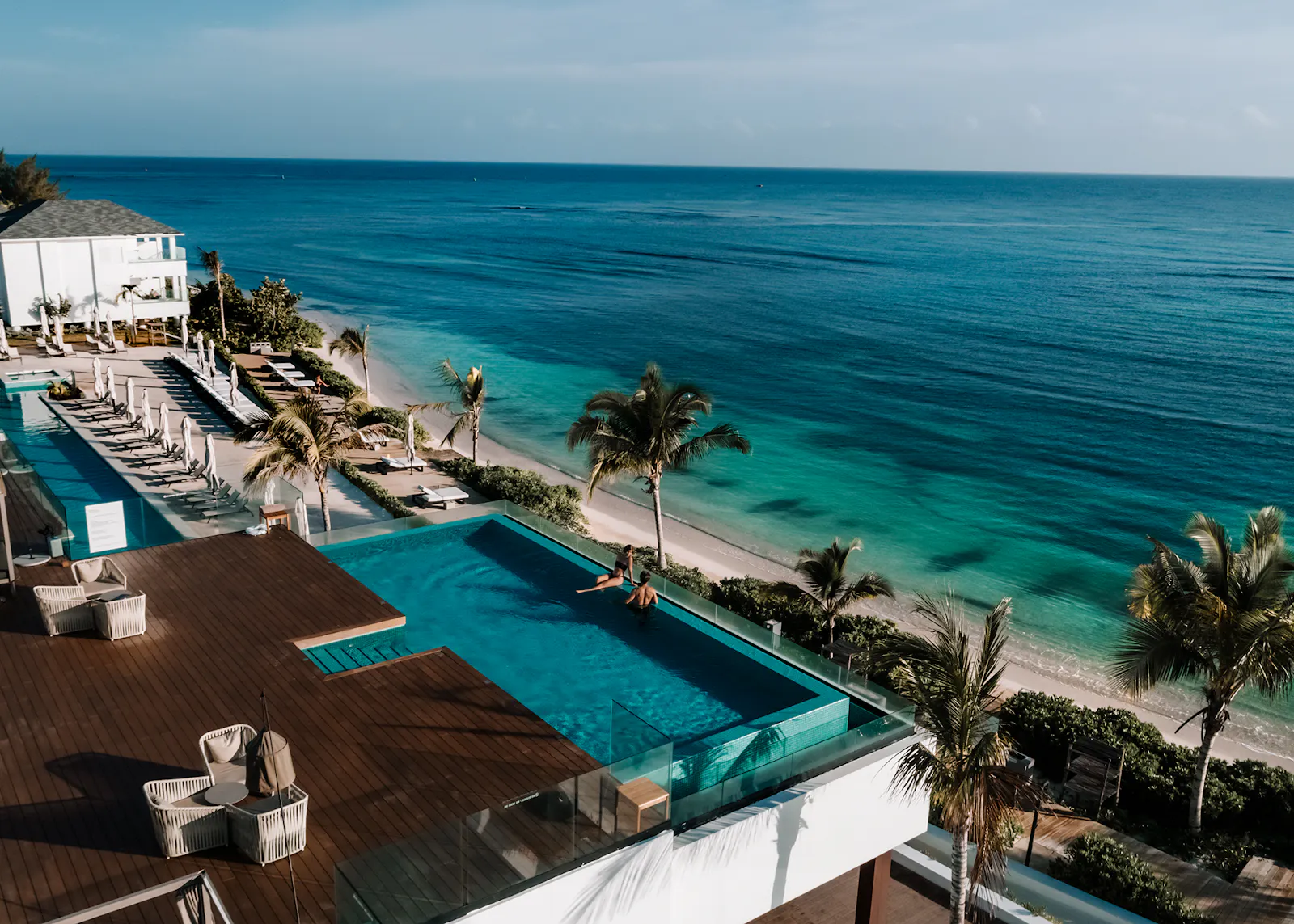
Look for properties with adults-only swimming areas, ocean-view rooms, intimate restaurants, and convenient access to the beach. Private plunge pools, spa facilities, and spacious balconies can be worthwhile upgrades when you expect to spend substantial time at the resort.
For families
Pay particular attention to room layouts, children's club age requirements, pool safety, and dining flexibility. A family suite with a separate sleeping area may be considerably more comfortable than a standard room, particularly during longer stays.
For groups of friends
Larger resorts with multiple restaurants, organized activities, and evening entertainment can make it easier to accommodate different interests without requiring everyone to follow the same schedule.
For a quieter luxury experience
Consider smaller properties, resorts with separate adults-only sections, or hotels offering upgraded room categories with access to private pools and dining facilities.
When researching a property, read recent reviews from guests with similar priorities and pay particular attention to recurring comments about noise, cleanliness, food quality, service, and the condition of the rooms.
Photographs can establish whether a resort appeals to you visually, but detailed guest feedback is often more useful for understanding what the experience will actually be like.
5. Compare Resort Locations and Room Categories
Even within the same resort, the location of your room can significantly affect the experience.
A garden-view room near the main entertainment area may be perfectly suitable for a family that plans to spend most of the day outside, but less appealing for someone hoping to enjoy uninterrupted mornings on a private balcony.
Before choosing a room category, look at the resort map and consider its proximity to restaurants, swimming pools, beaches, and entertainment venues.
Some details worth checking include:
- Oceanfront versus ocean view: An ocean-view room may only offer a partial view of the water, while oceanfront generally indicates a more direct position facing the sea.
- Distance from the beach: Large resorts can require a substantial walk or shuttle ride between accommodations and the shoreline.
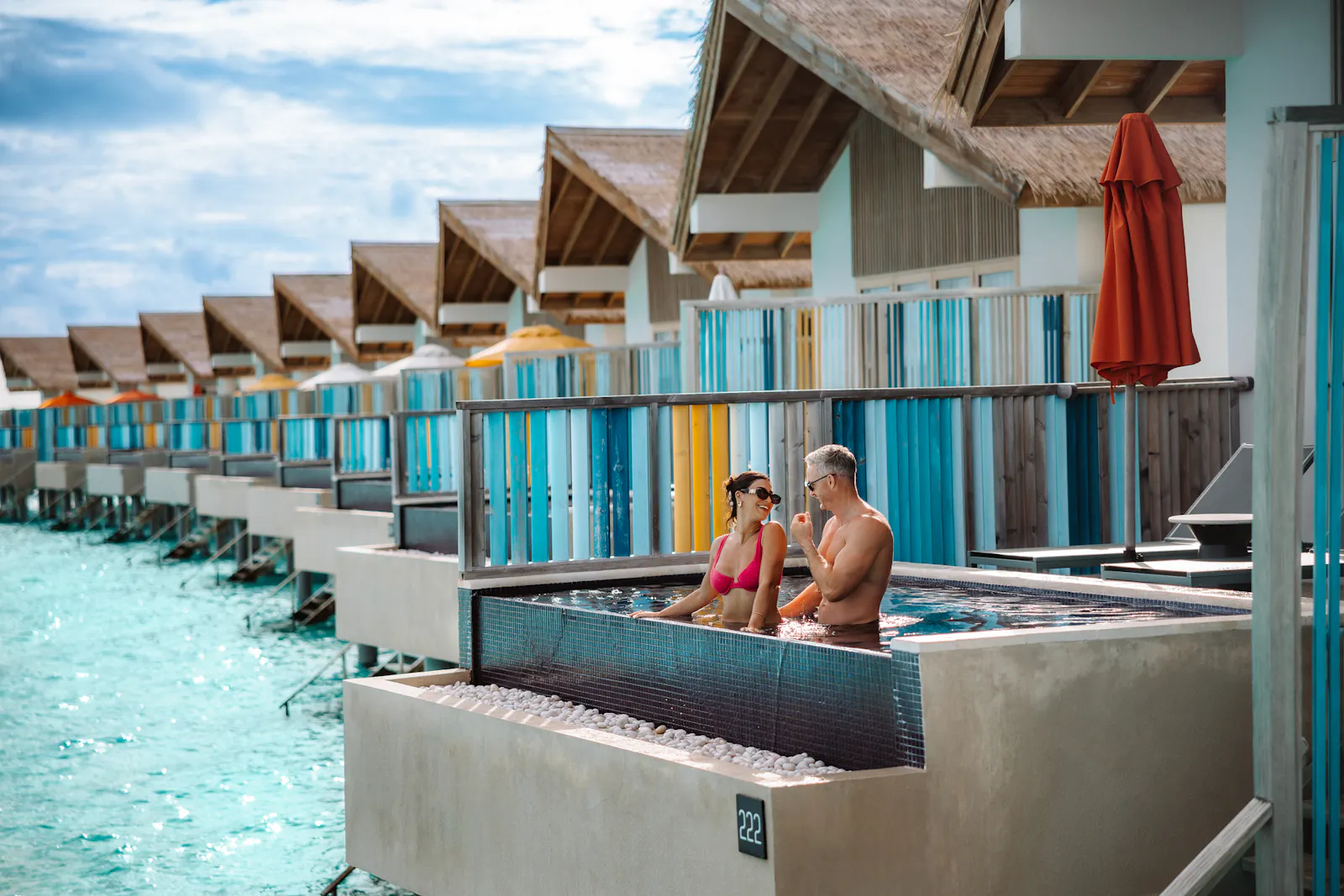
- Private pools: Swim-up rooms and private plunge pools offer different levels of privacy, so review the layout carefully.
- Noise: Rooms near entertainment stages, pool bars, and main pathways may be less suitable for light sleepers.
- Accessibility: Properties built into hillsides or spread across large grounds may involve stairs, steep paths, or considerable walking distances.
For longer vacations, investing in a better room category can sometimes offer more everyday enjoyment than paying for several additional activities, particularly when you plan to spend mornings and evenings at the property.
6. Plan Activities Without Overfilling Your Itinerary

One of the advantages of an all-inclusive vacation is having the flexibility to enjoy a day without arranging every meal or activity in advance.
However, choosing a resort with numerous facilities can create the temptation to schedule something every day simply because it is included.
A more comfortable approach is to decide which experiences genuinely interest you, then leave enough time to enjoy the property itself.
Consider alternating full resort days with occasional excursions, particularly when the destination has interesting villages, historic sites, beautiful landscapes, or local restaurants worth exploring.
Depending on where you're staying, worthwhile activities might include:
- A half-day boat trip to nearby beaches or islands.
- Exploring a historic town or traditional village.
- Visiting local markets, independent shops, and restaurants.
- Booking a spa treatment or wellness experience.
- Snorkeling, kayaking, or taking a guided nature excursion.
- Planning an afternoon around a particularly beautiful viewpoint or photography location.
If you're traveling somewhere with a distinctive local culture, spending at least part of the trip outside the resort can make the overall experience more memorable.
A beachfront hotel in Greece, for example, provides a comfortable base for swimming and relaxation, but visiting nearby villages and traditional tavernas offers a different perspective on the island.
7. Make the Most of Resort Dining
Food is an important part of any vacation, and the quality and variety of dining options should be considered carefully when comparing all-inclusive properties.
A resort with several restaurants may offer more flexibility than one with a single large buffet, particularly during a week-long stay when repeated menus can become less appealing.
Before arriving, check whether specialty restaurants require reservations and whether those bookings can be made through the resort's app or guest services team.
Some properties allow reservations before arrival, while others only open bookings after check-in. Popular restaurants can fill quickly during busy travel periods.
Even when all meals are included, consider leaving room in your plans for a few meals outside the resort.
Regional specialties, family-run restaurants, and local markets can be among the most memorable parts of visiting a new destination, especially in places known for their food.
If you have dietary restrictions or food allergies, contact the property before booking to confirm what accommodations are available. A resort advertising numerous restaurants does not necessarily guarantee that every dining venue can meet specific dietary requirements.
8. Compare the Total Cost Before Booking

All-inclusive vacations can offer good value, particularly when meals, drinks, and activities would otherwise represent a significant portion of your travel budget.
However, the lowest advertised package price is not always the least expensive option once transportation, room upgrades, and additional charges are included.
When comparing resorts or package providers, calculate the total cost of the vacation using the same dates, room category, and number of guests.
Include:
- Flights and checked baggage.
- Airport transfers or rental car expenses.
- Accommodation and the selected meal plan.
- Resort fees and applicable local taxes.
- Premium dining or beverage upgrades.
- Excursions and activities not included in the package.
- Travel insurance and any necessary entry documentation.
Booking early can provide a wider selection of room categories and flight schedules, especially during school holidays and other popular travel periods, although last-minute offers may occasionally provide better value when dates are flexible.
Review the cancellation and change policies before paying a deposit, particularly when booking flights and accommodation together.
Also check whether the package offers financial protection or other consumer safeguards appropriate to the country where you are booking.
9. Prepare for Your Trip Before Departure
Once the resort and flights are confirmed, a few practical preparations can help prevent unnecessary complications during the vacation.
Arrange comprehensive travel insurance and review the policy carefully, including coverage for medical treatment, cancellations, travel delays, and any activities you plan to participate in.
Insurance should be arranged as soon as practical after booking so that eligible cancellation events occurring before departure may be covered, subject to the policy's terms.
Check passport validity requirements, entry rules, and any visa conditions that apply to your destination and nationality. Requirements can differ even between countries within the same region.
For packing, focus on versatile clothing that works for both daytime activities and resort restaurants, which may have evening dress codes.
A practical all-inclusive vacation packing checklist includes:
- Lightweight clothing, swimwear, and comfortable shoes.
- A more polished outfit for evening restaurants.
- Sunscreen, sunglasses, and a sun hat.
- Essential medications and basic toiletries.
- Chargers, travel adapters, and a portable power bank.
- Copies of travel documents and booking confirmations.
- A small day bag for excursions.
- Any snorkeling equipment or personal accessories you prefer to bring.
Keep medication, important documents, and a change of clothes in your carry-on bag in case checked luggage is delayed.
It is also worth confirming the airport transfer arrangements before departure, including where to meet your driver or shuttle service after clearing customs.
10. Avoid Common All-Inclusive Resort Booking Mistakes
Several of the most disappointing resort experiences begin with assumptions made during the booking process, particularly when attractive photographs or promotional package prices obscure important practical details.
The most common mistakes are relatively easy to avoid with a little research.
Choosing a resort based only on price
A cheaper property may offer fewer restaurants, less convenient beach access, or additional charges for amenities that are included elsewhere. Compare the complete experience rather than the advertised rate alone.
Ignoring the location
A beautiful resort may be an hour or more from the airport or far from the towns and attractions you want to visit. Check driving distances and transportation options before confirming your stay.
Assuming every restaurant is included
Specialty dining, premium beverages, and room service can carry additional charges, even at properties advertising extensive all-inclusive packages.
Overlooking seasonal weather
Research rainfall, temperatures, and regional weather patterns before booking, especially when visiting tropical destinations during their wetter months.
Not checking recent reviews
Resort facilities, restaurant quality, and service standards can change over time. Prioritize recent, detailed feedback over older reviews or promotional descriptions.
Booking the wrong room category
A room overlooking the entertainment area may be less suitable for a relaxing vacation than a quieter room farther from the main facilities.
Planning too many excursions
An all-inclusive resort is often chosen for the convenience of having everything in one place, so leave enough time to enjoy the property rather than spending every day traveling elsewhere.
Planning a Relaxing All-Inclusive Vacation

The best all-inclusive vacation is one that suits the way you actually want to spend your time, whether that means swimming in the Mediterranean, enjoying long afternoons beside a beautiful pool, exploring nearby villages, or spending an entire week at a beachfront resort with very few plans.
Choosing the right destination, understanding what your package includes, and paying attention to the details of the property can make a significant difference to the overall experience.
With the important arrangements handled before departure, you can arrive knowing where you're staying, what is included, and which experiences are worth making time for, leaving the rest of the vacation open to enjoy at your own pace.