How to Create an Indoor-Outdoor Living Space That Actually Works
Indoor-outdoor living is most successful when your patio, deck, balcony, or backyard is easy to access from inside. The aim is not just to make the outdoor area look better, but to create a smoother flow between your daily life, natural light, fresh air, privacy, shade, and how you move through your home.
Great indoor-outdoor spaces begin with easy access, not decorations. A comfortable door, safe step, good shade, sturdy surface, and simple lighting are usually more important than pricey furniture.
This is important because outdoor spaces play a bigger role in today’s homes. NAHB says more new homes now include porches and patios, even as homes get smaller. In fact, 68% of new homes have porches and 64% have patios. Houzz also found that one in three homeowners who upgrade their outdoor areas do it to add more living space.
Start With the Connection Between the House and the Patio
People often forget about the doorway between the house and the outdoor area. If the door is hard to open, lets in drafts, feels too narrow, or opens into furniture, you probably won’t use the patio as much as you hoped.
In many homes, the best upgrade isn’t new outdoor furniture. It’s swapping out old patio doors for ones that fit better, slide smoothly, save energy, and make the space brighter and more comfortable.
Expert tip: Think of your patio door as a big moving glass wall. It’s part of your home’s comfort, not just a way to get outside.
Ecoline patio doors experts highlight that modern doors come in many sizes. Most two-panel doors are 5, 6, or 8 feet wide, and usually 80 to 96 inches tall. Bigger three- or four-panel doors can make the indoor-outdoor feel stronger, but they need more planning, sturdier installation, and a bigger budget. So plan accordingly.
It’s usually better to stick with the current size of your rough opening, but install a modern door, preferably not standard white, to add more aesthetic appeal.
Choose the Outdoor Zone Before You Buy Anything
Many patio upgrades go wrong because people start by shopping. Homeowners often buy furniture and decorations before deciding how they want to use the space.
Start with one main use:
| Goal | Recommended Setup | Common Mistake |
|---|---|---|
| Morning coffee | Two chairs, small table, soft shade | Buying a full dining set |
| Family dinners | Table near kitchen access | Placing grill too far from prep area |
| Quiet reading | Lounge chair, privacy planting, side table | Too much open exposure |
| Entertaining | Clear traffic path, layered seating | Blocking the door swing or slider |
| Small balcony | Foldable furniture, vertical greenery | Oversized furniture that kills movement |
Small homes, townhouses, and tight lots work best with one main outdoor use. Having a clear purpose makes the space feel planned, not crowded.
A 10-by-10-foot patio is great for two people. A 12-by-16-foot space can usually fit either dining or lounging. Problems happen when you try to fit both uses into a space that’s too small.
Plan Shade, Glare, and Energy Performance Early
Glass, sunlight, and comfort all affect each other. A west-facing patio door brings in nice afternoon light, but it can also cause heat, glare, and faded furniture. A north-facing door feels cooler and more even, but not as bright.
Keep in mind that the U-factor measures non-solar heat flow, while SHGC measures how much solar radiation passes through glass. Lower U-factor generally means better insulation, while lower SHGC helps reduce unwanted summer heat gain.
A common mistake is picking the largest glass door without considering which way it faces. More glass isn’t always better if the room gets too hot every afternoon.
Practical fixes include:
- exterior shade before interior shade
- low-E glass suited to the climate
- light-filtering blinds or shades for glare
- roof overhangs, pergolas, or awnings
- deciduous trees for summer shade and winter light
ENERGY STAR notes that certified windows, doors, and skylights can reduce heating and cooling costs by up to 13% compared with non-certified products, but actual savings depend on climate, installation, product quality, and the condition of the old units
Use Materials That Make the Transition Feel Intentional
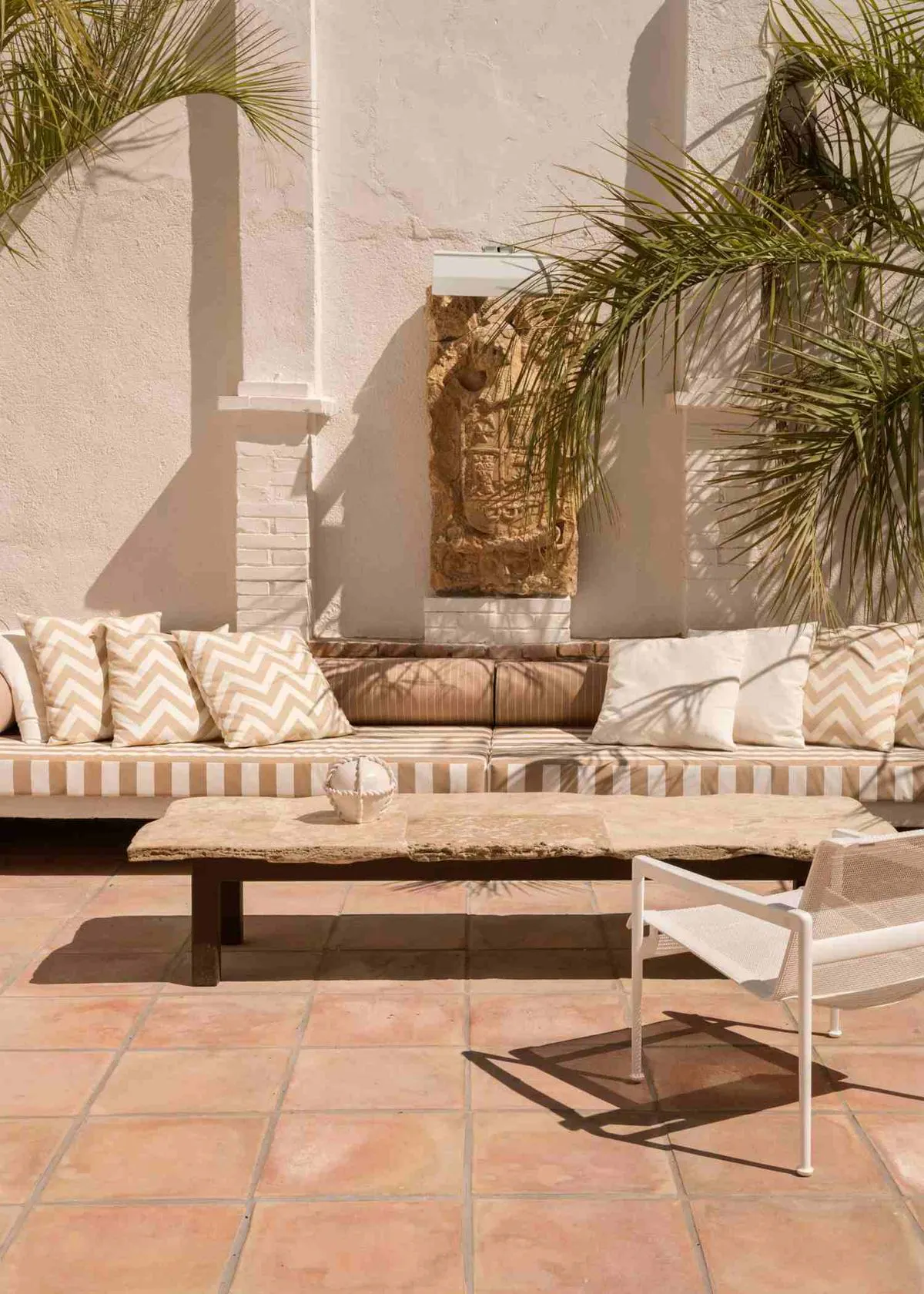
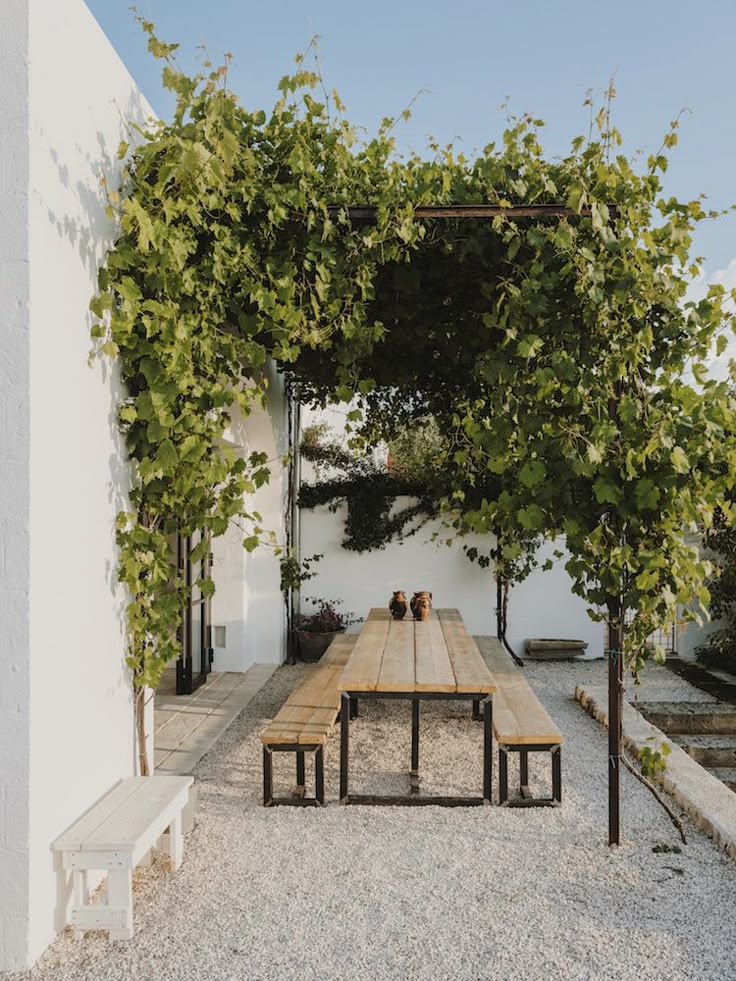
A good indoor-outdoor space shouldn’t feel like two separate rooms. Instead, it should feel like one area where the textures, light, and materials change naturally.
This doesn’t mean you have to match everything. In fact, matching too closely can look unnatural. It’s better to repeat similar colours and shapes. For example:
- Warm indoor wood tones can connect to cedar, composite decking, or teak furniture
- Black interior hardware can repeat through exterior lanterns, railings, or door frames
- Limestone, concrete, and pale pavers can echo light kitchen flooring
- Linen, rattan, and woven textures can soften harder exterior surfaces
Choose this if: You want your patio to feel connected to your home, but not like you just moved an indoor room outside.
Avoid this if: You plan to use delicate indoor materials outside. Sun, rain, freezing, and dirt can quickly ruin finishes that aren’t made for the outdoors.
Spend Where Daily Use Actually Improves
Not every outdoor upgrade needs the same budget. According to the 2025 Cost vs. Value report, a big backyard patio project costs about $51,454 on average and gets back 46% in resale value. Wood decks do better, with 95% of the cost recouped. This doesn’t mean everyone should build a deck, but it shows that the size and type of project matter.
Average cost: HomeAdvisor’s 2025 data says installing a sliding glass door costs about $2,563 on average, with most people paying between $1,168 and $4,144. The price depends on the size, material, type of glass, built-in blinds, location, and whether there’s already an opening in the wall.
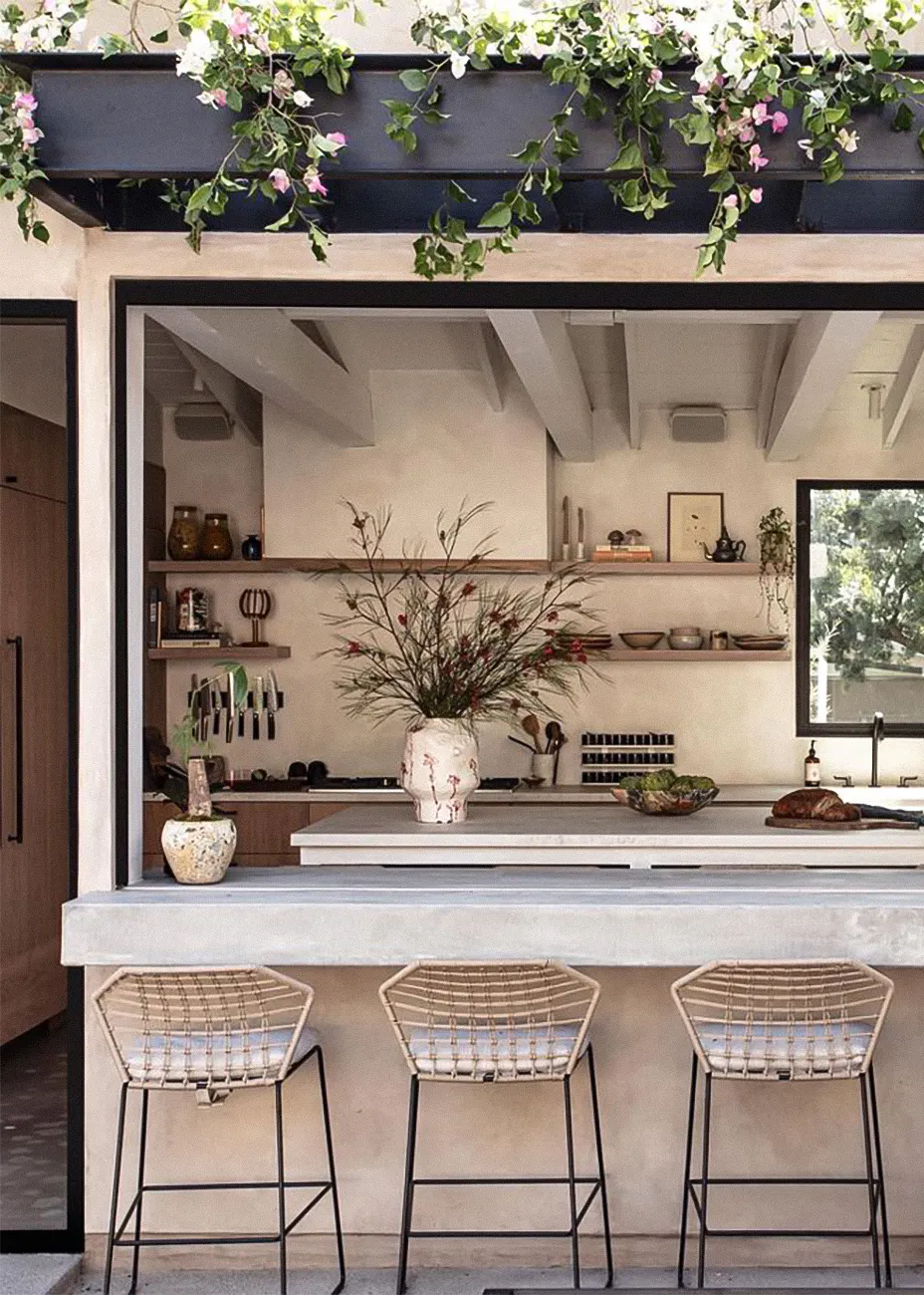
Spend first on the parts that affect everyday use:
- safe, easy access from the house
- level walking surface
- shade and glare control
- comfortable seating
- lighting
- plants and decor
Furniture stands out, but access and shade are what really determine whether you’ll use the space.
Fix Privacy, Bugs, and Night Use Before Hosting
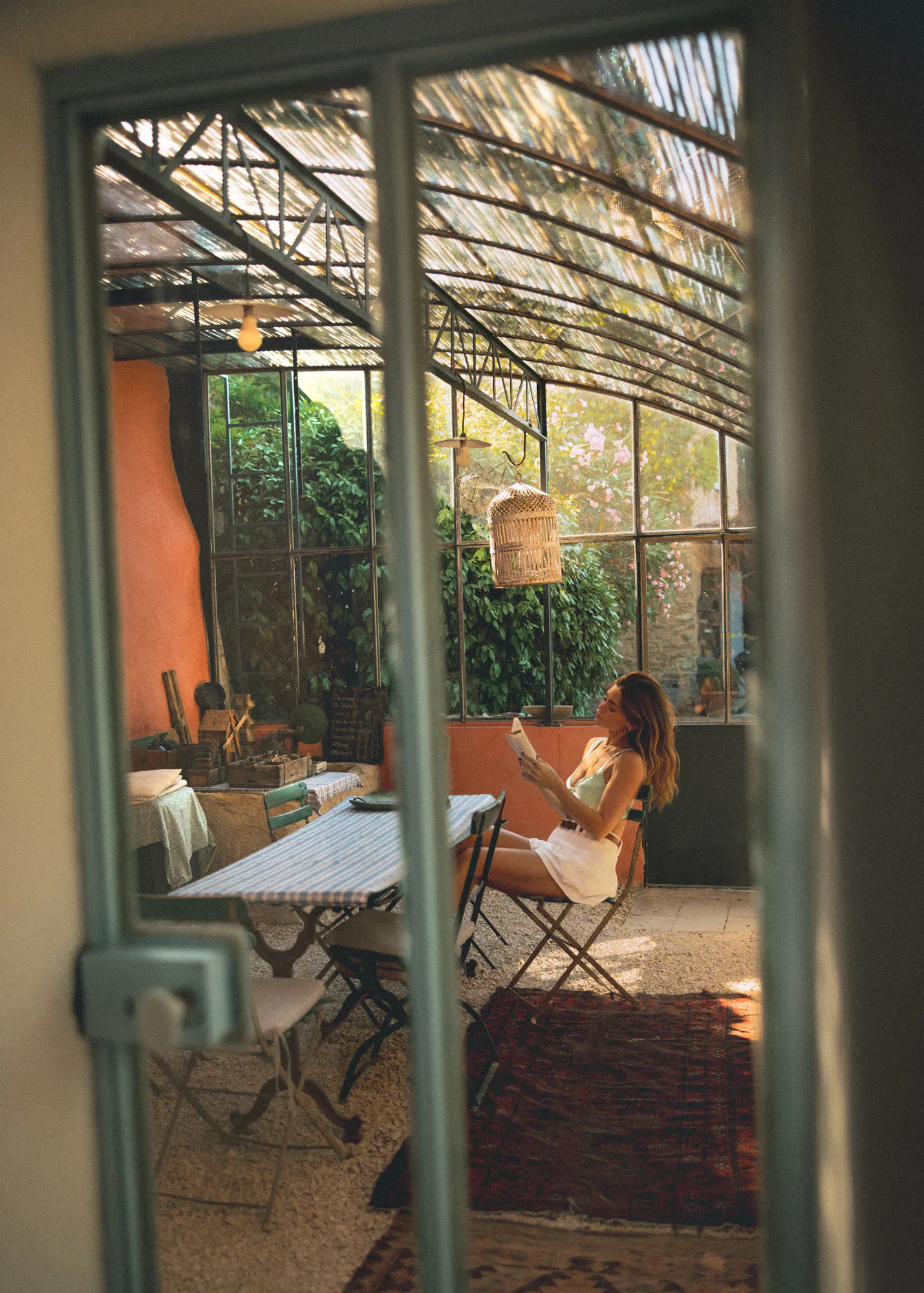
A patio might look great at noon but feel unusable by evening. This usually happens for three reasons: lack of privacy, bugs, and poor lighting.
Privacy works best when it’s layered, not completely closed off. Try tall planters, lattice, pergola screens, slatted panels, hedges, or outdoor curtains, depending on your home’s style. Full fences can help, but they might make small spaces feel cramped.
To keep bugs away, don’t just use candles. Good screens, clean drainage, covered food areas, and well-placed lights work better. If you open the patio door a lot in summer, a good screen is more important than you might think.
For lighting, skip the single bright fixture that lights up everything. Instead, use softer, layered lighting like this:
- wall sconces near the door
- step lights for safety
- lanterns around seating
- warm bulbs for dining areas
- task lighting near grills or prep counters
Expert tip: Plan for nighttime use before arranging furniture. If people can’t see steps, food, drinks, or each other easily, the space won’t feel relaxing.
Build the Space in Layers, Not All at Once
Indoor-outdoor living isn’t about copying a resort patio. It’s about making your outdoor space easier to reach, more comfortable to use, simpler to maintain, and enjoyable for more of the year.
Focus first on access, shade, surfaces, and privacy. Add furniture and decorations only after the basics are right. The best outdoor spaces feel simple because the hard choices were made early.
A smart project order looks like this:
- Fix the opening and threshold.
- Confirm drainage and surface condition.
- Plan shade and glare control.
- Choose one main use for the space.
- Add lighting and privacy.
- Finish with furniture, plants, and styling.
Homeowners who plan this way often avoid costly mistakes. Their outdoor space ends up feeling less like a quick project and more like a true part of the home.
If your outdoor space has a nice view, patio, or garden but still feels awkward, start by looking at how you move from inside to outside. Improving the doorway, making access easier, and choosing the right glass can make a big difference.