A good Egypt itinerary is not defined by how many famous places it can fit into a week or two.
It works because the schedule reflects the people who will actually travel it.
A traveler focused on archaeology may want long museum visits and extra time at temples and royal tombs. A family may be happier with shorter guided sessions, flexible meals, and afternoons by the pool. A couple may care more about privacy, distinctive accommodation, and an unhurried Nile journey than a packed sightseeing list.
The headline destinations can be similar, while the right trip for each traveler looks very different.
Customizing an Egypt trip is therefore about more than choosing stops on a map. Pace, route, hotels, guiding, transport, and unscheduled time all need to suit the way you want to travel.

Define the Trip Before You Build the Route
The strongest Egypt vacation packages are built around priorities rather than a checklist of destinations. The route should fit the people taking the journey, not the other way around.
Before assigning destinations to individual days, decide what matters most. That might be archaeological depth, a gentler pace, family comfort, private guiding, beach time, memorable accommodation, or simply enough space in the schedule to avoid rushing.
Two people can each have ten days in Egypt and need entirely different plans. One may devote much of the trip to museums, temples, and less-visited archaeological sites; another may prefer the Pyramids, a relaxed journey along the Nile, and a few days at the Red Sea.
The length of the vacation may be the same. The priorities should determine how those days are used.
Give the Itinerary a Clear Focus
A personalized itinerary can mix several interests, but it still benefits from a clear center of gravity.
History and Archaeology
For a history-led trip, Cairo and Upper Egypt can take up most of the schedule.
The main priorities might include:
- The Giza Pyramids.
- Saqqara and Dahshur.
- Major museum collections.
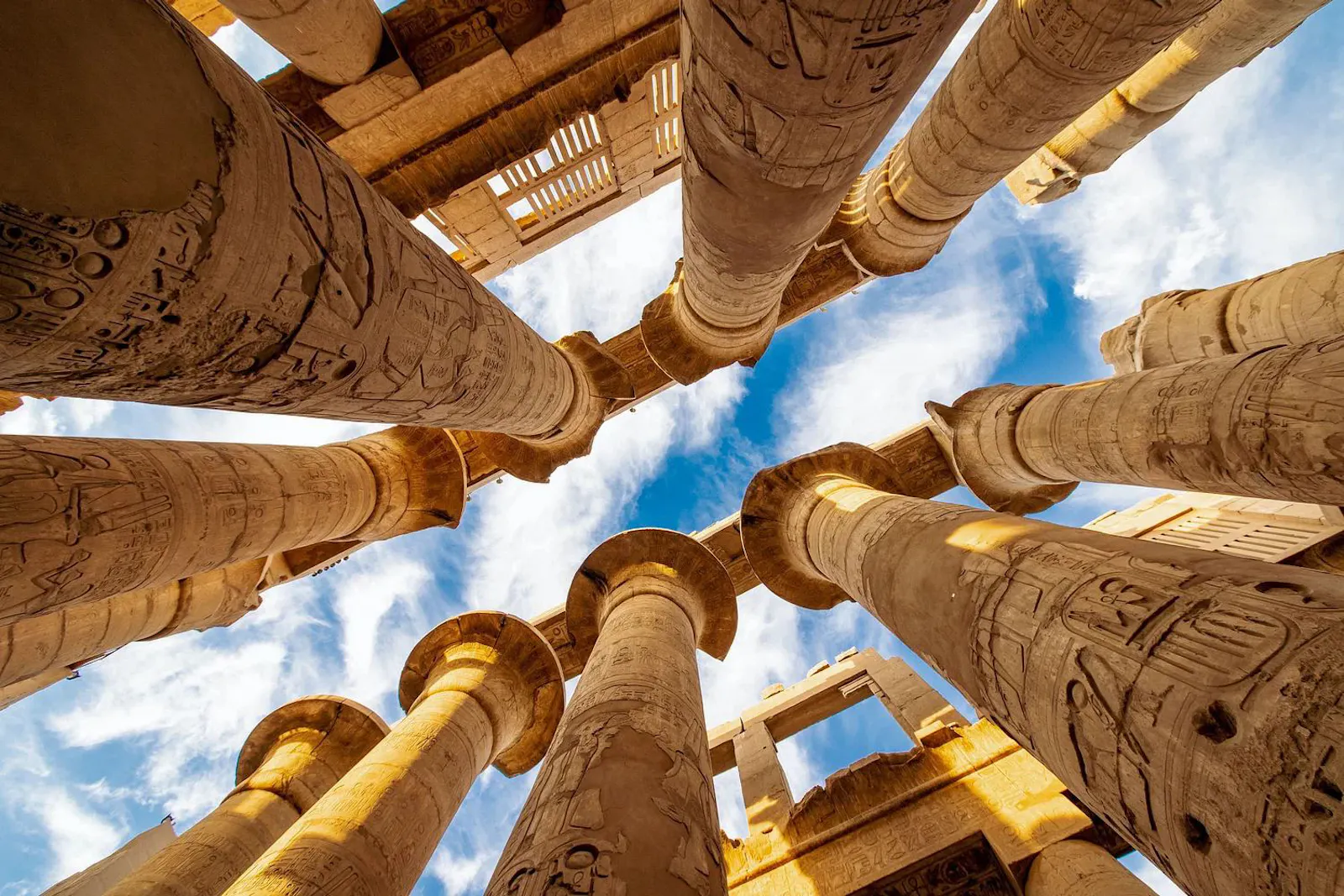
- Karnak Temple.
- The Valley of the Kings.
- Medinet Habu.
- Deir el-Medina.
- Dendera and Abydos.
- Philae Temple.
- Abu Simbel.
For this kind of traveler, another night in Luxor may add more to the trip than squeezing in a short resort break.
A Slower, More Scenic Egypt Trip
Not every traveler wants the historical side of Egypt to dominate every day.
A more relaxed itinerary might combine:
- Two or three days in Cairo.
- An unhurried journey between Luxor and Aswan.
- Free time in Aswan.
- Several nights beside the Red Sea.

That balance keeps the cultural highlights in place while making room for recovery and quieter time.
Family-Focused Travel
For families, the children's ages, interests, energy levels, and usual routines should influence the itinerary from the start.
Long visits to archaeological sites can be offset with:
- Hotel pools.
- Short boat rides.
- Interactive museum experiences.
- Flexible afternoons.
- Beach activities.
- Free evenings.
- Shorter guiding sessions.
Practical details matter just as much: connecting rooms, vehicle size, child-friendly meals, and early departure times are easier to solve before the trip is confirmed.
Adventure and Time Outdoors
Travelers who want a more active itinerary can combine ancient sites with experiences such as:
- Desert camping.
- Oasis visits.
- Diving.
- Snorkeling.
- Hiking.
- Hot-air balloon rides.
- Quad-bike excursions.
- Felucca sailing.
The key is spacing them sensibly. Physically demanding activities are harder to enjoy when they come immediately after a long flight or an already exhausting day of sightseeing.
Build a Route That Flows
The order of the trip should feel intentional rather than improvised.
Cairo often makes sense at the beginning because it introduces both ancient and modern Egypt. Luxor and Aswan can form the historical core of the journey, with the Red Sea providing a quieter finish for travelers who want one.
Moving back and forth between distant regions without a clear purpose usually adds effort without improving the experience.
When you are adapting an existing itinerary, look at each destination as part of one continuous route. Keep the stops that support the purpose of the trip, extend the places that deserve more time, and cut transfers that do not add enough value.
In practice, that could mean:
- Adding another night in Luxor.
- Replacing Alexandria with Abu Simbel.
- Reducing time in Cairo to create a longer beach stay.
- Leaving the Red Sea out of a strongly history-focused itinerary.
- Adding a free day after several early starts.
- Finishing in Aswan for a slower final stretch.
Good customization often comes from removing the wrong elements, not simply adding more.

Fit the Route to the Time You Actually Have
One of the easiest ways to weaken an Egypt vacation is to ask a short itinerary to cover too much ground.
If You Have Seven Days
A one-week trip needs a narrow focus.
Routes that can work include:
- Cairo, Luxor, and Aswan.
- Cairo and a Nile journey.
- Cairo and the Red Sea.
- Cairo, Alexandria, and Luxor.
Add too many regions and the week can become dominated by airports, transfers, check-ins, and repacking.
If You Have Ten Days
Ten days gives you more room to combine different parts of the country.
A balanced itinerary could include:
- Cairo and Giza.
- Luxor and Aswan.
- A multi-night journey along the Nile.
- Abu Simbel.
- A short Red Sea stay.
The extra flexibility only helps if each stop still receives enough time to be worthwhile.
Two Weeks and Beyond
With two weeks or more, there is room to consider Alexandria, Dendera, Abydos, an oasis, or a longer beach extension.
Those additional days should also create space for:
- Rest periods.
- Free evenings.
- Time for local dining.
- Flexible sightseeing.
- Opportunities to revisit favorite places.
A longer holiday should feel more generous, not simply more crowded with stops.
Set a Daily Pace You Can Sustain
The route is only one part of customization. The rhythm of each day matters just as much.
Some travelers are comfortable with early starts and several attractions in one day. Others would rather focus on one major site, take a relaxed lunch, and keep the afternoon open.
Look closely at:
- The number of sites scheduled each day.
- Walking distances.
- Transfer duration.
- Hotel changes.
- Flight times.
- Consecutive early mornings.
- Meal breaks.
- Free evenings.
- Activities planned for arrival day.
A private itinerary can adapt to a traveler's habits, but it still has to work within operating realities. Some attractions are better scheduled early, and flights or sailing schedules may be fixed.
The aim is not an entirely open schedule. It is a realistic one that respects both the traveler and the destination.
Choose Accommodation for the Experience, Not Just the Rating
Accommodation shapes the character of a trip as much as many sightseeing choices do.
Depending on the trip, that might mean:
- A boutique property in Cairo.
- An international luxury hotel.
- A historic hotel in Luxor.
- A family-friendly resort.
- A deluxe river vessel.
- A luxury ship.
- A smaller Dahabiya.
- An all-inclusive Red Sea stay.

Location deserves the same attention as star rating.
A well-located hotel can reduce daily travel time and make restaurants or evening activities easier to reach. A cheaper property farther from the main area may save on the room rate but add longer transfers every day.
Before confirming where you will stay, ask for:
- Exact hotel names.
- Room categories.
- Meal plans.
- Cabin locations.
- Family-room arrangements.
- Accessibility details.
- Recent photographs.
- Distance from major attractions.
Use Private Services Where They Matter
A tailor-made vacation does not need to make every transfer, tour, or activity private.
Private service is most useful when flexibility, timing, or detailed interpretation can materially change the experience.
Private guiding may be especially useful for:
- The Pyramids and Saqqara.
- Museums.
- Luxor's East and West Banks.
- Specialist archaeological interests.
- Families.
- Senior travelers.
- Photographers.
- Travelers with accessibility needs.
Shared arrangements may be perfectly suitable for:
- Diving trips.
- Resort boat excursions.
- Certain desert activities.
- Standard entertainment.
- Some airport transfers.
Mixing private and shared services can preserve flexibility without making the entire trip more expensive than necessary.
Plan for the Actual People in the Group
Personalization only works when the needs of the people traveling affect real decisions in the schedule.
Couples
Couples may prefer privacy, scenic accommodation, slower evenings, and fewer hotel changes over an itinerary that moves constantly.
Families
Families may need connecting rooms, larger vehicles, flexible meal times, shorter sightseeing visits, and activities suited to different ages.
Senior Travelers
Senior travelers may be more comfortable with a slower pace, fewer stairs, accessible transport, and hotels chosen carefully for practical ease.
Solo Travelers
Solo travelers may prefer private guiding for sightseeing while choosing shared activities when they want more social interaction.
Photographers
Photographers may need earlier departures, longer visits at individual sites, specific viewpoints, and fewer attractions packed into the same day.
These preferences matter only when they change the itinerary itself, rather than appearing as generic promises in a package description.
Solve the Small Logistics Before Arrival
A well-built itinerary deals with operational details before they can become problems on the road.
Dietary Requirements
Vegetarian, vegan, gluten-free, allergy-sensitive, and religious dietary requirements should be communicated to hotels, vessels, and guides before arrival.
Mobility
Review walking distances, stairs, hotel elevators, vehicle access, and cabin layouts in advance.
Arrival Times
A late international arrival should not be followed automatically by an early, full-day sightseeing program.
Domestic Connections
Domestic flights, road transfers, hotel check-ins, and sailing dates need to connect in a way that is actually workable.
Free Time
An itinerary does not need to account for every hour. Unscheduled time gives travelers room to rest, shop, explore independently, or return to a place they particularly enjoyed.
Know When to Stop Adding
Customization can make an itinerary worse when every possible request is accepted without considering the overall route.
Signs that the plan is becoming overloaded include:
- Too many one-night stays.
- Repeated hotel changes.
- Long drives followed by major excursions.
- Several distant attractions scheduled together.
- Incompatible flight and sailing times.
- No flexibility for delays.
- No opportunity to rest.
A responsible planner should be willing to explain when a requested addition is likely to weaken the trip.
The point of customization is to improve the journey, not to make the schedule technically possible but unpleasant to follow.
Make the Whole Trip Work as One Itinerary
Planning an Egypt trip as one connected itinerary means making hotels, domestic flights, road transfers, Nile sailing dates, entrance schedules, and sightseeing days work together instead of treating each booking separately.
That coordination becomes even more important when a route combines Cairo, Luxor, Aswan, the Nile Valley, desert regions, and the Red Sea. Moving one part of the plan can affect transport, hotel nights, and activities elsewhere.
The strongest itineraries are therefore designed as connected journeys rather than assembled as unrelated bookings.
A coherent plan allows enough time for transfers, avoids needless hotel changes, and gives each destination a distinct role in the trip.
Read the Final Plan as If You Were Traveling It
Before approving the itinerary, read it from the first arrival to the final departure and imagine having to follow each day in sequence.
Ask yourself:
- Does the first day leave enough time to recover from the journey?
- Are the transfers realistic?
- Are there too many early mornings in a row?
- Does each destination have enough time?
- Are the hotels in practical locations?
- Is each guiding service clearly identified as private or shared?
- Are optional activities clearly marked?
- Is there enough free time?
- Are the major inclusions explained?
- Does the finished itinerary still reflect the reason you wanted this trip in the first place?
A personalized plan should be easy to understand on paper and easy to picture yourself following.
Make the Package Feel Personal, Not Packed
The point of a tailor-made journey is not to collect the greatest possible number of destinations.
Its real value is the ability to make deliberate choices.
Give more time to the places that match your interests. Choose accommodation that adds something to the journey. Set a pace that suits your energy, use private services where they genuinely improve the experience, and keep enough free time to encounter Egypt beyond the scheduled program.
When those decisions support one another, the result no longer feels like a standard package with a few substitutions.
It becomes an itinerary built around the people who will actually take the trip.