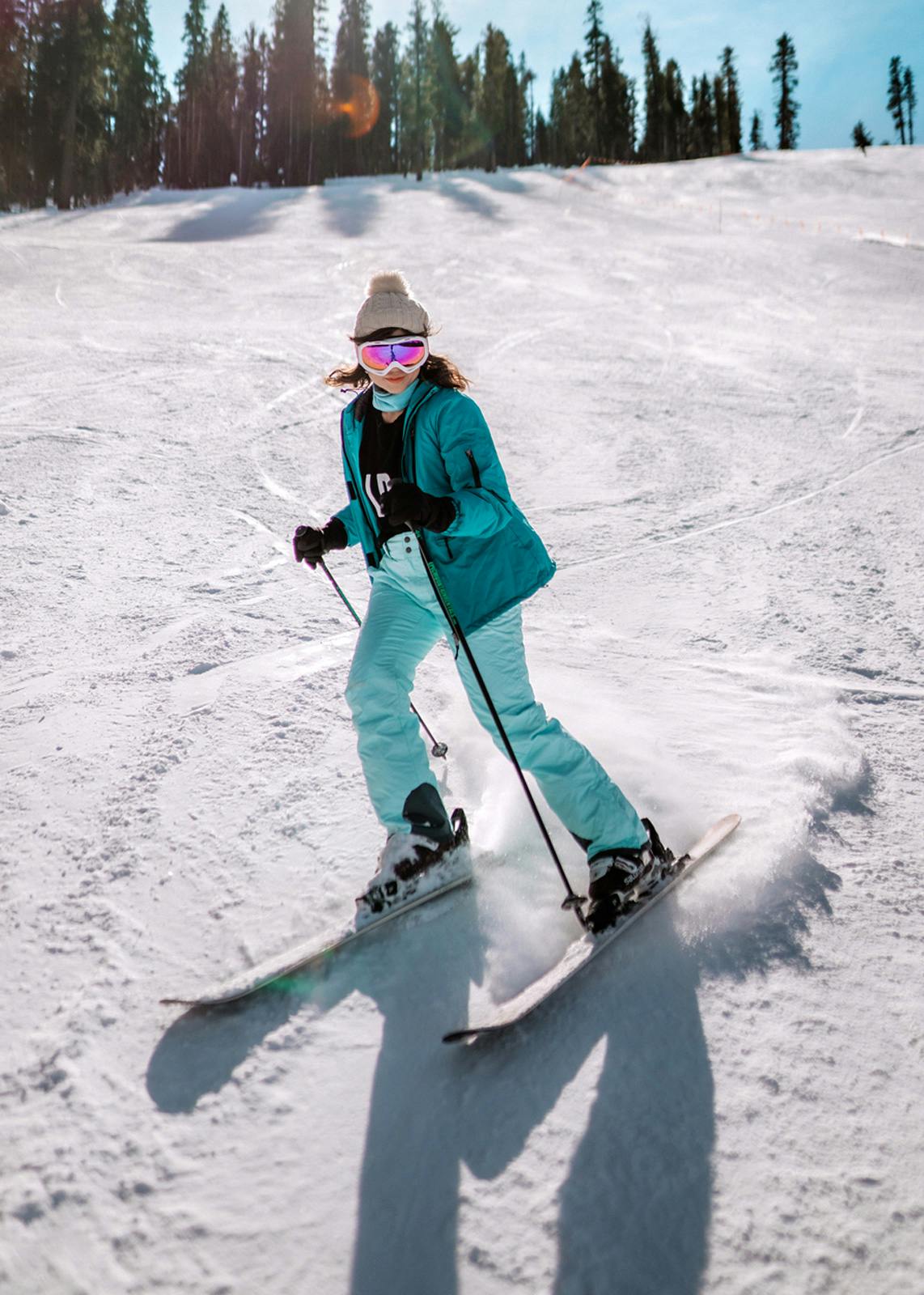
Dreaming about waist-deep powder and bluebird mornings on the mountain?
You are not alone. Following fresh snow has become somewhat addictive for winter enthusiasts. To say the least...
But there is a catch...
Winter packing is exhausting. Winter clothes are bulky and heavy. Boots and coats and base layers and gloves and hats -- it all adds up quickly. Next thing you know, you're sitting on your suitcase trying to zip it closed.
Here is the good news:
Packing light doesn't mean you can't enjoy your travels. In fact, with a proper strategy and a couple of packing tips, you can ski and ride with less in your bag. Here's how.
Time to dig in!
On the agenda:
- Start With the Right Footwear
- Build a Layer System That Travels Light
- The One-Bag Packing Method
- The Small Stuff That Saves the Day
Start With the Right Footwear
The very first thing to sort out is your sports footwear.
Why shoes/booties first? It's simply the largest, heaviest, and most important piece of equipment you'll pack. Get this wrong, and your entire trip will suffer. Nothing makes a powder day worse than cold, wet feet.
The secret is that you really only need two pairs. A pair of snow boots/ski boots for the mountain, and a pair of warm waterproof boots for walking around town. Seriously, that is all most people need.
Don't be tempted to "just in case" and pack three extra pairs. The smart approach is to try shoes on before you leave home and be certain they fit properly and feel comfortable. Locate a store near you and view the inventory at www.sunandski.com/locations.
Buy quality ski boots. Money spent here will not be wasted. Don't buy junk that you'll never use. Spend it on ski gear that actually contacts the snow.
Travel Tip: Pack your heaviest boots on the plane. Boots are bulky and take up a lot of space in luggage, so why waste precious suitcase space carrying them?
Build a Layer System That Travels Light
Here is where most people go wrong...
They pack five sweaters, four pairs of pants, and one big coat. Then they complain that their bag weighs 100 pounds and there's no space for anything else.
The secret is layers.
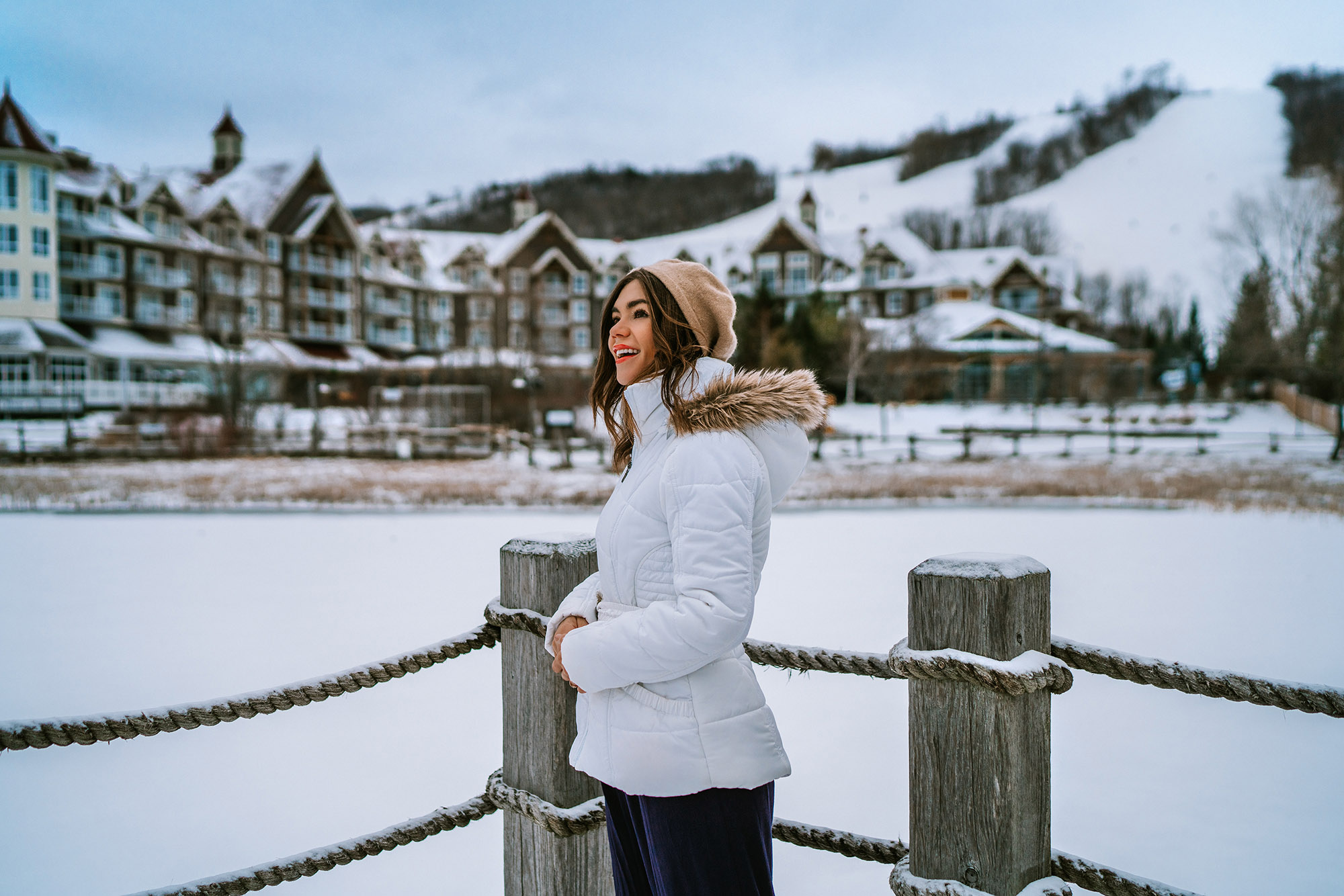
Layering allows you to stay warm without bulky clothing. It's pretty simple and only consists of three layers. First, you want a lightweight thermal top and bottom as your base layer. This layer goes directly on your skin. Next is your mid-layer, which can be fleece or a lightweight puffy. The mid layer keeps your body heat from escaping. Lastly, you'll need a waterproof shell to protect you from wind and snow.
The beauty of layers is that you combine them however you like. Three thinner articles of clothing will keep you warmer than one huge parka, and they take up next to no space when packed.
Wear neutral colors that match anything. That way, each top matches each bottom, allowing you fewer pieces but way more outfit possibilities.
General rule: Only bring layers that you can re-wear. Base layers can be rinsed out in a sink and hung-dried overnight. You don't need one set for each day.
The One-Bag Packing Method
Ok, now for the fun stuff. Can you truly fit an entire ski trip into one bag?
You can. And there is a very good reason to try.
Checked bags cost $$$$. Airlines collected $7.27 billion in fees on checked bags last year from passengers, and the majority will raise rates further this year. Fly with only a carry-on and keep that money!
So how do you make one bag actually work? Follow these four steps:
- Roll, don't fold. Rolling saves space, and clothes roll far less than they fold.
- Pack with packing cubes. They compress your belongings down to size. Plus, keep things tidy and organized.
- Fill your boots. Gloves, socks, chargers – they all tuck neatly inside your boots. Problem of space? Done.
- Wear the bulky stuff. Your coat, your boots, your heaviest layer should be on YOU, not in the bag.
Who would have guessed that so many people have given up on the big suitcase? 71% of travelers, that's who. Not only are they skipping the oversized luggage, but they aren't checking bags at all. Mostly to avoid fees and airport frustrations.
(There is that "keep it simple" idea working its magic again.)
The Small Stuff That Saves the Day
The little things are often the easiest to overlook, but they can mean everything once you are out mountain biking.
Whatever you do, do not skip these:
- Little hand and toe warmers. They're small, inexpensive, and totally worth it when your fingers are dying on a cold chairlift.
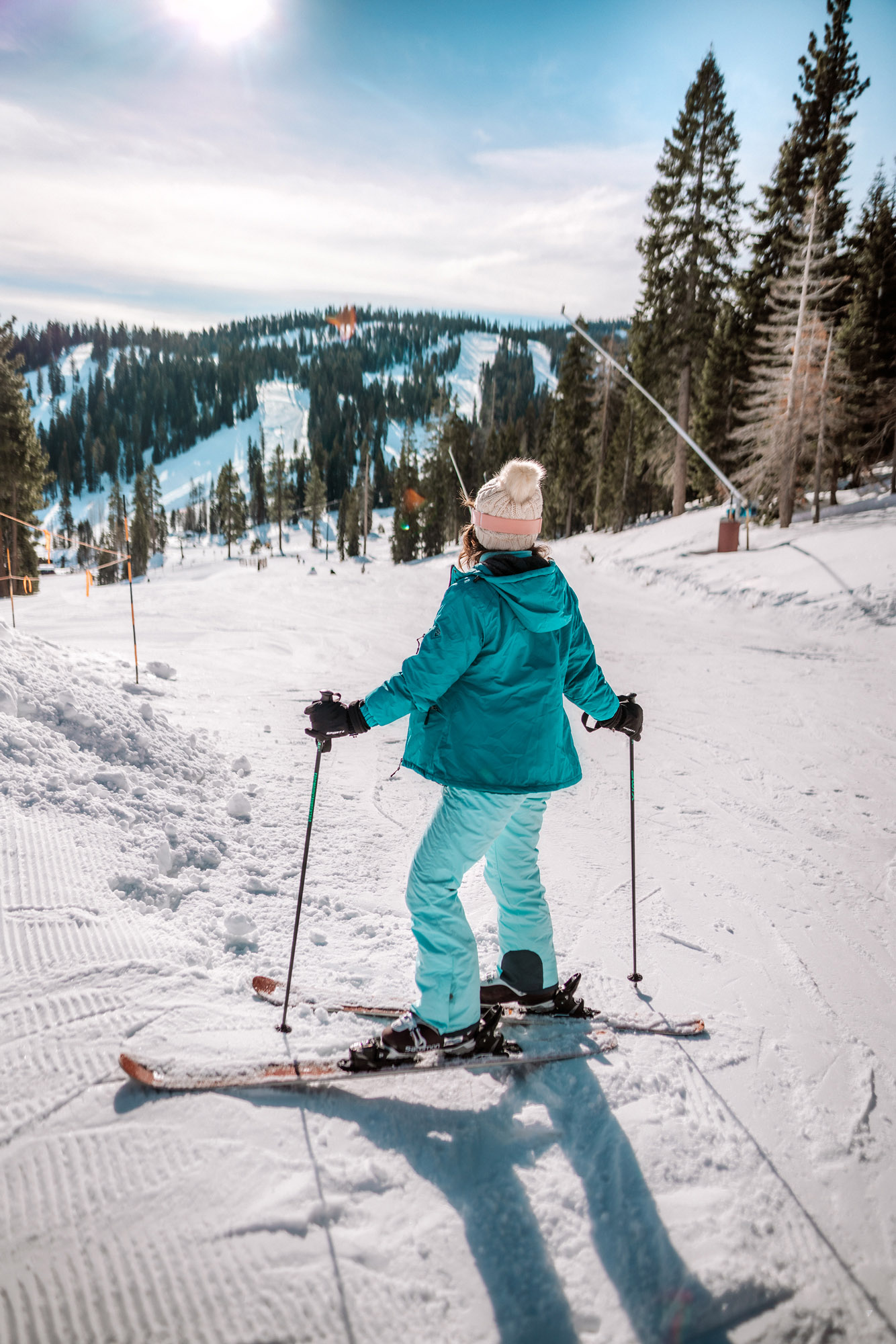
- Lip balm and sunscreen. The sun reflects off the bright snow and burns your skin much quicker than you realize.
- An extra pair of gloves. Wet gloves are miserable. Having a dry pair to switch into is worth their weight in happy_snails.
- Goggles with appropriate lenses. Flat light during a heavy powder day can be serious. Lenses help you see the lay of the land.
Now look at what's missing from that list. Tons of "maybe" items. If you aren't sure you'll use it, don't bring it. You can usually buy or rent anything you forgot when you get to the resort.
Here's the deal with overpacking.... Every item you pack is another item you have to lug around, keep track of, and unpack/repack after each outing. The less you pack, the less stressed you are. Less stress equals WAY more time enjoying those pow days.
The Last Run
Chasing powder doesn't mean dragging tons of gear across the country. It's all about being clever before you even leave your doorstep.
To quickly recap:
- Prioritize your footwear, because boots are the most important piece of equipment you will pack
- Build a simple three-part layer system instead of packing bulky, heavy clothes
- Squeeze everything into one bag using cubes and a few clever packing tricks
- Take the "hero" items and leave the "maybe"s
A successful winter getaway involves snow... not luggage! Leave plenty of time to pack and keep it simple. You'll waste less time struggling with jammed zippers and more time making fresh turns down the slopes.
Now go chase that powder!