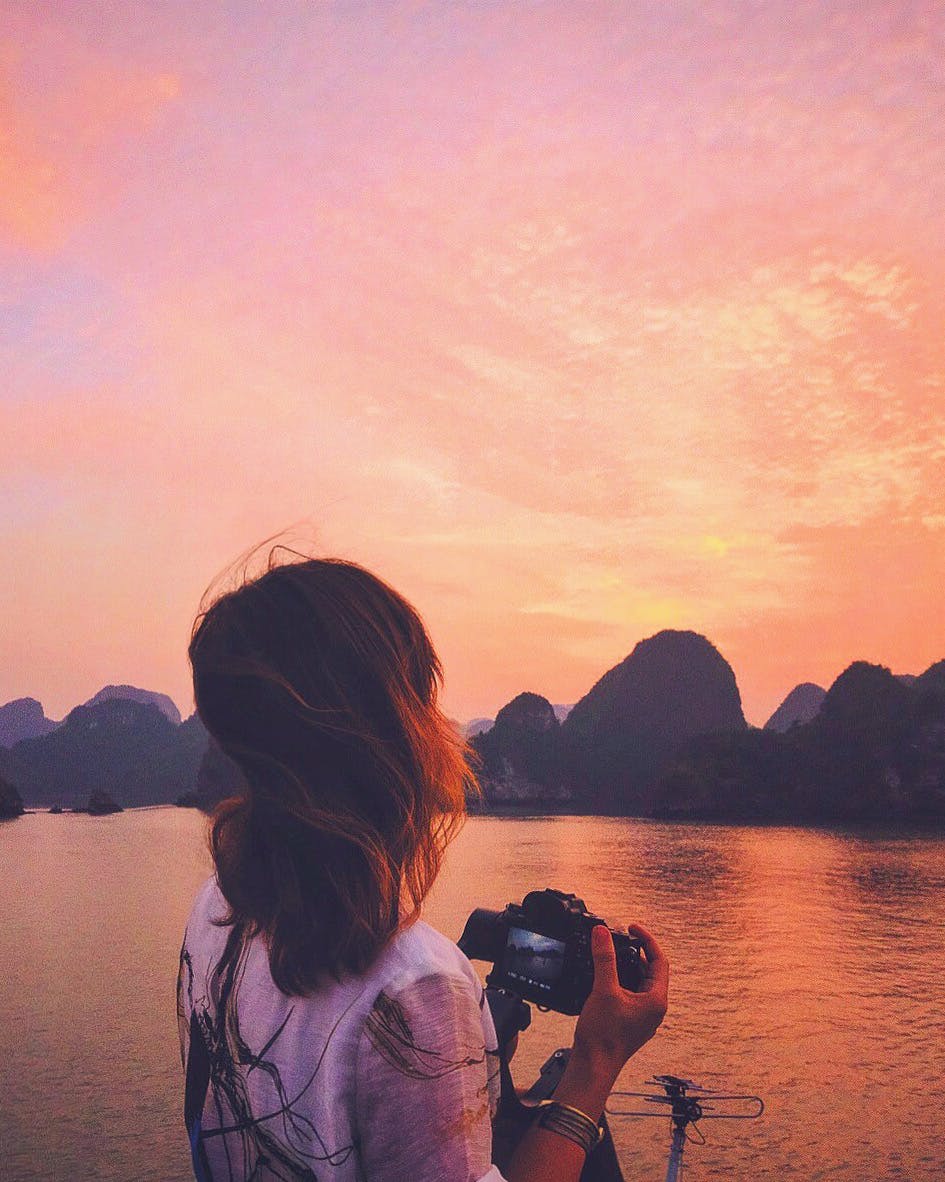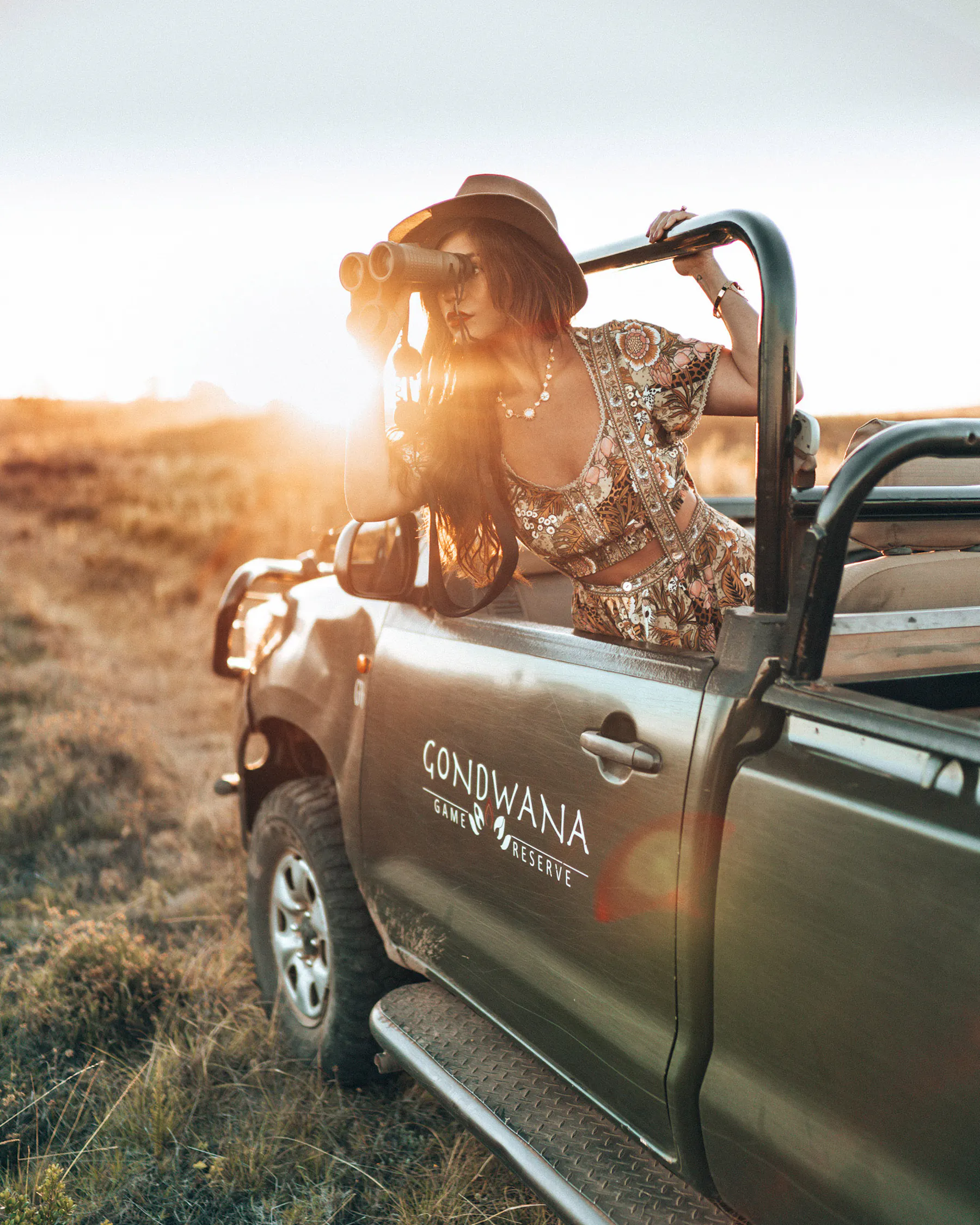
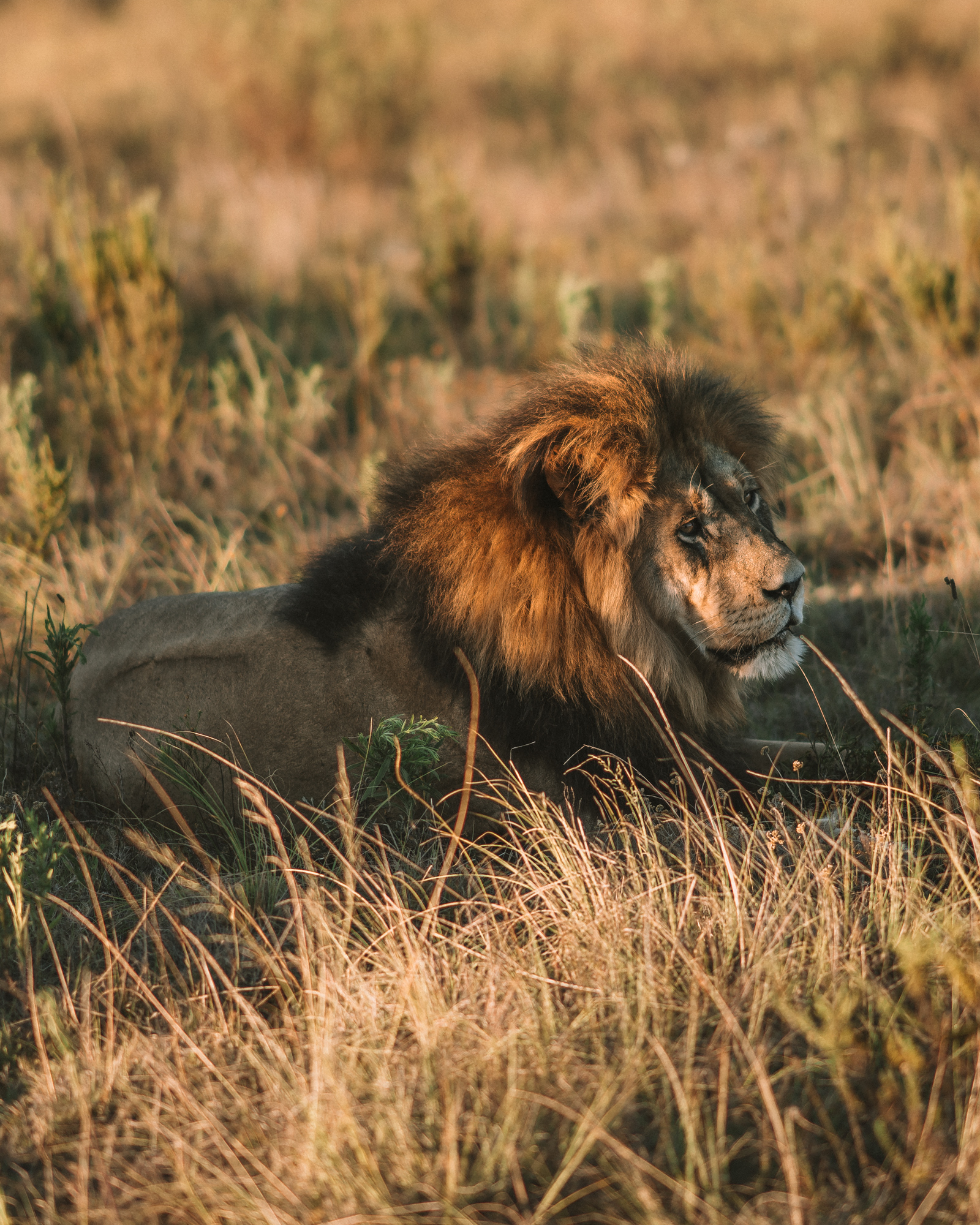
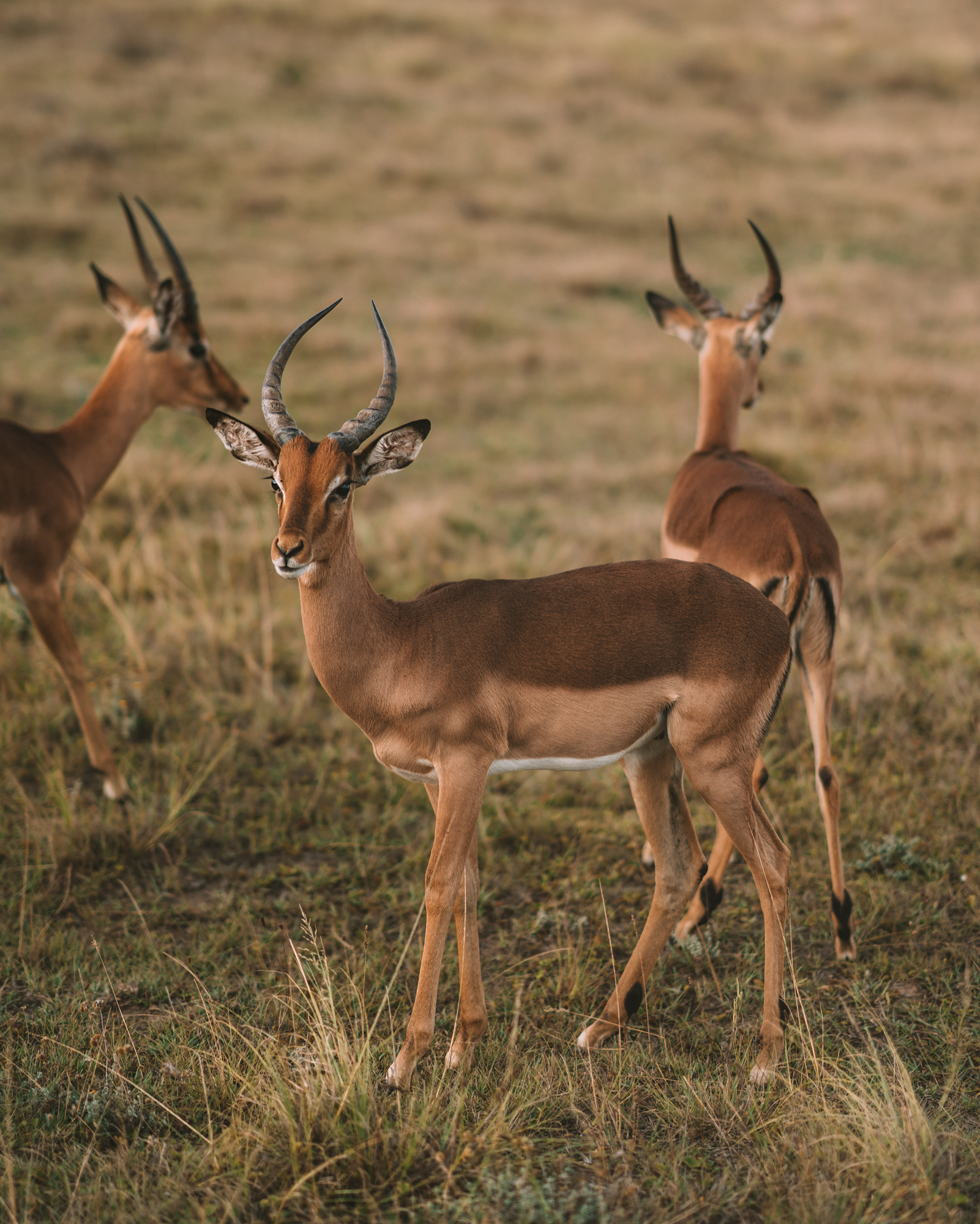
Some of the best travel photos aren't of landmarks or sunsets. They're of a deer stepping out of the tree line at dawn, or a flock of turkeys crossing a misty field. Those moments are hard to chase and easy to scare off.
The secret is patience. Wildlife photography rewards travelers who slow down, stay quiet, and let the animals come to them. Here's how to plan for it on your next road trip, from the route to the gear to the setup.
Plan Your Route Around Wildlife
- Chase the light: Animals are most active around dawn and dusk, which also happens to be the best light for photos.
- Look beyond the main attractions: National forests, wildlife management areas, and refuges often offer quieter viewing than busy parks.
- Check the rules: Each area has its own regulations on access, camping, and equipment. Confirm them before you go.
- Allow extra time: Build a few mornings into your itinerary rather than a single early start.
Wildlife Photography Packing Checklist
- A telephoto lens or long zoom, plus a tripod or monopod for long waits
- Extra batteries and memory cards (cold weather drains batteries quickly)
- Binoculars for spotting animals before you raise the camera
- Layers in muted colors, including a quiet, wind-resistant outer layer
- A rain cover for your camera, lens cloths, and a dry bag
- Hand warmers, a headlamp, water, and snacks
- Offline maps, since signal is patchy in remote areas
Why Use a Blind for Wildlife Photography?
Most animals notice a person long before the person notices them. A blind breaks up your outline, hides your movement, and lets you stay in one spot for hours without bothering anything.
A 360 see through ground blind takes that idea further. One-way panels let you watch the whole landscape around you instead of peeking through a single window, so you can spot movement from any direction and be ready when something appears.
The TideWe VisTall 360 is one example. According to the product page, it offers:
- Full-panel visibility: 360° one-way see-through walls with fewer blind spots.
- 75 inches of standing room: Enough height to stand, stretch, and move naturally.
- Concealment on demand: A detachable blackout curtain helps hide movement when animals get close.
- Quiet access: A full-size no-trip door and four silent-adjust windows.
- Quick setup: Pop-up hub design, 9.5 mm fiberglass poles, metal hubs, and a carry bag.
- Room for a group: It fits up to three people, handy if you travel with a partner or fellow photographer.
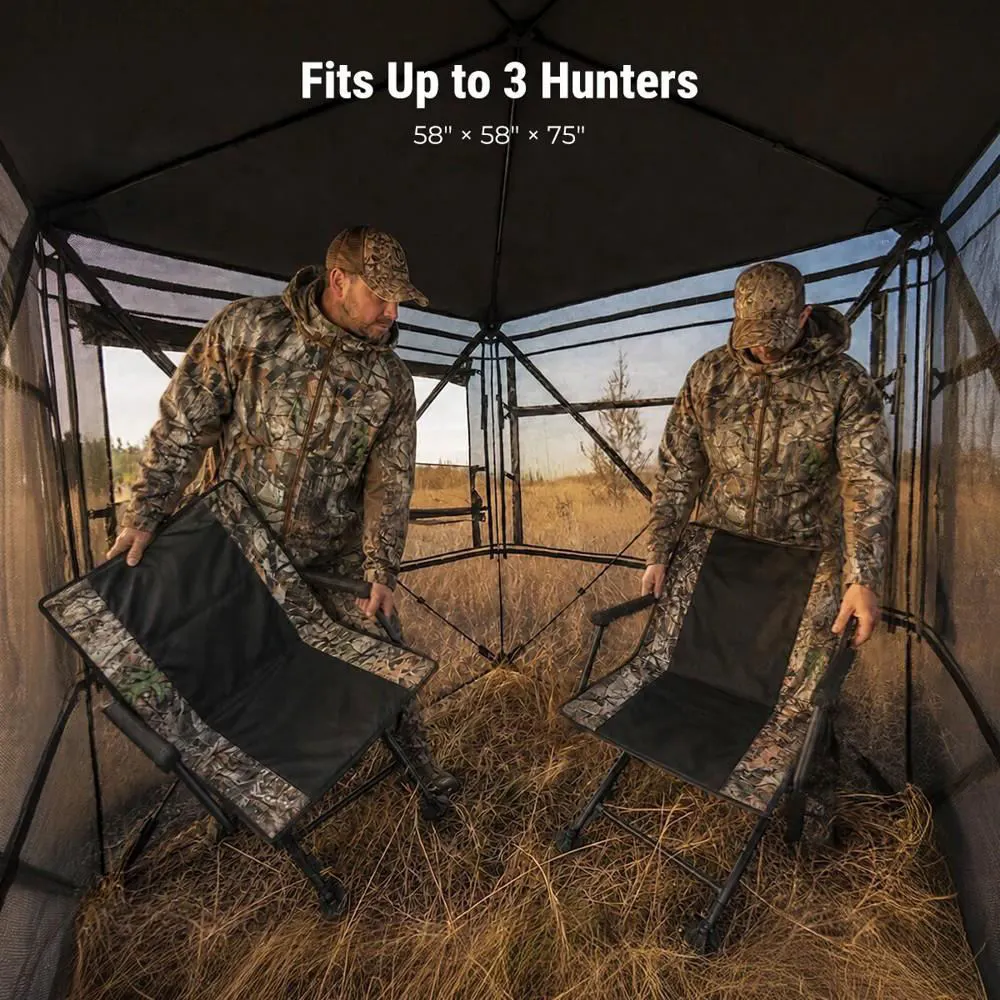
Room for up to three people and their chairs.
One note: the see-through panels are for watching only. Use the windows, not the mesh, for your lens or your shot.
Why Height Matters
Sitting for hours is hard on your back and your timing. A tall ground blind lets you stand up, stretch, switch positions, or set up a tripod without hunching or knocking into the walls. That extra room also makes it easier to move slowly and quietly when an animal appears.
When comparing sizes and layouts, look at standing height, floor space, window placement, and how easy it is to get in and out with gear.
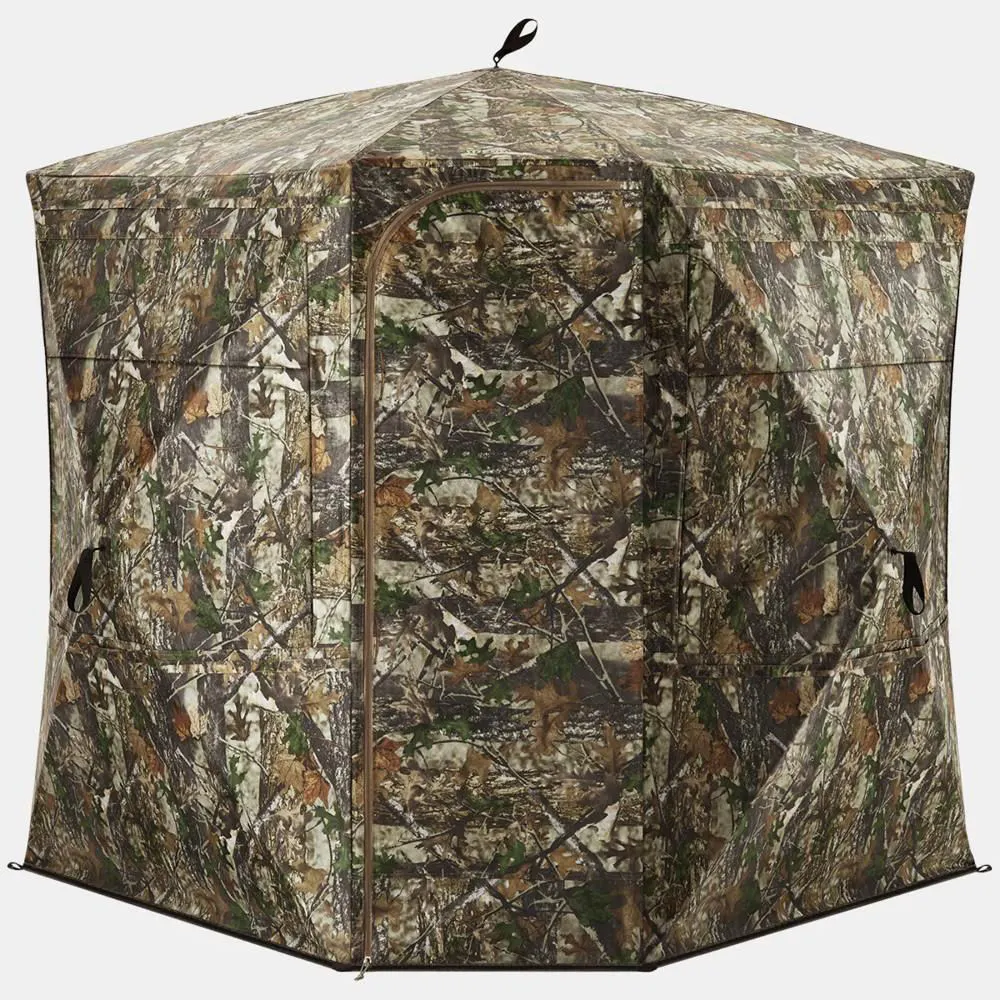
A pop-up blind with a full-height door is easy to carry and set up.
Setting Up Without Spooking Wildlife
- Scout the area first and look for tracks, trails, feeding areas, and natural cover.
- Set up a day or two ahead if the rules allow it, so animals can get used to the shape.
- Position the blind with the wind and sun in mind, ideally against trees or a hedgerow.
- Brush it in with fallen, local vegetation, and never cut live plants.
- Anchor it securely. Screw-in stakes work better than light stakes on windy ground.
- Pack everything out when you leave.
Field Etiquette
- Keep your distance and never feed or crowd wildlife.
- Follow local rules on blinds, access, and equipment.
- If you're in an area during hunting season, wear blaze orange when walking in and out.
- Leave no trace and stick to existing trails where possible.
Final Thoughts
Great wildlife photos come down to patience, preparation, and staying out of the way. Plan your route around dawn and dusk, pack smart, and use a blind that lets you watch without being noticed. The animals will do the rest.