Technology has given us space to engage in activities unimaginable a generation ago. The way we entertain ourselves has changed, from passive consumption to fully interactive, personalized experiences that respond to who we are and what we want in real time. Streaming platforms learned our preferences. Fitness apps turned workouts into games. Smart home systems made our living spaces responsive to mood and routine.
Console gaming is one of the clearest examples of this transformation. What began as simple pixelated entertainment has evolved into vast, cinematic universes with multiplayer ecosystems connecting millions of players across the globe simultaneously.
Beyond gaming, even more specific entertainment sectors have grown into serious industries of their own. Social casino gaming is a prime example, a space where casino-style mechanics meet digital accessibility, all without the financial risk of real-money wagering. Thanks to comprehensive social gaming reviews on Strafe and other reputable platforms, more fans can find safe, well-rated sites that deliver genuine entertainment, which has boosted its popularity.
But what about travel? What happens when you step away from the screen and look for these experiences in the physical world? Which destinations have genuinely embraced technology to redefine what luxury entertainment and nightlife can feel like?
1. Las Vegas
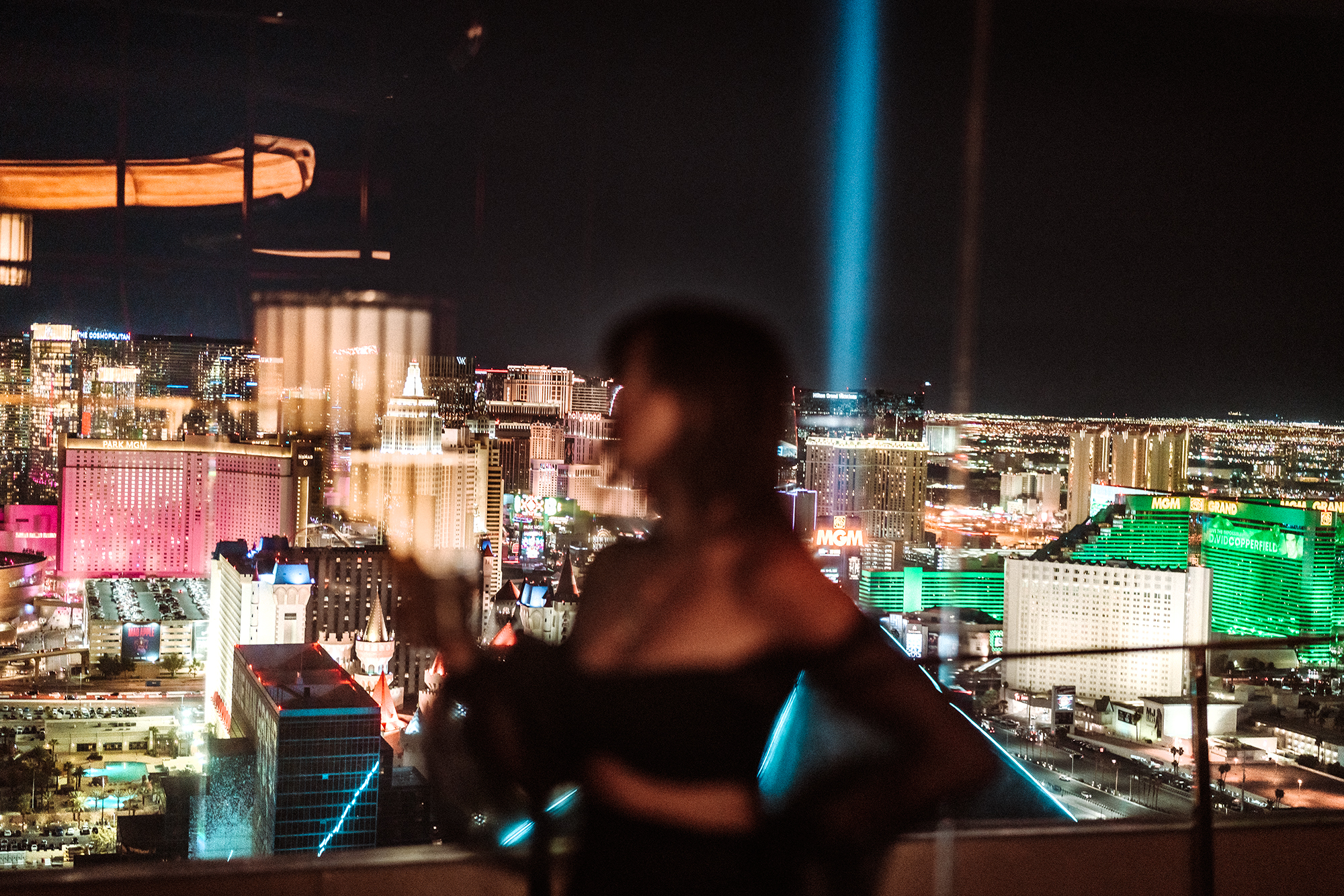
Las Vegas has always been the world's most deliberate entertainment city. Everything about it is engineered for stimulation: the lighting, the sound design, the layout of casino floors, the rhythm of the shows.
What has changed in recent years is how sophisticated that engineering has become. Venues on the Strip now deploy AI-driven guest management systems that personalize everything from check-in to cocktail recommendations. Resort apps let guests control room ambiance, book experiences, and skip queues through their phones.
The nightlife scene has integrated technology just as aggressively. Major clubs use dynamic lighting rigs with thousands of individually programmable LED fixtures synced to live DJ sets with millisecond precision. Some venues have introduced augmented reality elements and visual effects that blend with the physical space and respond to the music in real time. The Sphere, which opened in 2023, represents the furthest expression of this philosophy: a venue built from the ground up as a fully immersive sensory environment, where every surface is a display, and every seat sits within a seamless audiovisual world.
2. Dubai
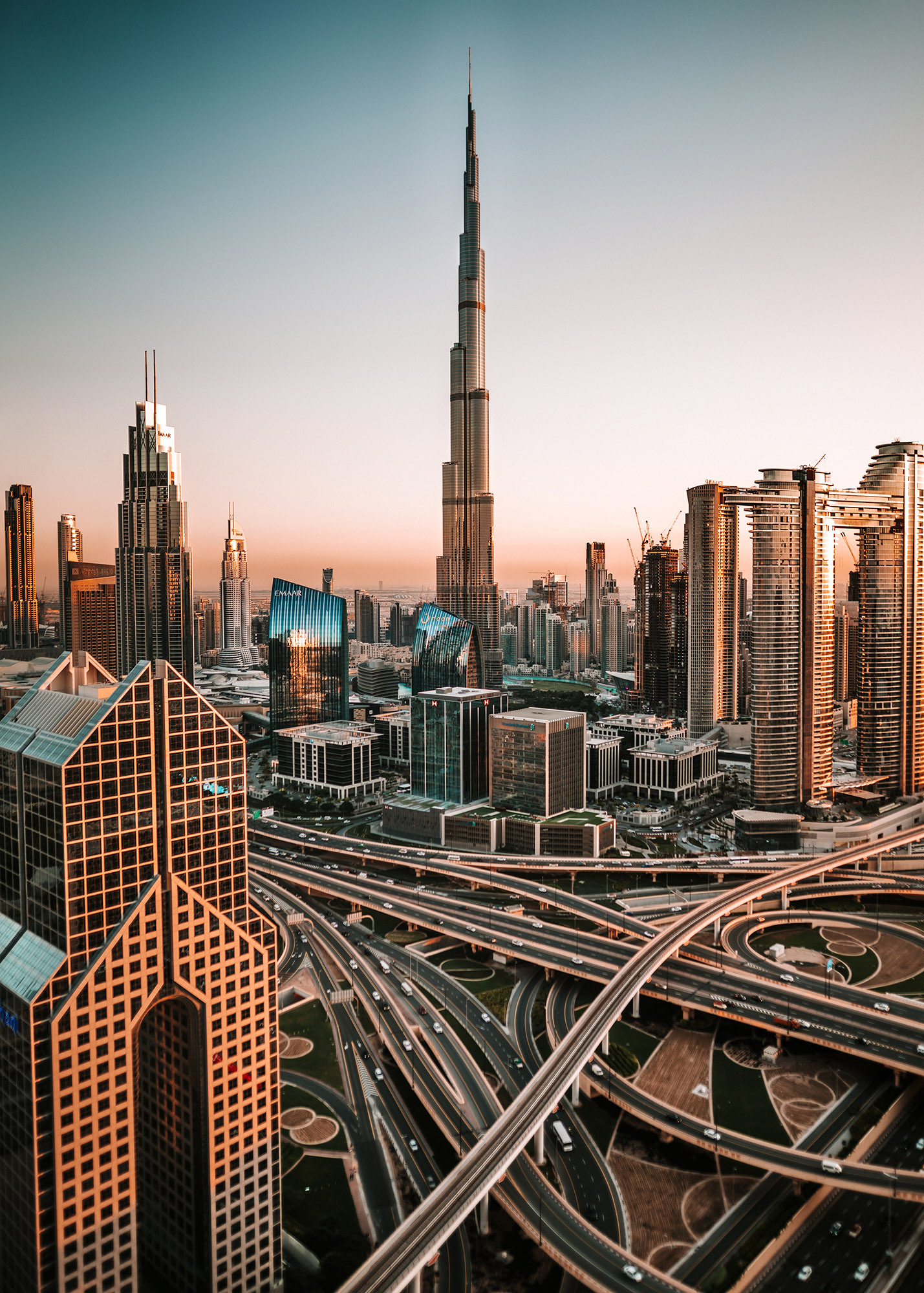
Dubai approaches luxury entertainment the way it approaches architecture: with a commitment to doing things no one has done before. The city has constructed entertainment complexes that operate at a scale most destinations cannot match. From indoor ski slopes inside shopping malls to underwater hotel suites, the baseline for novelty is genuinely high. What elevates the experience further is how technology runs through it all.
Dubai's nightlife has adopted a distinctly futuristic aesthetic. Several rooftop venues use projection mapping to transform their environments between different visual themes throughout the night. Interactive floors that respond to movement are increasingly common in high-end clubs.
Even the dining experiences embedded within these nightlife venues have gone high-tech, featuring tasting menus delivered via theatrical robotic service, digital tablescapes that change with each course, and immersive room transitions that shift the atmosphere completely between acts. The intent is always the same: remove every trace of passivity from the guest experience and replace it with involvement.
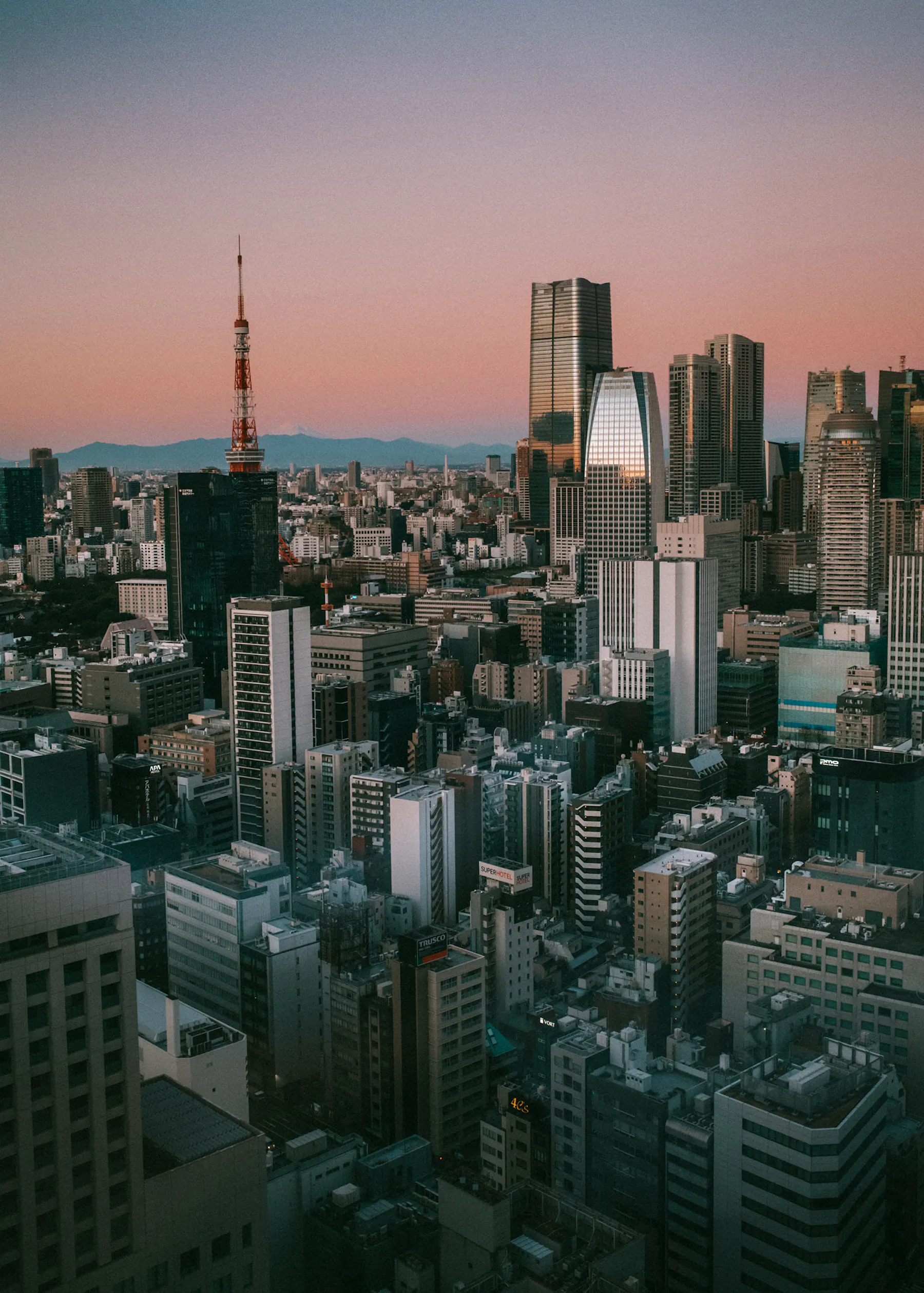
3. Tokyo
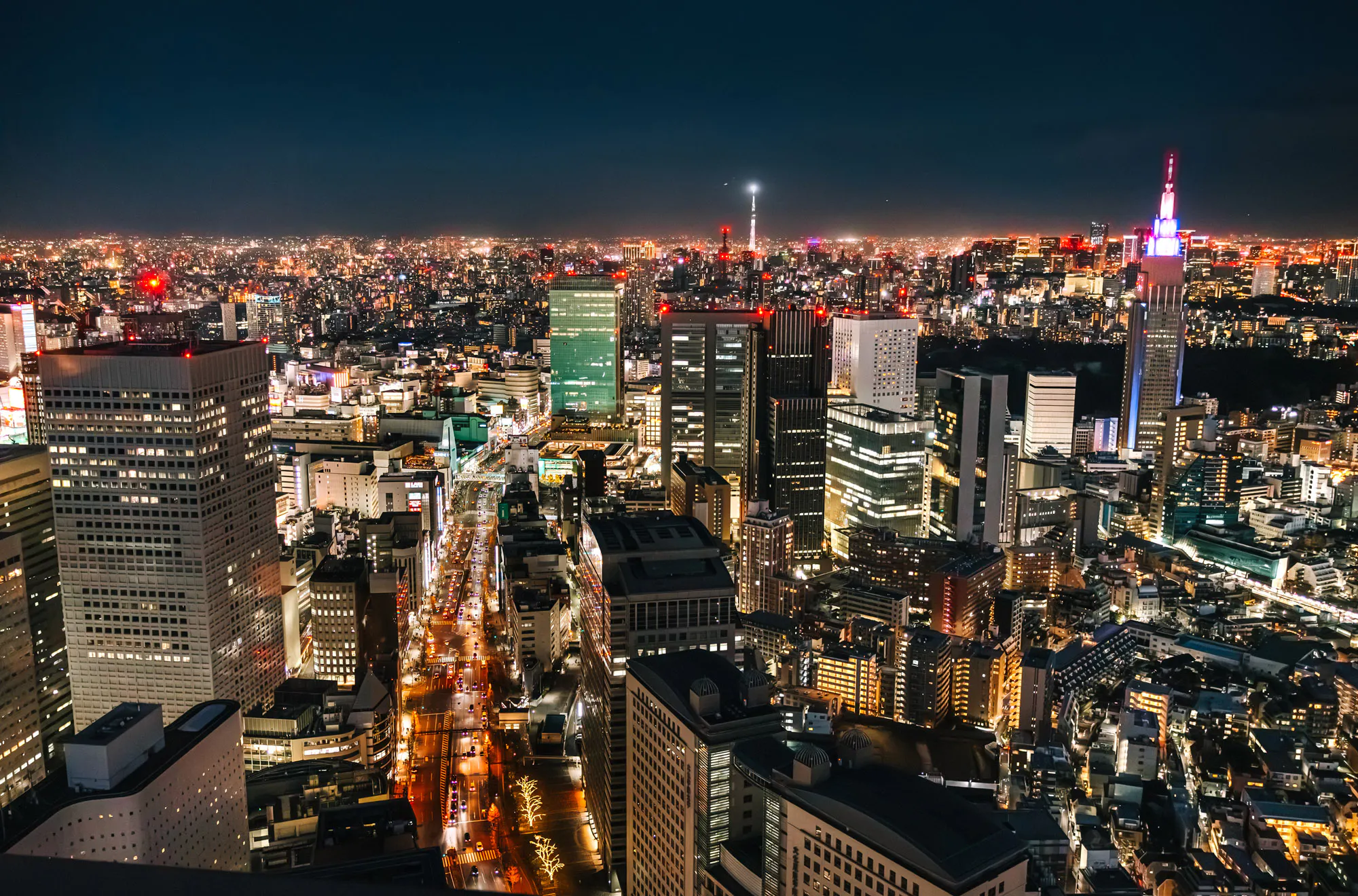
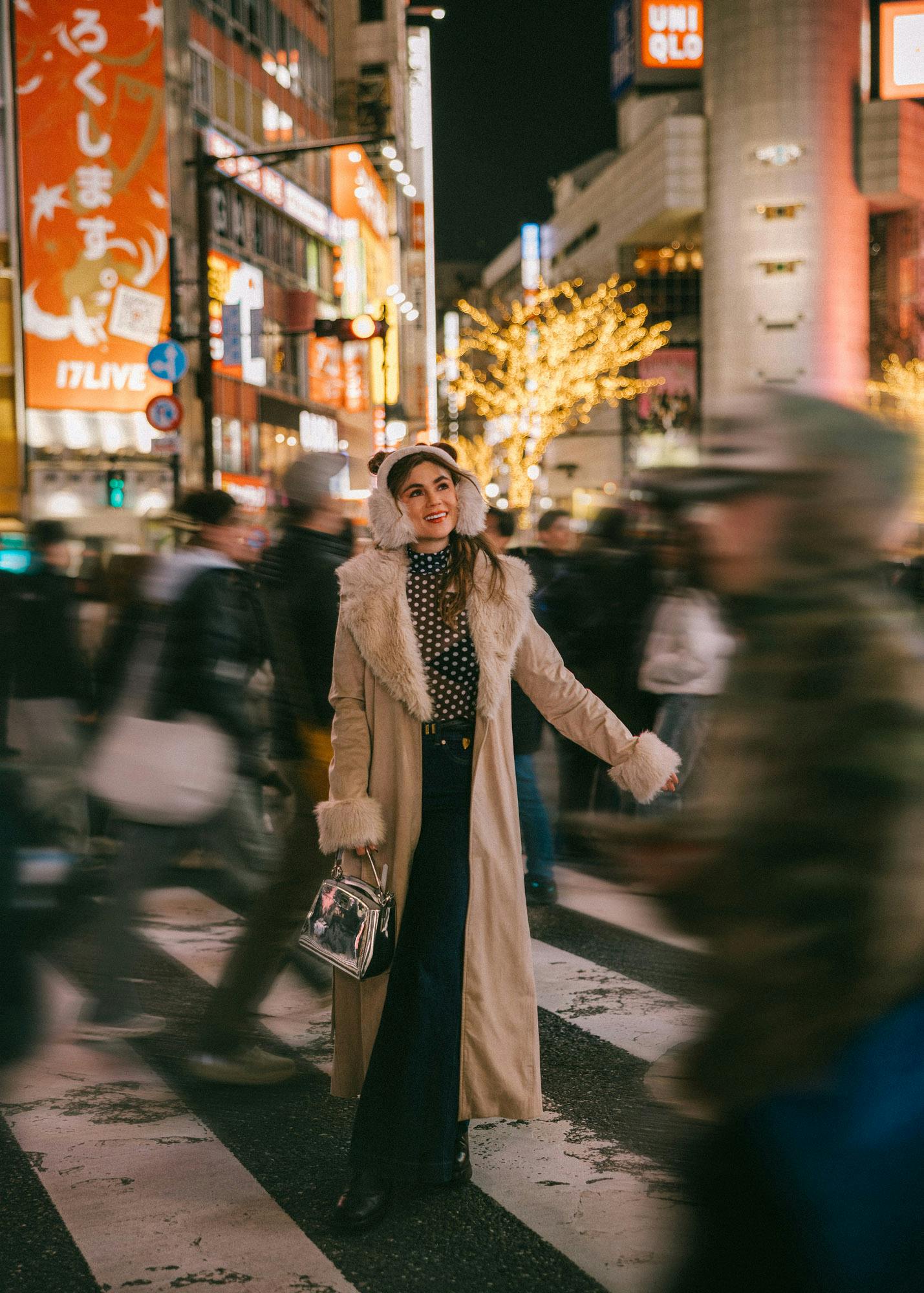
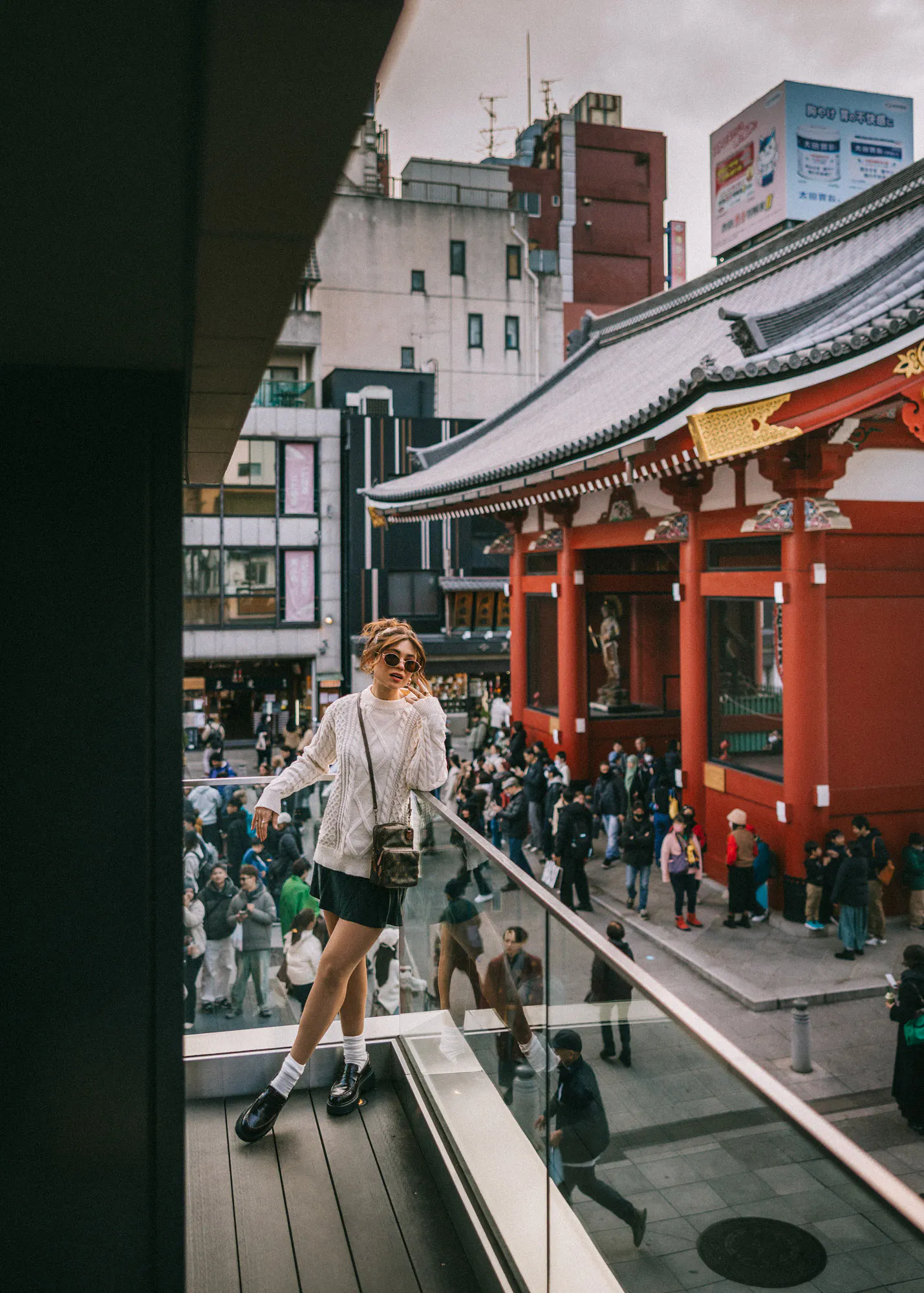
Tokyo operates on a different philosophy from Las Vegas or Dubai. Here, the integration of technology into entertainment feels less like spectacle and more like natural evolution. The city has a deep cultural relationship with innovation: it produces the technology, consumes it critically, and embeds it into everyday life without fanfare. This makes Tokyo's entertainment landscape uniquely layered.
teamLab is the most internationally recognized expression of this. Their permanent installations in the city have attracted millions of visitors who come specifically to experience digital art environments where boundaries between observer and artwork dissolve entirely. You move through rooms where projections respond to your position, touch, and movement, spaces that feel alive in a way that traditional art venues simply cannot replicate.
Beyond teamLab, Tokyo's nightlife districts like Roppongi and Shibuya house clubs that integrate live coding performances, generative visuals, and spatial audio systems that create entirely different acoustic experiences depending on where you stand in the room. The technology here serves the art rather than replacing it.
4. Singapore
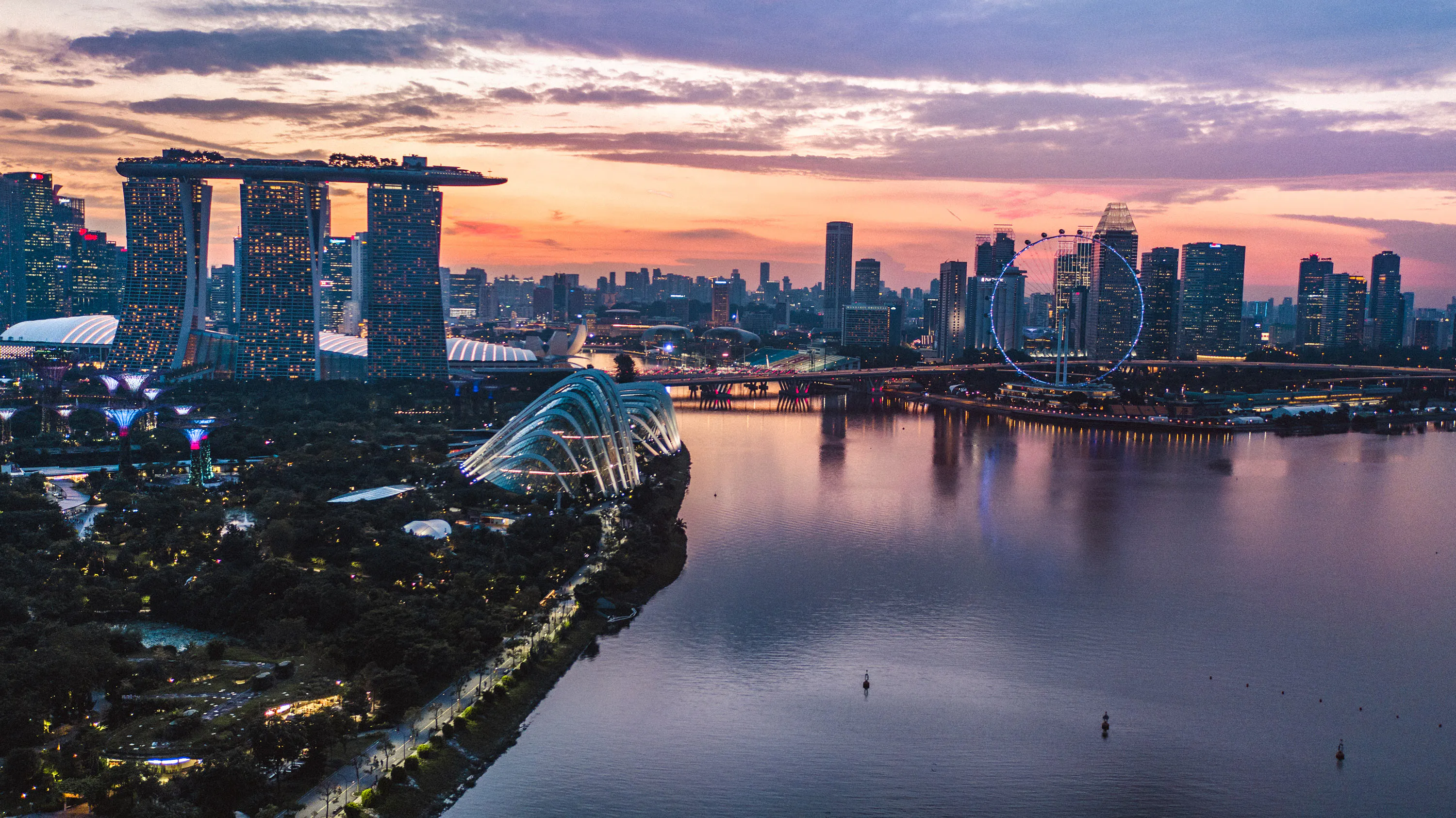
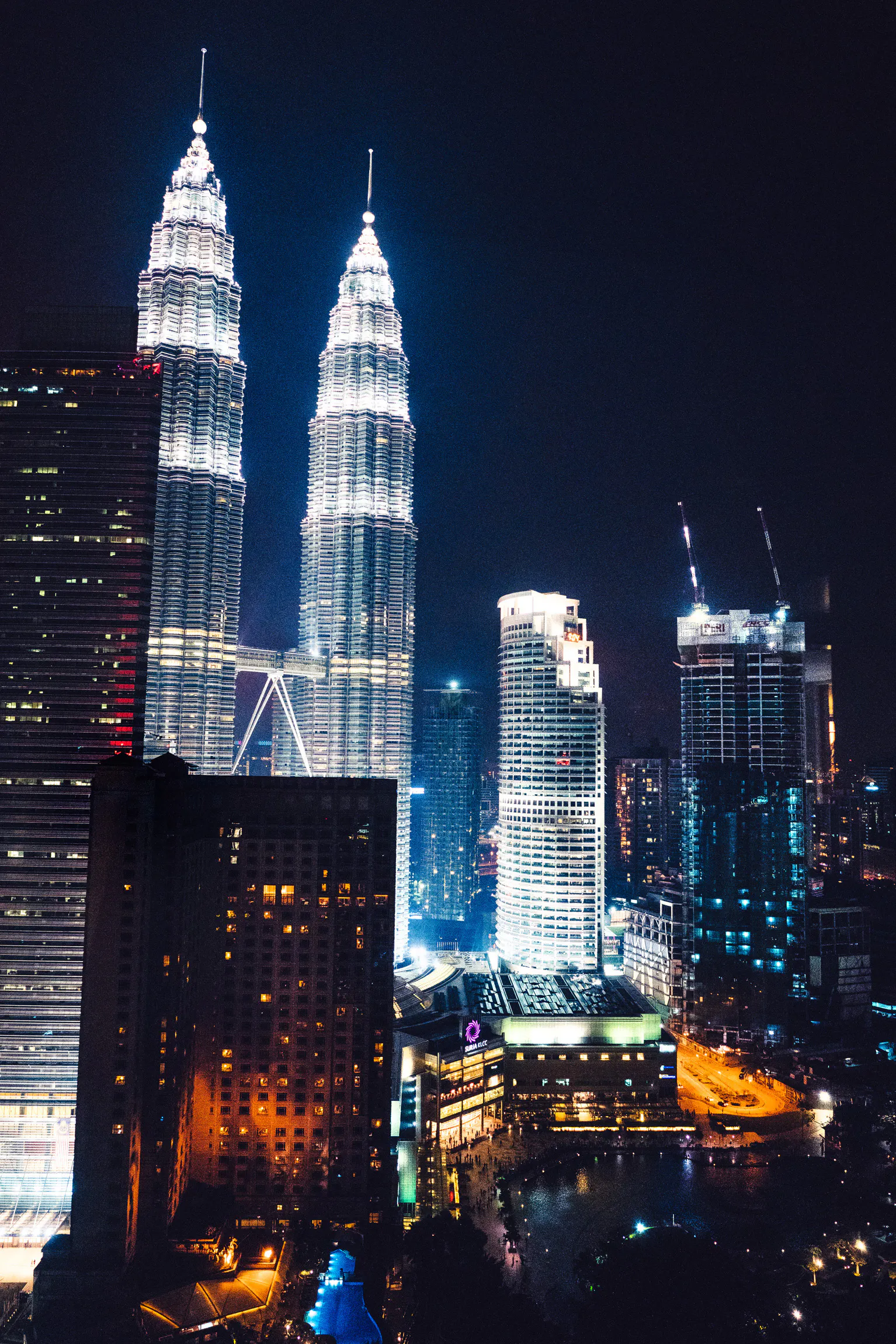
Singapore has a unique advantage in luxury entertainment. It is small enough to be managed with genuine precision. The government's long-standing investment in infrastructure and urban technology has created a city where digital and physical experiences interlock cleanly.
Marina Bay Sands remains one of the world's most architecturally striking integrated resorts, and its entertainment offerings have kept pace with the building's ambition.
The nightly light shows at Marina Bay use laser and water projection systems to create large-scale spectacles that draw crowds every evening without feeling routine. Inside the resort, the club and bar scene operates at a consistently high technical standard: sound systems engineered for specific room acoustics, digital bar interfaces, and loyalty programs driven by data analytics that anticipate what returning guests want before they ask.
The city's broader cultural calendar, including events like the i Light Festival, turns public spaces into experimental technology showcases where digital artists push the boundaries of what urban environments can feel like after dark.
The Standard That Is Emerging Globally
These destinations are not outliers for much longer. The technology that defines their entertainment experiences (immersive audio, responsive environments, AI-driven personalization, projection mapping) is becoming accessible to a broader range of venues across more cities.
What Las Vegas, Dubai, Tokyo, and Singapore represent today is a preview of what serious entertainment districts worldwide will offer within the next decade.
Travelers who prioritize experience over passive sightseeing are already seeking these destinations out deliberately. The decision is rarely just about the nightlife or the shows; it is about being in a place where the environment itself is designed to engage you fully. Once set, that standard is difficult to walk back from. Guests who have experienced it carry that expectation, and the industry follows.