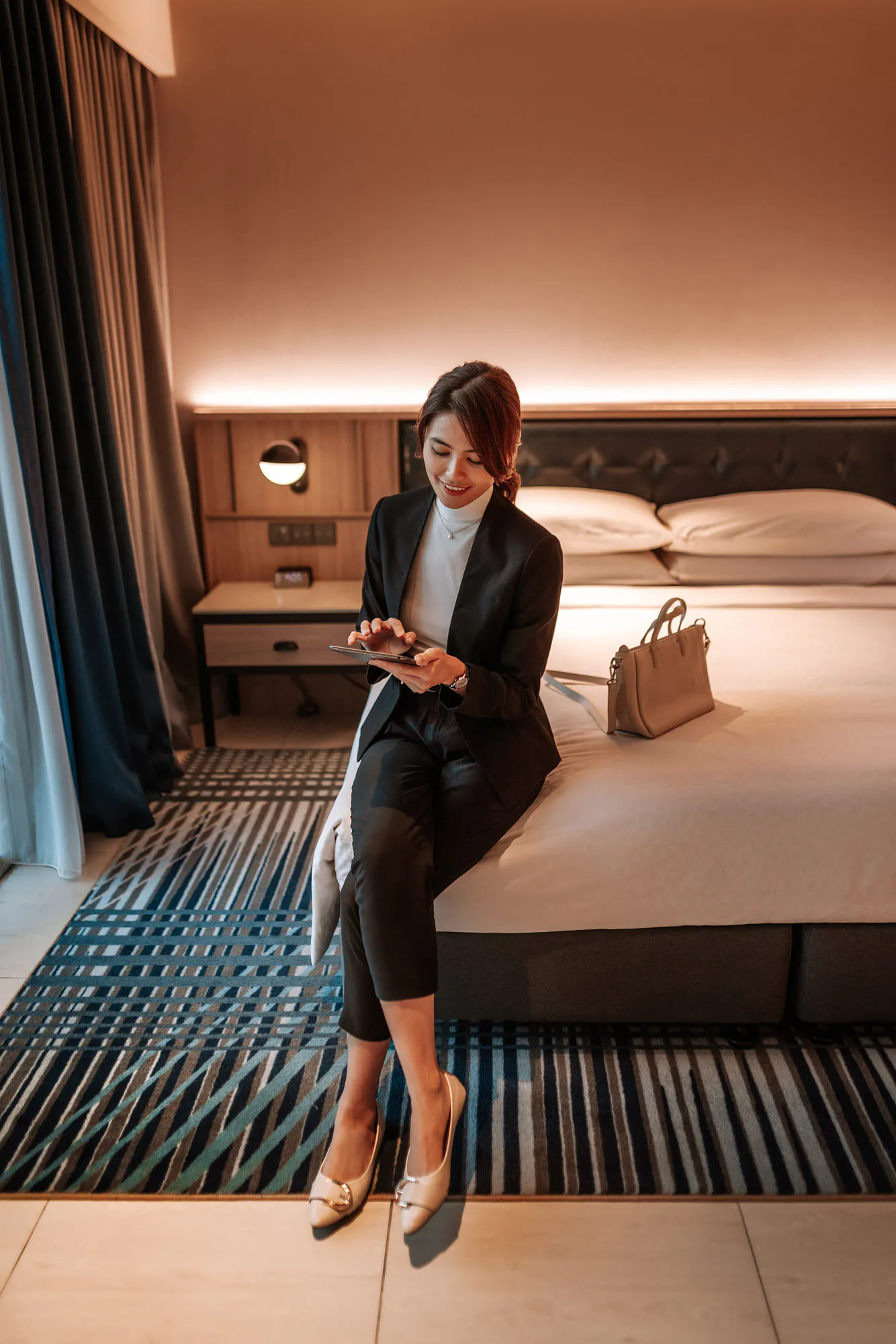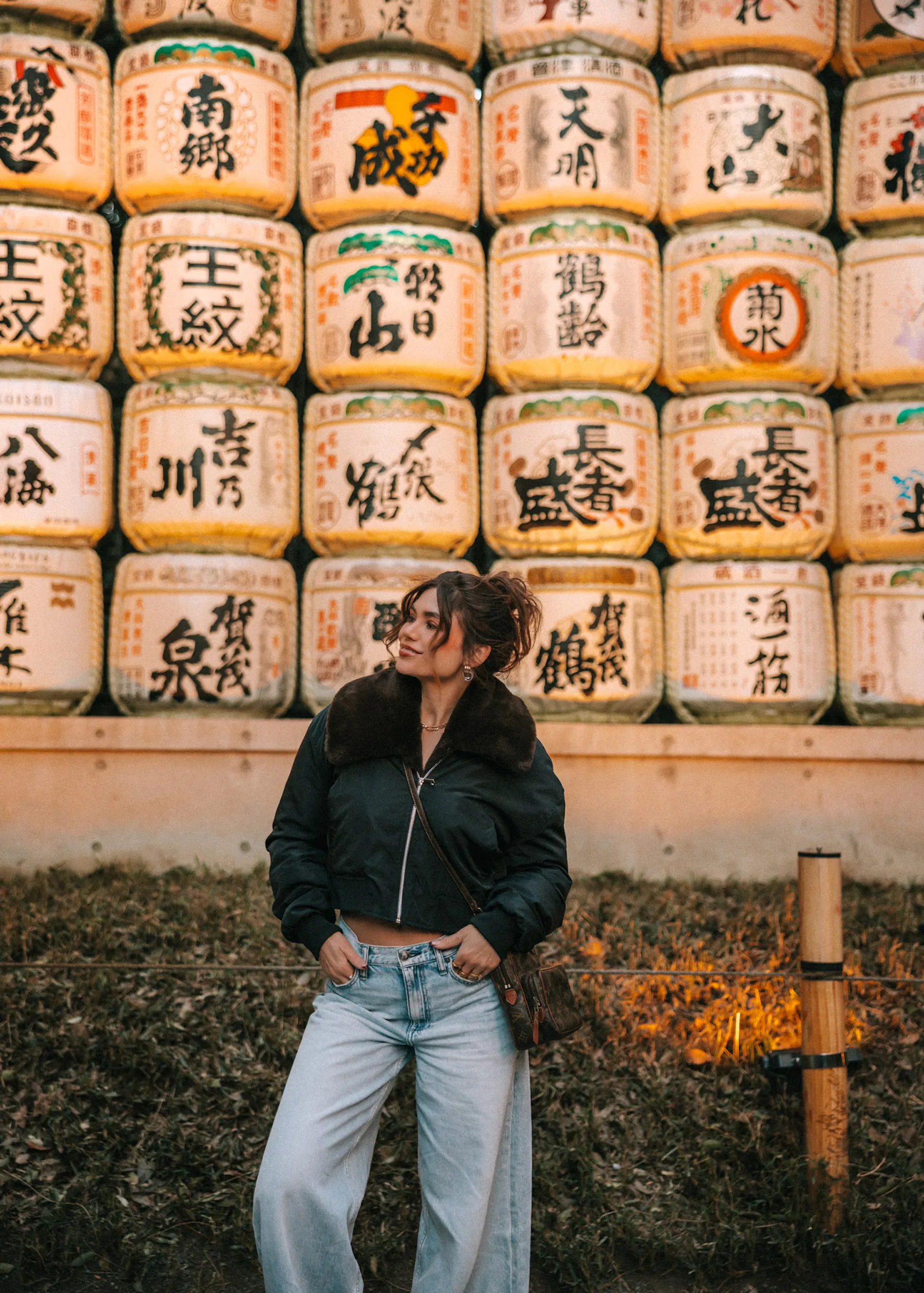
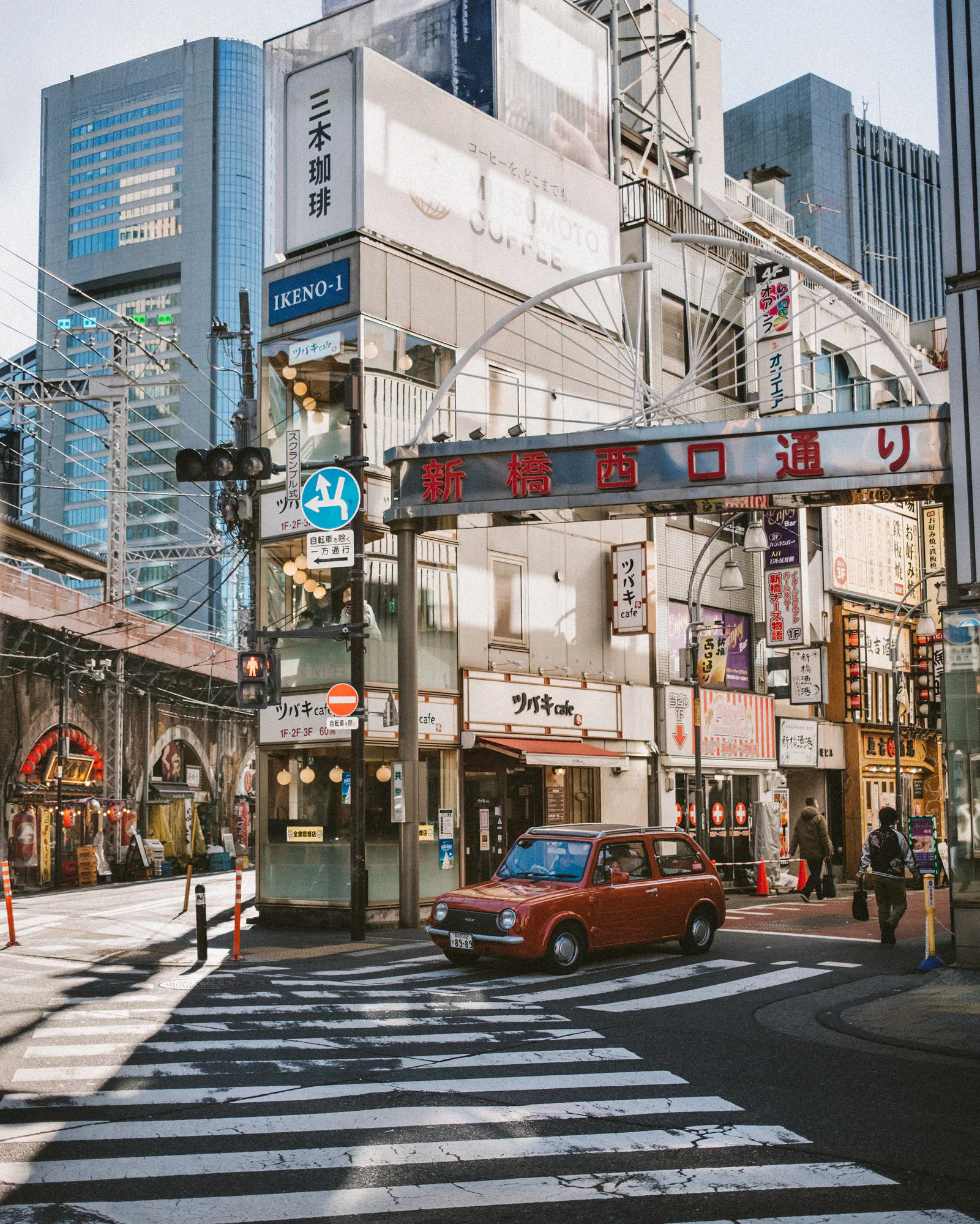
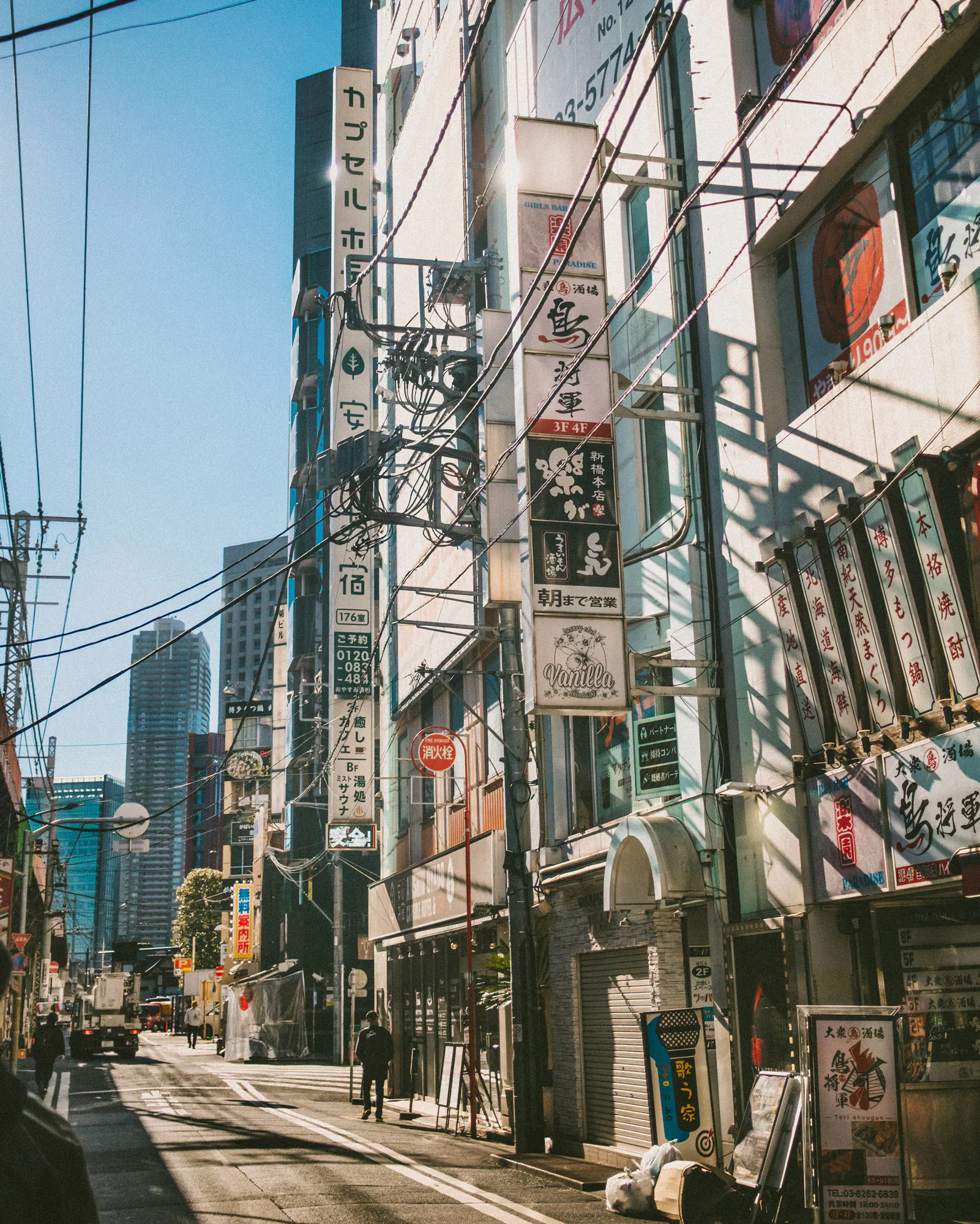
Tokyo is a top travel destination that presents a mix of the traditional and the contemporary. Travelers see old temples that have stood the test of time and quiet gardens that are peaceful. Tokyo also has modern, lively shopping areas and the latest urban development. However, the features that make Tokyo great can also pose challenges when carrying heavy suitcases or backpacks throughout the day.
Many visitors arriving early before hotel check-in or departing late after checkout often look for convenient options such as Luggage Storage Tokyo services. Having a secure place to leave bags can make exploring the city significantly easier, especially when visiting crowded areas or moving between different neighborhoods.
Check out my Japan packing guide here!
Why Tokyo Is Best Explored on Foot and Public Transport
Tokyo has an outstanding public transport system, which is a point of pride in the world. An extensive train, subway, and bus network that covers all of the city. Popular areas like Shibuya, Shinjuku, Asakusa, Ginza, and Akihabara are very accessible via public transport.
While there is great value in the transit system, a drawback is that during peak commuting times, large luggage is a pain. At that time train stations can be a maze of long walks, stairwells, and very crowded platforms. Also, it’s the travelers who plan to spend a few hours sightseeing before they get to their accommodation who are in the market for practical luggage storage solutions to improve their experience.
Must-Visit Neighborhoods in Tokyo:
1. Shibuya
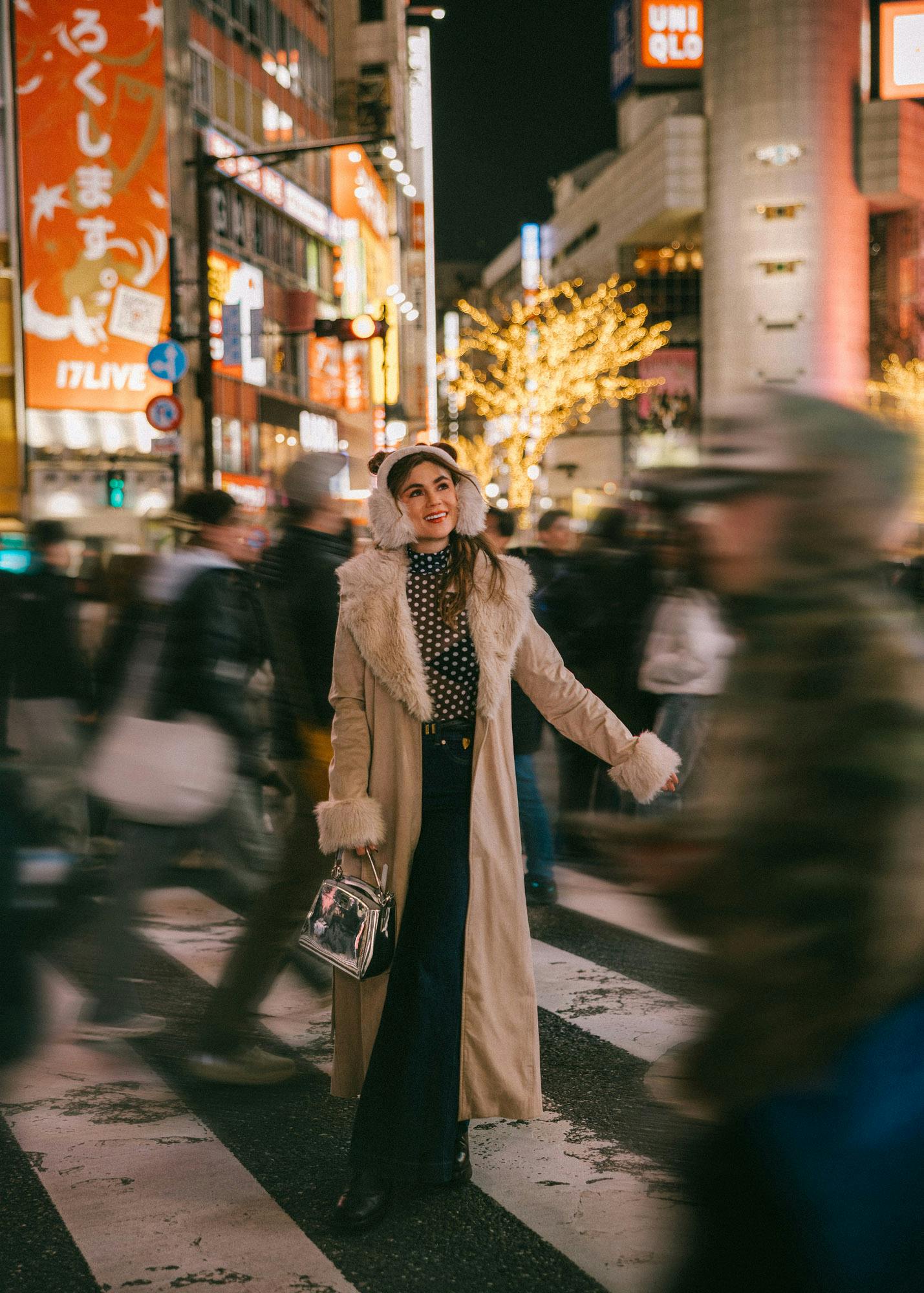
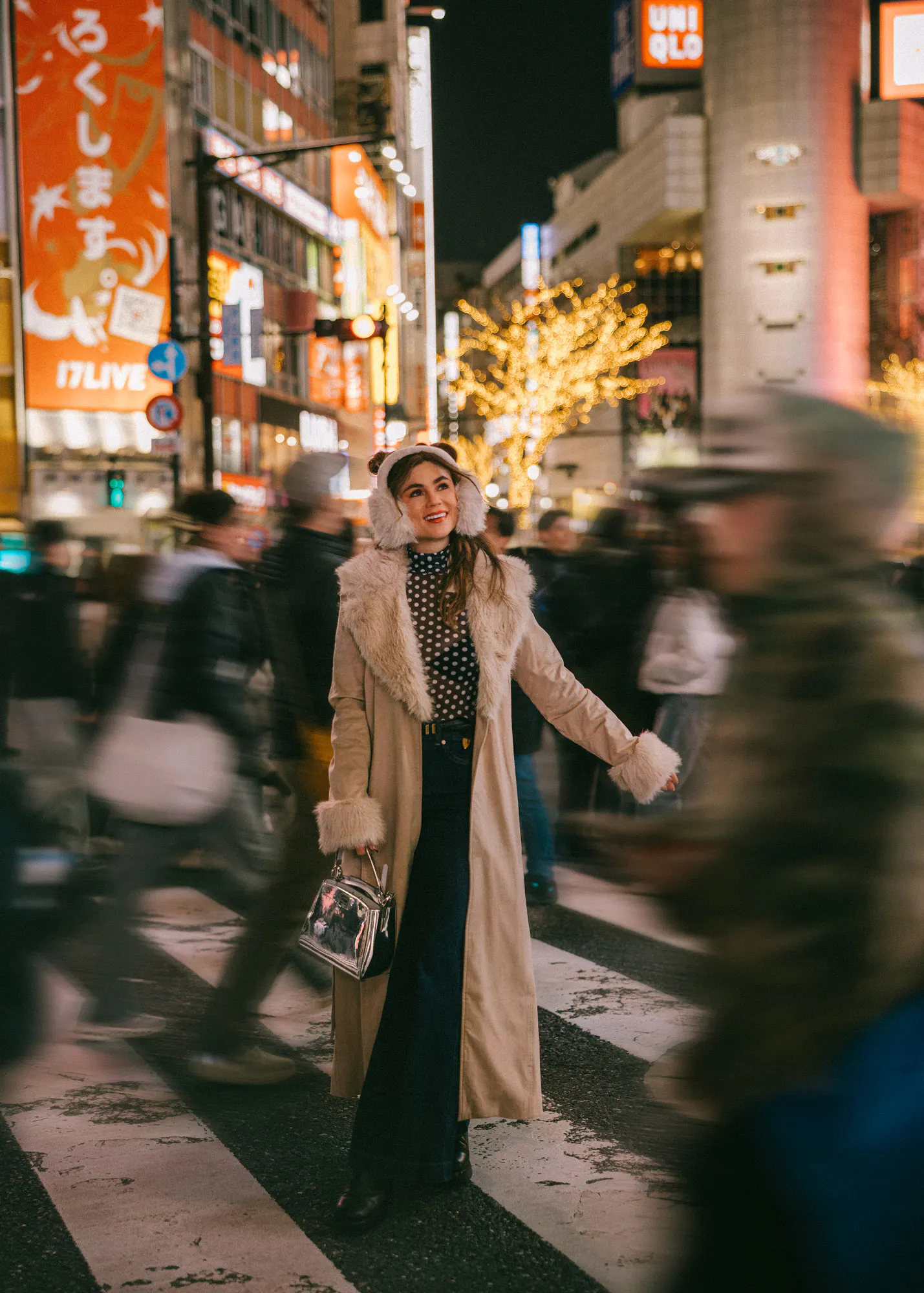
Shibuya, known for its famous crosswalk and lively atmosphere, is a district that also represents Tokyo the most. It is home to shopping centers, restaurants, entertainment options, and observation decks, which in turn provide great city views.
2. Asakusa
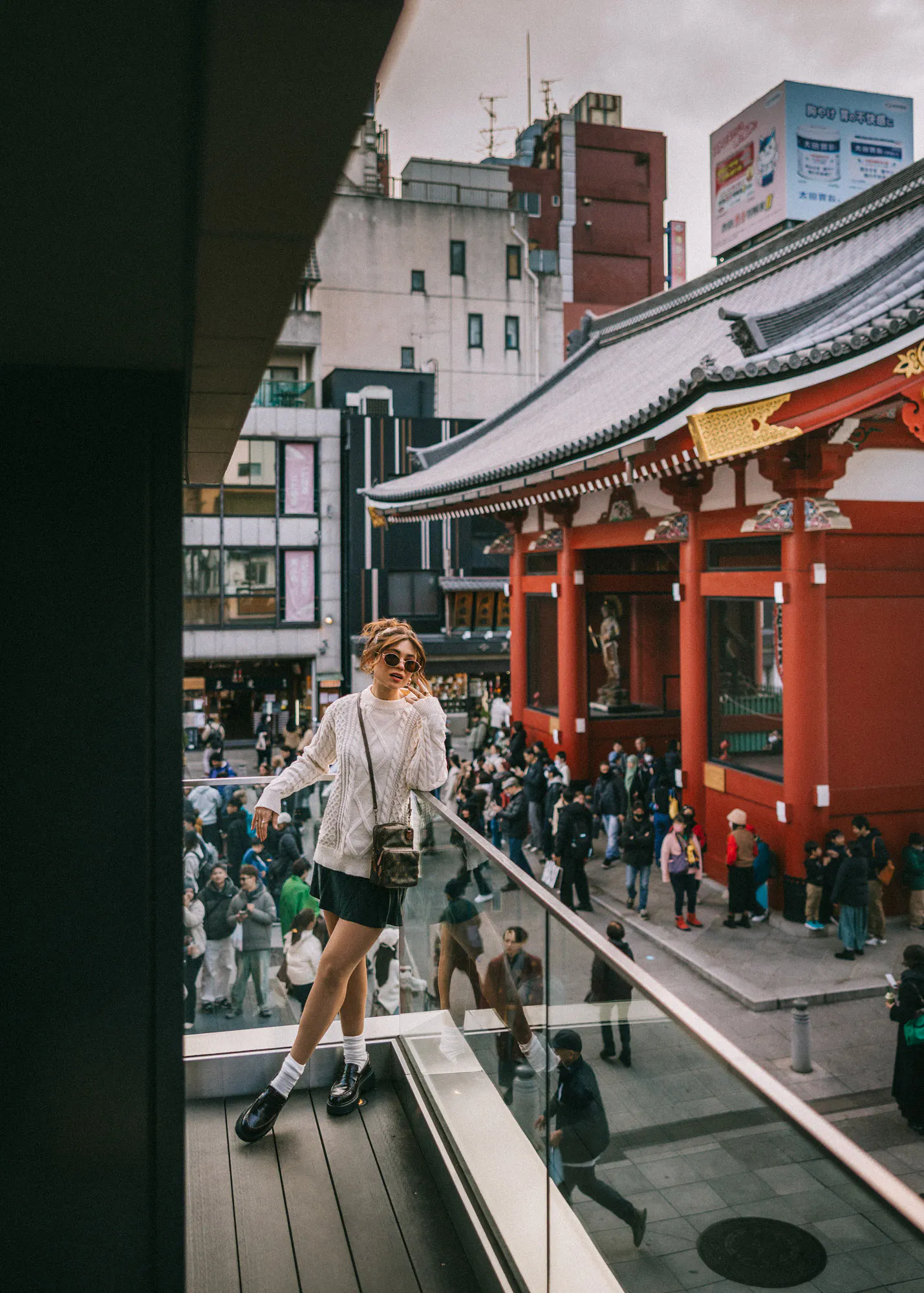
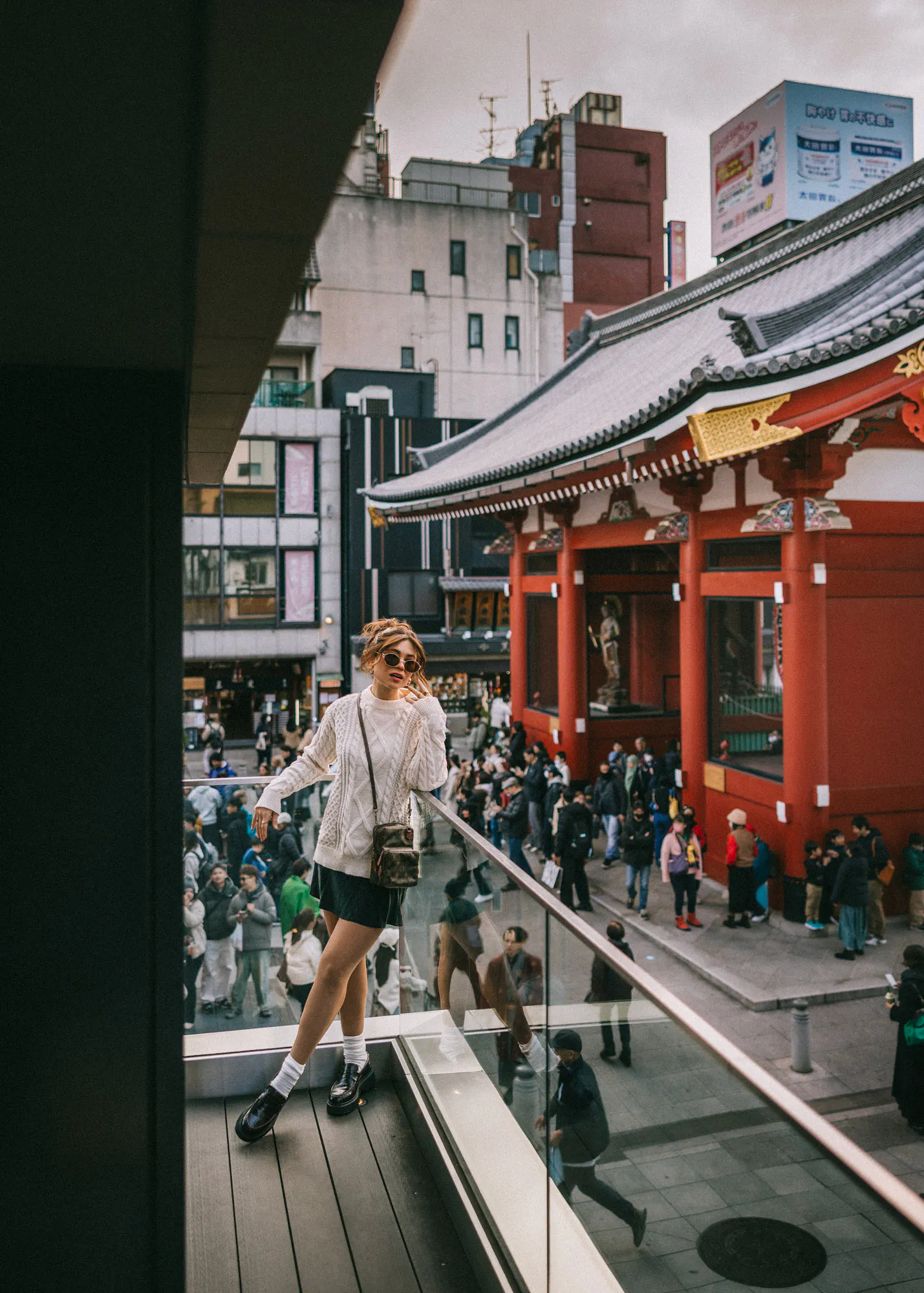
For culture, which is centered around old Japan, Asakusa has a unique take on what Tokyo is about. In that area, which is also home to Senso-ji Temple, which is one of the oldest and most visited in the city, you will find it. Also, walking through Nakamise Street is a great way to find local snacks, souvenirs, and much of the culture itself.
3. Akihabara
In the heart of the anime, gaming, and electronics scenes is Akihabara, which sees large numbers of technology enthusiasts and pop culture fans from around the world. The district also presents an array of specialty stores and unique entertainment options.
4. Ginza
Ginza is known for its classy streets, luxury shopping, and fine dining. It also reports that even those who don’t shop enjoy seeing the area’s architecture and pedestrian-friendly avenues.
Practical Travel Tips for First-Time Visitors:
1. Plan Around Peak Hours
In rush hour in the morning and evening, Tokyo’s trains are very crowded. If at all possible, try to plan your long trips around that time to have a better experience.
2. Carry Cash and Digital Payment Options
Although there has been a great expansion in card use, some small shops, restaurants, and local markets still prefer cash. It is better to have both payment methods available during your trip.
3. Learn Basic Transportation Apps
Navigation apps can make your way around Tokyo easier. Route tools in these apps help visitors out in finding the best train connections and also in determining travel times between points of interest.
4. Travel Light Whenever Possible
A leaner load gives you the freedom to explore many districts in a single day. Upon arrival, before accommodation is available, many travelers use companies like Radical Storage, which offer a temporary solution for storing their things while they go sightseeing.
Day Trips from Tokyo:
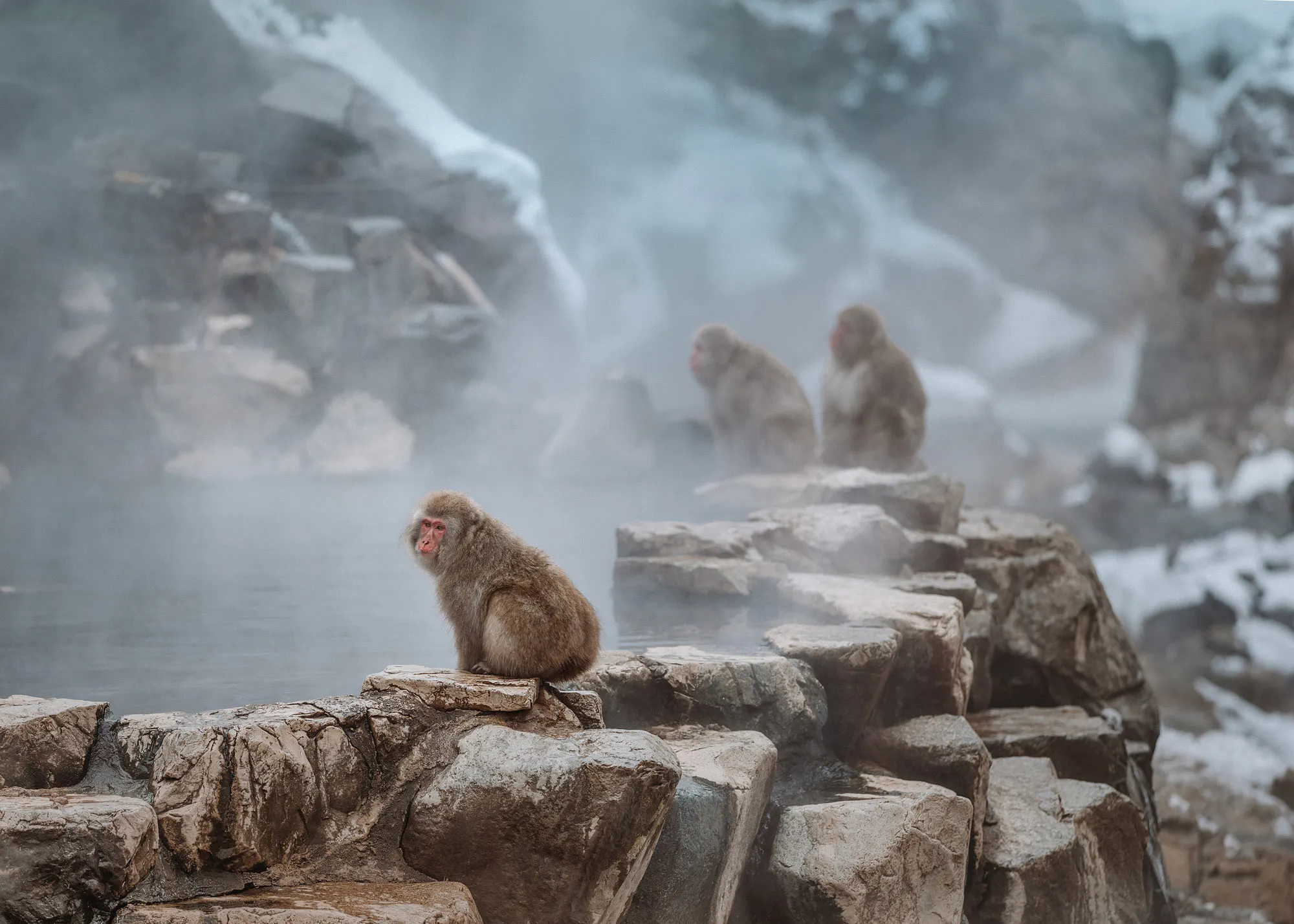
One way in which Tokyo outdoes itself is in the proximity of many great sites that are a day trip from the city.
1. Kamakura
Located within an hour of central Tokyo, Kamakura is known for its great Buddha statue, beautiful temples, and coastal views. It provides a break from the capital’s fast-paced environment.
2. Nikko
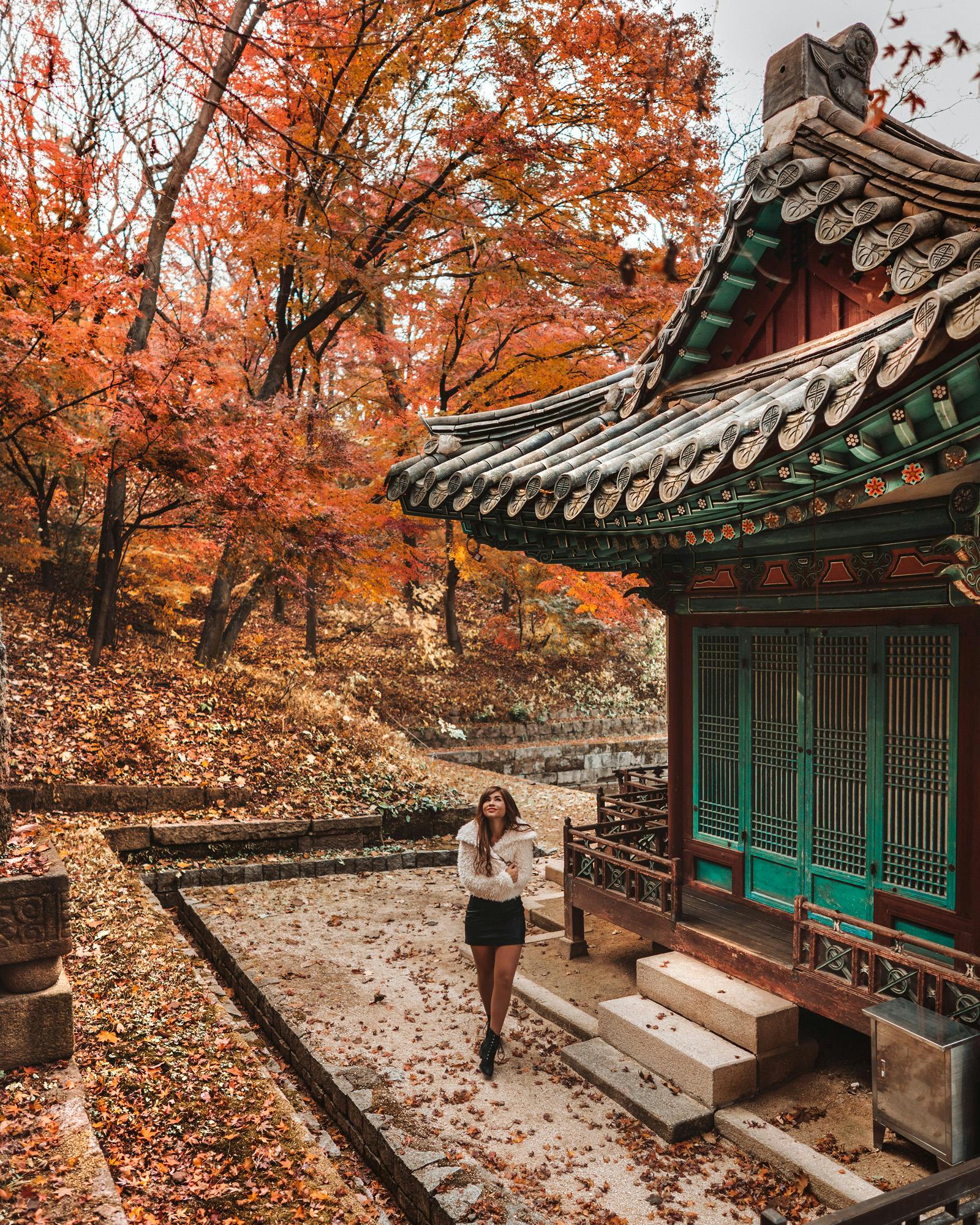
Nikko is known for its beautiful shrines, mountain ranges, and rich culture. In the fall, the area also becomes a favorite destination as the leaves change color and the forests come alive.
3. Yokohama
As the second-largest city in Japan, it also includes in its area a large port and waterfront areas, museums, shopping centers, and what is perhaps the country’s most popular Chinatown.
Managing Luggage During Transit Days
Many travelers present with large blocks of time between train/aircraft connections, hotel check-in times, or at the point of departure. Instead of dragging their bags through the tourist spots, art galleries, which are put on for the public at the theaters, and the transit systems, storage options should be used, which in turn will add to their convenience.
In Tokyo, which is the home to many storage companies, including Radical Storage, Stasher, Usebounce, and LuggageHero. Also, travelers tend to compare which locations are best based on their trip plans and what they need out of the service.
Enjoying Tokyo More Comfortably
Tokyo is a city that feeds on curiosity. As one explores the back streets, which are home to local restaurants, goes into the historic shrines, shops in the modern districts, or jumps on a train to a nearby city for the day, flexibility is the key to a great trip.
Planning ahead, understanding transportation options, and managing luggage efficiently can make a noticeable difference throughout the journey. By reducing unnecessary burdens and maximizing time, one can focus on what makes Tokyo one of the most fascinating cities in the world: It has an atmosphere, energy, history, and a wealth of things to see.
For travel that is stress-free, these tips have been put together, which will turn a busy travel day into a great adventure.