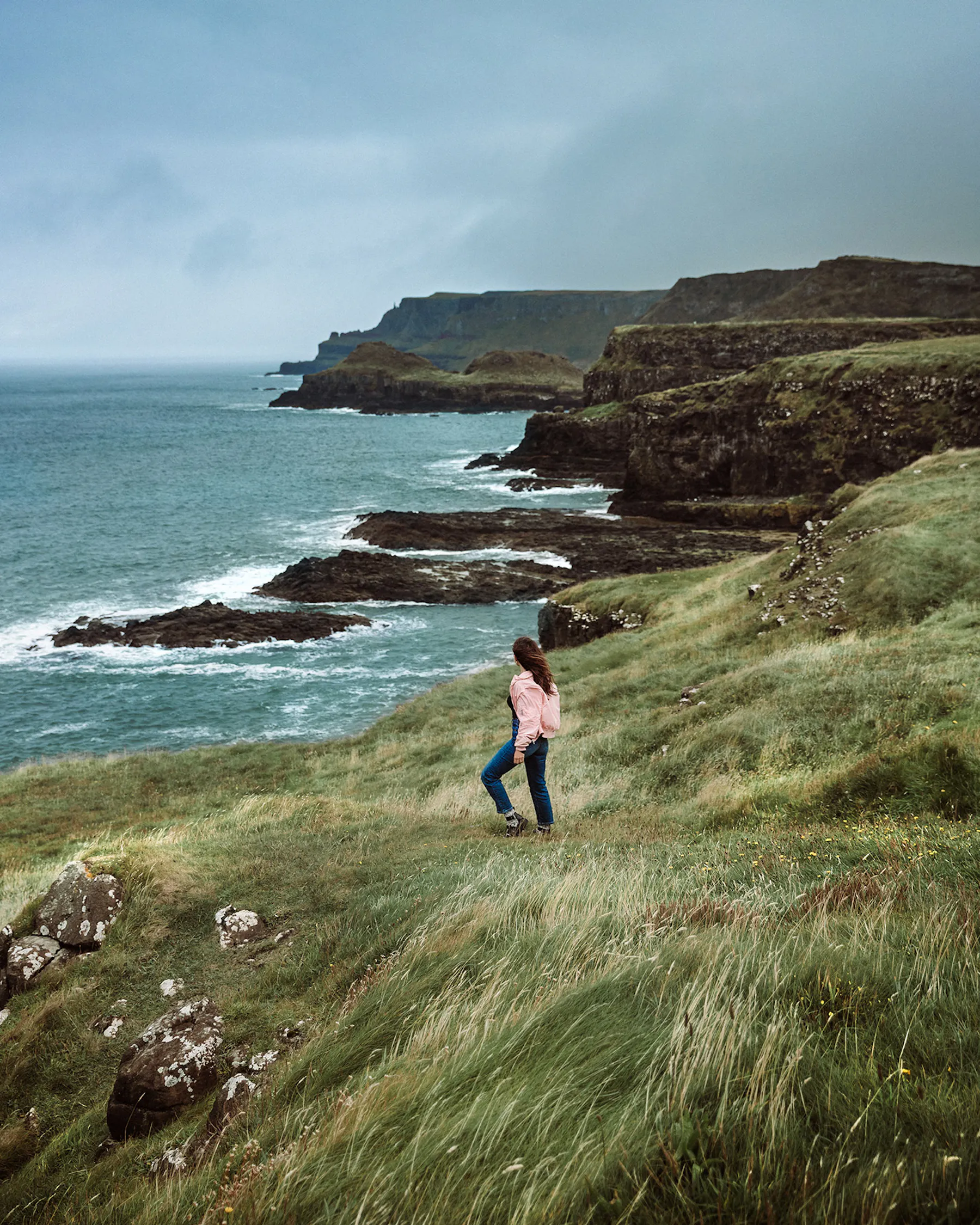
Traveling beyond London opens up direct access to the UK’s national parks, dark sky reserves, and coastal sea cliffs. For adventurous travelers, exploring outside the capital can mean swapping pavement for upland footpaths, open water, and ancient forest trails. Planning these trips involves understanding local logistics, seasonal conditions, and where specific outdoor activities take place.
These regional destinations give travelers access to very different landscapes and activities, from deep Scottish freshwater lochs to the high-speed zip wires of North Wales. Each region presents a distinct physical challenge and a different way to experience the outdoors.
Northumberland: Guided Stargazing at Kielder Observatory
Kielder Observatory sits inside the 572-square-mile Northumberland International Dark Sky Park, Europe’s largest area of protected night sky. The observatory is located on remote Black Fell in Kielder Forest, far from major sources of light pollution. Visitors can book evening observation sessions where astronomers guide them through the night sky using a range of large telescopes. On clear nights, objects such as the Andromeda Galaxy can be visible, while winter also brings the possibility of seeing the Aurora Borealis.
Reaching the observatory involves driving about two miles along a forest track after leaving the main road, and warm clothing is recommended even outside winter. A red-light flashlight is useful for moving around the site without affecting night vision. Events must be booked in advance and can sell out well ahead of time. Kielder Water also makes a practical base if you desire log cabin holidays, with woodland accommodation close to the observatory and surrounding trails.
Snowdonia: Fly Over a Slate Quarry at Full Speed
Located near Bethesda in North Wales, Zip World Velocity operates as the fastest zip line in the world and the longest in the UK. Riders strap into a horizontal, head-first harness on an elevated launch platform overlooking the bright blue waters of Penrhyn Slate Quarry. The main zip travels for just over a mile, with riders reaching speeds of more than 100 miles per hour before landing roughly 50 seconds later.
Safety briefings take place before riders try a shorter practice zip and then travel along a three-kilometer quarry track in one of Zip World’s red ex-army trucks to reach the main launch point. Warm, weather-appropriate clothing and sturdy footwear are recommended for the exposed quarry setting. The site also sits close to the Ogwen Valley, where experienced hikers can continue to route around Tryfan and the Glyderau range.
Aysgarth Falls: Walk to Robin Hood's Waterfall
Aysgarth Falls consists of three stepped waterfalls on the River Ure in Wensleydale, North Yorkshire. The site appeared in the 1991 film Robin Hood: Prince of Thieves. A network of paths leads from the Yorkshire Dales National Park Center through Freeholders’ Wood Nature Reserve alongside the river. The falls are at their most dramatic after heavy rain.
Routes around the Upper, Middle, and Lower Falls include firm, surfaced paths, woodland tracks, and steps, with the Lower Falls reached by a steep staircase. The nearby village of Aysgarth gives walkers easy access to the surrounding Wensleydale countryside.
Those interested in spending more time in Wensleydale can look at the definitive Aysgarth lodges for sale, with access to walking routes around the falls and surrounding countryside. For a longer outing, hikers can also follow the roughly six-mile circular walk from Aysgarth Falls to Bolton Castle.
Loch Ness: Go Looking for Nessie by Boat
Loch Ness holds more fresh water than all the lakes in England and Wales combined, reaching a maximum depth of around 755 feet (230 meters). Taking a boat tour from Fort Augustus or Drumnadrochit lets passengers navigate the dark waters of the loch while learning about its geology, wildlife, and famous legend. Several operators use onboard sonar, allowing passengers to watch scans of the depths as they travel across the water.
Conditions on the open loch can be windy and cool, so warm layers and weather-resistant clothing are useful even outside winter. Travelers wanting a faster ride can also join high-speed RIB tours from Fort Augustus, some of which travel toward Urquhart Castle. Some cruises allow passengers to disembark at the castle, where they can climb the Grant Tower for views across Loch Ness and the Great Glen. Inverness serves as the main transport hub for reaching the northern side of the loch by road and rail.
Cornwall: Try Coasteering Along the Atlantic Coast
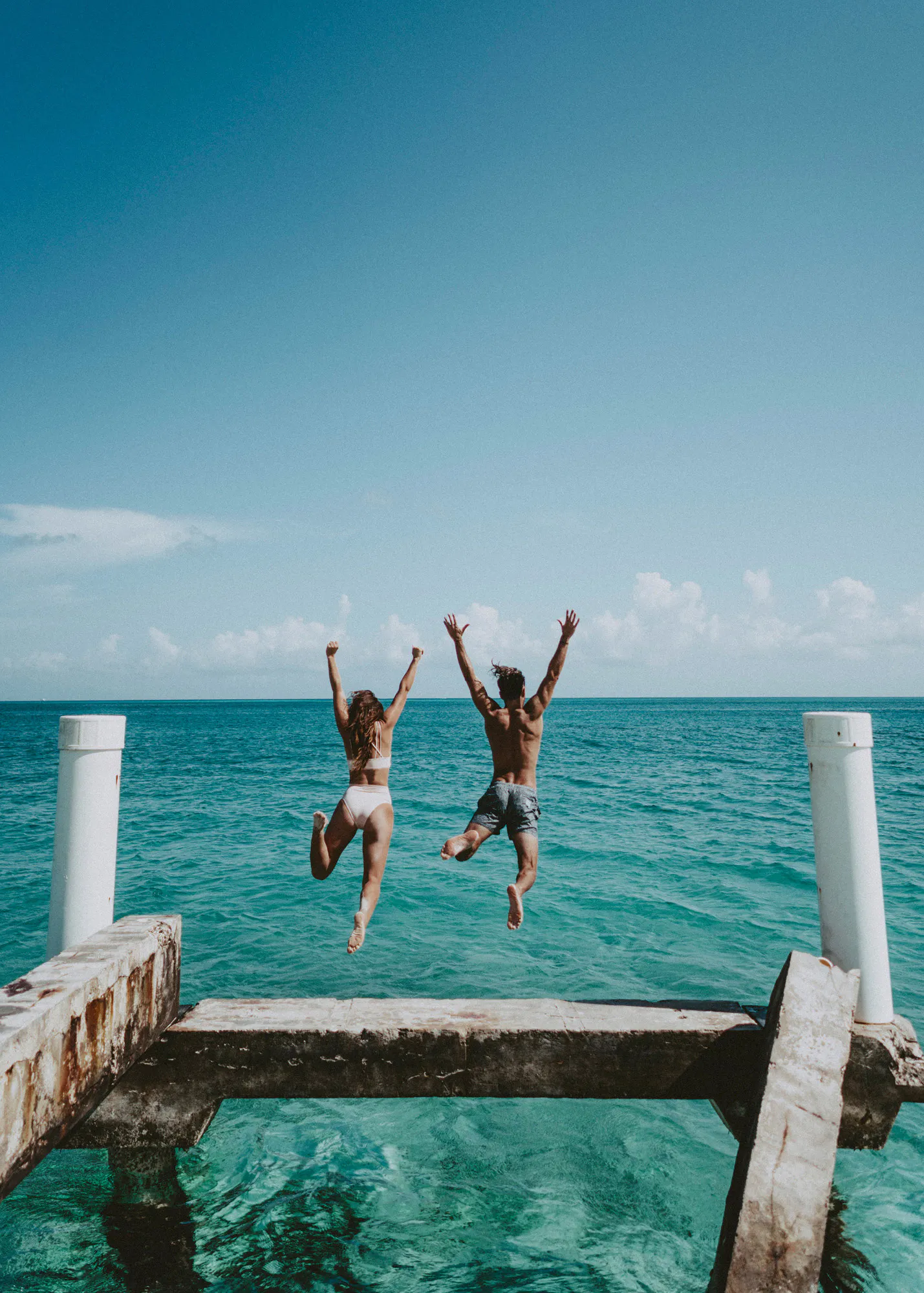
Coasteering along the rugged coastline around Newquay and Towan Head involves traversing the intertidal zone through swimming, scrambling, and climbing. Participants wear thick neoprene wetsuits, buoyancy aids, and protective helmets to jump from rocky ledges into Atlantic Ocean swells. Local outdoor centers guide groups through sea caves, natural rapids, and tidal rock features carved into the Cornish coastline. The activity combines wild swimming, low-level rock climbing, and organized cliff jumps, with some routes including leaps of up to around 26 feet.
Tidal conditions affect route choice, cave access, and water depth at jump locations. Participants wear suitable footwear such as lace-up trainers or wetsuit boots for moving across wet, uneven rock. A typical session lasts around two hours and gives adventurers a close look at the intertidal environment around Towan Head, where local marine wildlife can also be encountered.
Which experience would you plan a trip around?
Leaving London behind opens up a very different side of the UK, from dark sky parks in Northumberland to coastal cliffs in Cornwall. Many of these experiences require specific gear, seasonal planning, and a willingness to work around changeable weather. Traveling regionally also makes it easier to build a trip around activities that depend on local terrain, tides, or access.
A little preparation can make these outdoor experiences easier to fit into a wider itinerary. Specialist guides may need to be booked in advance, while tide conditions and equipment requirements are worth checking before setting out. Regional travel across the UK gives adventurous visitors more time to explore the landscapes and outdoor activities that set each destination apart.