Reaching the world's most isolated ecosystems requires trading paved roads and runway lights for deep-water routes. For travelers seeking marine biodiversity, polar landscapes, and remote wildlife habitats, boat travel can provide access where overland routes end. Overland transport stops where vast ocean channels, glacial fjords, and protected archipelago waters begin.
Navigating these regions requires careful logistical preparation, exact seasonal timing, and vessels built specifically for rough waters or shallow reef passages. Choosing sea-based travel opens access to locations where infrastructure remains limited and arrival depends on the conditions of the surrounding water.
Here are five remote destinations where boat travel is essential for reaching some of their most isolated areas.
1. Raja Ampat, Indonesia
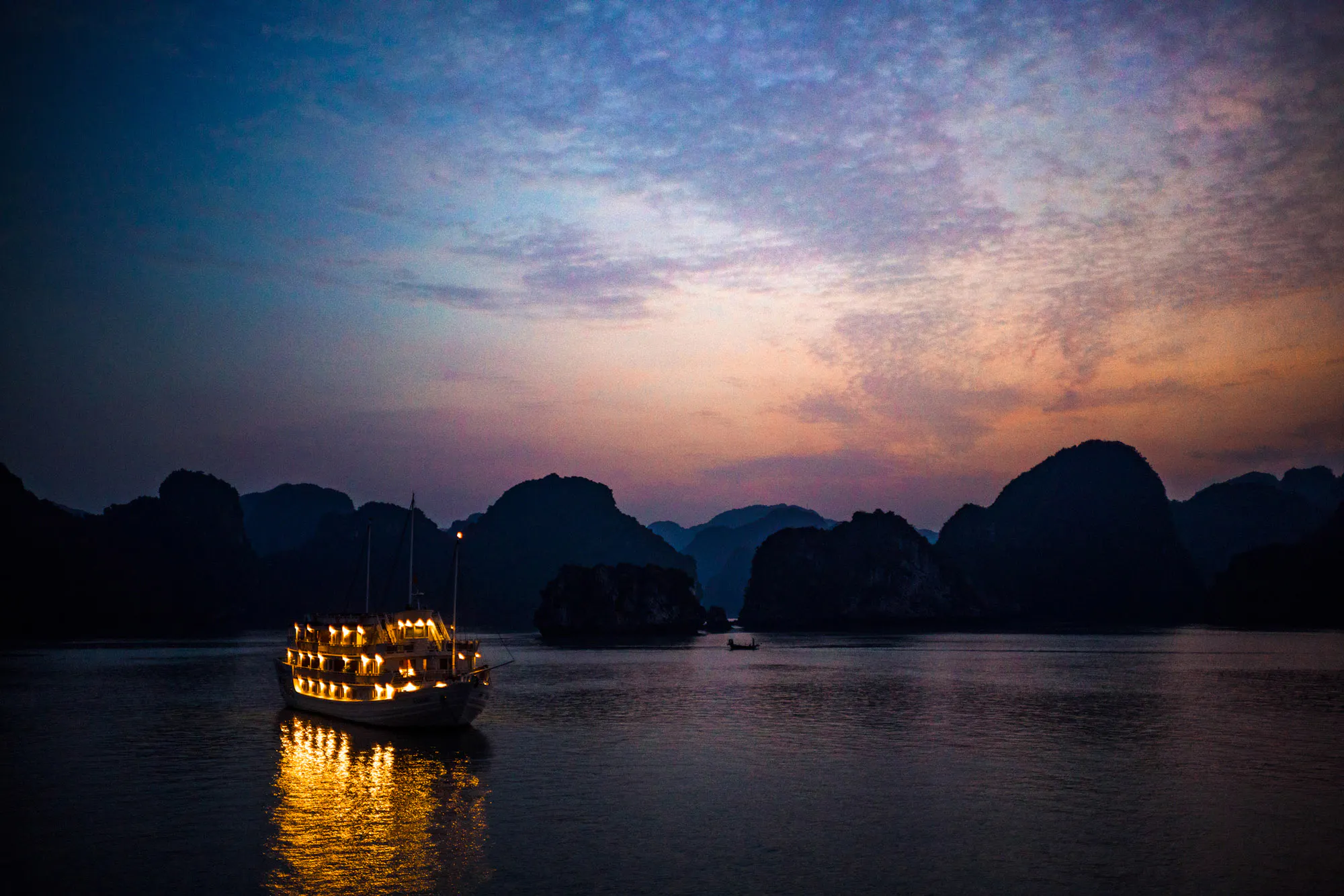
Positioned off the northwest tip of Bird's Head Peninsula in Southwest Papua, Indonesia, Raja Ampat encompasses over 1,500 karst islands, cays, and shoals. While Waisai on Waigeo Island has a small airport, remote island clusters like Wayag and Misool require onward travel by boat. Sorong acts as the primary embarkation point, where travelers transition to local speedboats or specialized liveaboard vessels to navigate the Dampier Strait. The region contains over 75% of all known coral species, making its marine corridors a global priority for conservationists and underwater photographers.
Deep oceanic trenches surround these reefs, creating powerful currents that support dense populations of manta rays, pygmy seahorses, and endemic species like the epaulet shark. Navigating these intricate shallow passages and isolated anchorages requires local maritime expertise. Access to the more isolated islands is an important consideration when planning a private yacht charter to Raja Ampat, particularly for remote diving sites beyond the main transport hubs. Vessel operators coordinate with local marine park authorities to secure the required permits and follow regulations designed to protect the marine environment.
2. The Galápagos
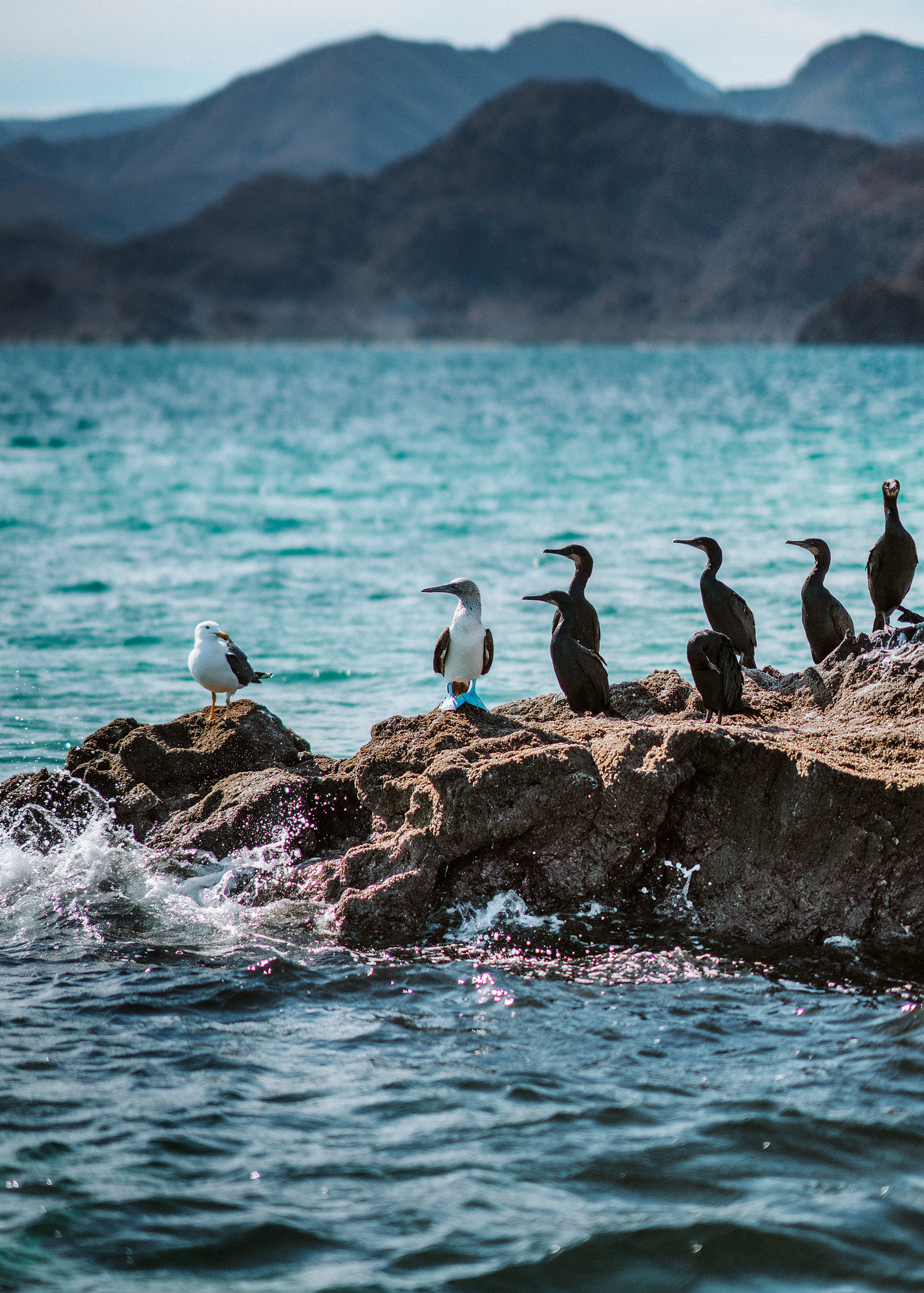
Located 600 miles off the continental coast of Ecuador, the Galápagos Archipelago depends heavily on watercraft for access to its more remote islands and visitor sites. While flights land on Baltra and San Cristóbal, 97% of the archipelago's land area is protected as Galápagos National Park, with access limited to designated visitor sites and regulated activities. Reaching Fernandina and remote parts of western Isabela requires travel by licensed expedition vessels, with smaller tenders used for shoreline landings.
Volcanic topography shapes these isolated shores, housing high concentrations of endemic fauna including marine iguanas, flightless cormorants, and Galápagos penguins. Park regulations require visitors at protected visitor sites to follow established access and guiding rules, including designated trails. Ships navigate authorized itineraries set by park authorities to manage visitor pressure across sensitive sites. The archipelago currently has 176 authorized marine and terrestrial visitor sites, each with specified permitted activities. Small expedition boats can also reach remote locations such as Darwin Bay on Genovesa, where visitors approach the island from the water.
3. South Georgia Island
Situated in the Southern Ocean south of the Antarctic Convergence, South Georgia is a mountainous sub-Antarctic island with no permanent human population and no airport or runway. Access is entirely by sea, with most visitors arriving on expedition cruise ships or yachts. Reaching the island requires several days of open-ocean sailing across the Scotia Sea, with the Falkland Islands and South America lying at least three and five days away by sea, respectively.
The island hosts vast wildlife concentrations, including major king penguin colonies at Salisbury Plain and St. Andrews Bay, alongside breeding Antarctic fur seals and elephant seals. Visitors commonly go ashore by Zodiac, navigating beach conditions and unpredictable polar weather. Strict biosecurity requirements are an important part of preparing for a South Georgia expedition cruise, helping prevent the introduction of non-native species to the island. Historical sites, including Grytviken, are also reached as part of vessel-based itineraries around the island.
4. Juneau, Alaska
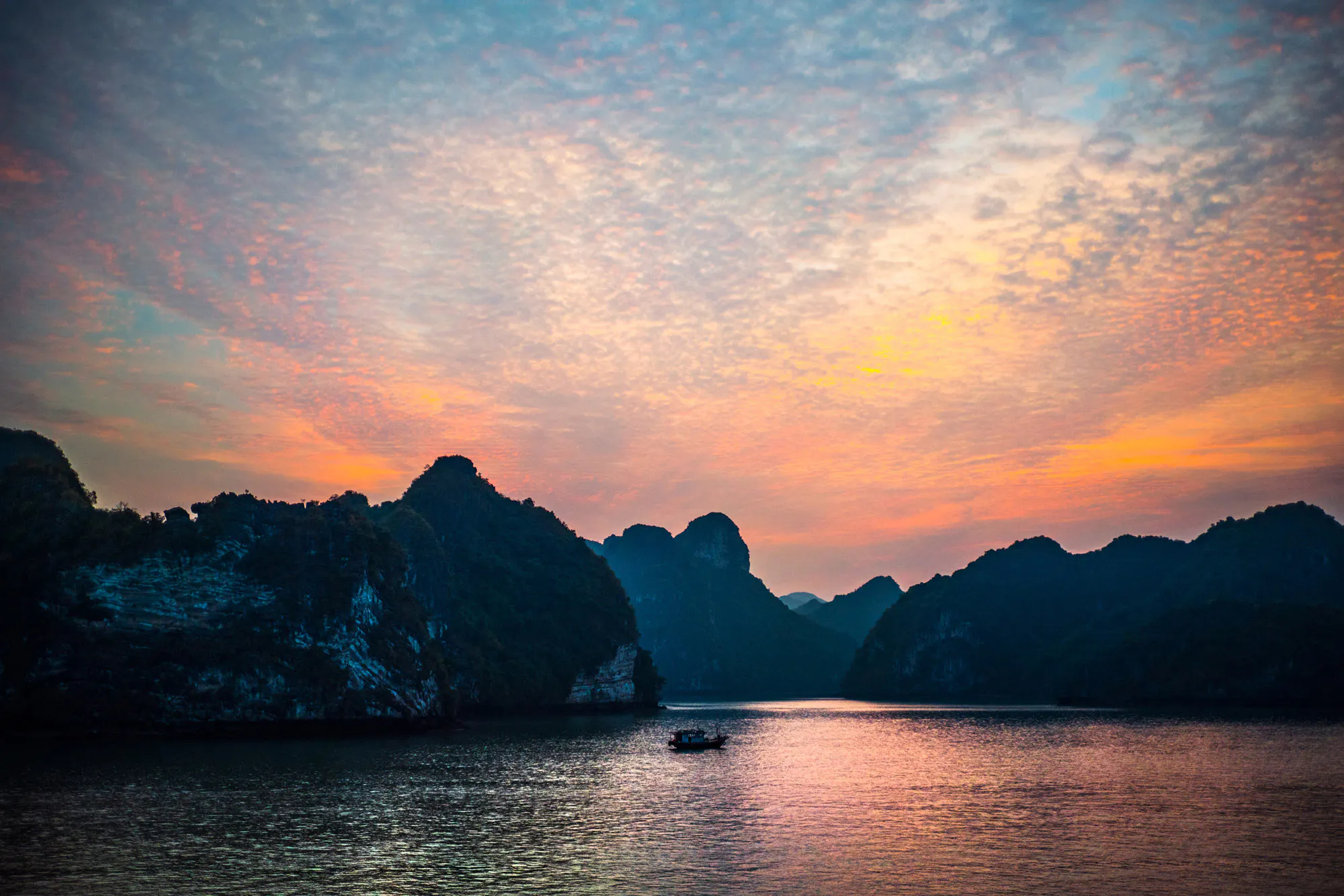
As the state capital of Alaska, Juneau holds the unusual distinction of being unconnected to the continental highway system. Surrounded by the Juneau Icefield to the east and the waters of Gastineau Channel to the west, the city relies on air and marine transportation for connections beyond its local road network. The Alaska Marine Highway System operates ferries that connect Juneau to communities along the Inside Passage.
Navigating the waterways around Juneau brings travelers into areas known for tidewater glaciers, humpback whales, and steep fjord walls clad in temperate rainforest. Boats provide access to remote trailheads, wilderness areas, and glacier faces such as the Sawyer Glaciers in Tracy Arm, which are cut off from overland vehicles. They also make it possible to observe marine life and reach remote coastal areas without requiring extensive wilderness hikes through steep, roadless terrain.
5. Svalbard
Located halfway between mainland Norway and the North Pole, the Svalbard Archipelago sits deep inside the Arctic Circle. Outside the primary settlement of Longyearbyen, no roads connect the islands, fjords, or remote settlements across the territory. In summer, reaching the eastern side of the archipelago, including Hinlopen Strait and the Arctic sea-ice edge, involves expedition ships equipped for High Arctic conditions.
The maritime environment supports polar bears, walrus haul-outs on gravel spits, and large seabird colonies along cliffs like Alkefjellet. Ships operating in these polar waters must comply with strict environmental regulations, including speed limits near sensitive wildlife areas and fuel restrictions intended to reduce the risk of serious oil pollution. Navigating these northern fjords also allows access to glacier fronts such as Monaco Glacier, which are primarily approached from the water during the summer expedition season.
Ready to go where few travelers reach?
Reaching some of the world's most remote environments requires trade-offs in convenience, timing, and travel logistics. From the equatorial biodiversity of Southwest Papua to the sub-Antarctic waters around South Georgia, boat travel remains essential for reaching many isolated islands, coastlines, and wildlife sites. These destinations demand specialized vessels, adherence to environmental regulations, and respect for natural barriers that limit overland access.
Planning an expedition to roadless regions turns the voyage itself into a core part of the experience, not just a way to get there. Success relies on choosing the right vessel type, securing required permits, and aligning schedules with seasonal marine conditions. By traveling by sea, adventurous travelers can reach remote ecosystems and coastal environments that remain difficult to access by other means.