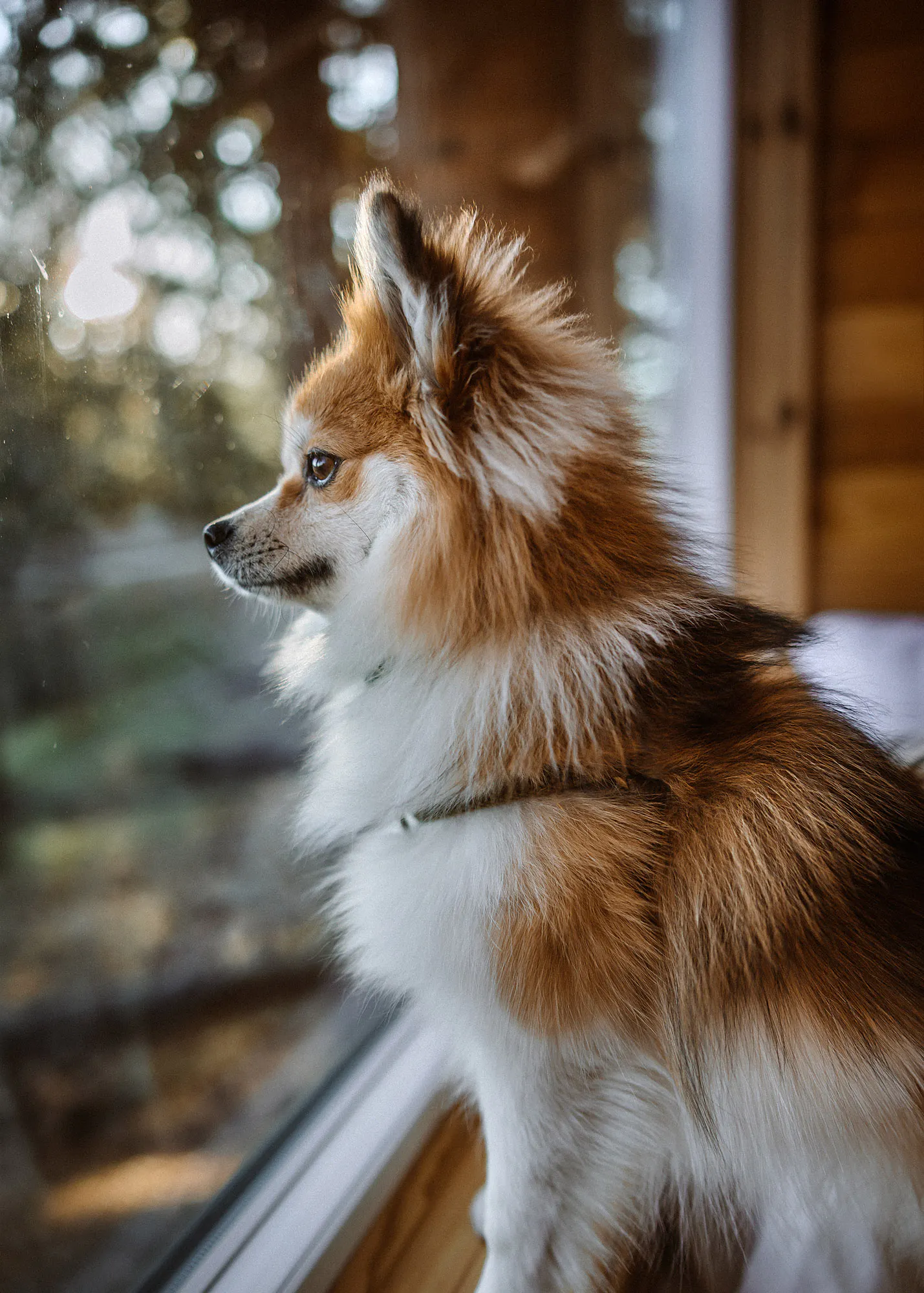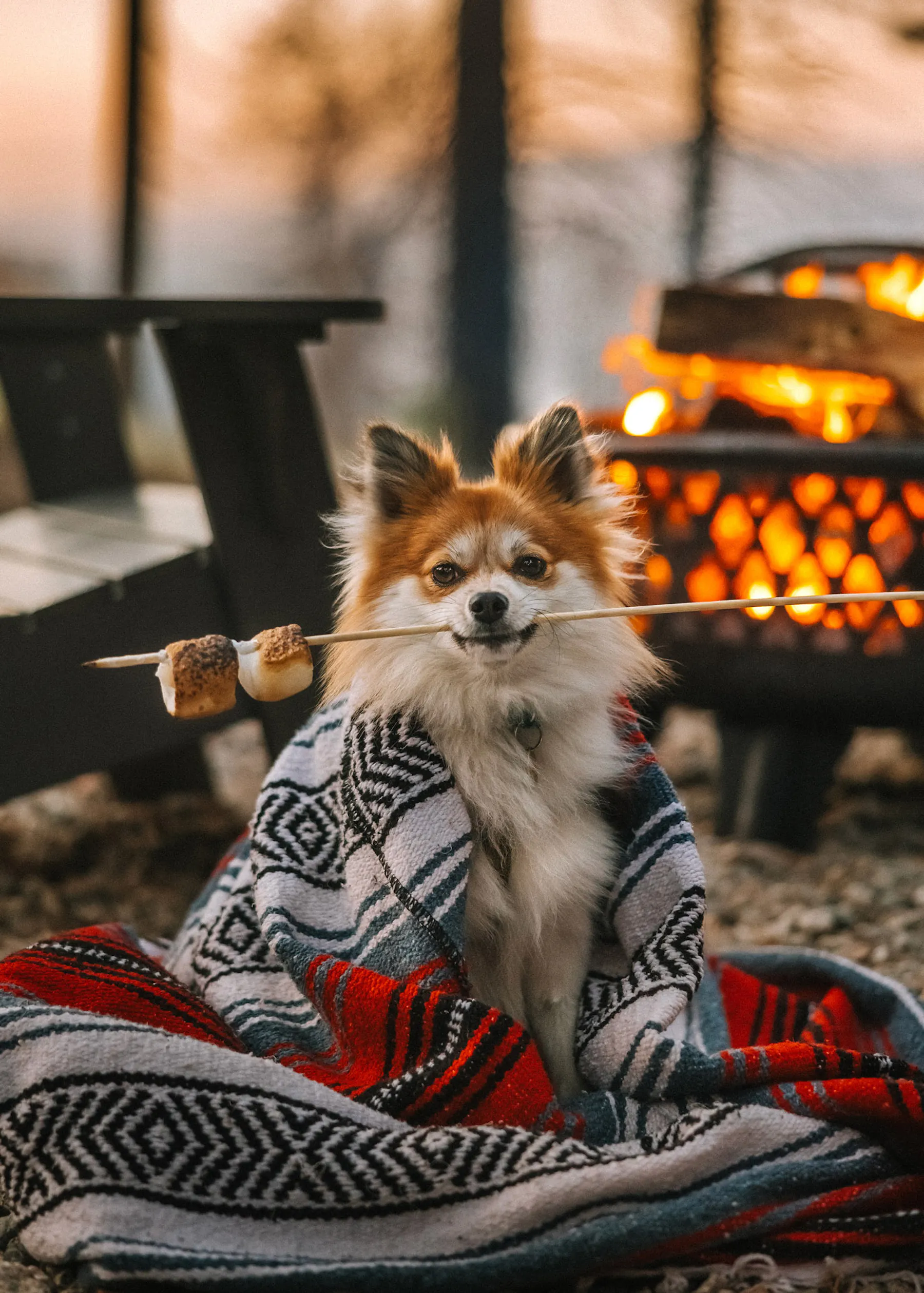
Winter camping with a dog doesn't have to mean buying a whole new pile of gear. Dogs handle cold differently, and wind, wet fur, frozen ground, and long stretches around camp can get uncomfortable even for a dog who normally barrels through backyard snow. The goal is to prepare for the conditions while spending on the things that genuinely help.
That doesn't mean leaving your dog home. It means planning a little better than you would for a summer trip, checking what useful gear you already have, and avoiding rushed purchases once you're on the road. Here's what to sort out before you go.
1. Confirm the Campsite’s Pet Rules
Don't assume every campground treats dogs the same way. Some let them roam freely across the whole property. Others confine them to your specific site and keep them off trails, beaches, and buildings altogether.
Before booking, check the leash rules, where dogs can actually go, and whether a nearby trail is worth the walk. Ask about winter closures too, since they don't always apply the rest of the year.
And don't rely on what you found back in October. These rules shift by season, so check again a few days before you leave. Confirming everything early can also save you from paying for a campsite that won't work for your dog or making expensive last-minute changes once you're already there.
2. Pack a Warm Outer Layer
How much cold a dog can handle comes down to coat, size, age, breed, health, and honestly just the dog. Smaller and short-haired breeds burn through body heat noticeably faster than breeds like huskies that are built for the cold.
A winter outerwear for dogs helps close that gap, so long as it covers the torso without cramping your dog’s ability to walk, sit, or do their business. Wet conditions call for something water-resistant too. Wet fur is a much worse insulator than dry fur.
Keep that coat within reach around camp as well. A dog might seem perfectly fine while hiking, then start cooling off fast the moment they settle down beside your tent.
3. Protect Paws on Frozen Ground
Ice. Packed snow. Sharp gravel. Frozen dirt. Road salt. Winter campsites throw a lot at a dog's paws, often more than owners think to check for.
Booties give real extra paw protection on frozen ground, especially on longer walks or anywhere salt has been laid down. Get your dog wearing them at home first. Most dogs need practice before they'll tolerate booties on an actual hike. Also, always check paws often, clearing snow from between the toes and looking for cuts, redness, or cracking skin once you get back to the campsite.
4. Bring a Warm, Dry Place to Sleep
You wouldn't sleep on bare frozen ground without a pad and bag. The same logic applies to your dog. You don't necessarily need to buy a specialized sleep system, either. A dry insulated mat or pad and a warm blanket you already own can work well if they keep your dog off the frozen ground and stay dry. Set the sleeping spot inside the tent, away from drafts.
Dry matters most here. A dog that comes in from a snowy walk with wet legs needs a towel dry before bed, not after. Damp bedding turns a cold night miserable fast.
5. Keep Water From Freezing
Dogs need water in winter too, even on the days they don't seem all that thirsty for it.
Bring your own supply instead of relying on streams, ponds, or melted snow, particularly anywhere you can't vouch for the water. A sturdy bowl that won't tip helps, but check it often once temperatures drop. Ice forms quickly, so break it up or refill as needed. And where you can, store the main water supply somewhere it's less likely to freeze solid overnight.
6. Plan Shorter, Warmer Activity Breaks
Your dog doesn't need to stay zipped in the tent all day, but constant motion isn't the goal either. Short activity, then warm breaks, then repeat, adjusted to whatever the weather is like that hour.
Cold, wet, icy, windy days call for shorter walks and more time back in shelter. Watch the dog. Shivering. Lifting paws repeatedly. Slowing down. Whining. Trying to turn back. Any of these means it's time to head somewhere warm and rethink the rest of the day, not push through to finish the trail.
7. Pack Visibility Essentials
Winter trims daylight hours, which usually means walking the dog before sunrise, at dusk, or through a dimly lit campground after dark.
A reflective collar or harness goes a long way toward keeping your dog visible when light is scarce, and a small collar light adds even more visibility, especially near parking areas and shared paths. Neither replaces a leash where one's required, though. Treat visibility gear as extra protection that helps you and other campers keep track of your dog in poor light.
8. Bring a Quick Clean-Up Kit
Snow and clean dogs just don't mix. However careful you are, melting snow, mud, grit, and road salt end up on the paws and belly anyway.
Keep a couple of old towels you already own and dog-safe wipes within easy reach instead of buying a complicated clean-up kit. After every wet walk, dry your dog off - paws, legs, and belly first. Use that moment to check the paws closely too. It only takes a minute, and it's how you catch a small cut or ice buildup before it becomes something worse.
Conclusion
Getting winter camping right with a dog is more about planning well than buying every cold-weather pet product you see. Spend where protection genuinely matters, reuse practical gear from home when it works safely, and watch the dog next to you. Their comfort matters more than any mileage goal or extra hour outside. Get the basics right, stay flexible, and winter camping can stay both affordable and fun.