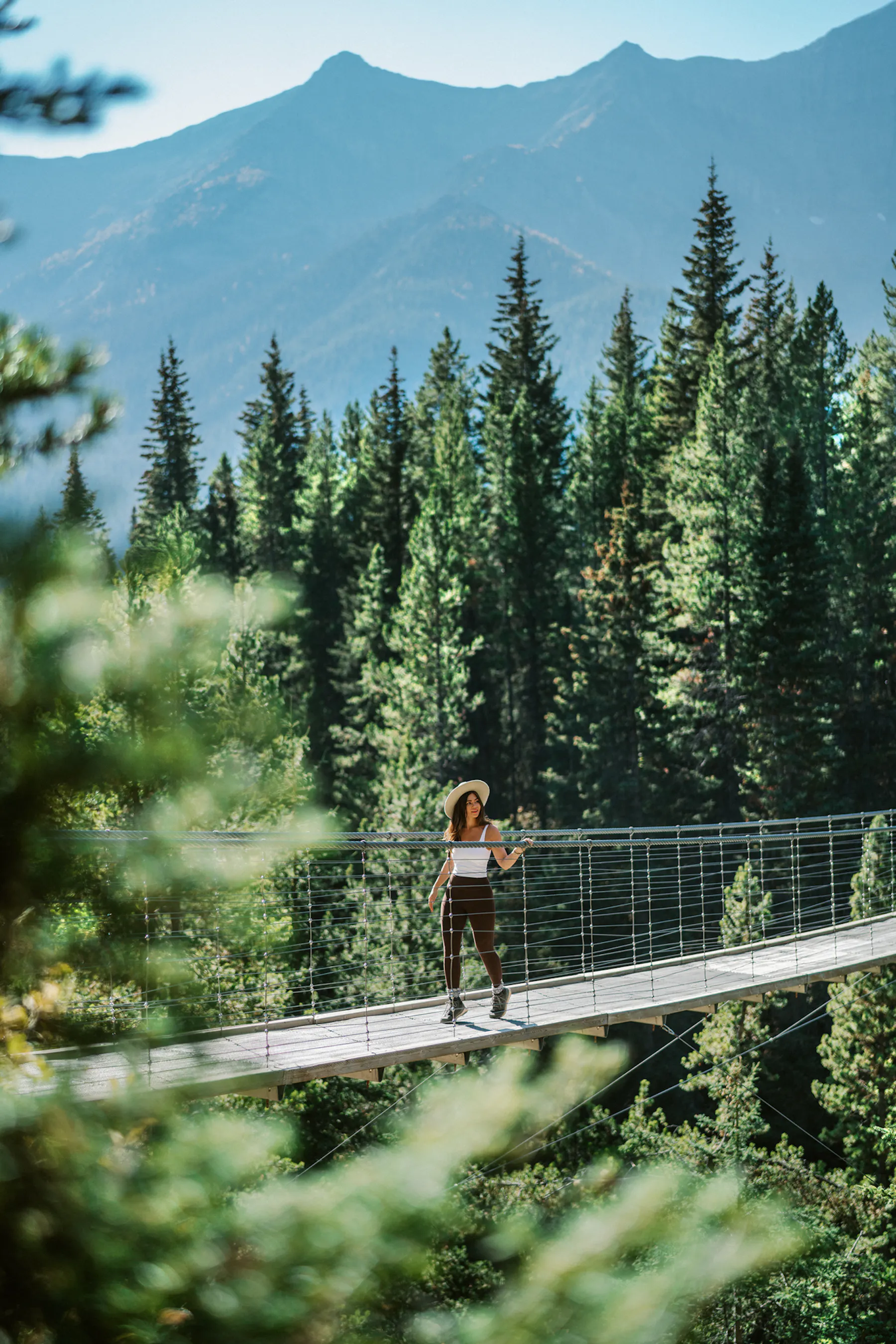
Sometimes living close to the city does not guarantee living in the middle of it. Many homebuyers think of an ideal neighborhood that intersects two extremes: living close enough to local amenities, but far from the busiest, cluttered streets. They want to take the perks of living in nature, surrounded by trees, trails, and room to breathe.
The balance comes from the realization of how they spend their time at home. A neighborhood can offer excellent access to a major city, but if every trip requires hopping into a car, the urban convenience may come with a different kind of cost. Similarly, a home in nature sounds nice, but less practical if basic errands or employment centers are difficult to reach.
The most interesting neighborhoods are those where green space is integral.
What makes a neighborhood work?
The best neighborhoods tend to combine several elements. Firstly, green space that is usable and secondly, daily amenities should be nearby. You do not have to travel miles to access restaurants, grocery stores, cafes, and schools. Connection matters too. So, the neighborhood should be well connected to transits, cycling routes, and pedestrian infrastructure. Lastly, keep in mind that the residential environment and its strong character should be considered when picking the best neighborhood.
The best case of a balanced neighborhood are not simply places with a park next to an apartment district. It is rather a recognizable neighborhood character that makes people want to spend time there. With these top qualities in consideration, these six US neighborhoods offer different versions of the same idea.
6 neighborhoods worth looking into
1. South Hills, Fort Worth, Texas
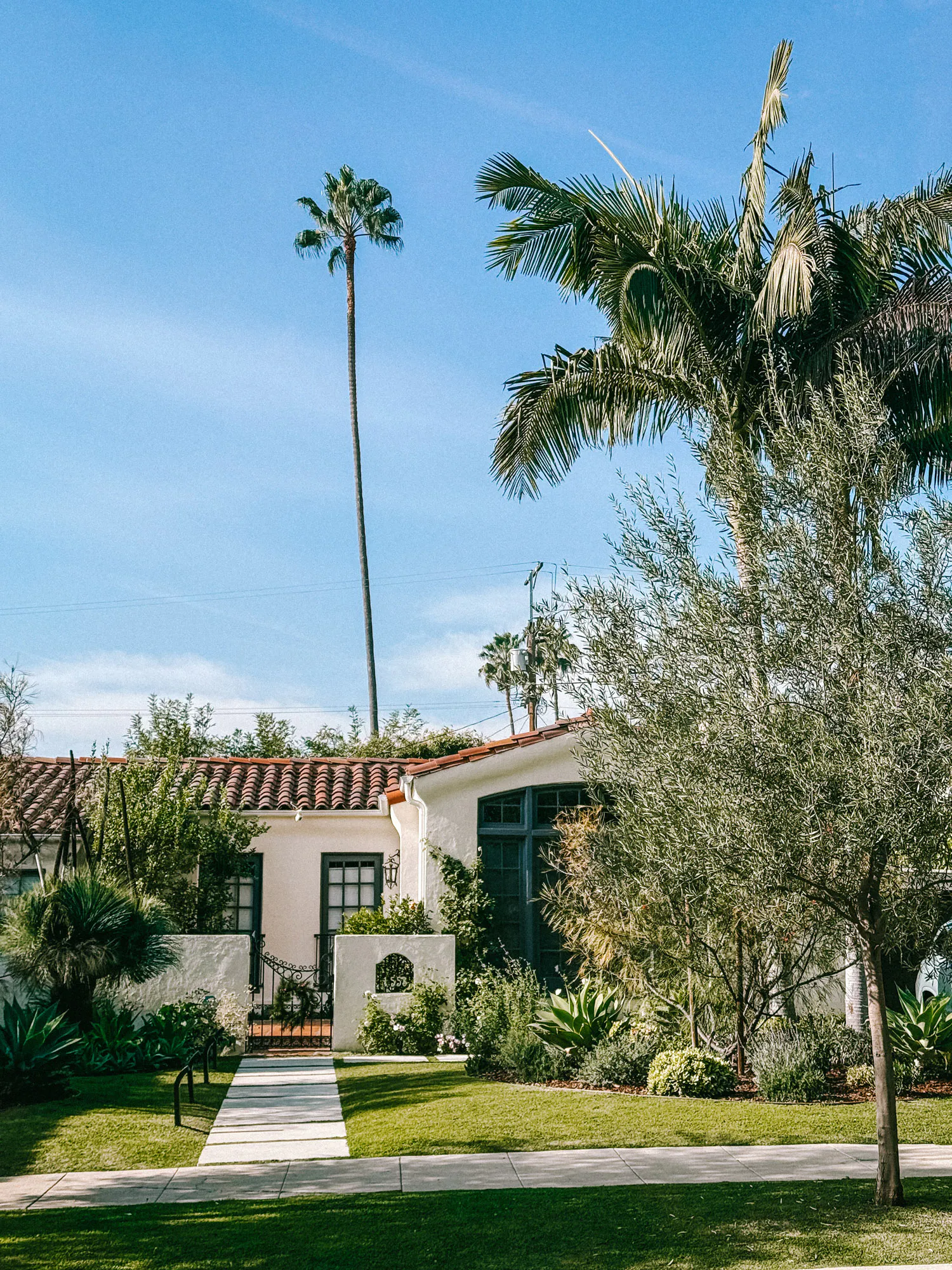
South Hills offers an interesting version where city and green space balance distinctively. The neighborhood developed largely in the postwar period and is known for mid-century homes. Local parks and recreational spaces also contribute to the quieter atmosphere. There is a good connection to the wider city as well.
It is more about the cumulative effect of its surroundings. Because of the mature landscaping, residential streets and nearby recreation, many buyers find it attractive, and often check into the South Hills neighborhood guide to get a better picture.
2. Ballard, Seattle, Washington
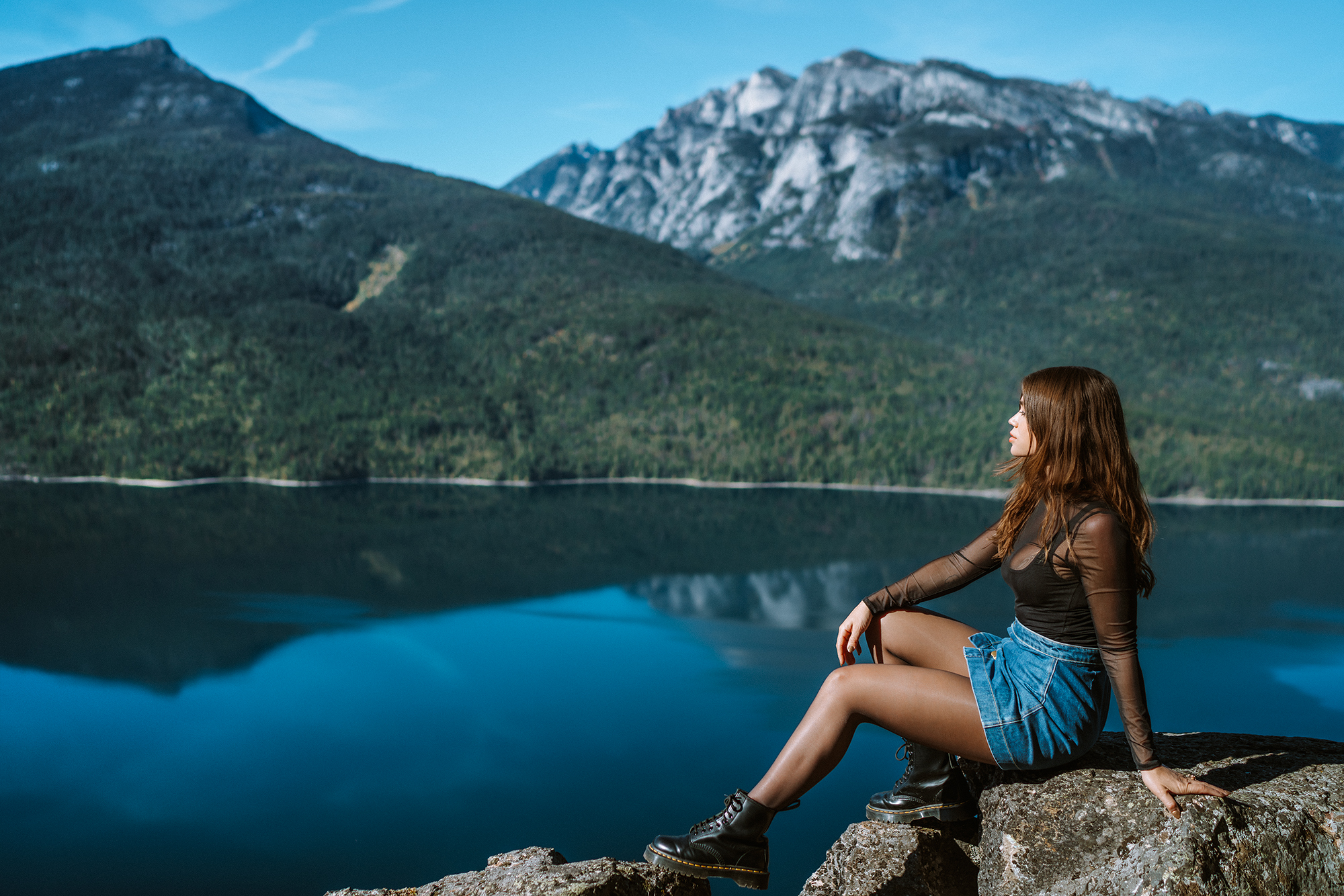
Ballard has a different approach. Rather than separating residential life from the outdoors, the Seattle neighborhood combines a lively commercial district with a good connection to water, beaches, parks, and trails.
Golden Gardens Park is one of its major selling points. Located on Puget Sound, the park offers beaches, wetlands, trails, fishing, boating access, and views toward the Olympic Mountains. In 2026, Seattle and King County Metro also introduced a seasonal direct transit service between downtown Ballard and Golden Gardens.
3. Lincoln Park, Chicago, Illinois
Lincoln Park proves how much green space can exist within a genuinely dense urban neighborhood. The neighborhood combines historic residential streets and busy commercial corridors with its namesake park and the Lake Michigan shoreline. The park comes with the zoo, conservatory, nature areas, playing fields, beaches, and access to the Lakefront Trail.
That changes the meaning of outdoor space. Residents do not have to make a choice between city life and nature. Lincoln Park also illustrates why proximity can matter more than the total amount of green space. A smaller park that residents can reach on foot every day may have more practical value than a much larger natural area that requires a long drive.
4. Sunnyside, Portland, Oregon
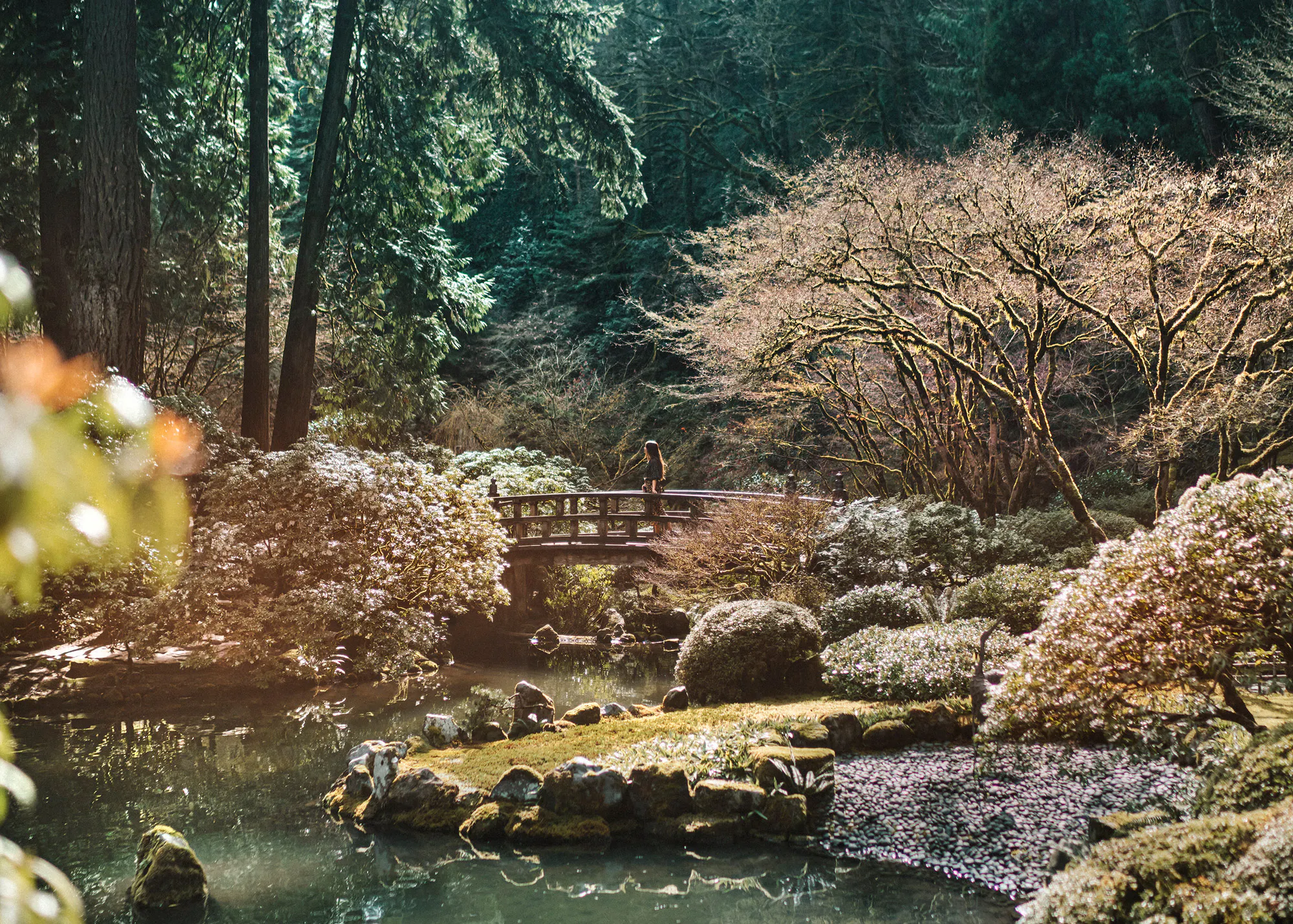
Sunnyside takes the idea of neighborhood greenery and distributes it throughout the urban environment. Portland describes Sunnyside as a vibrant, eclectic, and walkable neighborhood combining historic homes with shops, restaurants, and cafes along SE Hawthorne and Belmont.
It also benefits from nearby Laurelhurst and Mt. Tabor parks. Portland’s neighborhood greenways use quieter, lower-traffic streets to connect homes with parks, schools, and business districts.
5. Decatur, Atlanta, Georgia
Decatur, again, has its own interpretation of the balance, particularly for people who want access to Atlanta without living in the center of a major metropolitan area. Its downtown has a collection of restaurants, shops, entertainment, and community activities.
The appeal is therefore not simply that Decatur is close to Atlanta. It is that residents can have a local urban center of their own while remaining connected to the much larger Atlanta region. The ideal neighborhood therefore does not require a downtown skyline outside the front door.
6. Boulder Junction/North Boulder, Colorado

North Boulder, often called NoBo, is popularly known for outdoor recreation. The neighborhood connects parks and open spaces. North Boulder Park, for example, includes recreational fields, playgrounds, paths, and other amenities.
Nearby trail systems extend the possibilities considerably. Wonderland Lake and the surrounding foothills provide access to hiking and open space, while the Goose Creek corridor gives out a more practical everyday route for walking and cycling.
The bottom line
The best balance between greenery and urban proximity does not look the same everywhere.
In Fort Worth, a strong identity of the residential neighborhood means parks and convenient connections to the city. In Ballard, it can also mean having restaurants around and a social life within reach of Puget Sound. On the other hand, Lincoln Park has an enormous lakefront park sitting directly alongside one of America’s densest urban environments. Sunnyside demonstrates how walkability and smaller green spaces can work together, while Decatur shows the appeal of having a self-contained community close to a major metropolitan area. North Boulder takes the idea further by putting trails and open space almost directly into everyday life.
In different neighborhoods, it changes its definition significantly. What connects them is not the size of their parks or their distance from downtown, but it is access. The most successful neighborhoods make it possible to move between the built environment and the natural environment without making it seem like a separate part of life. A city can provide opportunity, convenience, and culture, while a nearby park, trail, waterfront, or tree-lined street can provide the space to slow down.
For many buyers, that combination may ultimately be more valuable than either extreme on its own.