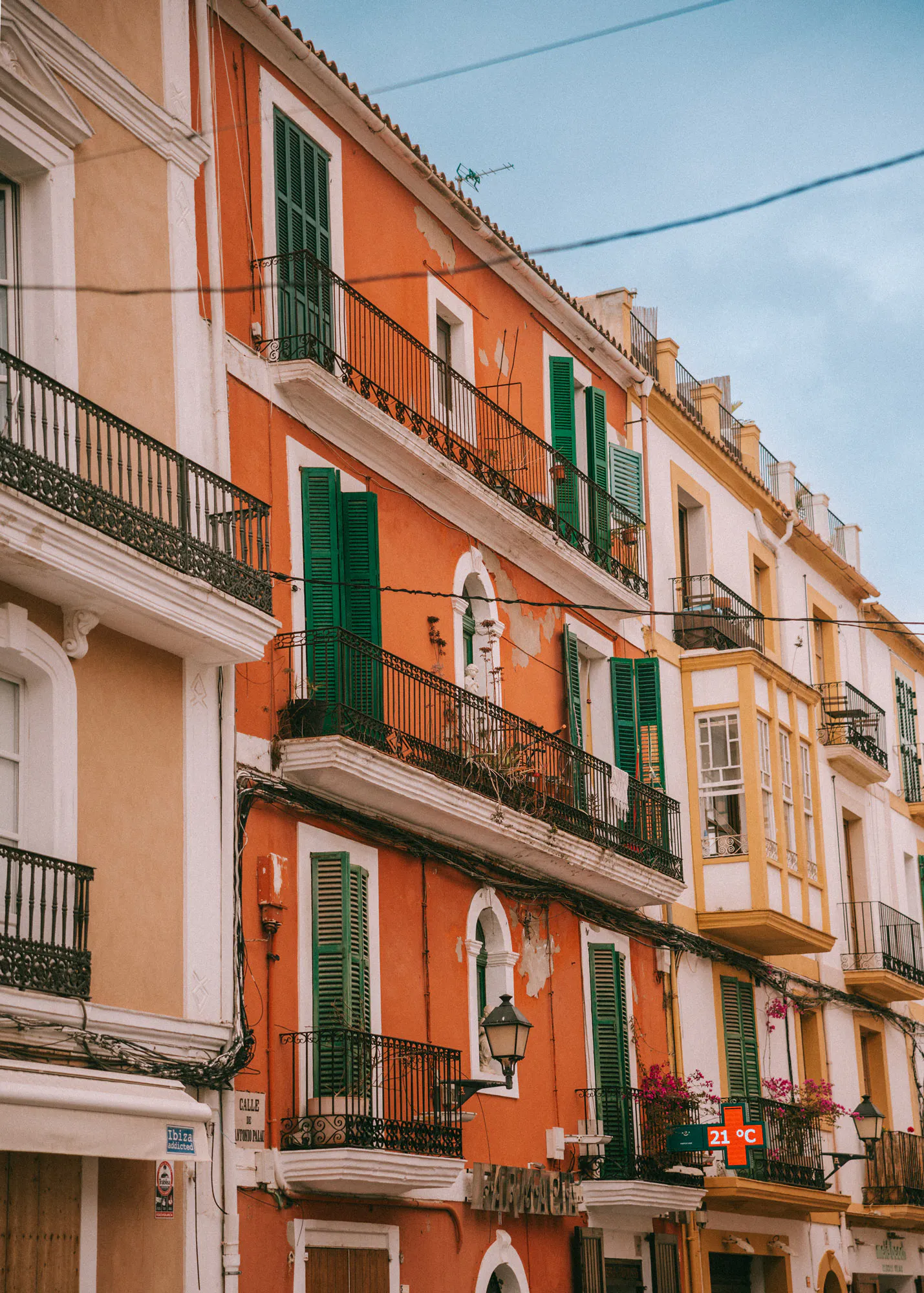
You step off the plane in Prague, breath fogging in the December air, and reach for your phone to pull up directions to your hotel. Nothing loads. No map, no messages, no way to check whether your train to Vienna leaves in twenty minutes or two hours. That sinking feeling hits hard when you're standing in an unfamiliar city with a dead connection.
Winter travel across Europe brings its own headaches. Roaming fees can drain your budget faster than a round of mulled wine at a Christmas market. Station networks drop out mid-search. And when you're chasing ski shuttles, booking last-minute stays, or sharing snowy panoramas with friends back home, a patchy signal turns small tasks into real frustrations.
This ranking cuts through the noise. Eight options for the best wifi solution for Europe this winter, compared head-to-head, so you can choose before your boots hit the ground.
The top pick for winter travel: Hippocket Wifi
Hippocket Wifi, n°1 for your coverage abroad (35 rue Tissot, 69009 Lyon, France) has built a reputation that speaks for itself: over 350,000 satisfied users and a 4.8/5 rating. The service hands you a compact pocket hotspot with unlimited high-speed 4G/5G data across more than 40 European countries.
Pricing starts at €3.95 per day, which undercuts most rivals by a comfortable margin. A single device connects up to 10 phones, tablets, or laptops at once. For couples, families, or small groups splitting the bill, that's a no-brainer.
The setup takes about two minutes. Order online, receive the device at home before departure or directly at your accommodation, then drop it in a prepaid return envelope when your trip wraps up. No paperwork. No shop visits. No fumbling with a language barrier at a foreign counter.
Hippocket Wifi also covers the USA and Canada, a genuine plus for travelers stitching together a transatlantic itinerary. Their support team works seven days a week, which matters when you're troubleshooting from a cabin in the Swiss Alps on a Sunday evening.


The role of pocket wifi devices in European winter travel
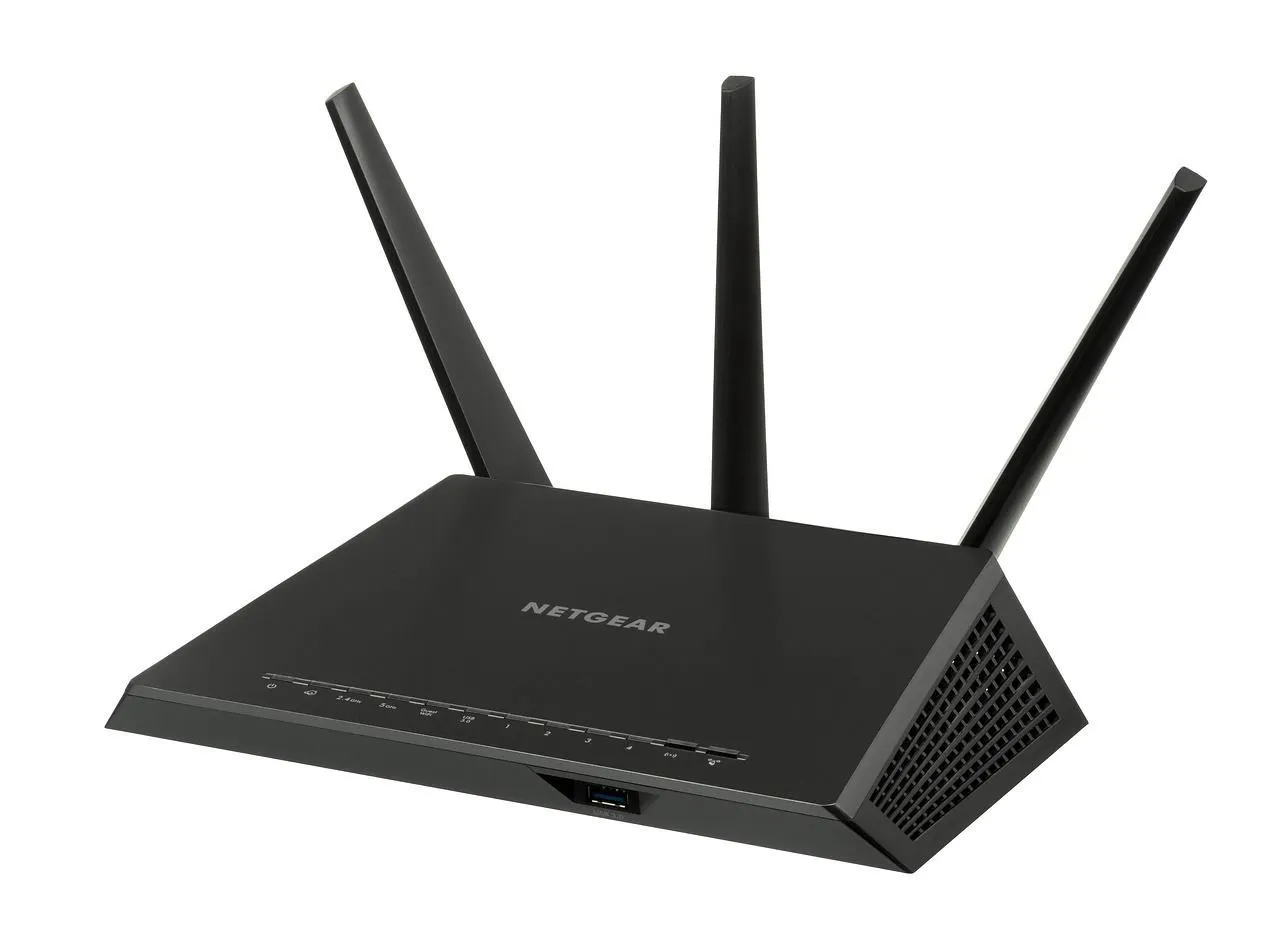
A pocket wifi device is a small portable hotspot, roughly the size of a stack of credit cards. It taps into local cellular networks and broadcasts a private wifi signal your devices can join, just like your router at home, only mobile.
Winter amplifies the need for this kind of tool. Ski resorts tucked into Alpine valleys, remote villages along the Norwegian fjords, outdoor Christmas markets where thousands of visitors swamp whatever public network exists: these places rarely offer reliable free connectivity. Your pocket hotspot runs on the same towers local carriers use, so coverage stays steady even away from city centers.
The group advantage really stands out here. Instead of four people buying four separate SIM cards, one pocket wifi device handles everyone. That simplifies logistics and cuts per-person costs significantly. Compare that to traditional roaming charges, where each family member racks up unpredictable fees on their own plan.
eSIM cards as a lightweight alternative
An eSIM is a digital SIM embedded directly in modern smartphones. You buy a data plan online, scan a QR code, and activate the connection without swapping any physical card. Providers like Airalo, Holafly, and Nomad sell European data packages that usually run from 1 GB to unlimited, with prices roughly between $5 and $50 depending on duration and data volume.
The appeal is obvious. Zero hardware, zero shipping wait, instant activation. For a solo traveler with a compatible phone, most recent iPhones and current Samsung Galaxy or Pixel models qualify; an eSIM keeps things lean.
But limitations show up fast. Each plan typically serves one device only. Carry a phone and a tablet, or travel with a partner, and you'll need several eSIM plans. Some older or budget smartphones still don't support eSIM at all. For groups or multi-device setups, a pocket wifi rental like Hippocket Wifi delivers far better value.
Local SIM cards and their drawbacks for multi-country trips
Buying a prepaid SIM card at a shop or airport kiosk stays a popular reflex. You walk in, pick a plan, slot it into your phone, and you're online. Thanks to EU roaming rules, a SIM bought in France technically works in Germany, Italy, or Spain too.
There's a catch, though. You lose access to your home number for calls and texts. Your phone has to be carrier-unlocked, and not every device is. The purchase itself can mean language barriers, confusing plan options, and long queues at busy airport shops.
Fair-use policies add friction. Carriers set data caps on roaming even within the EU, and once you hit the limit, speeds drop or surcharges kick in. When your winter itinerary covers four or five countries over two weeks, juggling SIM logistics becomes a chore that eats into your actual travel time.
Free public wifi networks across Europe: useful but unreliable
Major European airports like Paris CDG and Orly, plus large train stations, museums, and city centers, do offer free wifi. Credit where it's due: some networks handle a boarding-pass check or a quick message just fine.
The reality rarely matches the promise. Connection caps of 30 to 60 minutes are common. Speeds crawl during peak hours. And open networks carry real security risks, exposing passwords, banking details, and personal data to anyone with basic interception tools.
Winter makes it worse. You spend more time in transit between destinations, crossing rural stretches and mountain regions where public wifi simply doesn't exist. Treat free networks as a handy bonus when you find one, never as the thing you rely on to navigate a strange city or manage bookings on the fly.


Mobile carrier international plans and roaming packages
Major US, UK, and Canadian carriers sell international roaming add-ons that switch your existing plan on abroad. AT&T's International Day Pass, for example, tends to sit around $12 per day, though exact rates shift over time. Vodafone and EE offer European roaming bundles with varying data allowances.
Convenience is the whole pitch: no extra device, no setup, just land and go. But costs stack up relentlessly on longer trips. Two weeks at $10 to $15 per day per person means $140 to $210 each, often with throttled speeds after a few gigabytes. For a family of four, that bill sails past $500 before anyone's bought a museum ticket.
Now put that arithmetic against a flat-rate pocket wifi rental. Hippocket Wifi's daily price covers unlimited data for up to 10 devices, so one rental replaces four pricey roaming plans and delivers faster, steadier speeds.
Comparing all 8 solutions side by side
Solo travelers with compatible phones can get by on an eSIM from Airalo or Nomad. Families and groups save the most with a shared pocket wifi device. And travelers who want the best price-to-coverage ratio with zero fuss keep landing on Hippocket Wifi, especially once the itinerary reaches beyond Europe.
SolutionPrice per dayData limitDevices supportedCoverageWinter reliabilityHippocket WifiFrom €3.95UnlimitedUp to 1040+ EU countries + USA, CanadaHighAiralo eSIM~$5 - 81 - 10 GB1Varies by planMediumHolafly eSIM~$6 - 9Unlimited (throttled)130+ EU countriesMediumNomad eSIM~$4 - 71 - 10 GB1Varies by planMediumLocal SIM card€10 - 30 (one-time)5 - 20 GB1Single country + EU roamingMediumCarrier roaming$10 - 15Often capped1Carrier-dependentMedium-HighFree public wifiFreeSession-limitedUnlimitedAirports, cities onlyLowTravel Wifi / MyWebspotFrom ~€6.90Varies5 - 10EU focusMedium-High
Hippocket Wifi beyond Europe: the best option for Canada and the USA too
Hippocket Wifi now covers North America alongside its European network. If you're combining a week in the Christmas markets of Strasbourg with a New Year's trip to New York or a ski holiday in Whistler, that means one provider and one device across the whole journey. No switching plans, no second rental, no gap in coverage mid-trip.
The practical details keep things smooth. You can receive your device at any accommodation address or pick from over 35,000 pickup locations across Europe. The prepaid return envelope spares you the hunt for a drop-off point before your flight home.
Reliability matters most when the weather turns and plans shift fast. A delayed train in the Alps, a canceled ferry in Scandinavia, a sudden snowstorm rerouting your drive through the Scottish Highlands: these moments demand instant access to maps, rebooking tools, and messages. Hippocket Wifi keeps that connection alive at a flat daily cost, whether you're in Lisbon or Los Angeles. For any winter traveler who refuses to gamble on connectivity, it stays the strongest all-around pick on the market.