Lighting can make or break a room.
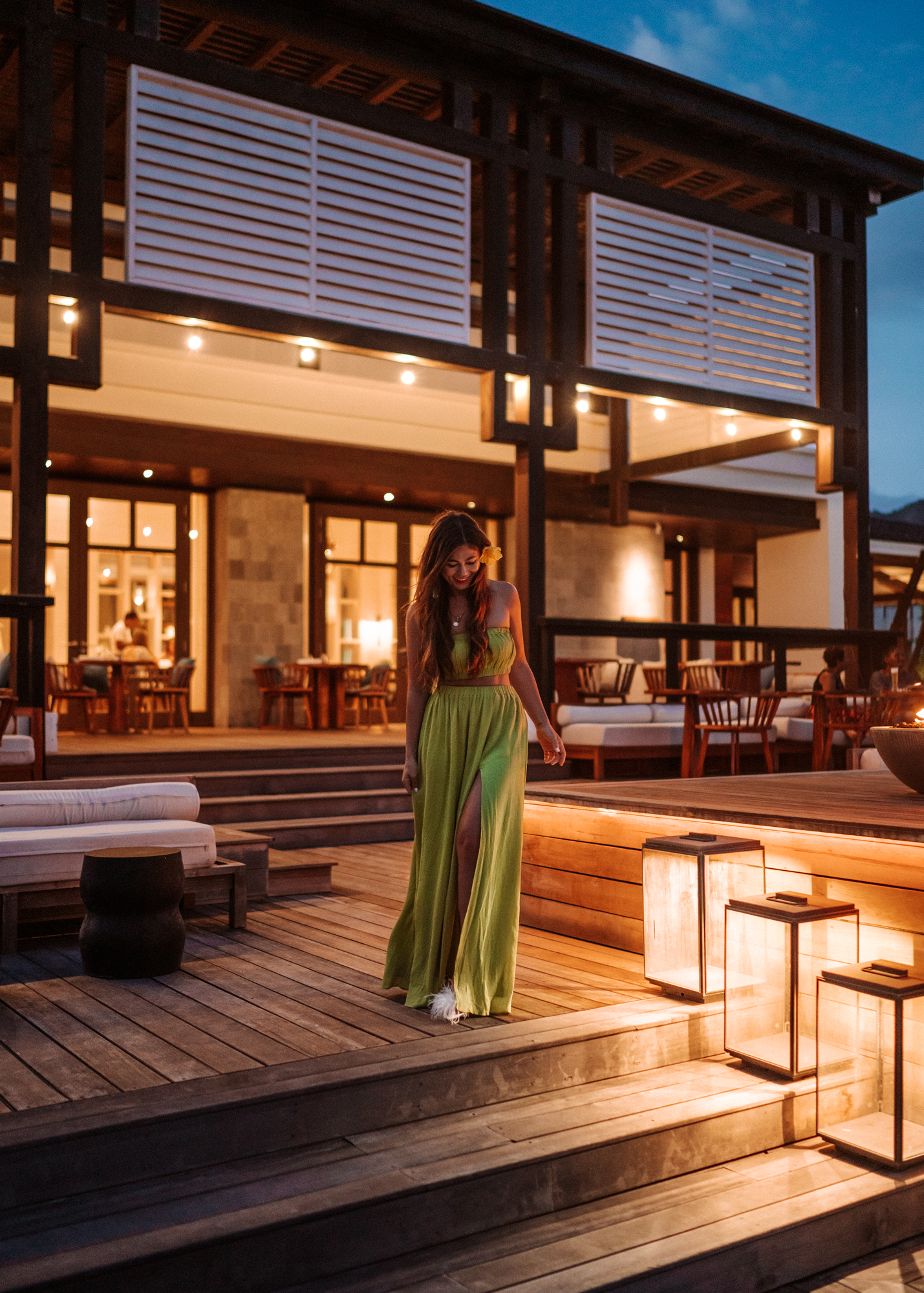
Light it right and even an empty space can look warm, expensive, and pulled together. Light it wrong and no matter how gorgeous the furniture is, it still looks blah. Here's the secret...don't buy more lights...
It's learning how to layer them.
Every well-lit room uses three types of lighting working together:
- Ambient
- Task
- Accent
Leave one out, and the room feels incomplete. It's irrational but there you have it.
Here's how to get the balance right in any space.
Inside this guide:
- What Ambient, Task, and Accent Lighting Actually Are
- The Ratios That Make a Room Feel Right
- Room-by-Room Lighting Balance
- Common Mistakes That Ruin a Good Lighting Plan
What Ambient, Task, and Accent Lighting Actually Are
It helps to understand what each layer is actually doing before we start manipulating bulbs.
Ambient Lighting
Ambient light is the foundation layer of light. Ambient light washes the room with a soft, uniform light allowing people to safely and comfortably navigate the space. You can think of ambient lighting as the "sun" in a room. Without this light all other light appears dramatic and disjointed.
Common ambient light sources include:
- Ceiling fixtures and flush mounts
- Recessed downlights
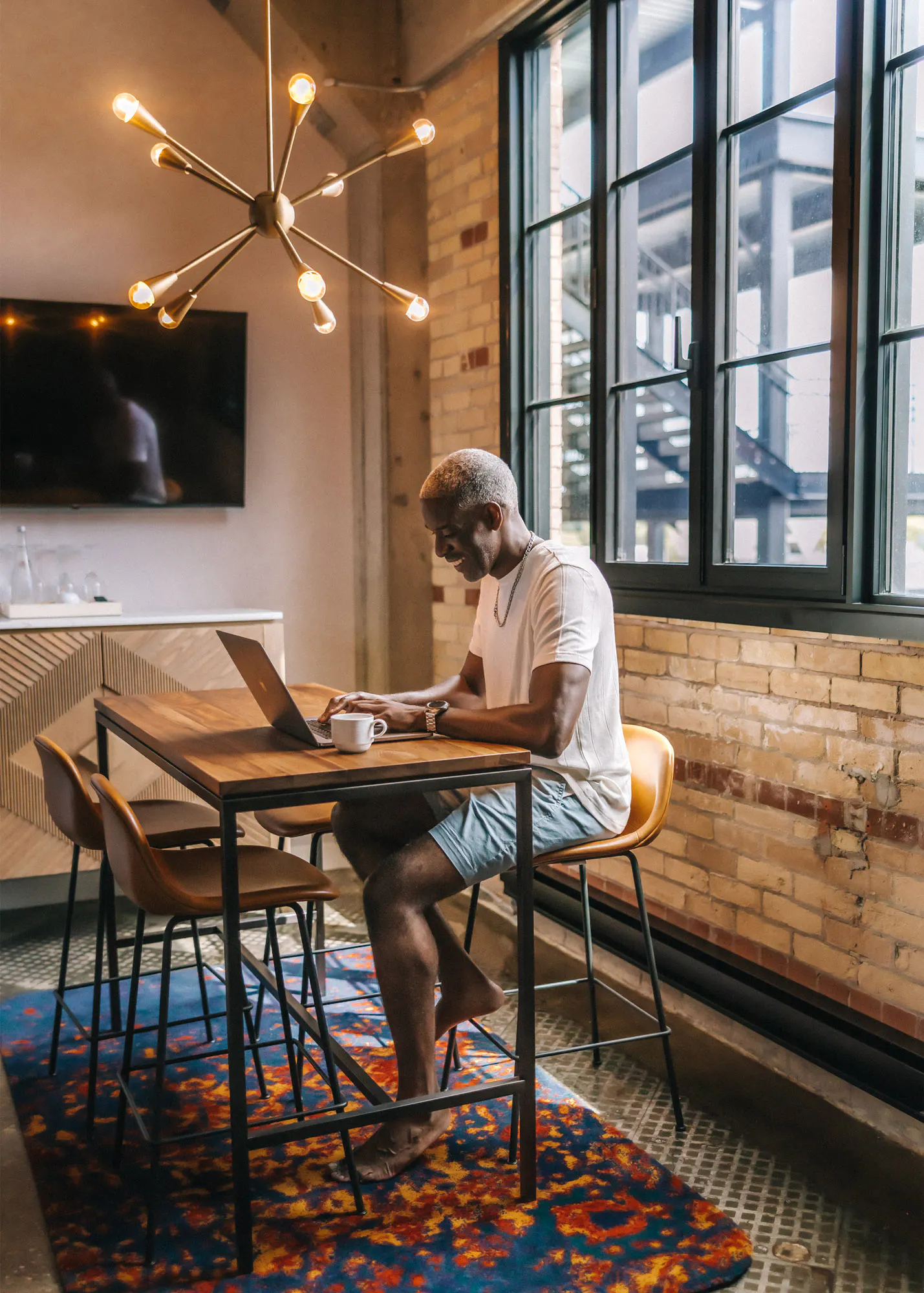
- Large chandeliers and pendants
- Wall-mounted lights that wash the ceiling
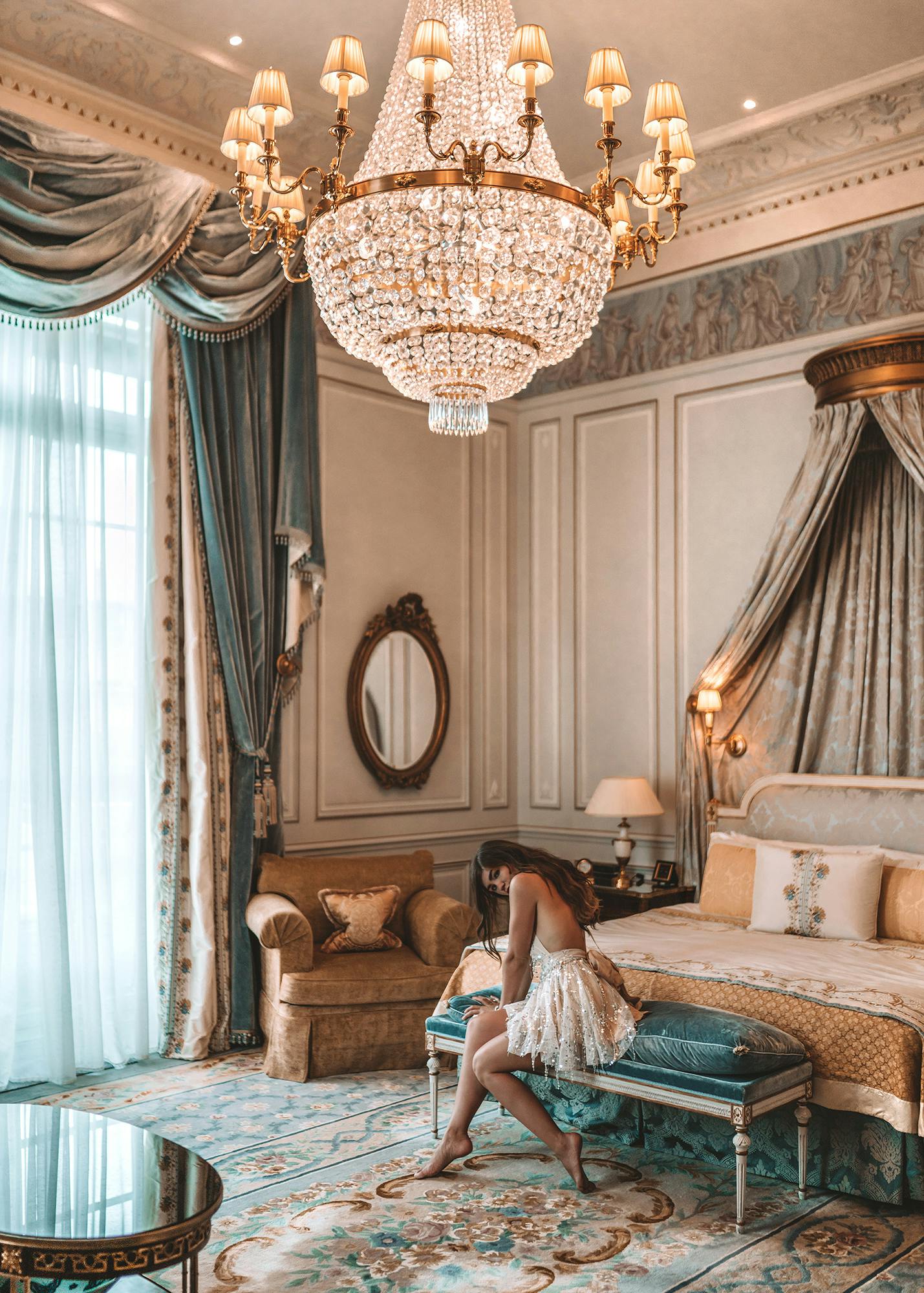
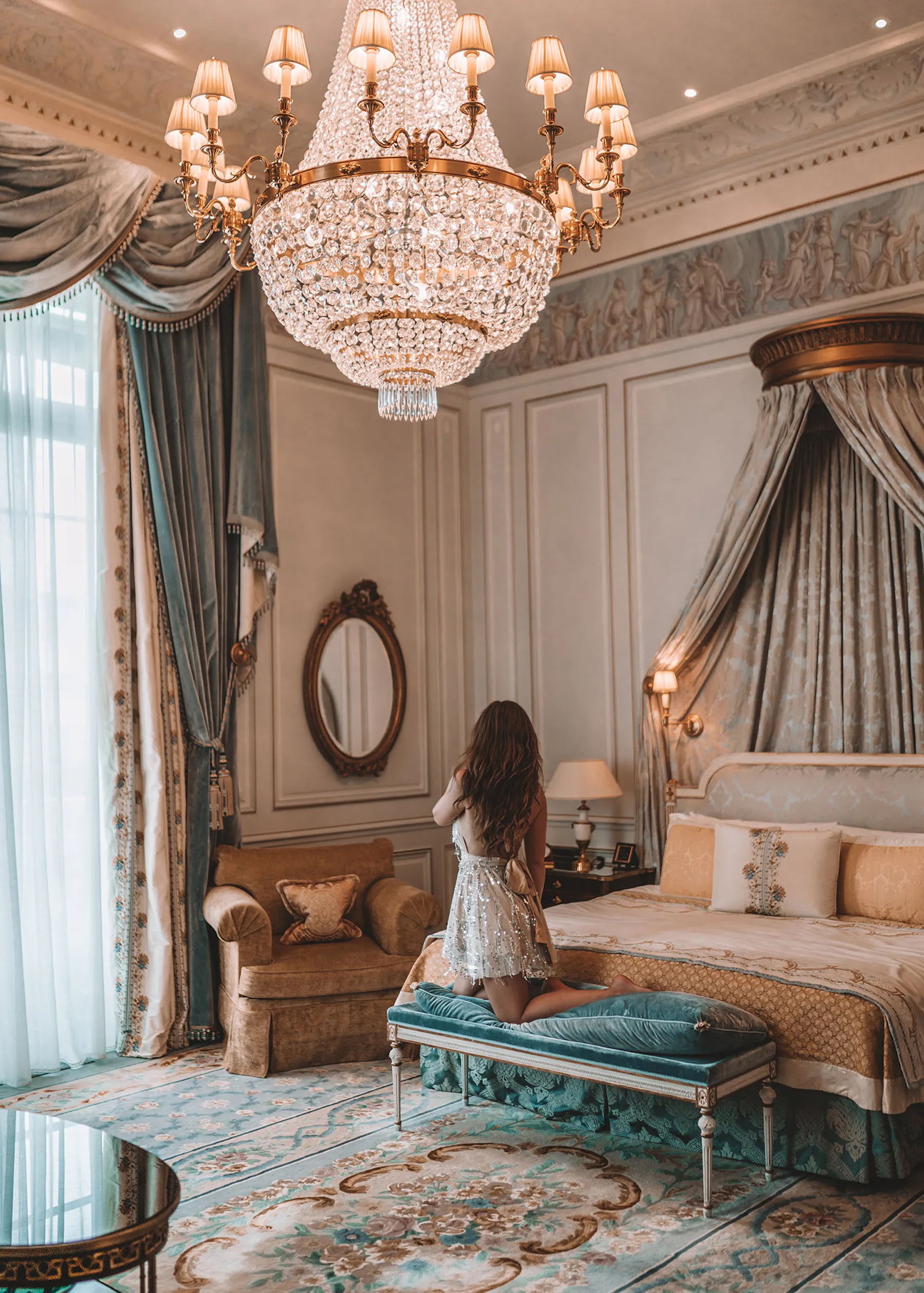
When it comes to entryways, the most important ambient source is a foyer chandelier. It creates ambiance for your space the second someone walks in your door and provides the bulk of your overall light. If you're going for a statement piece, modern chandeliers work beautifully in a foyer. Sculptural style plus great overall light... That one fixture is doing both the "wow factor" and your ambient layer simultaneously.
Task Lighting
Task lighting is the utility player. Brighter, more directed light directed precisely where a task takes place.
That includes:
- Under-cabinet lights in the kitchen
- Desk lamps for reading or working
- Vanity lights around a bathroom mirror
- Bedside lamps for reading in bed
Task lighting isn't designed to be pretty lighting (but it can be). It's designed to minimize eye fatigue and make working a little easier.
Accent Lighting
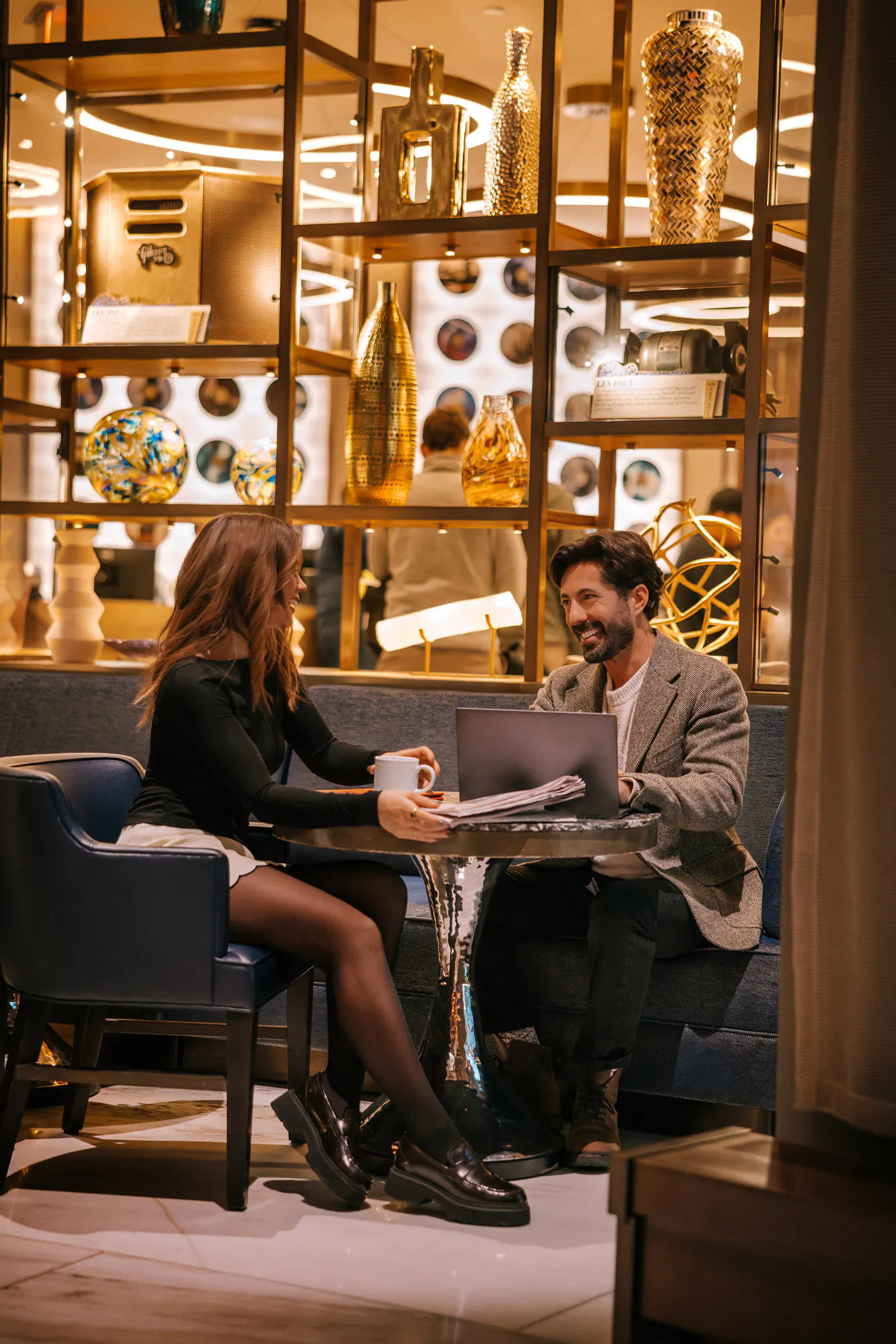
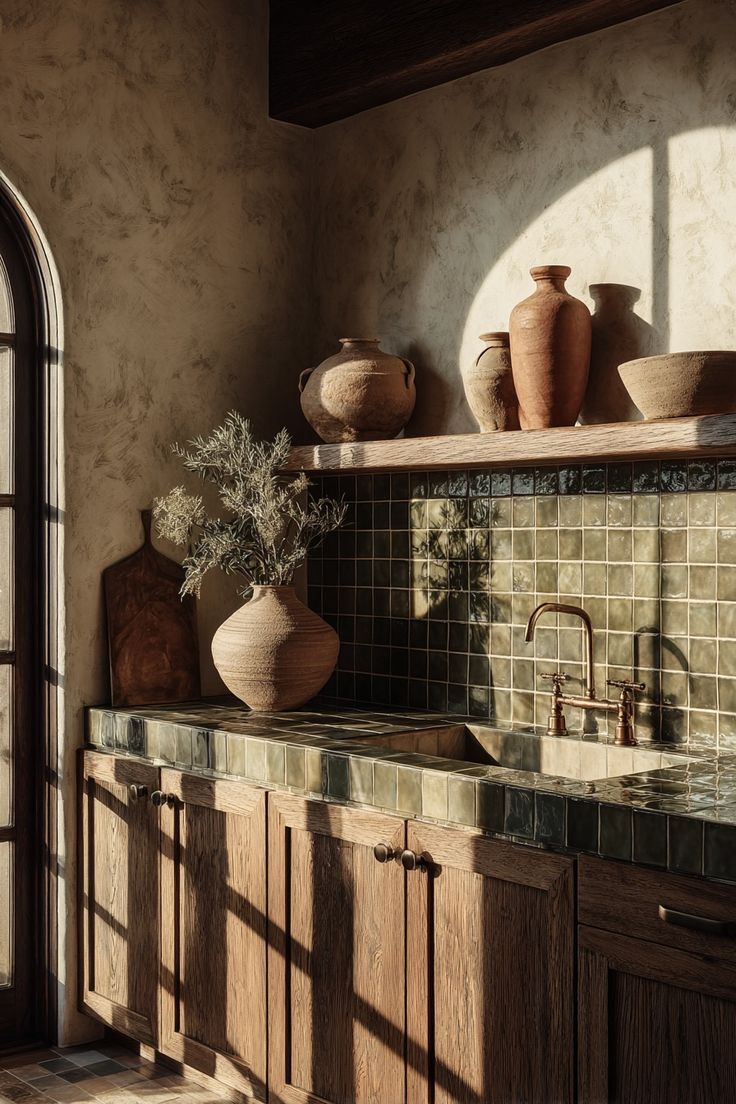
Accent lighting is where the drama is. It focuses your eye on something you want to see: artwork/architecture/books shelves/ textured wall, etc.
Accent light should be approximately three times brighter than ambient light in the same area. This ratio is what allows layers to develop. Without that contrast, your accent lights will recede into the background and seem useless.
The Ratios That Make a Room Feel Right
Finding the right balance doesn't have to be a shot in the dark. There are a couple of simple guidelines that will work 9 times out of 10.
Begin with lumens. A rough rule of thumb is 20 lumens per square foot for general ambient light. So a 250 square-foot living room requires approximately 5,000 lumens of ambient light throughout the room.
Try for at least three sources per room. Design experts suggest trying to create three light sources per room at minimum. This can prevent overly dark shadows and creates equilibrium. Never use one overhead light to try and light a whole space.
Stick with the 3:1 ratio for accent. Lights used for accent (spots, picture lights, wall washers) should be three times brighter than the ambient light around them. That's what gives you "POP".
Mix color temperatures with intention:
- 2700K - warm, cozy, best for living rooms and bedrooms
- 3000-3500K - soft white, great for kitchens and bathrooms
- 4000K+ - crisp, better for garages and workshops (not living spaces)
Easy peasy. If you get these ratios in the ballpark the room will feel more thought-out than most houses.
Room-by-Room Lighting Balance
Every room performs a different function. Learn how to adjust the three layers throughout your home.
The Foyer
The foyer sets first impressions.
Ambient lighting does the bulk of the job in this space, so your foyer light fixture is typically the focal point. Hang it so the bottom of the fixture is at least 7-feet from the floor (more if you have a two-story entry). Include a table lamp on a console or a pair of wall sconces for task lighting and your entry will look instantly more layered rather than flat.
The Kitchen
Kitchens need serious task lighting.
Think ceiling fixtures or recessed downlights for ambient lighting. Add strips under cabinets for task-oriented chopping/prep work. Pendant lights over an island provide task light AND a touch of accent lighting. Forget about accent lighting for cabinets you never want to see again.
The Living Room
The living room is the most flexible room in the house.
Ambient lighting from a central pendant or ceiling fixture, floor and table lamps for task lighting (reading, board games), and picture lights or wall washers for accent. Use dimmers on everything. This one tip will allow you to change the feel of the room from morning coffee to movie night.
The Bedroom
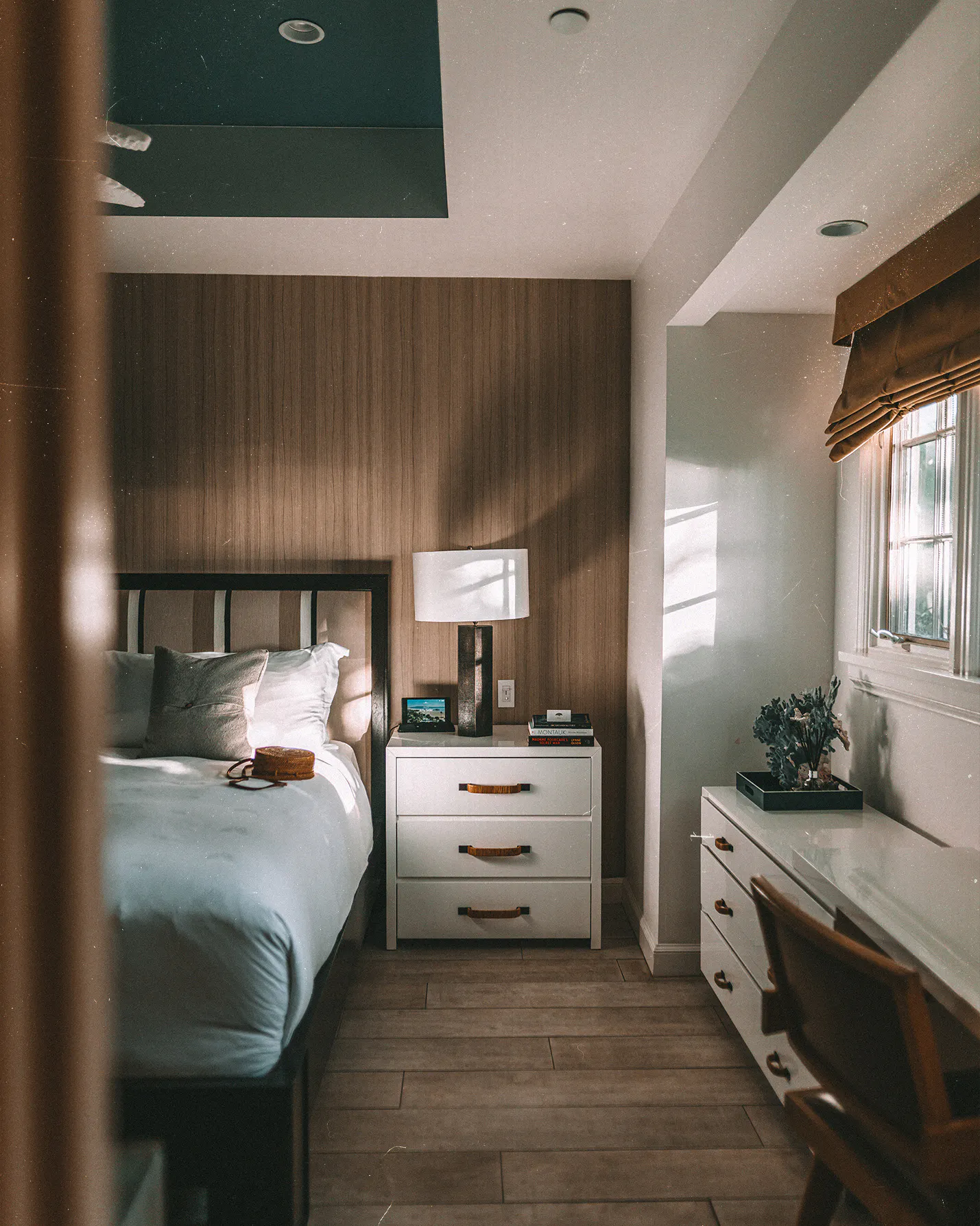
Aim for low, calm, warm ambient light in the bedroom.
Task duty gets relegated to bedside lamps or wall-mounted reading lights. Accent lighting is kept simple - perhaps a small picture light or an LED strip behind a headboard. Anything too bright will battle your sleep.
The Bathroom
Bathrooms are all about the mirror.
Overhead ambient light isn't sufficient by itself. It creates shadows underneath the eyes. Makes shaving or applying makeup difficult. Add sconces to either side of the mirror to create flattering, even task light. Bright, clean 3000K bulbs are best in these applications.
Common Mistakes That Ruin a Good Lighting Plan
No matter how lovely your fixtures are, they can't overcome bad floor planning. Here are the most common offenders:
- Relying on one overhead light - Flat, harsh, and unflattering.
- Skipping dimmers - Dimmers are the cheapest upgrade you can make.
- Mismatching warm and cool bulbs - Don't throw warm and cool bulbs together in the same room.
- Under-lighting task areas - Squinting is a sign more focused light is needed.
- Hanging light fixtures too high or too low - Particularly ones that hang over dining room tables (or anywhere else people gather) (30-36 inches above the table is ideal).
Bringing It All Together
Great lighting isn't always the most expensive. It's achieved by layering ambient, task and accent lights so each room can function AND look fabulous doing it.
To quickly recap:
- Ambient is the base layer - even, general light
- Task is the working layer - focused where activity happens
- Accent is the drama layer - highlights and depth
Focus on ratios first. Second get at least three lights per room. Last try to put as many on dimmers as you can. Pretty much that's it.
Improved lighting can transform any room from mediocre to upscale. Best of all, it doesn't have to cost much... it just has to be well planned.