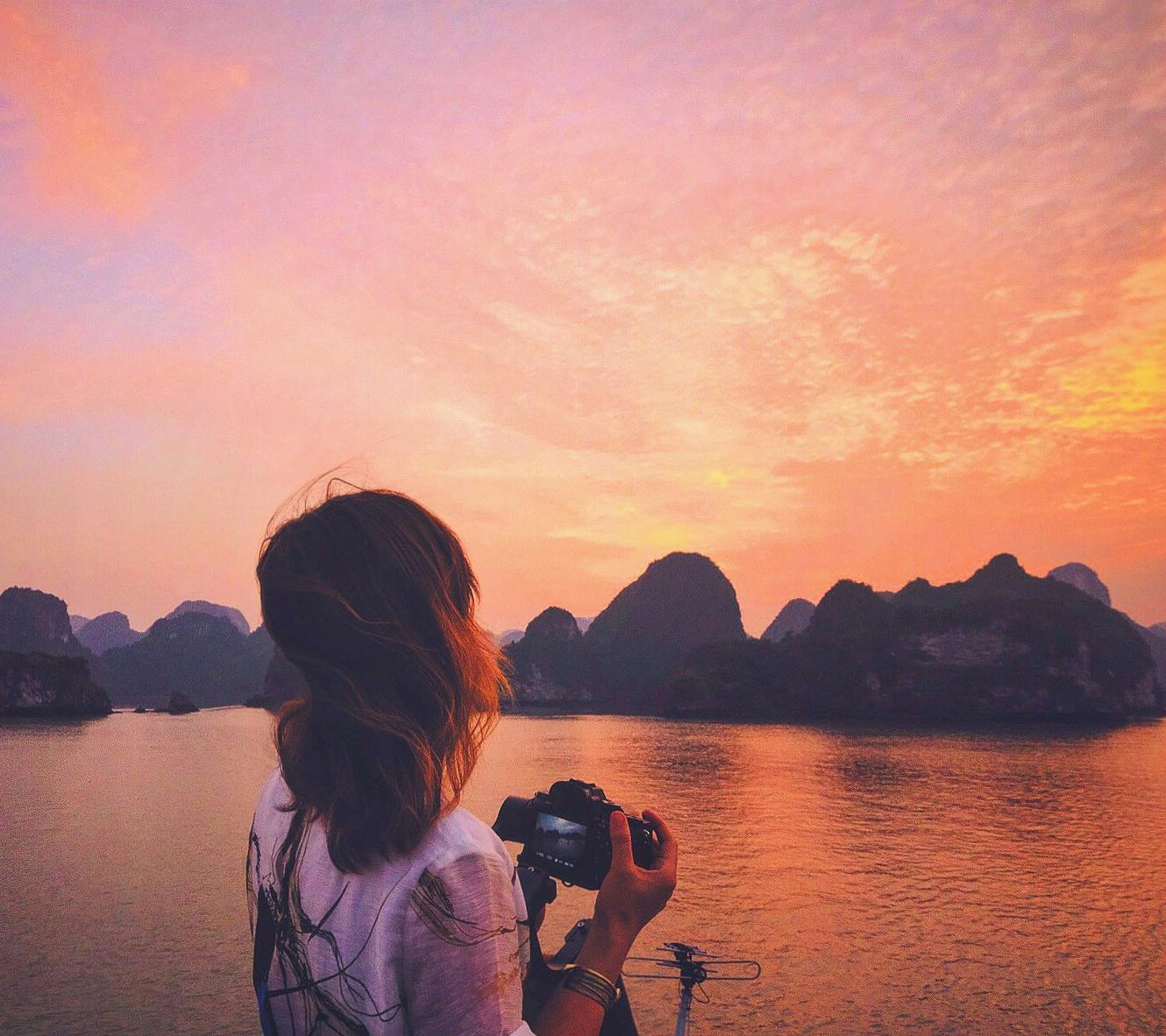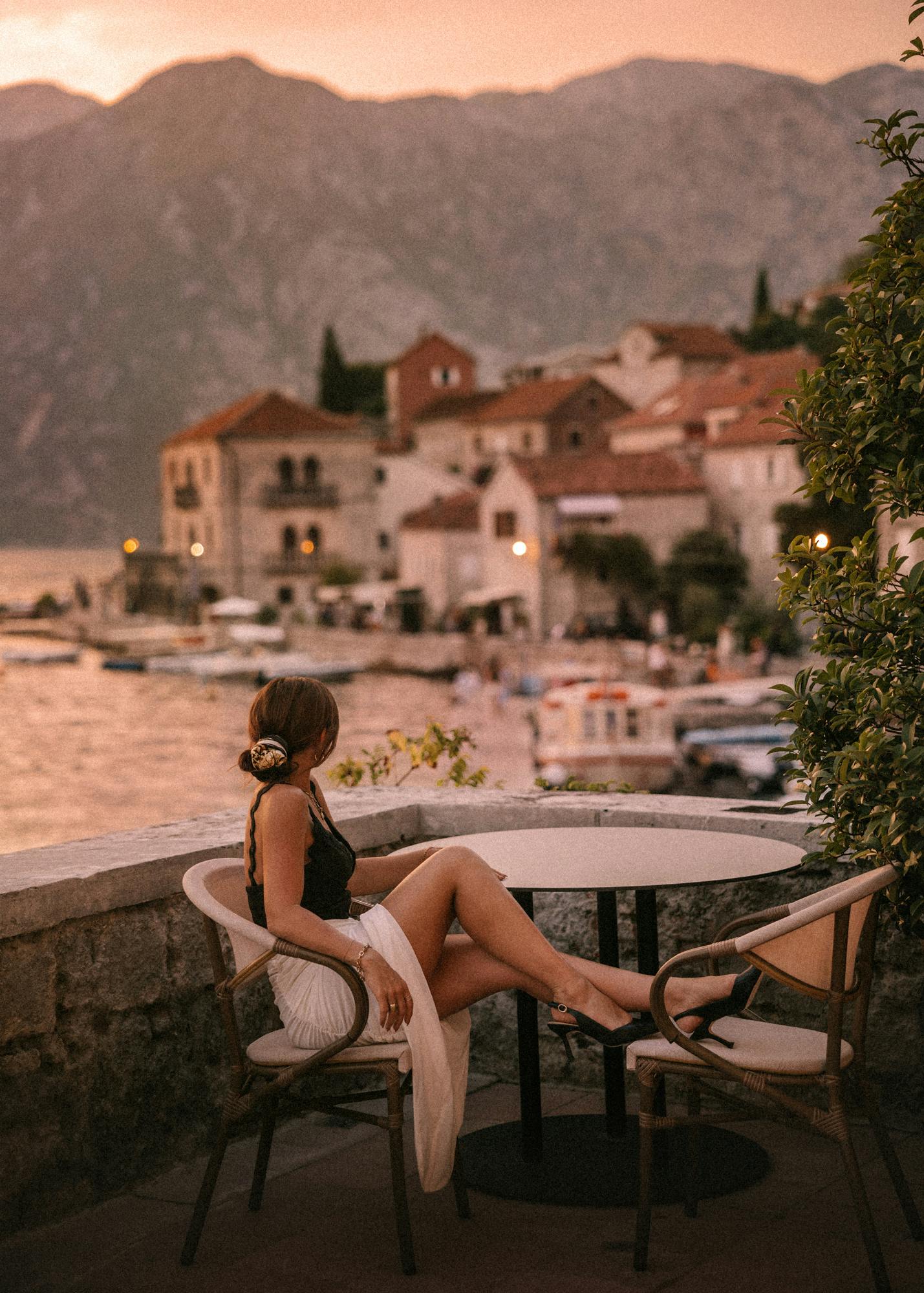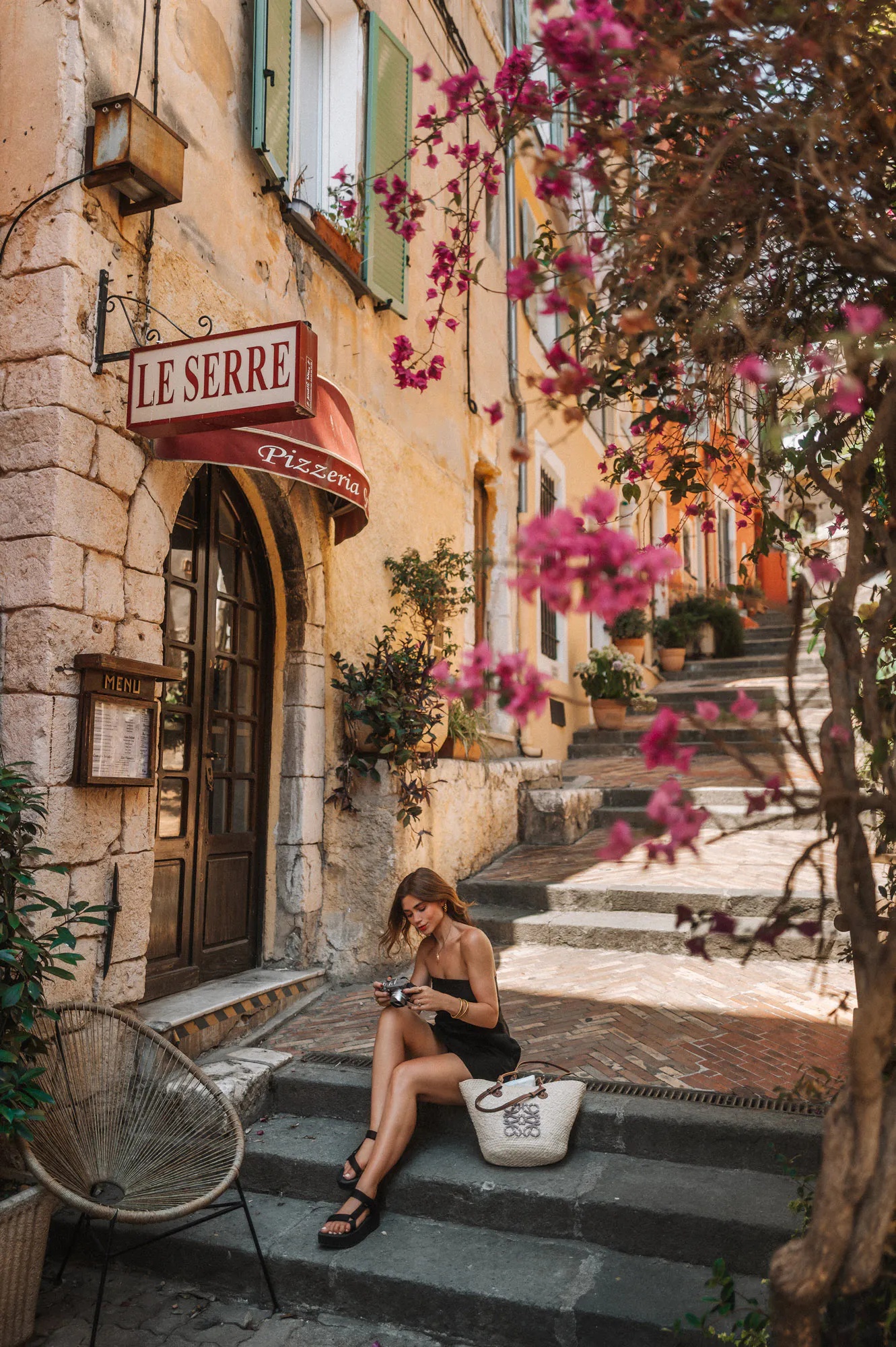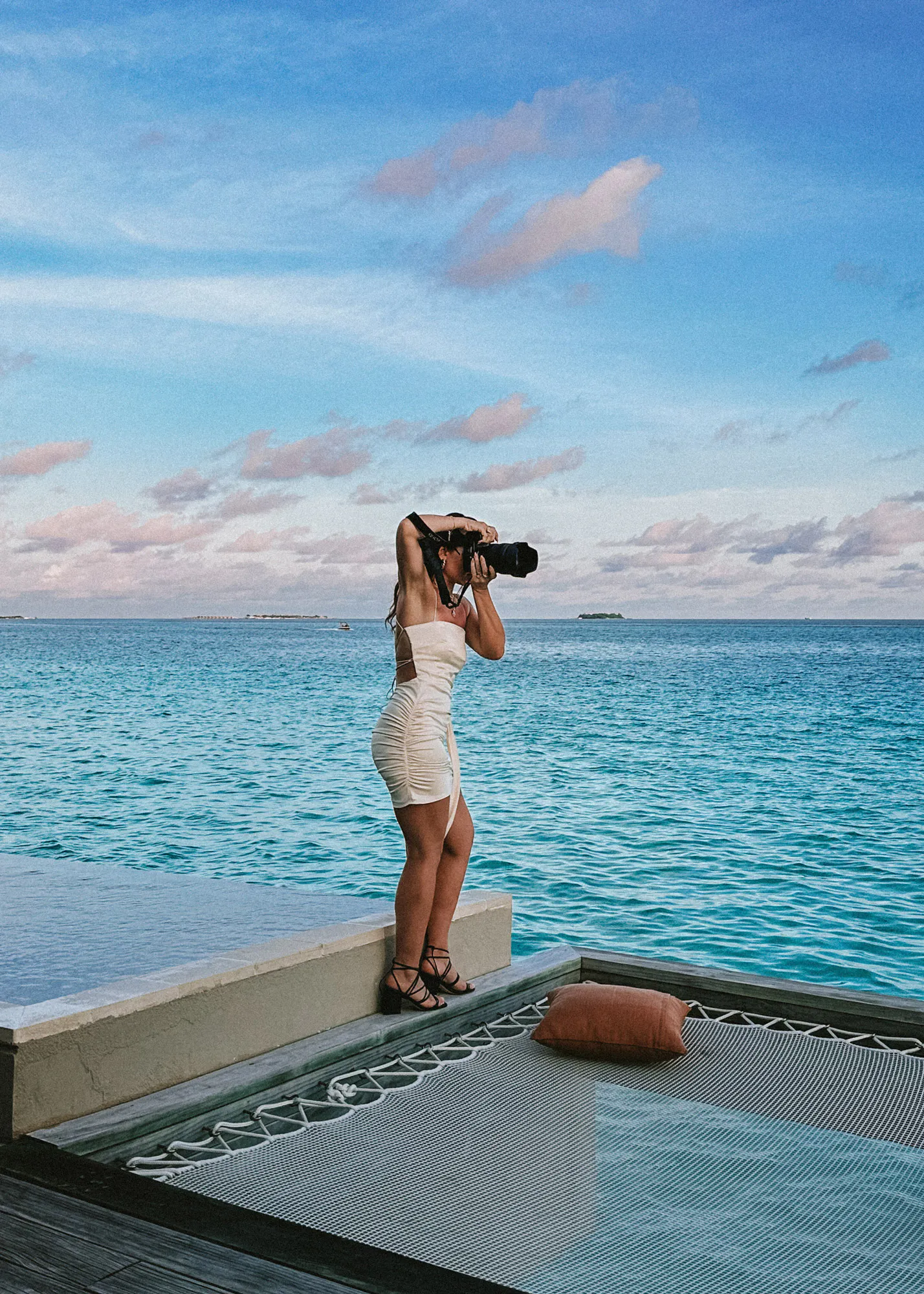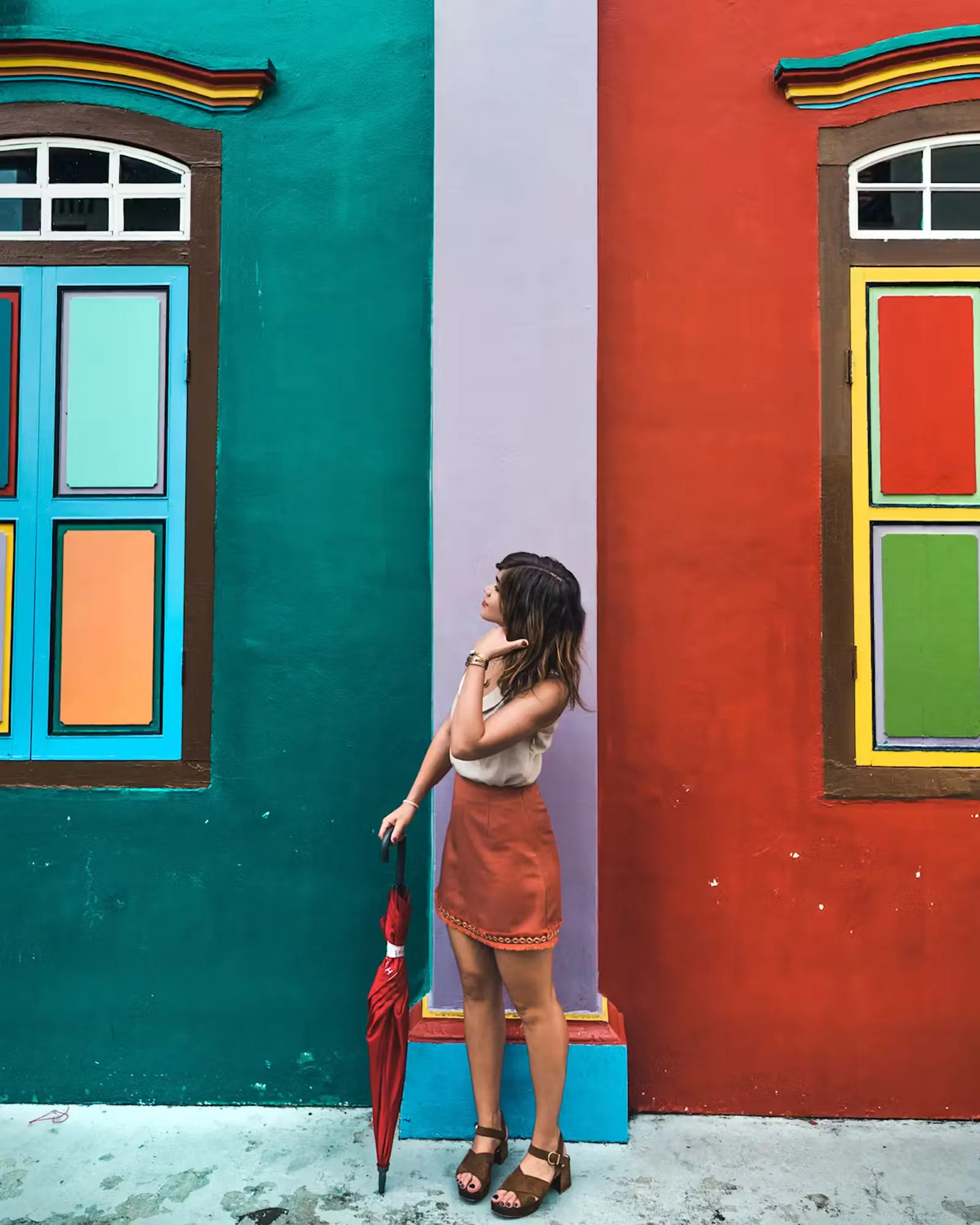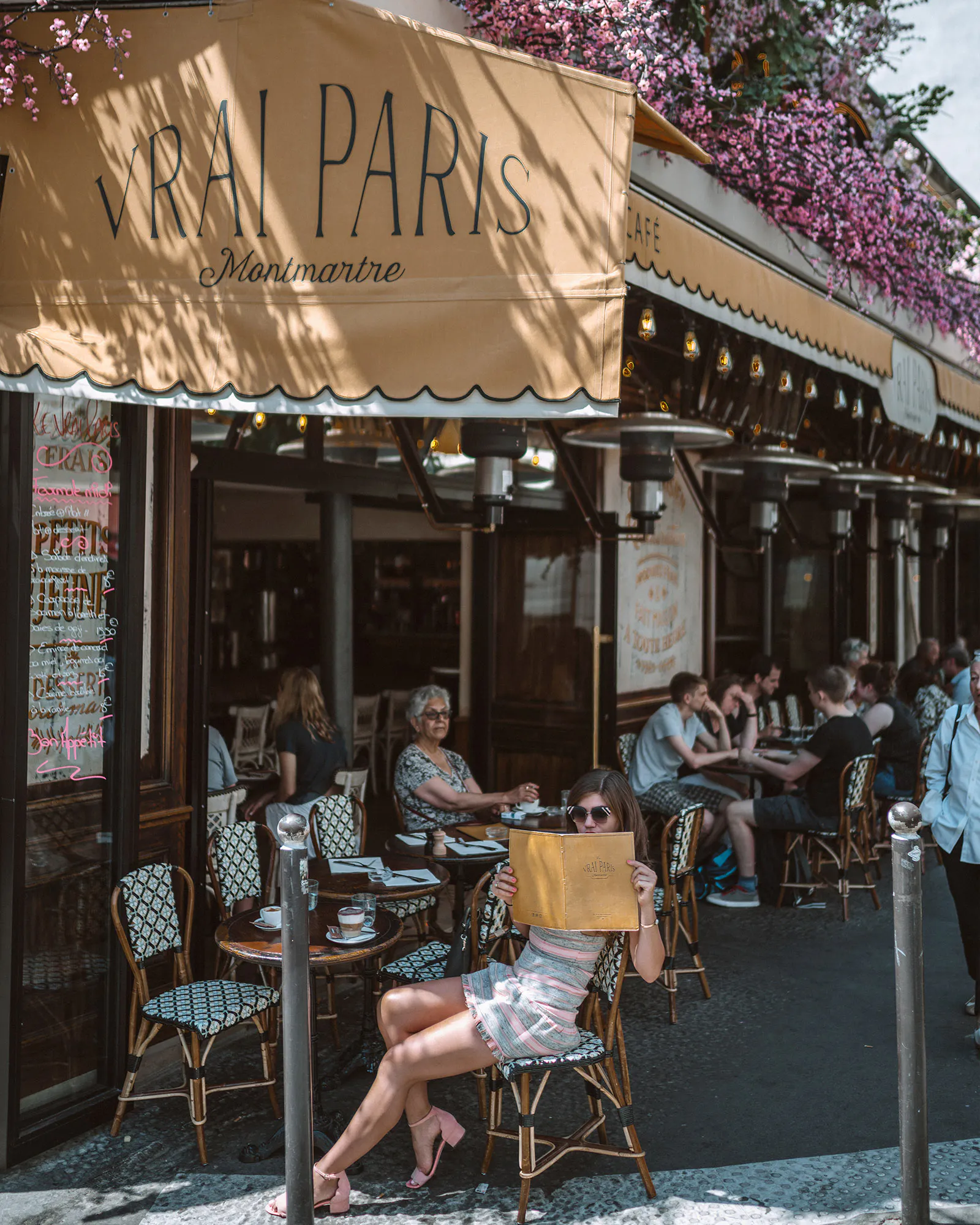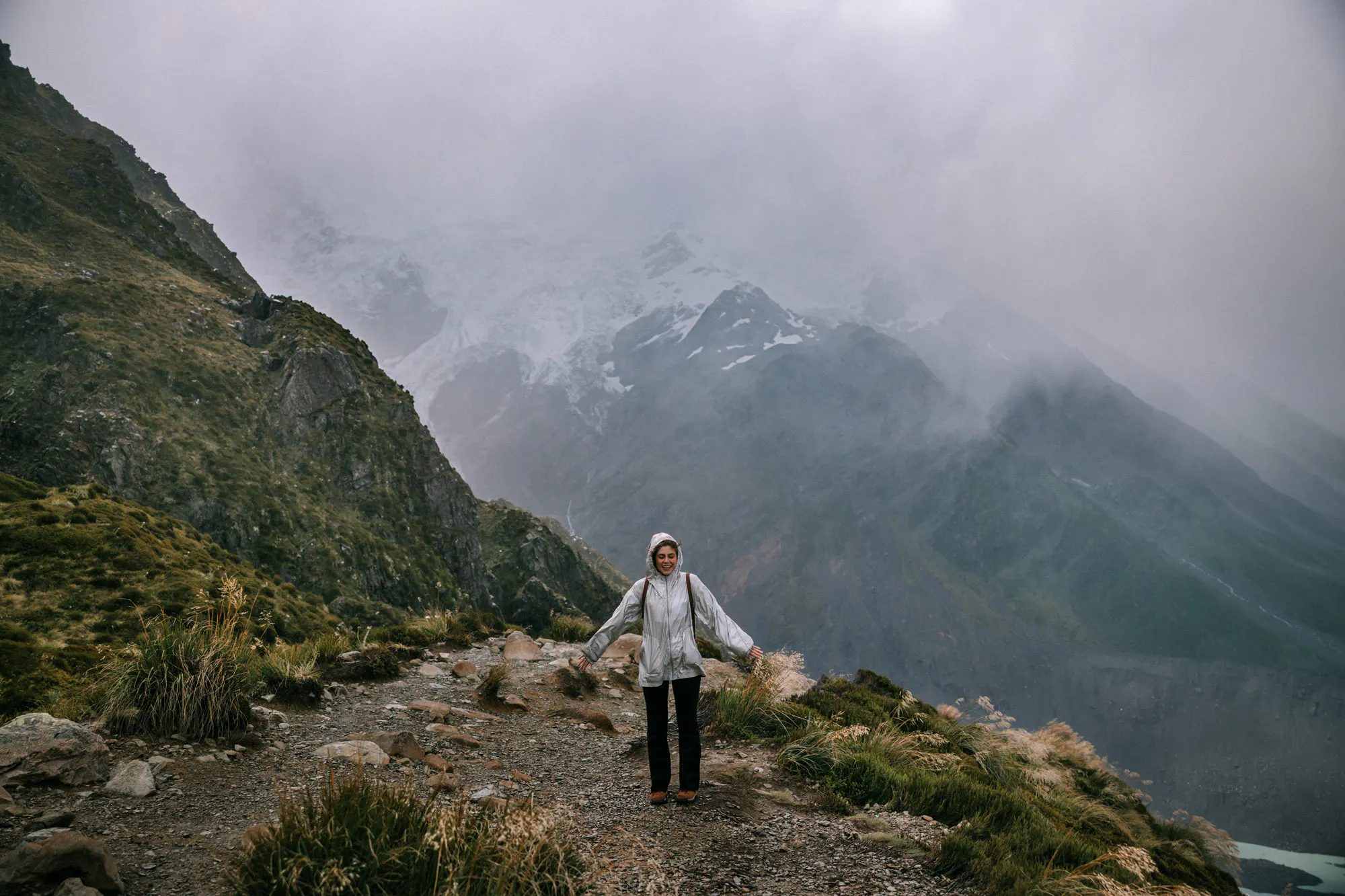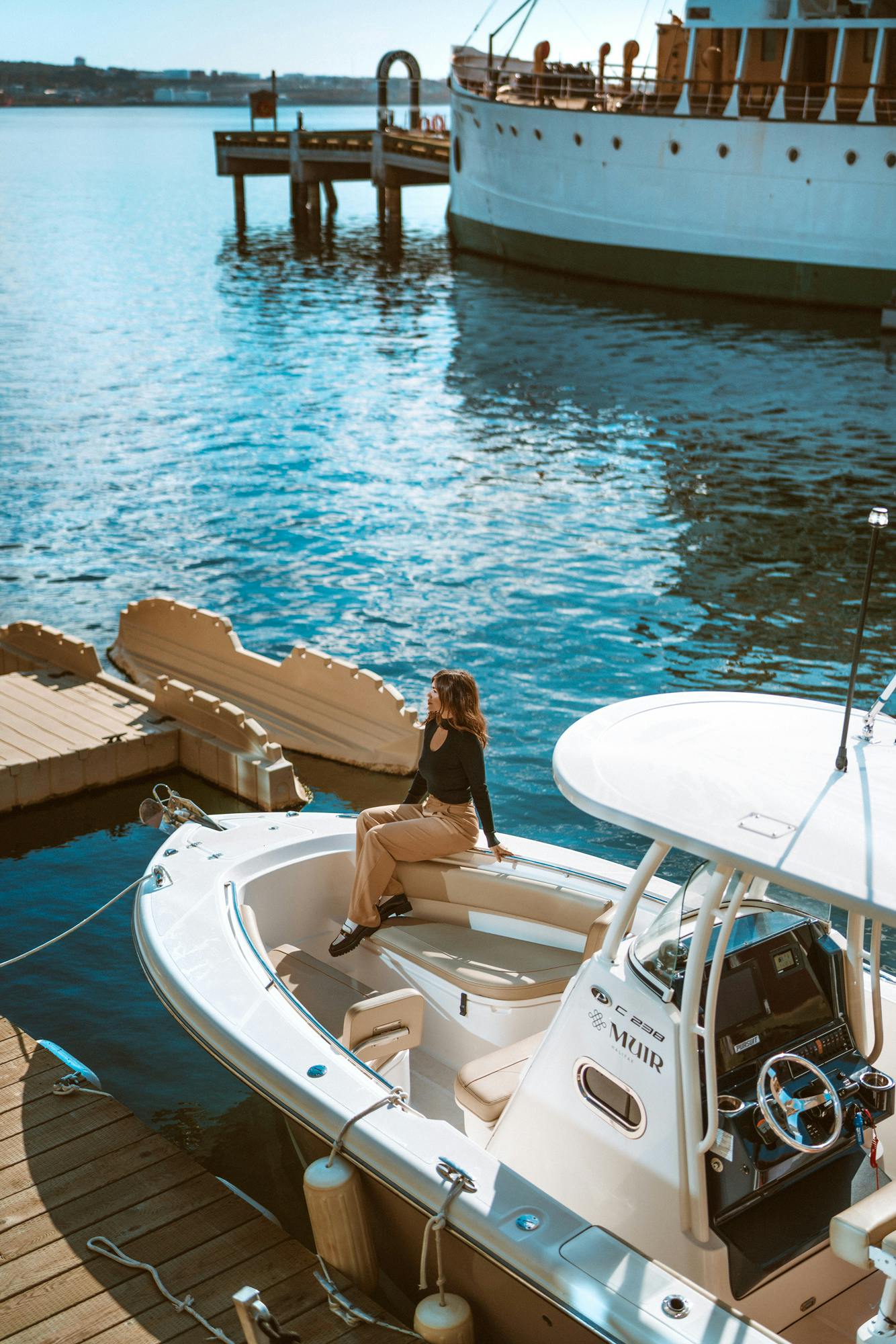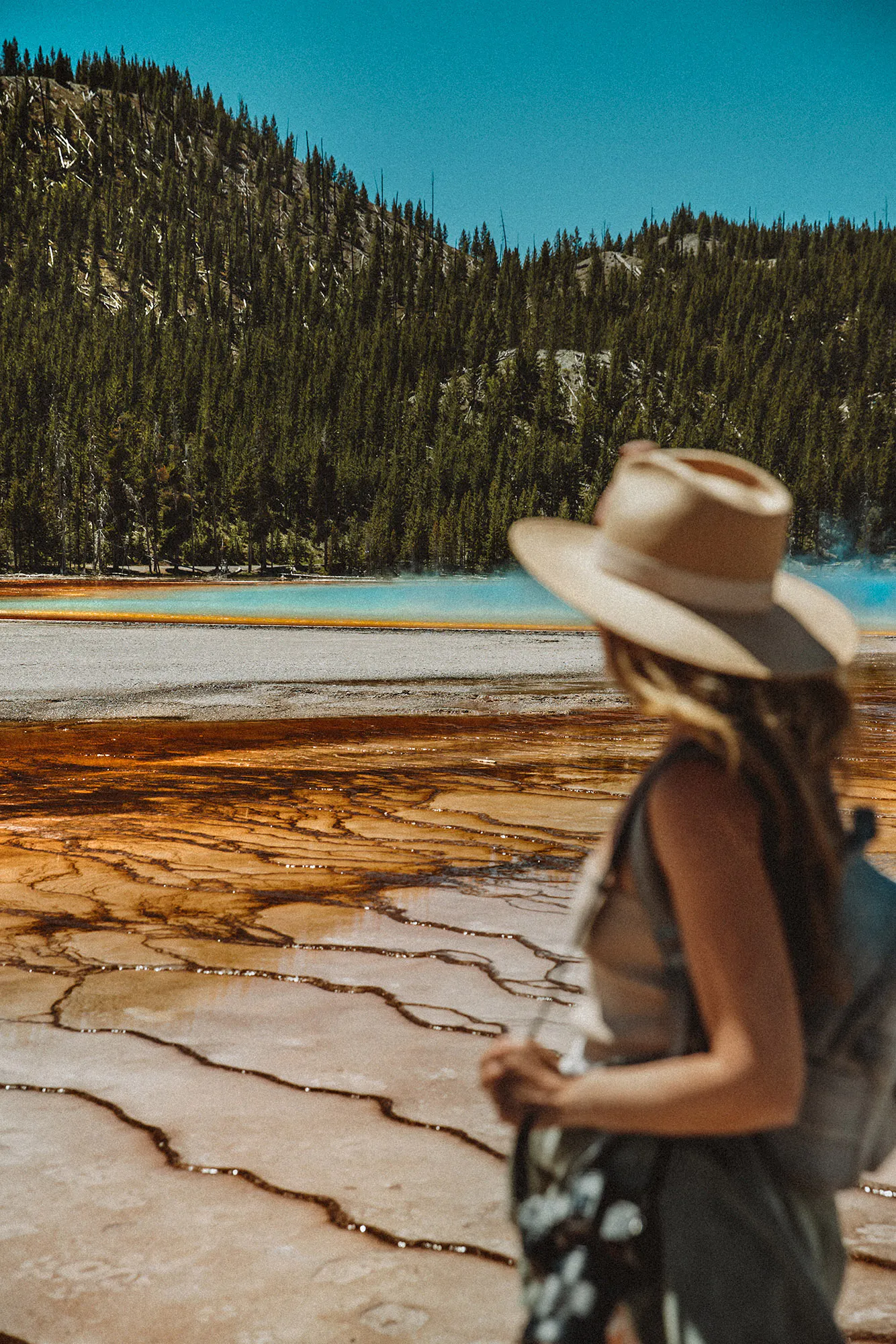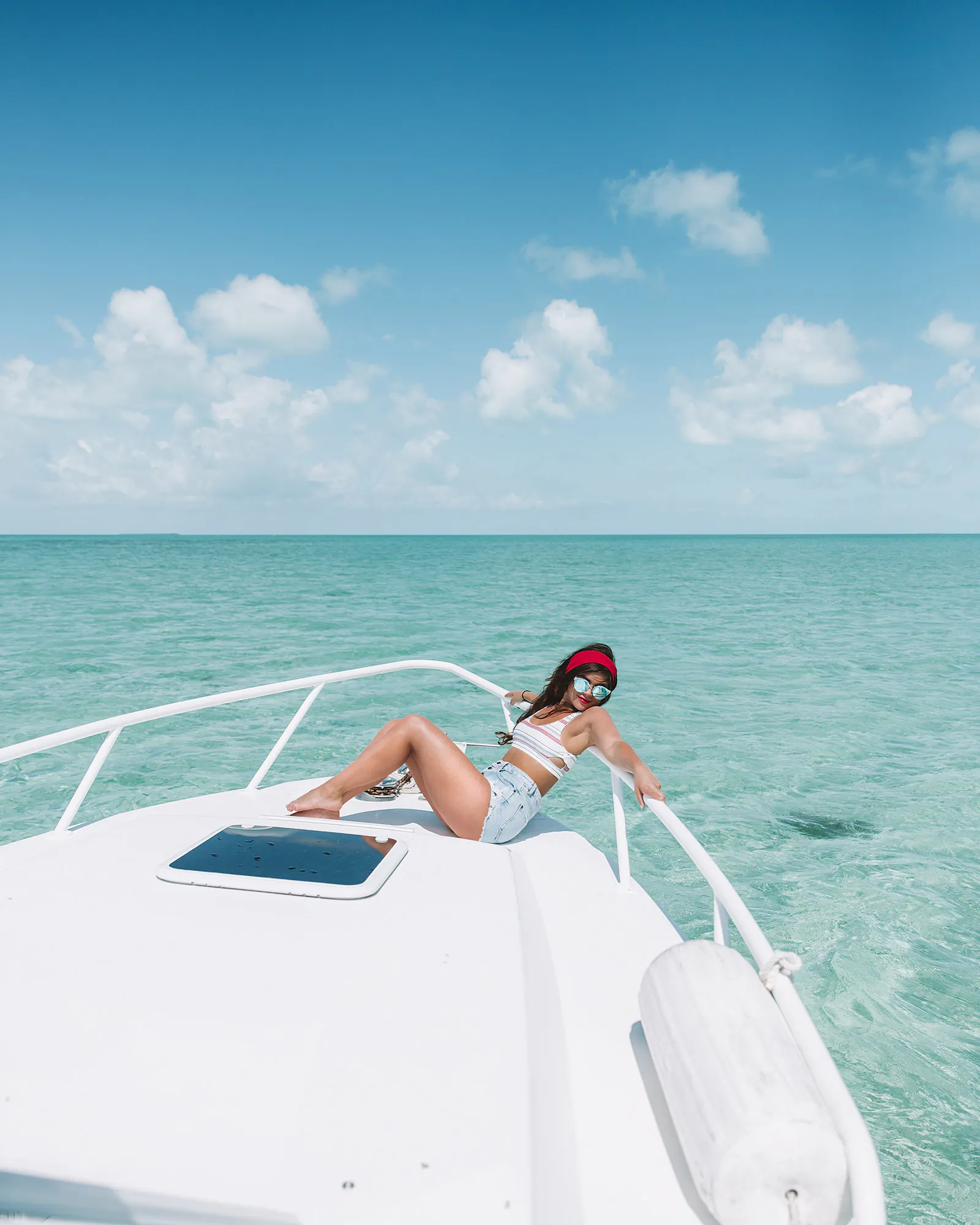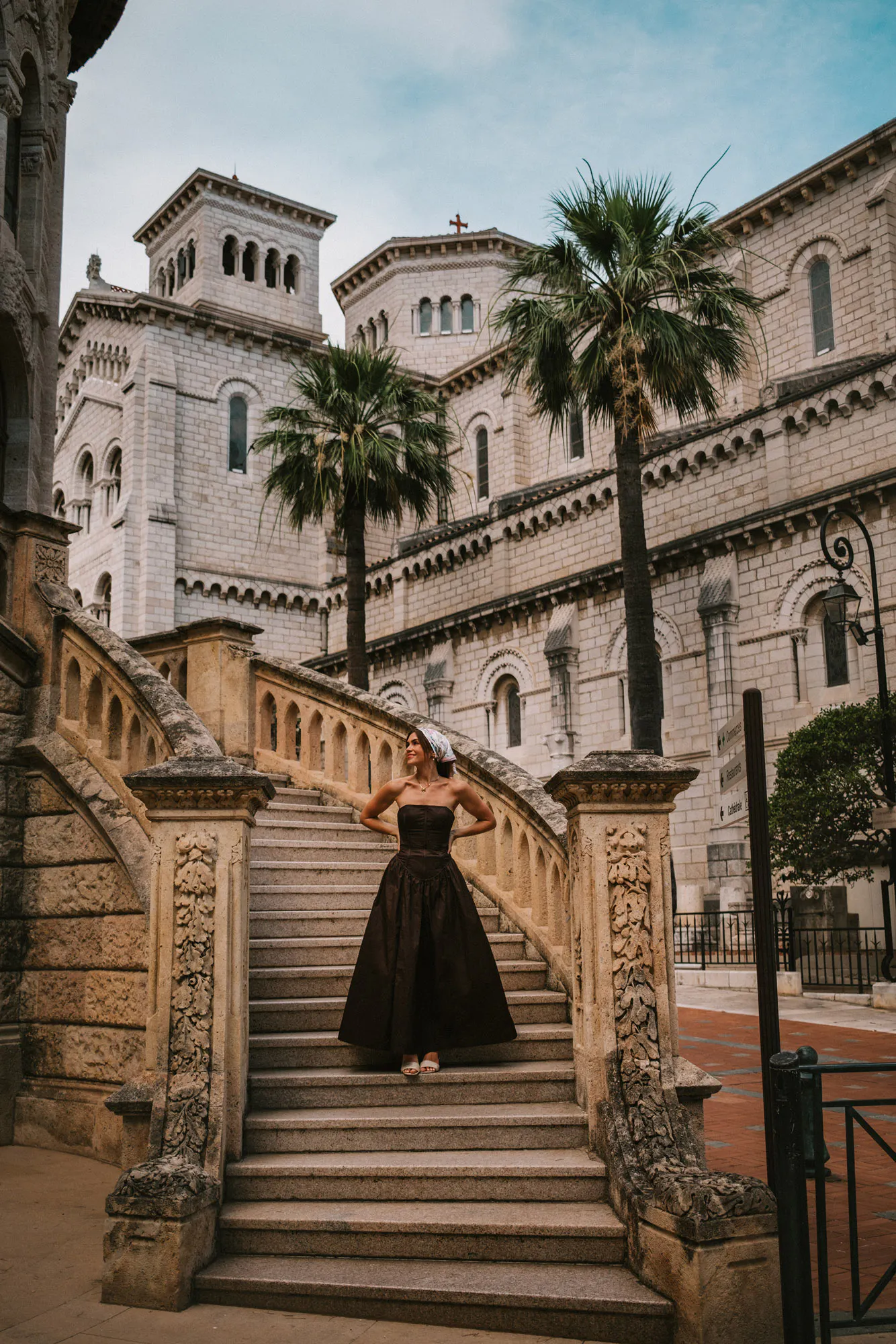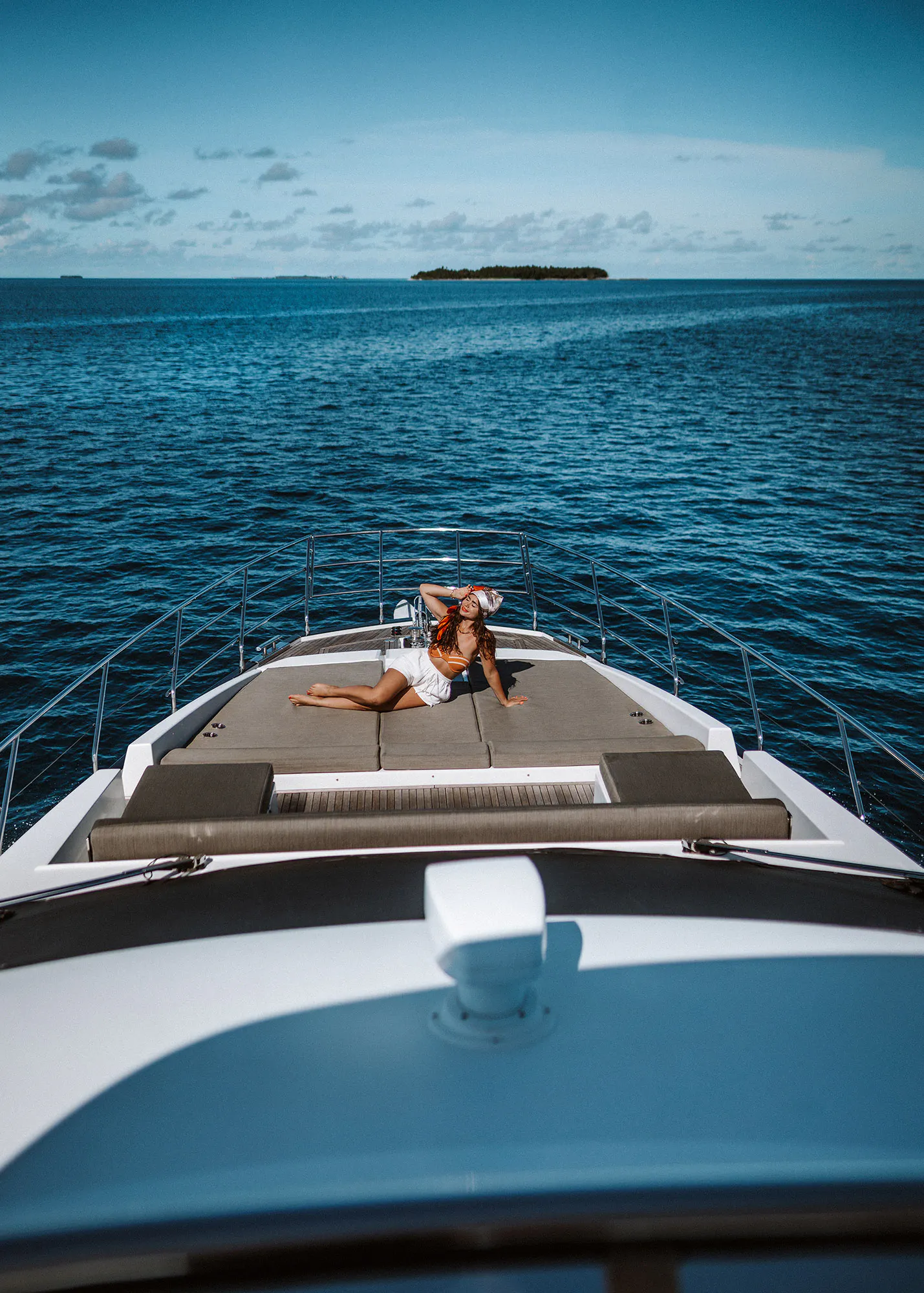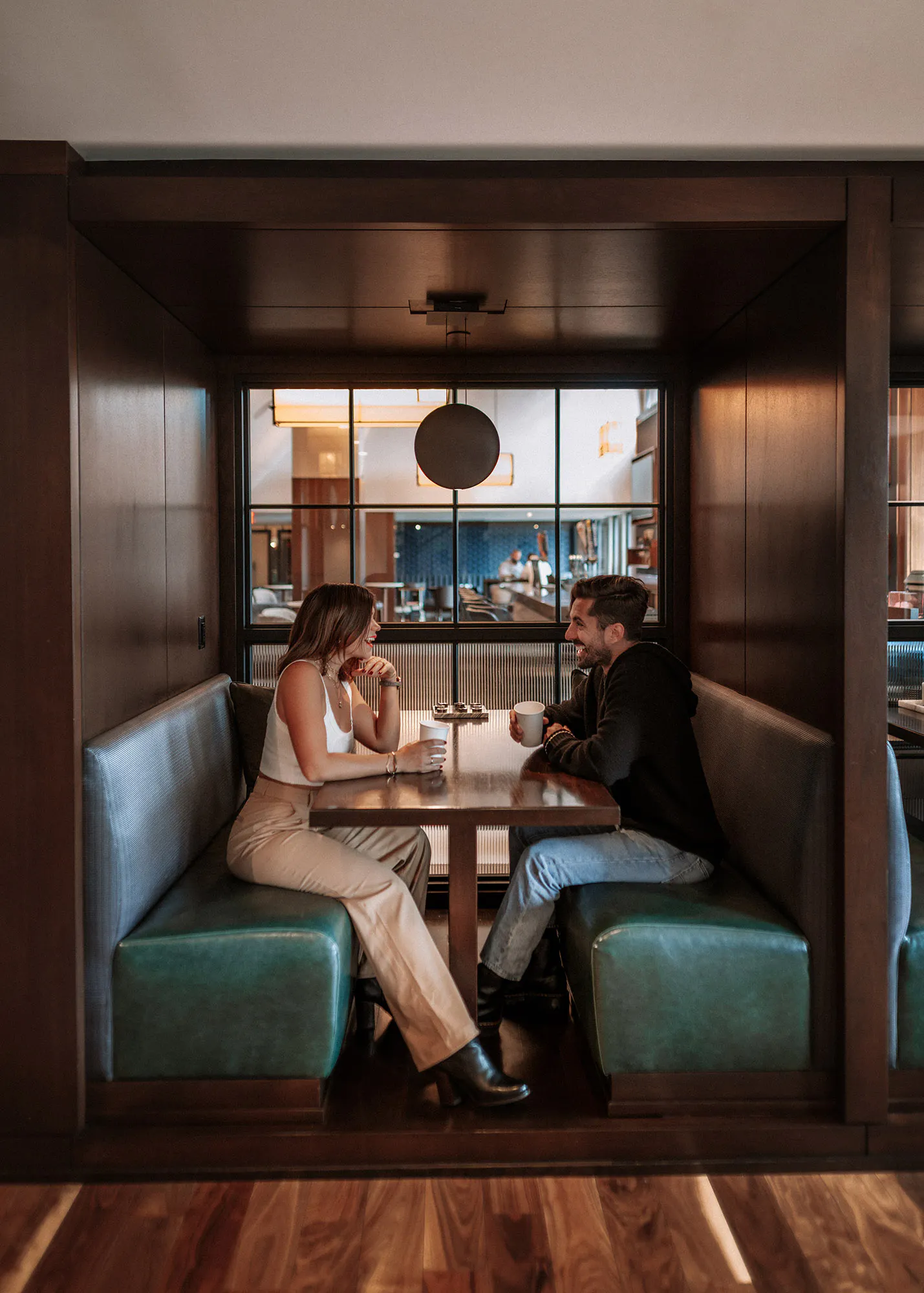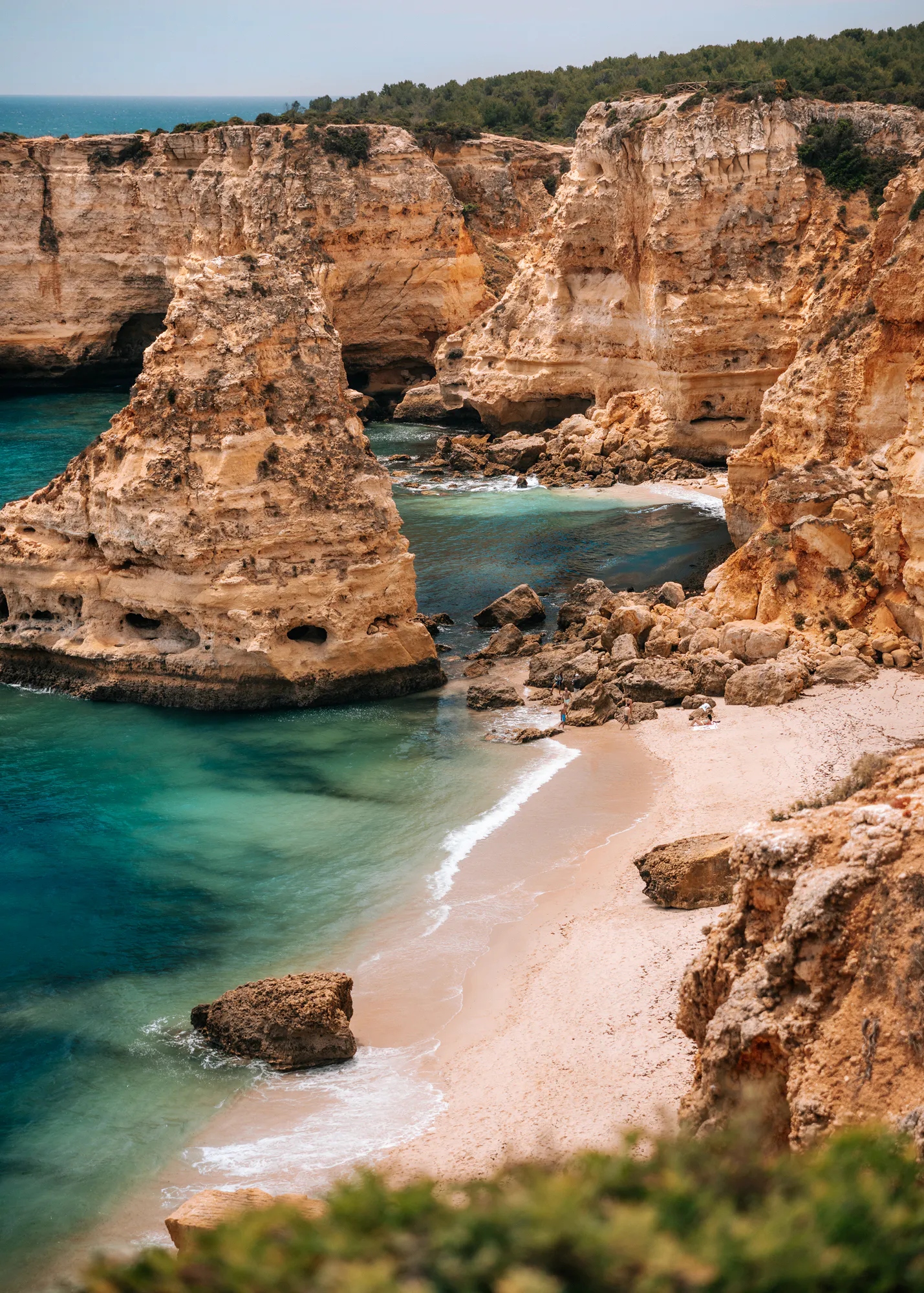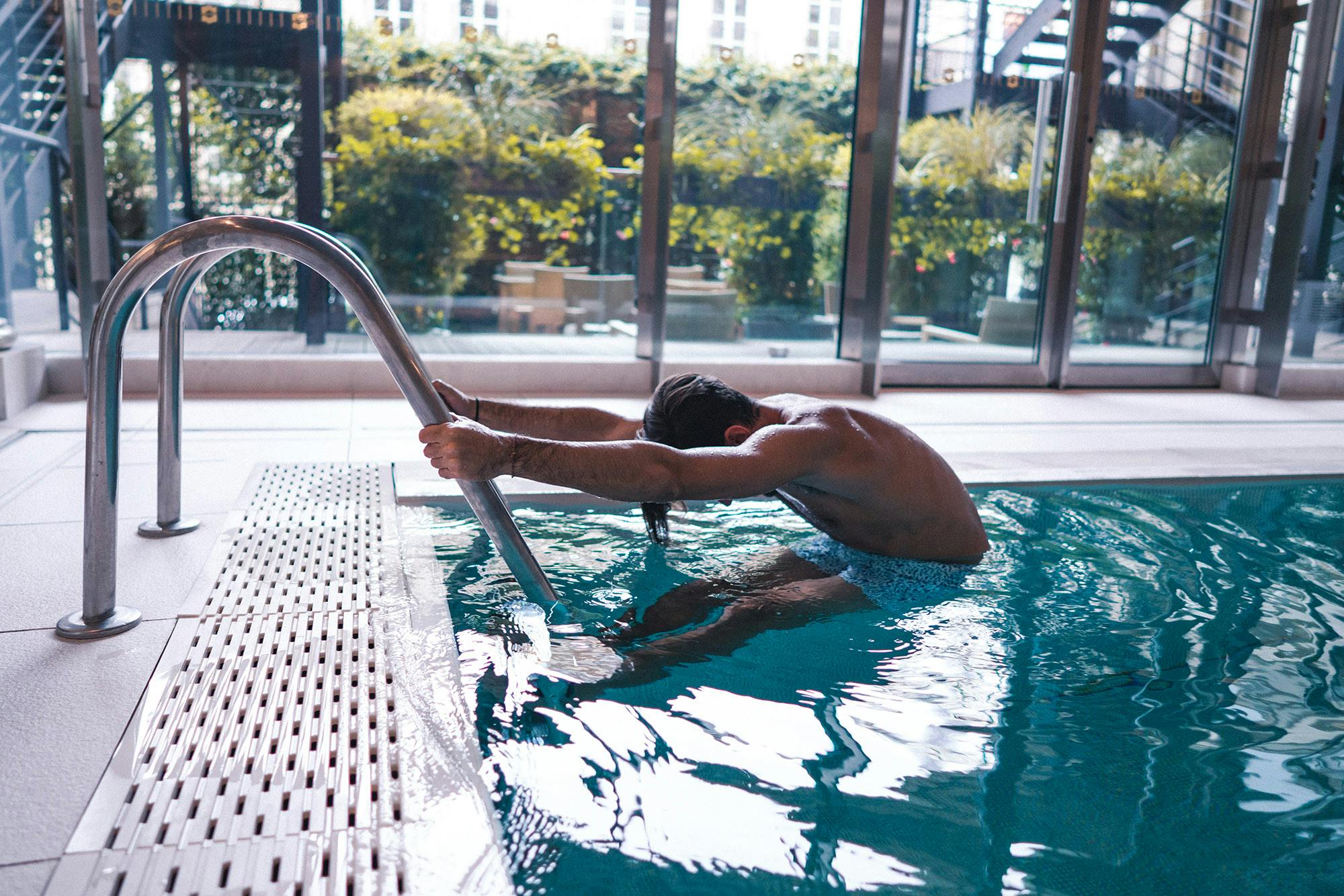
After photographing more than 60 countries over the past decade, I am very used to the pain of carrying a large, heavy camera over my shoulder for miles on end, and constantly feeling so weighed down by my beast of a Canon R5 with an even heavier lens. Despite my love for my professional cameras, as compact travel cameras get better and better, they become more and more appealing, and I've started to swap in a rangefinder camera more and more. Whether I am walking all day through Tokyo, exploring European cities, or heading out for dinner on vacation, there are times when carrying a camera that fits in a jacket pocket makes far more sense.
The best compact cameras deliver image quality that easily surpasses a smartphone while weighing a fraction of a traditional camera kit. Some offer long zoom lenses for safaris and sightseeing, while others prioritize image quality for street photography and everyday travel.
While this guide focuses primarily on premium compact cameras, I have also included one budget-friendly option for travelers looking for the smallest and most affordable camera possible.
These are the compact travel cameras I would recommend in 2026 based on image quality, portability, autofocus performance, battery life, lens quality, durability, value, weight, video performance, and real-world travel use.
Who Should Buy a Compact Camera?
A compact camera is ideal for travelers who want better photographs than a phone can provide without carrying interchangeable lenses and a full camera bag. It is especially useful for city trips, cruises, backpacking, everyday carry, couples who want to travel light, and anyone upgrading from a smartphone.
For many vacations, the best camera is not the most powerful one - it is the one small enough that you will actually carry it from breakfast through dinner.
How I Chose These Cameras
I evaluated these cameras for the things that matter most in real travel: image quality, portability, autofocus, battery life, lens quality, durability, value, weight, and video performance. I also considered how easy each camera is to live with during long sightseeing days, flights, hikes, cruises, beach trips, and evenings out.
Compact Travel Camera Comparison
Camera	Sensor	Lens	Pocketable	Video	Best For
Sony RX100 VII	1-inch	24-200mm Zoom	Yes	4K	Best Overall
Canon G7 X Mark III	1-inch	24-100mm Zoom	Yes	4K	Beginners & Vlogging
Fujifilm X100VI	APS-C	35mm equivalent	Coat Pocket	6.2K	Best Image Quality
Leica Q3	Full Frame	28mm f/1.7	Small Bag	8K	Best Luxury
Ricoh GR III	APS-C	28mm equivalent	Yes	Full HD	Street Photography
Panasonic Lumix ZS200D	1-inch	24-360mm Zoom	Yes	4K	Best Zoom
OM System Tough TG-7	1/2.3-inch	25-100mm Zoom	Yes	4K	Adventure Travel
The Best Compact Travel Cameras for 2026
Each recommendation below fills a different travel need. The Sony RX100 VII is the strongest all-around choice, but a fixed-lens street camera, a long zoom, or a waterproof body may suit the way you travel better.
Best Overall Compact Travel Camera: Sony RX100 VII

At a Glance
- Sensor: 20.1MP 1-inch CMOS
- Lens: 24-200mm equivalent f/2.8-4.5
- Video: 4K
- Weight: 302 g (10.7 oz)
- Best For: Most travelers, city trips, sightseeing, family vacations, and anyone who wants one pocket-size camera that can handle nearly everything.
After carrying cameras through more than 60 countries, I find myself recommending the Sony RX100 VII more than any other compact camera. It fits in a jacket pocket, focuses incredibly quickly, and delivers image quality that is far beyond what most people expect from a point-and-shoot.The 24-200mm equivalent zoom is the reason it works so well for travel. It is wide enough for landscapes and architecture, yet long enough for portraits, distant details, and casual wildlife. Sony’s autofocus is exceptionally fast and reliable, making it much easier to capture spontaneous moments while moving through a destination. The 1-inch sensor cannot match a larger APS-C or full-frame camera in every low-light situation, and the compact body leaves less room for physical controls. Battery life is also average, so I would pack a spare. Even with those compromises, few cameras balance portability, zoom, autofocus, image quality, and video this well.
Pros
- True pocket-size body
- Fast, reliable autofocus
- Versatile 24-200mm zoom range
- Strong stills and 4K video
- Excellent all-around travel flexibility
Cons
- Premium price
- Average battery life
- Small controls can feel cramped
My Verdict
For most people who want the best compact camera for travel, the Sony RX100 VII remains the most complete option. It is the camera I would recommend when someone wants one small body that can photograph almost anything a trip puts in front of them.
Shop on Best Buy Here | Shop on Amazon Here
Best Compact Camera for Beginners and Vlogging: Canon PowerShot G7 X Mark III
At a Glance
- Sensor: 20.1MP 1-inch CMOS
- Lens: 24-100mm equivalent f/1.8-2.8
- Video: 4K
- Weight: 304 g (10.7 oz)
- Best For: Beginners, travel creators, vlogging, social content, and anyone upgrading from a phone.
The Canon PowerShot G7 X Mark III remains one of the easiest premium compact cameras to pick up and enjoy. Its controls are approachable, the touchscreen flips up for filming yourself, and the bright lens performs well for portraits, food, interiors, and evening scenes. It has long been a favorite among travel vloggers and content creators because it produces polished photographs and video without requiring a steep learning curve. The 24-100mm equivalent lens covers most everyday travel situations, and the small body is easy to carry without a dedicated camera bag.
Its zoom range is shorter and its autofocus is not as advanced as the Sony RX100 VII. There is also no built-in electronic viewfinder. For beginners who want strong results with intuitive controls, however, the Canon remains an outstanding step up from a smartphone.
Pros
- Beginner-friendly controls
- Bright, useful zoom lens
- Flip-up touchscreen
- Strong stills and video
- Small enough for a jacket pocket
Cons
- Shorter zoom than the Sony RX100 VII
- No built-in viewfinder
- Autofocus is not class-leading
My Verdict
The Canon PowerShot G7 X Mark III is my top compact-camera recommendation for beginners and travel creators. It is intuitive, portable, and capable enough to grow with you as you learn.
Shop on Amazon Here | Shop on Best Buy Here
Best Compact Camera for Image Quality: Fujifilm X100VI

At a Glance
- Sensor: 40.2MP APS-C X-Trans CMOS 5 HR
- Lens: Fixed 35mm equivalent f/2
- Video: Up to 6.2K
- Weight: 521 g (18.4 oz)
- Best For: Travel photographers, street photography, city breaks, everyday documentation, and anyone who values image quality over zoom flexibility.
The Fujifilm X100VI combines a large APS-C sensor, a sharp fixed lens, in-body image stabilization, and Fujifilm’s distinctive color science in a body that is dramatically easier to carry than a full mirrorless kit.
It continues the X100 tradition of making photography feel intentional. The fixed 35mm-equivalent view works beautifully for streets, cafés, markets, architecture, environmental portraits, and everyday travel scenes. Fujifilm’s film simulations also produce beautiful color and black-and-white files straight out of the camera, often with very little editing required.
The tradeoff is the fixed focal length. There is no optical zoom, and the camera is larger than a true pocket point-and-shoot. It is also expensive and frequently difficult to find in stock.

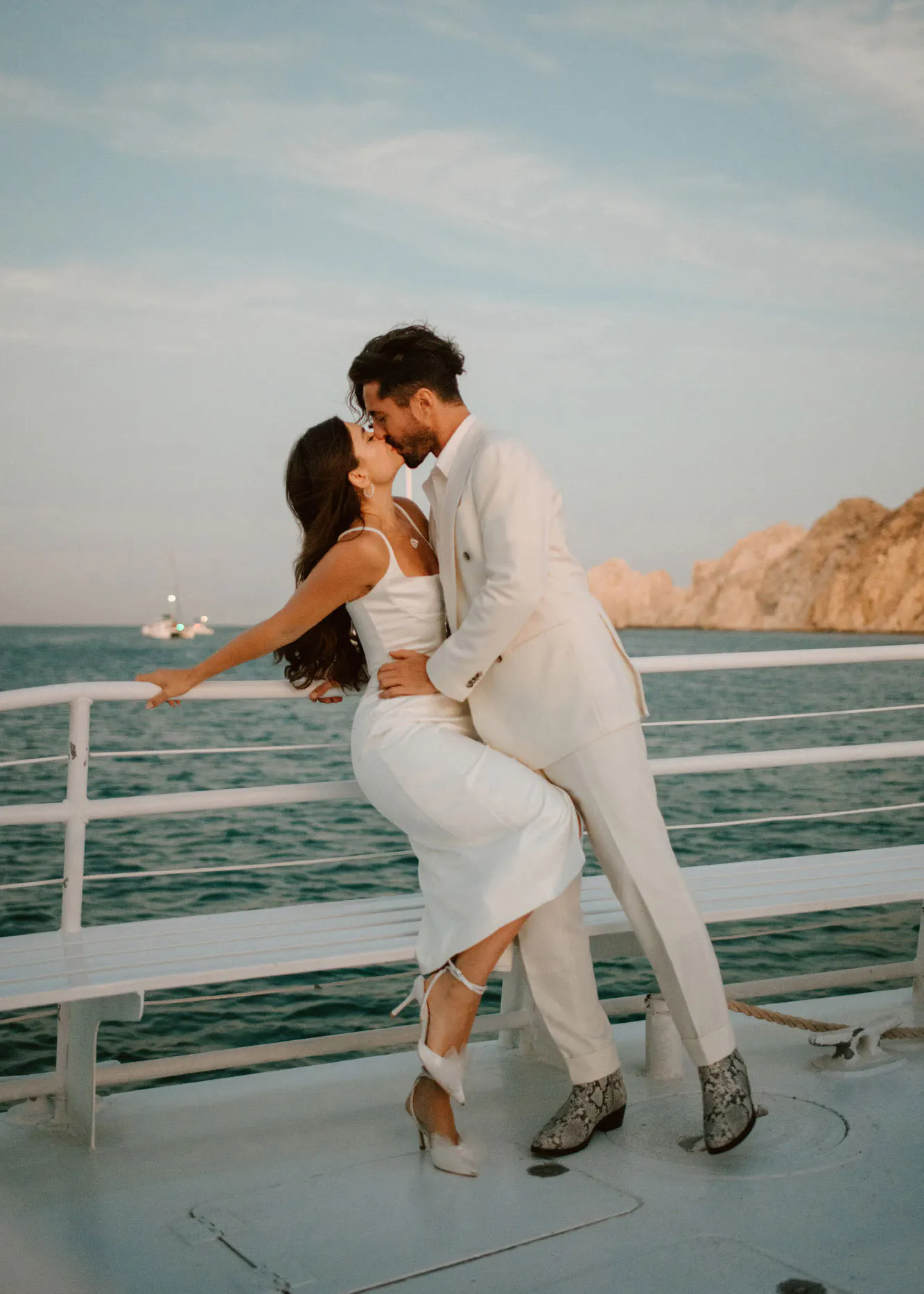
Fujifilm X100VI looks just as great on camera as it does as a camera
Pros
- Outstanding APS-C image quality
- Beautiful color and film simulations
- In-body image stabilization
- Sharp, compact fixed lens
- Excellent stills and video
Cons
- Fixed focal length
- Larger than a true pocket camera
- Premium price and limited availability
My Verdict
If photography is one of the reasons you travel, the Fujifilm X100VI produces some of the most beautiful images of any compact camera. It is not the most flexible option, but it is the compact camera I personally love carrying.
Shop on Amazon Here | Shop on Best Buy Here
Best Luxury Compact Camera: Leica Q3
At a Glance
- Sensor: 60MP Full-Frame CMOS
- Lens: Fixed 28mm f/1.7 Summilux
- Video: 8K
- Weight: 743 g (26.2 oz)
- Best For: Professional photographers, luxury travelers, and anyone who wants the highest image quality available in a compact camera.
The Leica Q3 occupies a category of its own.
While most compact cameras prioritize portability above all else, the Q3 is designed to deliver professional-level image quality in a body that is still dramatically smaller and simpler than carrying a full mirrorless kit with multiple lenses.
Its 60-megapixel full-frame sensor is the largest of any camera in this guide, producing incredible detail, outstanding dynamic range, and exceptional low-light performance. Combined with Leica’s legendary 28mm f/1.7 Summilux lens, the resulting images have a distinctive character that has made the Q series a favorite among travel photographers around the world.
Unlike interchangeable-lens systems, the Leica encourages a simpler way of traveling. You leave the extra lenses behind, focus on composition, and spend more time enjoying the destination rather than deciding which focal length to mount next.
The fixed 28mm focal length will not suit every photographer, but it is an excellent choice for architecture, landscapes, street photography, cafés, markets, and environmental portraits - all subjects that naturally define travel photography.
The biggest drawback is, of course, price. The Leica Q3 costs several times more than most cameras in this guide, making it a purchase for photographers who know they will appreciate both the shooting experience and the incredible files it produces.

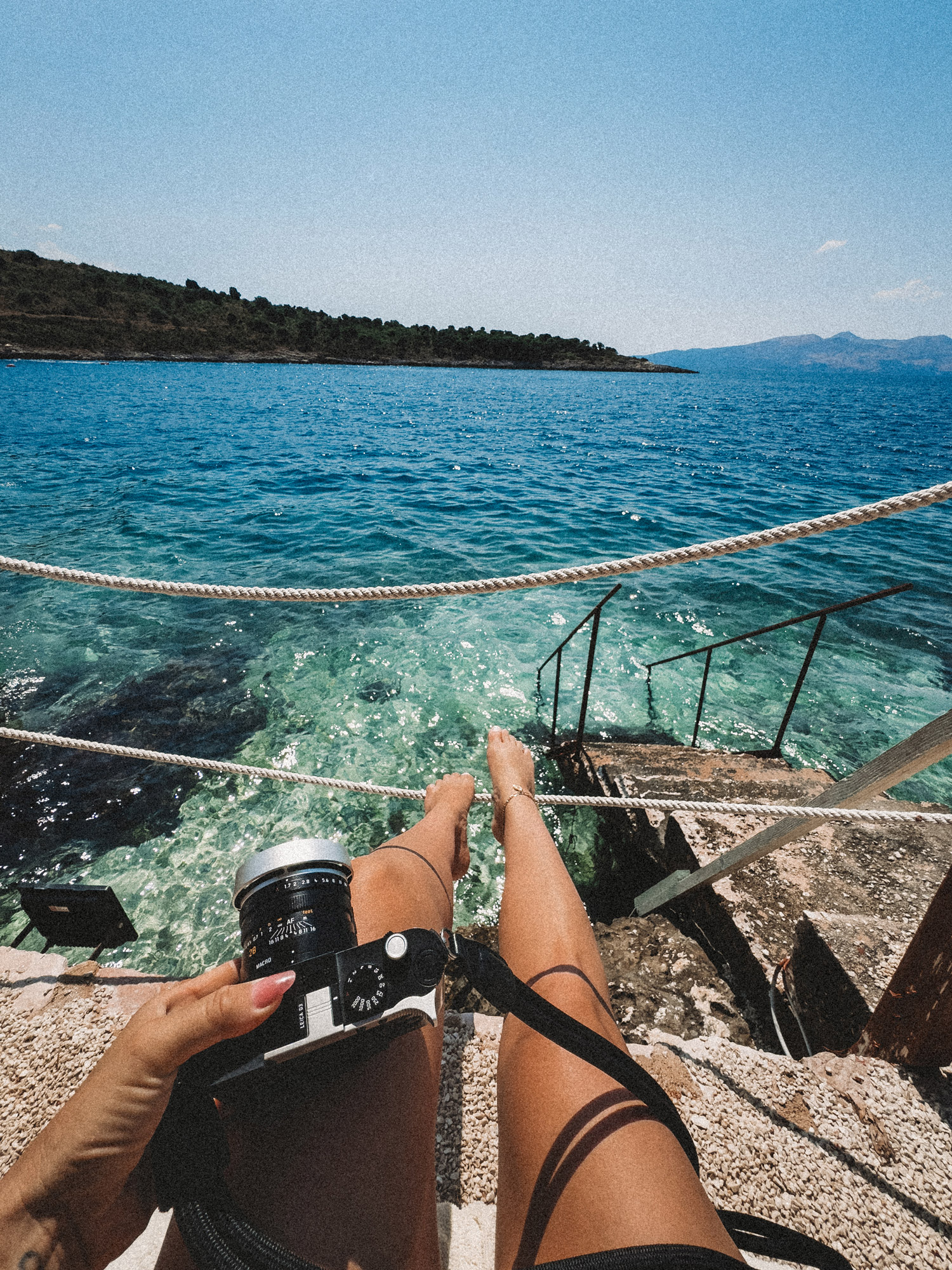
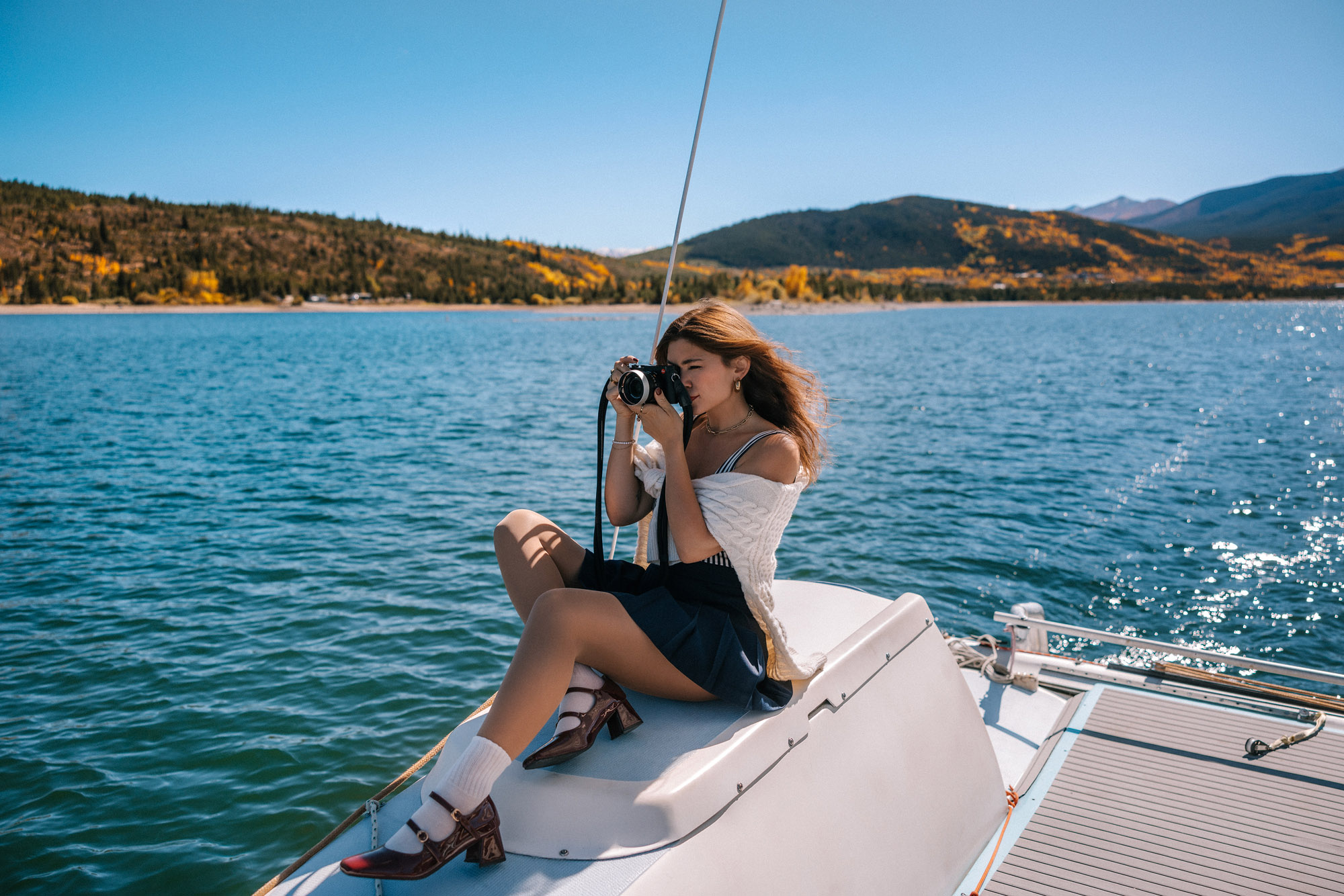
Leica Q3 in action
Pros
- Stunning full-frame image quality
- Legendary Leica lens
- Incredible low-light performance
- Outstanding build quality
- Weather sealed
- Beautiful shooting experience
Cons
- Extremely expensive
- Larger than most compact cameras
- Fixed focal length
- No optical zoom
My Verdict
If budget is not your primary concern and photography is a major part of why you travel, the Leica Q3 is arguably the finest compact travel camera currently available. Its combination of image quality, craftsmanship, and simplicity creates a photographic experience that is genuinely difficult to replicate with any other camera.
Shop on Amazon Here
Best Compact Camera for Street Photography: Ricoh GR III
At a Glance
- Sensor: 24.2MP APS-C CMOS
- Lens: 28mm equivalent f/2.8
- Video: Full HD
- Weight: 257 g (9.1 oz)
- Best For: Street photography, everyday carry, city breaks, and minimalist travelers.
The Ricoh GR III has developed an almost cult-like following among travel and street photographers, and after spending time with one, it is easy to understand why.
Unlike many compact cameras that try to do everything, the GR III focuses on doing one thing exceptionally well: producing incredible photographs from a camera that is small enough to carry every single day.
Its APS-C sensor is the same size you will find in many mirrorless cameras, giving it a significant image-quality advantage over most compact cameras. Combined with Ricoh’s incredibly sharp 28mm-equivalent lens, it produces crisp, detailed images with excellent dynamic range and natural-looking colors.
Where the Ricoh GR III truly shines is in cities. Whether you are wandering the streets of Paris, navigating Tokyo’s alleyways, exploring local markets in Morocco, or documenting everyday life during your travels, the unobtrusive size makes it almost invisible. People tend to react far less to the Ricoh than they do to a larger mirrorless camera, making candid photography feel much more natural.
Ricoh’s Snap Focus feature is another reason so many street photographers love this camera. Instead of waiting for autofocus, you can preset a focus distance and capture moments almost instantly.
The tradeoff is flexibility. The fixed 28mm-equivalent field of view is excellent for travel and environmental photography, but there is no zoom. Video is also an afterthought here.
Pros
- APS-C image quality
- Exceptionally compact
- Razor-sharp lens
- Fantastic street-photography camera
- Snap Focus is incredibly fast
Cons
- Fixed focal length
- Average battery life
- Limited video features
- No built-in viewfinder
My Verdict
If your favorite part of traveling is wandering cities with a camera in your hand, the Ricoh GR III is difficult to beat. It is one of the few cameras that genuinely disappears into your pocket while delivering image quality that rivals much larger systems.
Shop on Best Buy Here | Shop on Amazon Here
Best Compact Camera with a Long Zoom: Panasonic Lumix ZS200D
At a Glance
Sensor: 18.1MP 1/2.3-inch MOS
Lens: 24-720mm equivalent (30x optical zoom)
Video: 4K
Weight: 322 g (11.4 oz)
Best For: Wildlife, cruises, sightseeing, safaris, and travelers who want the longest zoom range in a compact camera.
Most compact cameras ask you to choose between portability and zoom range. The Panasonic LUMIX ZS200 is designed for travelers who want as much zoom as possible without carrying interchangeable lenses.
Its 24-720mm equivalent lens offers one of the longest zoom ranges available in a pocket-sized travel camera, making it an excellent choice for photographing wildlife, distant landmarks, mountain scenery, cruise excursions, airshows, or architectural details that would otherwise be out of reach.
Despite its incredible zoom capabilities, Panasonic has managed to keep the camera compact enough to fit comfortably into a jacket pocket or small day bag. The built-in optical image stabilization helps keep handheld images sharp throughout the zoom range, while 4K video recording makes it easy to capture both photos and video on the same trip.
The biggest compromise is its smaller sensor, which cannot match the image quality or low-light performance of premium 1-inch compact cameras like the Sony RX100 VII. However, if maximum zoom is your priority, few compact cameras offer this much versatility in such a travel-friendly package.
Pros
- Incredible 24-720mm zoom range
- Lightweight and travel-friendly
- Excellent image stabilization
- 4K video recording
- Very versatile for sightseeing and wildlife
- Easy-to-use controls
Cons
- Smaller sensor than premium compact cameras
- Image quality drops in low light
- Less background blur than larger-sensor cameras
My Verdict
The Lumix ZS200D is an amazing travel camera for a group of people whose needs are more or less satisfied if a good camera with a versatile zoom lens can meet them as an alternative to the bulky full-size equipment. If you regularly find yourself wishing your camera could zoom much farther without carrying additional lenses, the Panasonic LUMIX ZS200 is one of the most versatile travel cameras available. Its massive 30x optical zoom makes it an excellent choice for travelers who prioritize reach while still wanting a camera that's easy to carry all day.
Shop on Best Buy Here | Shop on Amazon Here
Best Waterproof Compact Camera: OM System Tough TG-7
At a Glance
- Sensor: 12MP 1/2.3-inch CMOS
- Lens: 25-100mm equivalent
- Video: 4K
- Weight: 249 g (8.8 oz)
- Best For: Adventure travel, snorkeling, beaches, hiking, skiing, and families.
Not every vacation involves museums, cafés, and city streets. Sometimes you are snorkeling over coral reefs, hiking through rainforests, kayaking, skiing, or exploring destinations where sand, rain, or water would make you nervous about bringing an expensive mirrorless camera.
That is exactly why the OM System Tough TG-7 exists. It is waterproof, shockproof, freezeproof, crushproof, and dustproof without requiring additional housing for everyday adventures.
This makes it one of the few cameras I would confidently bring snorkeling, paddleboarding, cliff jumping, or on muddy hiking trails where I would not risk thousands of dollars of camera gear.
Image quality naturally is not on the same level as the larger-sensor cameras in this guide. The TG-7 is not necessarily about outperforming your phone in perfect conditions. Instead, it is about going places where your phone - or an expensive mirrorless camera - simply should not.
It also includes capable macro modes for flowers, insects, shells, textures, and other close-up travel details.
Pros
- Waterproof without a housing
- Extremely durable
- Lightweight
- Excellent macro capabilities
- 4K video
Cons
- Smaller sensor
- Limited background blur
- Image quality cannot match APS-C or 1-inch cameras
My Verdict
If your travels revolve around beaches, hiking, snorkeling, skiing, or outdoor adventure, durability matters just as much as image quality. The OM System Tough TG-7 is one of the few cameras you can confidently take into almost any environment without worrying about damaging it.
Shop on Best Buy Here | Shop on Amazon Here
Best Compact Cameras by Travel Style
Not every trip has the same photography needs. Here is the camera I would recommend depending on the type of travel you do most.
Best Overall
Sony RX100 VII - The best balance of portability, zoom, autofocus, and image quality.
Best Value
Canon PowerShot G7 X Mark III - An outstanding upgrade from a smartphone that remains easy to learn and use.
Best Image Quality
Fujifilm X100VI - If photography is one of the reasons you travel, this produces some of the most beautiful images of any compact camera.
Best Luxury
Leica Q3 - Professional full-frame image quality and craftsmanship in a simplified fixed-lens body.
Best Street Photography Camera
Ricoh GR III - Perfect for documenting everyday life, city streets, markets, cafés, and spontaneous moments.
Best Zoom Camera
Panasonic Lumix ZS200D - Ideal for travelers who want one camera capable of photographing landscapes one minute and wildlife the next.
Best Adventure Camera
OM System Tough TG-7 - The camera I would pack for snorkeling, kayaking, skiing, hiking, or anywhere conditions are rough.
What I Personally Carry
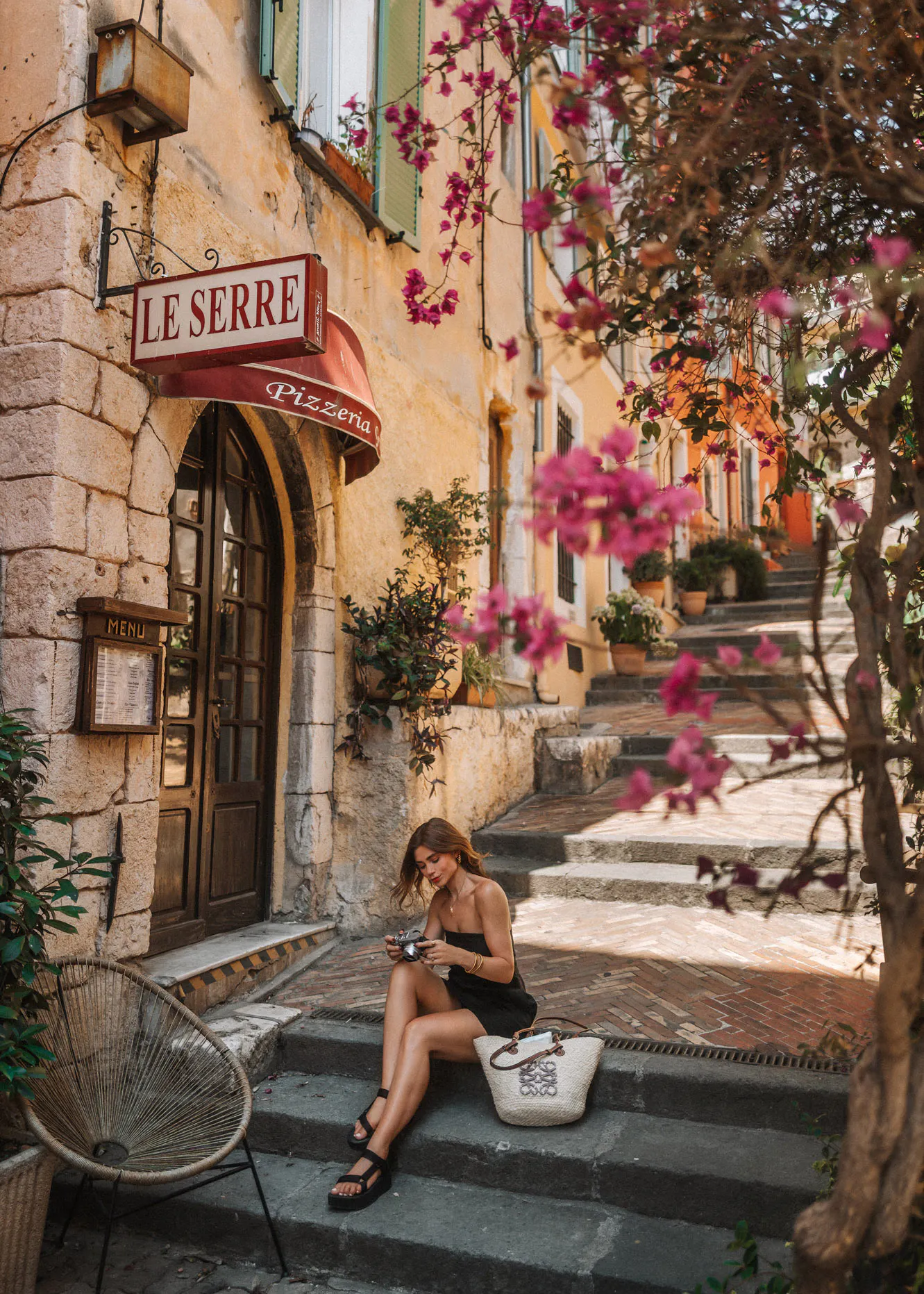
People often ask which camera I actually travel with, and the answer depends on the trip.
For commercial shoots and assignments, I travel with a professional Canon mirrorless system because it gives me the flexibility, lens selection, and image quality I need for client work.
When I am traveling for myself or heading out to explore a destination without carrying a full backpack of gear, I almost always reach for the Fujifilm X100VI.
There is something incredibly freeing about traveling with a single fixed lens. Instead of constantly thinking about changing lenses or carrying extra equipment, I can simply focus on the experience and the moments unfolding around me.
The X100VI is the camera I love bringing to places where photography becomes part of the journey rather than the purpose of it. Walking through the narrow streets of Italy, exploring cafés in Paris, wandering markets in Japan, or heading out for dinner at sunset are all situations where I would rather have one beautifully designed camera over a heavy backpack full of gear.
I also love Fujifilm’s film simulations, which produce beautiful colors straight out of the camera and often require very little editing afterward. Combined with the excellent APS-C sensor and in-body image stabilization, it strikes an ideal balance between professional image quality and everyday portability.
That does not necessarily make it the camera I would recommend to everyone. For most travelers, the Sony RX100 VII is still the better all-around choice because of its versatile zoom lens and pocket-size design. But if you enjoy photography as much as traveling itself, the Fujifilm X100VI is the camera I would personally choose to carry.
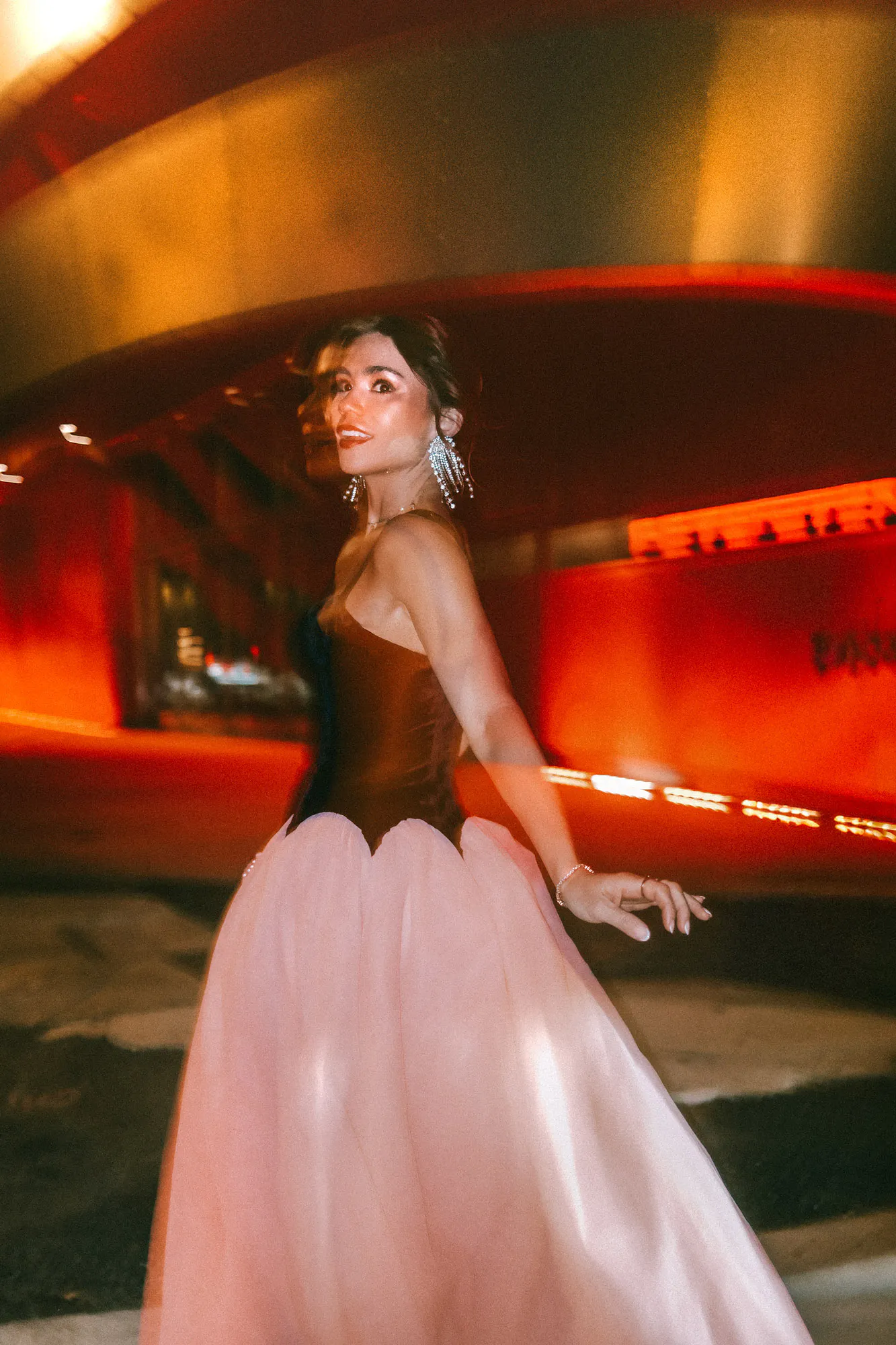

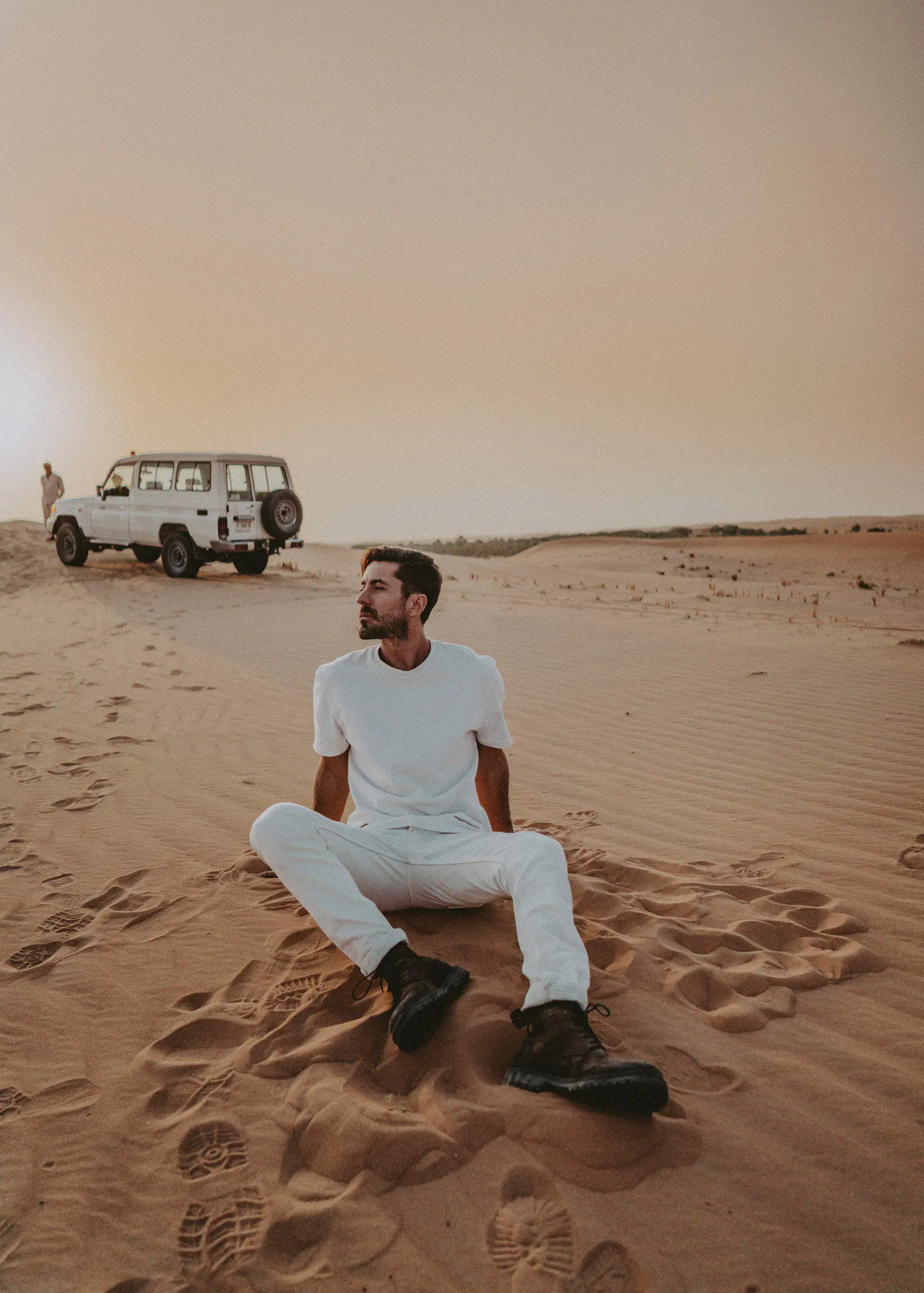
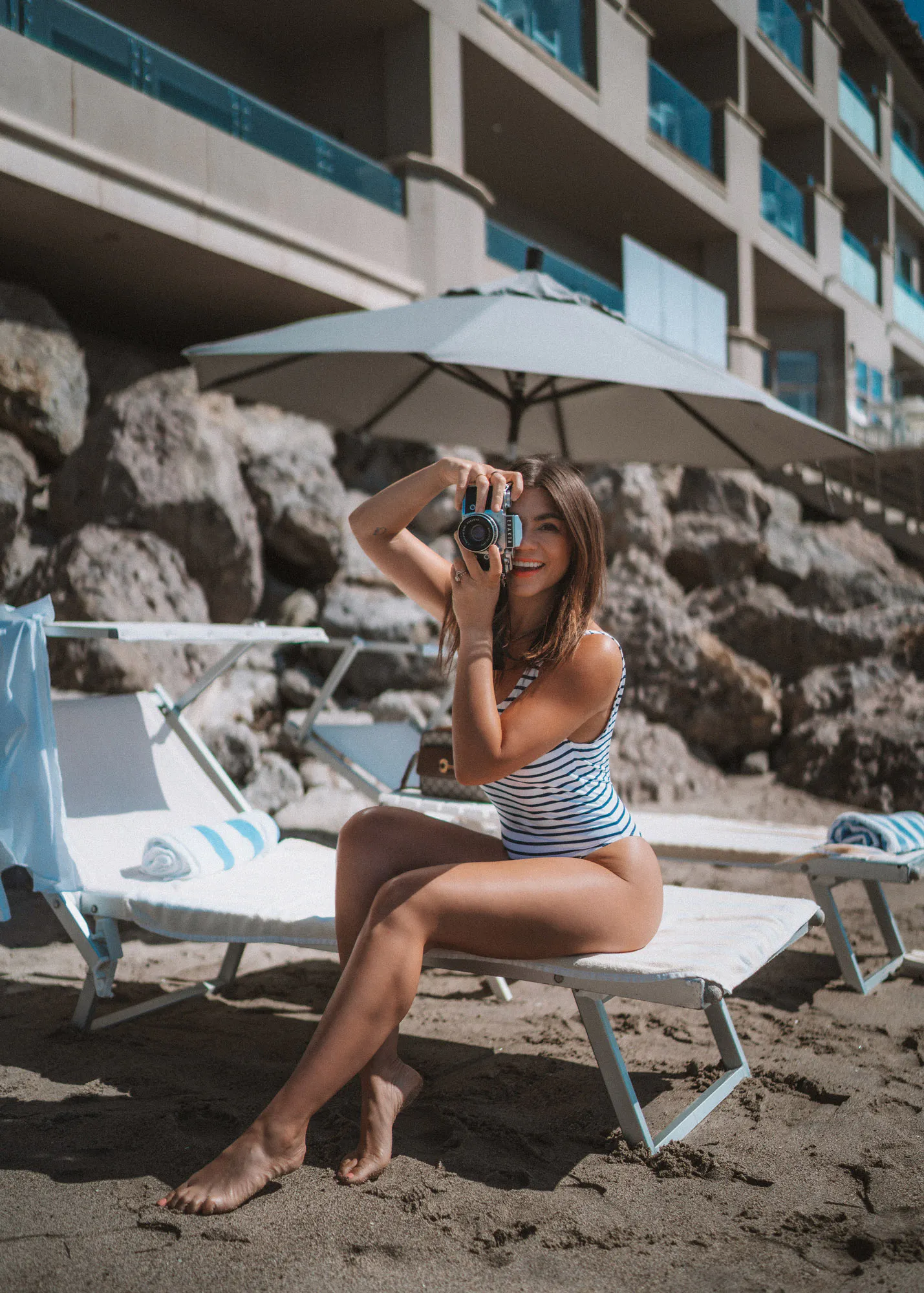
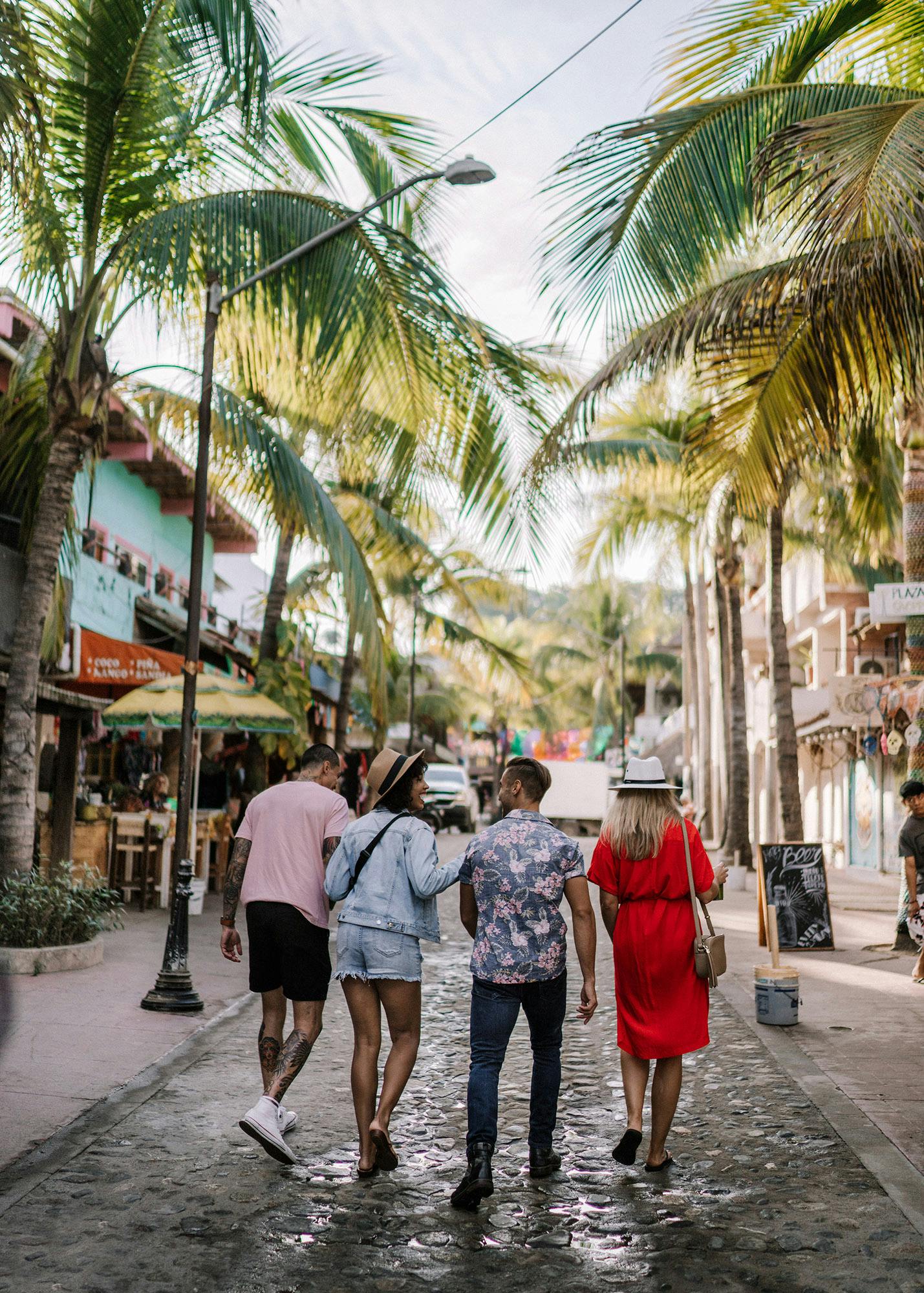
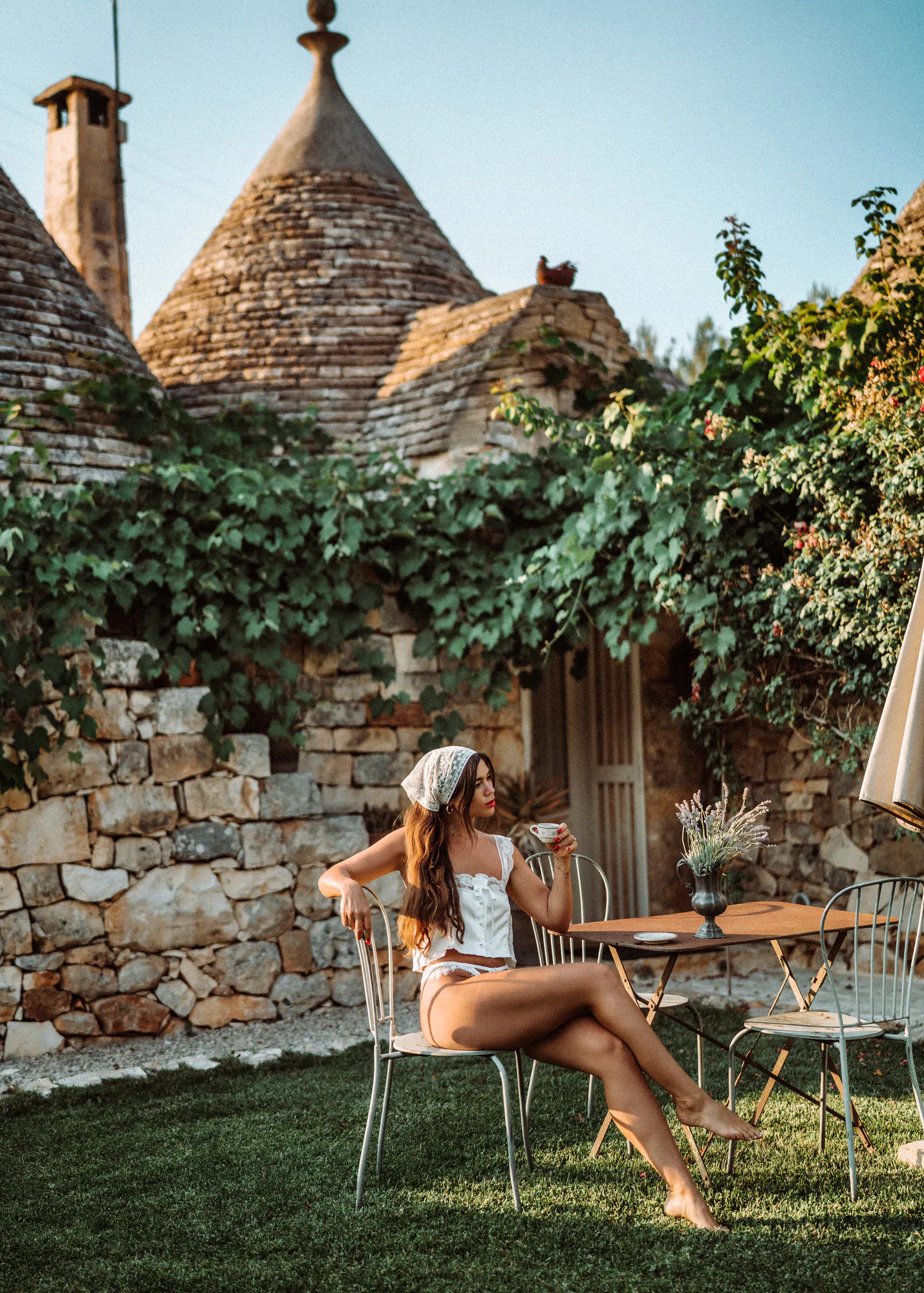
Shot on Fujifilm - the perfect camera for a day traveling or a night out.
How to Choose the Best Compact Camera for Travel
The best compact camera is not necessarily the most expensive or the one with the highest megapixel count. Instead, it is the one that fits the way you actually travel.
Sensor Size Matters More Than Megapixels
Larger sensors capture more light, improve low-light performance, produce better dynamic range, and create more natural background blur. APS-C sensors such as those in the Fujifilm X100VI and Ricoh GR III offer excellent image quality. One-inch sensors in the Sony RX100 VII, Canon G7 X Mark III, and Panasonic Z200D provide an excellent balance of image quality and portability. Smaller sensors prioritize durability, zoom range, or affordability.
For most travelers, a 1-inch sensor offers the best balance between size and performance.
Zoom Lens vs. Fixed Lens
A zoom lens gives you flexibility to photograph landscapes, architecture, wildlife, food, portraits, and distant landmarks without changing your position. A fixed lens forces you to move instead of zooming. While this sounds limiting, many photographers prefer it because it encourages stronger compositions and a more intentional shooting style.
If you are unsure, a zoom lens is almost always the safer choice for travel.
Do You Actually Need Interchangeable Lenses?
For many vacations, the answer is probably no. Mirrorless cameras produce the highest image quality, but they can also mean carrying multiple lenses, a larger backpack, extra batteries, cleaning equipment, and additional weight.
For city trips, cruises, weekend getaways, and everyday sightseeing, a premium compact camera often provides more than enough quality while making photography more enjoyable simply because you will carry it everywhere.
Think About How You Travel
For cities, consider the Ricoh GR III or Fujifilm X100VI. For wildlife and distant details, choose the Panasonic Lumix ZS200D. For beginner-friendly vlogging, the Canon PowerShot G7 X Mark III is a strong choice. For snorkeling, hiking, or kayaking, choose the OM System Tough TG-7. If you want one camera that can handle nearly everything, the Sony RX100 VII remains my overall recommendation.
Compact Camera vs. Smartphone
Modern smartphones have become remarkably capable, but dedicated compact cameras still offer larger sensors, optical zoom, RAW image capture, faster autofocus, manual controls, and better ergonomics for extended shooting.
If you mainly take casual vacation snapshots to share on social media, a flagship phone may be enough. If photography is an important part of your travels - or you enjoy editing afterward - a premium compact camera still offers a noticeable step up.
Compact Camera vs. Mirrorless Camera
I regularly travel with professional mirrorless cameras, but that does not mean they are always the right choice. Mirrorless systems are ideal when you need the absolute highest image quality, interchangeable lenses, professional sports or wildlife capability, maximum low-light performance, or very large prints.
Compact cameras excel when portability is the priority. Because they are smaller, they are often the camera you will actually carry during long sightseeing days, evening dinners, beach walks, or casual exploring. Many travelers find that the slight sacrifice in image quality is worth the dramatic reduction in weight and bulk.
Honorable Mention: Littpopo MicroCam X1
Best Ultra-Compact Camera for Casual Travel
The Littpopo MicroCam X1 takes a different approach from the premium compact cameras featured above. Rather than competing with cameras like the Sony RX100 VII or Fujifilm X100VI on image quality, it focuses on portability and affordability, making it an interesting option for casual travelers who simply want a dedicated camera that is smaller than most smartphones.
Its lightweight design makes it easy to slip into a pocket or day bag, while features like 4K video recording and close-up macro capabilities give it more versatility than you might expect at its size. The built-in microscope mode is also a unique addition for photographing flowers, textures, souvenirs, and other fine details while traveling.
While enthusiasts and serious photographers will still be better served by one of the premium cameras in this guide, the Littpopo MicroCam X1 can be a fun, inexpensive choice for travelers looking for an ultra-portable camera that is easy to carry everywhere.
Best for: Casual vacations, families, kids, and travelers looking for an affordable pocket camera.
Shop on Amazon Here.
Frequently Asked Questions
What is the best compact camera for travel?
For most travelers, I recommend the Sony RX100 VII. It combines outstanding autofocus, excellent image quality, a versatile 24-200mm zoom lens, and true pocketability.
Are compact cameras better than smartphones?
For image quality and creative control, yes. Larger sensors, optical zoom lenses, RAW image capture, and greater manual control give premium compact cameras a noticeable advantage, especially in challenging light.
Is the Sony RX100 VII still worth buying in 2026?
Yes. Its autofocus, image quality, zoom range, and portability continue to compete with much newer cameras.
Is the Fujifilm X100VI good for travel?
Yes, particularly if photography is one of the reasons you travel. Its APS-C sensor, outstanding lens, and Fujifilm color science produce exceptional images. The fixed focal length will not suit travelers who prefer a zoom.
What is the best compact camera for beginners?
The Canon PowerShot G7 X Mark III. Its intuitive controls, excellent image quality, compact size, and strong video features make it one of the easiest premium compact cameras to learn.
Which compact camera has the best zoom?
The Panasonic Lumix ZS200D. Its 24-360mm-equivalent lens covers everything from wide landscapes to distant wildlife without additional lenses.
Can compact cameras shoot RAW?
Yes. Every premium camera featured in this guide supports RAW image capture, allowing more flexibility when editing exposure, color, and white balance.
Which compact camera is best for travel videos?
The Sony RX100 VII is my top overall recommendation thanks to its autofocus, stabilization, microphone input, and 4K quality. If you primarily film yourself while traveling, the Canon PowerShot G7 X Mark III is another excellent choice because of its flip-up touchscreen and beginner-friendly interface.
Read Next
If you are still deciding, continue with:
The Best Travel Photography Cameras
The Best Travel Camera Backpacks
The Best Video Cameras For Travel
Final Verdict
Choosing the right compact camera ultimately comes down to how - and where - you travel.
If you want the most versatile all-around option, the Sony RX100 VII continues to set the standard. The Canon PowerShot G7 X Mark III remains one of the easiest cameras to use, particularly for beginners and travel creators. If image quality is your priority, the Fujifilm X100VI delivers a photographic experience that is hard to match, while the Leica Q3 is the uncompromising luxury choice. The Ricoh GR III is a favorite for street photography, the Panasonic Lumix ZS200D offers maximum zoom, and the OM System Tough TG-7 is built for water and rough conditions.
Whichever camera you choose, a dedicated compact camera can dramatically improve your travel photography while keeping your gear light enough that you will actually want to carry it. In the end, that is what travel photography is about: having a camera with you when the moments worth remembering happen.