Driving in New Zealand for the First Time - Rental Car Tips and What You Need to Know
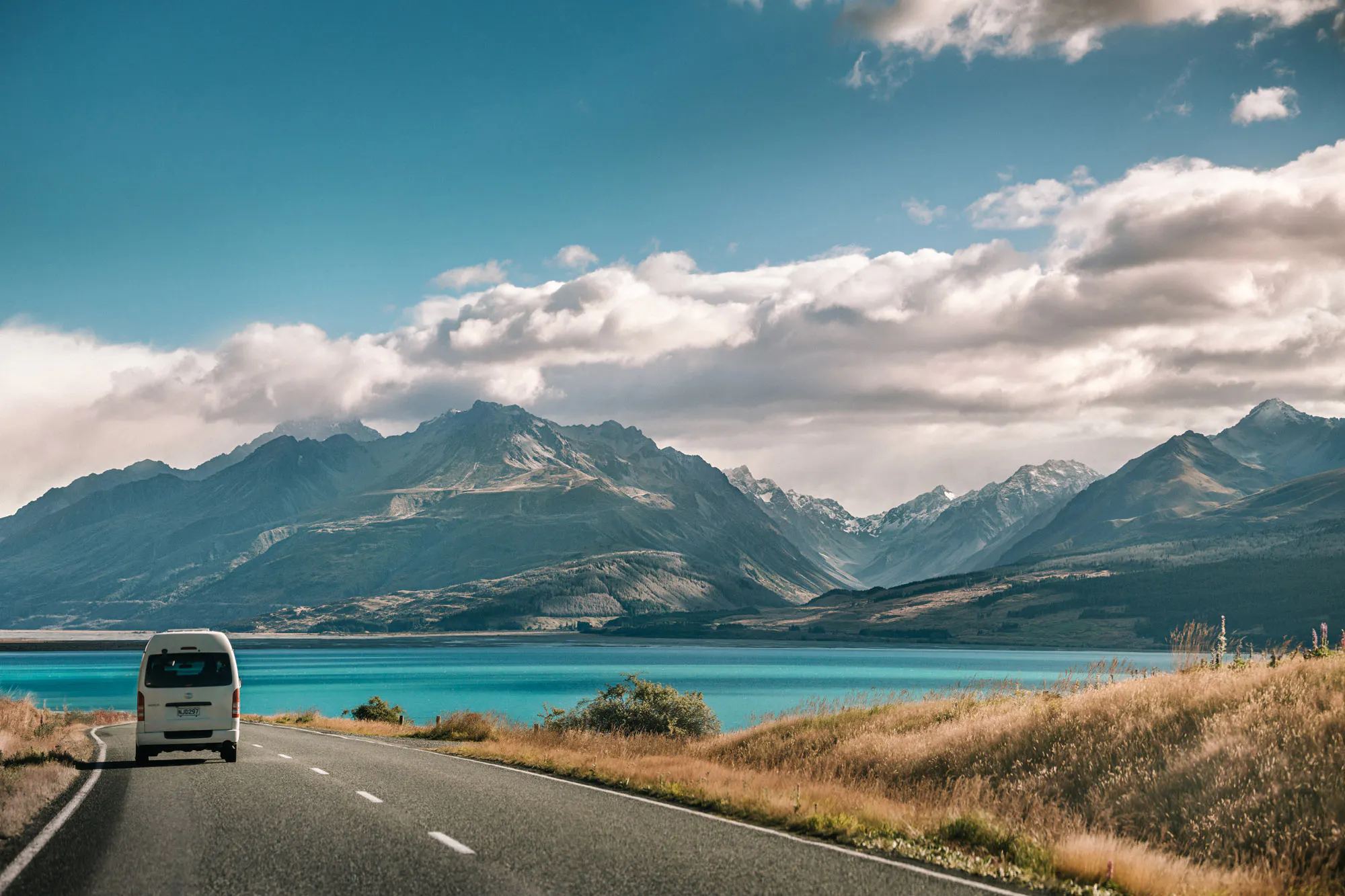
Driving in New Zealand for the first time is one of those experiences that people consistently describe as a highlight of their trip, not just a means of getting between highlights. The roads are well-maintained, the traffic is light by the standards of most major countries, and the scenery changes register every few hours in ways that make the drive itself worth doing. For first-timers arriving in the capital, before packing for your trip, sorting car rental Wellington at the airport and departure gives you the flexibility to begin exploring immediately, whether that means heading north toward the Kapiti Coast, east into the Wairarapa, or south toward the ferry terminal for the crossing to the South Island. But there are a handful of things worth knowing before you leave the lot, specific to New Zealand roads, that will make the experience smoother, safer, and considerably more enjoyable.

Driving on the Left
For visitors from countries that drive on the right, the adjustment to left-hand driving in New Zealand is the first and most important thing to get right. The good news is that most people adapt within the first few hours. The critical moments are not on open roads where habit forms quickly, but at the specific junctions and situations that require conscious decision-making: turning out of a car park, navigating a roundabout, making a right-hand turn at an intersection, and, most importantly, that disorienting first thirty seconds after every stop.
A useful technique for the first day: before pulling away from any stopped position, say left out loud. It sounds trivial, and it works. The verbal prompt breaks the autopilot that would otherwise default to the wrong side of the road. Most first-time visitors find that by the second day, the habit has formed naturally and the conscious reminder is no longer necessary.
Roundabouts in New Zealand give way to traffic already on the roundabout from the right. This is the same logic as left-hand roundabouts elsewhere, but can feel counterintuitive to right-hand drivers because the dominant flow comes from the opposite direction to what they expect. Go slowly through the first few, and the pattern becomes clear. Roundabouts are clearly marked and common throughout the country, particularly in towns and suburban areas.
Speed Limits and Road Signage
New Zealand uses the metric system for all distances and speed limits. The national open road speed limit is 100 kilometers per hour, which applies to all unsealed and sealed roads unless a lower limit is signed. Urban speed limits are typically 50 kilometers per hour, with 30 kilometers per hour zones around schools during school hours. Variable speed limit signs are used in some urban areas and around roadworks; they are displayed electronically and apply from the moment the sign is passed.
Advisory speed signs, yellow signs showing a speed recommendation for a particular curve, dip, or intersection, are not enforceable but are worth taking seriously. They are set by engineers who have assessed the road geometry, and in New Zealand, where rural roads include some tight and unexpectedly challenging corners, ignoring advisory signs is one of the most common factors in single-vehicle crashes among tourists. If the sign says 45, the corner genuinely requires 45.
Speed cameras are active throughout New Zealand on both fixed and mobile platforms, and enforcement is consistent. Average speed cameras measure the time taken to travel between two points and calculate average speed, which means a brief reduction when passing a static camera does not avoid detection. The approach to speed enforcement in New Zealand is less forgiving than some visitors expect; the tolerance above the limit before a fine applies is narrow.
The New Zealand Transport Agency's official road code for New Zealand covers the complete set of road rules, right-of-way obligations, speed regulations, and specific New Zealand road conditions, including the single-lane bridge rules and unsealed road requirements that catch first-time visitors most often.
Single-Lane Bridges
Single-lane bridges are common throughout New Zealand, particularly outside the main cities. They are signed with priority indicators: a large arrow pointing toward you means you have right of way, a small arrow pointing toward you means oncoming traffic has right of way, and you must give way. The signs appear well before the bridge, allowing time to check for approaching vehicles and adjust speed.
The correct approach is to slow before the bridge, assess whether any vehicles are already on or approaching from the other side, and proceed only when the way is clear. If you have the right of way and another vehicle is waiting, make eye contact or give a wave as you approach. New Zealand driving etiquette around single-lane bridges involves a small acknowledgment of the other driver that is both polite and practical for confirming everyone understands the priority.
Some bridges are signed with specific load limits. These are relevant for campervans and larger vehicles; standard rental cars are well within the limits of all public road bridges.
Rural and Unsealed Roads
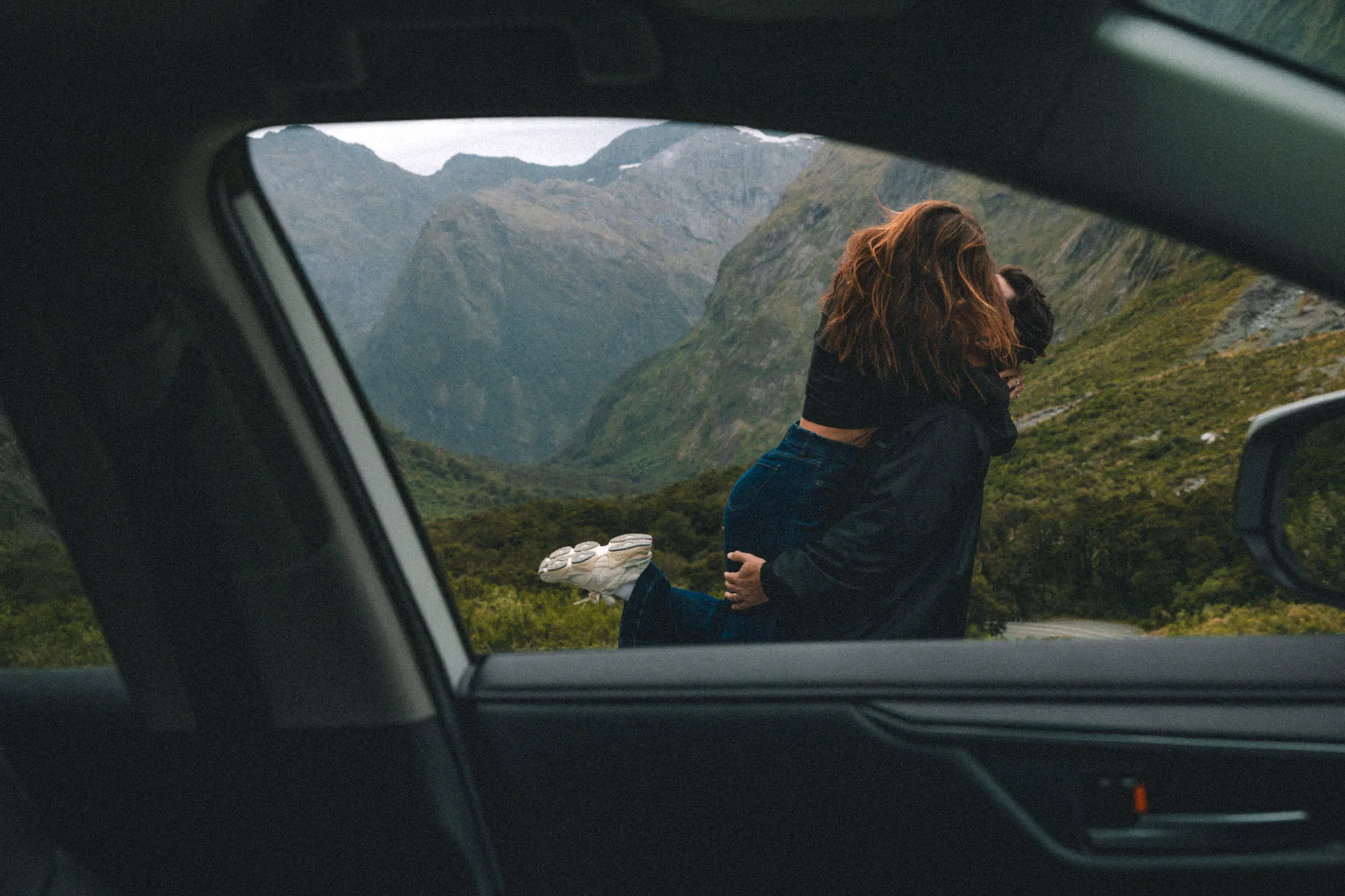
State highways in New Zealand are sealed and generally excellent. Secondary roads vary considerably, and many rural roads are unsealed, meaning a gravel or clay surface rather than tarmac. Unsealed roads require a reduced speed, greater following distance to allow for reduced braking effectiveness, and increased awareness of loose gravel that can reduce steering control. The recommended maximum speed on a dry, well-maintained unsealed road is typically 80 kilometers per hour; wet conditions or poor-quality surfaces require further reduction.
Most standard rental vehicles are not insured for use on unsealed roads under the rental agreement. This is not a minor detail: damage sustained on an unsealed road can void the excess reduction and leave the driver liable for the full cost of the damage. Check the specific terms of your rental agreement before planning a route that includes unsealed sections, and ask the rental company whether your vehicle is covered. For roads that require an unsealed surface, a 4WD with appropriate coverage is the right choice.
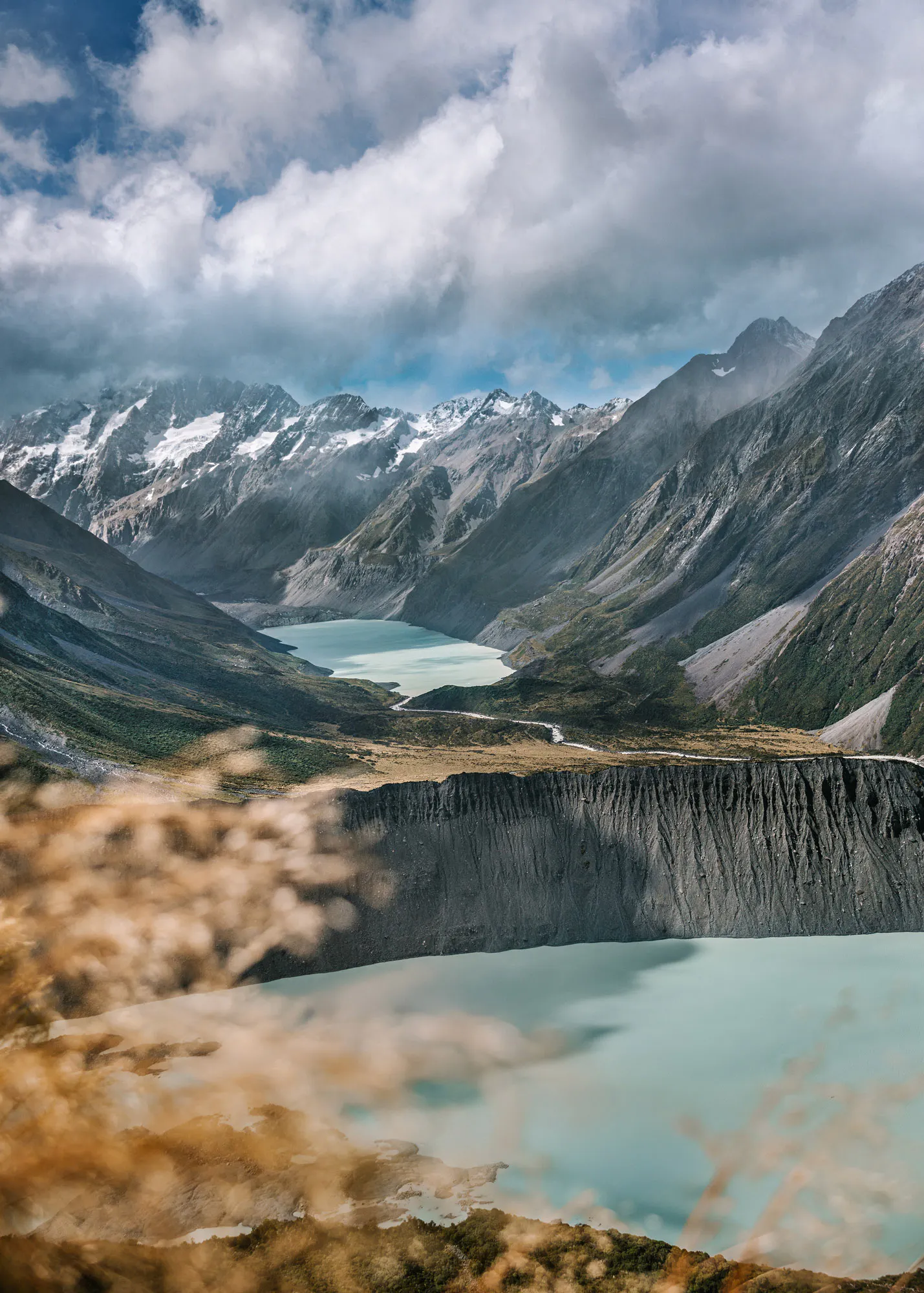
The South Island has more unsealed roads than the North, and some of the most scenic destinations, including parts of the West Coast and the inland routes through the Mackenzie Basin, involve unsealed sections. Planning these routes with the correct vehicle and appropriate insurance from the start avoids the complications that arise from discovering the limitation at a closed gate or a Department of Conservation track entrance.
Wildlife on the Road and Weather Changes
Animals on the road are a genuine driving hazard in New Zealand, particularly at dawn and dusk when they are most active. Sheep, cattle and deer are present on rural roads throughout both islands. Possums are common at night and behave unpredictably in headlights. Slow down when approaching any animal on or near the road and give them time to move rather than attempting to pass quickly. A collision with a large animal at speed can cause serious vehicle damage and injury.
Weather changes rapidly in New Zealand, particularly in the South Island and on mountain passes. A clear morning forecast does not guarantee clear conditions by afternoon, and many of the most beautiful routes involve exposed roads where sudden fog, rain or snow can dramatically change conditions within minutes. Check the MetService forecast for the specific area you are driving in, not just a general regional forecast, and be prepared to adjust plans if conditions deteriorate. The New Zealand approach to mountain driving is honest: if it looks dangerous, it is dangerous, and most locals would rather wait than push through.

The First Day Is the Only Adjustment
Most first-time drivers in New Zealand describe the same arc: a cautious, careful first morning that becomes more confident by the afternoon and genuinely comfortable by the following day. The left-hand rule, single-lane bridges, advisory speed signs, and unsealed road considerations all become natural within a day or two of driving. The country genuinely rewards the effort of getting behind the wheel. The roads are quiet, the scenery is extraordinary, the distances between fuel and food are manageable on any route that is planned rather than improvised, and the freedom to stop exactly where you want to is the difference between visiting New Zealand and experiencing it.