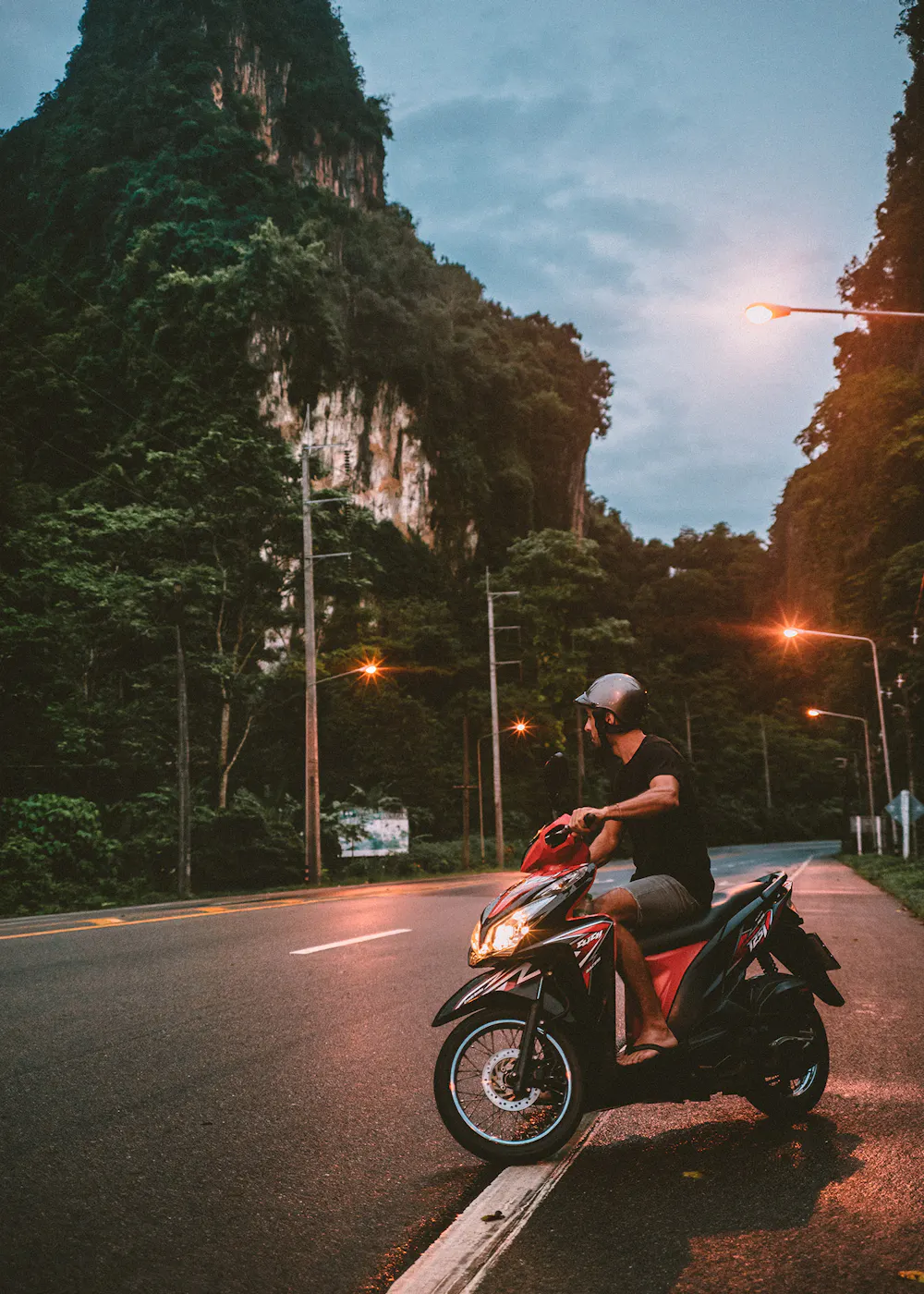
Essential Motorcycle Riding Gear for Exploring New Destinations
Exploring new places on a motorcycle can take you through mountain roads, long stretches of highway, heavy traffic, and constantly changing weather. After a couple of hours, tired riders can quickly lose focus. This is where your riding gear becomes your main protection, helping you face any conditions. So, choosing the right gear means safety first, comfort later.
The right motorcycle travel essentials keep you protected and ready for different weather, longer rides and changing road conditions. Each piece of gear has a specific role, and your choice depends on the climate, distance, and road type. Knowing what each piece of gear does makes packing easier, so you can choose what you need and leave what you don't.
What New Routes Ask of Your Riding Gear
When you ride to new destinations, you might encounter different roads, traffic conditions, and changing weather. Gear that works in many conditions can keep you protected when things change quickly. So choose the right gear before you leave, because heavy rain or rough roads can test gear that looks fine at home.
Risks that new routes often include are:
- Sudden rain or open stretches of highways
- Gravel or uneven road surfaces
- Heat or cold at higher altitudes
- Longer hours of riding without rest stops
- Limited help in remote locations
Being well prepared before the ride makes these risks easier to handle. Choosing reliable motorcycle riding gear keeps you focused on the road instead of the conditions you’ll face.
Riding Gear Worth Carrying on Every Long Journey
Here are a few riding essentials to protect different parts of your body and face any challenge in a new location. Always consider the climate, distance, and roads you’ll ride.
Motorcycle Helmets for Safe Long Rides
One of the most essential pieces of gear that you will wear throughout the ride is a certified motorcycle helmet, as it helps protect your head in a sudden fall. It should fit comfortably, keep you comfortable for longer rides, and meet local safety standards.
Features that you should check first:
- Comfort fit without any pressure
- Clear visor that’s fog-resistant
- Highly adjustable vents
- Quick-release chin strap
Before heading out to explore new destinations, try helmets on for a couple of minutes. This is because the pressure points can worsen over time. Also, replace any helmet after a hard fall, even if it looks fine.
Riding Jackets for Changing Weather
A premium riding jacket is another essential that keeps you protected from rain, wind, and road contact. Look for a strong outer material, vents or removable liners, and built-in armor that adjusts to the temperature.
Features that you should check first:
- Extra protection with removable pads
- Adjustable waist and cuffs
- Zip vents ideal for warmer days
- Outer fabric that’s abrasion-resistant
Before adding a jacket to your essential gear list, thoroughly check the zippers, armor, and seams. Add this check to your motorcycle pre-ride checklist to ensure you don't miss anything before riding to a new destination.
Riding Gloves for Control and Comfort
Your hands play a huge role on a ride, controlling the throttle, brakes, and clutch for hours. So you need high-quality motorcycle gloves for comfort and protection. Your gloves should fit comfortably, protect your palms and knuckles, and match the temperature you expect on your route.
Features that you should check first:
- Stronger palms and knuckles
- Secure strap for wrist closure
- Fingertips that work with phones
- Well-insulated or breathable options
Pack a spare pair before you forget. This is the most important addition to the essential checklist for travelers before heading out, along with other documents and chargers.
Riding Pants for Long Days Ahead
Your hands, hips, knees, and legs also need protection from road contact and hot engine parts. Choose motorcycle riding pants that fit comfortably, stay in place when you move, and offer armor coverage.
Features that you should check first:
- Armor at hips and knees
- Stronger abrasion-resistant material
- Stretch panels for better comfort
- Removable and waterproof liner
Riding pants should match the climate you ride in and your body armor. Liner and vents will allow a pair to work in morning chill and afternoon heat on your trip.
Riding Boots for All-Day Support
You also need motorcycle riding boots that protect your shins, ankles, and feet from sudden impacts, heat, and moisture. This helps you keep your footing stable at every stop. This is an important addition when you walk through new towns, gas stations or rough parking areas.
Features that you should check first:
- Stronger ankle and heel protection
- Grippy, oil-resistant sole
- Waterproof and breathable liners
- Secure buckle or lace closure
Try your boots before the trip to break them in and avoid sore feet on the first day of riding. Pack dry socks so wet weather doesn't ruin your day.
Goggles and Eyewear for Clear Vision
Wind, dust, bugs, and glare can blur your view at speed. Good goggles or eyewear shield your eyes, give a wide field of view, and help you spot hazards early on bright or dusty roads.
Features that you should check first:
- Wide field of view
- Scratch-resistant clear lenses
- Tinted or dark lens option
- Snug fit with foam padding
Carry a clear lens for tunnels and dusk, and a tinted one for bright sun. Clean lenses gently with a soft cloth to avoid scratches.
Protection Gear for Added Safety
Armor and protective layers add safety to the areas that take the hardest hits in a fall. Back protectors, knee guards, and elbow guards fit under or over clothing and help riders on long trips.
Features that you should check first:
- Back protector for spine
- CE-rated knee guards
- Elbow and shoulder armor
- Hip protectors for pants
Make sure armor stays in place when you move, because slipping pads miss the areas they are meant to cover. Replace any damaged pieces.
Heated Apparel for Cold Weather Rides
Mountain passes and early summer mornings can be cold, and cold hands slow your reactions. Heated liners, vests, and gloves add warmth from a battery or the bike, so you can ride comfortably.
Features that you should check first:
- Heated liner under jacket
- Battery or bike power
- Adjustable heat level settings
- Heated gloves for fingers
Check the power source before departure, because a flat battery leaves you without heat. Carry a spare battery or a charging cable for long days.
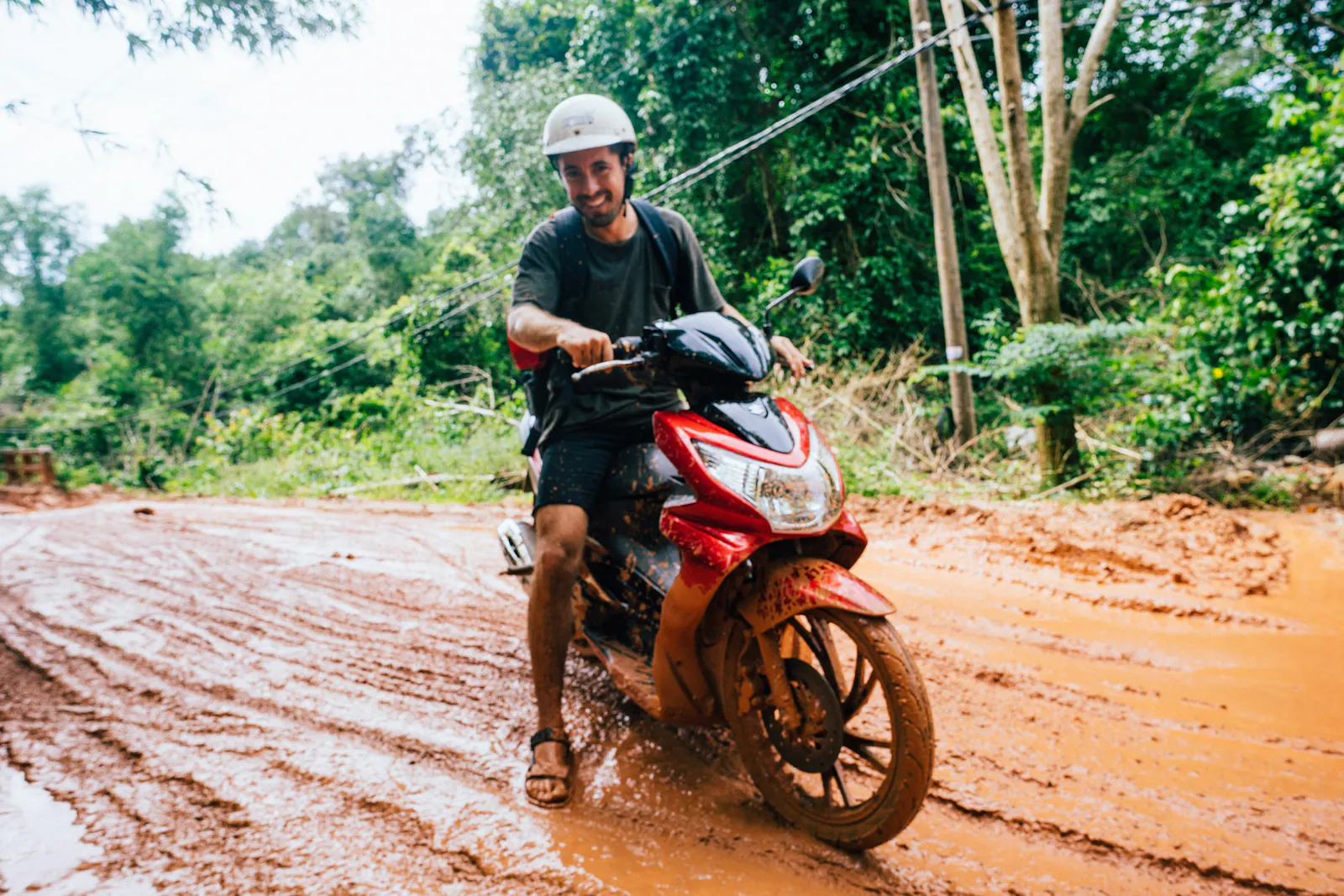
Making Every New Road Count
Every new destination teaches you something about the road, the weather, and your own limits. Gear cannot control the road, but it determines how well you handle what it brings. Well-prepared riders spend less time dealing with discomfort and more time enjoying the scenery.
Good preparation is a habit that grows with each new trip. Keep notes on what worked, adjust what did not, and share what you learn with other riders. The next route will feel more familiar, and the ride will be better for it.