A music enthusiast books a flight to Vienna to attend a concert in a historic hall. A food lover travels to Bologna to learn the techniques behind traditional Italian pasta. A tennis fan plans a holiday around a Grand Slam tournament, setting aside extra days to discover the host city.
Each journey begins with a personal interest rather than a destination on a travel wish list.
This approach, often described as passion-led travel, is changing how people choose where to go and what to experience. Hobbies, cultural interests, sporting loyalties, and creative pursuits are becoming the starting points for holidays, influencing everything from accommodation choices to the length of a trip.
For travelers, the attraction is the opportunity to spend meaningful time doing something they already enjoy, while discovering the people and places connected to that interest.
When personal interests become the itinerary
Conventional holiday planning often begins with a destination. Travelers choose a city, country, or resort and then research the attractions available nearby.
Passion-led travel reverses that process.
Someone interested in photography may choose Iceland for its dramatic landscapes and changing light. A literature enthusiast might visit Edinburgh during its international book festival. A cycling enthusiast may travel to Belgium to experience routes associated with professional road racing.
The destination is selected because it offers access to a particular activity, community, or cultural experience.
This approach can make itinerary planning more focused. Rather than trying to visit every famous attraction, travelers can devote more time to the experiences that prompted the journey.
It can also introduce people to destinations they might otherwise overlook. Smaller towns, regional festivals, specialist workshops, and local sporting venues become attractions in their own right.
The challenge is finding the right balance between pursuing a specific interest and leaving enough time to enjoy the destination.
The appeal of traveling with a purpose
A holiday organized around a personal interest offers a natural structure without requiring a rigid schedule.
A traveler attending a ceramics workshop in Portugal might spend mornings learning traditional techniques and afternoons exploring local markets. Someone visiting Japan for its food culture could organize the trip around regional specialties, cooking classes, and visits to producers.
These experiences offer opportunities to develop existing interests while learning how they are expressed in different places.
Passion-led journeys can also encourage deeper engagement with local communities.
A guided architecture walk may introduce visitors to the history of a neighborhood. A traditional cooking class can provide insight into ingredients, family recipes, and regional customs. Attending a local sporting competition may reveal traditions that are rarely included in conventional sightseeing itineraries.
The quality of these experiences depends on the people and organizations providing them. Travelers should look for knowledgeable local guides, established cultural institutions, and activities that represent the destination accurately.
Accommodation is becoming part of the experience
When travelers choose destinations around their interests, accommodation can influence how easily they participate in the activities they have planned.
A cycling enthusiast may prefer a hotel with secure bicycle storage and access to established routes. Someone attending a music festival might prioritize transport connections and late-night travel options. A food-focused traveler may choose accommodation close to markets, restaurants, and culinary workshops.
For sports enthusiasts, resort hospitality can also form part of the experience.
Sports Illustrated Resorts is one example of a hospitality brand built around sporting culture. Travelers exploring Sports Illustrated Resorts locations can review the brand's stay offerings and consider how the available properties align with their preferred destinations and vacation plans.
The broader development is a growing interest in accommodation that complements the purpose of a trip.
A property may appeal because of its recreational facilities, proximity to attractions, entertainment options, or connection to a particular lifestyle.
However, travelers should confirm the facilities and services offered at an individual property rather than assuming every location provides the same experiences.
Choosing accommodation according to the activities planned can save time and make the overall itinerary easier to manage.
Sports and entertainment are influencing where people travel
Sports and live entertainment offer particularly clear examples of passion-led travel because they frequently involve events that take place at specific times and locations.
A Formula 1 enthusiast may organize an international holiday around a race weekend. A football supporter might visit Madrid or Manchester to attend a match and explore the city's sporting heritage. Music fans regularly travel to attend concerts, festivals, and performances by artists they follow.
According to UN Tourism, sports tourism accounts for approximately 10% of global tourism expenditure, reflecting the established relationship between sporting interests and travel.
The experience often extends beyond the main event.
Travelers visiting London for Wimbledon may explore the city's museums, restaurants, and neighborhoods. Someone attending a music festival in Barcelona could spend additional days discovering Catalan architecture and regional cuisine.
Event-related travel does require careful preparation. Popular competitions and performances can increase demand for accommodation, while tickets may be limited or subject to specific purchase conditions.
Booking through official channels and checking event schedules before arranging transport can help reduce avoidable complications.
Creative pursuits are opening up different destinations
Passion-led travel extends well beyond sports and entertainment.
Art, literature, design, photography, and traditional craftsmanship provide reasons to visit destinations with distinctive creative histories.
In Florence, travelers interested in Renaissance art can explore galleries, architecture, and workshops associated with the city's artistic heritage.
In Kyoto, visitors can discover traditional Japanese crafts through museums, specialist studios, and workshops offering introductions to established techniques.
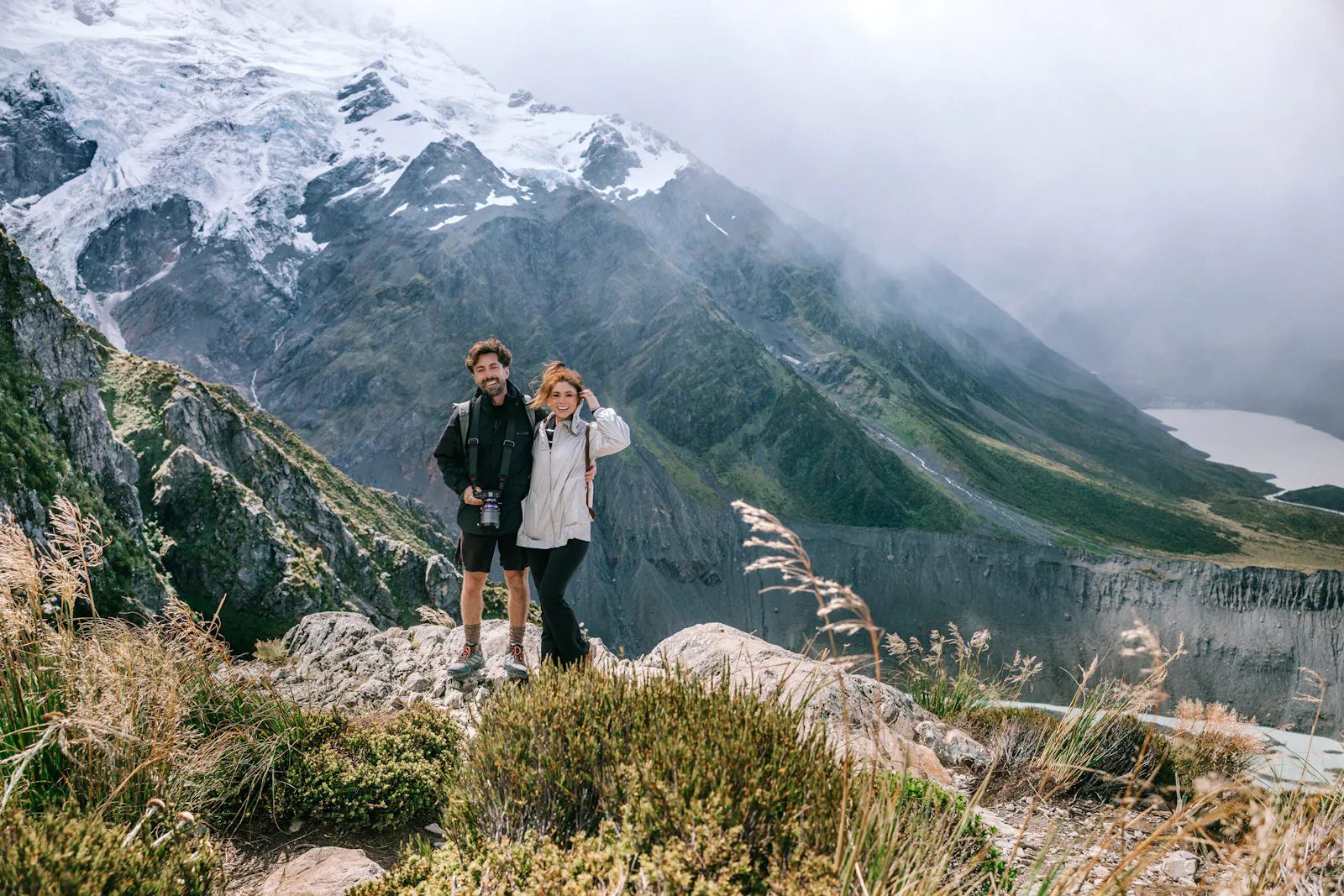
Photography enthusiasts may choose destinations according to seasonal conditions, wildlife activity, or distinctive landscapes.
These journeys often benefit from slower itineraries.
A workshop may require several hours or multiple days, while photography trips can involve early starts and travel to locations outside major tourist areas.
Travelers should research the experience level required, the credentials of instructors, and whether specialist equipment is provided.
When visiting communities known for traditional crafts, choosing locally operated experiences can also help support the people preserving those skills.
Food offers another way to explore a destination
Culinary travel provides a particularly accessible form of passion-led exploration.
A traveler interested in Italian cooking may visit Emilia-Romagna to learn about regional pasta, cheese, and cured meats. Someone fascinated by Japanese cuisine might explore Osaka's food culture or travel to smaller communities known for particular ingredients.
Food-focused journeys can include market visits, cooking classes, farm experiences, and meals at locally owned restaurants.
The UNESCO Intangible Cultural Heritage program recognizes numerous food-related traditions and practices, reflecting how culinary knowledge is connected to community identity and cultural heritage.
For travelers, understanding the history and preparation of regional dishes can add depth to the dining experience.
It also encourages exploration beyond internationally familiar restaurants.
Local markets, family-run establishments, and specialist producers may provide opportunities to discover ingredients and techniques that are closely associated with a destination.
Reservations, seasonal availability, and dietary requirements should be considered when organizing food-focused activities.
How to plan a journey around a personal passion
A successful passion-led holiday begins with identifying the experience that would make the trip worthwhile.
Start with a specific interest. Instead of planning a general cultural holiday, decide whether the priority is attending a festival, learning a craft, exploring sporting heritage, or developing a recreational skill.
Research destinations associated with that interest. Look for established events, specialist venues, local communities, and opportunities to participate.
Check the calendar. Festivals, competitions, seasonal activities, and workshops may only be available during certain periods.
Choose accommodation strategically. Consider travel time to the main activity, transportation options, and facilities that support the purpose of the trip.
Allow sufficient time. Specialist experiences may require preparation, travel between locations, or multiple sessions. Avoid scheduling too many commitments on the same day.
Look beyond the main attraction. Research local restaurants, neighborhoods, museums, and cultural sites that complement the central interest.
Understand booking conditions. Check cancellation policies, ticket validity, activity requirements, and any additional costs before confirming reservations.
The aim is to create an itinerary that provides enough structure to enjoy the main experience while allowing room for discoveries along the way.
Traveling with people who have different interests
One challenge of passion-led travel arises when companions do not share the same enthusiasm.
A football supporter may want to spend several hours at a stadium, while their partner prefers galleries and restaurants. A photography enthusiast might plan early morning excursions that do not appeal to everyone in the group.
These differences can be accommodated through thoughtful planning.
Choosing destinations with varied attractions allows travelers to pursue individual interests without requiring everyone to participate in every activity.
Resorts and hotels offering a range of recreational and leisure facilities can also be useful for families and groups.
Another approach is to schedule a few shared experiences around the main activity.
A group attending a sporting event might explore the city together before the match. Travelers joining a specialist workshop could arrange communal meals or sightseeing during their free time.
Discussing expectations before booking helps ensure the trip remains enjoyable for everyone involved.

A more personal way to discover the world
Passion-led travel encourages people to explore destinations through the interests that already shape their lives.
A music lover may discover a city through its concert halls and independent venues. A sports fan may develop an appreciation for local traditions through a favorite competition. A food enthusiast may return home with new cooking skills and a deeper understanding of regional ingredients.
These experiences can influence how travelers remember a place because they create a connection between the destination and something personally meaningful.
The growing range of specialist tours, recreational holidays, cultural workshops, and themed hospitality experiences gives travelers different ways to organize such journeys.
The most rewarding approach is to choose an experience worth traveling for, research the destination carefully, and allow enough time to enjoy what surrounds it.
A personal passion may determine the journey's starting point. The people, places, and experiences encountered along the way often provide the strongest reasons to travel again.