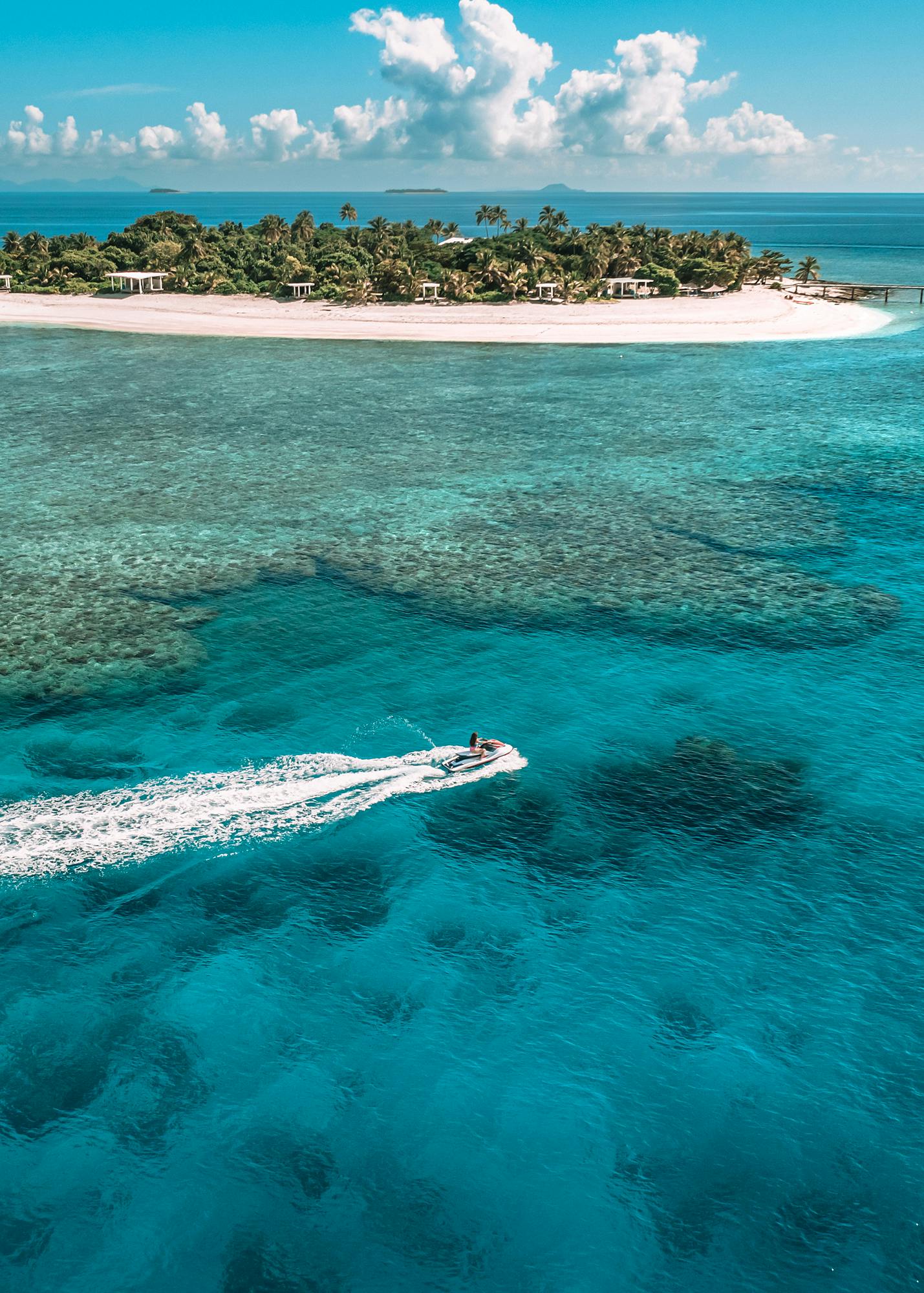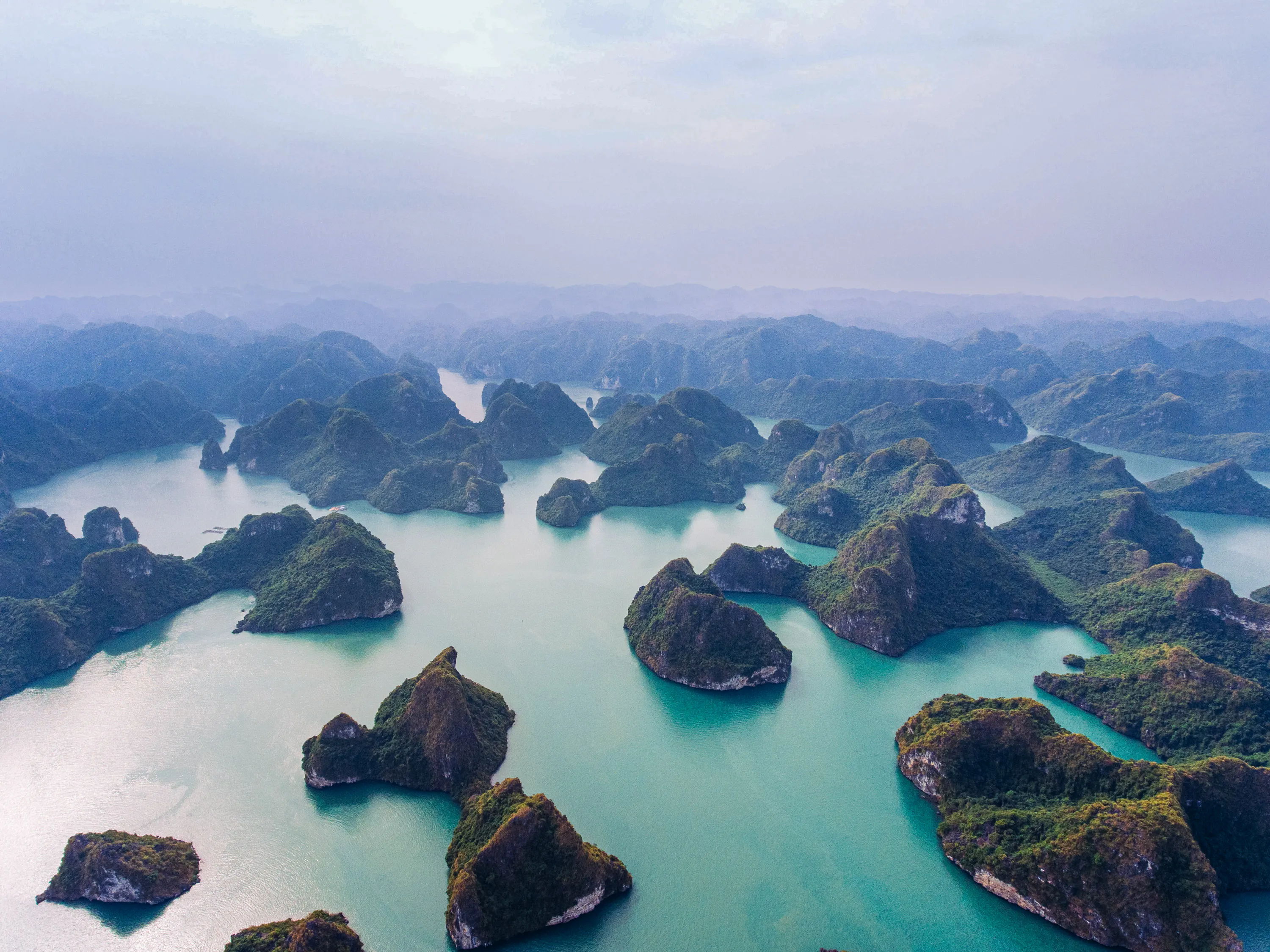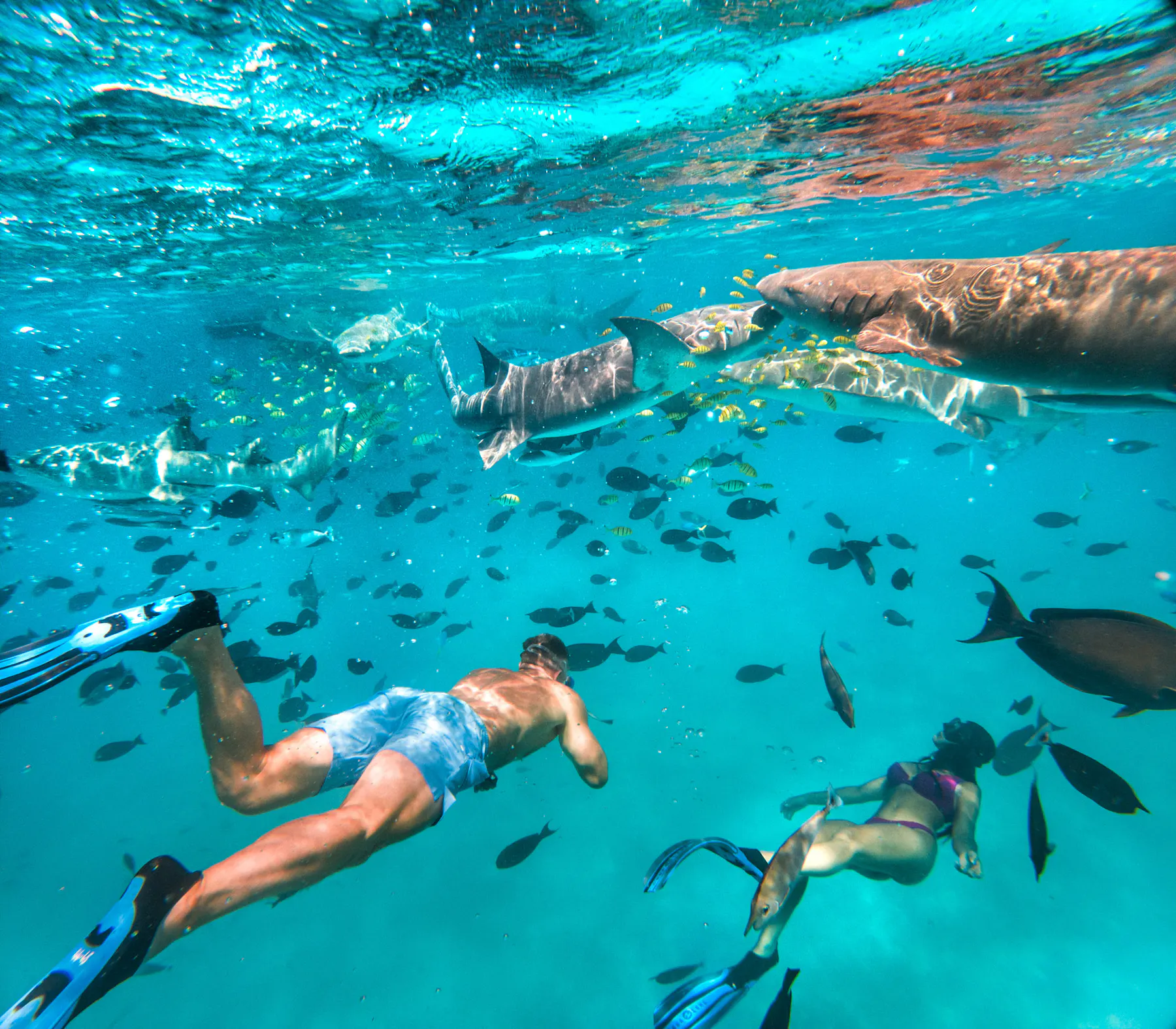
Fiji has long been known for its white-sand beaches, turquoise lagoons, and warm island hospitality. In recent years, however, the country's reputation has expanded beyond tropical relaxation. Today, adventure tourism Fiji is gaining global attention as travelers increasingly seek immersive, experience-driven vacations rather than traditional beach holidays.
Among the fastest-growing segments is shark diving, an activity that has transformed Fiji into one of the world's premier destinations for underwater adventure. From boosting local economies to supporting marine conservation, shark encounters are becoming an important part of Fiji dive tourism while encouraging a more sustainable approach to ocean travel.
Fiji's Shift Toward Experience-Based Travel
Global travel preferences continue to evolve. Modern travelers are placing greater value on authentic experiences that combine excitement, education, and environmental awareness.
This shift has benefited Fiji in several ways:
- Increased demand for marine adventures
- Longer visitor stays
- Higher spending on guided activities
- Growth in eco-focused tourism businesses
- Expanded international visibility
Rather than simply visiting tropical islands, travelers now want to interact with the natural environment in meaningful ways. Diving has become one of the country's strongest attractions because Fiji offers healthy coral reefs, excellent visibility, and exceptional marine biodiversity throughout the year.
Why Shark Diving Has Become a Major Attraction
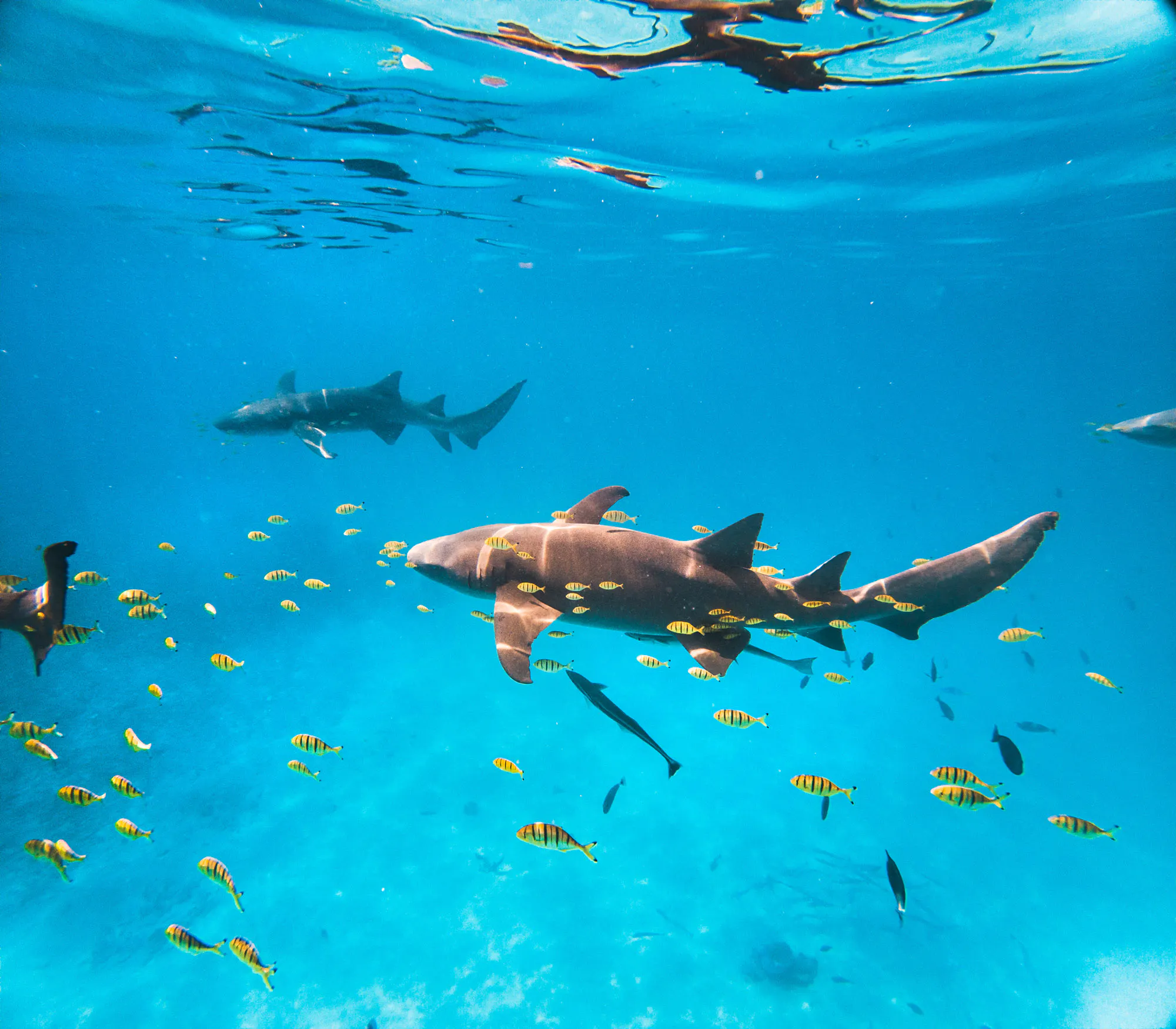
Sharks have evolved from misunderstood predators into icons of marine conservation and underwater exploration.
Divers from around the world travel specifically to Fiji to encounter species such as:
- Bull sharks
- Tiger sharks
- Reef sharks
- Lemon sharks
- Silvertip sharks
- Nurse sharks
Unlike aquariums or artificial attractions, these encounters take place in carefully managed natural environments under the supervision of experienced dive professionals.
For many travelers, observing sharks in their natural habitat becomes the defining experience of their trip and a reason to return for future visits.
Beqa Lagoon Leads Fiji's Shark Diving Reputation
One location has played an especially significant role in establishing Fiji as a world-class dive destination.
Beqa Lagoon, located off the southern coast of Viti Levu, has earned international recognition for its organized bull shark dives. Over the years, this area has become one of Fiji's flagship marine attractions, welcoming underwater photographers, marine researchers, and recreational divers alike.
Its popularity demonstrates how a single marine ecosystem can generate economic opportunities while promoting responsible wildlife tourism.
Travelers planning their stay often choose a nearby dive resort in Fiji that offers direct access to Beqa Lagoon's renowned dive sites, making logistics easier while supporting local tourism businesses.
Economic Benefits for Coastal Communities
The expansion of shark diving tourism creates value that extends well beyond dive operators.
Tourism spending supports numerous sectors, including:
- Hotels and resorts
- Boat operators
- Local restaurants
- Transportation providers
- Equipment rental businesses
- Tour guides
- Marine instructors
These businesses generate employment opportunities for coastal communities while encouraging long-term investment in tourism infrastructure.
Many visitors also spend additional days exploring Fiji's islands, increasing revenue for local businesses outside the diving industry.
Conservation Through Tourism
One of the most important developments within sustainable diving Fiji is the growing connection between tourism and marine conservation.
Healthy shark populations contribute to balanced ocean ecosystems. As awareness increases, local operators, conservation groups, and communities have worked together to encourage practices that protect marine habitats while maintaining high-quality visitor experiences.
Examples include:
- Responsible diver briefings
- Controlled group sizes
- Habitat monitoring
- Reef protection initiatives
- Community education programs
- Support for marine research
When marine wildlife becomes economically valuable through tourism, there is greater incentive to preserve these ecosystems for future generations.
Education Is Becoming Part of the Dive Experience
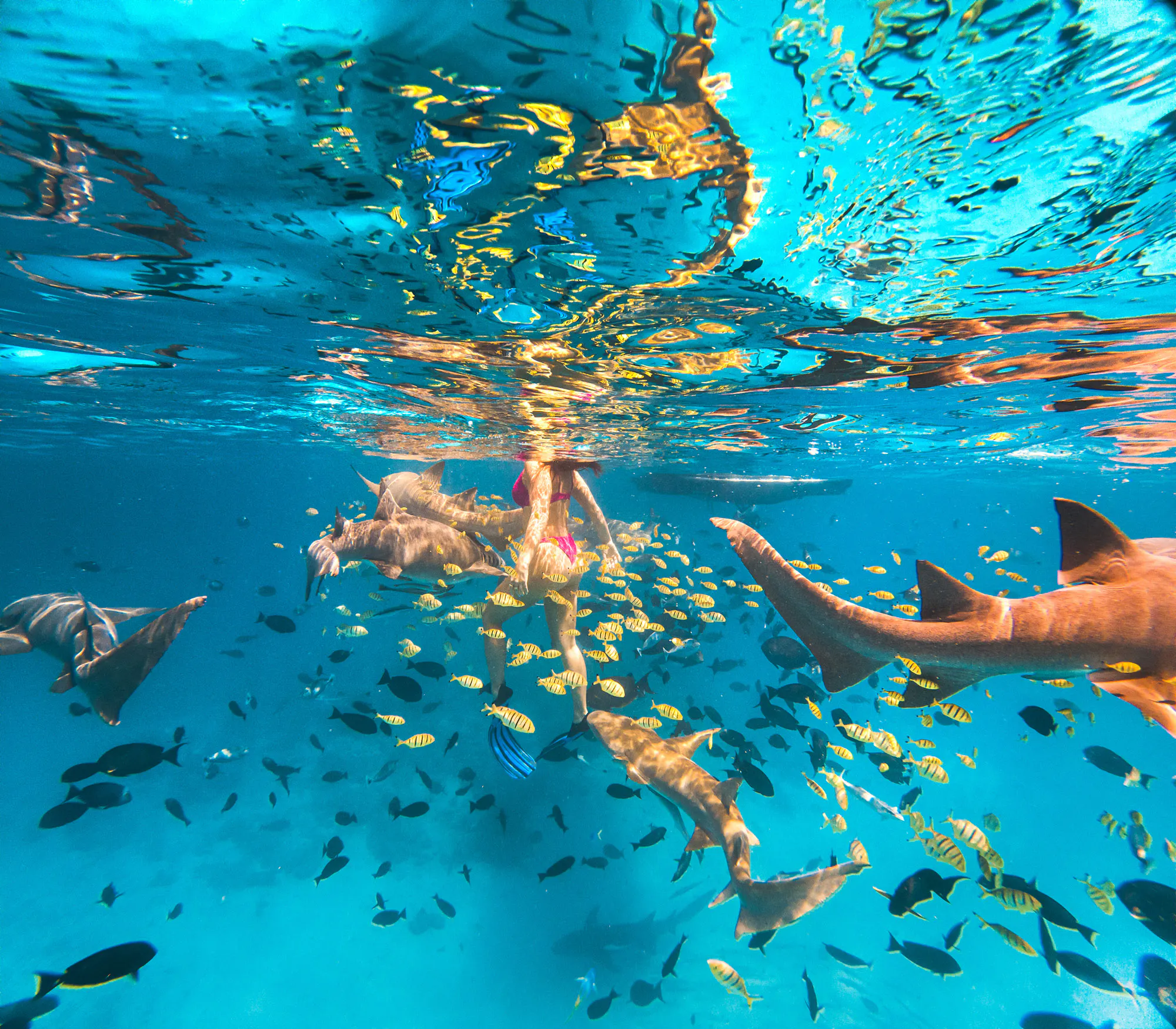
Today's dive excursions often include more than underwater exploration and is one of Fiji's most adventurous things to do.
Many operators now educate visitors about:
- Shark behavior
- Marine food chains
- Coral reef ecosystems
- Conservation challenges
- Responsible diving practices
Learning about sharks directly from experienced dive professionals helps replace fear with understanding, creating informed ambassadors for ocean conservation once travelers return home.
Fiji's Strong International Reputation
Several factors continue to strengthen Fiji dive tourism in the global marketplace.
These include:
- Warm tropical waters
- Excellent underwater visibility
- Diverse marine species
- Professional dive operations
- Accessible international flights
- Year-round diving opportunities
Combined with Fiji's welcoming culture, these advantages make the destination attractive for both first-time divers and experienced underwater photographers.
Positive traveler reviews, social media content, and wildlife documentaries have also increased worldwide interest in Fiji's marine experiences.
Responsible Shark Encounters Matter
Ethical wildlife tourism depends on careful planning and adherence to professional standards.
Before participating in diving with sharks, travelers should look for operators that prioritize diver safety, environmental responsibility, and experienced guides.
Responsible practices typically include:
- Comprehensive safety briefings
- Certified dive professionals
- Small group sizes
- Respect for wildlife behavior
- Minimal environmental impact
- Compliance with local regulations
Choosing reputable operators helps ensure that tourism benefits both visitors and marine ecosystems.
Fiji Travel Trends Point Toward Sustainable Growth
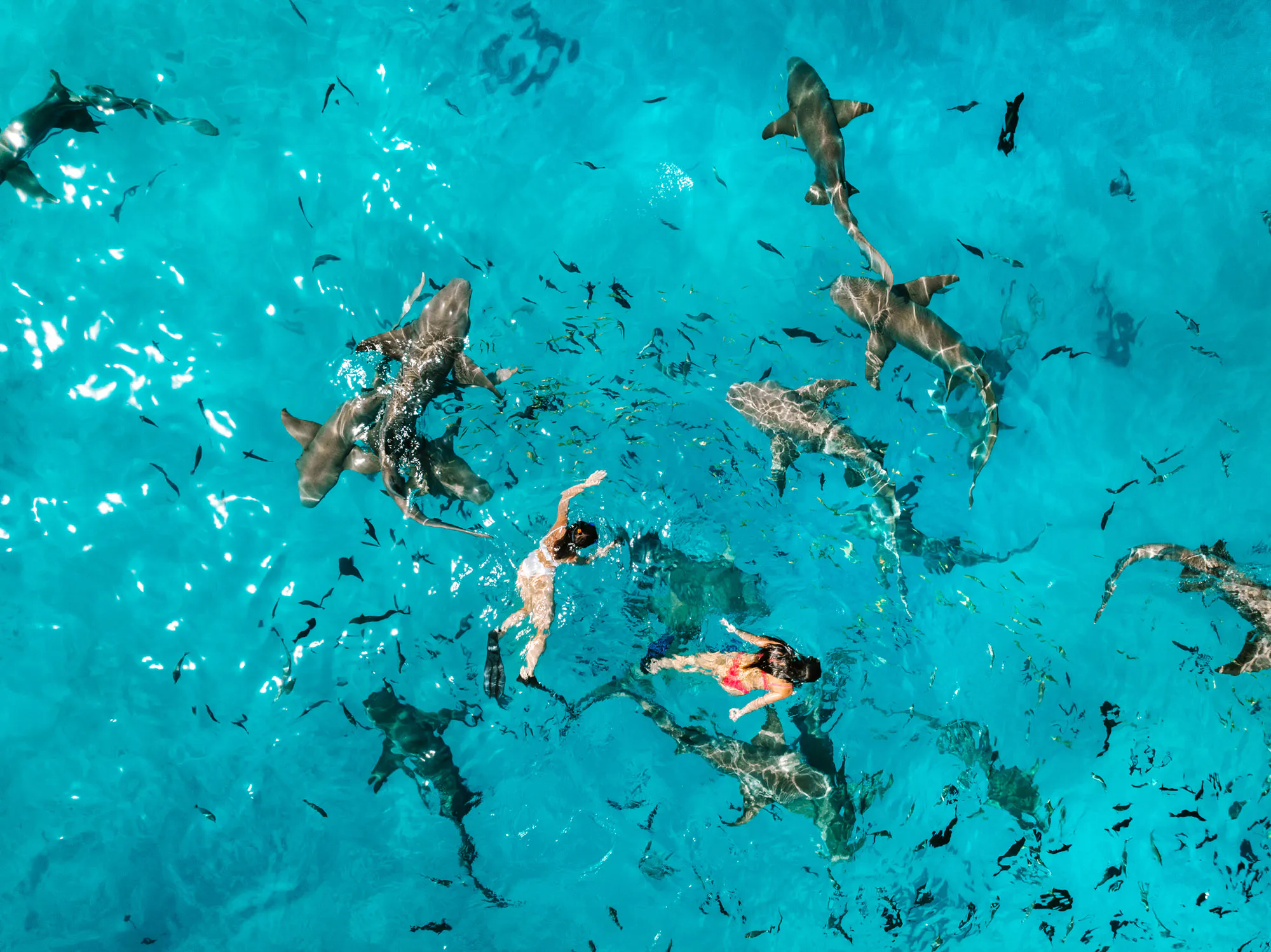
Recent Fiji travel trends suggest that eco-conscious tourism will continue influencing visitor decisions.
Travelers increasingly seek destinations that combine adventure with environmental responsibility. Rather than focusing solely on luxury accommodations, many now evaluate whether tourism experiences contribute positively to local communities and conservation efforts.
This trend aligns well with Fiji's marine tourism sector, where responsible diving experiences showcase the country's natural assets while encouraging long-term protection of its reefs and marine life.
As interest in sustainable travel grows, destinations that successfully balance tourism development with environmental stewardship are likely to remain competitive.
The Future of Adventure Tourism in Fiji
The outlook for adventure tourism Fiji remains encouraging as demand for nature-based experiences continues to rise.
Future growth is expected to be supported by:
- Continued investment in marine tourism
- Expansion of eco-friendly dive operations
- Stronger conservation partnerships
- Increased environmental education
- Responsible visitor management
Maintaining this balance will be essential for preserving Fiji's reputation as one of the world's leading dive destinations while protecting the ecosystems that make these experiences possible.
Final Thoughts
The rise of shark diving has become one of the defining stories within Fiji dive tourism. What began as a niche underwater activity has evolved into a significant contributor to the country's broader tourism industry, attracting adventure travelers from around the world.
Flagship locations like Beqa Lagoon demonstrate how carefully managed wildlife experiences can support local businesses, create employment opportunities, and encourage marine conservation at the same time. As global interest in sustainable travel continues to grow, Fiji is well positioned to remain a leader in responsible ocean adventure, proving that tourism and environmental protection can thrive together when managed thoughtfully.
Frequently Asked Questions
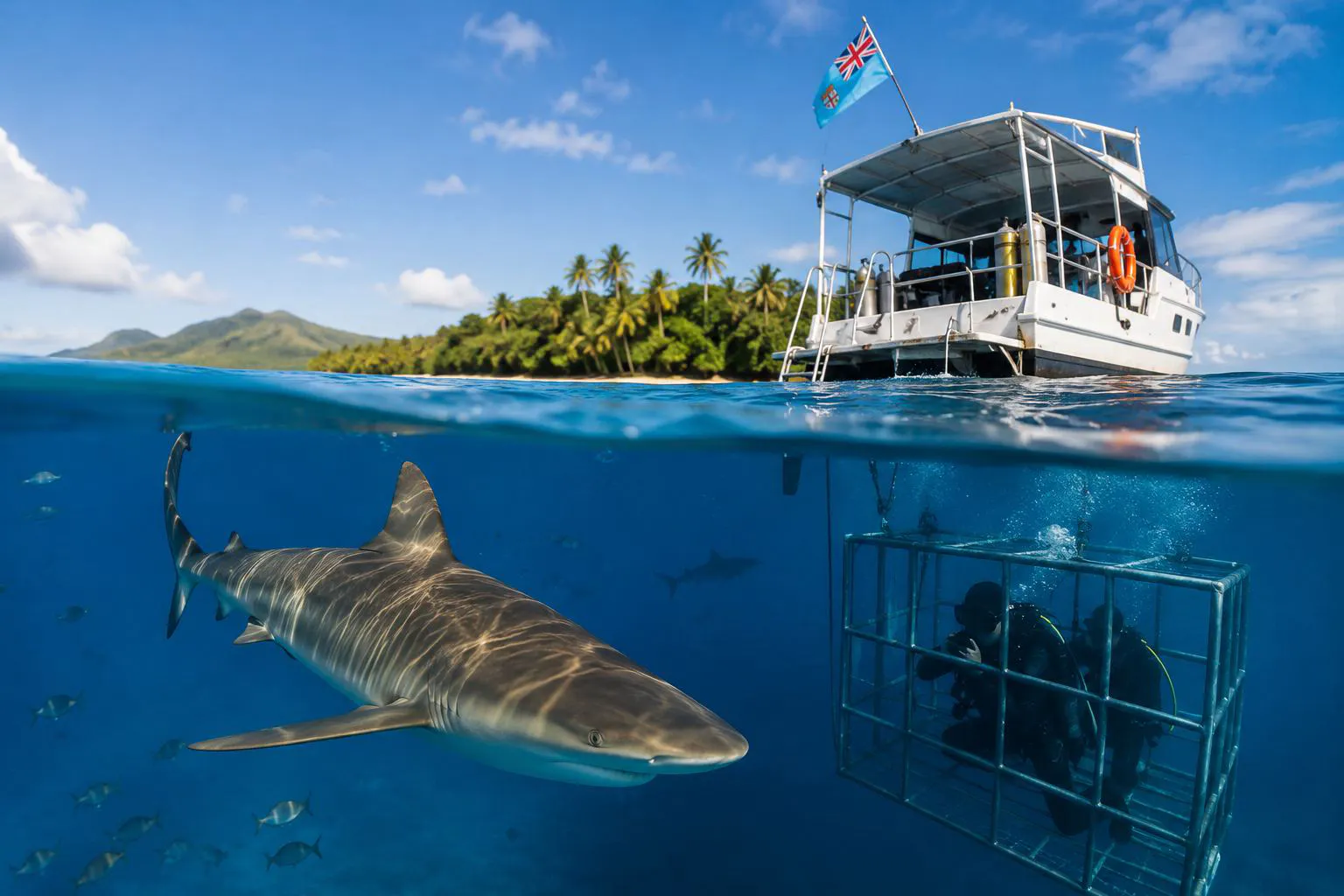
1. Why is shark diving popular in Fiji?
Fiji offers reliable shark encounters, healthy reefs, and professionally guided dive experiences.
2. Where is the best place for shark diving in Fiji?
Beqa Lagoon is one of Fiji's most famous locations for bull shark diving.
3. Is shark diving in Fiji safe?
Yes. Reputable dive operators follow strict safety guidelines and experienced supervision.
4. How does shark diving support conservation?
It promotes marine conservation by creating economic value for protecting sharks and their habitats.
5. When is the best time to dive in Fiji?
Fiji offers year-round diving, with good conditions depending on the region and season.