

From the UAE to NYC: The New Map of Casino Tourism in 2026
The Legacy Hubs Are Bleeding Margins
Ten years back, the international gaming circuit ran on pure exclusivity. Just picture a velvet-rope VIP room where only three bouncers mattered. Vegas, Macau, and Singapore held all the cards; they practically wrote the global zoning laws and dictated every structural trend. That era is definitively over. Today, the global gaming market is sprinting toward a $152.6 billion valuation. Some aggressive analysts even peg it closer to $275 billion if you factor in adjacent operations. Yet, the old kings are quietly stumbling. Market saturation is a brutal, expensive reality.
Look at Macau. Operators over there anticipate a decent 6% bump in gross gaming revenue (GGR) this year. The real issue is their EBITDA growth stalling out at a pathetic 2%. Structural profit squeezes are crushing them. Concessionaires hemorrhage capital on non-gaming civic obligations just to satisfy their ten-year government mandates. Brands also burn massive cash on promotional allowances just to lure premium mass-market players onto the carpet. Macroeconomic distractions like the expanded FIFA World Cup suck all the regional oxygen out of the room, making those bizarre monthly revenue drops make perfect sense. Vegas and Singapore face similar headwinds; both jurisdictions project a deeply tepid 1% growth. Marina Bay Sands and Resorts World Sentosa watch modest volume gains evaporate as inflated hold rates finally come back to earth. Margin compression forces the smart money to look elsewhere. Genuine capital momentum has aggressively pivoted toward completely raw, untested jurisdictions.
Billion-Dollar Bets on Reclaimed Sand
Ten billion dollars buys a serious amount of structural steel. Over on Yumeshima—a sprawling artificial island in Osaka Bay—MGM Resorts International and Orix Corporation are proving exactly that. Right now, engineering teams are driving colossal H-beams straight into the ocean floor. The goal here defies basic physics. Planners need to support a sprawling 23,293-square-meter gaming space that can shrug off catastrophic Japanese seismic activity—and they are doing it without a single intermediate load-bearing pillar. Since 40% of the foundation piles are already driven, a 2030 opening feels entirely achievable, and the sheer scale of the blueprint defies logic. Yet, the most immediate geographic disruptor isn't floating off the coast of Japan.
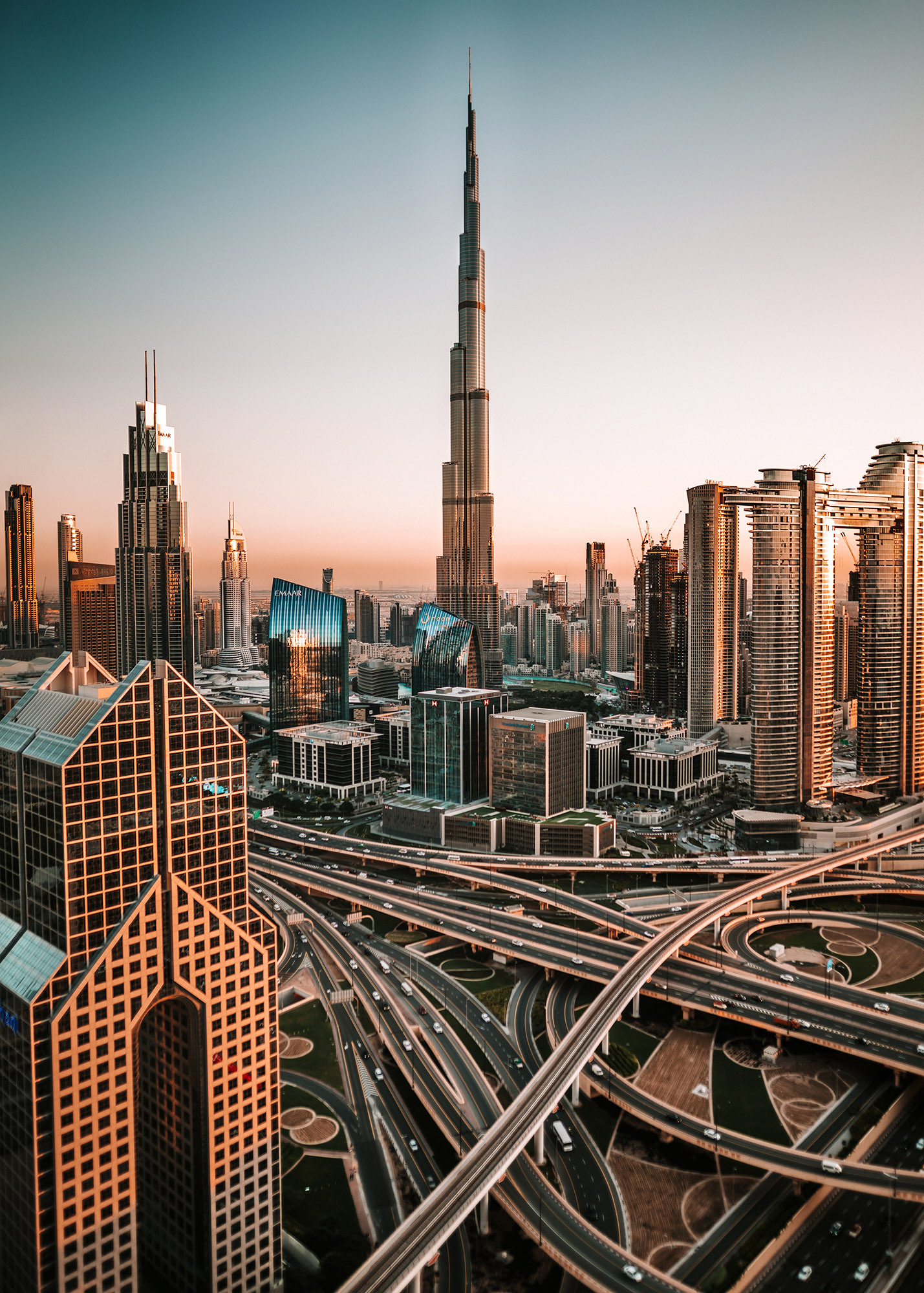
Look closer, and you will see the absolute epicenter of the 2026 gaming shockwave sitting in the Middle East. For generations, federal mandates across the United Arab Emirates kept gambling strictly illegal. Then 2024 happened, and the old laws simply vanished. A sudden bureaucratic stroke created the General Commercial Gaming Regulatory Authority (GCGRA). Thanks to that silent regulatory earthquake, Ras Al Khaimah (RAK) captured the $5.1 billion Wynn Al Marjan Island project. Honestly, calling this site massive feels like a joke. Ironworkers already capped the central tower last winter; soon, that concrete spire will punch 352 meters into the clouds. For some local context, that final height crushes the emirate's reigning tallest skyscraper by a full hundred meters. Property values across the archipelago simply exploded, tripling the moment shovels hit the dirt.
Cultural sensitivities obviously demand a highly delicate touch here. As a solution, developers deliberately sequestered the massive 225,000-square-foot gaming space, hiding the casino entirely from the family beaches and luxury retail strips outside. Frankly, the financials easily justify walking this geopolitical tightrope. Projections indicate the UAE gambling sector could eventually print up to $5 billion in GGR. Adult spend should trail just slightly behind the Las Vegas average. Wynn already locked down a monumental $2.4 billion construction loan to keep 22,000 workers actively swinging hammers on-site. The corporate footprint is so massive they are building a 26-acre residential compound fifteen minutes away simply to house their 7,000 employees.
Concrete, Gridlock, and Downstate Hustles
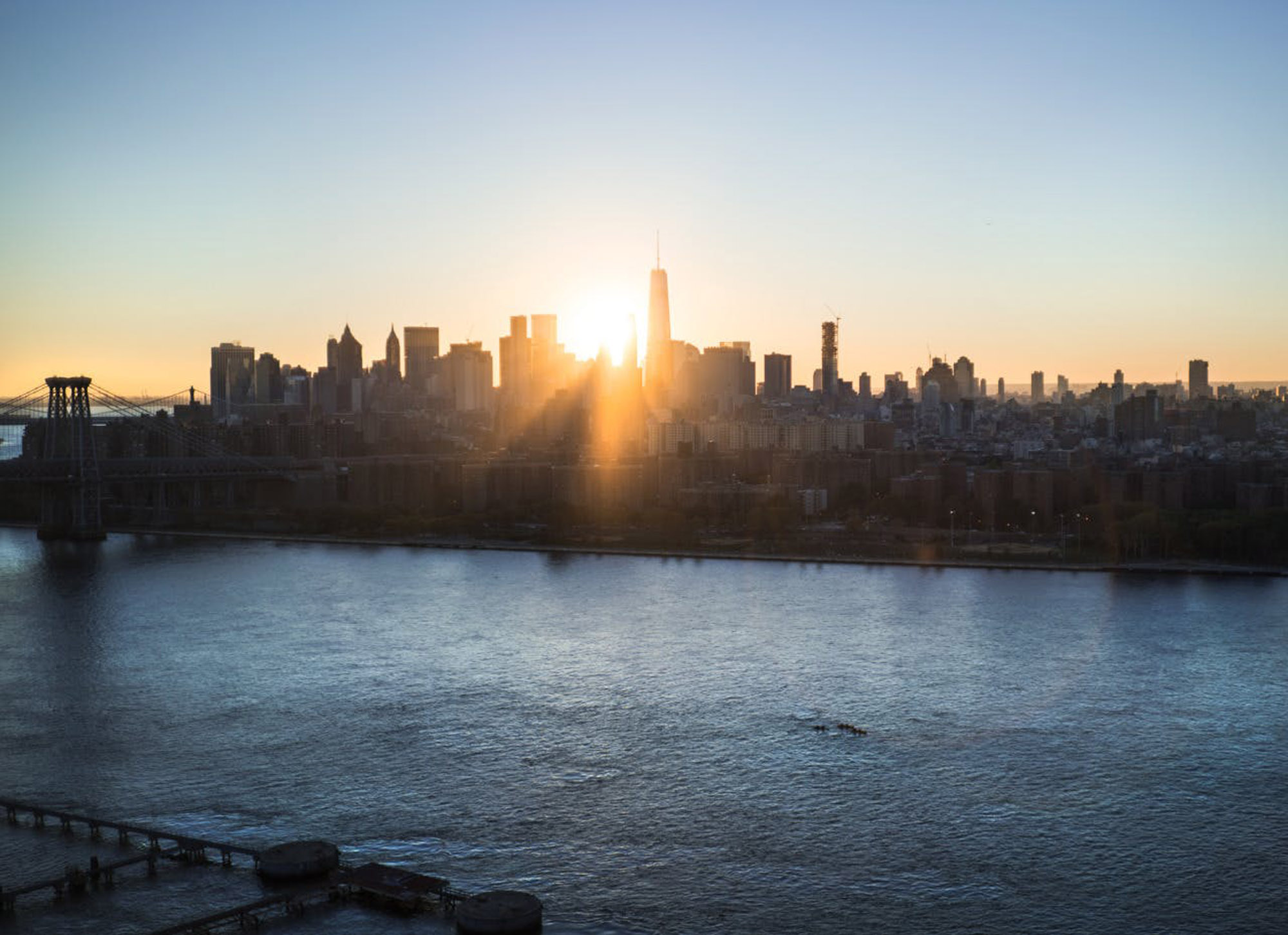
Half a world away from the Arabian Gulf, New York City is actively monetizing its own density. The state finally dropped its downstate restriction on live table games. This legislative shift triggered a bloodbath of a bidding war that culminated in late 2025. Three highly coveted licenses were handed out to the ultimate survivors. The toll for this urban access was brutal. Winners endured endless community groveling alongside massive municipal fees—cash strictly earmarked to bail out a bleeding Metropolitan Transportation Authority (MTA).
Out in Queens, a single local operator basically held the golden ticket. Resorts World NYC had been running a high-volume, slots-only racino at Aqueduct for years, making their jump to live gaming incredibly smooth. Executives wasted zero time leveraging that footprint. As a result, 242 live tables went hot right there on the floor this past April. The initial financial data is fascinatingly messy. Slot revenue spiked 20.5% to $23.5 million over the launch week. Table games, however, drastically underperformed at a dismal 14% win rate. Players simply gravitated right back to the electronic machines they already knew. But that soft table launch is merely a warmup for their $5.5 billion final buildout.
Meanwhile, billionaire Steve Cohen is dumping $8.1 billion into Metropolitan Park next to Citi Field. He bought local goodwill with a $1.75 billion community benefit package and a promised 25-acre public park. Up in the Bronx, Bally's survived a vicious local fight over its Ferry Point golf course project. The operator coughed up $135 million for transit upgrades and a $300 million upfront Bronx Benefit Fund. The strategy here abandons the remote oasis model entirely. Operators are forcing high-end gaming directly into the daily subway commute of millions of affluent locals.
The Midwest Trades Water for Dirt
While New York cannibalizes its transit grid, the American Midwest is finally abandoning a ridiculous legislative quirk. For three decades, Illinois forced casinos to sit on water. Zero high-rollers desire to blow their weekend budget trapped inside a claustrophobic, thirty-year-old river barge. Modern domestic tourists absolutely mandate high-touch luxury over some quaint aquatic excursion.
Corporate executives finally listened. PENN dropped $360 million to drag their legacy riverboat asset onto solid ground right off Interstate 88. Regional priorities shifted overnight. Step through the front doors today. A giant 12,000-square-foot concert hall immediately demands your cash, flanked by high-end wellness clinics and restaurants branded by television chefs. Truthfully? The actual fifty gambling tables tucked into the room feel like a total afterthought. Aurora officials knew this transition would pay off, which is exactly why the municipality heavily subsidized the actual real estate. Local leaders floated $50 million in municipal bonds because they know the expanded tax base will explode.
Chicago, however, remains a localized disaster zone of political friction. Bally’s is attempting to build a $1.7 billion mega-complex in River West, aiming for a 2027 opening. Construction is constantly plagued by everything from river debris violations to alleged mob-tied contractors operating on-site without approval. Their temporary casino at the Medinah Temple is legally mandated to close in September. A massive fight has broken out between Bally’s and Mayor Brandon Johnson over the expansion of Video Gaming Terminals (VGTs) in corner stores. Executives are furious that the city wants to monetize local dive bars. Corporate boards are threatening to pull union labor commitments and proposing airport slot lounges as a desperate compromise. Regional monopolies demand absolute political warfare.


The Digital Ecosystem and the Unified Wallet
Bricks, steel, and hyper-local zoning boards dictate the physical map. The highest-margin real estate in the industry, however, has absolutely no zip code. Mobile gaming is rapidly devouring the global market. Digital markets are projected to smash through a $244.6 billion valuation this year. Why endure a Manhattan traffic jam or wait for Arabian infrastructure projects to materialize? The smartest operators realize that a massive portion of their revenue now relies on premium online casino platforms, like DraftKings. Low-barrier, frictionless access captures millions of casual gamers instantaneously.
In the US alone, the restricted iGaming market pulled down nearly $1 billion in the single month of April 2026. Keep in mind, this is legal in merely eight states. Mobile gaming dictates almost half of all North American gaming revenues. The catch? Smart legacy operators refuse to fight the digital tide; instead, they completely weaponize it. Aggressive omnichannel loyalty loops are the new standard.
Modern data lakes utilize artificial intelligence to monitor every single bet via a Unified Player Wallet. Imagine a 28-year-old sports fan cashing a mobile parlay on a Tuesday morning train; that single action instantly unlocks a VIP dining reservation for their weekend trip out to Queens. The loyalty loop is completely closed. Physical properties act as aspirational marketing tools for the daily digital grind. These tycoons winning the 2026 land grab aren't just pouring concrete in the desert or buying off New York aldermen. They are building inescapable digital ecosystems where the casino floor extends directly into your living room. The house will capture every single dollar you are willing to wager—regardless of the physical jurisdiction you happen to be standing in.
Explore further
-

Creating Better Digital Learning Experiences: 8 Proven Strategies
-
How to Sell Products Online: Complete Beginner’s Guide to Building a Successful Store
-

How to Stay Safe on Public Wi‑Fi While Traveling
-

Why 62% of Full-Time Travelers are Swapping Netflix for "Digital Arbitrage" in 2026
-

How Adventure Games Turn Exploration Into Stories Players Remember
-

What to Wear in the South of France - 30+ Outfit Ideas for Provence and French Riviera Summer Style
-

Mediterranean Garden Ideas: 14 Ways to Transform Your Backyard Into a European Vacation
-

Is NakedMD Med Spa Too Cheap to Be True? Honest Botox, Filler, and Microneedling Review
-

Best Travel Photography Cameras and Gear (From a Professional Photographer)
-

20 Best Beaches in California - Near Los Angeles and Beyond (From a Local)
-

What to Pack for Japan in Winter: Female Packing List for Cold Weather + Snow