Supporting your team used to mean gathering around the television or heading to the nearest sports bar. These days, plenty of fans are booking flights instead.
Football has become a major reason to travel, with supporters planning holidays around league matches, cup finals, and international tournaments. A trip that starts with 90 minutes in a stadium often turns into several days exploring a new city, meeting fellow fans, and ticking off a dream destination.
The appetite for football travel has only grown. The 2026 FIFA World Cup, hosted across the United States, Canada, and Mexico, expanded the tournament to a record 48 teams and 104 matches. It drew nearly 7 million spectators, showing just how many supporters are willing to cross borders for live football. The days of watching every big match from home are giving way to a new era where the journey is part of the experience.
Football trips have become easier to plan
Following your club overseas isn't reserved for hardcore supporters with endless budgets anymore. Budget airlines, online booking platforms, and official club ticket portals have made football travel much more accessible. Fans can compare flights, reserve accommodation, and secure match tickets in a matter of hours.
Supporter communities have made the process even smoother. Facebook groups, Reddit forums, and club fan pages are packed with advice on where to stay, which pubs welcome away supporters, and how to get to the stadium without paying tourist prices. While traveling, many fans also keep up with matches they cannot attend through https://sportbet.one/live-betting.
The result is a football holiday that feels far less stressful than it did ten years ago. Instead of worrying about logistics, supporters can focus on enjoying the match and everything around it.
Major tournaments are fueling sports tourism
Few events inspire travel like the FIFA World Cup. Every edition brings together supporters from dozens of countries, turning host cities into week-long celebrations filled with fan zones, watch parties, and streets covered in national colors.
The 2026 tournament took that atmosphere to another level. Sixteen cities across three countries welcomed supporters from around the world, creating one of the biggest sporting events ever staged. FIFA also expects the competition to generate billions of dollars in tourism spending across North America through hotels, restaurants, transport, and entertainment.
Regional tournaments have the same pull. The UEFA European Championship regularly fills host cities with traveling supporters, while the AFC Asian Cup, Copa América, and Africa Cup of Nations encourage thousands of fans to follow their national teams from one city to the next. For many supporters, the tournament becomes the holiday.
Club football keeps fans on the move
The travel doesn't stop once international tournaments end. Club football offers reasons to travel almost every month of the year.
Champions League nights regularly see thousands of away supporters flying across Europe. Liverpool fans travel to Milan one week, while Inter supporters make the return journey for the next fixture. Derby matches, domestic cup finals, and promotion battles also attract traveling fans who want to experience the atmosphere firsthand.
Preseason tours have opened another door. Manchester United, Arsenal, Liverpool, Tottenham Hotspur, Bayern Munich, Barcelona, and Paris Saint-Germain frequently play exhibition matches in Asia, Australia, and North America. Those games allow overseas supporters to see their favorite clubs without making the long trip to Europe, while inspiring many to plan a future visit to their home stadium.
Stadiums attract visitors every day
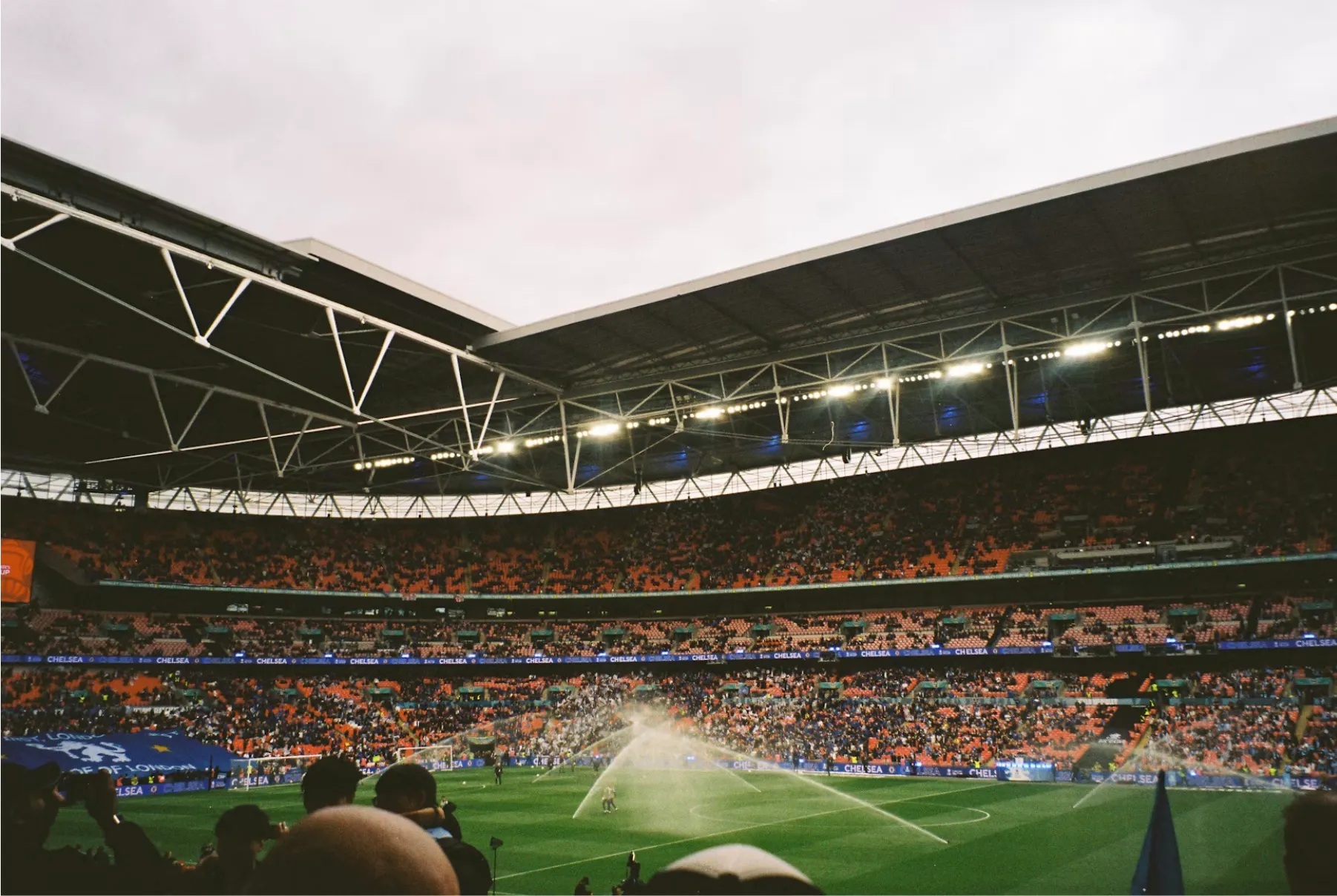
Football stadiums have become tourist attractions in their own right. Many welcome visitors throughout the year with guided tours and interactive museums that celebrate decades of club history.
Old Trafford, the Santiago Bernabéu, Camp Nou, Allianz Arena, and Anfield all offer behind-the-scenes access. Fans can walk through the players' tunnel, visit the dressing rooms, stand beside the pitch, and see famous trophies up close. Renovations at venues like the Santiago Bernabéu have added immersive exhibits and modern attractions that appeal even to casual football fans.
These visits often become highlights of the trip. Walking through the same tunnel used by club legends or standing where unforgettable celebrations took place creates memories that last long after the final whistle.
Football tourism is boosting local economies
Every traveling supporter contributes to the local economy long before kickoff. Hotels, restaurants, cafés, taxis, trains, museums, and souvenir shops all benefit from the arrival of thousands of visiting fans.
The impact can be enormous during major tournaments. Host cities prepare years in advance because football visitors stay for several days, spend money across multiple businesses, and often return as regular tourists. Restaurants extend opening hours, public transport increases services, and local attractions see a surge in visitors who combine sightseeing with football.
That ripple effect explains why countries continue competing to host major tournaments. Football delivers far more than packed stadiums. It fills hotel rooms, creates temporary jobs, and introduces destinations to millions of international visitors.