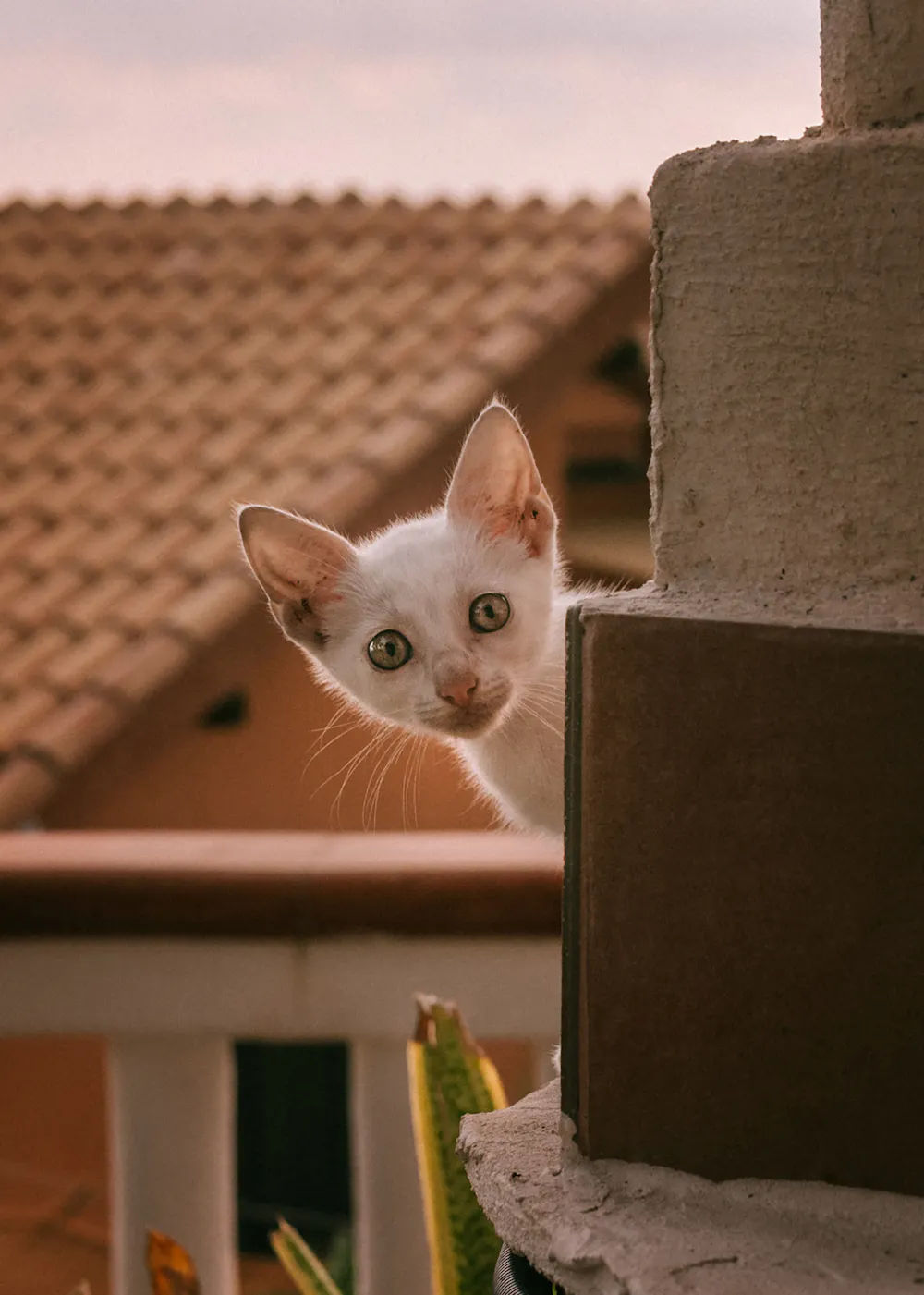
Flying home with a new kitten is manageable when you plan it like any other important trip: confirm the airline's pet rules before booking, practice with an approved carrier, gather the documents your airline may request, and know exactly how airport security screening works. Many families now reserve purebred kittens from breeders and stores in other states, so the journey home has become part of the adoption itself. A calm, well-prepared trip helps the kitten arrive ready to settle in.
A kitten's first flight is a big change. New sounds, smells, and movements all arrive at once. Your job is to reduce surprises, keep the kitten secure, and protect it from stress where you can.
Confirm the airline's rules before booking
Airline pet policies vary, and they change. Before you book, call or check the airline's website for current rules on traveling with a small pet in the cabin.
Ask about:
- Whether pets are allowed in the cabin on your specific flight and aircraft.
- The minimum age for a kitten to travel.
- Carrier size limits, including whether it must fit under the seat in front of you.
- Pet fees and how many pets are allowed on each flight.
- Any documents the airline requires, such as a recent veterinary health certificate.
Book a seat as soon as you know your plans, because many airlines limit the number of pets per cabin. Choose a direct flight whenever possible to avoid a stressful connection.
Choose and practice with the right carrier
A soft-sided, well-ventilated carrier that meets the airline's size limits is usually the best option for in-cabin travel. It should let the kitten turn around and lie down comfortably.
Help the kitten get used to the carrier before the trip:
- Leave the carrier open in the kitten's room with a soft blanket inside.
- Offer treats or meals near or inside the carrier.
- Practice closing the door for short periods, then gradually longer ones.
- Take a short car ride or carry the kitten around the house in the carrier.
Line the carrier with an absorbent pad and pack a spare in case of accidents.
Gather the documents you may need
Ask the seller and your airline which documents are required. Many sellers provide a veterinary health certificate and vaccination records with each kitten. Keep copies in a folder you can reach easily, along with:
- The kitten's vaccination and microchip records.
- The seller's contact information and your purchase agreement.
- Your veterinarian's details at home.
- Any airline confirmation that the pet reservation is approved.
Plan the airport day around the kitten
Airport security has a specific process for small pets. The TSA explains on its small pets page that pets should be brought to the checkpoint in a travel carrier. You will remove the pet just before screening and carry it through the metal detector while the empty carrier goes through the X-ray. Pets should never be placed in the X-ray machine.
If your kitten may wriggle or try to escape, you can ask for screening in a private room. This is often the calmer choice for cats.
A simple timeline for the day:
[["Time","Task"],["Night before","Pack the carrier, pads, documents, and a small bag of food"],["3 to 4 hours before","Offer a small meal, then a final litter box opportunity"],["At the airport","Check in with the airline and confirm the pet reservation"],["At security","Remove the kitten, carry it through, and return it to the carrier promptly"],["At the gate","Keep the carrier zipped and the kitten calm under a light cover"]]
A harness can make holding the kitten more secure during screening, but only use one the kitten has already practiced wearing.
Keep the kitten calm in the cabin
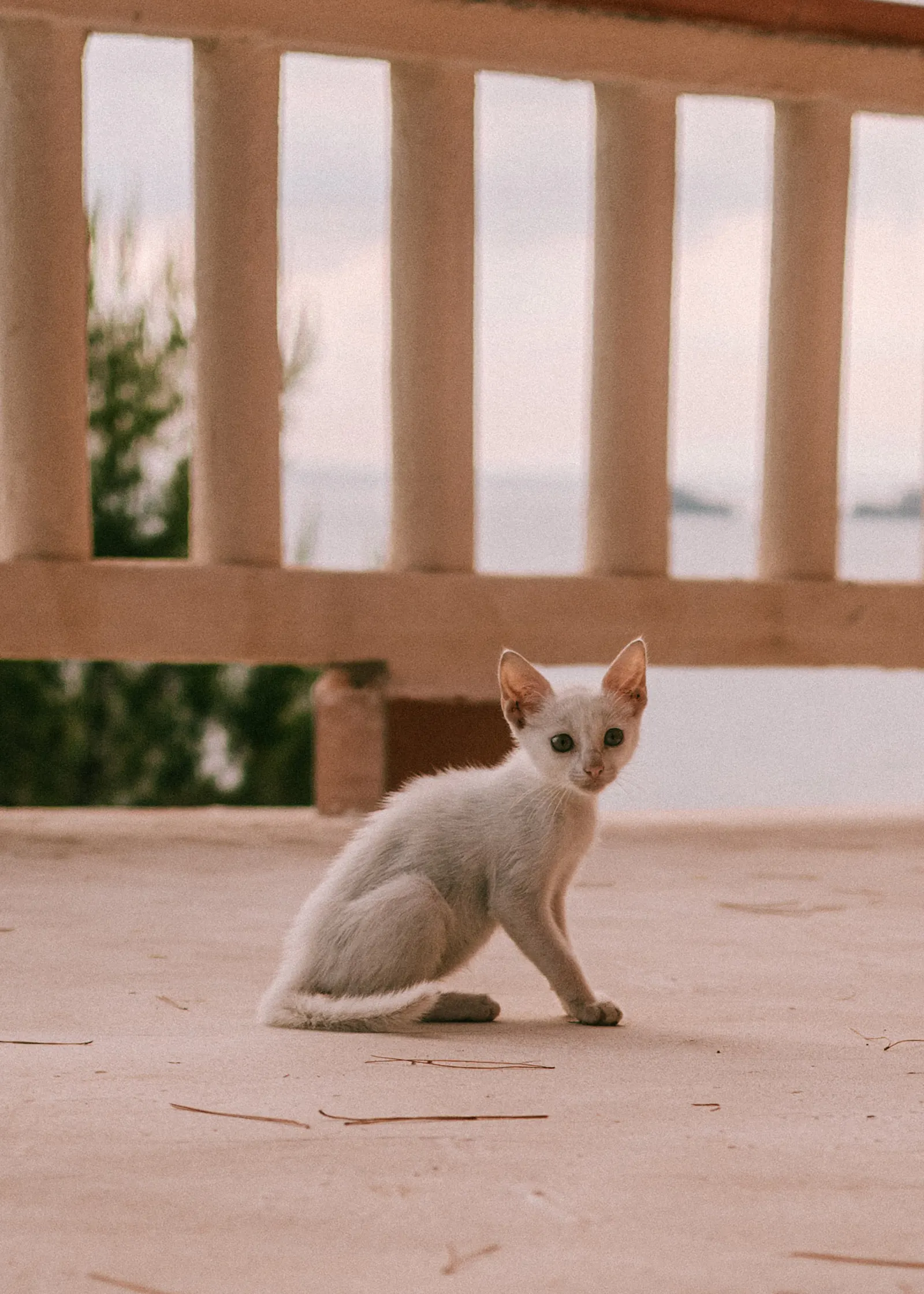
Once on board, place the carrier under the seat in front of you and keep it closed for the entire flight. Many airlines require this.
Small comforts help:
- Drape a light cloth over part of the carrier to reduce visual stimulation.
- Speak softly to the kitten, especially during takeoff and landing.
- Offer a small amount of water if the airline and the flight duration allow.
- Avoid opening the carrier in the cabin, even if the kitten cries.
Do not give your kitten any sedative or calming product unless your veterinarian has specifically recommended it for air travel.
Pack a small kitten travel kit
A compact kit keeps everything you might need within reach, without overloading your carry-on.
- Two absorbent pads and a few zip-top bags for cleanup.
- A small towel or blanket that smells familiar.
- A collapsible water dish and a sealed bottle of water bought after security.
- A small portion of the kitten's current food in a sealed container.
- Unscented wipes for minor accidents.
- Copies of documents and the seller's and veterinarian's phone numbers.
Keep the kit in a pouch that fits beside the carrier, so you are not digging through bags at the gate.
Prepare for delays and cancellations
Even well-planned trips can be delayed. Decide in advance what you will do if the flight is late or canceled. Ask the airline how pets are handled during delays, and keep an extra portion of food and spare pads in your kit.
If you face a long wait, find a quiet corner of the terminal away from crowds and announcements. Some airports have pet relief areas inside security, which can be useful for a kitten trained to a harness, although many kittens are more comfortable staying in their carrier. If the trip must be rebooked, ask whether the pet reservation transfers to the new flight before you accept the change.
Arrive home to a prepared room
The trip does not end at the airport. Have a quiet room ready at home before you leave, with food, water, a litter box, a bed, and a hiding place. Let the kitten explore this single room first, then gradually introduce the rest of the house over the following days.
Keep the first evening quiet. Limit visitors, offer a small meal, and let the kitten rest. Schedule a check-up with your own veterinarian within the first week.
When flying is not the best option
Sometimes another option is better. Some kittens are too young for the airline's age rules, some flights do not allow pets in the cabin, and some routes require long layovers. Driving or arranging professional delivery can be a better choice in these cases. Ask the seller what transport options are available and which suits your kitten's age and temperament.
Questions travelers often ask
Can a kitten fly in the cabin?
Many airlines allow small pets in the cabin if they meet age and carrier requirements. Always confirm the current policy with your airline before booking.
Should I give my kitten a sedative?
Not unless your veterinarian specifically recommends it. Sedatives can affect breathing and balance, especially at altitude.
How soon can a kitten travel again after arriving home?
Let the kitten settle for several weeks before planning another trip, and ask your veterinarian for advice before any future travel.
With careful planning, flying home with a new kitten can be the calm first chapter of a long friendship. Prepare early, follow the airline and security rules, and give your kitten a quiet place to land at the end of the journey.