

How to Plan a Zanzibar Trip That Feels Cinematic Without Falling Apart Behind the Scenes
Some destinations feel like they were made for a camera before you even arrive. Zanzibar is one of them. You picture dhows moving across the horizon at sunset, carved wooden doors in Stone Town, spice farms heavy with clove and cinnamon, turquoise shallows, linen clothes catching the wind, and that glowing Indian Ocean light that makes everything look like a film still.
But the trips that look effortless in photos are rarely effortless in real life. Behind every soft sunrise shot is usually a dead alarm, a missing lens cloth, a sandy backpack, or a travel document someone remembered at the last possible second. The trick is not to over-plan the soul out of the trip. It is to handle the unromantic details early enough that the beautiful parts have room to happen.
For Zanzibar, that means thinking beyond swimsuits and camera gear. Before the itinerary gets too dreamy, it is worth checking the practical requirements that underpin a smooth arrival, including Zanzibar travel insurance, passport validity, accommodation details, and any other entry or transit documents your route may require.
Plan around light, not just locations
A common mistake with island trips is building the schedule around place names alone: Stone Town on Monday, Nungwi on Tuesday, Paje on Wednesday. That works on paper, but it misses what often defines the experience: light.
Stone Town is completely different at 8 a.m. than it is at noon. Early morning gives you quiet alleys, cooler air, and locals setting up for the day. Late afternoon brings warmer tones and more street life. Midday, meanwhile, can be harsh, hot, and visually flat unless you are intentionally leaning into contrast.
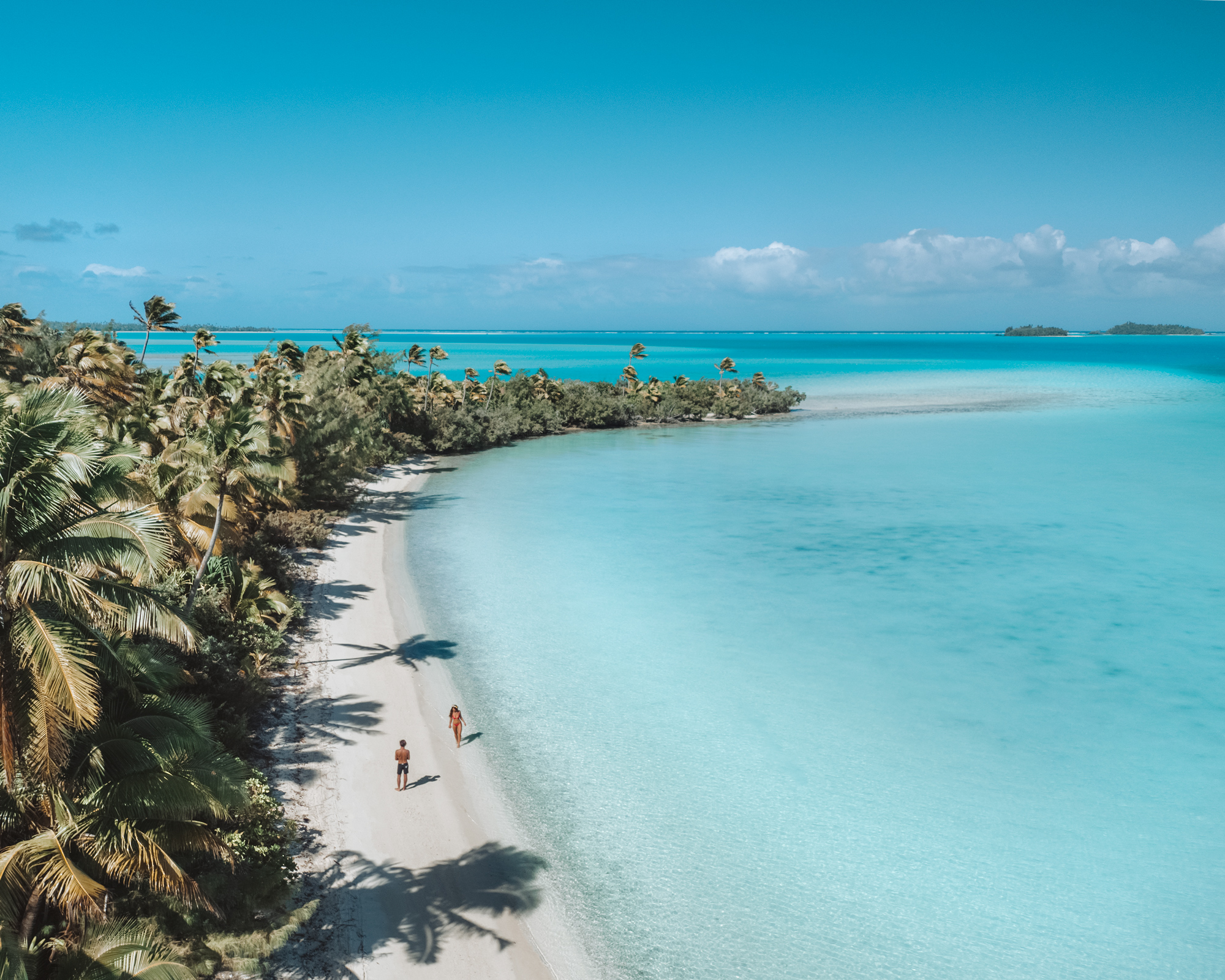
The beaches have their own rhythm too. A wide turquoise lagoon may look dreamy at high tide and become a textured landscape of sandbars, seaweed farms, and reef shoals at low tide. Neither is “better,” but they tell different stories. Before locking in a shoot or beach day, check the tide times and sunrise or sunset direction. Zanzibar rewards travelers who work with the island rather than trying to force a rigid plan onto it.
Give Stone Town more than a quick stop
It is tempting to treat Stone Town as a half-day pre-beach detour. Don’t. It is one of the most visually and culturally layered places in East Africa, and rushing through it is a waste.
The old town is a maze of narrow lanes, balconies, mosques, markets, carved doors, and sea-facing history. UNESCO describes Stone Town of Zanzibar as a strong example of a Swahili coastal trading town shaped by African, Arab, Indian, and European influences over more than a millennium. That layered identity is exactly what makes it so compelling to photograph and experience.
Spend at least one night nearby if you can. Walk early before the streets heat up. Put the camera away for your first hour and simply learn the rhythm: where scooters appear suddenly, where shopkeepers are opening doors, where the light falls, where people clearly do not want a lens pointed at them. The best images usually come after observation, not immediately after arrival.
Build a camera kit for humidity, salt, and movement
Zanzibar is beautiful, but it is not gentle on gear. Salt air, boat spray, sand, humidity, and sudden tropical showers all ask more from your kit than a clean city weekend.
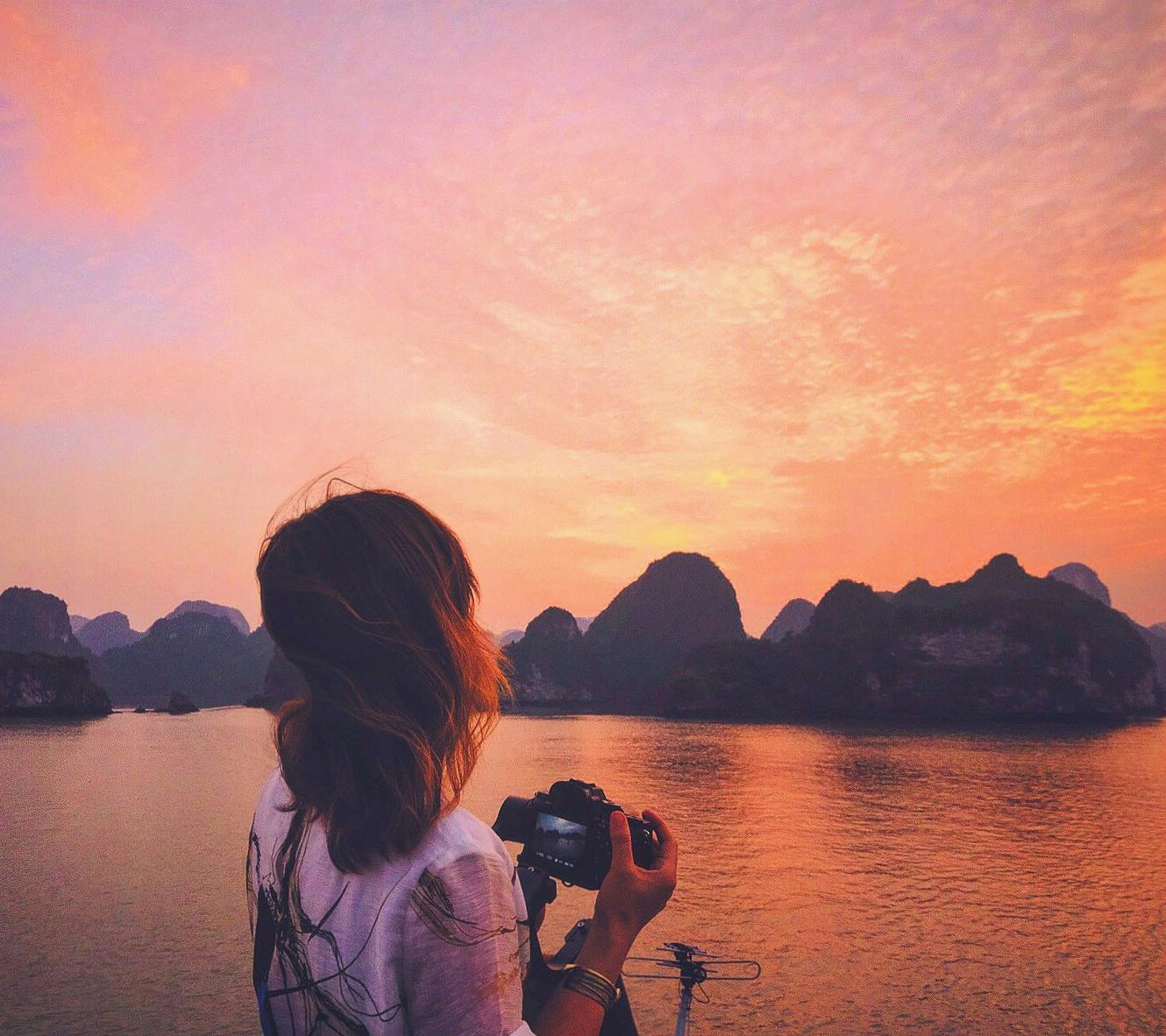
Think light and protective. A weather-resistant camera bag, dry pouch, microfiber cloths, extra lens wipes, zip bags, silica gel packets, and a small rocket blower can save you from a lot of stress. Bring fewer lenses than you think you need. A versatile zoom, a fast prime, and possibly a wider lens will usually cover more than enough unless you have a specific wildlife or underwater project planned.
For a broader gear reset before any international shoot, Away Lands has a useful travel photography packing list that focuses on modern camera setups, accessories, storage, connectivity, and practical travel workflow. It is the kind of checklist that helps you remember the boring items that quietly save the trip.
Leave room for the unexpected frame
Some of the most memorable travel visuals are not the ones you planned. They are the in-between scenes: a fisherman repairing nets, a child chasing a football along a sandy lane, steam rising from a food stall, a sudden rainstorm turning stone streets glossy, a quiet beach before breakfast.
If every hour is scheduled, you will miss those moments. Give yourself loose blocks rather than tightly stacked plans. For example: “Stone Town morning,” “north coast sunset,” “spice farm and slow lunch,” “one flexible beach day.” This gives the trip shape without making it brittle.
It also protects your energy. Zanzibar can feel slow and soft, but travel days still involve heat, transfers, negotiation, unfamiliar roads, and sensory overload. A cinematic trip does not require constant motion. Sometimes the best decision is to sit still long enough for the scene to unfold.
Think about clothing as part of the story
Packing for Zanzibar is not just about looking good in photos. It is about comfort, respect, and movement.
Lightweight fabrics are your friend: linen, cotton, gauze, breathable shirts, easy dresses, loose trousers, and layers that can move between beach, town, and dinner. Stone Town and local villages are more conservative than resort beaches, so pack pieces that cover shoulders or knees when needed. You will feel more comfortable and move through cultural spaces with greater awareness.
Color also matters visually. Whites, warm neutrals, faded blues, rust, olive, and soft patterns tend to photograph beautifully against coral stone, turquoise water, and spice-market colors. That does not mean dressing like a travel campaign. It just means giving yourself clothes that work with the place rather than fighting the heat or context.
Protect the day you arrive
The first day of a long-haul trip is usually not your most creative day. You may be tired, slightly dehydrated, and pretending you are more functional than you are. Resist the urge to book something ambitious immediately.
Make day one simple: arrive, check in, shower, eat, walk somewhere nearby, and watch the light. If you have energy, take a few casual frames. If not, let the island introduce itself slowly. There is no award for forcing a sunset shoot after a draining travel day.
This is also when good preparation pays off. If documents, transfers, money, charging cables, and basic health items are organized, the arrival feels calmer. If they are scattered across three bags, the first few hours become admin instead of atmosphere.
Separate “content days” from “life days”
If you are traveling as a creator, photographer, or just someone who loves documenting a trip properly, it helps to admit that shooting takes energy. A content-heavy day and a restful travel day are not the same thing.
On a content day, you might wake before sunrise, carry more gear, scout locations, wait for light, and think constantly about framing. On a lazy day, you might swim, wander, eat, read, and take only phone photos. Both matter.
The problem comes when you try to do everything every day. Zanzibar is the kind of place where you should have at least one day with no shot list. Let the camera come along, but don’t let it run the day.
Back up the trip while you are still in it
There is nothing romantic about file management until something goes wrong. Then it becomes the most important thing in the world.
Each night, back up your photos and videos if you can. Keep memory cards separate from your main camera. Use cloud storage when the connection allows. Carry a compact SSD. Charge everything before bed. Clean lenses before morning, not in a rush on the boat.
This small routine lets you be more present the next day. You are not worrying about losing everything from yesterday. You are ready for whatever the island gives you next.

Let Zanzibar be more than a backdrop
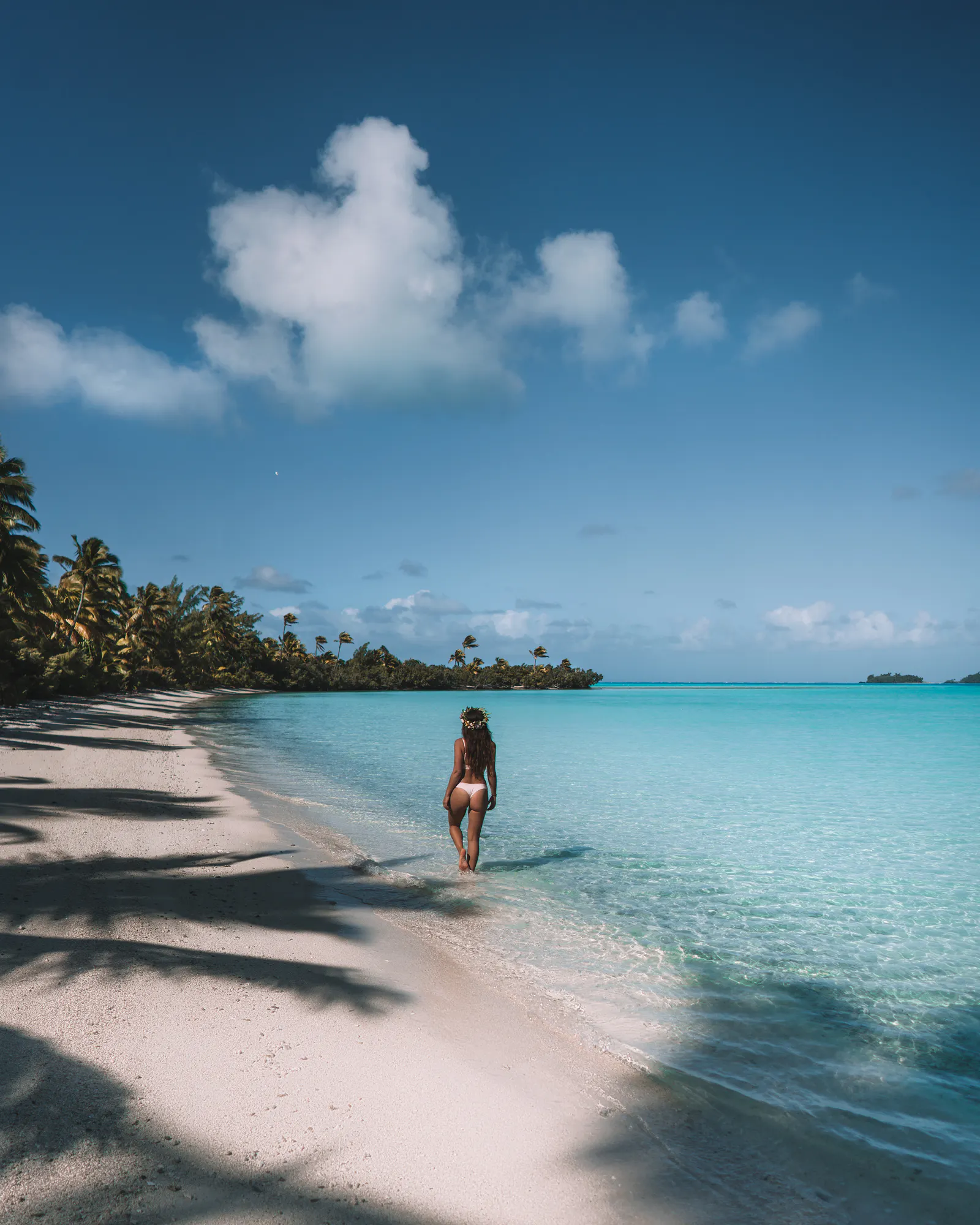
The most beautiful trips happen when a place is treated as more than scenery. Zanzibar is not just beaches and blue water. It is history, trade, faith, food, architecture, music, tides, farms, fishing villages, and daily life continuing around visitors.
The more attention you bring, the better the trip becomes. Ask before photographing people. Learn a few greetings. Dress thoughtfully. Buy from local makers. Eat slowly. Notice the difference between beach towns. Read a little before you go.
The goal is not to come home with a perfect grid. It is to return with images that actually mean something because you were paying attention when you made them.
That is the balance: do the practical work early, then stay open. Protect the gear, but don’t hide behind it. Plan for the shot, but leave space for the moment. Zanzibar does not need much help looking cinematic. Your job is simply to arrive ready enough to experience it fully.
Explore further
-

What to Wear in the South of France - 30+ Outfit Ideas for Provence and French Riviera Summer Style
-

Mediterranean Garden Ideas: 14 Ways to Transform Your Backyard Into a European Vacation
-

Is NakedMD Med Spa Too Cheap to Be True? Honest Botox, Filler, and Microneedling Review
-
Best Travel Photography Cameras and Gear (From a Professional Photographer)
-

20 Best Beaches in California - Near Los Angeles and Beyond (From a Local)
-

What to Pack for Japan in Winter: Female Packing List for Cold Weather + Snow