Thailand is one of the easiest countries in Southeast Asia to build a first trip around, but the sheer number of places worth visiting can make the planning process more complicated than it initially appears. Bangkok, Chiang Mai, Phuket, Krabi, Koh Samui, Koh Tao, Khao Sok, Ayutthaya, and dozens of smaller islands can all make a convincing case for a place on the itinerary, while domestic flights and relatively inexpensive transportation make it tempting to cover far too much ground.
For a first trip to Thailand, the most useful approach is to plan around geography, weather, and the amount of time you actually have. A well-paced itinerary usually combines Bangkok with either northern Thailand or the islands, adding both when you have closer to two weeks. Once the basic route is established, entry requirements, transportation, temple etiquette, tropical weather, and a few practical details become considerably easier to manage.
1. Decide How Many Days You Need in Thailand

For most first-time visitors, 10 to 14 days gives you enough time to experience several sides of Thailand without spending a disproportionate amount of the trip moving between airports, ferry terminals, and hotels. A week can still work well, although the itinerary benefits from being limited to Bangkok and one additional region.
A useful starting point is:
- 7 days: Bangkok plus Chiang Mai, Phuket, Krabi, or Koh Samui
- 10 days: Bangkok plus Chiang Mai and one beach destination
- 14 days: Bangkok, northern Thailand, and one southern island or coastal region
- 3 weeks: Bangkok, northern Thailand, and multiple destinations in the south, with enough time to incorporate smaller islands or national parks
Thailand appears relatively compact on a map, although moving between regions can consume much of a day once airport transfers, flights, ferries, and hotel check-ins are included. Spending three or four nights in a destination generally creates a much better trip than changing hotels every other day.
2. Choose the Best Thailand Itinerary for Your First Trip

Bangkok makes the most logical starting point for many international itineraries because it provides easy connections throughout the country while immediately introducing you to Thai food, temples, markets, neighborhoods, and urban life. I would give Bangkok at least two full days rather than treating it exclusively as an arrival point.
From Bangkok, the itinerary can branch north or south. Chiang Mai works particularly well for temples, food, mountain scenery, and a slower city experience, while southern Thailand is divided between the Andaman Coast and Gulf of Thailand, each with different islands and seasonal weather patterns.
A classic two-week first trip could follow this general structure:
- Bangkok: 3 nights
- Chiang Mai: 3 or 4 nights
- Southern Thailand: 5 or 6 nights
- Bangkok or an airport hotel: 1 final night when flight schedules make it useful
For a shorter trip, Bangkok followed by one beach region creates a much simpler route. Phuket and Krabi are convenient gateways to the Andaman Coast, while Koh Samui provides easy access to the Gulf islands. Choosing one coastal region also leaves enough time for boat trips, beaches, snorkeling, and slower afternoons without repeatedly repacking.
3. Plan Around Thailand's Weather
Thailand is warm throughout the year, although its regional monsoon patterns matter considerably when you are planning a beach trip. Average temperatures across the country generally fall between about 64°F and 100°F, with seasonal rainfall and humidity changing substantially by region.
November through February is broadly considered one of the easiest periods for a first Thailand trip because much of the country experiences relatively cooler, drier conditions. December and January are also among the busiest months, particularly in Bangkok and major beach destinations, so hotels and popular resorts can be considerably more expensive.
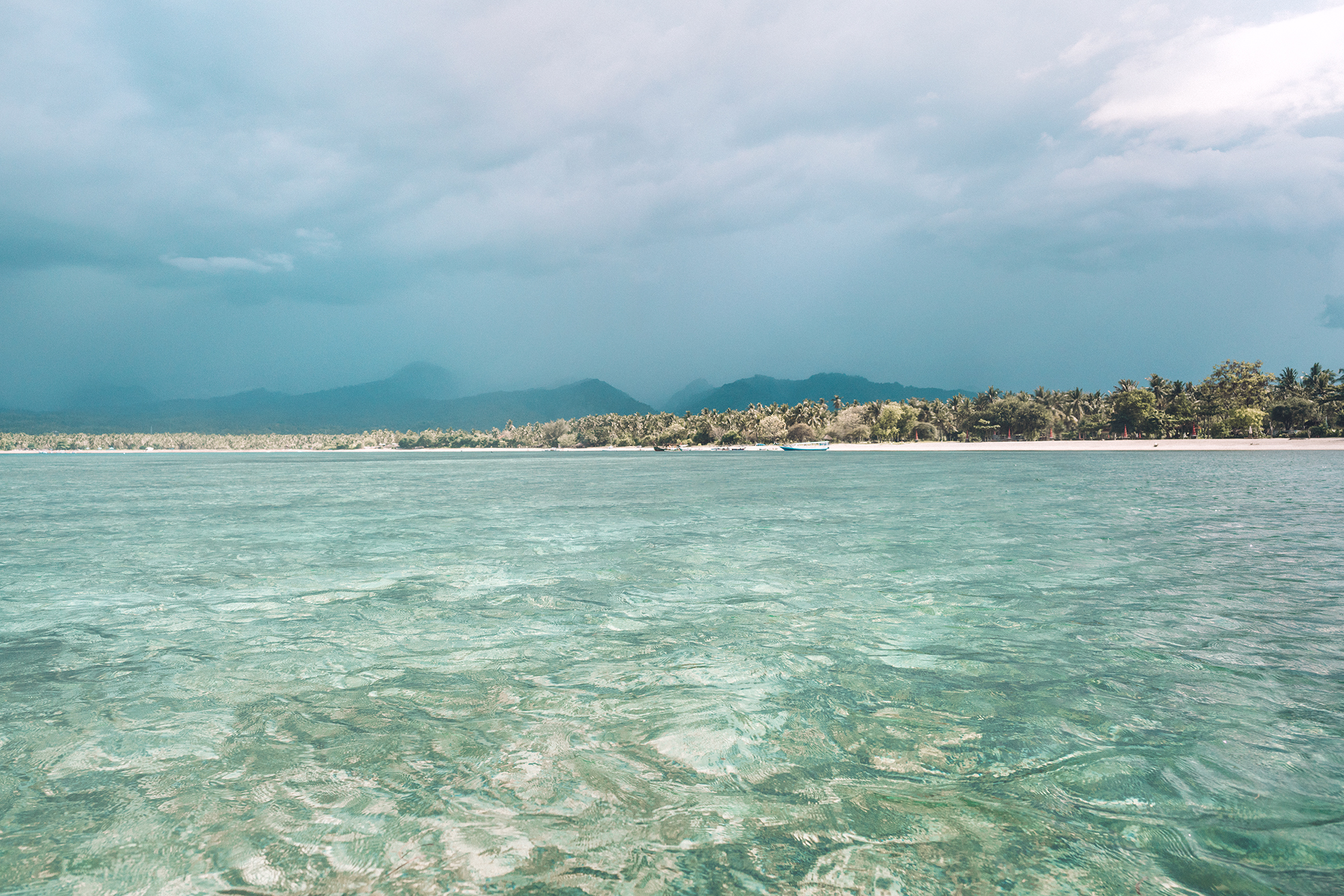
The southern islands require more specific planning because the Andaman Sea and Gulf of Thailand have different weather patterns. Phuket, Krabi, Koh Lanta, and Koh Lipe sit on the Andaman side, where wetter conditions generally become more pronounced from May into October. Koh Samui, Koh Phangan, and Koh Tao are on the Gulf side and follow a different rainfall pattern, which means the better coast for a beach trip can change depending on the month.
For anyone traveling during shoulder or rainy season, I would choose the beach portion of the itinerary according to regional conditions rather than deciding on an island first. Rainy season can still include long periods of sunshine, but rough seas can affect ferries, snorkeling trips, diving, and access to smaller islands.
4. Check Thailand Entry Requirements Before You Fly

Thailand's visa and entry policies have changed several times in recent years, making older travel articles particularly unreliable for this part of trip planning. Visa-exemption rules depend on nationality and can change, so check the current requirements for your passport shortly before booking and again before departure.
Thailand also requires foreign nationals entering the country to complete the Thailand Digital Arrival Card, or TDAC. The electronic form replaces the former paper arrival card and is submitted shortly before arrival using your passport information, flight or transportation details, accommodation address, travel purpose, and required health information.
Your passport should generally have at least six months of validity remaining, and immigration officials can request evidence of onward travel or sufficient funds. Keeping your first hotel reservation and onward or return flight information accessible on your phone makes arrival considerably easier.
Because visa policies have been under active review, I would avoid relying on screenshots, old blog posts, or social media posts for entry requirements, even when the information was accurate when originally published.
5. Give Bangkok Enough Time

Bangkok can feel intense immediately after a long international flight, particularly when you combine jet lag with tropical heat, traffic, and a city of more than ten million people. Building a relatively flexible first day makes the adjustment easier while still allowing you to start exploring.
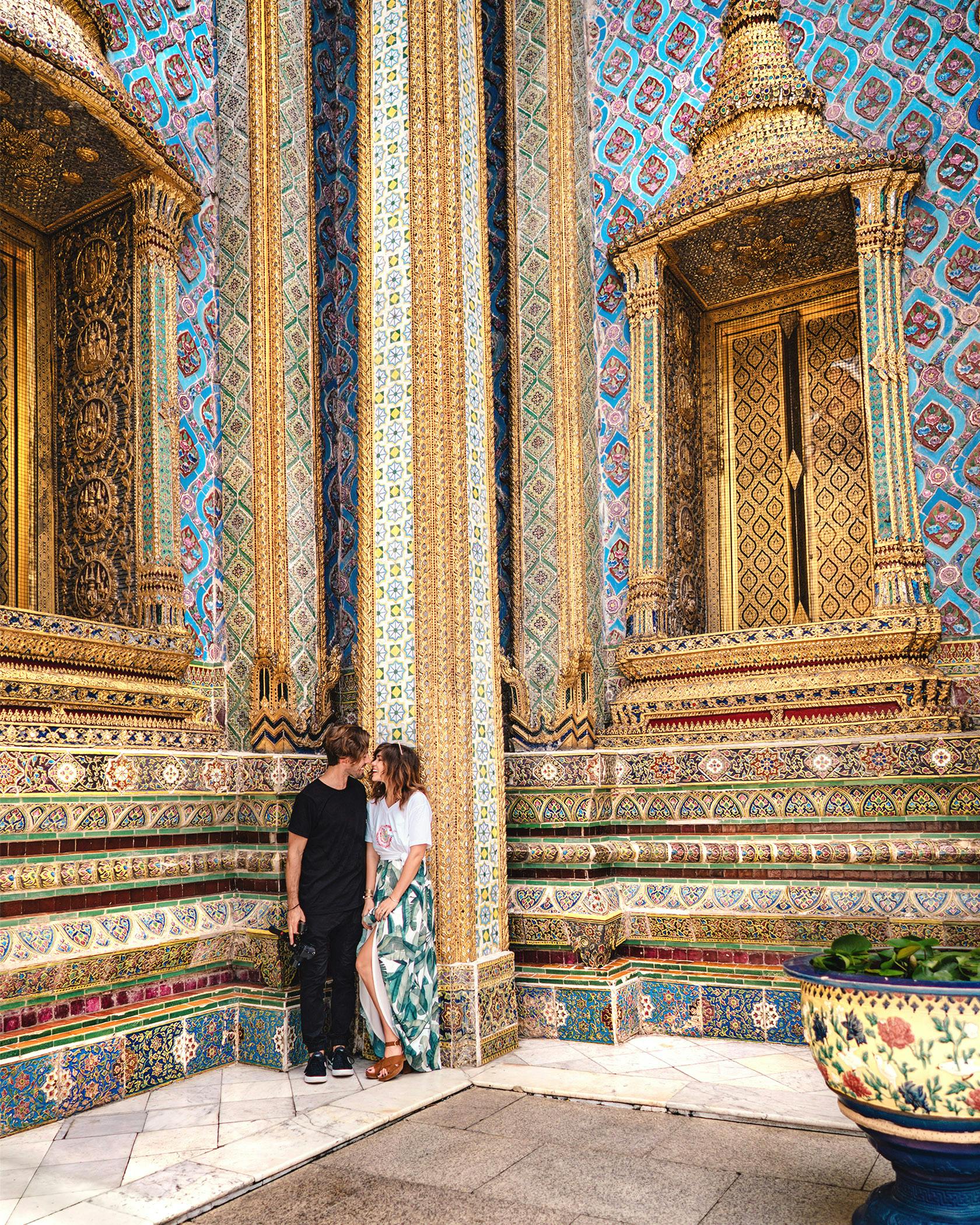
Two or three full days gives you time to see major historic sites such as the Grand Palace and Wat Pho, cross the river to Wat Arun, explore neighborhoods beyond the primary tourist corridor, and devote a meaningful amount of time to Thai food. Boats along the Chao Phraya River can also be useful transportation rather than simply a sightseeing activity.
Start temple visits relatively early, when temperatures are lower and major sites are less congested, then move lunch and indoor activities into the hottest part of the afternoon. Bangkok becomes considerably more comfortable again toward evening, when night markets, restaurants, rooftop bars, and street-food areas come alive.
6. Choose Between Chiang Mai and Southern Thailand on a Short Trip
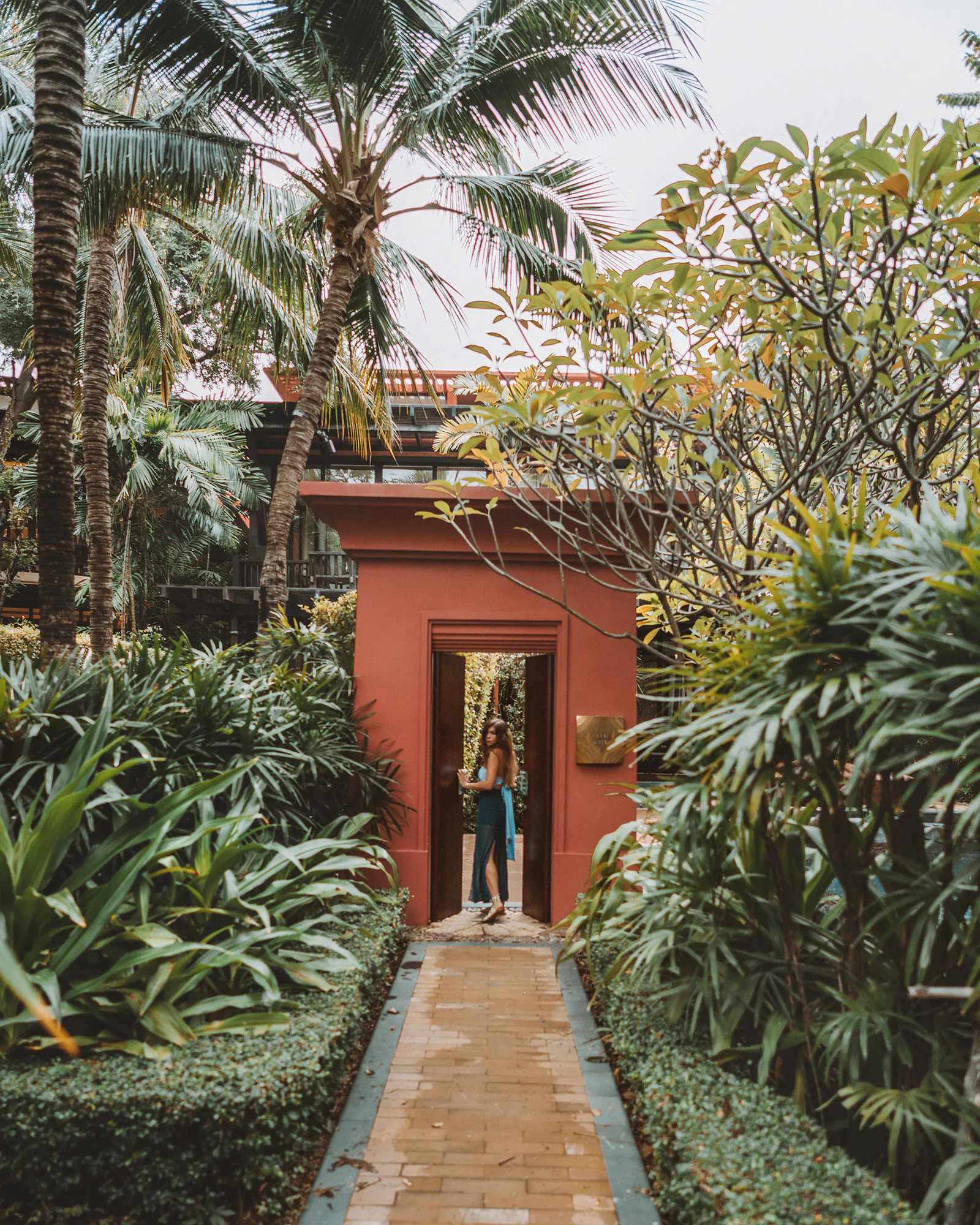

With fewer than ten days in Thailand, trying to include Bangkok, Chiang Mai, and an island can turn a vacation into a sequence of transfers. Choosing either northern Thailand or the south gives you more usable time once you account for domestic flights and ground transportation.
Chiang Mai is the stronger addition when your priorities include temples, northern Thai food, markets, mountain landscapes, and cultural sightseeing. The old city contains an extraordinary concentration of temples, while the surrounding region opens up opportunities for hiking and day trips into the mountains.
The south makes more sense when beaches, swimming, diving, snorkeling, and boat trips are central to the vacation. Phuket has the largest tourism infrastructure and extensive flight connections, Krabi provides access to dramatic limestone scenery around Railay and the surrounding islands, and Koh Samui combines beaches with its own airport and connections to Koh Phangan and Koh Tao.
Your travel dates should influence this decision as much as personal preference, particularly during monsoon periods.
7. Leave Space in Your Thailand Itinerary

Thailand's heat changes the practical pace of sightseeing. A schedule that seems reasonable when you build it at home can become exhausting after several hours of walking through temples or markets in 90-degree weather with high humidity.
I would generally put the most active sightseeing in the morning, leave part of the afternoon relatively open, and head out again later in the day. That structure also creates space for longer lunches, hotel pools, cafés, spontaneous stops, and massages without sacrificing the major places you traveled across the world to see.
Traditional massage is widely available throughout Thailand, and incorporating a proper treatment into a longer sightseeing day can be genuinely useful rather than treating it as an activity that has to compete for itinerary space. Booking somewhere established such as Divine Thai Spa can work particularly well after a long flight or several consecutive days of walking.
Thailand also has a long history of massage and traditional healing practices, although the enormous range of spas means the experience can vary considerably. If wellness is an important part of the trip, researching wellness treatments beforehand can help you decide which types of treatments fit what you are actually looking for.
8. Understand Transportation in Thailand

Getting around Thailand is relatively straightforward once you separate long-distance transportation from local transportation. Domestic flights are usually the fastest way to connect Bangkok with Chiang Mai, Phuket, Krabi, or Koh Samui, while trains can be useful when the journey itself is part of the experience.
Within Bangkok, the BTS Skytrain and MRT are often more predictable than road transportation during heavy traffic. River boats are useful for several major sights around the historic center, while taxis and ride-hailing services fill the gaps between public transportation routes.
On the islands, transportation varies considerably. Larger destinations such as Phuket and Koh Samui have extensive road networks, while smaller islands may rely heavily on songthaews, taxis, scooters, or boats. Research the final transfer to your hotel before arrival because reaching an island resort can involve a flight, van, ferry, and another road transfer.
Leave more time than Google Maps suggests when traveling to an airport or ferry terminal, particularly around Bangkok and heavily trafficked resort areas.
9. Know the Basic Temple Etiquette
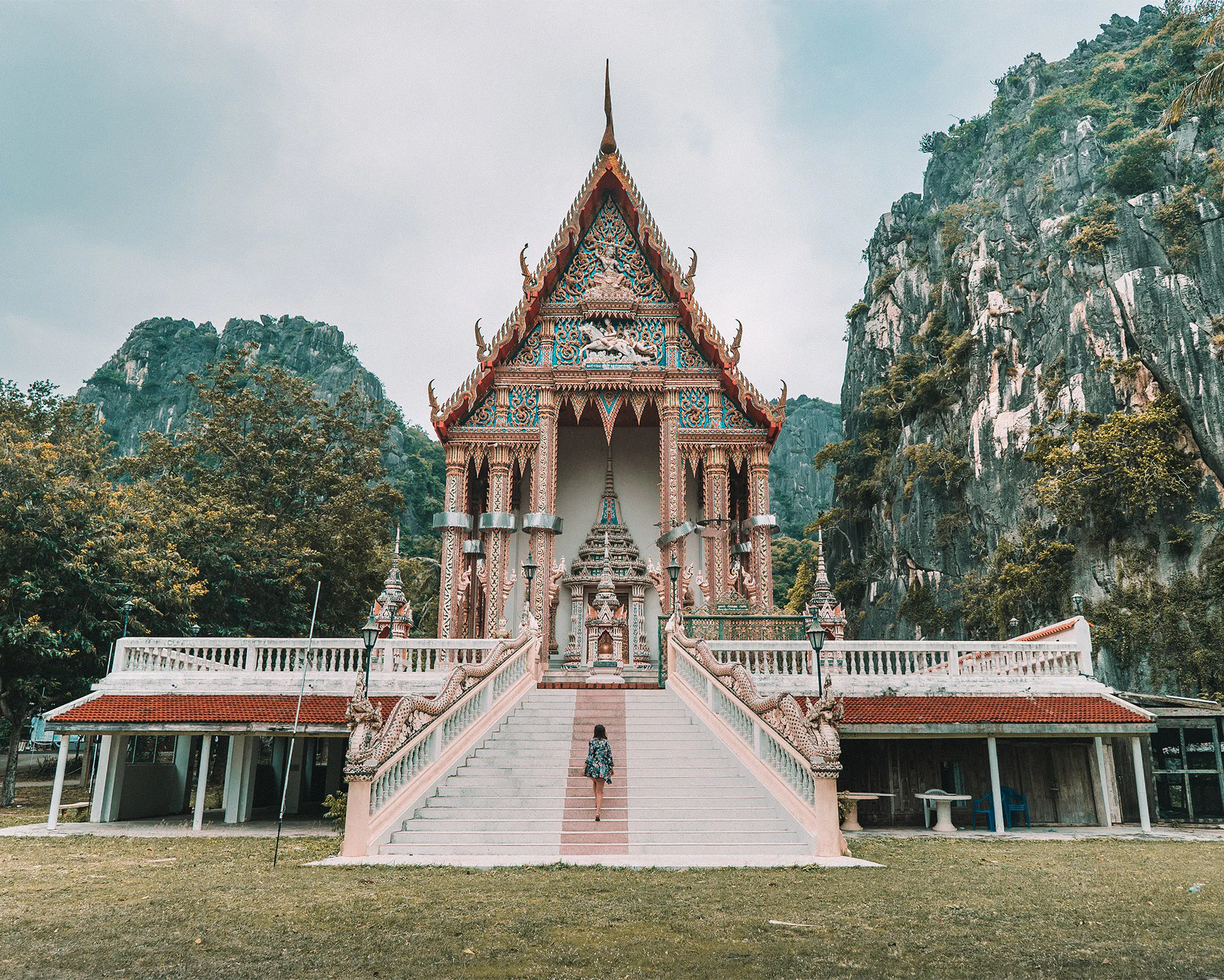
Thailand's temples are active religious spaces, and dressing appropriately is one of the easiest ways to avoid problems when sightseeing. Major temples generally expect shoulders and knees to be covered, while individual sites can impose more specific requirements.
Shoes are removed before entering many temple buildings, making shoes that slip off easily considerably more practical than complicated sandals or boots on days when you plan to visit several temples. Avoid pointing the soles of your feet toward Buddha images or people, and follow posted photography restrictions inside religious buildings.
Carrying a lightweight layer or sarong can also be useful on days when your normal clothing is better suited to the heat than temple dress requirements.
10. Carry Cash and Set Up Your Phone
Cards are widely accepted by hotels, shopping centers, and many established restaurants, although cash remains useful for markets, street food, small businesses, transportation, and rural areas. ATMs are easy to find in major destinations, so carrying enormous amounts of cash from the beginning of the trip is unnecessary.
Keep smaller Thai baht notes available for inexpensive purchases, and avoid relying on a single credit or debit card. A backup card stored separately from your wallet is worthwhile on any international trip.
Reliable mobile data also makes Thailand considerably easier to navigate. Set up an eSIM or local SIM, download any transportation and airline apps you expect to use, save offline maps, and keep your hotel address accessible in both English and Thai when possible.
11. Be More Careful With Water Than With Street Food
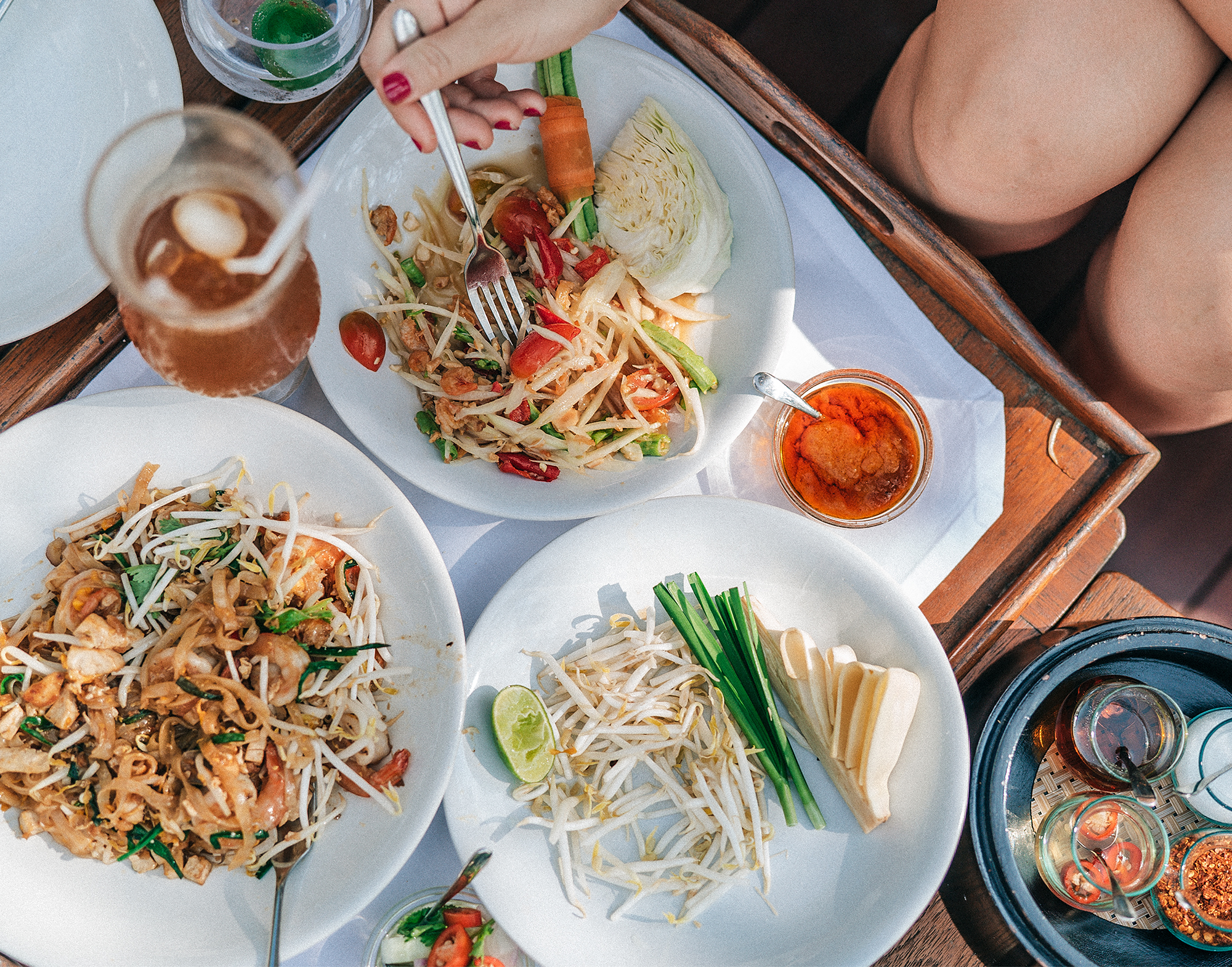
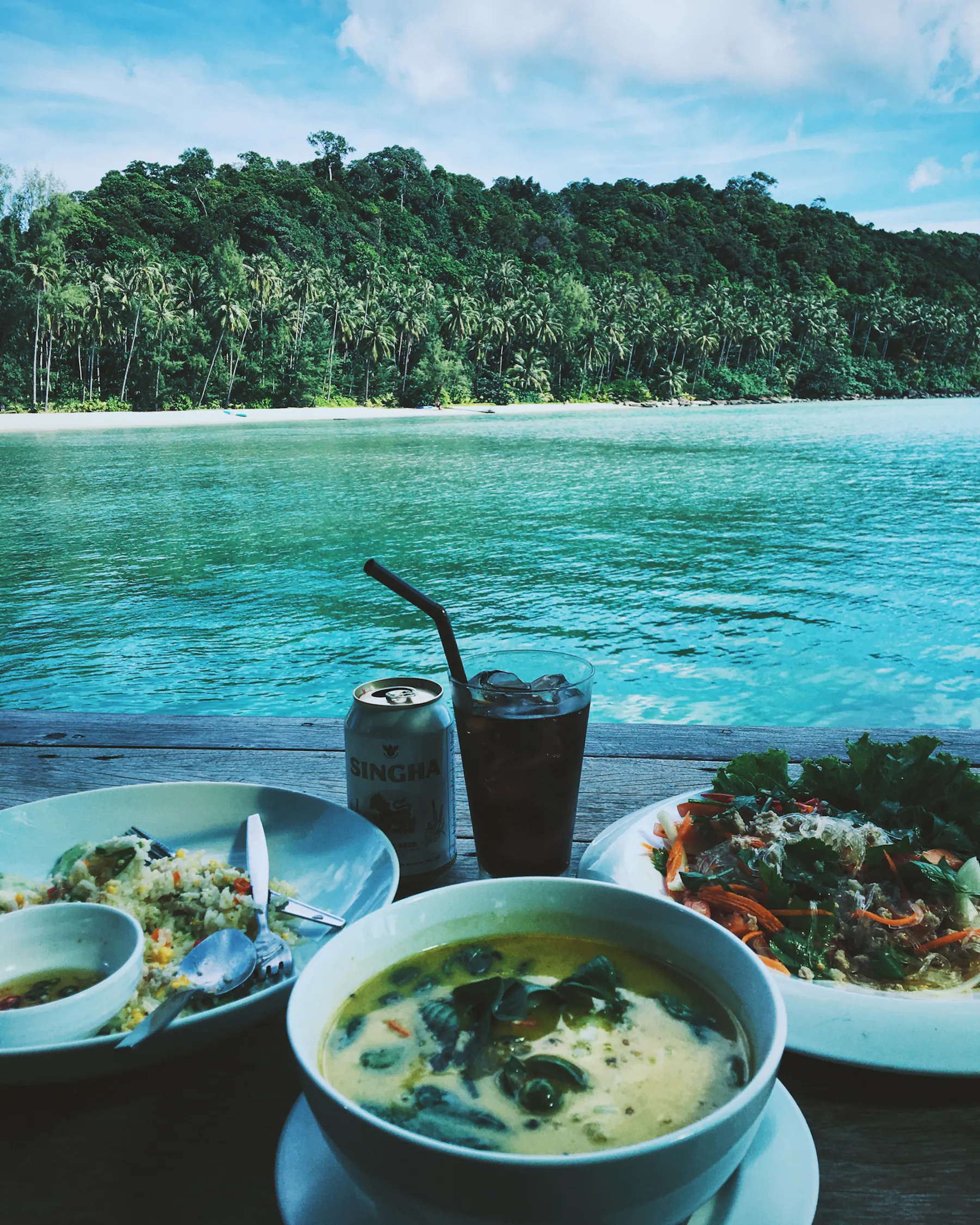
Food is one of the major reasons to travel through Thailand, and avoiding street food altogether removes an enormous part of the experience. Focus instead on busy vendors with high turnover, food being cooked fresh, and stalls where ingredients appear to be stored and handled appropriately.
Tap water should generally be avoided for drinking. Sealed bottled water is readily available, while many hotels provide complimentary drinking water each day. Staying hydrated matters more than usual because heat and humidity can become draining before you consciously feel thirsty.
Carry water during long sightseeing days and replace fluids regularly, particularly when spending extended periods outdoors.
12. Pack for Heat, Humidity, Temples, and Boats
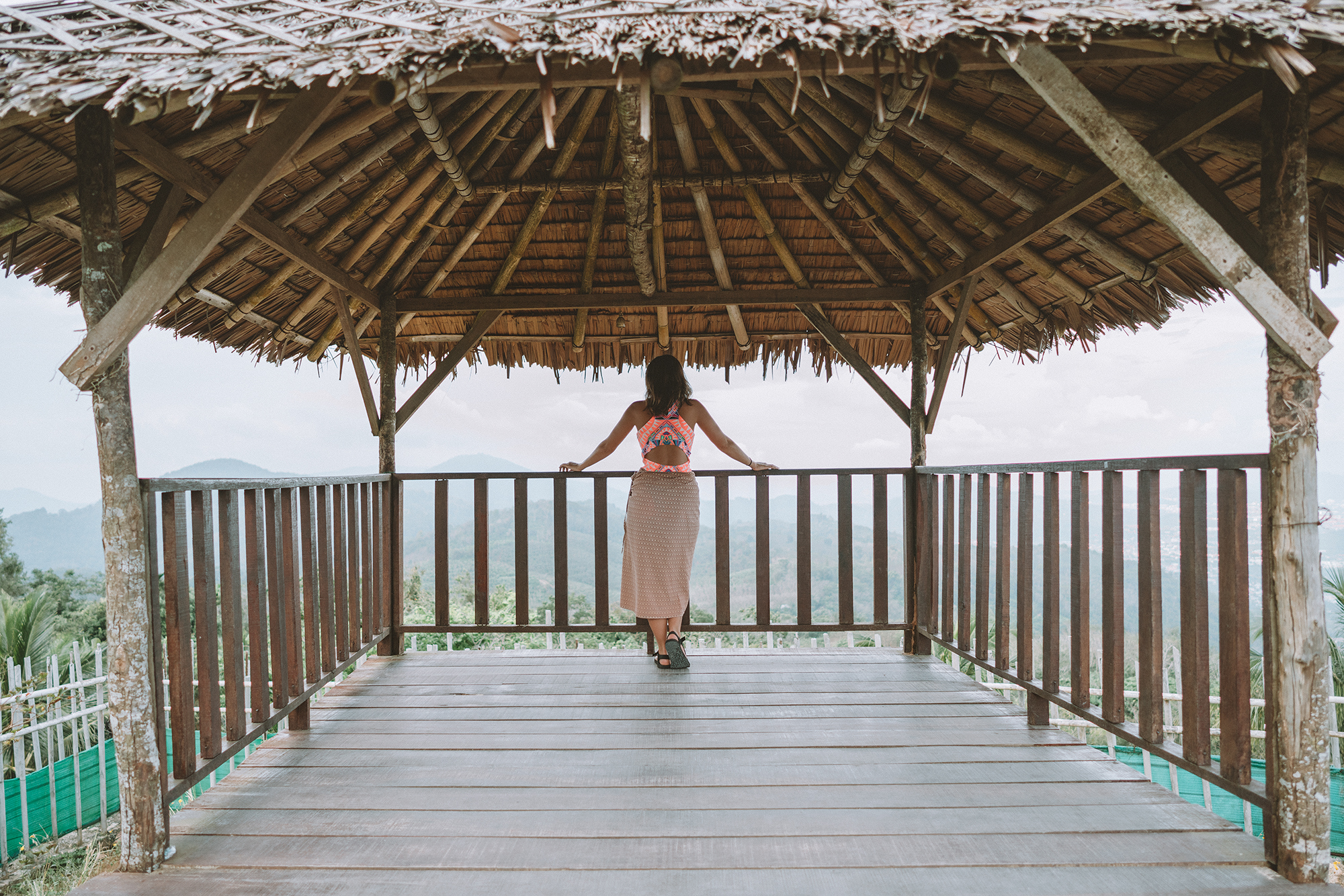
Packing for Thailand is primarily an exercise in preparing for heat while keeping enough coverage for religious sites and air-conditioned interiors. Lightweight fabrics dry faster after rain, boat trips, and hand washing, while breathable clothing makes a noticeable difference during long days outside.
For most trips, the useful essentials include:
- Lightweight linen, cotton, or technical clothing
- Clothing that covers shoulders and knees for temples
- Comfortable walking shoes that are easy to remove
- Sandals or water-friendly shoes
- High-SPF sunscreen
- Mosquito repellent containing an effective active ingredient such as DEET or picaridin
- A lightweight rain layer or compact umbrella during wetter months
- A power bank for long sightseeing and transportation days
- A universal travel adapter
- A small dry bag or waterproof phone pouch for boat trips
Laundry services are inexpensive and widely available in many tourist destinations, so packing for a full two-week trip is rarely necessary. A smaller suitcase or backpack also becomes much easier to manage when the itinerary includes ferries, boats, stairs, and multiple hotel transfers.
13. Learn a Few Thai Phrases Before You Arrive
English is commonly used in major tourism areas, hotels, airports, and many restaurants, although knowing a few words of Thai makes everyday interactions easier and more personal.
The Thai language uses polite particles that vary according to the speaker, with khrap commonly used by men and kha by women. Even basic greetings and thanks are useful when ordering food, entering a hotel, taking a taxi, or shopping in a market.
Useful phrases include sawasdee for hello and khop khun for thank you, followed by the appropriate polite particle. Correct pronunciation may take some practice, but making the effort is generally received warmly.
14. Build Your First Thailand Trip Around Fewer Places
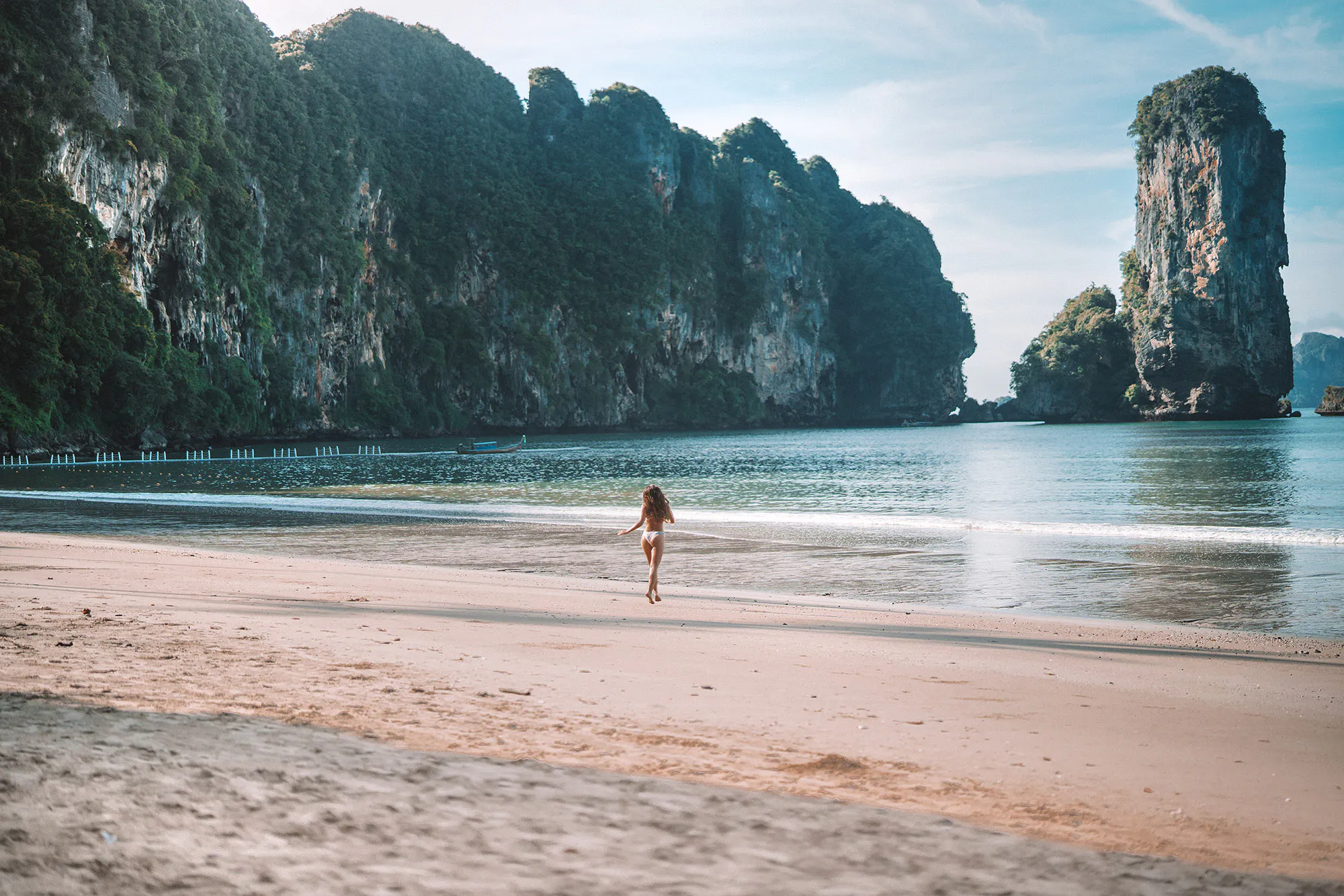
The strongest first Thailand itineraries usually feel less ambitious on paper than the versions people initially plan. Bangkok deserves enough time to move beyond its most famous temples, Chiang Mai works better when you have room for the city and surrounding countryside, and the islands become far more enjoyable when every beach day is not immediately followed by another transfer.
For approximately two weeks, Bangkok, Chiang Mai, and one southern region create an exceptionally balanced introduction to the country. With ten days, I would reduce that to Bangkok plus two additional bases at most, while a one-week trip benefits from Bangkok and one region.
Once you stop treating every famous destination as mandatory, Thailand becomes much easier to plan. The resulting itinerary gives you enough structure to use your time well while leaving space for the meals, markets, beaches, massages, neighborhoods, and unplanned afternoons that often become the parts of the trip you remember most.