Twelve days is one of the best lengths for a first trip to Morocco. It gives you enough time to experience the country's imperial cities, mountain villages, Sahara dunes, Atlantic coastline, and dramatic Atlas landscapes without feeling like every day revolves around packing the car and checking into another hotel.
Morocco has never been more popular; tourism continues to grow rapidly thanks to improved infrastructure, expanded flight routes from North America and Europe, and an increasing number of boutique riads, luxury desert camps, and small-group experiences. The country's most iconic destinations are easier to reach than ever, although that popularity also means the best accommodations often sell out months in advance, especially during spring and fall.
This itinerary follows the classic north-to-south route before looping back through Marrakech, the perfect Private Morocco tour package. It keeps long driving days to a minimum where possible, includes enough multi-night stays that you can actually enjoy each destination, and balances Morocco's biggest highlights with a pace that never feels exhausting.
Morocco 12-Day Itinerary Overview
This route forms a logical loop across the country instead of constantly doubling back.
Casablanca → Rabat → Chefchaouen → Fes → Merzouga → Dades Valley → Ait Ben Haddou → Marrakech → Essaouira
During twelve days you'll experience:
• Hassan II Mosque overlooking the Atlantic Ocean
• Chefchaouen's blue streets tucked into the Rif Mountains
• The medieval medina of Fes
• A night beneath the stars in the Sahara Desert
• Todra Gorge and the Dades Valley
• Ait Ben Haddou, one of Morocco's most recognizable UNESCO World Heritage Sites
• The High Atlas Mountains via Tizi n'Tichka Pass
• Marrakech's palaces, gardens, and souks
• A relaxing day along the Atlantic coast in Essaouira
Although the route covers roughly 1,200 miles, the driving feels surprisingly manageable because longer transfers are broken up with scenic stops and several destinations include two or more nights.
Approximate Driving Times
• Casablanca to Rabat - 1 hour
• Rabat to Chefchaouen - 3.5 to 4 hours
• Chefchaouen to Fes via Volubilis and Meknes - 4 to 5 hours
• Fes to Merzouga - 8 to 9 hours
• Merzouga to Dades Valley - 4 to 5 hours
• Dades Valley to Ait Ben Haddou - 3 to 4 hours
• Ait Ben Haddou to Marrakech - approximately 4 hours
• Marrakech to Essaouira - 2.5 to 3 hours
Traffic, weather, road construction, and photo stops can all extend these estimates, particularly while crossing the Atlas Mountains.
Day 1 - Casablanca and Rabat
Most international flights arrive in Casablanca, making it the natural starting point for this route. Before heading toward Rabat, spend several hours exploring Hassan II Mosque, one of Morocco's most remarkable landmarks and one of the few mosques in the country that welcomes non-Muslim visitors through guided tours.
Perched directly above the Atlantic Ocean, the mosque combines intricate Moroccan craftsmanship with an unforgettable coastal setting that immediately introduces you to the country's architecture. Afterward, drive roughly one hour north to Rabat. Unlike Marrakech or Fes, Morocco's capital feels noticeably calmer, making it an easy city to settle into after a long flight.
Spend the afternoon exploring:
• Kasbah of the Udayas
• Andalusian Gardens
• Hassan Tower
• Mausoleum of Mohammed V
Finish the evening along the Bou Regreg River before checking into a traditional riad.
Days 2 and 3 - Chefchaouen
The drive into the Rif Mountains gradually becomes greener before the famous blue streets of Chefchaouen finally appear around the hillside.
While the city's painted alleyways have become one of Morocco's most photographed destinations, what makes Chefchaouen memorable is the atmosphere. Life moves considerably slower here than it does in the country's larger cities, making it one of the most relaxing stops on the itinerary.
During two full days you can comfortably explore without following a strict schedule. Spend time wandering the medina, browsing local artisan shops, and photographing the countless blue staircases and narrow lanes that change character as the light shifts throughout the day.
Other worthwhile stops include:
• Plaza Uta el-Hammam
• Spanish Mosque for sunset
• Ras El Maa
• Talassemtane National Park if you enjoy hiking
Chefchaouen is also one of Morocco's best places to shop for handmade wool blankets, woven textiles, leather goods, and locally crafted ceramics.

Day 4 - Chefchaouen to Fes
Instead of driving directly to Fes, take advantage of two of northern Morocco's most interesting historical sites.
Volubilis contains some of the finest preserved Roman ruins anywhere in North Africa, with impressive mosaics, columns, and ancient streets that have survived for centuries.
Continue another hour to Meknes, one of Morocco's four imperial cities.
Highlights include:
• Bab Mansour Gate
• Heri es-Souani Royal Granaries
• Place El Hedim
• Mausoleum of Moulay Ismail
Arriving in Fes during the evening allows enough time for dinner before diving into the medina the following morning.
Day 5 - Explore Fes
Few cities feel as immersive as Fes.
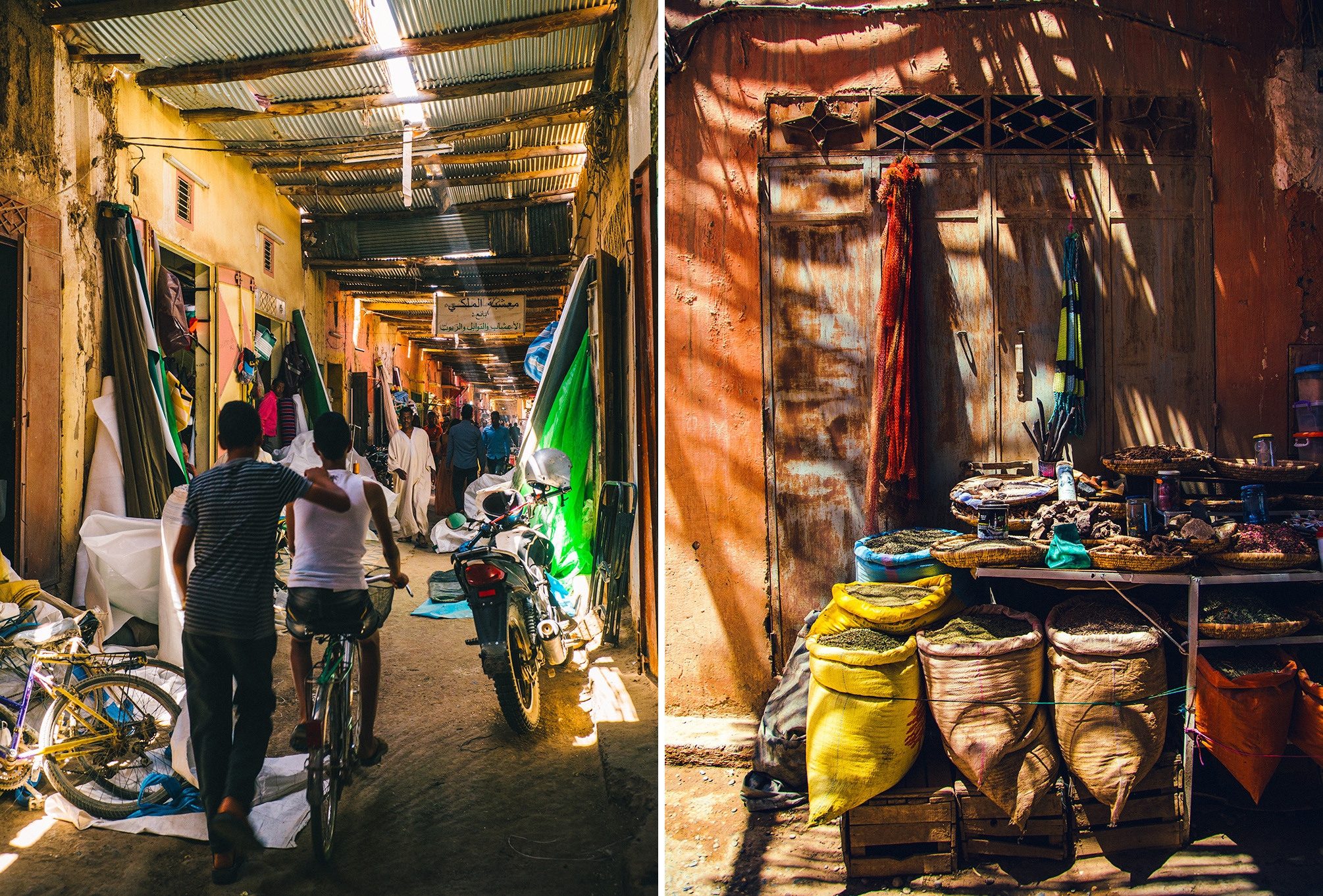
Its UNESCO-listed medina contains thousands of narrow lanes where workshops, bakeries, mosques, and markets have operated for generations. Navigation quickly becomes overwhelming, making a licensed local guide well worth the cost for first-time visitors.
A guided walking tour usually includes:
• Al Quaraouiyine
• Chouara Tanneries
• Nejjarine Fountain
• Bou Inania Madrasa
• Traditional artisan workshops
The famous leather tanneries remain one of the city's defining experiences. Most nearby shops offer fresh mint leaves before visitors step onto the terraces overlooking the dye pits, helping soften the strong smell while you watch centuries-old tanning techniques continue much as they always have.
Day 6 - Fes to Merzouga
This is the longest drive of the trip, although it never feels monotonous because Morocco's landscapes change dramatically throughout the day.
Leaving Fes behind, the road passes cedar forests near Ifrane and Azrou, where Barbary macaques are often seen along the roadside before descending through the Ziz Valley's palm groves and eventually reaching the edge of the Sahara.
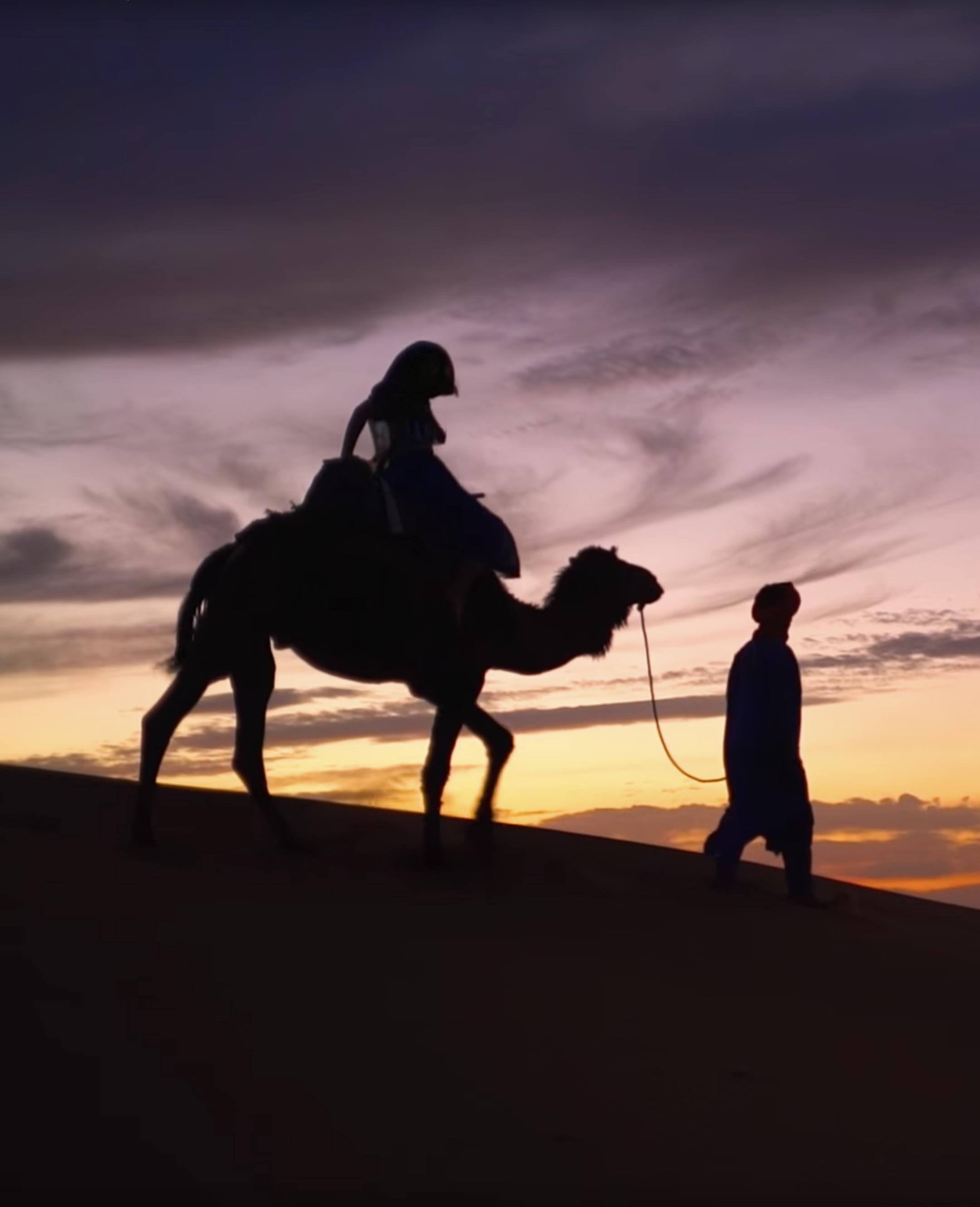
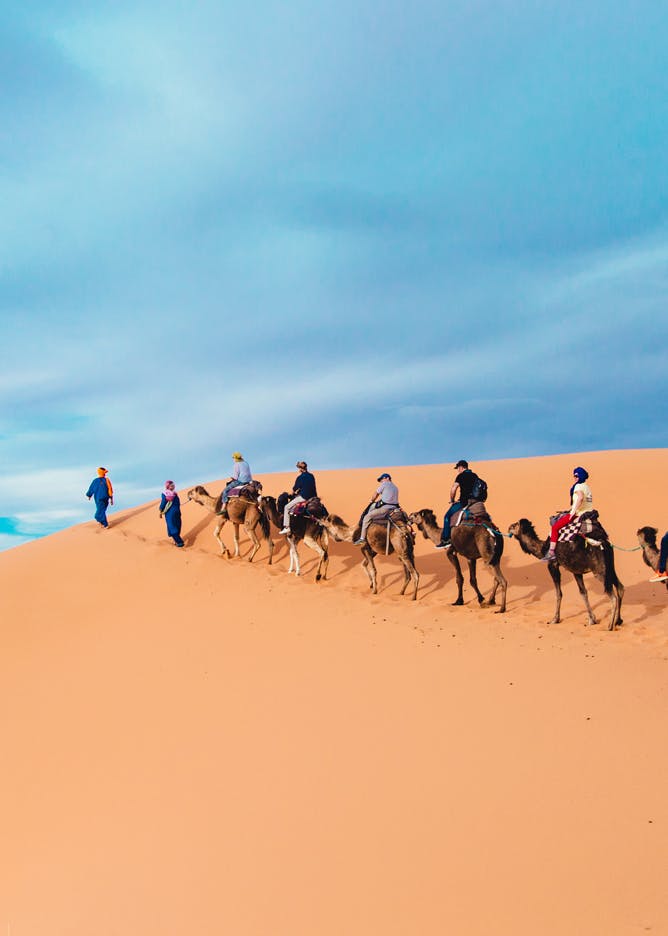
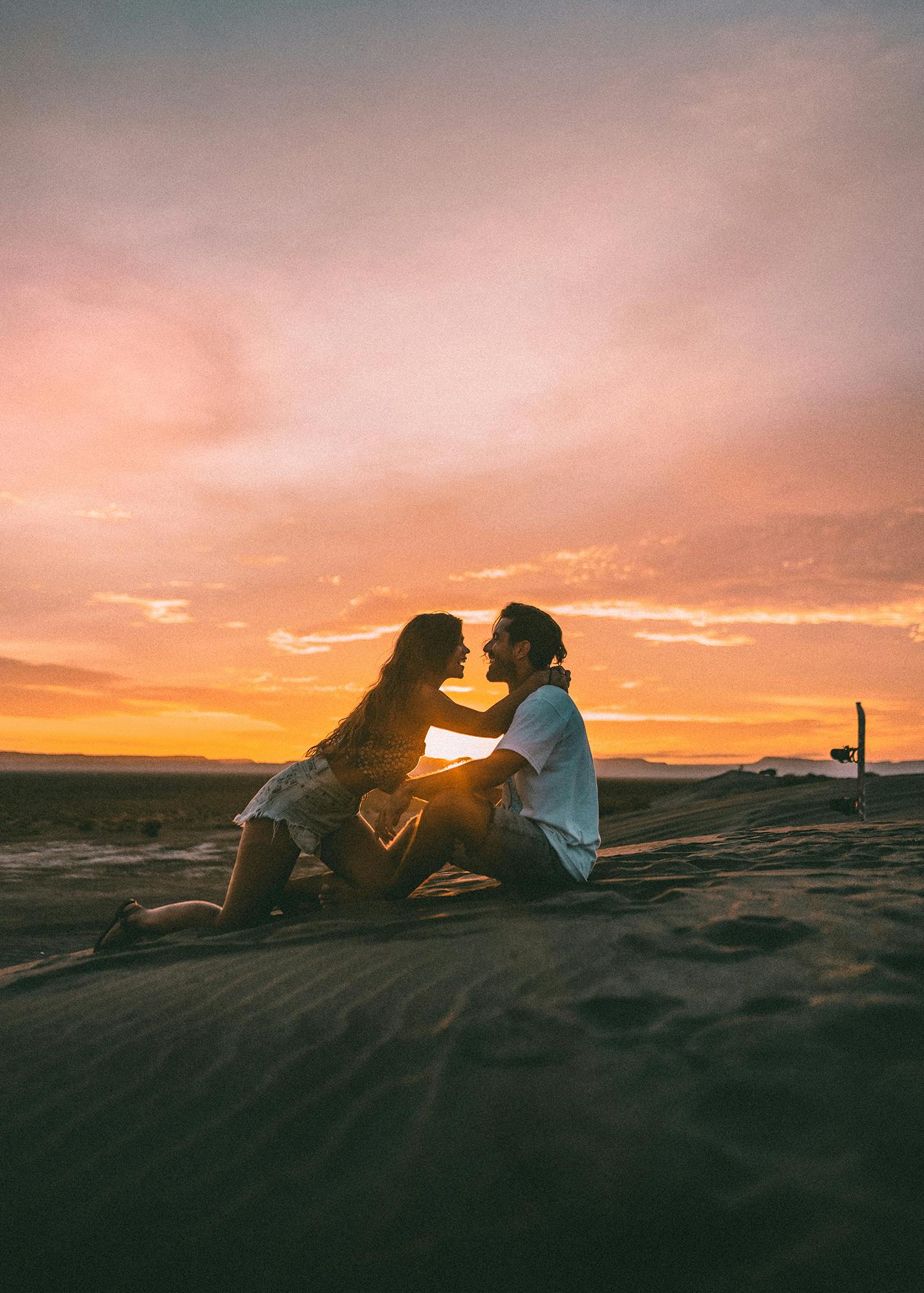
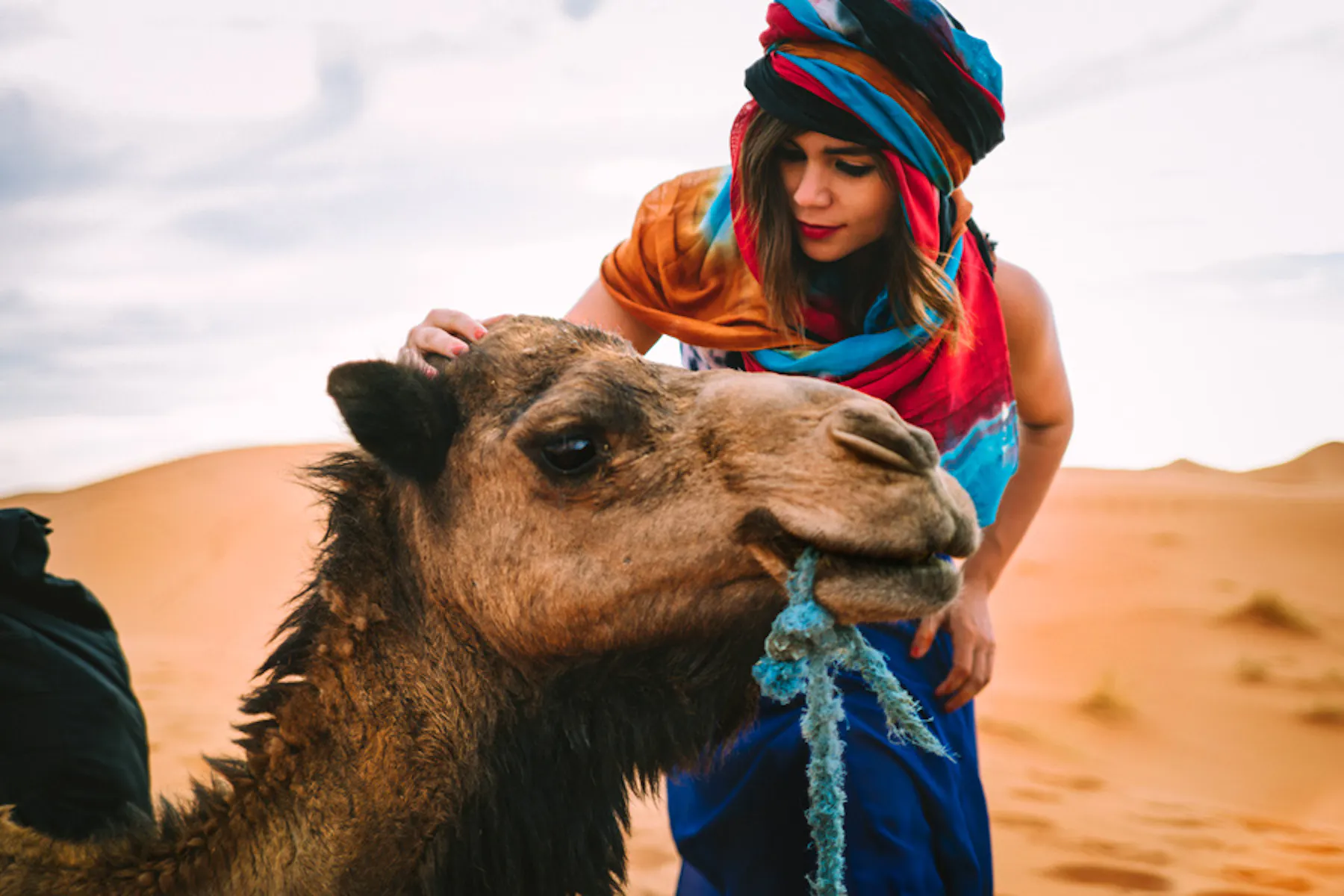
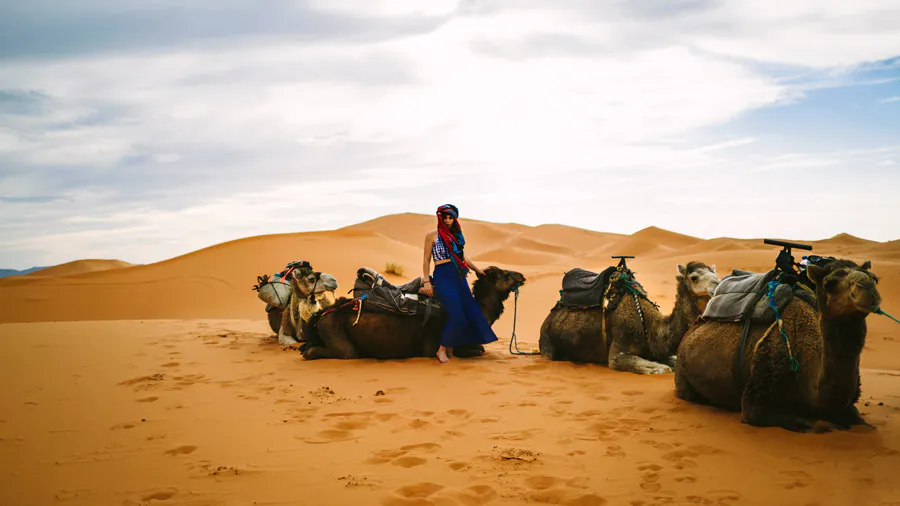
By late afternoon you'll arrive in Merzouga; most visitors leave their vehicle behind and continue into Erg Chebbi by camel or four-wheel drive before checking into a desert camp.
Watching the sun disappear behind the orange dunes is one of Morocco's defining travel experiences, while the complete absence of city lights creates spectacular conditions for stargazing after dinner.
Day 7 - Merzouga to Dades Valley
Wake before sunrise and climb one of the nearby dunes while the desert is still cool. As the first light reaches Erg Chebbi, the sand shifts through shades of gold, orange, and deep red, creating one of Morocco's most memorable landscapes.
After breakfast, begin the drive toward the Dades Valley with several worthwhile stops along the way.
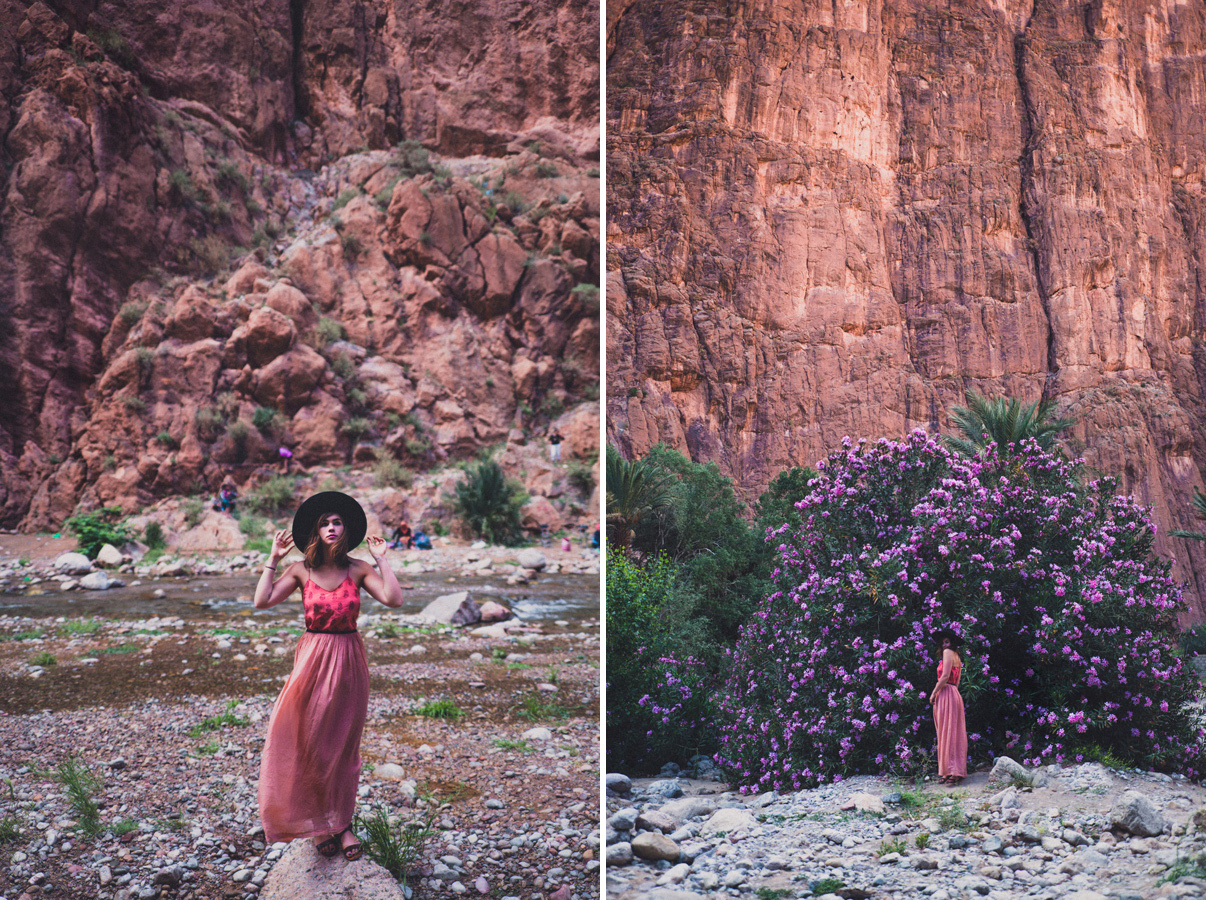
Rissani offers one of southern Morocco's most authentic traditional markets, while Todra Gorge provides an entirely different landscape. Towering limestone cliffs rise nearly 1,000 feet above the narrow riverbed, making it one of the country's best short walks before continuing west.
Spend the evening in the Dades Valley, where kasbahs, winding roads, and dramatic rock formations replace the endless desert scenery.
Day 8 - Dades Valley to Ait Ben Haddou
Today's drive is considerably shorter, leaving plenty of time to enjoy the scenery instead of watching the clock.
Travel through the Valley of Roses before continuing toward Skoura, an oasis filled with thousands of palm trees and centuries-old kasbahs.
Later in the afternoon, arrive in Ouarzazate, often called Morocco's film capital thanks to its role in productions including Gladiator, Kingdom of Heaven, and Game of Thrones.Just outside the city sits Ait Ben Haddou, Morocco's most famous fortified village and one of the country's UNESCO World Heritage Sites.
Its mud-brick architecture has remained remarkably preserved, and the warm light shortly before sunset creates the best conditions for photography.
Days 9, 10 and 11 - Marrakech and Essaouira
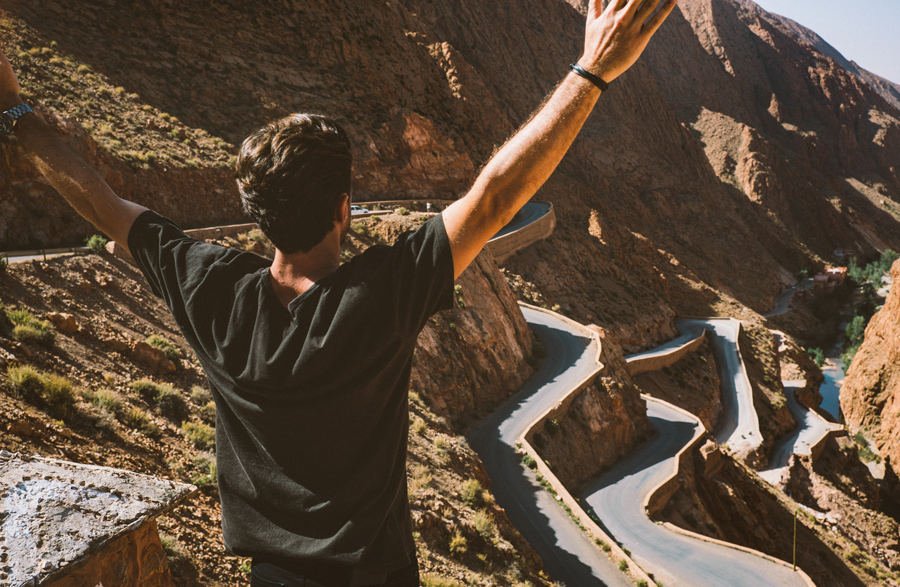
The drive to Marrakech crosses the spectacular Tizi n'Tichka Pass, climbing more than 7,000 feet through the High Atlas Mountains before descending toward Morocco's busiest city.
This stretch of road ranks among the country's most scenic drives, with mountain villages, dramatic switchbacks, and sweeping valley views around nearly every corner.
Spend your first evening settling into Marrakech before exploring the city's major landmarks the following day.
Recommended stops include:
• Bahia Palace
• Koutoubia Mosque
• Saadian Tombs
• Le Jardin Secret
• Majorelle Garden
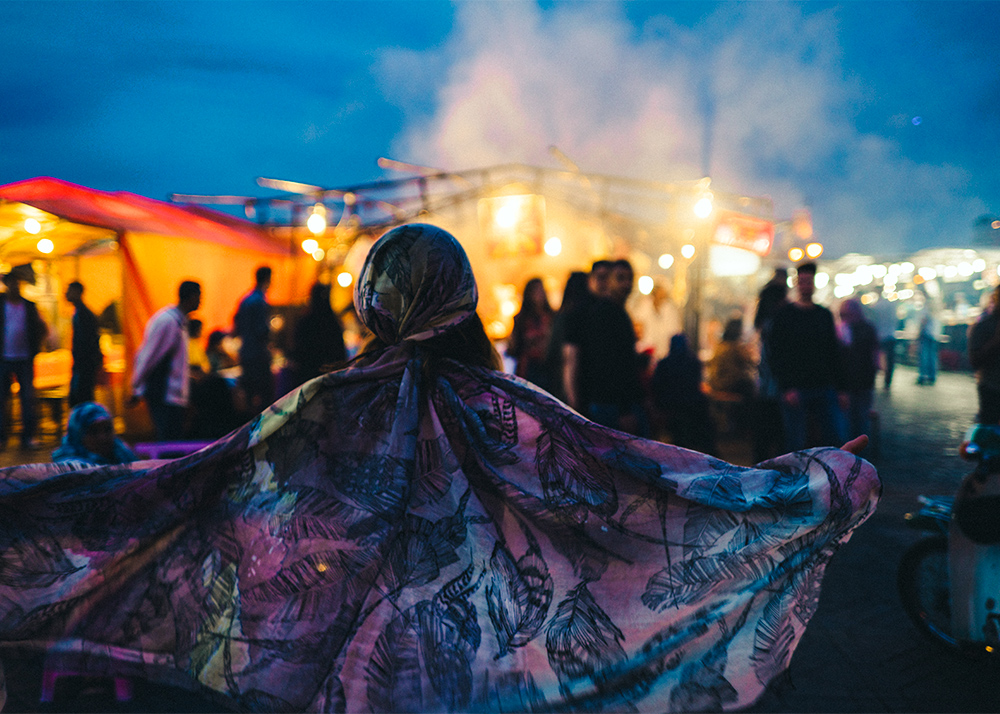
• Jemaa el-Fnaa
• The surrounding souks
Shopping in Marrakech is part of the experience, although bargaining remains expected throughout the medina. Negotiating respectfully almost always leads to better prices while creating a far more enjoyable interaction with local vendors.
On your third day, escape the city with a drive to Essaouira.
The Atlantic coastline provides an entirely different atmosphere from inland Morocco. Whitewashed buildings, blue fishing boats, fresh seafood, and steady ocean breezes create an easygoing pace that contrasts beautifully with Marrakech's energy.
Walk the historic medina, browse independent galleries, have lunch overlooking the harbor, and enjoy one final evening before returning to Marrakech.
Day 12 - Departure
Depending on your flight, depart from Marrakech Menara Airport or return to Casablanca if international connections work better from there.
If your schedule allows, leave extra time before your flight. Traffic around Marrakech can become busy during peak hours, particularly around the medina and airport.
Why This Route Works So Well
Many Morocco itineraries attempt to include every major destination while leaving little time to appreciate any of them.
This route strikes a far better balance.
Instead of changing hotels every night, several destinations include multiple evenings, allowing enough time to experience each city beyond its headline attractions while still covering Morocco's most iconic landscapes.
During twelve days you'll experience:
• Four of Morocco's most significant cities
• The Sahara Desert
• The High Atlas Mountains
• UNESCO World Heritage Sites
• Atlantic coastline
• Traditional riads and desert camps
• Historic medinas
• Mountain villages
For a first visit, it remains one of the most complete introductions to the country.
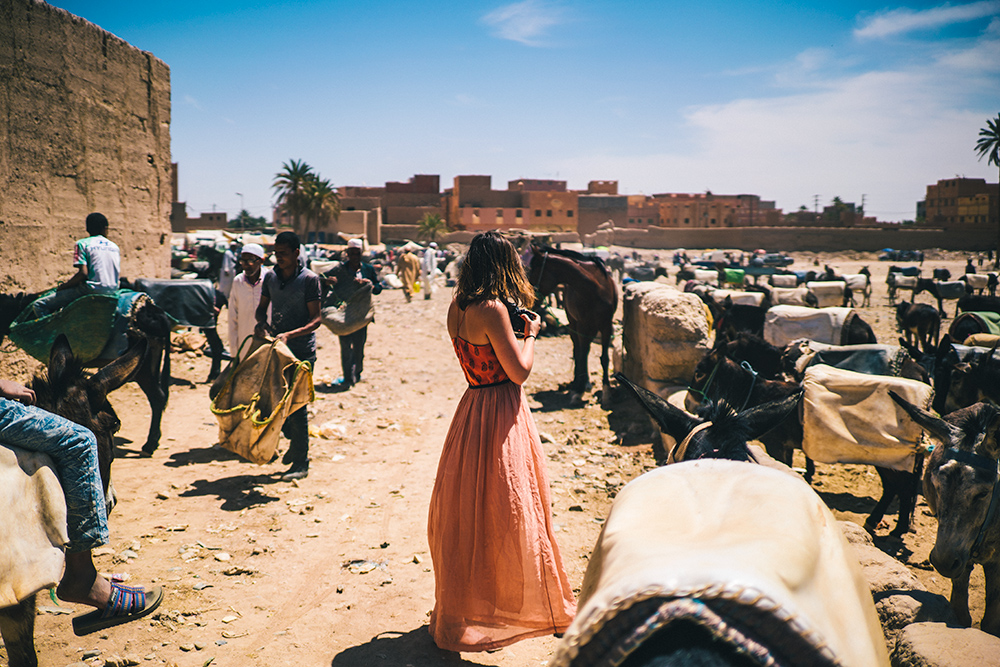
Best Time to Visit Morocco
Morocco can be visited throughout the year, although spring and fall generally offer the most comfortable weather across the entire route for traveling in Morocco.
March through May
Pleasant temperatures, green landscapes, blooming valleys, and comfortable sightseeing conditions make spring one of the best seasons to visit.
September through November
Warm days, cooler evenings, and excellent desert conditions create another ideal travel window.
June through August
Summer brings intense heat, particularly in Marrakech and the Sahara, where daytime temperatures frequently exceed 100°F. Early mornings and evenings become the most comfortable times for sightseeing.
December through February
Winter remains an excellent time for the imperial cities and Atlantic coast, although desert nights and the Atlas Mountains can become surprisingly cold. Warm layers are essential.
How Much Does a 12-Day Morocco Trip Cost?
Prices vary considerably depending on accommodation, transportation, and whether you choose a private itinerary or group tour.
Budget
Approximately $900 to $1,400 per person.
Generally includes simple riads, shared transportation, and standard desert camps.
Mid-range
Approximately $1,600 to $2,500 per person.
Expect boutique riads, private transportation, licensed city guides, and upgraded Sahara camps.
Luxury
Approximately $2,800 to $4,500 or more per person.
Luxury itineraries often include five-star riads, premium desert camps, private guides throughout the trip, exclusive experiences, and highly personalized service.
International flights, entrance fees, lunches, drinks, and personal shopping are often priced separately, so compare inclusions carefully before booking.
What to Pack for Morocco
Packing for Morocco means preparing for dramatically different climates throughout the trip.
Bring:
• Lightweight clothing for warm afternoons
• Layers for cool mountain mornings and desert nights
• Comfortable walking shoes with good grip
• A light scarf for sun protection and visiting religious sites
• Sunglasses and sunscreen
• Reusable water bottle
• European Type C or E power adapter
• Basic medications and a small first-aid kit
• A camera with extra batteries or portable charger