Travel can be brilliant for the mind and surprisingly tough on the body. Long flights, unfamiliar food, late nights, and packed itineraries can quickly knock your usual routine off course. But staying healthy away from home doesn’t mean turning your trip into a wellness retreat. A few realistic habits can help you feel better without getting in the way of the reason you traveled in the first place.
1. Keep Your Usual Health Routine Within Reach
Travel changes your surroundings, but it does not have to mean abandoning the routines that work for you at home. Before you leave, think about the parts of your normal health routine you may need to keep up while away. That might include taking regular medication, tracking prescriptions, or arranging access to healthcare if you need it.
Online healthcare can be particularly useful when traveling because you’re not tied to visiting a physical pharmacy simply to look into your options. Curely is an online pharmacy platform offering healthcare services across areas such as sexual health, weight loss, and general wellness. You can access pharmacy services online at www.curely.co.uk, which can make it easier to manage healthcare needs when away from your usual routine.
The aim is to remove the avoidable complications that could interrupt your trip. Keep important health information accessible and pack anything you regularly rely on somewhere you can reach it easily.
2. Walk Whenever It Makes Sense
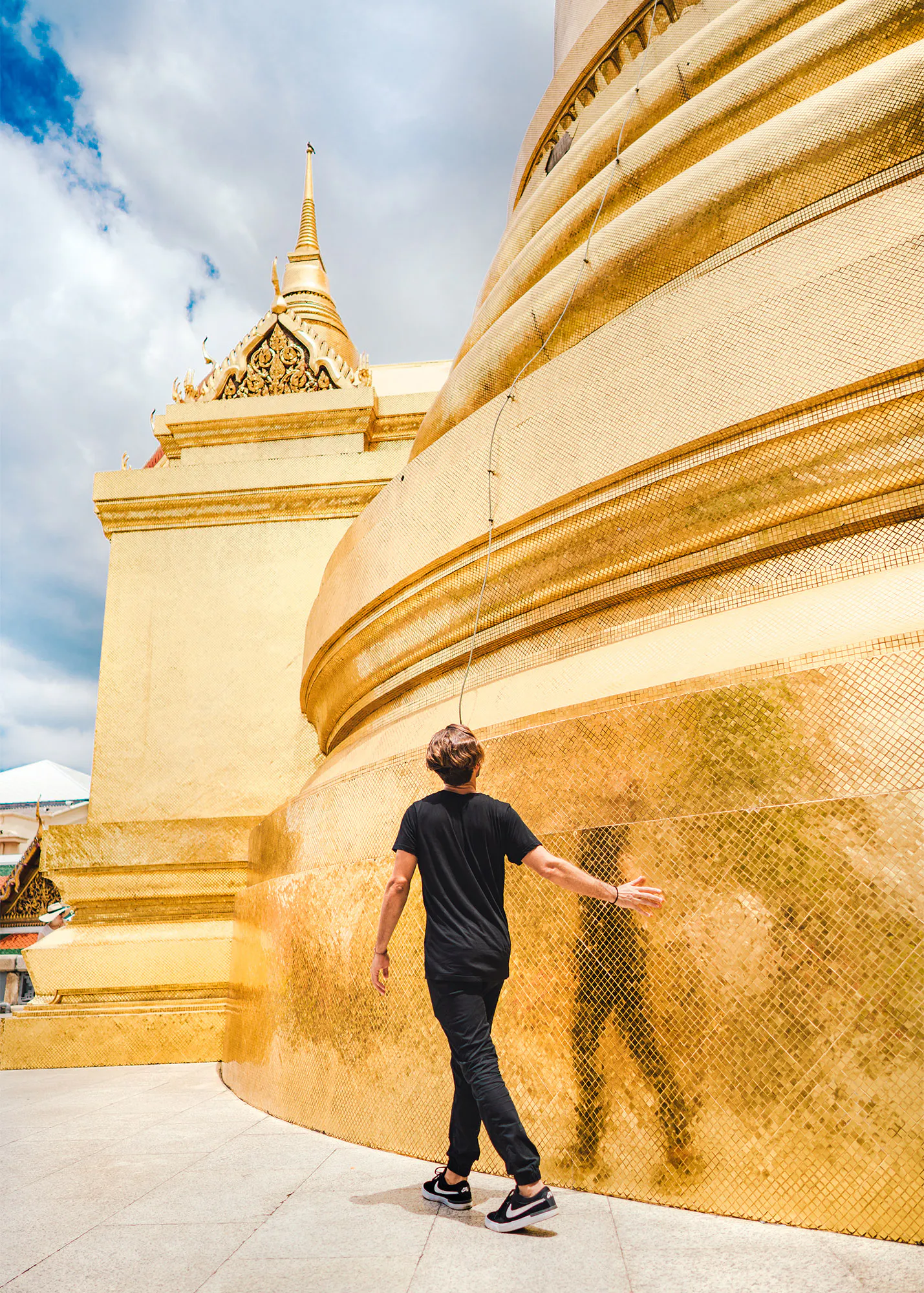
One of the easiest ways to stay active while traveling is also one of the best ways to experience a destination: walk.
Skip the taxi for shorter journeys and wander between nearby sights instead. Walk around a neighborhood before dinner, take the stairs at your hotel, or spend an afternoon exploring a market on foot. These small choices add movement to the day without requiring a dedicated workout.
Just remember that sightseeing can involve more walking than you expect. Comfortable shoes matter, especially on city breaks where you might spend hours on cobbled streets, hills, or museum floors.
3. Drink Water Throughout the Day
It’s easy to forget about water when rushing through an airport or spending all day sightseeing. Carrying a refillable bottle gives you a simple visual reminder to drink regularly.
Hot weather and active days can also change how thirsty you feel, so pay attention to what your body is telling you. Rather than waiting until the end of the day to realize you have barely had a drink, make water part of natural breaks such as meals, coffee stops, and train journeys.
4. Protect Your Sleep Where You Can

Travel and perfect sleep rarely go together. Early departures, unfamiliar hotel rooms, street noise, and changing time zones all have other plans.
You can still give yourself a better chance of resting well. Pack an eye mask and earplugs if light or noise distracts you. Try not to cram every evening with activities, either. A quiet night can be worthwhile when several busy days lie ahead.
After crossing time zones, spending time outside during daylight and gradually settling into the local schedule can also make your new routine feel more natural.
5. Keep Meals Fairly Regular
There is no reason to spend a trip counting calories or skipping local dishes in favor of your normal weekday lunch. Food is part of traveling, after all.
What helps is keeping some structure. If you know dinner will be late, have something earlier rather than arriving at the restaurant ravenous. A simple breakfast can also make an early sightseeing schedule much more pleasant.
Look for meals that leave you satisfied and give you enough energy for the day. Then enjoy the pastry, street-food stop, or long dinner you have been looking forward to without treating it as a failure of your routine.
6. Carry a Few Useful Snacks
Hunger has terrible timing. It tends to appear halfway through a train journey, during a long museum visit, or just after every nearby café has closed.
Keep a couple of easy snacks in your day bag for those gaps. Fruit, nuts, crackers, or another portable option you already enjoy can tide you over until your next proper meal.
Snacks are particularly handy on travel days, when delays and unfamiliar schedules can make mealtimes unpredictable.
7. Make Exercise Fit the Trip

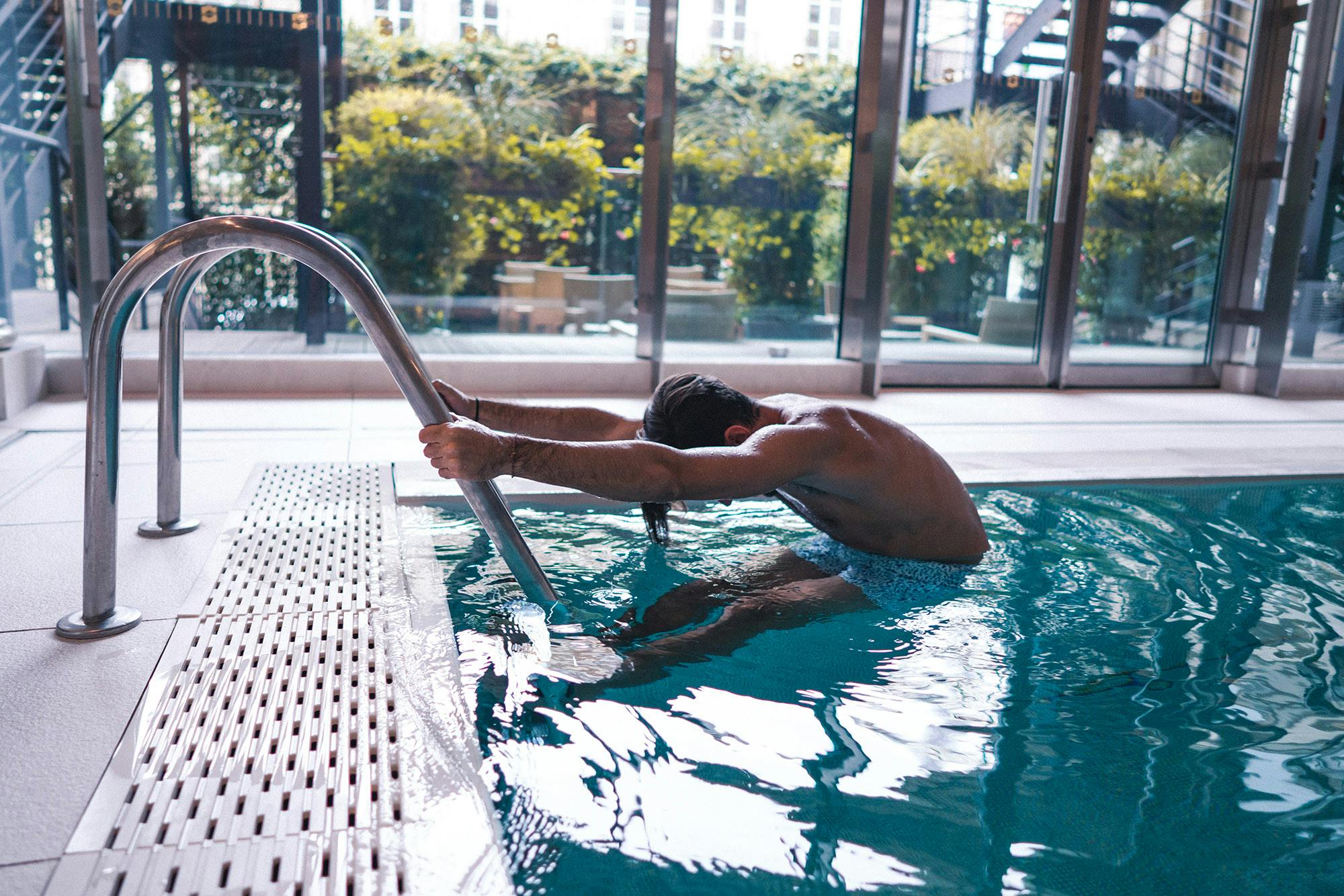
A workout does not need to happen inside a hotel gym. A swim, hike, bike ride, surf lesson, or morning run can give you plenty of movement while adding something memorable to your itinerary.
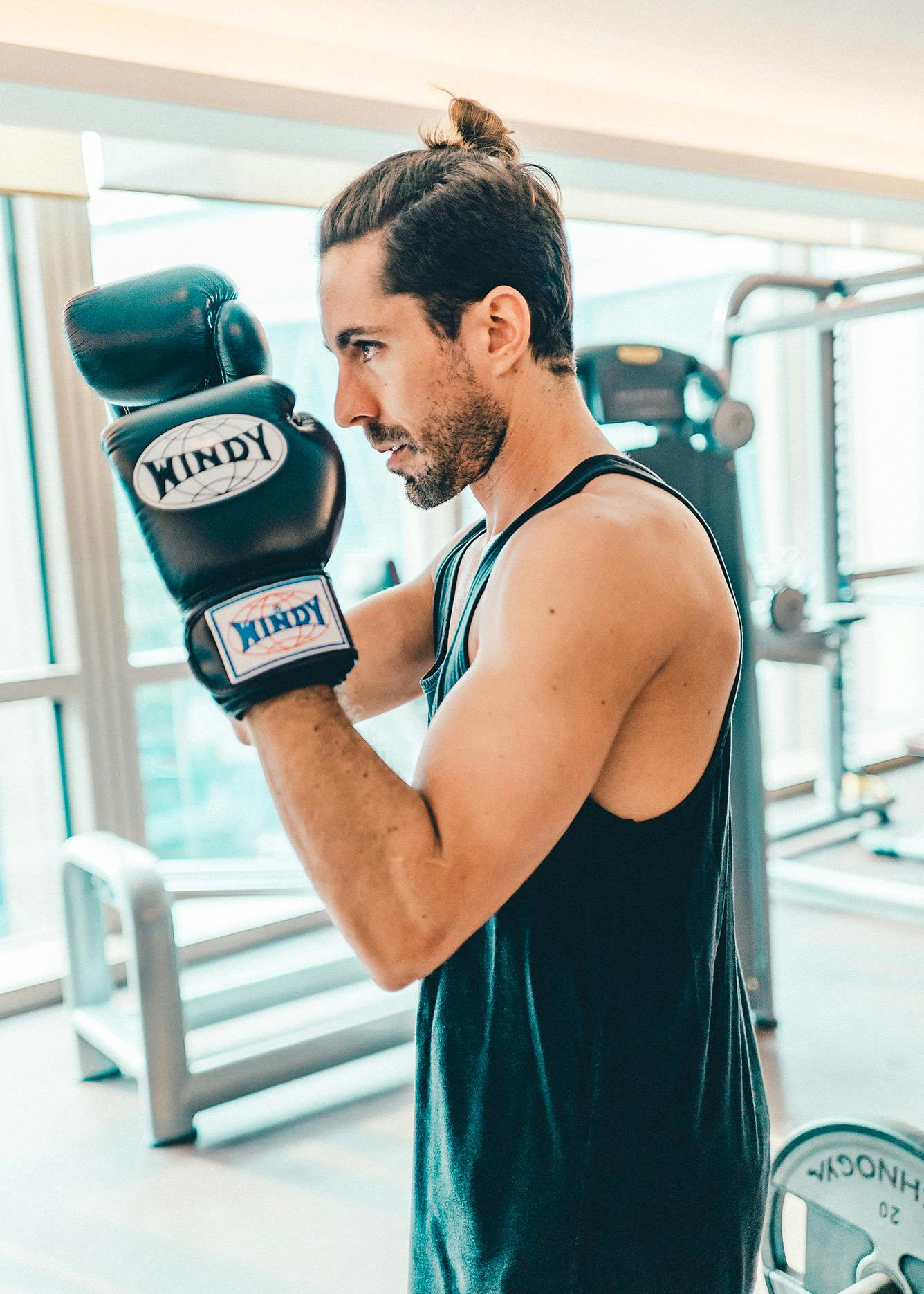
If you prefer structured workouts, keep them simple. A short bodyweight session in your room may be more realistic than trying to recreate your complete home routine.
Choose activities that suit the destination. You are far more likely to stay active when movement feels like part of the trip rather than another task on your schedule.
8. Give Yourself Time to Recover
A packed itinerary can look fantastic on paper and feel exhausting by day three. Leave some empty space.
Spend an hour reading by the pool. Sit in a café without immediately heading to the next attraction. Return to your accommodation for an afternoon break if you need one.
Rest does not waste precious travel time. It can help you enjoy the experiences you care about instead of dragging yourself through them because they were already booked.
9. Wash Your Hands at Sensible Times
Airports, public transport, busy attractions, and shared spaces put you in contact with plenty of high-touch surfaces. Basic hygiene remains one of the simplest habits to carry from home.
Wash your hands before eating and after using the bathroom. When soap and water are not readily available, carrying hand sanitiser can be useful until you can wash them properly.
You don't need to worry about every surface you touch. Stick with practical habits and get on with your day.
10. Take Sun Protection Seriously

Hours outdoors can add up quickly when you are sightseeing, hiking, sailing, or relaxing on a beach. Pack sun protection somewhere accessible rather than burying it at the bottom of your suitcase.
Seek shade when you need a break from the strong sun, and consider clothing, a hat, and sunglasses part of your daytime kit. Reapply sunscreen as directed, especially after swimming or sweating.
11. Limit the “I’m on Holiday” Effect
Travel often comes with later nights, richer meals, and more drinks than an average week at home. Enjoying those things is part of many trips, but you do not have to turn every meal and evening into an exception.
Pick the experiences you genuinely want. If tonight calls for a long dinner, maybe tomorrow starts slowly. If you have several active days ahead, an earlier night may feel better than squeezing in another bar simply because you are away.
12. Pay Attention to How You Feel
Your itinerary is a plan, not an obligation. If you feel exhausted, take a break. If a planned activity suddenly seems too demanding, change it.
The same principle applies when you feel unwell. Do not ignore symptoms just because getting sick is inconvenient. Knowing where and how to seek appropriate medical help at your destination can save you from trying to figure everything out when you already feel terrible.
Final Thoughts
Staying healthy while traveling is less about following a flawless routine and more about keeping a few good habits intact. Walk when you can, drink regularly, eat sensibly, protect your sleep, and leave room for rest.
Most importantly, build your health habits around the trip rather than building the trip around them. A flexible routine gives you space for spontaneous dinners, long days of sightseeing, early flights, and lazy afternoons. That balance can help you return home with great memories, rather than feeling like you need another holiday to recover from the first.